

Peru Travel Guide: Top Destinations, Practical Tips, and How to Plan Your Trip
Peru packs an unusual range of landscapes and cultures into one country: the Pacific coast, the high Andes, and the Amazon rainforest all sit within a few hours of each other. This Peru travel guide walks through what to see, what to know before you go, and how the country’s top destinations fit together into a single trip.
Most first-time visitors build a trip around Cusco, the Sacred Valley, and Machu Picchu, then branch out toward Lake Titicaca, Arequipa, the Amazon, or the southern coast depending on how much time they have. The sections below cover each region briefly and link to a dedicated guide for anyone who wants to go deeper.
Why Visit Peru?

Peru combines several distinct travel experiences that most countries only offer one or two of:
- Inca and pre-Inca archaeological sites, led by Machu Picchu
- Andean culture and communities that have preserved traditions for centuries
- A world-class food scene centered in Lima
- Amazon rainforest with some of the planet’s highest biodiversity
- Desert coastline, oases, and the Nazca Lines
- High-altitude trekking, from the Inca Trail to Rainbow Mountain
Before You Go: Practical Travel Essentials
Best Time to Visit Peru
Timing depends heavily on which regions you’re visiting, since Peru’s coast, highlands, and jungle each follow different seasons.
| Region | Best Time to Visit |
|---|---|
| Cusco, Sacred Valley & Machu Picchu | May–September (dry season) |
| Lima & the coast | December–March |
| Peruvian Amazon | April–November (drier months) |
| Lake Titicaca | April–October |
April, May, September, and October are shoulder months with smaller crowds and generally decent weather across most regions. For a month-by-month breakdown, see our guide to the best time to visit Peru.
Visa Requirements
Travelers from the United States, Canada, the United Kingdom, the European Union, and Australia can generally enter Peru without a visa for tourism. U.S. citizens are typically granted a 90-day stay on arrival, though immigration officers have discretion to allow up to 183 days within a 365-day period. Your passport should be valid for at least six months beyond your arrival date. Since rules vary by nationality and can change, confirm current requirements with Peru’s immigration authority or your nearest consulate before booking.
Currency
The official currency is the Peruvian Sol (PEN). Credit cards are widely accepted in Lima, Cusco, and other tourist hubs, but it’s worth carrying cash for local markets, rural areas, and smaller towns.
Language
Spanish is Peru’s official language, and Quechua and Aymara are widely spoken in Andean and rural communities. In Cusco, Lima, and other tourist destinations, many guides and hospitality staff also speak English.
Altitude Awareness
Cusco sits at roughly 3,400 meters (11,150 feet), and Lake Titicaca is even higher, so mild altitude sickness is common in the first day or two. To acclimatize: rest on arrival, stay hydrated, avoid alcohol and heavy meals at first, and consider coca tea, a traditional Andean remedy. If you have health concerns, talk to a doctor about altitude medication before your trip. For a full breakdown of symptoms and prevention, see our guide to altitude sickness in Peru.
Getting to Peru
Most international travelers fly into Jorge Chávez International Airport in Lima before connecting on to Cusco or other regions. Compare routes and booking tips in our guide to flights to Peru.
Getting Around Peru
Peru is large, and moving between regions usually means combining domestic flights, buses, or trains. The most common route for visitors is Lima to Cusco, see our comparison of the best ways to travel from Lima to Cusco for flight, train, and overland options.
Responsible Travel
Peru’s archaeological sites, natural areas, and Andean communities are irreplaceable. Travelers can help protect them by:
- Choosing tour operators with genuine sustainability practices
- Respecting site rules and restricted areas at archaeological sites
- Avoiding single-use plastics where possible
- Supporting local guides, markets, and community-run businesses
Top Destinations in Peru
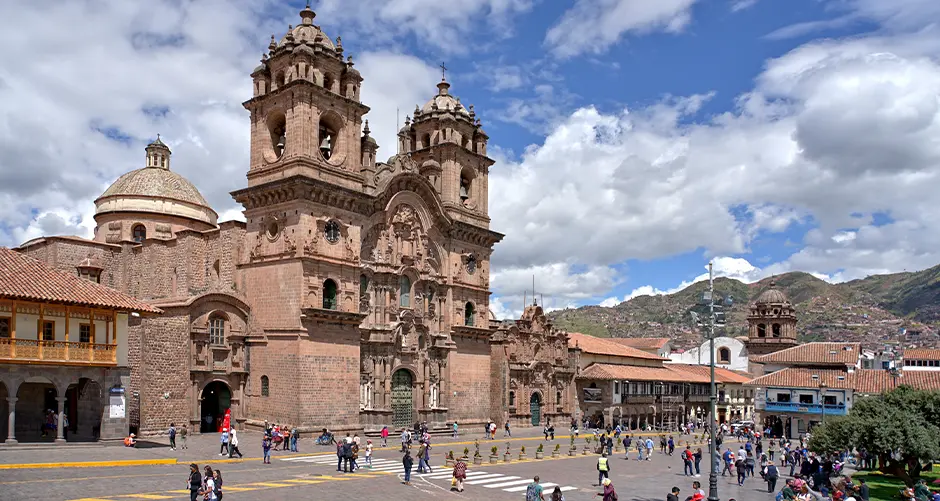
Cusco
Once the capital of the Inca Empire, Cusco pairs colonial architecture with Inca stonework in a compact, walkable center. Most itineraries use the city as a base to acclimatize before heading into the Sacred Valley or on to Machu Picchu. See our guide to the top things to do in Cusco.
Machu Picchu
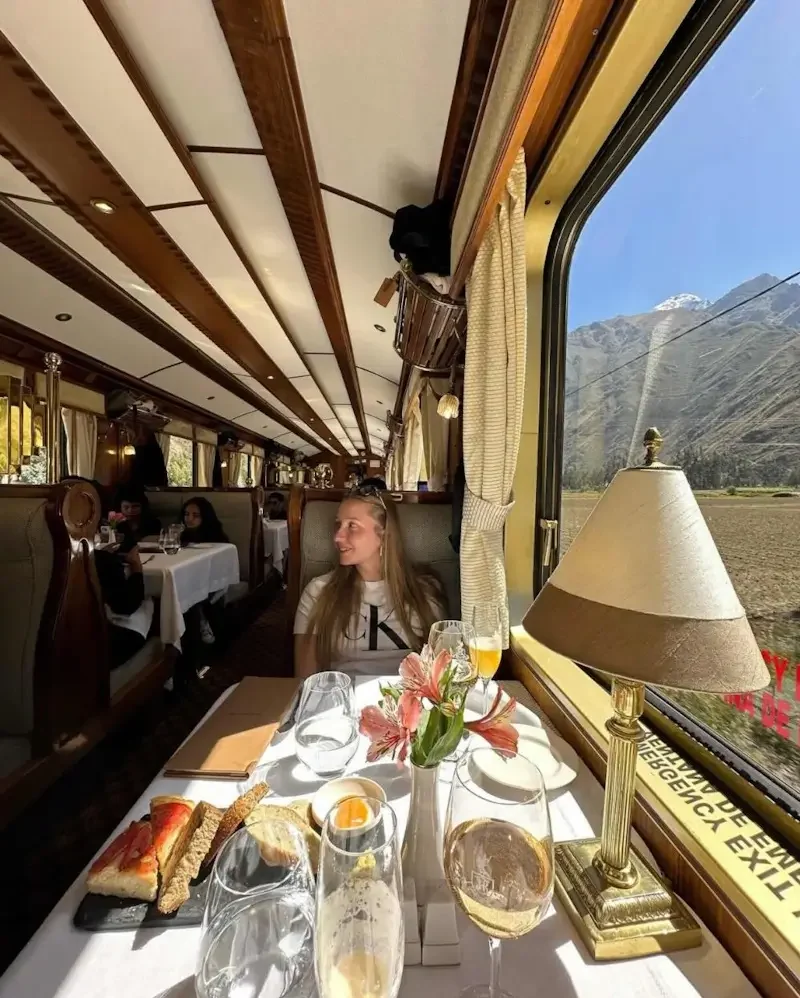
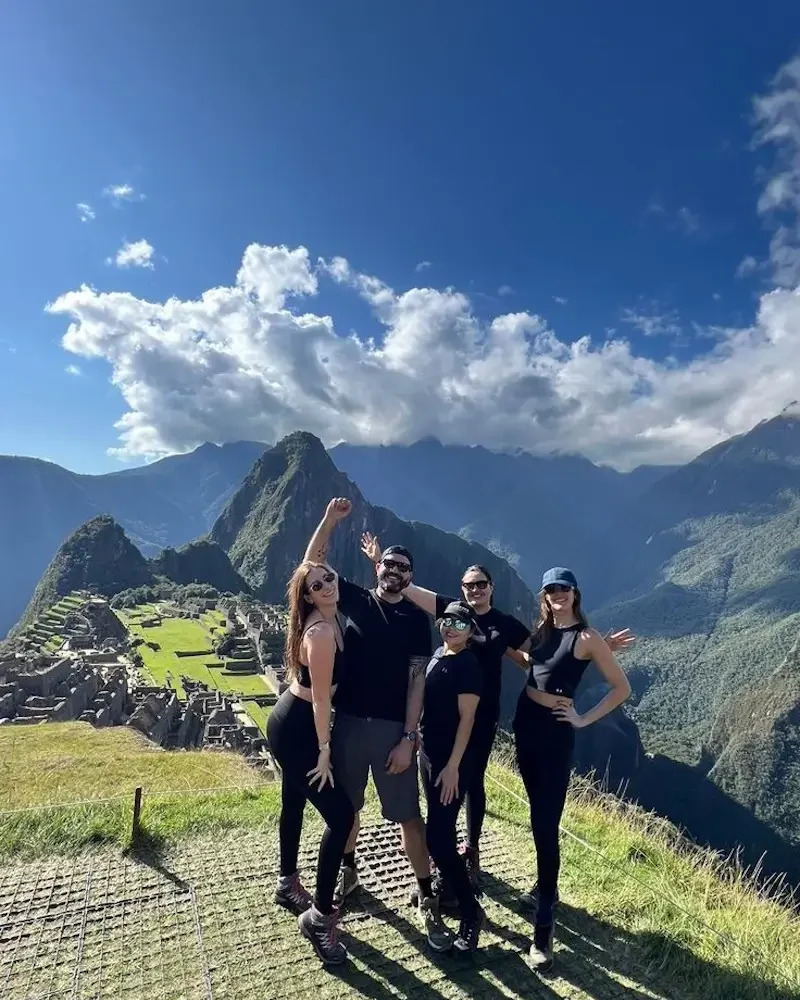
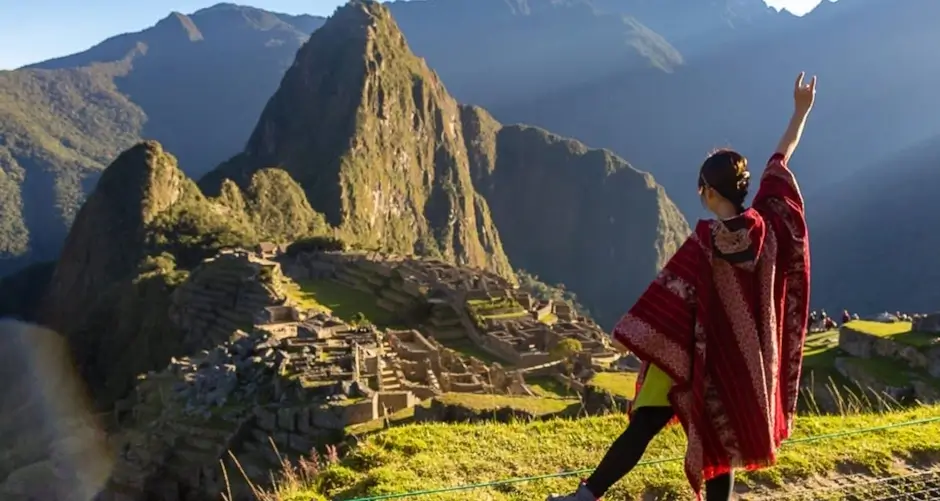
Peru’s most famous site and one of the New Seven Wonders of the World, Machu Picchu sits on a ridge above the Urubamba River, reached by train from the Sacred Valley or on foot. Entry requires an advance, timed ticket, and slots for peak months (June–August) sell out weeks or months ahead. Our Machu Picchu travel guide covers routes and what to expect on-site, while our Machu Picchu tickets guide and Inca Trail guide cover booking and permits.
The Sacred Valley
Stretched between Cusco and Machu Picchu, the Sacred Valley combines Inca ruins, working agricultural terraces, and Andean villages at a lower, more comfortable altitude than Cusco, a good place to spend a night or two while acclimatizing. Pisac’s market, the fortress at Ollantaytambo, and the Maras salt pans are its best-known stops. Read our full Sacred Valley of the Incas guide.
Lima
Peru’s capital anchors most itineraries as the international arrival point, and it has become one of South America’s leading food cities in its own right. Miraflores and Barranco are the neighborhoods most visitors base themselves in. See our Lima travel guide for where to stay and eat.
Lake Titicaca
Shared with Bolivia, Lake Titicaca is the highest navigable lake in the world. Its Uros floating islands and Taquile Island offer a rare look at communities that have preserved distinct textile and boat-building traditions for centuries. Most visits start from Puno.
Rainbow Mountain
Vinicunca, better known as Rainbow Mountain, draws hikers with its naturally striped mineral slopes in the Cusco region. It’s a strenuous, high-altitude day trip, so acclimatizing in Cusco first matters. See our Rainbow Mountain Peru guide for difficulty and how to book.
The Peruvian Amazon
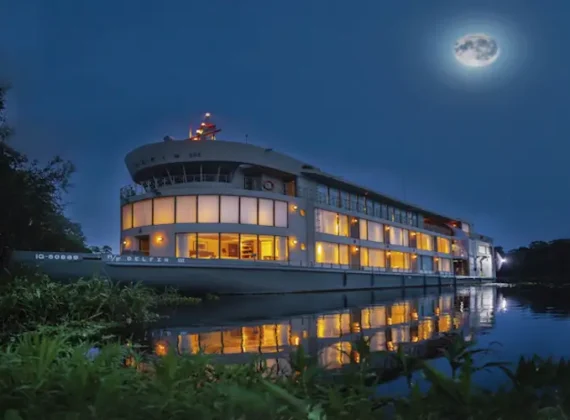
Peru holds a large share of the Amazon rainforest. Puerto Maldonado, in the south, is the most accessible gateway for a short jungle lodge stay, while Iquitos in the north suits longer, more remote expeditions. Compare regions in our guide to the Peruvian Amazon Jungle, or read our dedicated guide to Puerto Maldonado Amazon.
Arequipa
Built largely from white volcanic stone, Arequipa is Peru’s second-largest city and the base for trips to Colca Canyon, one of the world’s deepest canyons and a reliable spot to see Andean condors. Its historic center is worth a dedicated day, see our guide to Arequipa in one day.
Paracas
On the southern coast, Paracas is the departure point for boat tours of the Ballestas Islands and for visits to the Paracas National Reserve, a protected desert coastline with large sea lion and seabird colonies.
Nazca Lines
The Nazca Lines are enormous geoglyphs etched into the desert floor, fully visible only from the air. Most visitors see them on a scenic overflight from Nazca or Pisco, see our guide to Nazca Lines flights for how to book one safely.
Huacachina
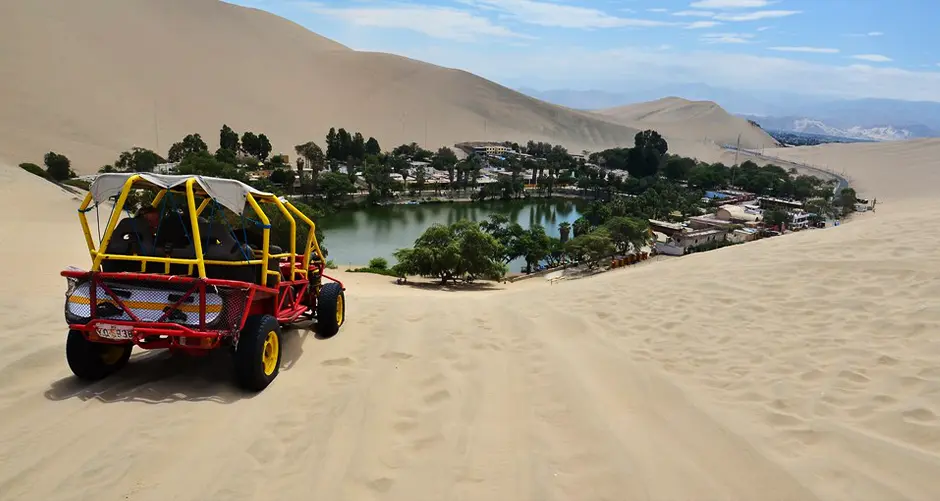
A small desert oasis near Ica, Huacachina is a popular stop for sandboarding and dune buggy rides. It works well as a short detour between Lima and Paracas or Nazca, see our guide to things to do in Huacachina.
Ica Valley and the Pisco Route
The Ica region is also Peru’s wine and pisco country, with several bodegas near Ica and Lunahuaná open for tastings. Our guide to the Pisco Route in Peru covers which vineyards to visit and how pisco is made.
How Many Days Do You Need in Peru?
A 7 to 10-day trip is enough for Lima, Cusco, the Sacred Valley, and Machu Picchu, the classic first-timer’s route. Adding Lake Titicaca, Arequipa, or a few days in the Amazon typically pushes a trip to two weeks or more. Combining Peru with the southern coast (Paracas, Huacachina, Nazca) or a multi-day trek usually calls for three weeks to cover everything without rushing.
A few starting points for planning:
- 5-day Peru tour: Lima, Cusco, Sacred Valley, and Machu Picchu
- 15-day Peru tour: Lima, Paracas, Nazca, Arequipa, Lake Titicaca, Cusco, Sacred Valley, and Machu Picchu
- 20-day Peru tour: adds an Amazon river cruise and the southern coast
Peruvian Cuisine
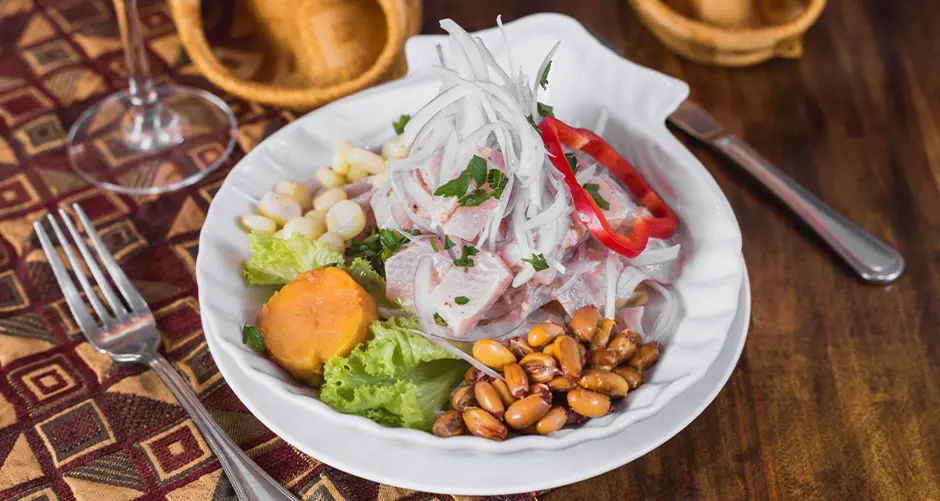
Peru’s food scene draws on Andean, coastal, and Amazonian ingredients, plus strong Chinese and Japanese influences from 19th- and 20th-century immigration. Ceviche, lomo saltado, and pisco sours are the dishes most visitors try first, and Lima has become a serious destination for food travelers in its own right. See our guide to Peruvian cuisine for regional specialties and where to try them.
Is Peru Safe for Tourists?
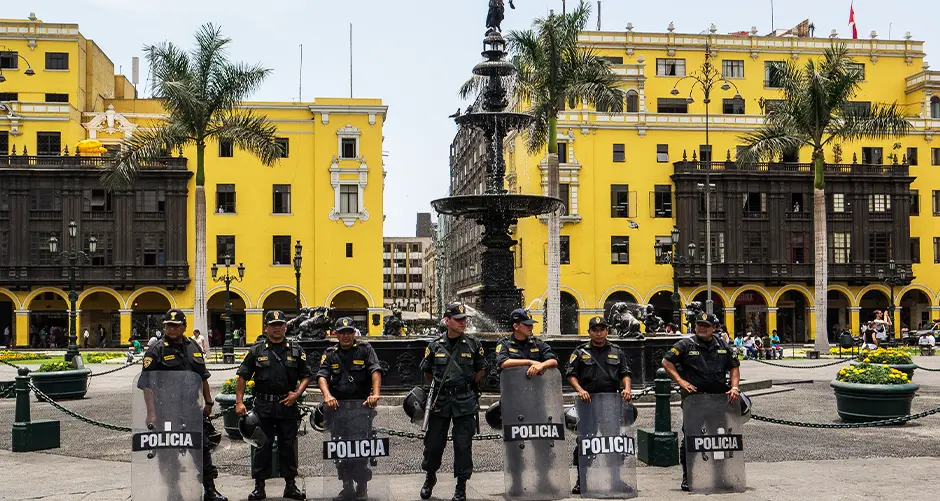
Peru is generally safe for tourists, particularly in well-traveled areas like Cusco, the Sacred Valley, and central Lima. As anywhere, take standard precautions: use registered taxis or ride-hailing apps rather than hailing cabs on the street, keep valuables out of sight, and avoid walking alone late at night in unfamiliar areas. Check your government’s current travel advisories before departure, since conditions can vary by region.
Plan Your Trip with Leading Peru Travel

Leading Peru Travel designs private, tailor-made itineraries across Peru and Bolivia, working with local guides in each region to combine the destinations above into a single trip. If you’d rather not piece together flights, permits, and hotel bookings on your own, contact us on WhatsApp and we’ll help build an itinerary around the time you have and the places you most want to see.
FAQs About Traveling to Peru
Is Peru safe for tourists?
Yes, generally, especially in popular destinations like Cusco, Lima, and Machu Picchu. Take basic precautions such as using authorized transportation, avoiding isolated areas at night, and keeping valuables secure, and follow the guidance of experienced local operators.
What is the best time to visit Peru?
It depends on your route. The dry season (May–September) is best for the Andes and Machu Picchu, while the Amazon is drier from roughly April to November and the coast is warmest from December to March. April, May, September, and October offer a reasonable balance of good weather and smaller crowds.
How many days do you need in Peru?
A 7 to 10-day trip covers Lima, the Sacred Valley, Cusco, and Machu Picchu comfortably. Travelers adding Lake Titicaca, Arequipa, the Amazon, or the southern coast usually plan for two to three weeks.
Do U.S. citizens need a visa for Peru?
No. U.S. citizens can enter Peru visa-free for tourism, typically receiving a 90-day stay on arrival, with immigration officers able to grant up to 183 days within a 365-day period at their discretion. Your passport must be valid for at least six months beyond your arrival date.
Do I need altitude sickness medication in Cusco?
Not everyone does, but mild altitude sickness is common in the first day or two at Cusco’s elevation. Rest on arrival, stay hydrated, avoid heavy meals and alcohol at first, and consider coca tea. Travelers with health concerns should ask their doctor about altitude medication before the trip.
Is Machu Picchu worth visiting?
Yes, it’s one of the New Seven Wonders of the World and, for most visitors, the highlight of a trip to Peru. Booking tickets and transportation well in advance, especially in the June–August peak season, makes the visit go far more smoothly.
What currency should I bring to Peru?
The Peruvian Sol (PEN) is the official currency. Cards are widely accepted in cities and tourist areas, but carry some Soles in cash for markets, rural areas, and small towns.