Machu Picchu Travel Guide: Everything You Need to Know Before Visiting Peru’s Wonder

23 de February de 2025 Peru

The Machu Picchu Travel Guide is designed to help travelers plan an unforgettable journey to one of the world’s most iconic destinations. Located high in the Andes Mountains of Peru, Machu Picchu is a UNESCO World Heritage Site and one of the New Seven Wonders of the World.

This complete guide provides everything you need to know before visiting, including how to get there, the best time to visit, ticket options, travel routes, and expert tips. Whether you are traveling for adventure, culture, or photography, this guide will help you make the most of your experience in Peru.

Where is Machu Picchu? A Complete Guide to Peru’s Lost Inca City

Group tours to Peru

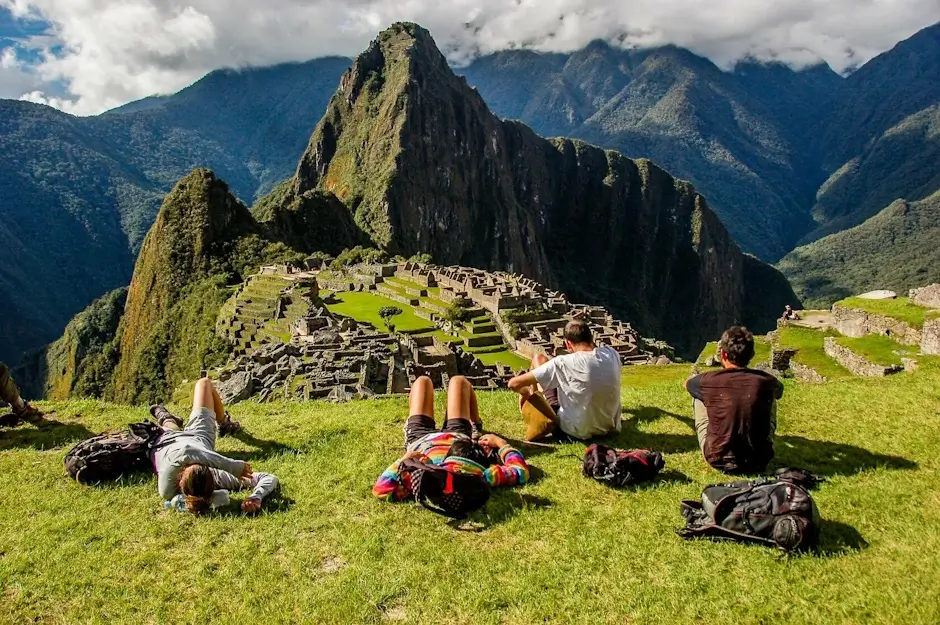
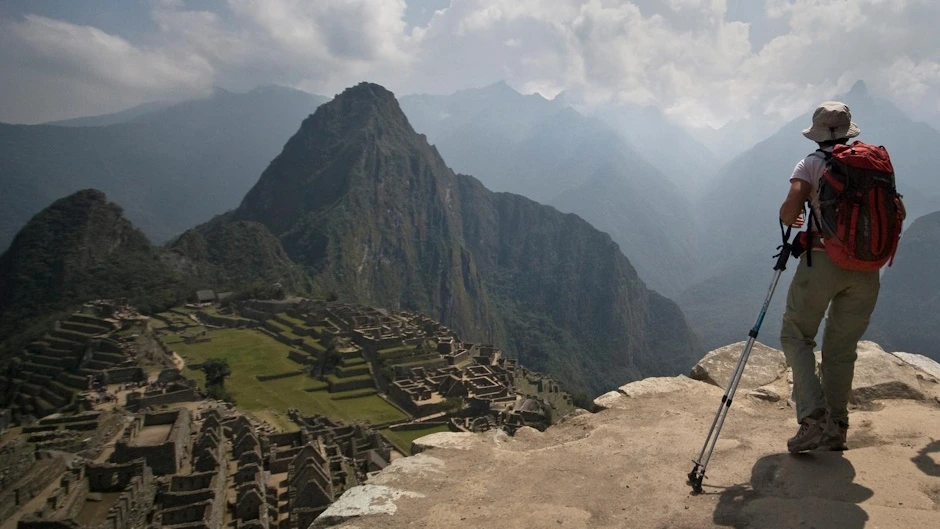
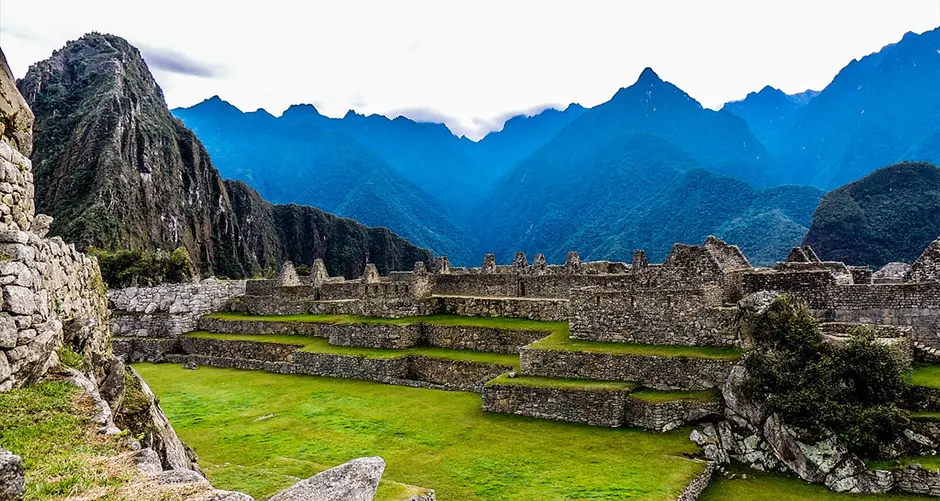
Machu Picchu is one of the most iconic archaeological sites in the world, but many travelers still ask the same question: Where is Machu Picchu located? Nestled high in the Andes Mountains of Peru, this ancient Inca citadel sits in a breathtaking natural setting that combines history, mystery, and incredible landscapes.

In this guide, you’ll learn exactly where Machu Picchu is, how it fits into Peru’s geography, and why its location is so important to its history and visitor experience.

Where is Machu Picchu Located?

Machu Picchu is located in the southeastern part of Peru, in the Cusco Region, one of the most culturally rich areas of the country.

More specifically, it sits:

  • In the Urubamba Province
  • Above the Sacred Valley of the Incas
  • At the edge of the Amazon rainforest cloud forest
  • Approximately 80 km (50 miles) northwest of Cusco city

This unique position places Machu Picchu between the Andes mountains and the Amazon basin, creating a dramatic and diverse natural environment.

Country Context: Where is Machu Picchu in Peru?

Peru is located on the western side of South America, and Machu Picchu lies deep within its mountainous interior.

  • Country: Peru
  • Region: Cusco
  • Landscape: Andes Mountains + Cloud Forest
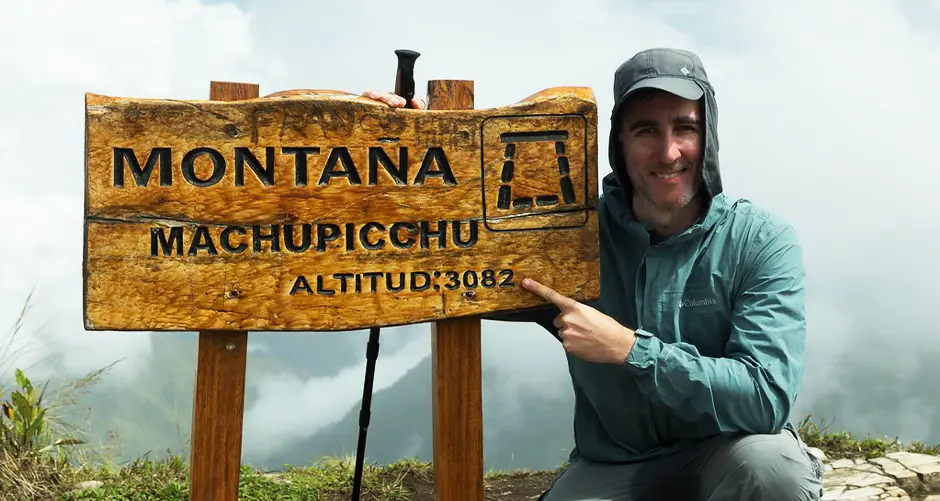
  • Altitude: ~2,430 meters (7,970 feet) above sea level

This high-altitude setting is one of the reasons Machu Picchu remained hidden from the outside world for centuries.

How Far is Machu Picchu from Cusco?

Most travelers start their journey in Cusco, the historical capital of the Inca Empire.

  • Cusco to Machu Picchu (Aguas Calientes): ~3.5 to 5 hours by train
  • Final ascent to Machu Picchu: Bus or hike from Aguas Calientes
  • Total journey: Usually 1 full day of travel

The route itself is part of the experience, passing through rivers, mountains, and lush valleys.

Why is the Location So Special?

The location of Machu Picchu is not random—it was carefully chosen by the Incas for strategic and spiritual reasons:

Natural Protection

Surrounded by steep mountains and the Urubamba River, the site was naturally hidden and protected.

Climate Diversity

The mix of Andean and Amazon climates creates fertile land and rich biodiversity.

Spiritual Significance

The Incas believed mountains were sacred beings (“Apus”), making this location spiritually powerful.

How to Get to Machu Picchu

To reach Machu Picchu, travelers typically follow this route:

  1. Fly or travel to Cusco, Peru
  2. Take a train from Ollantaytambo or Cusco to Aguas Calientes
  3. Take a bus or hike up to the citadel

Alternative options include trekking routes like the Inca Trail, Salkantay Trek, or Inca Jungle Trek.

Best Time to Visit Machu Picchu

  • Dry season (May to September): Best weather, clearer views
  • Rainy season (November to March): Fewer tourists, greener landscapes

How to Get to Machu Picchu: Complete Travel Guide from Cusco, Peru

Be Mindful of the Return Trip on Your Tour to Machu Picchu

Reaching Machu Picchu is one of the most unforgettable travel experiences in South America. Hidden high in the Andes Mountains, this ancient Inca citadel is not directly accessible by road, which makes the journey part of the adventure.

In this guide, you’ll learn exactly how to get to Machu Picchu step by step, including trains, buses, trekking routes, and essential travel tips.

Where Do You Start the Journey?

Most travelers begin their trip in Cusco, the historic capital of the Inca Empire. From Cusco, you travel through the Sacred Valley before reaching Machu Picchu.

There is no direct road to the citadel, so every route involves a combination of transport options.

Main Route: Train to Machu Picchu (Easiest Option)

The most popular and comfortable way to get to Machu Picchu is by train.

Step-by-step:

  1. Travel from Cusco or the Sacred Valley to a train station:
    • Poroy (near Cusco)
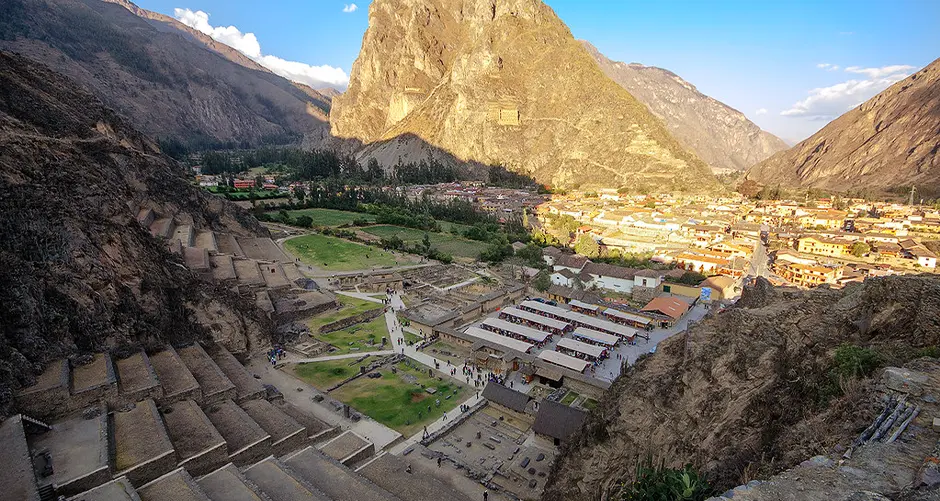
    • Ollantaytambo (most common departure point)
  2. Take a scenic train ride to Aguas Calientes (also called Machu Picchu Pueblo)
  3. From Aguas Calientes, take a bus or hike up to Machu Picchu

Train operators:

  • PeruRail
  • Inca Rail

Travel time:

  • Ollantaytambo → Aguas Calientes: ~1.5 to 2 hours
  • Cusco → Aguas Calientes: ~3.5 to 4 hours

This route is ideal for travelers who want comfort and amazing mountain views.

Bus + Train Combination (Budget-Friendly Option)

A more economical route is:

  1. Take a bus or van from Cusco to Ollantaytambo
  2. Take the train from Ollantaytambo to Aguas Calientes
  3. Take the bus up to Machu Picchu

This option saves money while still offering comfort and flexibility.

Adventure Option: The Inca Trail Trek

For adventure seekers, the Inca Trail is the most iconic way to arrive.

Key facts:

  • Duration: 4 days / 3 nights
  • Starts: Km 82 (near Ollantaytambo)
  • Ends: Sun Gate (Inti Punku) at Machu Picchu

This route follows original Inca paths and ends with a sunrise arrival at the citadel—one of the most memorable experiences in the world.

Note: Permits are limited and must be booked months in advance.

Alternative Treks to Machu Picchu

If the Inca Trail is full, you can choose other amazing trekking routes:

Salkantay Trek

  • 4 to 5 days
  • Passes glaciers, lakes, and jungle landscapes

Inca Jungle Trek

  • Combines biking, hiking, and rafting
  • More adventurous and less crowded

Lares Trek

  • Cultural route through Andean communities
  • Ideal for authentic local experiences

Final Step: From Aguas Calientes to Machu Picchu

Once you arrive in Aguas Calientes, you have two options:

Bus (Recommended)

  • 25–30 minutes ride uphill
  • Frequent departures from early morning

Hiking

  • Around 1.5 to 2 hours uphill
  • Steep but rewarding for active travelers

Important Travel Tips

  • Book train tickets in advance (especially high season)
  • Bring your passport (required for entry)
  • Arrive early to avoid crowds
  • Acclimatize in Cusco for at least 1–2 days
  • Check weather conditions before traveling

Best Time to Visit Machu Picchu: A Complete Seasonal Guide


Practical Tips for Visiting the Historic Sanctuary of Machu Picchu

Choosing the best time to visit Machu Picchu is essential for making the most of your trip to one of the world’s most iconic destinations. Located in the Andes of Peru, Machu Picchu offers different experiences depending on the season, from clear blue skies to lush green landscapes and mystical morning fog.

In this guide, you’ll discover the ideal months to visit, weather conditions, crowd levels, and travel tips to help you plan the perfect journey.

Overview of Machu Picchu’s Climate

Machu Picchu has two main seasons:

  • Dry season (May to September)
  • Rainy season (November to March)
  • Transition months (April & October)

Because it is located in a cloud forest in the Andes, the weather can change quickly even within a single day.

Dry Season (May to September) – Best Time to Visit

The dry season is widely considered the best time to visit Machu Picchu.

Why visit during this time?

  • Clear skies and bright sunshine
  • Best mountain views and photography conditions
  • Less chance of rain disrupting your plans
  • Ideal for hiking and trekking routes like the Inca Trail

Downsides:

  • Higher number of tourists
  • Tickets and trains sell out quickly
  • Prices can be higher during peak season

Best months:

  • June, July, and August (peak season)

Rainy Season (November to March) – Green & Quiet

The rainy season transforms Machu Picchu into a lush, green paradise.

Advantages:

  • Fewer tourists and quieter experience
  • Lower prices for hotels and tours
  • Vibrant landscapes and dramatic misty views

Challenges:

  • Frequent rain showers
  • Cloud cover may block views
  • Trails can be slippery

Important note:

  • February is usually the wettest month and the Inca Trail is often closed for maintenance.

Shoulder Months (April & October) – The Hidden Sweet Spot

April and October are often considered the perfect balance between weather and crowd levels.

Why choose these months?

  • Good weather with occasional rain
  • Fewer tourists than peak season
  • Green landscapes still visible from rainy season
  • Easier availability for tickets and tours

These months are ideal for travelers looking for comfort and balance.

Best Time for Hiking the Inca Trail

If you plan to trek to Machu Picchu via the famous Inca Trail:

  • Best months: May to September
  • Avoid: February (closed for maintenance)
  • Early booking is essential (permits are limited)

Best Time of Day to Visit Machu Picchu

Even within the day, timing matters:

Early morning (6:00 – 8:00 AM)

  • Fewer crowds
  • Magical mist over the ruins
  • Best photography lighting

Midday (10:00 AM – 2:00 PM)

  • Warmer temperatures
  • More crowded

Afternoon (2:00 – 5:00 PM)

  • Fewer tourists again
  • Softer golden light for photos

Month-by-Month Summary

  • January – March: Rainy, green, quiet
  • April: Transition, great balance
  • May – August: Best weather, peak season
  • September – October: Good weather, fewer crowds
  • November – December: Increasing rain, fewer tourists

Final Recommendation

The best time to visit Machu Picchu depends on your travel style:

  • For perfect weather: June to August
  • For fewer crowds: April, May, September, October
  • For budget travel and greenery: November to March

How to Get to Machu Picchu: Transportation Options

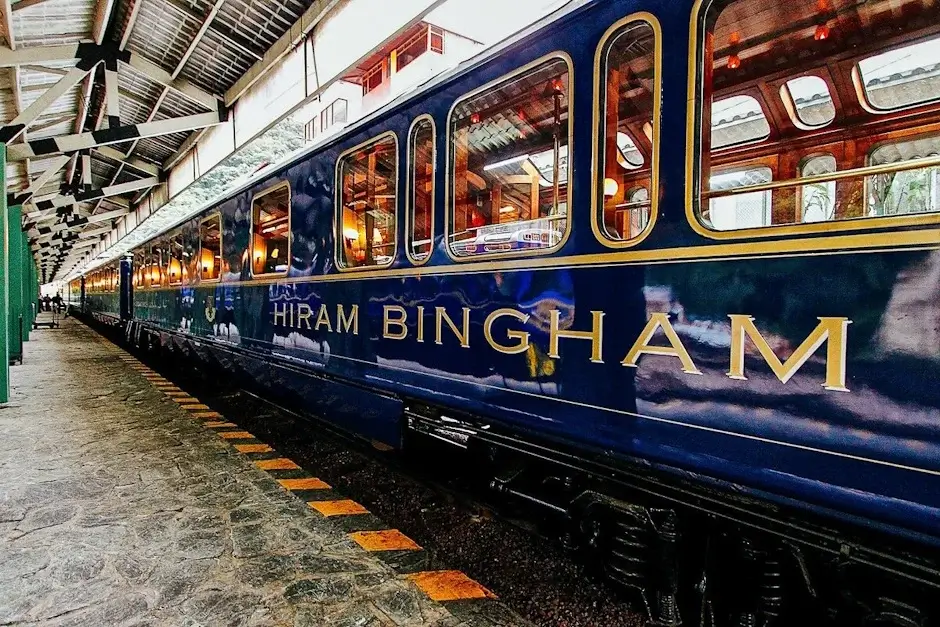
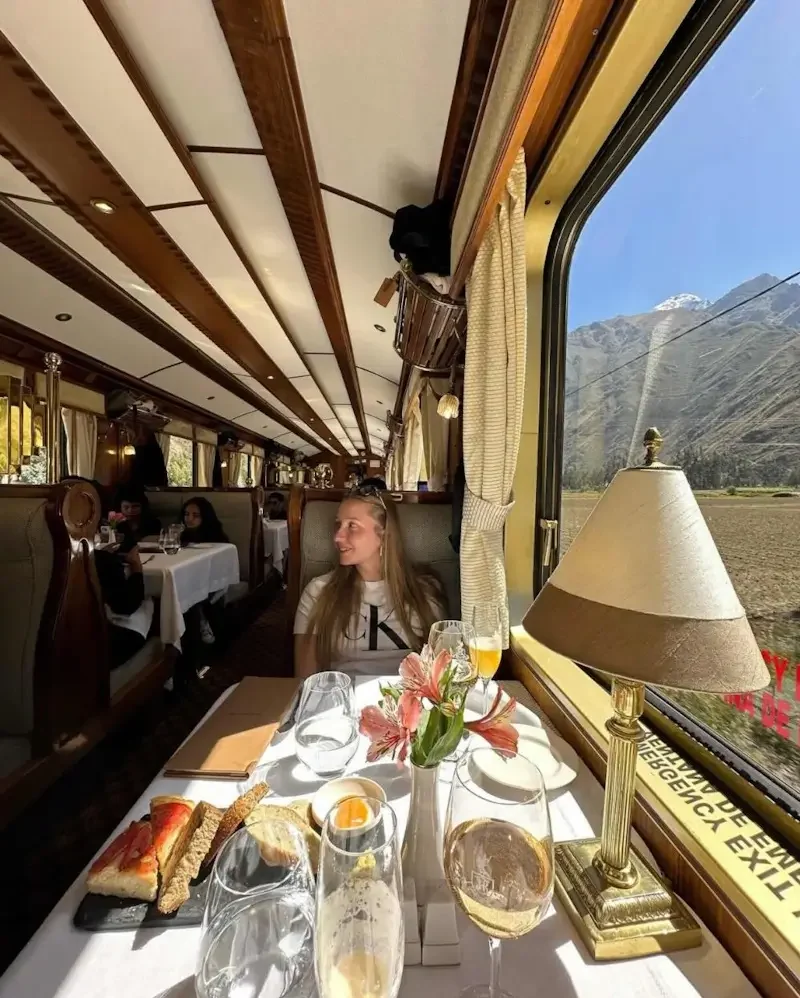
The Belmond Hiram Bingham Luxury Train to Machu Picchu

Machu Picchu, one of the New Seven Wonders of the World, sits high in the Peruvian Andes and draws travelers from across the globe. While the journey is part of the adventure, reaching this ancient Inca citadel requires some planning. There are no roads directly to Machu Picchu, so visitors must combine trains, buses, or treks. Here’s a clear guide to the main transportation options.

Step 1: Getting to Cusco

Most journeys to Machu Picchu begin in Cusco, the former Inca capital and a city rich in culture. You can reach Cusco by:

  • Air: Daily domestic flights connect Cusco with Lima (1 hour) and other major Peruvian cities.
  • Bus: Long-distance buses link Cusco with destinations such as Arequipa or Puno, ideal for budget or slow travel.

Once in Cusco, you can spend time acclimatizing to the altitude before continuing your journey.

Step 2: From Cusco to Ollantaytambo

The next stage is traveling from Cusco to the Sacred Valley, specifically Ollantaytambo, where trains to Machu Picchu depart. Options include:

  • Private Transfer or Taxi: Comfortable and flexible, especially for groups or families.
  • Bus or Collectivo (Shared Van): A budget-friendly way to reach Ollantaytambo.
  • Sacred Valley Tour: Many travelers combine this transfer with a guided tour of Pisac, Chinchero, and Ollantaytambo ruins.

Step 3: Train to Aguas Calientes

From Ollantaytambo, board a scenic train to Aguas Calientes (also called Machu Picchu Pueblo), the gateway town to the ruins. Train options include:

  • Expedition Train: Budget-friendly, with large windows for scenic views.
  • Vistadome Train: Mid-range, with panoramic windows and cultural onboard experiences.
  • Luxury Trains (Hiram Bingham, Inca Rail First Class): Gourmet meals, entertainment, and top comfort for an unforgettable journey.

The train ride takes about 1 hour and 30 minutes, following the Urubamba River through dramatic Andean landscapes.

Step 4: Bus from Aguas Calientes to Machu Picchu

Once in Aguas Calientes, you’ll take a short bus ride (25 minutes) up the winding mountain road to the Machu Picchu entrance. Buses leave every few minutes and tickets can be purchased in advance or in town.

For those who prefer to walk, it’s possible to hike up from Aguas Calientes to the citadel (about 1.5 to 2 hours), though it’s steep and best for active travelers.

Alternative: Trekking Routes to Machu Picchu

Instead of taking the train, adventurous travelers can reach Machu Picchu on foot through one of several trekking options:

  • Classic Inca Trail (4 days / 3 nights): The most famous trek, combining history, breathtaking landscapes, and arrival through the Sun Gate. Permits are limited and must be booked months in advance.
  • Short Inca Trail (2 days / 1 night): A shorter version for those with limited time, ending at Machu Picchu via the Sun Gate.
  • Salkantay Trek (5 days / 4 nights): A challenging high-altitude trek through snow-capped mountains and cloud forests.
  • Lares Trek (3–4 days): A cultural trek through Andean villages, less crowded than the Inca Trail.
  • Inca Jungle Trek (3–4 days): Combines hiking, biking, and adventure sports before reaching Machu Picchu.

Best Times to Visit Machu Picchu: Avoiding Crowds

Choose the Right Tour to Machu Picchu

Machu Picchu is one of the most visited destinations in the world, attracting thousands of travelers each day. While its beauty is undeniable year-round, the experience can feel very different depending on when you go. If you want to enjoy the citadel with fewer crowds, better weather, and a more personal connection to the site, timing is everything. Here’s a guide to the best times to visit Machu Picchu while avoiding the busiest periods.

Understanding the Seasons

Dry Season (May – October)

  • Pros: Clear skies, stunning views, ideal conditions for hiking the Inca Trail and other treks.
  • Cons: High tourist season, larger crowds, and higher prices for hotels and tours.
  • Tip: If you visit in this season, choose May, September, or early October for fewer crowds compared to peak June–August.

Rainy Season (November – April)

  • Pros: Lush green landscapes, fewer tourists, and easier availability of entrance tickets and train services.
  • Cons: Rain showers are frequent, especially in January and February, making trails slippery and less predictable.
  • Tip: Visit in late March or April, when rains begin to ease, and the site is still beautifully green with smaller crowds.

Best Months to Avoid Crowds

  • April and May: The perfect balance—weather is improving, and crowds are smaller compared to the peak season.
  • September and October: Post-peak season, with pleasant weather and more space to enjoy the citadel.
  • February: While the Inca Trail is closed for maintenance, Machu Picchu itself remains open, and the crowds are the smallest of the year.

Best Days and Times to Visit

  • Weekdays vs. Weekends: Weekends tend to be busier, especially with local visitors. Opt for weekdays for a calmer experience.
  • Early Morning (6:00 – 8:00 a.m.): Arrive early to watch the sunrise and enjoy quieter hours before the bulk of visitors arrive.
  • Late Afternoon (2:00 – 4:00 p.m.): Another great option, as many visitors leave by midday to catch their trains back to Cusco.

Extra Tips to Enhance Your Visit

  • Book in Advance: Entrance tickets are limited daily, especially for Huayna Picchu and Machu Picchu Mountain hikes.
  • Stay Overnight in Aguas Calientes: This allows you to catch the first bus up to the site before the day-trippers arrive.
  • Consider Alternative Routes: Treks like Salkantay or Lares bring you to Machu Picchu with fewer crowds along the way.

Safety and Health Tips for Your Machu Picchu Trip

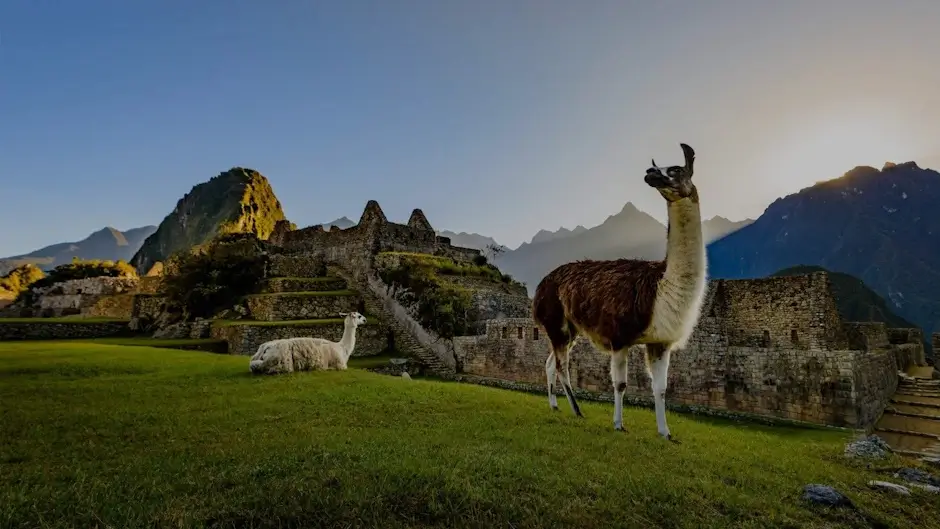
Llamas in Peru

Visiting Machu Picchu is a dream come true for many travelers, but exploring this Wonder of the World requires some preparation. From dealing with altitude to staying safe on steep paths, it’s important to keep your health and safety in mind so you can fully enjoy the experience. Here are the essential tips to make your Machu Picchu trip safe, healthy, and unforgettable.

Acclimatize to the Altitude

Most travelers arrive in Cusco (3,399 m / 11,152 ft) before heading to Machu Picchu (2,430 m / 7,972 ft). At such elevations, altitude sickness is common. To minimize symptoms:

  • Spend at least 1–2 days in Cusco or the Sacred Valley before your visit.
  • Stay hydrated and avoid excessive alcohol.
  • Try local remedies like coca tea or candies.
  • Walk slowly and rest when needed.

Wear Proper Footwear

Machu Picchu involves uneven stone paths and steep stairs. Good walking shoes or hiking boots with strong grip will help you stay comfortable and prevent slips.

Pack Essentials

Bring only what you need, as large bags aren’t allowed inside. Essentials include:

  • Sunscreen, hat, and sunglasses (the Andean sun is intense).
  • A light rain jacket or poncho (weather can change quickly).
  • A reusable water bottle and snacks.
  • Insect repellent, especially during the rainy season.

Stay Hydrated and Eat Light

The combination of altitude, walking, and sun exposure can tire you out. Drink water regularly, but avoid overeating before your tour. A light breakfast or snack will keep your energy stable without making you sluggish.

Be Careful on Trails and Stairs

Machu Picchu has steep climbs and narrow paths. To stay safe:

  • Hold onto railings where available.
  • Avoid rushing—walk at your own pace.
  • Watch your step, especially if it’s raining.

If you’re hiking Huayna Picchu or Machu Picchu Mountain, take extra caution, as these routes are more demanding.

Respect Safety Regulations

The Peruvian authorities have clear rules to protect both visitors and the site:

  • Stay on marked paths.
  • Do not climb on walls or touch sacred stones.
  • Follow the instructions of guides and park rangers.

These rules are in place to keep you safe and to preserve the site for future generations.

Travel Insurance Is a Smart Idea

Given the altitude, hiking, and remote location, having travel insurance that covers medical emergencies is highly recommended. This adds peace of mind to your trip.

Listen to Your Body

If you feel dizzy, short of breath, or unwell, take a break. Machu Picchu is meant to be enjoyed at your pace. Don’t hesitate to inform your guide if you’re feeling unwell—they are trained to assist travelers in such situations.

Frequently Asked Questions about Machu Picchu

❓ How do I get to Machu Picchu from Cusco?

You travel by train from Cusco or Ollantaytambo to Aguas Calientes, then take a bus up to the citadel.

❓ What is the best time to visit Machu Picchu?

The best time is during the dry season from May to October for clearer skies and better views.

❓ Do I need a guide to visit Machu Picchu?

A guide is highly recommended and often required for a better understanding of the site.

❓ How long should I stay in Machu Picchu?

Most visitors spend half a day, but 1–2 days is ideal for hiking and exploring.

❓ Is Machu Picchu difficult to visit?

It requires planning due to altitude, transport, and ticket availability, but it is accessible for most travelers.

For more information and to book your trip, contact us on WhatsApp. Follow us on Instagram for the latest updates and travel inspiration.

CONTACT US:

We are a Travel Agency specialized in tourist packages, if you need any information, do not hesitate to write to us.

We offer tours in Peru and Bolivia.

Read more Blogs ->