Rainbow Mountain Peru Guide: Everything You Need to Know Before Your Adventure

23 de February de 2025 Peru

Rainbow Mountain Peru Guide is your complete resource to explore one of the most spectacular natural wonders in the Peruvian Andes. Known as Vinicunca or the Mountain of Seven Colors, Rainbow Mountain attracts thousands of travelers every year thanks to its vibrant mineral layers and breathtaking landscapes near Cusco. This Rainbow Mountain Peru Guide will help you discover the best time to visit, hiking recommendations, altitude tips, and everything you need before starting this unforgettable adventure. Rainbow Mountain sits above 5,000 meters, making acclimatization an important part of the experience.

What is the Rainbow Mountain and Why is it Famous?

Rainbow Mountain

One of the first questions travelers ask when planning their adventure is: What is the Rainbow Mountain and Why is it Famous? In this Rainbow Mountain Peru Guide, you will discover why Vinicunca, commonly known as Rainbow Mountain, has become one of Peru’s most iconic natural attractions.

Located in the heart of the Peruvian Andes, Rainbow Mountain attracts thousands of visitors every year thanks to its extraordinary colors, breathtaking landscapes, and cultural significance. For anyone preparing their journey, this Rainbow Mountain Peru Guide offers a deeper understanding of what makes this destination so unique.

A Natural Rainbow Formed by the Earth

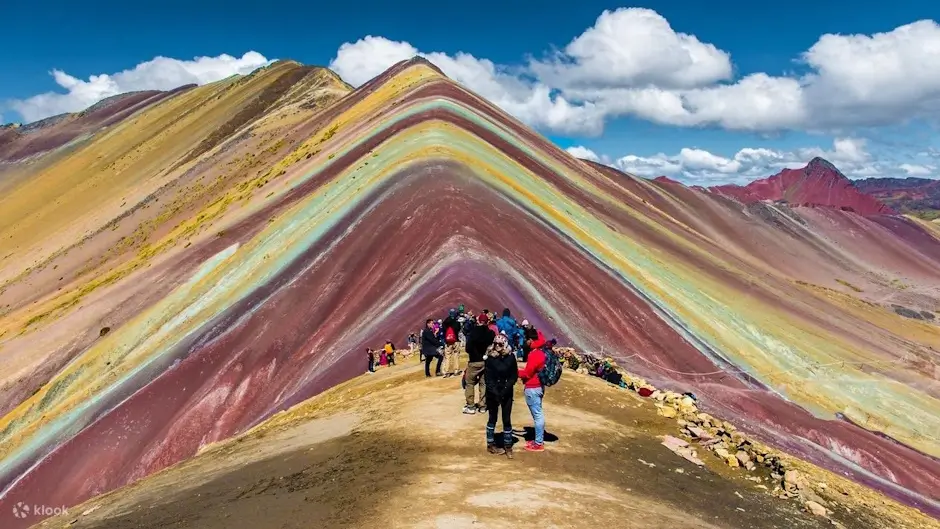
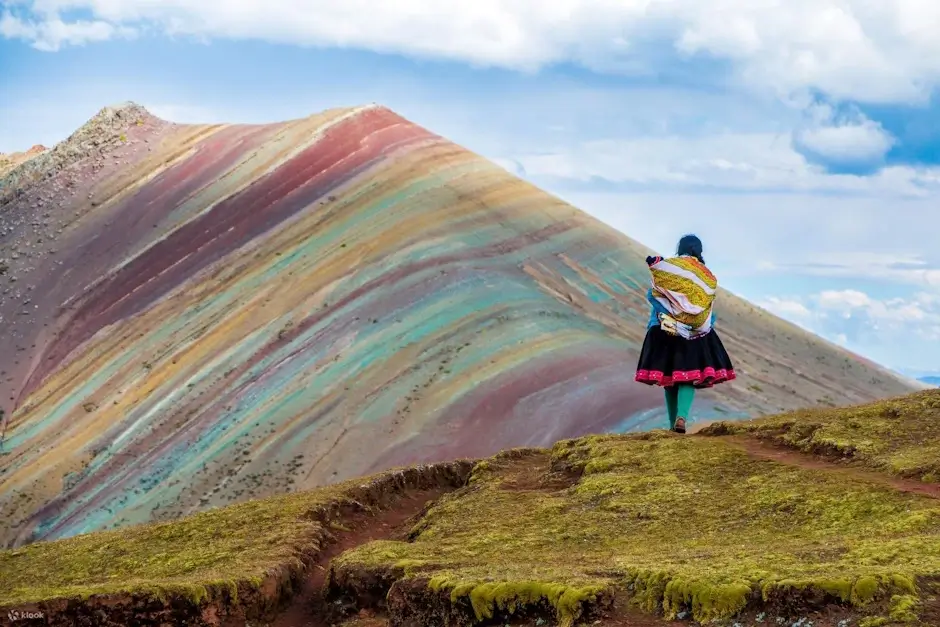
A key highlight of this Rainbow Mountain Peru Guide is understanding the origin of its spectacular appearance. Rainbow Mountain displays impressive bands of colors including red, yellow, green, turquoise, pink, and ochre across its slopes.

These vibrant shades were formed naturally through the accumulation of mineral-rich sediments over millions of years. As glaciers gradually melted, the colorful layers became visible, revealing one of the most extraordinary geological formations in Peru.

The mountain’s appearance is so remarkable that many visitors describe it as a landscape painted by nature itself.

An Unforgettable Adventure in the Andes

Another reason What is the Rainbow Mountain and Why is it Famous? is frequently asked is because reaching Vinicunca is an adventure in itself.

According to this Rainbow Mountain Peru Guide, the mountain rises to approximately 5,200 meters (17,060 feet) above sea level, making it one of the highest trekking destinations in Peru.

The hike rewards travelers with:

  • Stunning Andean scenery
  • Views of snow-capped mountains
  • Encounters with alpacas and llamas
  • Vast highland landscapes

Although the trek requires preparation due to the altitude, the panoramic views make the effort worthwhile.

Cultural Importance of Rainbow Mountain

This Rainbow Mountain Peru Guide would not be complete without mentioning its cultural significance.

For local Andean communities, Vinicunca is more than a tourist destination—it is a sacred landscape connected to ancestral traditions and the spiritual importance of the surrounding mountains.

Visitors have the opportunity to witness local culture, traditional clothing, and centuries-old customs that continue to shape life in the region.

Respecting these traditions is an essential part of experiencing Rainbow Mountain responsibly.

Why Is Rainbow Mountain Famous Worldwide?

The answer to What is the Rainbow Mountain and Why is it Famous? becomes clear through this Rainbow Mountain Peru Guide: it combines natural beauty, adventure, and cultural heritage in one extraordinary destination.

Rainbow Mountain is globally famous because it offers:

✔ Incredible multicolored landscapes
✔ A unique high-altitude trekking experience
✔ Spectacular Andean views
✔ Rich cultural significance
✔ One of Peru’s most photographed destinations

Today, Vinicunca remains one of the highlights of any trip to Peru and an essential experience for travelers seeking adventure and unforgettable scenery in the Andes.

How to Get to the Rainbow Mountain: Step-by-Step Guide

Rainbow Mountain

Visiting Vinicunca is one of the most unforgettable adventures in Peru. Known for its spectacular mineral colors and breathtaking Andean scenery, Rainbow Mountain attracts travelers from around the world every year. If you are planning this journey, understanding How to Get to the Rainbow Mountain: Step-by-Step Guide will help you prepare for a smoother and more enjoyable experience.

Located high in the Andes near Cusco, Rainbow Mountain sits at more than 5,200 meters (17,060 feet) above sea level, so proper planning is essential before starting the adventure.

Step 1: Arrive in Cusco and Acclimatize

The first and most important step in How to Get to the Rainbow Mountain: Step-by-Step Guide is spending time in Cusco before attempting the hike.

Since Rainbow Mountain is located at a very high altitude, travelers are strongly advised to stay in Cusco for at least 2 to 3 days to adapt to the elevation.

Acclimatization helps reduce the risk of altitude sickness and allows visitors to enjoy the trek more comfortably.

Recommended activities during acclimatization:

  • Explore Cusco city
  • Visit the Sacred Valley
  • Take light walks
  • Stay hydrated
  • Avoid heavy meals during the first days

Step 2: Choose Your Transportation Option

The next stage in How to Get to the Rainbow Mountain: Step-by-Step Guide is deciding how to reach the trailhead.

Option 1: Join an Organized Tour

This is the most popular and convenient option.

Most tours include:

✔ Hotel pickup in Cusco
✔ Round-trip transportation
✔ Breakfast and lunch
✔ Tour guide
✔ Entrance tickets (depending on the operator)

Tours usually depart between 4:00 a.m. and 5:00 a.m. because the drive to the mountain takes approximately 3 hours.

Organized tours are ideal for travelers who prefer convenience and logistics already arranged.

Option 2: Travel Independently

Independent travelers can also reach Rainbow Mountain without joining a tour.

Typical route:

Cusco → Cusipata → Trailhead → Vinicunca

Steps:

  1. Take transportation from Cusco to Cusipata
  2. Continue by local vehicle toward the trail entrance
  3. Begin the hike to Rainbow Mountain

This option offers flexibility but requires more planning and time management.

Step 3: Reach the Trailhead

An essential part of How to Get to the Rainbow Mountain: Step-by-Step Guide is understanding the starting point of the hike.

Most routes begin near the Phulawasipata area, which serves as the main trailhead.

From here:

  • Trek distance: approximately 10 km round trip
  • Hiking time: around 3 to 4 hours
  • Difficulty: moderate to challenging due to altitude

The route passes through beautiful Andean landscapes with alpacas, llamas, and snow-capped mountains.

Step 4: Hike to Rainbow Mountain

The actual ascent is the highlight of How to Get to the Rainbow Mountain: Step-by-Step Guide.

The trail gradually climbs through open valleys before reaching the final viewpoint.

Important tips:

Walk Slowly

Because of the altitude, maintaining a steady pace is essential.

Bring Water

Hydration is very important at high elevations.

Dress in Layers

Weather changes quickly in the Andes.

Morning temperatures are cold, while midday can become sunny.

Consider Horse Assistance

Local communities offer horse rentals for visitors needing support during the climb.

Step 5: Enjoy the Viewpoint and Optional Red Valley

After completing the ascent, travelers finally arrive at the famous Rainbow Mountain viewpoint.

From the summit, visitors can admire:

  • Colorful mineral layers
  • Panoramic Andean landscapes
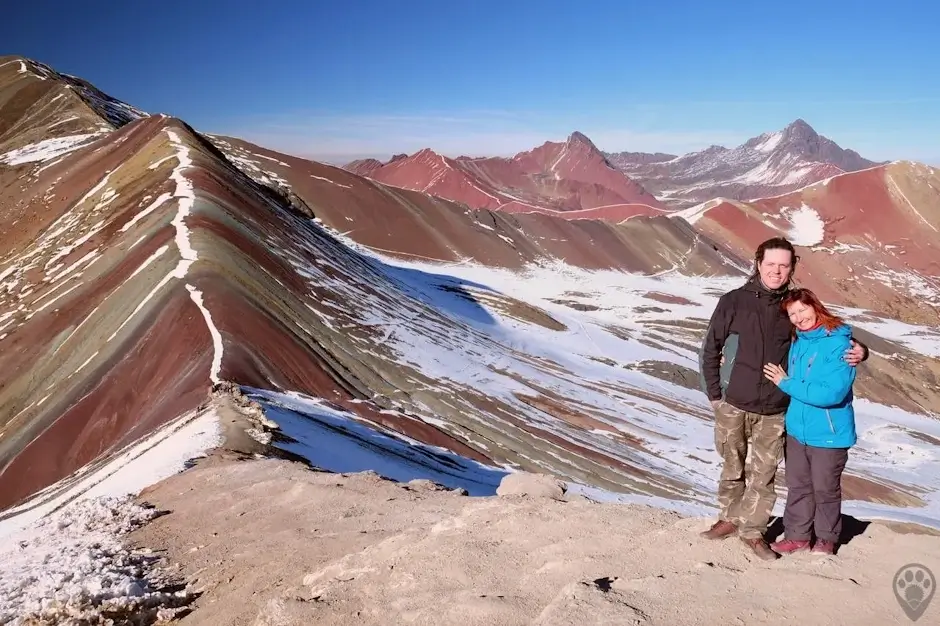
  • Snow-covered peaks
  • Traditional mountain scenery

Many tours also include the nearby Red Valley (Valle Rojo).

Red Valley provides additional viewpoints and usually fewer crowds, making it a worthwhile extension.

Best Time to Visit Rainbow Mountain

Any complete article about How to Get to the Rainbow Mountain: Step-by-Step Guide should also include the ideal season.

Dry Season (April – October)

Advantages:

  • Clear skies
  • Better trail conditions
  • Stronger mountain colors
  • Safer hiking experience

Rainy Season (November – March)

Conditions may include:

  • Muddy trails
  • Clouds
  • Reduced visibility
  • Occasional rain

The dry season remains the preferred period for most travelers.

What to Bring for the Trip

Before following this How to Get to the Rainbow Mountain: Step-by-Step Guide, pack the essentials:

  • Warm jacket
  • Waterproof layer
  • Hiking boots
  • Sunscreen
  • Sunglasses
  • Water bottle
  • Snacks
  • Hat and gloves
  • Camera

Preparation makes a significant difference due to the altitude and changing weather.

Final Thoughts on How to Get to the Rainbow Mountain: Step-by-Step Guide

Learning How to Get to the Rainbow Mountain: Step-by-Step Guide is the first step toward experiencing one of Peru’s most spectacular destinations.

Whether you choose an organized tour or travel independently, reaching Vinicunca is an unforgettable journey through the Andes. The colorful landscapes, high-altitude adventure, and cultural surroundings make Rainbow Mountain one of the highlights of any Peru itinerary.

Essential Tips for Your Visit to the  Rainbow Mountain Peru Guide

Rainbow Mountain

Rainbow Mountain, also known as Vinicunca, is one of Peru’s most spectacular natural attractions. Its colorful mineral layers and breathtaking Andean scenery attract thousands of travelers every year. If you are planning this adventure, this Rainbow Mountain Peru Guide provides the most important recommendations to help you prepare for your visit.

These Essential Tips for Your Visit to the Rainbow Mountain will help you enjoy a safer and more memorable experience while exploring one of the most iconic destinations in Peru.

Acclimatize Before Your Visit

One of the most important recommendations in this Rainbow Mountain Peru Guide is proper acclimatization.

Rainbow Mountain sits at approximately 5,200 meters (17,060 feet) above sea level, making altitude one of the biggest challenges during the excursion.

Travelers should spend at least 2 to 3 days in Cusco before visiting.

Recommended activities before the hike:

  • Explore Cusco city
  • Visit the Sacred Valley
  • Take light walks
  • Stay hydrated

Acclimatization is one of the essential tips for your visit to the Rainbow Mountain because it helps reduce altitude-related discomfort.

Start the Journey Early

Another important recommendation in this Rainbow Mountain Peru Guide is beginning the excursion early in the morning.

Most tours leave Cusco between 4:00 a.m. and 5:00 a.m.

Advantages of early departures:

✔ Better weather conditions
✔ Fewer crowds
✔ Cooler temperatures
✔ More time at the viewpoint

Early starts often provide clearer views of the colorful mountain landscape.

Dress in Layers

Weather conditions change quickly in the Andes.

Morning temperatures are cold, while the sun can become strong later in the day. For this reason, this Rainbow Mountain Peru Guide recommends layered clothing.

Suggested items:

  • Thermal clothing
  • Warm jacket
  • Waterproof layer
  • Hat and gloves
  • Trekking pants

Layering helps adapt to changing temperatures during the hike.

Wear Proper Hiking Shoes

One of the most practical sections of this Rainbow Mountain Peru Guide concerns footwear.

The route includes uneven terrain, rocky sections, and sometimes muddy paths.

Recommended:

  • Hiking boots
  • Trekking shoes with grip

Avoid:

  • Sandals
  • Casual shoes
  • Slippery footwear

Comfortable footwear greatly improves the trekking experience.

Stay Hydrated During the Hike

Hydration is essential at high altitude.

This Rainbow Mountain Peru Guide strongly recommends carrying enough water during the excursion.

You may also bring:

  • Electrolyte drinks
  • Energy bars
  • Light snacks

Altitude and physical activity increase dehydration risk, so drinking water regularly is very important.

Walk Slowly and Respect the Altitude

A key point in this Rainbow Mountain Peru Guide is understanding that the altitude makes the trek more challenging than the distance itself.

Helpful recommendations:

  • Walk at a steady pace
  • Take short breaks
  • Avoid rushing
  • Listen to your body

The objective is to enjoy the experience and scenery rather than reaching the summit quickly.

Bring Sun Protection

Even though temperatures can be cold, UV radiation is strong in the Andes.

Important items include:

  • Sunscreen
  • Sunglasses
  • Hat
  • Lip balm

Sun protection is one of the essential tips for your visit to the Rainbow Mountain due to the high elevation.

Consider Horse Assistance

Local communities offer horse services for travelers who need support during the ascent.

This option may be ideal for:

  • Families
  • Visitors sensitive to altitude
  • Travelers seeking extra assistance

Using local services also supports community tourism initiatives.

Visit During the Dry Season

This Rainbow Mountain Peru Guide recommends visiting during the dry season for the best experience.

Dry Season (April – October)

Benefits:

  • Clear skies
  • Better trail conditions
  • Stronger mountain colors
  • Less rainfall

Rainy Season (November – March)

Possible conditions:

  • Muddy trails
  • Clouds
  • Reduced visibility
  • Rain showers

The dry season usually offers the most favorable conditions.

Respect Nature and Local Communities

The final recommendation in this Rainbow Mountain Peru Guide is responsible tourism.

Visitors should:

  • Avoid leaving trash
  • Stay on designated trails
  • Respect local traditions
  • Protect the environment

Rainbow Mountain is both a natural wonder and an important cultural landscape.

Final Thoughts – Rainbow Mountain Peru Guide

Following these Essential Tips for Your Visit to the Rainbow Mountain will help make your adventure safer and more enjoyable.

This Rainbow Mountain Peru Guide highlights the importance of acclimatization, preparation, proper equipment, and respect for local culture. With good planning, visiting Vinicunca becomes one of the most unforgettable experiences in the Peruvian Andes.

The History and Cultural Significance of the Rainbow Mountain Peru Guide

Rainbow Mountain

Rainbow Mountain, locally known as Vinicunca or Winikunka, is one of Peru’s most remarkable natural wonders. Famous for its colorful mineral layers and breathtaking Andean scenery, this destination has become one of the country’s most visited attractions. However, beyond its visual beauty lies a fascinating story rooted in geology, history, and Andean culture.

In this Rainbow Mountain Peru Guide, we explore The History and Cultural Significance of the Rainbow Mountain, revealing why Vinicunca is much more than a scenic trekking destination.

The Geological History of Rainbow Mountain

Understanding The History and Cultural Significance of the Rainbow Mountain begins with its geological origins.

Rainbow Mountain was formed over millions of years through the accumulation of marine, lake, and river sediments rich in minerals. Over time, tectonic movements uplifted these layers as part of the Andean mountain formation process.

The mountain’s famous colors come from different mineral compositions:

  • Red tones from iron oxide
  • Yellow shades from sulfur-rich minerals
  • Green colors from chlorite compounds
  • Pink and orange tones from clay and sandstone minerals
  • White layers from quartz and limestone deposits

For centuries, much of Vinicunca remained covered by snow and ice. As climate conditions changed and glaciers receded, the vibrant colors gradually became visible, transforming Rainbow Mountain into one of Peru’s most extraordinary landscapes.

Rainbow Mountain Before Tourism

Long before becoming an international attraction, Vinicunca was largely unknown to the tourism industry.

Local communities living in the high Andes had known the mountain for generations. Shepherds and farmers frequently crossed the surrounding landscapes while raising alpacas and llamas.

At that time, Rainbow Mountain was valued not as a tourist destination but as part of everyday life and traditional Andean culture.

Only in recent years did the mountain gain worldwide attention after photographs of its colorful slopes spread internationally.

Today, Rainbow Mountain welcomes thousands of visitors every year, becoming one of the highlights of travel itineraries in Cusco.

Cultural Importance in Andean Traditions

A key aspect of The History and Cultural Significance of the Rainbow Mountain is its spiritual value.

For Andean communities, mountains are considered sacred beings known as “Apus.” These mountain spirits are believed to protect people, animals, crops, and local communities.

Vinicunca forms part of this sacred Andean landscape and is closely connected with traditional beliefs that have existed for centuries.

Many local residents continue preserving ancestral customs such as:

  • Traditional weaving techniques
  • Agricultural practices
  • Ceremonial offerings to the mountains
  • Community celebrations linked to nature

Respect for the mountains remains deeply embedded in Andean identity.

Connection with Ausangate Mountain

Another important element in The History and Cultural Significance of the Rainbow Mountain is its relationship with Ausangate, one of the most sacred mountains in southern Peru.

Ausangate rises above the surrounding region and plays an important spiritual role in local traditions.

The mountain is associated with:

  • Fertility
  • Water sources
  • Agricultural cycles
  • Protection of nearby communities

Many trekking routes around Rainbow Mountain also pass through landscapes connected to Ausangate’s cultural and spiritual heritage.

Rainbow Mountain and Local Communities

The growth of tourism has significantly impacted nearby communities.

Today, local residents participate in tourism activities through:

  • Horse rental services
  • Local guiding
  • Traditional handicrafts
  • Food services
  • Community-based tourism experiences

Tourism has created new economic opportunities while also encouraging cultural preservation.

Visitors often encounter local people wearing traditional Andean clothing and maintaining ancestral customs that remain active today.

Responsible tourism plays an important role in helping preserve both the environment and local heritage.

Why Rainbow Mountain Matters Today

Understanding The History and Cultural Significance of the Rainbow Mountain helps travelers appreciate that Vinicunca is not only a natural attraction but also a cultural landscape.

Rainbow Mountain represents:

✔ Geological history millions of years old
✔ Sacred Andean traditions
✔ Community heritage
✔ Cultural continuity
✔ One of Peru’s most unique landscapes

Its growing popularity reminds visitors of the importance of protecting natural and cultural treasures for future generations.

Final Thoughts – Rainbow Mountain Peru Guide

Exploring The History and Cultural Significance of the Rainbow Mountain reveals a destination shaped by nature, history, and ancestral traditions.

Through this Rainbow Mountain Peru Guide, travelers can better understand that Vinicunca is far more than colorful scenery. It is a sacred Andean landscape that reflects the connection between local communities, nature, and centuries of cultural heritage.

Visiting Rainbow Mountain is not only an adventure—it is also an opportunity to experience one of Peru’s most meaningful cultural and natural treasures.

The Best Time to Visit the Rainbow Mountain Peru Guide

Rainbow Mountain

Rainbow Mountain, also known as Vinicunca, is one of Peru’s most spectacular natural attractions. Its colorful mineral layers and breathtaking Andean scenery attract travelers from around the world throughout the year. However, weather conditions can greatly influence the experience. Choosing the right season is essential for enjoying clear views, safer trails, and the vibrant colors of the mountain.

In this Rainbow Mountain Peru Guide, we explore The Best Time to Visit the Rainbow Mountain and what travelers can expect during each season.

Dry Season: The Best Time to Visit the Rainbow Mountain

The dry season, which usually runs from April to October, is widely considered The Best Time to Visit the Rainbow Mountain.

During these months, the Andes experience:

✔ Clear skies
✔ Less rainfall
✔ Better trail conditions
✔ Stronger visibility of the mountain colors

The stable weather makes hiking easier and improves panoramic views of the surrounding landscapes.

For most travelers planning their journey, the dry season is the recommended period in any Rainbow Mountain Peru Guide.

April to June: Ideal Weather and Fewer Crowds

Early dry season is often considered one of the best moments to visit.

Advantages include:

  • Fresh landscapes after the rainy season
  • Green valleys surrounding the route
  • Moderate visitor numbers
  • Pleasant trekking conditions

April, May, and June offer an excellent balance between weather and crowd levels.

Peak Season: July and August

July and August are among the busiest months for tourism in Peru.

During this period, visitors can expect:

  • Very clear skies
  • Excellent mountain visibility
  • Popular travel season in Cusco
  • Larger crowds at Rainbow Mountain

Although this period remains The Best Time to Visit the Rainbow Mountain for weather conditions, travelers should book tours and accommodations in advance.

Early departures are especially recommended to avoid crowds.

September and October: Excellent Alternative Months

Another excellent option in this Rainbow Mountain Peru Guide is visiting during September or October.

Benefits include:

  • Dry weather continues
  • Slightly fewer visitors compared to July and August
  • Pleasant temperatures
  • Great photography opportunities

Many travelers consider these months among The Best Time to Visit the Rainbow Mountain because they combine favorable weather with a quieter atmosphere.

Rainy Season: November to March

The rainy season extends approximately from November to March.

During this period, visitors may encounter:

  • Frequent rain showers
  • Cloudier skies
  • Muddy trails
  • Reduced visibility of the colorful slopes

Although visits are still possible, weather conditions become less predictable.

Challenges of the Rainy Season

Travelers visiting during these months should prepare for:

  • Waterproof clothing
  • Mud-resistant hiking shoes
  • Changing weather conditions
  • Flexible expectations regarding visibility

Cloud cover can occasionally hide parts of the mountain landscape.

Despite these challenges, fewer tourists visit during this period, creating a quieter experience.

Best Month for Photography

For photography enthusiasts, this Rainbow Mountain Peru Guide recommends visiting between May and September.

These months provide:

  • Clear panoramic views
  • Bright mountain colors
  • Snow-capped peaks in the background
  • Better lighting conditions

Morning visits often offer the clearest skies and best photo opportunities.

Seasonal Temperatures at Rainbow Mountain

Regardless of the season, temperatures at Rainbow Mountain remain cool due to the altitude.

Typical conditions:

Dry Season

  • Cold mornings
  • Sunny afternoons
  • Large temperature variations

Rainy Season

  • Cooler temperatures
  • More humidity
  • Higher chance of rain

Layered clothing is recommended year-round.

What to Bring for Your Adventure at the Rainbow Mountain

Tips for Rainbow Mountain Tour

Planning a visit to Vinicunca? Preparing properly is essential for enjoying this high-altitude adventure. In this Rainbow Mountain Peru Guide, we explain What to Bring for Your Adventure at the Rainbow Mountain to help you stay comfortable during the trek.

Appropriate Clothing

The weather at the Rainbow Mountain can be very variable, with cold temperatures in the morning and evening, and warmer temperatures during the day. It is essential to bring:

Layers of clothing: Include a thermal shirt, a fleece, and a waterproof and windproof jacket.

Hiking pants: Preferably waterproof and breathable.

Proper footwear: Hiking boots that offer good support and are waterproof.

Sun Protection

At high altitude, solar radiation is more intense. Don’t forget to bring:

Sunscreen: With a high protection factor, apply it several times a day.

Sunglasses: Preferably with UV protection.

Hat or cap: To protect your head and face from the sun.

Hydration and Nutrition

Hydration is key, especially at high altitudes where the air is drier.

Water: Bring at least 2 liters of water per person.

Energy snacks: Granola bars, nuts, chocolate, or fruit are ideal for maintaining your energy levels.

Health and Safety Items

First aid kit: Include bandages, antiseptics, and any personal medication.

Altitude sickness medication: Consult your doctor before departing.

Additional Accessories

Camera or smartphone: To capture the beauty of the Rainbow Mountain.

External battery: To ensure that your electronic devices do not run out of charge.

Trash bags: Keep the environment clean by carrying any waste with you until you find a suitable place to dispose of it.

For more information and to book your trip, contact us on WhatsApp. Follow us on Instagram for the latest updates and travel inspiration.

CONTACT US:

We are a Travel Agency specialized in tourist packages, if you need any information, do not hesitate to write to us.
We offer tours in Peru and Bolivia.

Read more Blogs ->