

Top 10 Must-Visit Sites in Cusco for First-Time Visitors
Cusco, the historic capital of the Inca Empire, is a city that offers an incredible array of attractions for first-time visitors. From ancient ruins and colonial architecture to vibrant markets and cultural hotspots, there’s something for everyone. This guide highlights the top 10 must-visit sites in Cusco, ensuring you experience the essence of this magnificent city.
- Discover the Wonders of Peru: with the Tour Perú Machu Picchu Nazca 15 Days
- Discover the Best of Perú: with the Tour Perú Amazon Nazca Machu Picchu 20 Days
- Travel Package to Peru Tour in Lima, Paracas, Ballestas, Nazca Lines, Colca Canyon 22 Days
Plaza de Armas of Cusco: The Historic Heart of the Inca Capital
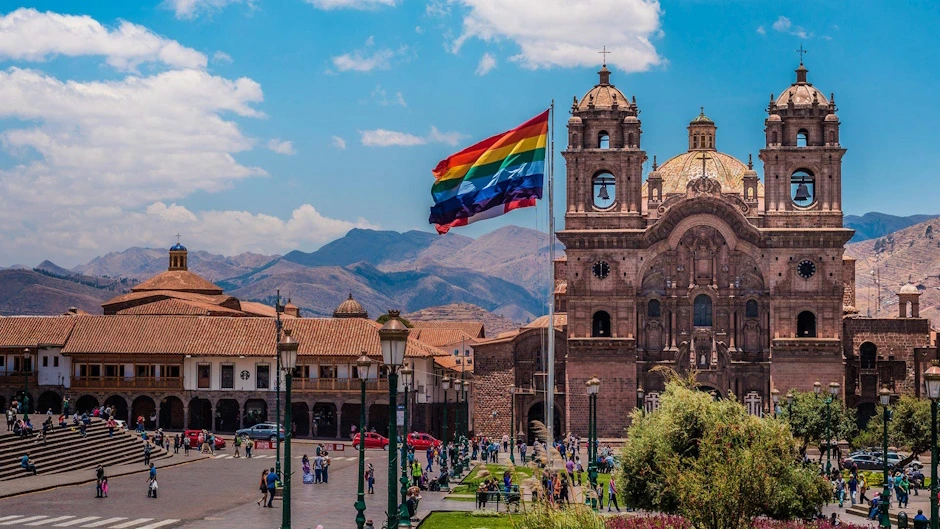
The Plaza de Armas of Cusco is not just a public square—it is the vibrant cultural and historical heart of the city. Surrounded by impressive colonial architecture and rich with centuries of stories, this iconic space has witnessed the transformation of Cusco from the capital of the Inca Empire to a UNESCO World Heritage site.
A Place Steeped in History
During the Inca era, the Plaza de Armas—then called Huacaypata—was a ceremonial center used for important events, festivals, and military parades. It was here that the Inca emperors addressed their people and where religious rituals honoring the sun god Inti were performed. After the Spanish conquest, the plaza was redesigned with European influence, becoming the centerpiece of the colonial city.
Architectural Landmarks
The Plaza de Armas is flanked by some of Cusco’s most remarkable buildings. On one side stands the magnificent Cusco Cathedral, a masterpiece of colonial art that took over a century to complete. Next to it, the Church of the Society of Jesus (Iglesia de la Compañía de Jesús) showcases intricate baroque design and offers fascinating insight into the religious and cultural fusion of the 16th and 17th centuries. Colonial arcades surround the square, housing restaurants, shops, and cafes that blend old-world charm with modern hospitality.
A Hub of Activity
Today, the Plaza de Armas is a lively meeting point for locals and visitors alike. Festivals, parades, and concerts regularly fill the square with music and color. From here, you can easily explore the historic center of Cusco, enjoy traditional Peruvian cuisine, or simply sit on one of the benches and watch daily life unfold against the backdrop of centuries-old buildings.
Visiting Tips
-
Best Time to Visit: Early morning for quiet photography or during festivals for a lively experience.
-
What to Bring: A camera, comfortable shoes, and a light jacket—the weather in Cusco can change quickly.
-
Nearby Attractions: The San Blas neighborhood, Qorikancha (Temple of the Sun), and numerous museums are within walking distance.
Whether you come to admire its beauty, learn about its history, or simply feel the pulse of Cusco, the Plaza de Armas is an unmissable stop on any journey through the former Inca capital.
Sacsayhuamán: The Majestic Fortress of the Incas

Perched on a hill overlooking the city of Cusco, Sacsayhuamán is one of the most impressive architectural achievements of the Inca Empire. This monumental complex, with its massive stone walls and panoramic views, is both a testament to Inca engineering and a sacred site that continues to inspire awe today.
A Glimpse into the Past
Constructed in the 15th century during the reign of Inca Pachacuti and his successors, Sacsayhuamán served multiple purposes. While often referred to as a fortress because of its strategic location, it was also a ceremonial center dedicated to the sun god Inti. It played a vital role in Inca celebrations, particularly Inti Raymi, the Festival of the Sun, which is still reenacted every June.
Masterful Inca Engineering
Sacsayhuamán is renowned for its cyclopean stonework—huge limestone blocks, some weighing over 100 tons, fitted together so precisely that no mortar was needed. The walls zigzag in a pattern believed to symbolize the teeth of a puma, an animal sacred to the Incas. This construction method not only gave the site its iconic look but also made it incredibly resistant to earthquakes.
What to See
- The Three Terraces: The imposing walls are built on three levels, each terrace revealing the incredible craftsmanship of Inca stonemasons.
- Panoramic Views: From Sacsayhuamán, visitors can admire sweeping views of Cusco and the surrounding mountains.
- The Rodadero and Inca Slides: Natural rock formations that were carved and polished, adding a playful and mysterious touch to the site.
Visiting Tips
- Best Time to Visit: Early morning or late afternoon to avoid crowds and enjoy soft lighting for photography.
- Altitude Awareness: At over 3,600 meters (11,800 ft), take time to acclimatize before exploring.
- Tickets: Access is included in the Cusco Tourist Ticket (Boleto Turístico).
A Must-See in Cusco
Sacsayhuamán is more than just a historical ruin—it’s a living reminder of the grandeur of the Inca civilization. Whether you come for its monumental architecture, its spiritual significance, or the breathtaking views, this site is an essential part of any journey to the heart of the Andes.
Qorikancha: The Temple of the Sun in Cusco

Qorikancha, meaning “Golden Enclosure” in Quechua, was the most important temple of the Inca Empire and a center of spiritual power in ancient Cusco. Once covered in sheets of gold that reflected the sunlight brilliantly, this sacred site was dedicated to Inti, the revered sun god of the Incas, and symbolized the empire’s wealth, devotion, and architectural genius.
The Spiritual Heart of the Inca Empire
Built during the reign of Inca Pachacuti, Qorikancha served as the empire’s primary religious hub. The temple housed finely crafted gold idols, ceremonial objects, and offerings from across the vast Inca territory. It was here that priests observed astronomical events, planned agricultural cycles, and conducted important rituals, including those for the Inti Raymi festival.
The Meeting of Two Worlds
Following the Spanish conquest in the 16th century, much of Qorikancha’s gold was stripped away, and the Dominican Order built the Church and Convent of Santo Domingo over its foundations. This fusion of Inca and colonial architecture is still visible today—the perfectly fitted Inca stone walls serve as a sturdy base for the Spanish construction above, symbolizing the meeting and tension between two cultures.
Architectural Marvel
The original Inca walls of Qorikancha are a masterpiece of precision engineering. Massive stone blocks were cut and polished to fit together so seamlessly that even centuries later, no mortar is needed. The temple complex also included sacred gardens, adorned with golden and silver representations of plants and animals, emphasizing the Inca connection between nature and spirituality.
Visiting Qorikancha Today
Visitors can explore the surviving Inca structures, the colonial church, and a small museum displaying artifacts from the site. The location also offers an exceptional example of how Cusco’s history is layered—Inca foundations, Spanish colonial architecture, and modern life all coexisting in the same space.
Practical Tips
- Location: Just a short walk from Cusco’s Plaza de Armas.
- Best Time to Visit: Mornings, when the site is less crowded.
- Tickets: Entrance is separate from the Boleto Turístico and purchased on-site.
Qorikancha remains one of Cusco’s most iconic landmarks, inviting travelers to step into a place where the brilliance of the Inca world still shines—literally and symbolically—through the passage of time.
San Pedro Market: Cusco’s Vibrant Culinary and Cultural Hub
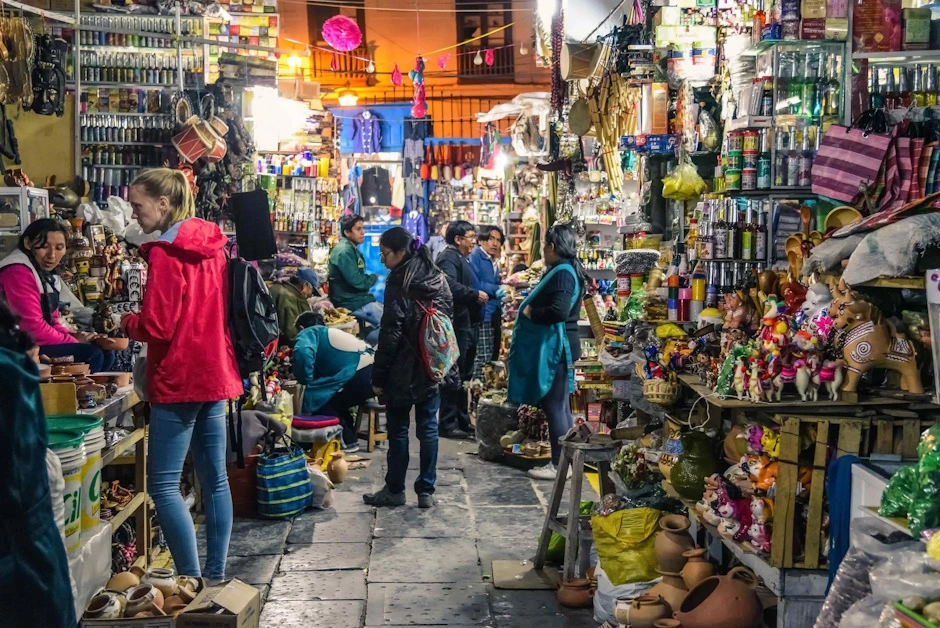
Located just a short walk from Cusco’s historic center, San Pedro Market is one of the city’s most authentic and colorful destinations. More than just a place to shop, it offers an immersive journey into the flavors, traditions, and daily life of the Andean world.
A Market with a Story
San Pedro Market was designed in the early 20th century by Gustave Eiffel, the same engineer behind the Eiffel Tower, and has since become a central gathering place for locals and visitors alike. Its large open structure shelters dozens of stalls, each brimming with fresh produce, traditional foods, artisanal crafts, and curious treasures.
A Feast for the Senses
Walking through San Pedro Market is an experience that engages all your senses:
- Sight: Vibrant colors from fruits, vegetables, textiles, and flowers.
- Smell: Aromas of freshly baked bread, herbs, and spices filling the air.
- Taste: Juices made from exotic fruits, bowls of chupe de quinua, and slices of local cheese.
- Sound: The lively chatter of vendors calling out their products in Spanish and Quechua.
What to Find
- Fresh Produce: From golden potatoes to Andean corn varieties, the market is a showcase of regional agriculture.
- Street Food: Try choclo con queso (giant corn with cheese), empanadas, or fresh fruit smoothies.
- Souvenirs: Handwoven textiles, alpaca scarves, and traditional crafts make for unique keepsakes.
- Local Life: It’s one of the best spots to observe daily interactions and the living culture of Cusco.
Visiting Tips
- Bring Cash: Many vendors don’t accept cards.
- Explore Early: Mornings are lively and offer the freshest products.
- Be Respectful: Always ask before taking close-up photos of people.
A Must-Visit in Cusco
San Pedro Market is more than a shopping spot—it’s a cultural experience that connects you directly with the heart and soul of the city. Whether you come for breakfast, to shop for souvenirs, or to simply soak up the atmosphere, it’s a stop that will make your Cusco trip even more memorable.
San Blas: Cusco’s Artistic and Bohemian Quarter
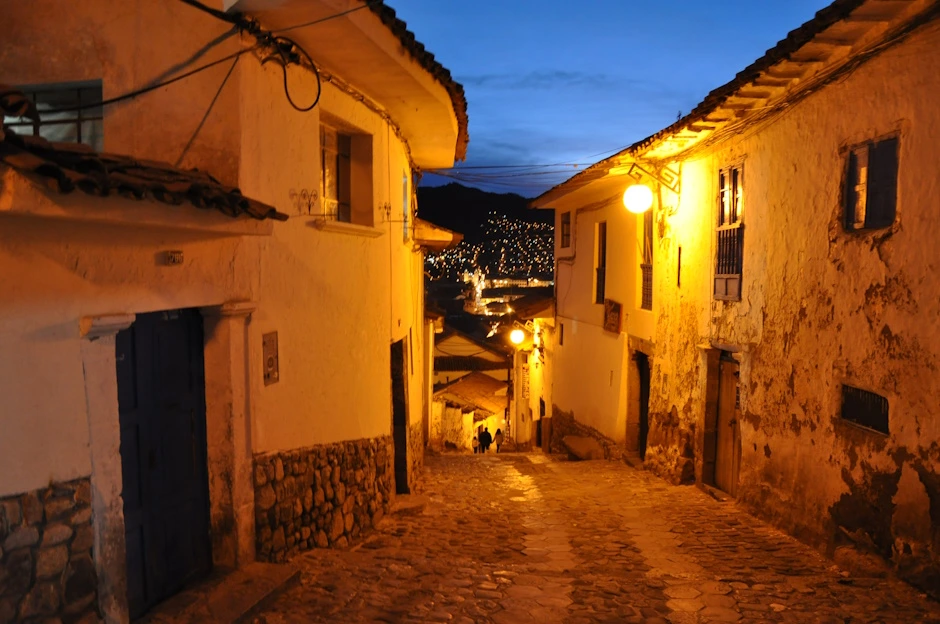
Perched on a hillside just a short walk from Cusco’s Plaza de Armas, the neighborhood of San Blas is a charming blend of history, art, and Andean tradition. Known as the city’s artisan district, its narrow cobblestone streets, whitewashed walls, and bright blue balconies create a picturesque setting that has inspired artists for generations.
A Neighborhood with Deep Roots
San Blas, known in Quechua as T’oqokachi or “Salt Hole,” was once home to Inca nobility and skilled craftsmen. After the Spanish conquest, it became a hub for artisans who blended Inca techniques with European influences, a legacy still alive in its workshops and galleries.
Artistic Charm and Cultural Treasures
- Artisan Workshops: San Blas is famous for its talented woodcarvers, painters, and silversmiths. Many open their studios to visitors, offering a chance to see traditional techniques in action.
- San Blas Church: This 16th-century church is modest on the outside but holds one of the most exquisite pieces of colonial religious art inside—a hand-carved pulpit made from a single cedar trunk.
- Quaint Streets: The walk to San Blas involves climbing steep, narrow alleys like Calle Hatunrumiyoc, home to the famous Twelve-Angle Stone, a marvel of Inca stonework.
A Relaxed Atmosphere
San Blas offers a slower pace compared to the busy historic center. Cafés, small restaurants, and cozy bars invite travelers to pause, sip a coffee, and enjoy panoramic views of Cusco’s red-tiled rooftops. On weekends, the small square often hosts artisan fairs where local crafts and live music create a festive atmosphere.
Visiting Tips
- Wear Comfortable Shoes: The streets are steep and cobbled.
- Best Time to Visit: Late morning or afternoon for a pleasant stroll and to catch artisan shops open.
- Bring a Camera: The neighborhood’s charm is incredibly photogenic, especially during golden hour.
A Must for Culture Lovers
San Blas is more than a neighborhood—it’s a living canvas where Cusco’s history and creativity come together. Whether you’re shopping for unique handicrafts, exploring colonial art, or simply enjoying the views, San Blas is a place where the soul of the Andes is expressed in every detail.
- Journey to the Heart of the Andes: A 15-Day Adventure from Cusco to San Pedro de Atacama 15 Days
- Andean Expedition Exploring the Treasures of Peru and Bolivia. 20 Days
- South America tourist package visiting Peru and Bolivia 25 days
- South America tour through the Andes of Peru, Bolivia and Chile.15 Days
- Discover South América with the Perú Bolivia Tour 14 Days
- South America trip: the best tour of Peru and Bolivia 10 Days
Cusco Cathedral: A Masterpiece of Colonial Art and History
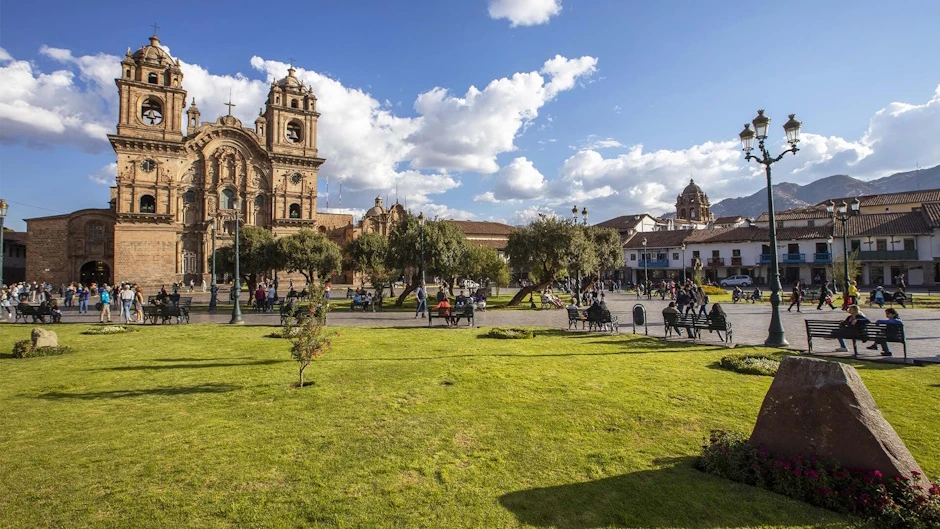
Standing proudly on the Plaza de Armas, the Cusco Cathedral—officially the Cathedral Basilica of the Assumption of the Virgin—is one of the city’s most important landmarks. More than a place of worship, it is a symbol of Cusco’s rich history, blending Inca heritage with Spanish colonial artistry.
A Monument of Faith and Power
Construction of the cathedral began in 1559 on the foundations of Sunturwasi, an Inca palace, and took almost a century to complete. Its imposing façade, built with massive stones taken from the Inca site of Sacsayhuamán, reflects the grandeur of colonial architecture and the power of the Catholic Church during the Spanish conquest.
Architectural Beauty and Artistic Treasures
The cathedral is an outstanding example of Renaissance and Baroque styles. Inside, visitors are greeted by soaring ceilings, intricately carved wooden altars, and an impressive collection of colonial paintings from the Cusco School (Escuela Cusqueña). Notable highlights include:
- The Main Altar: Covered in silver and dedicated to the Virgin of the Assumption.
- The Black Christ of Cusco: Also known as Señor de los Temblores, the city’s patron saint, believed to have protected Cusco during earthquakes.
- Cusco School Paintings: Vibrant works that blend European religious themes with Andean cultural elements.
A Fusion of Cultures
While its architecture and religious art are rooted in European traditions, the Cusco Cathedral also reflects Inca influence. Many artworks incorporate local symbols, flora, and fauna, creating a unique cultural fusion that tells the story of a city shaped by two worlds.
Visiting Tips
- Location: Plaza de Armas, Cusco.
- Best Time to Visit: Mornings or late afternoons for a quieter experience.
- Tickets: Entrance is included in the Boleto Religioso, which also covers the Church of the Society of Jesus and the Church of San Blas.
- Respect the Sacred Space: Photography may be restricted inside.
An Unmissable Landmark
Visiting the Cusco Cathedral is like stepping into a living museum of art, history, and devotion. Whether you are drawn by its architectural splendor, its religious significance, or its role in the city’s identity, this sacred site offers an unforgettable window into Cusco’s past and present.
Inca Museum: A Journey Through the Legacy of the Andes

Located in the heart of Cusco, just a few steps from the Plaza de Armas, the Inca Museum (Museo Inka) offers a fascinating journey into the history, culture, and achievements of the Inca civilization. Housed in a beautiful colonial mansion, the museum preserves treasures that tell the story of the Andes long before the arrival of the Spanish.
A Historic Setting
The museum is located in the Casa del Almirante (House of the Admiral), a striking 17th-century building with an impressive stone façade and spacious courtyards. This architectural gem blends Inca foundations with Spanish colonial design, making it the perfect home for a collection dedicated to the region’s rich past.
A Window into Inca Civilization
The Inca Museum’s exhibits cover the history of the Andes from pre-Inca cultures to the height of the Inca Empire. Highlights include:
- Archaeological Artifacts: Ceramics, textiles, and tools that reveal the ingenuity of Andean peoples.
- Mummies and Burial Offerings: Providing insight into Inca funerary practices and beliefs about the afterlife.
- Quipus: Knotted strings used by the Incas for record-keeping and communication.
- Colonial-Era Pieces: Illustrating the cultural transformation that followed the Spanish conquest.
An Educational Experience
The museum offers a clear narrative of the Inca Empire’s rise, organization, and achievements in architecture, agriculture, and astronomy. Visitors can explore how the Incas harmonized their advanced engineering with spiritual beliefs and a deep respect for nature.
Visiting Tips
- Location: Near the Plaza de Armas, on Cuesta del Almirante Street.
- Best Time to Visit: Early morning for a quieter experience.
- Language: Most exhibits have Spanish descriptions, so consider hiring a guide for detailed explanations in English.
- Tickets: Affordable and sold at the entrance.
A Must for History Lovers
The Inca Museum is more than a collection of artifacts—it’s a bridge between the past and present, helping travelers understand the depth and brilliance of Andean civilization. Whether you’re starting your exploration of Cusco or deepening your knowledge of the Incas, this museum is an essential stop.
Tambomachay: The Inca Bath of the Incas

Located just 8 kilometers from Cusco, Tambomachay is a fascinating archaeological site often referred to as El Baño del Inca or “The Inca Bath.” Nestled in the Andean highlands at an altitude of 3,700 meters (12,139 feet), this sacred site is a masterpiece of Inca hydraulic engineering, blending function, spirituality, and natural beauty.
A Sacred Place for Water Worship
Tambomachay is believed to have been a ceremonial center dedicated to the worship of water, one of the most important elements in Inca culture. The Incas considered water a source of life, fertility, and purification, and here they built a sophisticated system of aqueducts, canals, and waterfalls that still function today, channeling crystal-clear spring water from the surrounding mountains.
Architecture and Design
The site is composed of finely cut stone terraces fitted with incredible precision, showcasing the Incas’ advanced masonry skills. Two main aqueducts constantly pour water into a series of stone basins. The engineering not only ensured a steady water flow year-round but also demonstrated the harmonious integration of architecture with nature—a hallmark of Inca design.
Historical and Cultural Importance
Historians suggest that Tambomachay served both as a spiritual sanctuary and as a resting place for Inca nobility, particularly during hunting trips in the nearby hills. The soothing sound of running water and the tranquil surroundings would have made it an ideal location for rituals, meditation, and renewal.
Visiting Tambomachay Today
Tambomachay is part of the popular Cusco City Tour, often visited alongside other nearby archaeological sites such as Puka Pukara, Qenqo, and Sacsayhuamán. Visitors can stroll through the terraces, admire the continuous flow of water that has lasted for centuries, and enjoy panoramic views of the Andean landscape. It’s a peaceful stop that offers insight into the Incas’ deep spiritual connection with nature.
Travel Tips
- Altitude: At over 3,700 meters, it’s wise to acclimatize in Cusco before visiting.
- Best Time to Visit: The dry season (May–September) offers clearer skies and easier walking conditions.
- What to Bring: Comfortable walking shoes, sun protection, and water.
Tambomachay is more than just an archaeological site—it’s a living testament to the Inca reverence for water, nature, and harmony. For travelers seeking a deeper understanding of Inca culture, it is an essential stop on any Cusco itinerary.
Puka Pukara: The Red Fortress of the Incas

Just a short distance from Cusco and close to the famous Tambomachay site lies Puka Pukara, an intriguing Inca archaeological site whose name means “Red Fortress” in Quechua. Perched on a hilltop at 3,580 meters (11,745 feet) above sea level, it offers sweeping views of the surrounding valleys and mountains. The site gets its name from the reddish hue the stones take on at sunset, creating a striking and memorable sight.
A Strategic Military and Administrative Post
Puka Pukara is believed to have been a military outpost and checkpoint controlling access to Cusco, the heart of the Inca Empire. Its elevated location made it ideal for surveillance, communication, and defense. In addition to its defensive role, historians suggest it also served as a tambo—a rest stop and lodging place for messengers, travelers, and Inca nobility.
Architecture and Design
Although not as finely crafted as other Inca sites like Machu Picchu or Sacsayhuamán, Puka Pukara’s construction demonstrates practical and strategic design. The complex features walls, terraces, stairways, and several rooms that may have served as barracks, storage spaces, and administrative areas. The use of irregular stones fitted together reflects a more functional purpose rather than ceremonial.
A Companion to Tambomachay
Puka Pukara is often visited alongside Tambomachay, located just 500 meters away. Many researchers believe the fortress protected the sacred water temple and served as a control point for anyone entering or leaving Cusco from the Antisuyo region (the eastern part of the empire leading toward the Amazon).
Visiting Puka Pukara Today
Today, Puka Pukara is a popular stop on the Cusco City Tour, giving visitors a chance to enjoy both historical insights and breathtaking views of the Andean highlands. Its open layout and elevated position make it an excellent spot for photography, especially during golden hour when the stones glow in their signature red tones.
Travel Tips
- Best Time to Visit: The dry season (May–September) provides the clearest views and best lighting for photos.
- Altitude Considerations: Take time to acclimatize in Cusco before exploring high-altitude sites.
- Combine Your Visit: Pair Puka Pukara with Tambomachay, Qenqo, and Sacsayhuamán for a complete experience of Inca history around Cusco.
Puka Pukara may not be as large or ornate as other Inca sites, but its strategic importance, panoramic views, and rich history make it a must-see for travelers wanting to explore the lesser-known gems of the Inca world.
The Sacred Valley of the Incas: A Journey Through History, Nature, and Culture
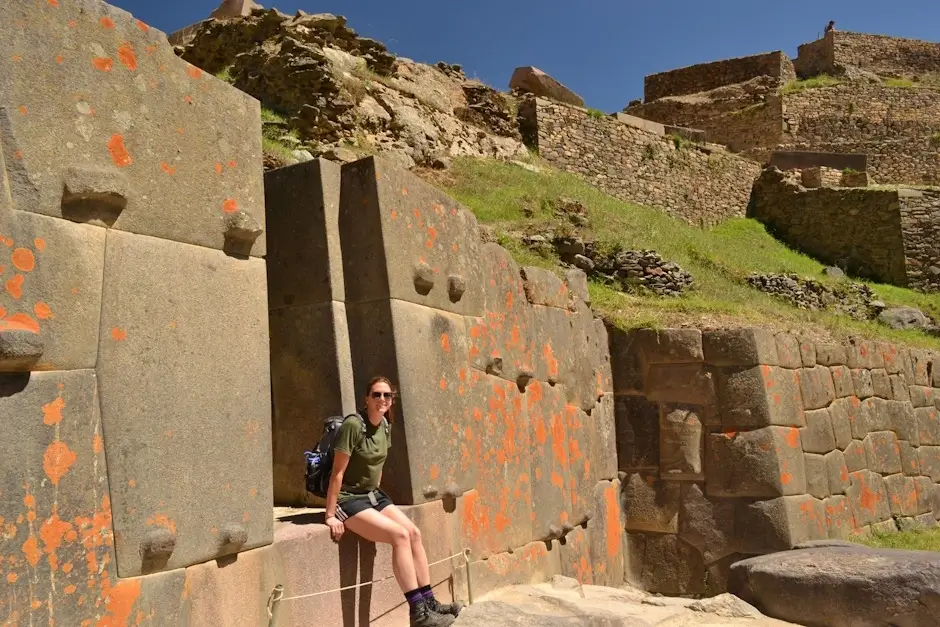
Just an hour’s drive from Cusco lies the Sacred Valley of the Incas, a breathtaking region that once formed the agricultural and spiritual heart of the Inca Empire. Stretching along the Urubamba River and surrounded by majestic Andean peaks, the valley combines stunning natural beauty with ancient history, traditional culture, and vibrant local life.
A Fertile Land Blessed by the Gods
The Sacred Valley’s mild climate, fertile soil, and abundant water sources made it an essential area for Inca agriculture. Here, the Incas cultivated corn, potatoes, quinoa, and a variety of crops that sustained their vast empire. The valley was also considered a sacred space, mirroring the Milky Way and connecting important ceremonial centers.
Must-See Highlights
- Pisac: Famous for its impressive Inca terraces, ceremonial ruins, and colorful artisan market where you can find textiles, ceramics, and jewelry.
- Ollantaytambo: A living Inca town with a massive fortress-temple that played a key role in resisting Spanish conquest. Its stone streets and aqueducts are still in use today.
- Chinchero: Known as the “Birthplace of the Rainbow,” this picturesque village offers Inca ruins, a colonial church, and weaving demonstrations by local artisans.
- Moray: A mysterious series of circular terraces believed to be an agricultural laboratory for the Incas.
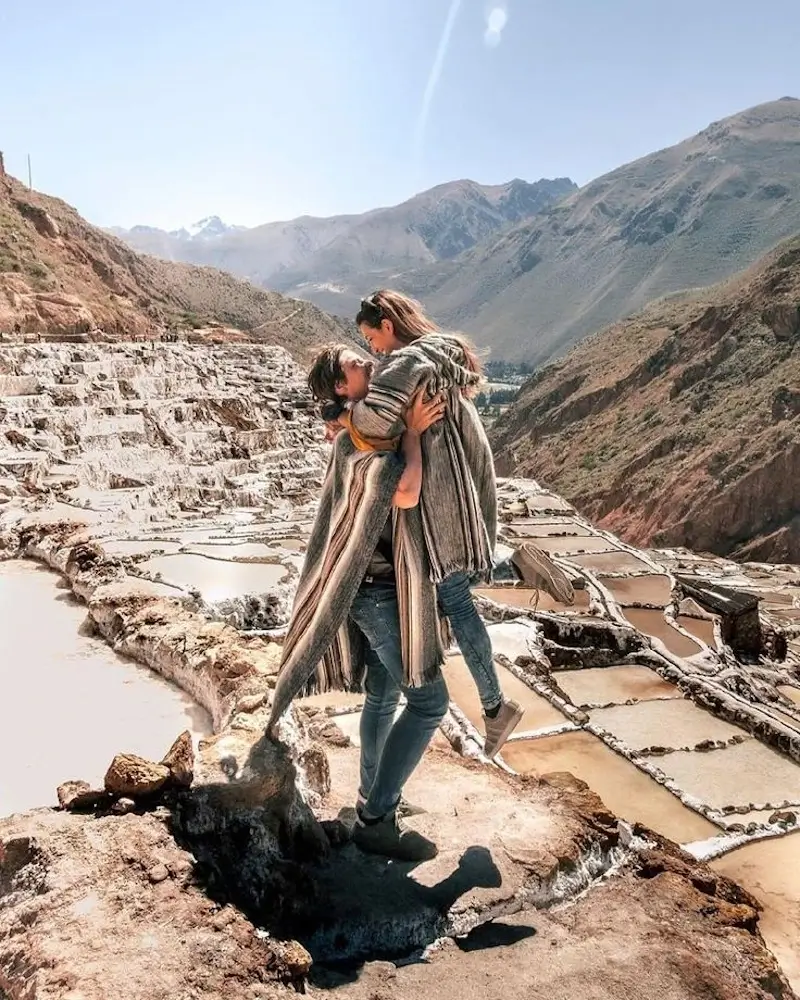
- Maras Salt Mines: Thousands of salt pools cascading down the mountainside, still harvested using traditional methods.
Cultural Immersion
Visiting the Sacred Valley is more than just exploring archaeological wonders—it’s an opportunity to connect with Andean traditions. Travelers can join weaving workshops, participate in traditional ceremonies, or enjoy a home-cooked meal prepared with local ingredients.
Gateway to Machu Picchu
For many, the Sacred Valley is the starting point for the journey to Machu Picchu. With its lower altitude compared to Cusco, it’s also an ideal place to acclimatize before trekking the Inca Trail or taking the train to Aguas Calientes.
Travel Tips
- Best Time to Visit: May to September offers sunny days and cool nights, ideal for sightseeing.
- Getting Around: Private tours or shared vans (colectivos) connect the main towns and sites.
- What to Bring: Comfortable walking shoes, sun protection, and a camera to capture the valley’s stunning landscapes.
The Sacred Valley of the Incas is a place where history, nature, and culture blend seamlessly. Whether you’re exploring ancient ruins, wandering through vibrant markets, or simply soaking in the mountain views, the valley invites you to slow down, breathe deeply, and feel the timeless spirit of the Andes.
Cusco is a city that effortlessly blends the ancient with the modern, offering a wealth of experiences for first-time visitors. From exploring historic sites and vibrant markets to discovering the rich cultural heritage of the Incas, there’s something for everyone. This guide to the top 10 must-visit sites in Cusco ensures you make the most of your visit, providing a comprehensive and memorable introduction to this captivating city.
- Eplore Peru: From Vibrant Lima to Mystical Machu Picchu and Majestic Lake Titicaca 8 Days
- Perú Travel with Tour Lima Cusco Machu Picchu Lake Titicaca 7 Days
- Explore the Wonders of Cusco with City Tour and Machu Picchu 3 Days
- Explore Peru with the Lima Cusco Machu Picchu Huayna Picchu Tour 6 Days
For more information and to book your trip, contact us on WhatsApp. Follow us on Instagram for the latest updates and travel inspiration.
CONTACT US:
We are a Travel Agency specialized in tourist packages, if you need any information, do not hesitate to write to us.
We offer tours in Peru and Bolivia.