Lima Travel Guide: Everything You Need to Know Before Visiting Peru’s Capital
Lima, the vibrant capital of Peru, is a city where history, culture, and modern life beautifully intertwine. This comprehensive Lima Travel Guide will help you discover why Peru’s capital is one of South America’s most fascinating destinations. Overlooking the Pacific Ocean, Lima offers travelers an unforgettable blend of colonial architecture, world-class cuisine, and lively neighborhoods. From exploring the best places to visit in Lima, including Miraflores, Barranco, and the Historic Center, to enjoying unforgettable food tours in Lima, every visitor will find something unique. Whether you’re planning a short Lima itinerary, searching for the top things to do in Lima, looking for where to stay in Lima, or seeking practical Lima travel tips, this Lima Peru travel guide provides everything you need to confidently visit Lima, Peru and make the most of your journey before continuing your Peru travel guide adventure to destinations like Cusco and Machu Picchu.
- Embark on a Journey of Ancient Traditions: The Inti Raymi Tour in Cusco 4 Days
- Discover the Wonders of Peru with the Tour Perú Machu Picchu 5 Days
- Discover Peru with the City Tour Sacred Valley Machu Picchu 4 Days
- Explore the Wonders of Cusco with City Tour and Machu Picchu3 Days
What to Do in Lima: Top Things to See and Experience in Peru’s Capital

As the gateway to Peru, Lima offers far more than a stopover before visiting Machu Picchu. The country’s vibrant capital is a fascinating destination where ancient history, colonial heritage, modern neighborhoods, breathtaking coastal scenery, and world-renowned cuisine come together. Whether you have one day or several, there are countless things to do in Lima that will make your trip unforgettable.
This Lima Travel Guide highlights the must-see attractions and experiences every traveler should include in their itinerary when they visit Lima, Peru.
Explore the Historic Center of Lima
A visit to the UNESCO World Heritage-listed Historic Center is one of the most important experiences in Lima. Founded in 1535 by Spanish conquistador Francisco Pizarro, this district preserves some of the finest examples of colonial architecture in South America.
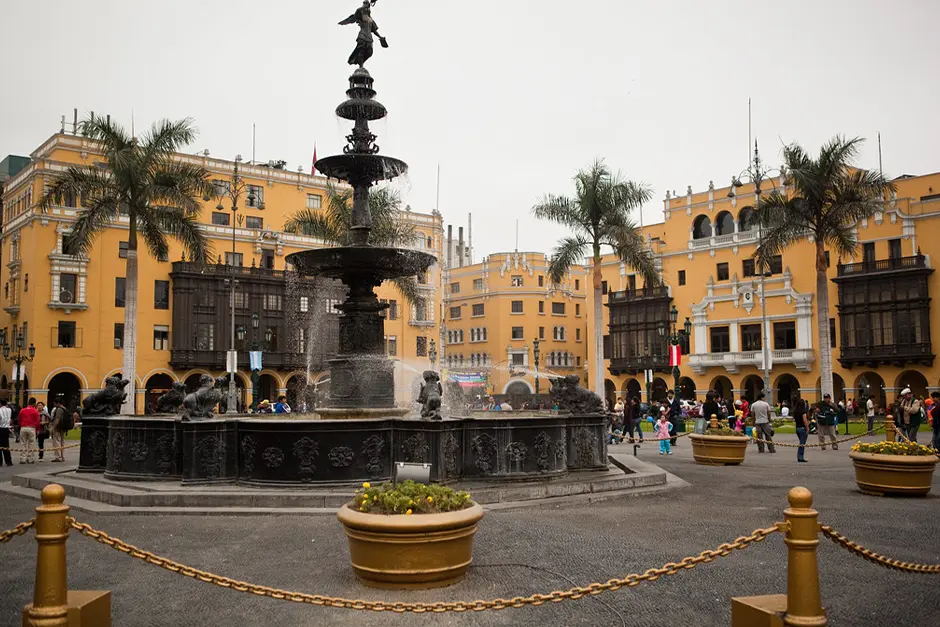
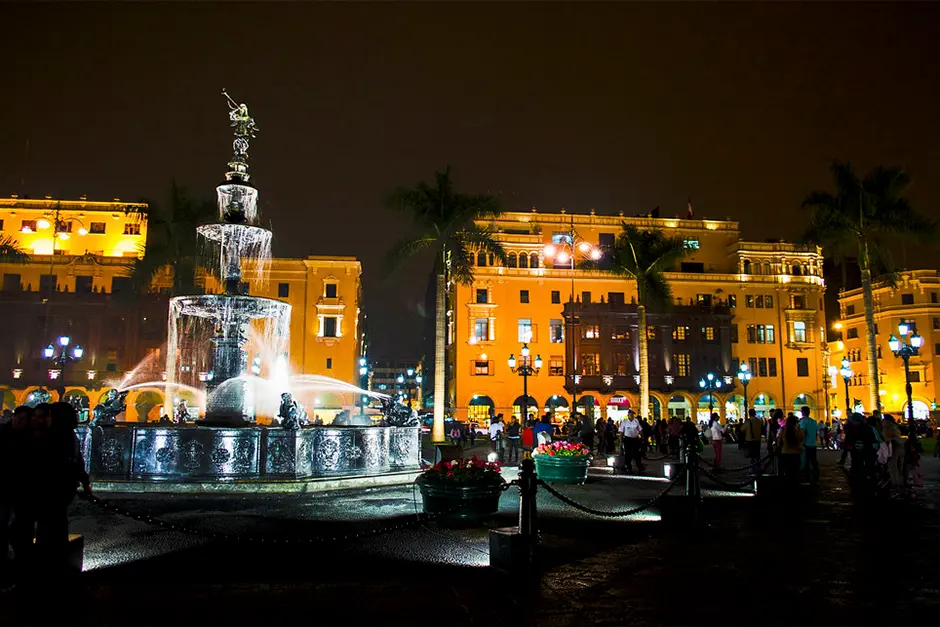
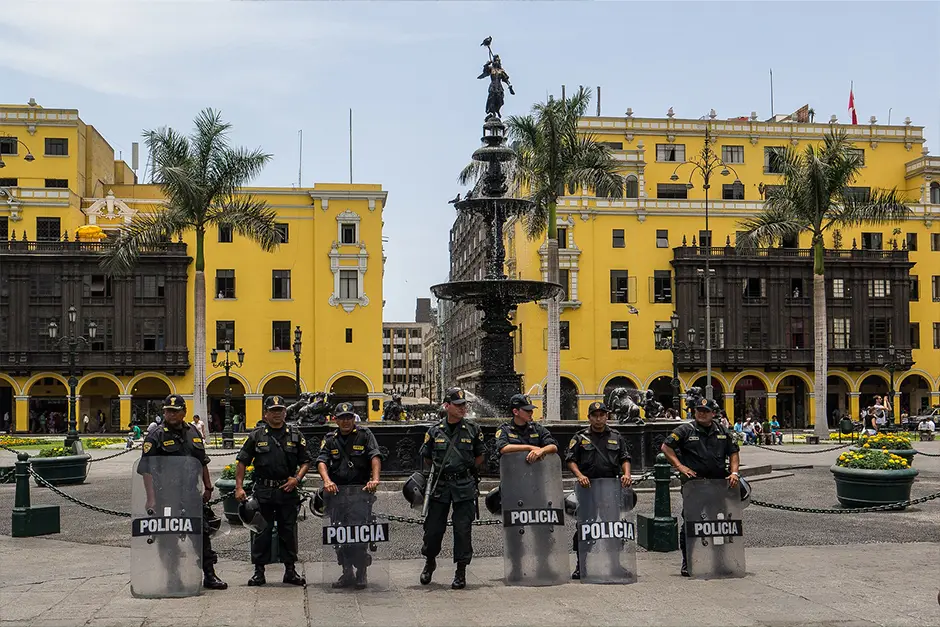
Begin your exploration at Plaza Mayor, the city’s historic heart, surrounded by magnificent landmarks such as the Government Palace, the Municipal Palace, the Archbishop’s Palace, and the impressive Lima Cathedral. Walking through its elegant streets offers a glimpse into Peru’s colonial past while showcasing beautifully preserved balconies, churches, and historic buildings.
Don’t miss the San Francisco Monastery, famous for its remarkable library, stunning cloisters, and underground catacombs, one of the city’s most fascinating historical attractions.
Walk Along the Miraflores Malecón
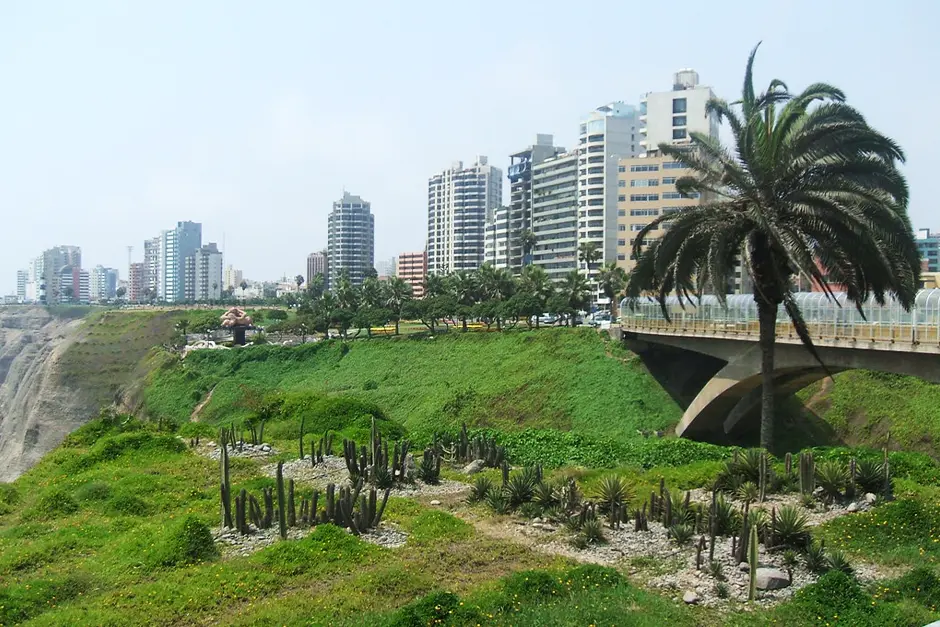
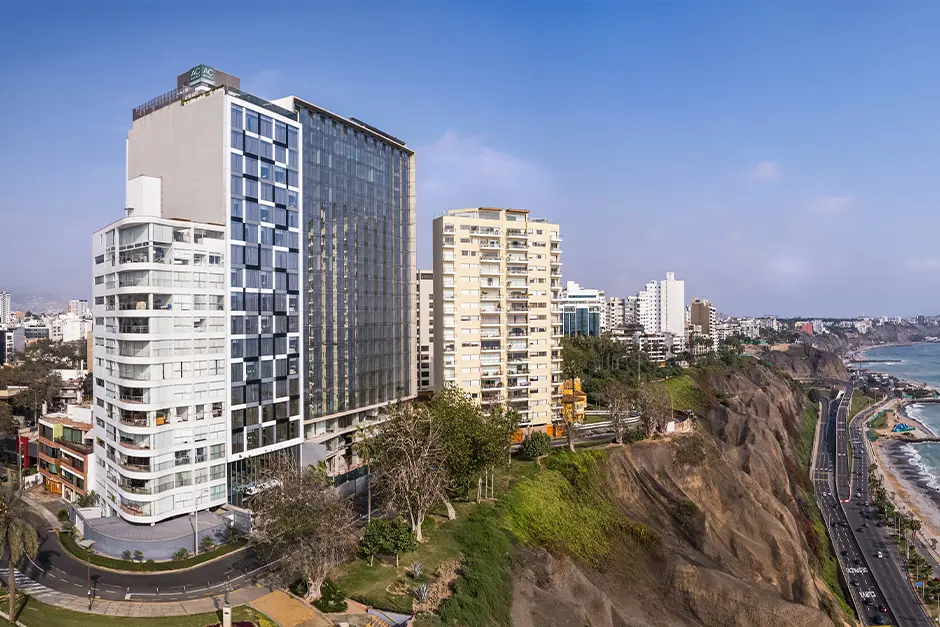
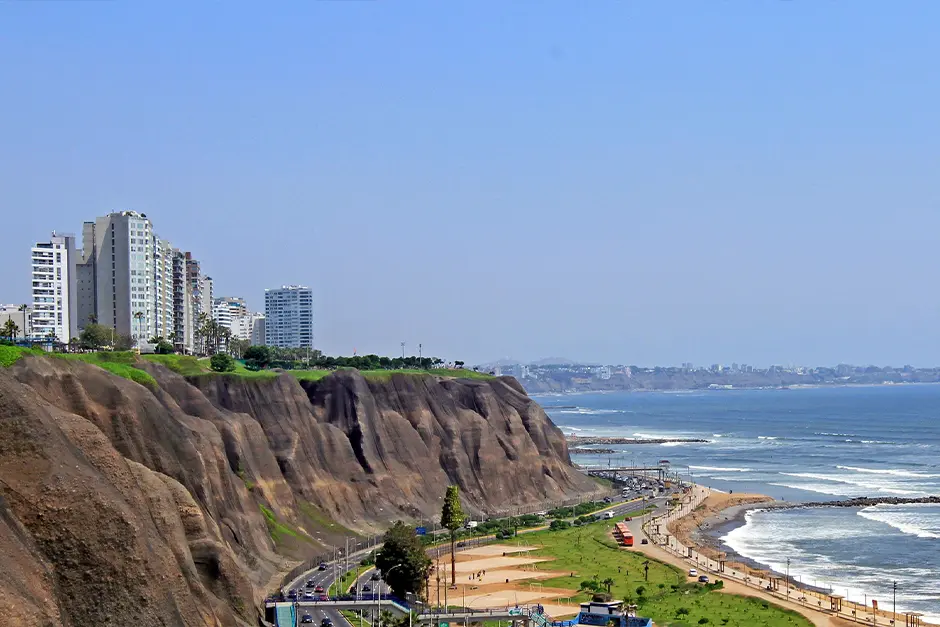
No Lima itinerary is complete without visiting Miraflores, one of the city’s most popular districts. Stretching along dramatic cliffs overlooking the Pacific Ocean, the Malecón is a scenic promenade perfect for walking, cycling, jogging, or simply enjoying spectacular ocean views.
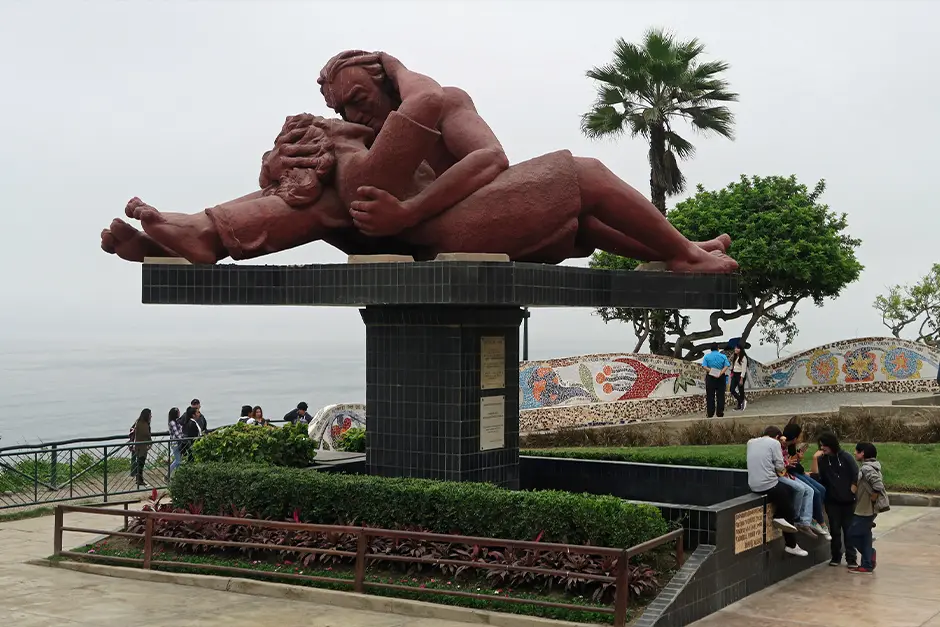
Along the route, visitors will find beautifully landscaped parks, public art, and iconic attractions such as Parque del Amor (Love Park), where colorful mosaics and the famous “El Beso” sculpture make it one of Lima’s most photographed locations.
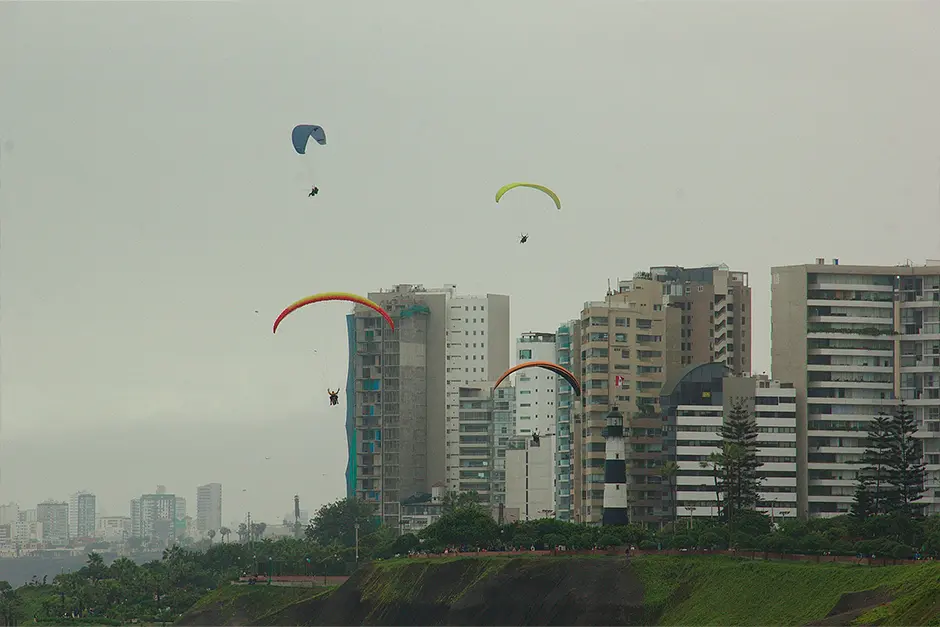
Adventure lovers can even experience paragliding over the coastline, offering breathtaking aerial views of the city and the Pacific Ocean.
Discover Barranco’s Artistic Charm
Barranco is Lima’s bohemian district and one of the best places to visit in Lima for art and culture lovers. Its colorful streets are lined with murals, colonial houses, independent galleries, artisan boutiques, and charming cafés.
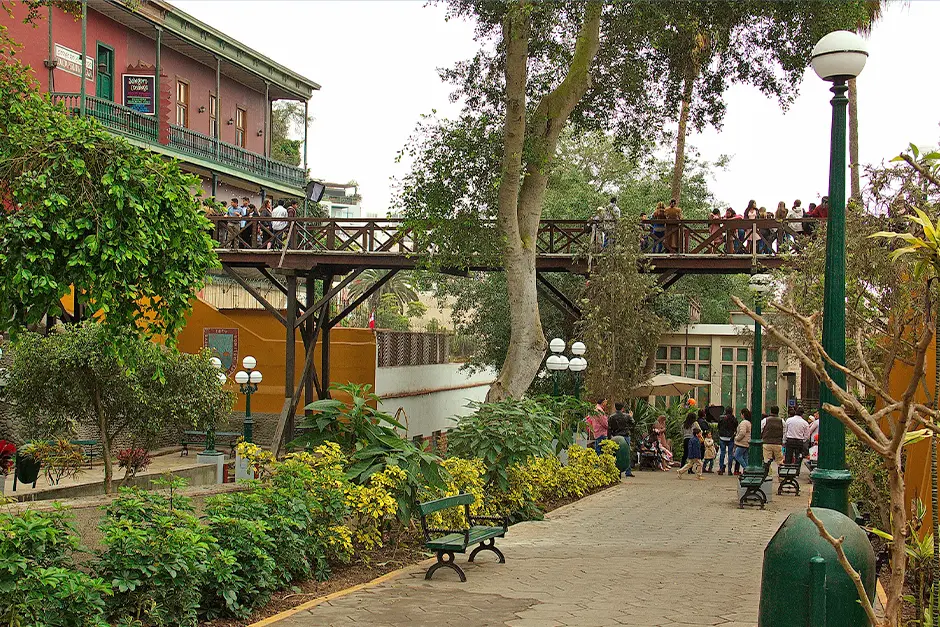
The neighborhood’s most famous attraction is the Bridge of Sighs (Puente de los Suspiros), a romantic wooden bridge surrounded by gardens and local legends. Visitors can also explore contemporary art museums, enjoy live music performances, and experience Lima’s vibrant nightlife.
Barranco perfectly combines history, creativity, and local culture, making it a favorite destination for photographers and travelers seeking authentic experiences.
Visit Huaca Pucllana
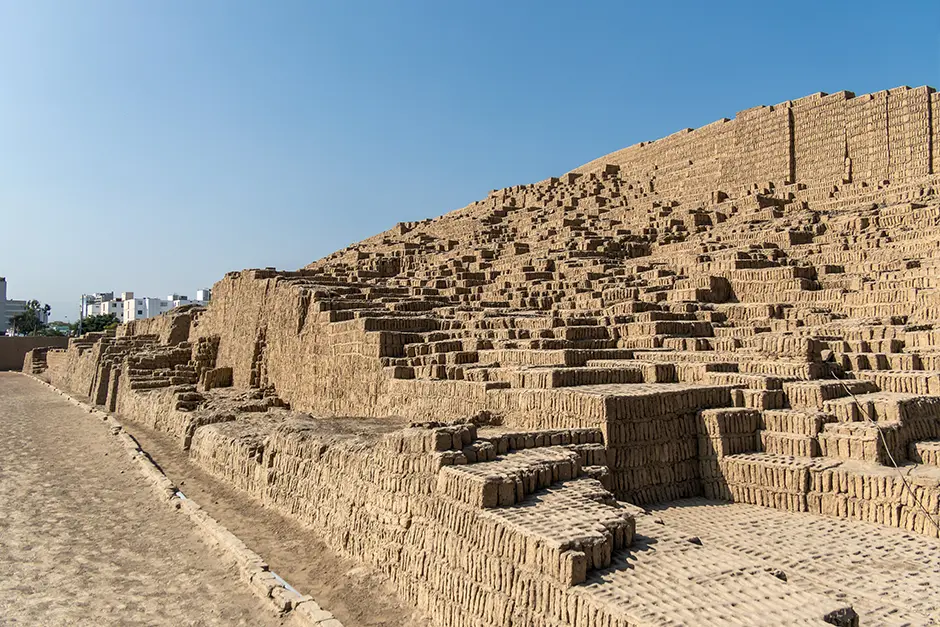
Hidden among the modern buildings of Miraflores lies one of Lima’s most remarkable archaeological treasures. Huaca Pucllana is a ceremonial pyramid built over 1,500 years ago by the Lima civilization, long before the rise of the Inca Empire.
Guided tours explain the site’s fascinating history, ancient construction techniques, and archaeological discoveries. The adjacent restaurant also offers fine dining with stunning nighttime views of the illuminated pyramid.
Explore the Larco Museum
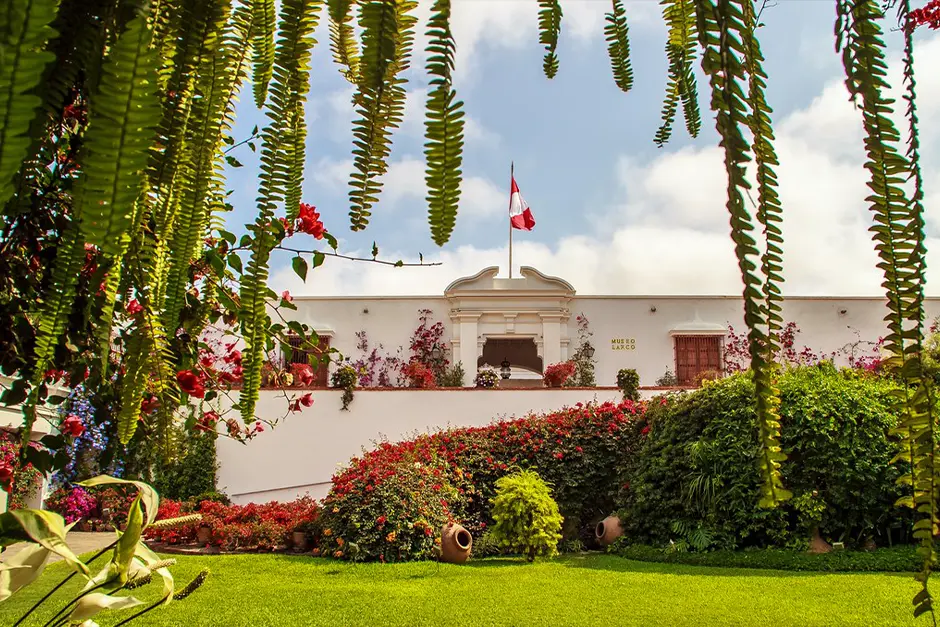
For anyone interested in Peru’s ancient civilizations, the Larco Museum is an essential stop. Located in the Pueblo Libre district, this world-renowned museum houses one of the country’s finest collections of pre-Columbian artifacts.
Visitors can admire beautifully preserved ceramics, gold and silver jewelry, ancient textiles, and ceremonial objects representing more than 5,000 years of Peruvian history. The museum’s peaceful gardens and elegant colonial mansion make it one of Lima’s cultural highlights.
Enjoy a Lima Food Tour
Food is one of the main reasons travelers visit Lima, Peru. Recognized as one of the world’s top culinary capitals, the city offers unforgettable dining experiences for every budget.
Joining a Lima food tour allows visitors to discover authentic local flavors while learning about Peru’s diverse culinary traditions. Tours often include visits to traditional markets, family-owned restaurants, coffee roasters, chocolate makers, and pisco tastings.
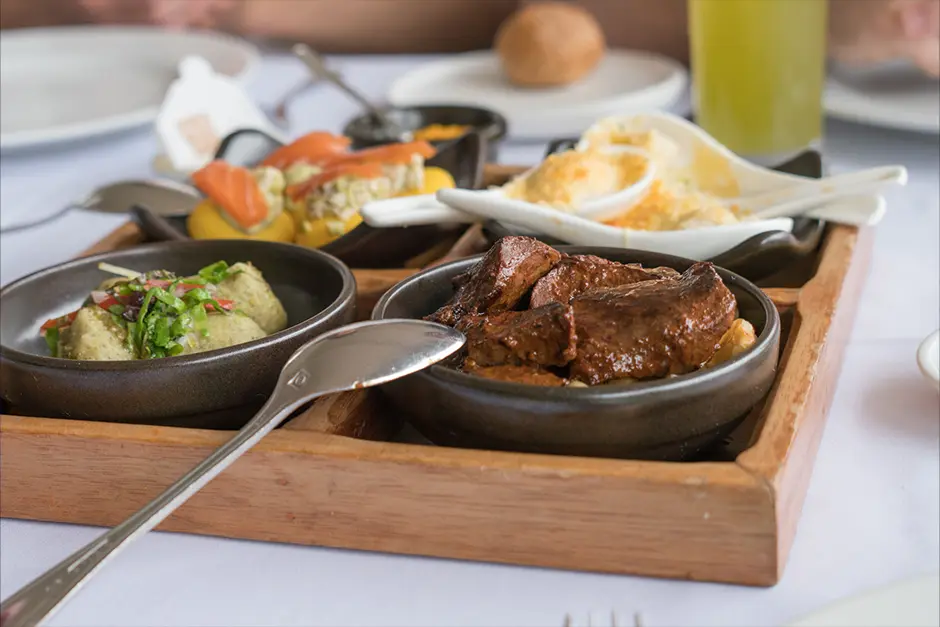
Along the way, travelers can sample famous dishes such as ceviche, lomo saltado, causa limeña, anticuchos, tiradito, and delicious Peruvian desserts.
Visit Local Markets
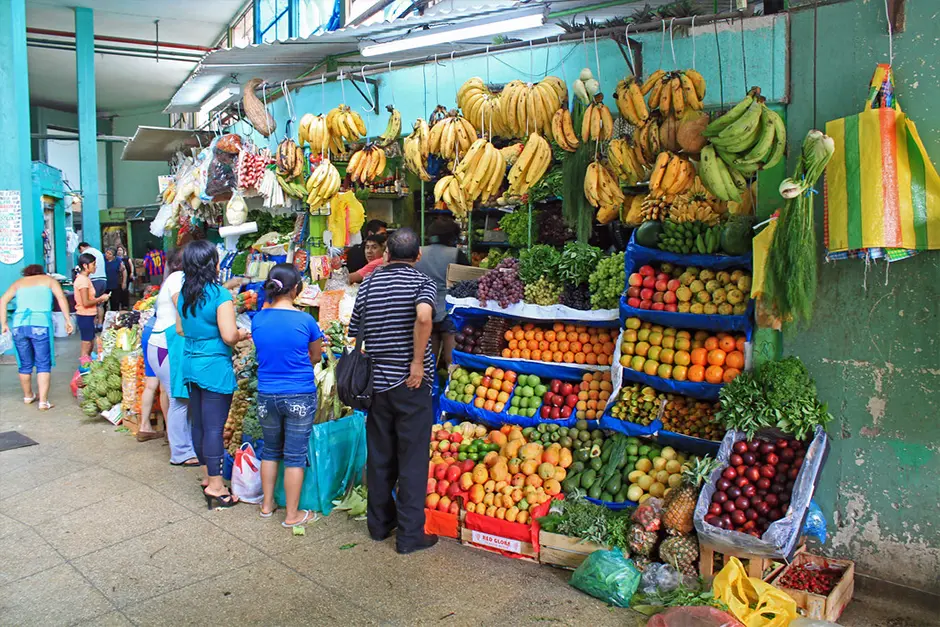
For an authentic glimpse into daily life, spend time exploring Lima’s traditional markets. Surquillo Market is one of the most popular among chefs and food lovers, offering an incredible variety of fresh seafood, tropical fruits, native potatoes, herbs, spices, and regional products from across Peru.
Markets provide excellent opportunities to interact with local vendors, discover unique ingredients, and taste fresh juices and traditional snacks.
Watch the Sunset Over the Pacific Ocean
One of the simplest yet most memorable things to do in Lima is watching the sunset along the Pacific coast. The cliffs of Miraflores provide panoramic viewpoints where visitors can admire breathtaking sunsets while enjoying the cool ocean breeze.
Many travelers choose to relax at one of the nearby cafés or restaurants overlooking the coastline while sipping Peru’s famous Pisco Sour.
Visit the Magic Water Circuit
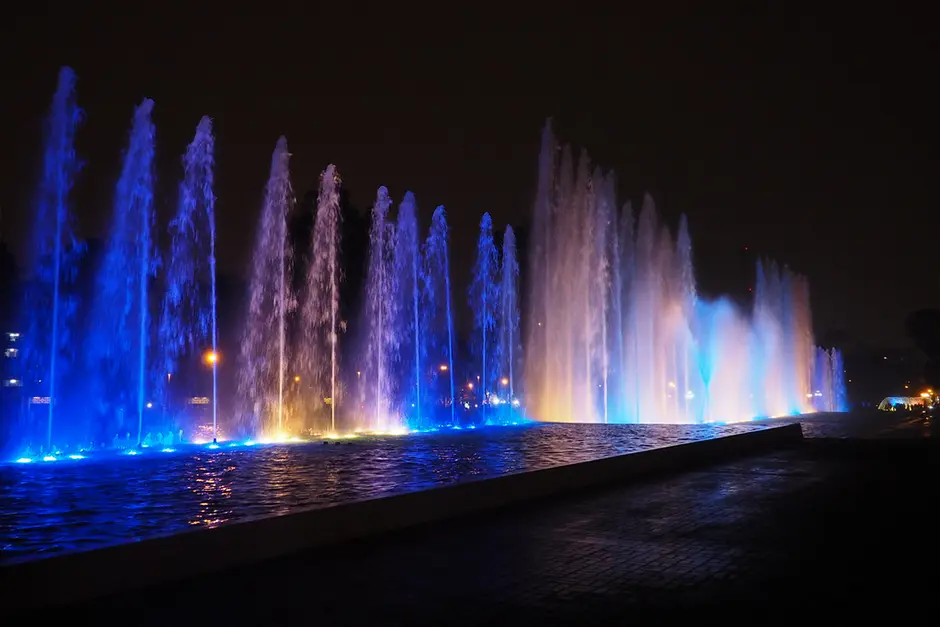
Located inside Parque de la Reserva, the Magic Water Circuit (Circuito Mágico del Agua) features one of the world’s largest fountain complexes. The park combines illuminated fountains, laser light shows, music, and interactive water displays that entertain visitors of all ages.
This attraction is especially popular in the evening when the fountains are beautifully illuminated.
Go Shopping for Peruvian Handicrafts
Lima is an excellent place to purchase authentic Peruvian souvenirs before continuing your journey through the country. Artisan markets in Miraflores and Barranco offer beautifully handcrafted alpaca textiles, silver jewelry, ceramics, paintings, woven bags, and traditional handicrafts made by local artisans.
Shopping locally also supports Peru’s artisan communities while providing meaningful souvenirs to remember your trip.
Experience Lima’s Nightlife
As the sun sets, Lima transforms into one of South America’s most exciting nightlife destinations. Barranco and Miraflores offer a wide variety of cocktail bars, rooftop lounges, live music venues, jazz clubs, traditional peñas, and gourmet restaurants.
Whether you’re looking for a relaxed evening with ocean views or a lively night of dancing and live music, Lima offers entertainment for every taste.
Take a Day Trip from Lima
If you have extra time, several incredible destinations are located just a few hours from the city. Popular day trips include:
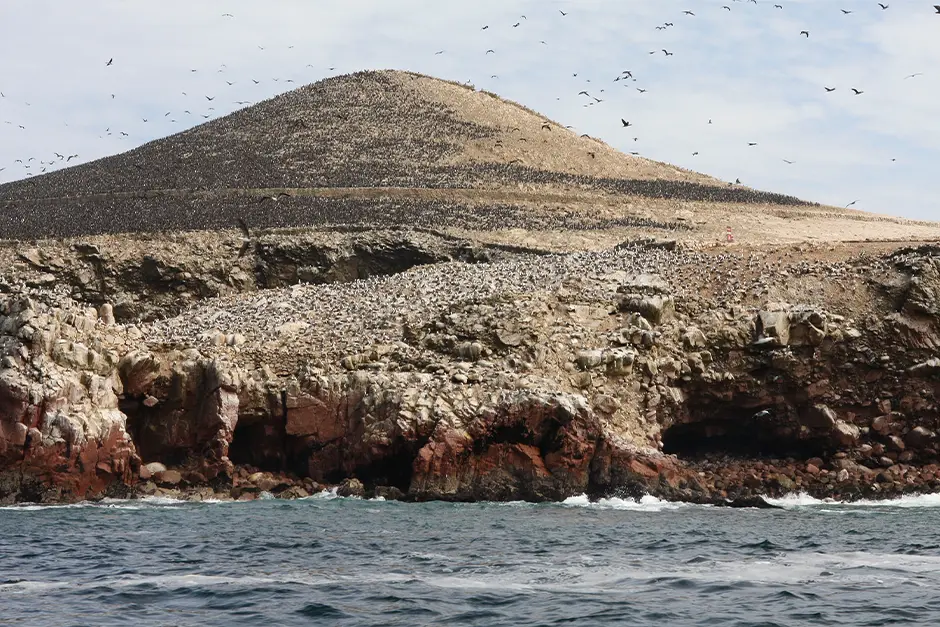
- Paracas National Reserve and the Ballestas Islands for wildlife and coastal landscapes.
- Huacachina Oasis, where visitors can enjoy dune buggy rides and sandboarding.
- Nazca Lines, famous for their mysterious geoglyphs visible from scenic flights.
- Pachacamac, an important archaeological sanctuary located just outside Lima.
- Caral, the oldest known civilization in the Americas and a UNESCO World Heritage Site.
These excursions make excellent additions to any Peru travel guide itinerary.
Create Unforgettable Memories in Lima
From exploring colonial plazas and ancient archaeological sites to savoring world-famous cuisine and strolling along spectacular oceanfront cliffs, Lima offers experiences for every type of traveler.
This Lima Travel Guide recommends spending at least two or three days discovering the city’s incredible diversity. Whether you’re interested in history, gastronomy, art, adventure, or local culture, you’ll quickly understand why Peru’s capital has become one of the most rewarding destinations in South America and an essential stop before continuing to Cusco, the Sacred Valley, Machu Picchu, or the Peruvian Amazon.
A City That Blends Past and Present

Some cities evolve with time, while others preserve their history as if it were a living treasure. But there are rare places that achieve both—cities where ancient traditions coexist effortlessly with modern innovation. These cities feel alive, dynamic, and deeply rooted in their identity. Lima, Peru’s capital, is one of these remarkable destinations: a city where the past and present merge in a seamless, captivating harmony.
Where History Lives in Every Street
Walking through Lima is like stepping into a timeline that spans thousands of years. Long before Spanish colonization, sophisticated pre-Hispanic civilizations thrived along the central coast of Peru. Their legacy remains visible today in archaeological sites such as:
- Huaca Pucllana – A towering adobe pyramid in the middle of Miraflores
- Huaca Huallamarca – An ancient ceremonial center in San Isidro
- Pachacamac – A vast pre-Inca sanctuary located just outside the city
These sacred spaces stand as powerful reminders of Lima’s Indigenous heritage.
The colonial imprint is just as strong. In the Historic Center of Lima, declared a UNESCO World Heritage Site, the past reveals itself through:
- Majestic churches like San Francisco and Santo Domingo
- Ornate Spanish-style balconies that decorate centuries-old mansions
- The impressive Plaza Mayor, where Lima was founded in 1535
Here, history isn’t stored behind glass—it unfolds in real time, felt in the architecture, atmosphere, and stories passed down across generations.
The Rhythm of Modern Life
Yet Lima is not a city lost in time. It is a modern metropolis with vibrant districts, contemporary art scenes, and innovative cuisine that leads global culinary rankings. Sleek buildings, boutique hotels, shopping centers, and oceanfront restaurants celebrate the city’s modern personality.
In Miraflores, you’ll find upscale cafés, co-working spaces, and luxury stores. Barranco, once a quiet summer retreat, is now Lima’s bohemian soul, full of galleries, murals, and live music venues. Meanwhile, San Isidro blends business sophistication with natural beauty, home to parks, gardens, and elegant avenues.
This dynamic urban landscape highlights Lima’s evolution: a city stepping forward without forgetting the stories that shaped it.
A Culinary Bridge Between Eras
If there is one place where past and present blend seamlessly, it is in Lima’s cuisine. Peru’s culinary heritage is rooted in ancient techniques and ingredients—corn, potatoes, quinoa, ají peppers—passed down through centuries. Over time, influences from Spain, China, Japan, Africa, and Italy transformed Lima into a melting pot of global flavors.
Today, the city stands as one of the world’s leading gastronomic capitals. Restaurants like Central, Maido, and Astrid y Gastón blend ancestral traditions with cutting-edge creativity. Even simple dishes like ceviche or anticuchos carry centuries of history while embracing modern techniques.
Lima’s food scene is a perfect reflection of its identity: traditional, innovative, and proudly multicultural.
Where Cultures Continue to Evolve
The blend of past and present is also evident in Lima’s cultural life. Festivals, music, art, and community gatherings showcase the city’s diversity and dynamic spirit. Afro-Peruvian rhythms meet Andean melodies; street art intertwines with colonial façades; modern museums like MALI and MAC preserve the old while celebrating the new.
This coexistence of eras creates a unique cultural energy—one that travelers immediately feel and locals carry with pride.
A City in Constant Dialogue with Itself
What makes Lima extraordinary is its ability to engage in a constant conversation between what was and what is. Each district, each building, each tradition contributes to this ongoing narrative.
In Lima, time doesn’t separate eras—it connects them. The past provides the foundations, while the present embraces evolution. Together, they form a city that is complex, rich, and deeply captivating.
Lima Travel Guide: A Global Capital of Gastronomy

Lima is much more than the political and cultural capital of Peru—it is also recognized as one of the world’s greatest culinary destinations. Over the past two decades, the city has earned international acclaim for its exceptional cuisine, innovative chefs, and extraordinary diversity of flavors. Every year, thousands of travelers visit Lima, Peru not only to explore its historic landmarks but also to experience its world-famous food scene. Whether you’re dining at an award-winning restaurant, enjoying a traditional neighborhood eatery, or joining a Lima food tour, every meal tells the story of Peru’s rich cultural heritage.
Why Is Lima Famous for Its Cuisine?
Peruvian cuisine is considered one of the most diverse in the world, and Lima is the perfect place to experience it. The city’s unique location on the Pacific coast allows chefs to use the freshest seafood, while ingredients from the Andes and the Amazon create an extraordinary variety of flavors, colors, and textures.
Centuries of cultural exchange have also shaped Lima’s gastronomy. Indigenous traditions blend with Spanish, African, Chinese, Japanese, and Italian influences, creating a cuisine unlike any other. This multicultural heritage has given rise to iconic culinary styles such as Nikkei, which combines Japanese techniques with Peruvian ingredients, and Chifa, a delicious fusion of Chinese and Peruvian cooking.
Today, Lima is home to some of Latin America’s most celebrated chefs and restaurants, making it one of the best places to visit in Lima for travelers seeking unforgettable culinary experiences.
Iconic Peruvian Dishes You Must Try
No Lima Travel Guide would be complete without highlighting the city’s signature dishes. Every visitor should take the opportunity to sample Peru’s most beloved recipes, each representing a different aspect of the country’s culinary identity.
Ceviche is undoubtedly Peru’s national dish. Fresh fish is marinated in lime juice with onions, chili peppers, cilantro, and served alongside sweet potato and giant corn. Thanks to Lima’s proximity to the Pacific Ocean, the seafood is exceptionally fresh, making the city’s ceviche among the best in the world.
Another must-try is Lomo Saltado, a flavorful stir-fry combining marinated beef, onions, tomatoes, soy sauce, and French fries. This classic dish perfectly illustrates the Chinese influence on Peruvian cuisine.
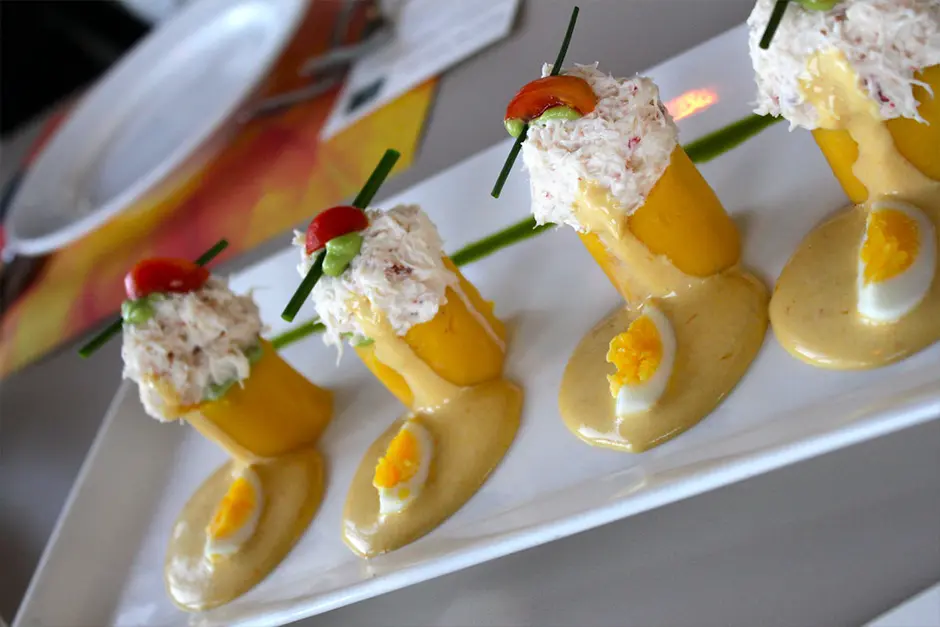
Other traditional favorites include Ají de Gallina, a creamy chicken dish prepared with yellow chili peppers and walnuts; Causa Limeña, made with layers of seasoned yellow potatoes filled with chicken, tuna, or seafood; and Anticuchos, grilled beef heart skewers that have been enjoyed in Lima for centuries.
Seafood lovers should also try Tiradito, a delicate dish similar to sashimi but served with spicy Peruvian sauces, showcasing the city’s Nikkei culinary influence.
The Rise of Nikkei and Chifa Cuisine
Lima’s culinary reputation extends far beyond traditional Peruvian recipes. The city is internationally recognized for two remarkable fusion cuisines.
Nikkei cuisine developed through the influence of Japanese immigrants who introduced new techniques while embracing Peruvian ingredients. The result is a sophisticated fusion featuring fresh seafood, delicate presentations, and bold local flavors.
Chifa cuisine, introduced by Chinese immigrants during the nineteenth century, has become an essential part of everyday life in Peru. Fried rice (Arroz Chaufa), stir-fried noodles, wontons, and soy-based dishes have become local favorites enjoyed by families across the country.
Together, these culinary traditions make Lima one of the world’s most exciting destinations for food enthusiasts.
Explore Lima’s Local Markets
One of the most authentic things to do in Lima is visiting its vibrant food markets. These bustling spaces reveal the incredible diversity of Peru’s agricultural products while offering visitors the opportunity to interact with local vendors.
Surquillo Market is particularly popular among chefs and food lovers. Here, travelers can discover exotic Amazonian fruits, colorful Andean potatoes, fresh herbs, seafood, cheeses, and spices rarely found elsewhere in the world.
Local markets also provide an excellent opportunity to sample traditional snacks, fresh juices, handmade desserts, and regional specialties while learning about Peru’s extraordinary biodiversity.
Join a Lima Food Tour
A Lima food tour is one of the best ways to experience the city’s culinary culture beyond simply eating at restaurants. Guided tours often combine visits to traditional markets, family-owned eateries, artisan coffee shops, chocolate makers, pisco tastings, and cooking demonstrations.
Many tours also introduce visitors to local neighborhoods such as Miraflores, Barranco, and Surquillo, allowing them to explore both the cultural and gastronomic sides of the city. Along the way, travelers learn about the history of Peruvian cuisine, regional ingredients, and the traditions behind every dish.
Whether you’re an experienced foodie or trying Peruvian cuisine for the first time, a guided culinary experience provides valuable insights that enrich your journey.
Sweet Treats and Peru’s National Drink
No culinary journey through Lima is complete without sampling its desserts and beverages.
Traditional sweets such as Suspiro a la Limeña, Picarones, Mazamorra Morada, and Arroz con Leche reflect centuries of culinary tradition and remain favorites among locals.
The country’s signature cocktail, the Pisco Sour, combines Pisco brandy, lime juice, simple syrup, egg white, and bitters to create Peru’s most iconic drink. Visitors can also enjoy locally produced craft beers, premium Peruvian coffee from the Andes, and award-winning chocolates made from Amazonian cacao.
Fine Dining and International Recognition
Lima has become one of the world’s premier fine dining destinations, attracting food lovers from every continent. The city is home to numerous internationally acclaimed restaurants that consistently appear among Latin America’s 50 Best Restaurants and the World’s 50 Best Restaurants rankings.
These establishments celebrate Peru’s extraordinary biodiversity by transforming native ingredients into innovative tasting menus that blend tradition with modern culinary techniques. Dining at one of these renowned restaurants is often considered a highlight of any visit to Peru.
A Culinary Journey You Will Never Forget
Food is much more than a meal in Lima—it is an expression of history, identity, creativity, and cultural diversity. Every restaurant, market, café, and street vendor contributes to a vibrant gastronomic landscape that continues to inspire travelers from around the globe.
This Lima Travel Guide recommends dedicating at least one full day to discovering the city’s culinary treasures. Whether you’re enjoying fresh seafood by the Pacific Ocean, exploring colorful local markets, participating in a Lima food tour, or savoring innovative cuisine at a world-class restaurant, you’ll quickly understand why Lima has earned its reputation as one of the greatest gastronomic capitals in the world and an essential stop on every Peru travel guide itinerary.
- Discover the Wonders of Peru: with the Tour Perú Machu Picchu Nazca 15 Days
- Discover the Best of Perú: with the Tour Perú Amazon Nazca Machu Picchu 20 Days
- Travel Package to Peru Tour in Lima, Paracas, Ballestas, Nazca Lines, Colca Canyon 22 Days
Lima Travel Guide: Districts Full of Personality

One of the best ways to discover the true character of Peru’s capital is by exploring its diverse neighborhoods. Each district has its own atmosphere, history, architecture, and attractions, offering visitors a unique perspective on the city’s rich cultural identity. From the modern waterfront parks of Miraflores to the colorful streets of Barranco and the colonial charm of the Historic Center, every neighborhood contributes to what makes Lima one of the most fascinating destinations in South America. This Lima Travel Guide highlights the districts you shouldn’t miss during your visit.
Miraflores: The Heart of Modern Lima
Miraflores is undoubtedly the most popular district among international visitors and one of the best places to visit in Lima. Located along the Pacific coastline, this vibrant neighborhood perfectly combines modern urban life with breathtaking natural scenery.
Visitors can stroll along the Malecón, a scenic cliffside promenade stretching several kilometers with spectacular ocean views, beautifully maintained gardens, and parks such as Parque del Amor (Love Park). Adventure seekers can even experience paragliding over the coastline, while cyclists and joggers enjoy dedicated paths overlooking the Pacific Ocean.
Miraflores is also home to Larcomar, an open-air shopping and entertainment center built into the cliffs, offering restaurants, cafés, boutiques, and panoramic sunset views. The district features luxury hotels, excellent nightlife, and some of Peru’s finest restaurants, making it one of the best areas where to stay in Lima.
Barranco: Lima’s Artistic and Bohemian Soul
Just south of Miraflores lies Barranco, the city’s most creative and colorful neighborhood. Known for its bohemian atmosphere, this district is filled with street art, colonial mansions, independent galleries, boutique hotels, artisan shops, and charming cafés.
Walking through Barranco is one of the most enjoyable things to do in Lima. Visitors can admire vibrant murals created by local artists, explore contemporary art galleries, and discover hidden courtyards that reflect the district’s rich artistic heritage.
The iconic Bridge of Sighs (Puente de los Suspiros) is Barranco’s most famous landmark and a favorite spot for photographers. According to local tradition, making a wish while crossing the bridge without taking a breath will bring good luck.
As evening falls, Barranco transforms into one of Lima’s liveliest entertainment districts, offering live music, jazz clubs, cocktail bars, and traditional peñas where visitors can enjoy Peruvian folk music and dance.
Historic Center of Lima: A Journey Through History
Recognized as a UNESCO World Heritage Site, the Historic Center is the birthplace of Lima and one of the city’s most important cultural attractions. Founded in 1535 by Francisco Pizarro, this district preserves centuries of colonial architecture and historical landmarks.
The magnificent Plaza Mayor serves as the heart of the city and is surrounded by iconic buildings including Lima Cathedral, the Government Palace, the Archbishop’s Palace, and the Municipal Palace. Their impressive balconies and ornate facades showcase Spanish colonial architecture at its finest.
Nearby, visitors can explore the San Francisco Monastery, famous for its remarkable library, beautiful cloisters, and mysterious underground catacombs. Walking through these historic streets offers a fascinating glimpse into Peru’s colonial past and remains an essential stop on any Lima itinerary.
San Isidro: Elegance and Sophistication
San Isidro is Lima’s financial and business district, but it also offers beautiful green spaces, luxury accommodations, and exceptional dining experiences. This elegant neighborhood combines modern skyscrapers with historic mansions and tranquil parks.
One of its most beloved attractions is El Olivar Park, home to hundreds of centuries-old olive trees originally planted during the Spanish colonial period. The peaceful atmosphere makes it an ideal place for a relaxing walk away from the city’s busy streets.
San Isidro is also known for its upscale restaurants, gourmet cafés, and luxury hotels, making it a favorite destination for business travelers and visitors seeking premium experiences.
Pueblo Libre: A Window into Peru’s Ancient Past
Pueblo Libre is a quieter residential district rich in history and culture. It is best known for the Larco Museum, one of the finest museums in Latin America, housing an extraordinary collection of pre-Columbian ceramics, textiles, jewelry, and gold artifacts.
The district’s traditional plazas, colonial homes, and authentic local restaurants provide visitors with a more relaxed atmosphere while offering fascinating insights into Peru’s ancient civilizations.
Surquillo: The Authentic Side of Lima
For travelers seeking authentic local experiences, Surquillo offers a completely different perspective of the city. This vibrant district is famous for its traditional markets, where chefs and residents shop daily for fresh fruits, vegetables, seafood, herbs, and spices from across Peru.
A visit to Surquillo Market is an excellent complement to a Lima food tour, allowing visitors to discover exotic ingredients and experience everyday life alongside local residents.
Chorrillos: Coastal Traditions and Ocean Views
Located south of Barranco, Chorrillos preserves much of Lima’s traditional fishing heritage. The district features a picturesque fishing pier, seafood restaurants, and beautiful coastal viewpoints overlooking the Pacific Ocean.
Visitors can enjoy fresh seafood at local eateries, walk along the waterfront, or explore the historic Morro Solar, a hill offering panoramic views of Lima’s coastline and important historical monuments.
Which District Should You Choose?
Each district in Lima offers a completely different experience:
- Miraflores – Best for first-time visitors, luxury hotels, shopping, and ocean views.
- Barranco – Perfect for art lovers, nightlife, and bohemian culture.
- Historic Center – Ideal for history, architecture, and colonial landmarks.
- San Isidro – Excellent for luxury travel, fine dining, and peaceful parks.
- Pueblo Libre – Best for museums and archaeological history.
- Surquillo – A paradise for food lovers seeking authentic local markets.
- Chorrillos – Perfect for seafood, coastal landscapes, and traditional fishing culture.
Explore the Many Faces of Lima
The diversity of Lima’s neighborhoods is one of the city’s greatest attractions. Each district tells a different story, reflecting Peru’s fascinating blend of indigenous heritage, colonial history, modern development, and artistic creativity.
This Lima Travel Guide recommends exploring several districts rather than staying in just one. Together, they reveal why Lima is much more than a gateway to Machu Picchu—it is a vibrant destination filled with culture, history, gastronomy, and unforgettable local experiences that deserve to be explored before continuing your Peru travel guide adventure.
The Soul of Lima: Daily Life and Local Experiences

Beyond its famous landmarks and world-renowned cuisine, the true essence of Lima lies in its daily life. To truly understand Peru’s capital, visitors should look beyond the typical tourist attractions and immerse themselves in the routines, traditions, and vibrant neighborhoods that define the city. This Lima Travel Guide encourages travelers to experience Lima not only as a destination but as a living, breathing city where history, culture, and modern life coexist in perfect harmony.
Start the Day Like a Local
Mornings in Lima begin early. Local bakeries fill the streets with the aroma of freshly baked bread, while neighborhood cafés welcome residents enjoying traditional Peruvian breakfasts. A typical breakfast may include fresh bread with avocado, cheese, or ham, accompanied by a cup of Peruvian coffee grown in the Andean highlands or freshly squeezed tropical fruit juice.
Many Limeños begin their day by visiting local markets such as Surquillo Market, where colorful stalls overflow with exotic fruits, vegetables, fresh seafood, herbs, and regional products from every corner of Peru. Walking through these markets provides visitors with an authentic glimpse into everyday life while showcasing the incredible biodiversity that makes Peruvian cuisine so unique.
Experience the City’s Neighborhoods
Each district offers a different perspective on life in Lima, making neighborhood exploration one of the best things to do in Lima.
Miraflores is a lively district where locals jog along the Malecón overlooking the Pacific Ocean, families gather in Kennedy Park, and visitors enjoy cafés, shopping centers, and excellent restaurants. It perfectly blends modern urban life with breathtaking coastal scenery.
Just a few minutes away, Barranco represents Lima’s artistic soul. Its colorful streets are filled with murals, independent art galleries, music venues, boutique shops, and charming cafés. Walking through Barranco reveals a relaxed atmosphere where artists, musicians, and creatives have shaped one of the city’s most distinctive neighborhoods.
San Isidro showcases a more elegant side of Lima, featuring luxury hotels, financial centers, beautiful parks, and the centuries-old Olive Grove (El Olivar). It is also one of the best areas where to stay in Lima for travelers seeking comfort and sophistication.
The Historic Center of Lima, recognized as a UNESCO World Heritage Site, offers another side of the city’s personality. Here, centuries-old churches, colonial mansions, government buildings, and bustling plazas remind visitors of Lima’s importance during the Spanish colonial era.
The Heart of Peruvian Gastronomy
Food is deeply woven into everyday life in Lima. Eating is more than simply satisfying hunger—it is a social experience that brings families and friends together. From humble neighborhood eateries to internationally acclaimed restaurants, every meal tells the story of Peru’s cultural diversity.
A Lima food tour offers the perfect opportunity to discover authentic local flavors. Visitors can sample fresh ceviche, lomo saltado, causa limeña, anticuchos, ají de gallina, and traditional desserts while learning about the indigenous, Spanish, African, Chinese, and Japanese influences that have shaped Peruvian cuisine. Local markets and family-owned restaurants often provide some of the most memorable culinary experiences.
Art, Music, and Cultural Expression
Culture is present in every corner of Lima. Street musicians perform in plazas, local artists exhibit colorful murals throughout Barranco, and theaters regularly host concerts, dance performances, and traditional folklore shows. Museums such as the Larco Museum and the Museum of Contemporary Art preserve both ancient history and modern artistic expression.
Throughout the year, Lima celebrates numerous cultural festivals, religious processions, book fairs, and food festivals that allow travelers to connect with local traditions. These events reflect the city’s multicultural identity and demonstrate why Lima remains one of the most dynamic cultural capitals in South America.
Sunsets Along the Pacific Coast
As the day comes to an end, many locals head to the Malecón in Miraflores to watch the sunset over the Pacific Ocean. Couples, families, cyclists, runners, and paragliders gather along the cliffs to enjoy one of Lima’s most iconic daily experiences.
The nearby Costa Verde offers beautiful beaches, scenic viewpoints, and waterfront restaurants where visitors can relax while watching the waves. Whether enjoying a casual coffee, a traditional Pisco Sour, or a gourmet dinner with ocean views, sunset in Lima is an unforgettable moment that perfectly captures the city’s relaxed coastal lifestyle.
Connect with Local Traditions
To fully appreciate Lima, travelers should embrace experiences beyond the typical sightseeing itinerary. Visiting artisan markets, learning a few Spanish phrases, using public parks, attending local festivals, or simply enjoying conversations with residents can create meaningful memories and deeper cultural connections.
The warmth and hospitality of the people of Lima are among the city’s greatest treasures. Visitors often discover that simple moments—sharing a meal, listening to local music, or exploring neighborhood streets—become the highlights of their journey.
Discover the Real Lima
The true beauty of Lima is found not only in its famous attractions but also in its everyday rhythm. From bustling markets and colorful neighborhoods to world-class cuisine and centuries-old traditions, every experience reveals another layer of Peru’s fascinating capital.
This Lima Travel Guide encourages every traveler to go beyond the classic itinerary and immerse themselves in the authentic spirit of the city. By embracing local experiences, discovering hidden corners, and interacting with the people who call Lima home, you’ll gain a deeper appreciation for one of the most vibrant and culturally rich destinations in South America before continuing your Peru travel guide adventure to Cusco, Machu Picchu, or the Peruvian Amazon.
When to Visit Lima: The Best Time for Every Traveler

As summer ends, Lima becomes quieter while still offering comfortable temperatures between 20°C and 26°C (68°F–79°F). Autumn is one of the most enjoyable seasons for travelers who prefer fewer tourists and a more relaxed atmosphere.
The city’s gardens remain green, museums are less crowded, and walking through neighborhoods such as Miraflores, Barranco, and the Historic Center becomes even more enjoyable. Restaurants remain lively, making this an excellent time to experience a Lima food tour without long waiting times.
Autumn is also ideal for visitors beginning a trip to Cusco and Machu Picchu, as the Andean dry season starts during this period.
Perfect for:
- Couples
- Cultural tourism
- Gastronomic experiences
- City tours
- Photography
- Comfortable sightseeing
Winter (June to September): Best for Culture and Gastronomy
Unlike many destinations, winter in Lima is relatively mild. Temperatures generally range from 15°C to 20°C (59°F–68°F), and the city is often covered by a soft coastal mist known as garúa. Although sunshine is less frequent, this season offers excellent conditions for exploring museums, historical monuments, restaurants, and indoor attractions.
For travelers interested in history, architecture, and cuisine, winter is one of the best times to follow a Lima itinerary focused on cultural experiences. Visitors can spend hours discovering the Historic Center, visiting the Larco Museum, exploring Huaca Pucllana, or tasting authentic Peruvian cuisine in some of the city’s finest restaurants.
This period also coincides with Peru’s peak tourism season for destinations such as Cusco and Machu Picchu, making Lima an ideal first stop before heading into the Andes.
Perfect for:
- Museum visits
- Food lovers
- History enthusiasts
- Luxury travelers
- City exploration
- Photography with dramatic coastal scenery
Spring (September to November): Blooming Parks and Cultural Events
Spring brings gradually warmer temperatures, blooming gardens, and longer daylight hours. Average temperatures range between 17°C and 23°C (63°F–73°F), offering pleasant conditions for outdoor exploration before the arrival of the summer crowds.
This season is ideal for walking through Barranco’s colorful streets, visiting parks in Miraflores, exploring local artisan markets, and attending cultural festivals that take place throughout the city.
Many travelers consider spring one of the most balanced times to visit Lima, Peru, combining comfortable weather, moderate tourist numbers, and excellent opportunities for sightseeing.
Perfect for:
- Walking tours
- Photography
- Art lovers
- Cultural festivals
- Couples
- Outdoor cafés
Best Time for Food Lovers
Lima deserves its reputation as one of the world’s greatest culinary destinations. Since restaurants receive fresh ingredients from Peru’s coast, Andes, and Amazon throughout the year, every season offers outstanding dining experiences.
Travelers can enjoy iconic dishes such as ceviche, lomo saltado, causa limeña, anticuchos, fresh seafood, Nikkei cuisine, and Chifa specialties regardless of the month. Joining a Lima food tour allows visitors to discover traditional markets, local ingredients, award-winning restaurants, and authentic family-owned eateries that showcase Peru’s extraordinary culinary diversity.
Best Time for Cultural Experiences
If your primary interest is history, museums, architecture, and local traditions, Lima can be visited throughout the year. Attractions such as Plaza Mayor, Lima Cathedral, the San Francisco Monastery, the Larco Museum, and Huaca Pucllana remain open year-round.
In addition, the city hosts numerous cultural events, art exhibitions, religious celebrations, music festivals, and gastronomic fairs that allow visitors to experience authentic Peruvian traditions in every season.
The Best Time to Visit Lima Depends on Your Travel Style
Although every season has its own appeal, there is truly no bad time to explore Peru’s capital. If you prefer sunny weather and coastal activities, plan your trip between December and April. If you enjoy fewer crowds and comfortable sightseeing, consider April to June or September to November. For travelers focused on museums, gastronomy, and cultural attractions, June to September offers a relaxed atmosphere and unforgettable experiences.
No matter when you travel, this Lima Travel Guide recommends spending at least two or three days discovering the best places to visit in Lima, enjoying the city’s incredible cuisine, and exploring its fascinating neighborhoods before continuing your Peru travel guide adventure to Cusco, Machu Picchu, the Sacred Valley, or the Peruvian Amazon.
Best Time for Food and Culture: All Year Round

Unlike destinations that rely heavily on seasonal weather, Lima is a city that can be enjoyed throughout the year. Peru’s capital has a mild coastal climate and an active cultural calendar, making it an ideal destination for travelers interested in gastronomy, history, art, and local traditions regardless of the season. Whether you’re planning your first visit or returning to discover more, this Lima Travel Guide recommends experiencing the city year-round, as every month offers unique opportunities to explore its rich heritage and vibrant culinary scene.
World-Class Gastronomy Every Season
Lima has earned a global reputation as one of the world’s leading culinary capitals. The city is home to internationally acclaimed restaurants, traditional family-run eateries, lively street food markets, and innovative fusion cuisine. Thanks to Peru’s extraordinary biodiversity, restaurants receive fresh ingredients from the Pacific Ocean, the Andes Mountains, and the Amazon Rainforest throughout the year.
No matter when you visit Lima, Peru, you can enjoy iconic Peruvian dishes such as ceviche, lomo saltado, causa limeña, ají de gallina, anticuchos, rocoto relleno, and fresh seafood prepared with seasonal ingredients. Lima is also famous for its Nikkei cuisine—a unique fusion of Peruvian and Japanese flavors—and Chifa, which blends Peruvian and Chinese culinary traditions. These gastronomic influences have made the city one of the most exciting food destinations in the world.
For visitors who want a deeper culinary experience, joining a Lima food tour is highly recommended. Guided tours often include visits to local markets, cooking demonstrations, tastings of traditional dishes, coffee and chocolate experiences, and opportunities to learn about the cultural history behind Peru’s cuisine. Whether dining at a Michelin-recognized restaurant or enjoying fresh seafood at a traditional cevichería, every meal becomes part of the journey.
Discover Lima’s Rich Cultural Heritage
Food is only one part of Lima’s identity. The city is also one of South America’s most historically significant capitals, with more than 2,000 years of continuous history. Travelers can explore archaeological sites, colonial churches, elegant mansions, museums, and public squares that reflect the country’s diverse cultural heritage.
The UNESCO World Heritage-listed Historic Center of Lima is one of the best places to visit in Lima. Walking through Plaza Mayor, visitors can admire landmarks such as the Government Palace, Lima Cathedral, and the Archbishop’s Palace, all surrounded by beautifully preserved colonial architecture. The nearby San Francisco Monastery, famous for its impressive library and underground catacombs, offers another fascinating glimpse into Lima’s colonial past.
Museums such as the Larco Museum house extraordinary collections of pre-Columbian ceramics, gold artifacts, and textiles, allowing visitors to learn about ancient civilizations that flourished long before the Inca Empire. Meanwhile, Huaca Pucllana, an archaeological complex located in the heart of Miraflores, demonstrates how ancient cultures once thrived in what is now a modern city.
Experience Lima’s Most Vibrant Neighborhoods
One of the highlights of any Lima itinerary is exploring the city’s diverse neighborhoods, each offering its own atmosphere and attractions.
Miraflores is the most popular district for international visitors. Here, travelers can enjoy breathtaking views of the Pacific Ocean, stroll along the scenic Malecón, visit Larcomar shopping center, relax in Kennedy Park, or sample excellent cuisine in world-class restaurants.
Just south of Miraflores lies Barranco, Lima’s artistic and bohemian district. Its colorful streets are filled with murals, galleries, boutique cafés, craft shops, live music venues, and beautifully restored colonial houses. The famous Bridge of Sighs (Puente de los Suspiros) has become one of the city’s most photographed landmarks and symbolizes Barranco’s romantic charm.
For those seeking elegance and tranquility, San Isidro offers luxurious hotels, fine dining restaurants, beautiful parks, and cultural attractions such as the Olive Grove Park (El Olivar). It is also one of the best areas where to stay in Lima for business and luxury travelers.
Festivals, Art, and Cultural Events Throughout the Year
Lima’s cultural calendar ensures there is always something happening, regardless of the season. Throughout the year, the city hosts art exhibitions, theater performances, classical concerts, film festivals, gastronomic fairs, and traditional religious celebrations.
One of the most important religious events is the Lord of Miracles (Señor de los Milagros) procession in October, one of the largest Catholic processions in the world. Food festivals celebrate Peru’s extraordinary regional cuisine, while cultural fairs showcase traditional crafts, music, and dance from across the country.
Visitors can also enjoy performances at the Gran Teatro Nacional, browse contemporary art galleries in Barranco, attend live music concerts, or explore artisan markets featuring handmade textiles, ceramics, and silver jewelry created by Peruvian artisans.
Seasonal Weather and Travel Experience
Although Lima experiences different weather patterns throughout the year, its cultural attractions remain accessible in every season.
From December to April, temperatures range between 24°C and 30°C (75°F–86°F), bringing sunny skies and warmer weather. This is the perfect time to walk along the Costa Verde, enjoy outdoor cafés, visit nearby beaches, or admire spectacular sunsets over the Pacific Ocean.
Between May and November, Lima experiences cooler temperatures, averaging between 15°C and 22°C (59°F–72°F). During these months, a coastal mist known locally as garúa often covers the city, creating comfortable conditions for museum visits, city tours, and culinary experiences. Since this period generally attracts fewer tourists than the summer months, visitors often enjoy a more relaxed atmosphere at many attractions.
Why Visit Lima Any Time of the Year?
Whether you’re passionate about history, architecture, gastronomy, art, or local traditions, Lima offers rewarding experiences every month. From tasting world-famous cuisine and discovering ancient archaeological sites to wandering through colorful neighborhoods and attending cultural festivals, the city provides endless opportunities for exploration.
This Lima Travel Guide recommends including at least two or three days in Peru’s capital before continuing your Peru travel guide adventure to Cusco, the Sacred Valley, Machu Picchu, the Amazon Rainforest, or Lake Titicaca. No matter the season, you’ll quickly discover why Lima is considered one of the most captivating cultural and culinary destinations in South America.
Frequently Asked Questions (FAQ)

What is Lima famous for?
Lima is famous for its world-renowned gastronomy, colonial architecture, fascinating museums, archaeological sites, and beautiful Pacific coastline. Visitors can explore iconic landmarks such as the Historic Center of Lima, Miraflores, Barranco, and Huaca Pucllana while enjoying some of the best cuisine in the world.
How many days should I spend in Lima?
A 2 to 3-day Lima itinerary is ideal for exploring the city’s main attractions, including the Historic Center, Miraflores, Barranco, museums, and local markets. If you’re a food lover, consider staying an extra day to enjoy a Lima food tour and experience Peru’s celebrated culinary scene.
What are the best places to visit in Lima?
Some of the best places to visit in Lima include:
- Plaza Mayor (Main Square)
- Lima Cathedral
- San Francisco Monastery
- Huaca Pucllana
- Larco Museum
- Miraflores
- Barranco
- Magic Water Circuit
- Costa Verde
These attractions showcase Lima’s rich history, culture, and stunning coastal scenery.
What are the best things to do in Lima?
Some of the top things to do in Lima include taking a city tour, visiting archaeological sites, enjoying a Lima food tour, walking along the Miraflores boardwalk, exploring Barranco’s street art, shopping at local markets, surfing on the Costa Verde, and watching the sunset over the Pacific Ocean.
When is the best time to visit Lima?
The best time to visit Lima, Peru is between December and April, when the weather is warm, sunny, and ideal for sightseeing. However, Lima is a year-round destination thanks to its mild coastal climate.
Is Lima safe for tourists?
Yes. Popular tourist districts such as Miraflores, Barranco, and San Isidro are generally safe for visitors. As with any major city, follow basic Lima travel tips, such as keeping valuables secure, using authorized transportation, and staying aware of your surroundings.
Where should I stay in Lima?
If you’re wondering where to stay in Lima, Miraflores is the most popular area for first-time visitors due to its hotels, restaurants, shopping, and ocean views. Barranco is perfect for travelers seeking a bohemian atmosphere, while San Isidro offers luxury accommodations and a quieter environment.
What food should I try in Lima?
Lima is considered the gastronomic capital of South America. During your visit, don’t miss traditional dishes such as ceviche, lomo saltado, causa limeña, anticuchos, ají de gallina, and fresh seafood. Pair your meal with a classic Pisco Sour or discover the city’s famous Nikkei and Chifa cuisine on a Lima food tour.
Can Lima be combined with other destinations in Peru?
Absolutely. Lima is the perfect gateway for a complete Peru travel guide experience. Many travelers combine their stay in Lima with visits to Cusco, Machu Picchu, the Sacred Valley, Paracas, Huacachina, the Nazca Lines, Arequipa, Lake Titicaca, and the Peruvian Amazon.
Is Lima worth visiting before going to Machu Picchu?
Definitely. A Lima Travel Guide would not be complete without recommending at least two days in Peru’s capital. Lima offers an incredible mix of history, culture, gastronomy, and coastal landscapes, making it the ideal introduction to your Peruvian adventure before continuing to Cusco and Machu Picchu.
- Eplore Peru: From Vibrant Lima to Mystical Machu Picchu and Majestic Lake Titicaca 8 Days
- Perú Travel with Tour Lima Cusco Machu Picchu Lake Titicaca 7 Days
- Explore the Wonders of Cusco with City Tour and Machu Picchu 3 Days
- Explore Peru with the Lima Cusco Machu Picchu Huayna Picchu Tour 6 Days
Would you like me to create a version of this article emphasizing luxury experiences in Lima — such as 5-star hotels, fine dining, private tours, and exclusive cultural encounters — to match Leading Peru Travel’s premium style?
For more information and to book your trip, contact us on WhatsApp. Follow us on Instagram for the latest updates and travel inspiration.
CONTACT US:
We are a Travel Agency specialized in tourist packages, if you need any information, do not hesitate to write to us.
We offer tours in Peru and Bolivia.