

Lima Travel Guide: Top Things to Do, Neighborhoods, and Practical Tips
Lima is the gateway to Peru for most travelers, and it’s worth more than a layover. Peru’s capital sits on cliffs above the Pacific, blending a UNESCO-listed colonial center, pre-Inca archaeological sites, and a food scene that regularly ranks among the world’s best. This Lima travel guide covers the things to do in Lima worth prioritizing, where to stay, how to get around, and how to fit it all into two or three days before heading on to Cusco or elsewhere. See our guide to how to get to Peru for flight and entry basics if you haven’t booked yet.
What to Do in Lima
Explore the Historic Center
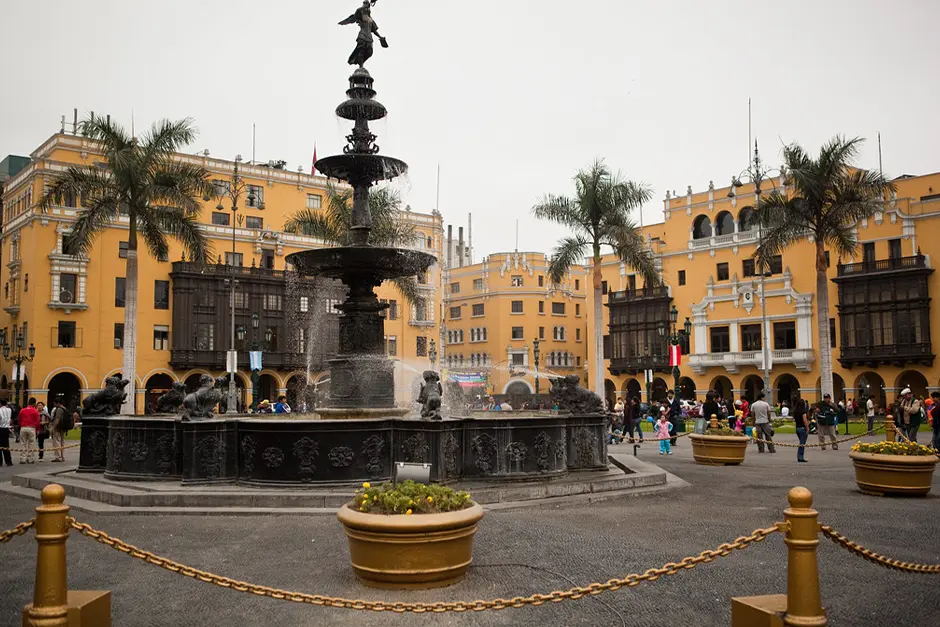
Lima’s Historic Center was declared a UNESCO World Heritage Site in 1988 (its boundaries extended in 1991), and it’s the obvious place to start, ideally in the morning before the day heats up. Plaza Mayor, the square where Francisco Pizarro founded the city in 1535, is ringed by the Government Palace, the Archbishop’s Palace, and Lima Cathedral, which holds Pizarro’s tomb. A few blocks away, the San Francisco Monastery is known for its baroque library and catacombs, believed to hold the remains of roughly 25,000 people; going inside means joining a short guided tour, offered regularly throughout the day. Torre Tagle Palace, an 18th-century mansion with carved Moorish-influenced balconies, and Casa de Aliaga, one of the oldest continuously inhabited colonial houses in the Americas, round out the center’s best architecture. A couple of hours covers the main sights at a comfortable pace.
Walk Along the Miraflores Malecón
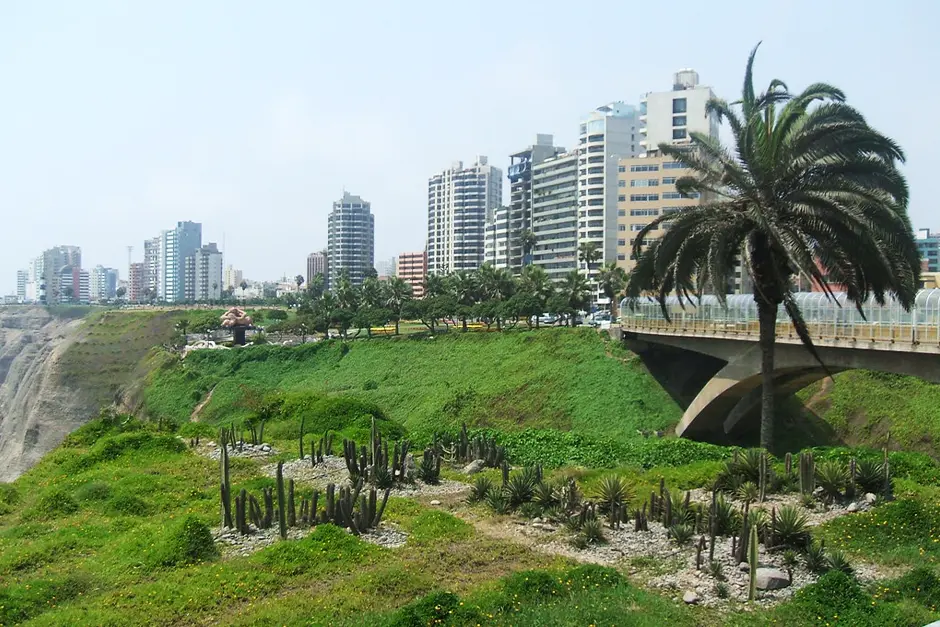
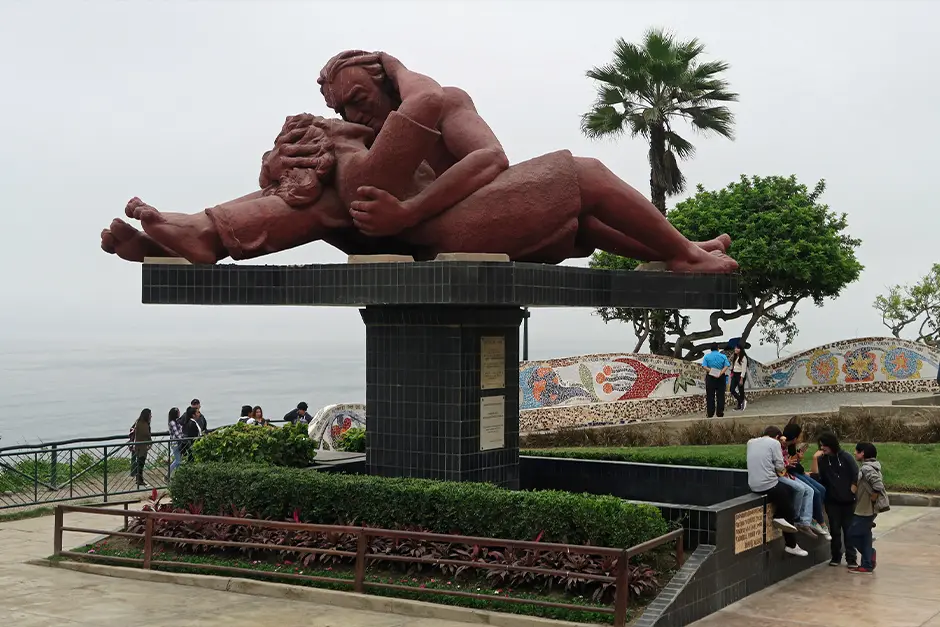
Miraflores, Lima’s most visited district, stretches along cliffside parks overlooking the Pacific. The Malecón is a paved path good for walking, running, or cycling, and it passes Parque del Amor, where mosaic walls and the “El Beso” sculpture make it a favorite for couples and one of the more popular Lima stops for a romantic honeymoon in Peru. Paragliders regularly launch from the cliffs here; see our guide to the best spots for paragliding in Lima if you want to go up yourself. Inland a few blocks, Parque Kennedy is Miraflores’ social hub, known equally for its street performers and its resident colony of stray cats cared for by local volunteers, and it feeds directly into Larcomar, a shopping and dining complex built into the cliffside. Late afternoon into sunset is the best window to walk the Malecón, when the light and the temperature both cooperate.
Discover Barranco’s Artistic Charm
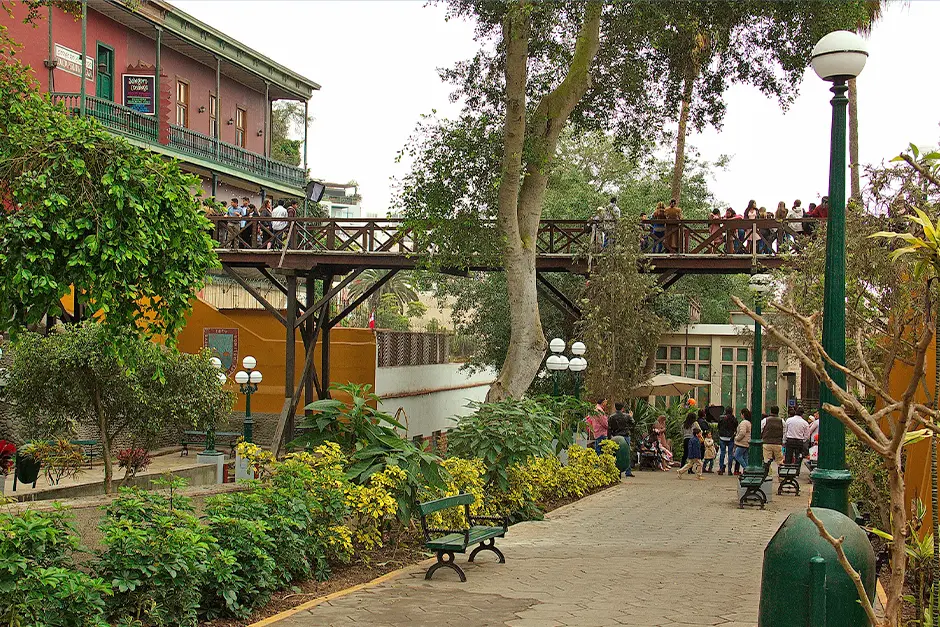
South of Miraflores, Barranco is Lima’s bohemian district, full of murals, galleries, and colonial houses converted into cafés and bars. Its best-known landmark is the Puente de los Suspiros (Bridge of Sighs), a wooden footbridge tied to local legend, and the Museum of Contemporary Art (MAC) anchors a small but active gallery scene nearby. It’s a compact district, walkable in an hour or two, and it makes as much sense for a lunch stop as it does for an evening out.
Visit Huaca Pucllana
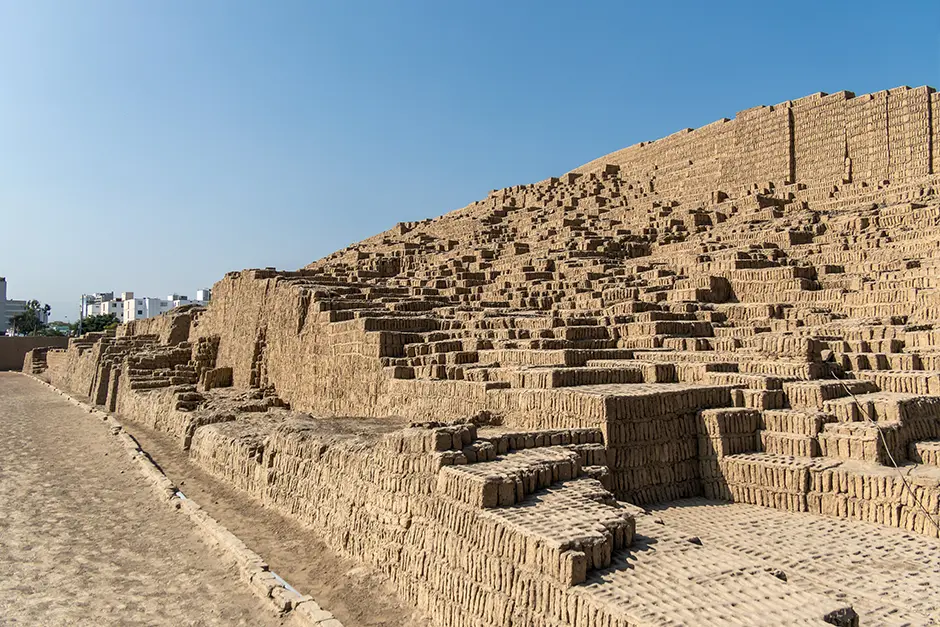
Hidden among Miraflores’ apartment buildings, Huaca Pucllana is an adobe pyramid built by the Lima culture between roughly 200 and 700 AD, centuries before the Inca Empire. The name comes from Quechua for “game,” a reference to the ceremonial activity once held here. Buried and forgotten for centuries, it wasn’t excavated until the mid-20th century; today a guided visit, typically under an hour, covers the site’s plazas and courtyards, and the on-site restaurant offers dinner with the illuminated ruins as a backdrop. Because it’s inside Miraflores, it’s easy to fold into the same day as the Malecón.
Explore the Larco Museum
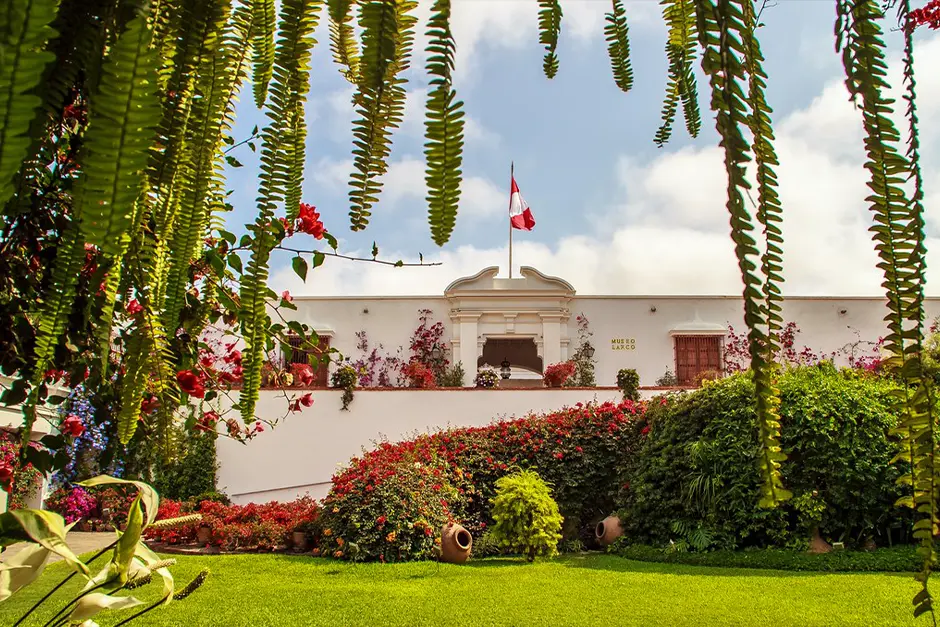
The Larco Museum, in a restored colonial mansion in Pueblo Libre, holds one of Peru’s finest pre-Columbian collections: ceramics, textiles, and gold and silver work spanning roughly 5,000 years and cultures from the Moche to the Inca. Its open storeroom, with more than 40,000 catalogued pieces on view, is unusual among museums of this kind, and its Erotic Gallery of pre-Columbian ceramics is one of its more talked-about sections. Plan on a couple of hours, more if you stop at the garden café, which is worth the visit on its own. Consider booking a guided tour of the Larco Museum to get the context behind the collection rather than walking through alone. Pueblo Libre sits between the Historic Center and Miraflores, which makes the museum a natural stop between the two.
Enjoy a Lima Food Tour
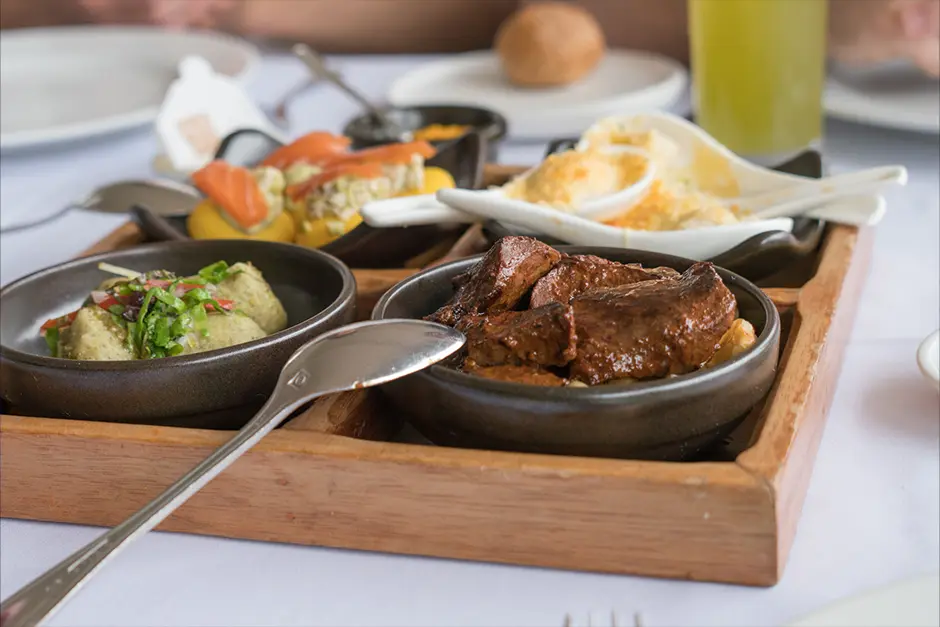
Lima is one of the world’s leading culinary capitals, and a food tour is one of the more efficient ways to experience it: most combine stops at traditional markets, family-run restaurants, and pisco tastings into a few hours. See our roundup of the best Lima culinary tours for options.
Visit Local Markets
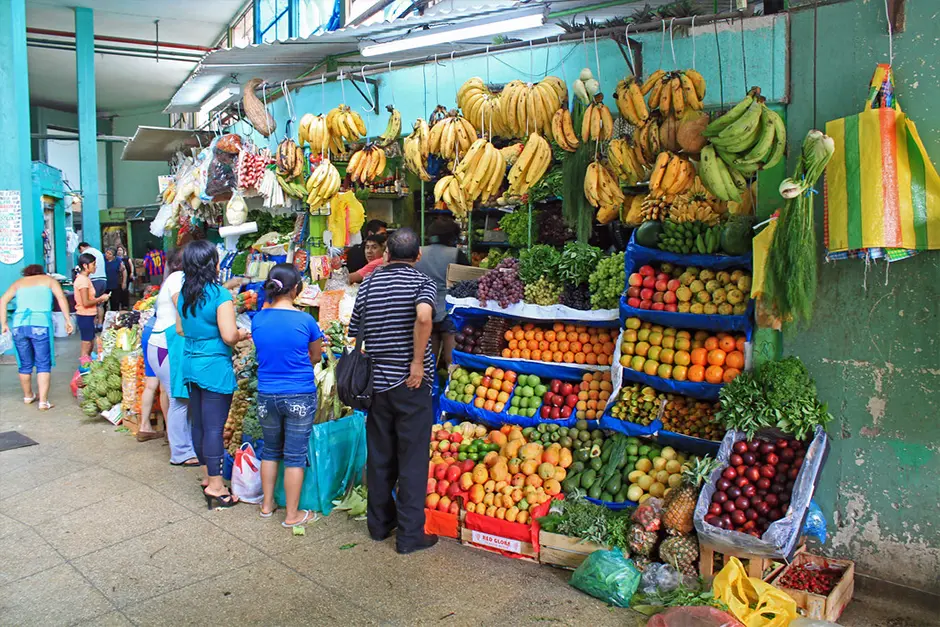
Surquillo Market is the city’s best-known food market, popular with chefs for its fresh seafood, native potatoes, and regional produce, and it’s easy to visit on your own, best done in the morning when it’s liveliest. For a broader look at where to shop for food and crafts alike, see our guide to Lima’s best local markets.
See the Magic Water Circuit
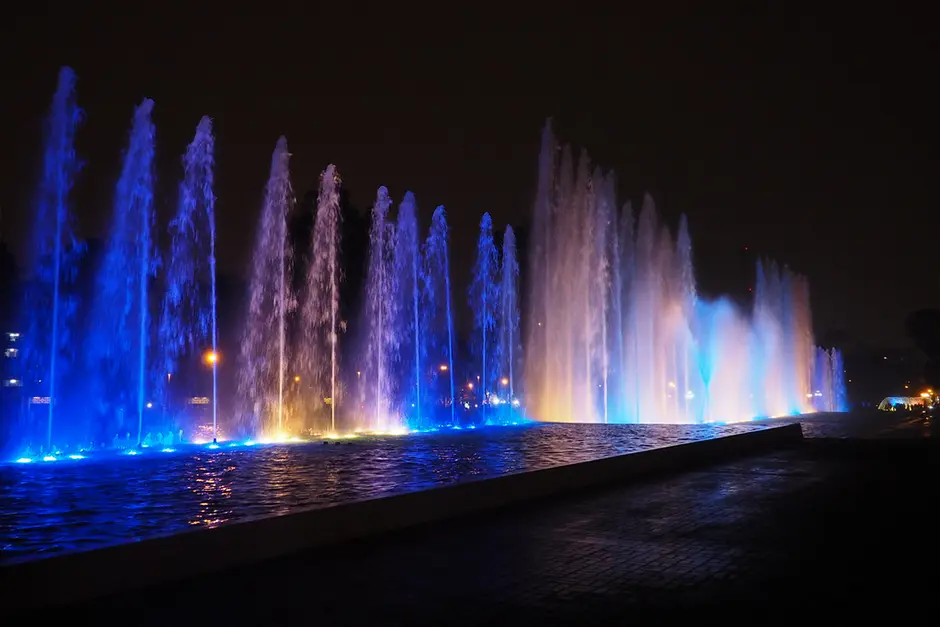
Inside Parque de la Reserva, the Magic Water Circuit holds the Guinness World Record for the largest fountain complex in a public park: 13 illuminated fountains, including one that shoots roughly 80 meters (260 feet) into the air, choreographed to music and laser light shows several times each evening, typically around 7:15, 8:15, and 9:30 p.m. The park is generally open in the afternoon and evening, though exact hours and admission can vary, so it’s worth confirming before you go. Because it’s close to the Historic Center and only really comes alive after dark, it pairs naturally with an evening there rather than a separate trip.
Experience Lima’s Nightlife
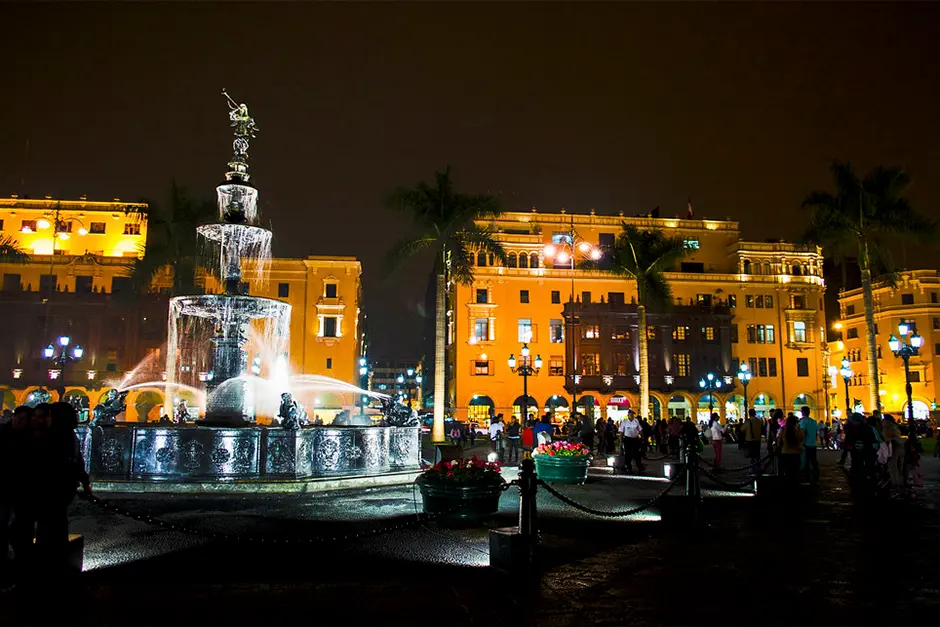
As the sun goes down, Barranco and Miraflores take over, with rooftop bars, live music venues, and traditional peñas. See our guide to the best bars in Lima’s nightlife for where to start.
Take a Day Trip from Lima
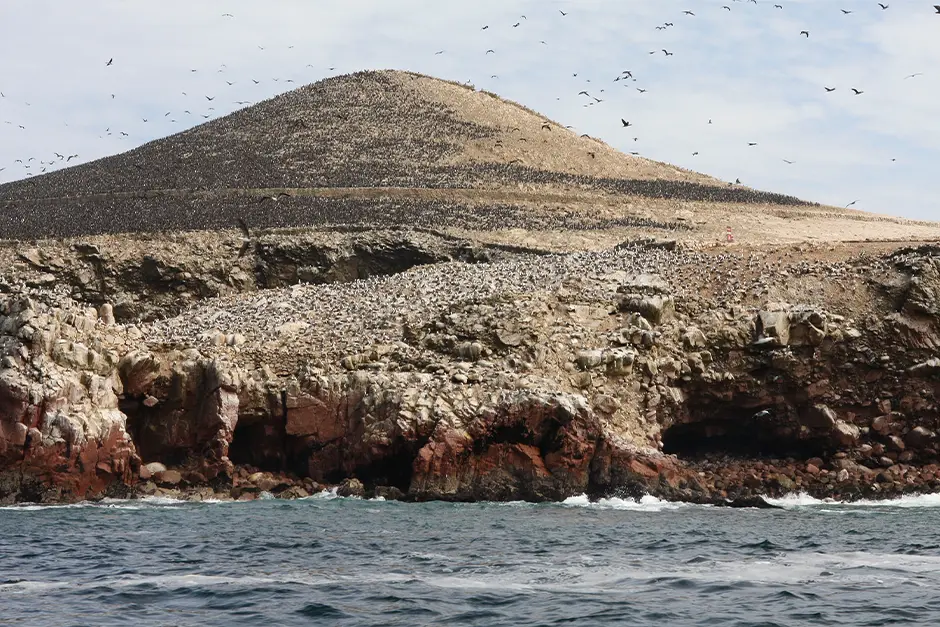
A few worthwhile excursions sit within a few hours of the city. Pachacamac, a short drive southeast, was a major pre-Inca pilgrimage site later absorbed into the Inca Empire, with temple ruins and a small site museum, and works well as a half-day trip. Further afield, Caral, the oldest city in the Americas, dates back roughly 5,000 years and needs closer to a full day. South along the coast, Paracas and Ballestas Islands tours cover wildlife and coastal scenery, what to do at the Huacachina Oasis covers sandboarding and dune buggies, and the scenic flights over the Nazca Lines cover the famous geoglyphs; these three are far enough south that they’re usually done as an overnight trip rather than a same-day return.
How to Spend 2 or 3 Days in Lima
Two days covers Lima’s essentials at a reasonable pace; a third day gives you room for whichever part of the city you’d rather slow down in, whether that’s food, art, or archaeology.
2 Days in Lima
Day 1: Spend the morning and early afternoon in the Historic Center. In the evening, head to the nearby Magic Water Circuit, timed around one of its light shows for dinner and a walk through the fountains afterward.
Day 2: Start at the Larco Museum in Pueblo Libre, then continue to Miraflores for Huaca Pucllana and a walk along the Malecón, timed to reach Parque del Amor around sunset. From there, it’s a short ride to Barranco for dinner and, if you’re up for it, a night out.
3 Days in Lima
With a third day, add whichever of these fits your interests best: a Lima food tour or a morning at Surquillo Market if you didn’t fit one in already, a more relaxed second look at Barranco or Miraflores with time for shopping at Larcomar, or a half-day trip out to Pachacamac. Travelers with a longer stopover sometimes use the extra day for one of the farther day trips instead, though Paracas, Huacachina, and the Nazca Lines are usually better treated as their own overnight detour than squeezed into a Lima-based third day.
Where to Stay in Lima
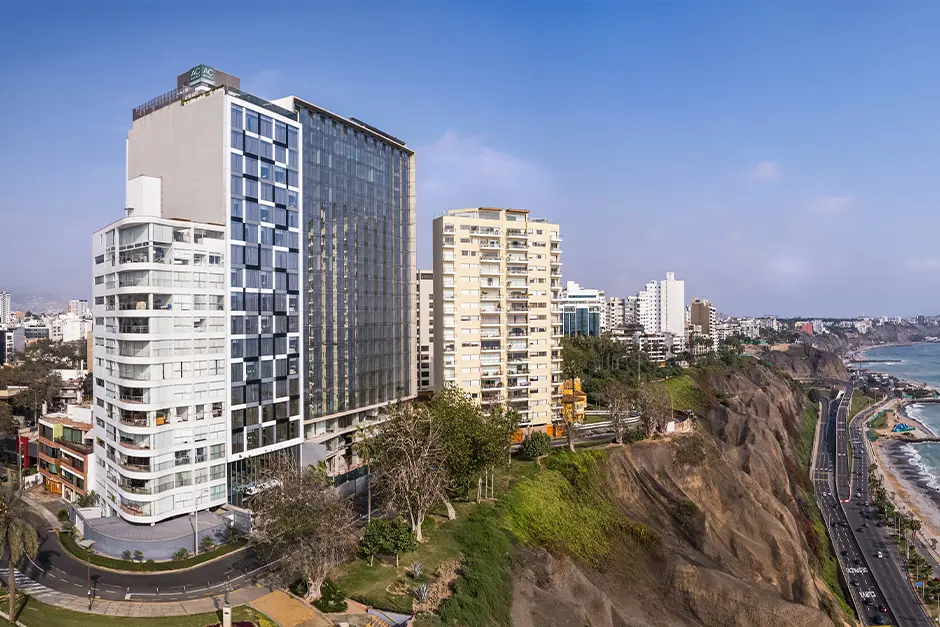
Miraflores is the most popular base for first-time visitors, with the best concentration of hotels, restaurants, and ocean views, and it puts the Malecón, Huaca Pucllana, and Larcomar within walking distance. Barranco suits travelers who want a more bohemian, artsy atmosphere within walking distance of galleries and nightlife, and it’s a short taxi ride from Miraflores rather than a separate trip. San Isidro, just inland of Miraflores, is quieter and more upscale, a good fit for business travelers or anyone prioritizing calm over central nightlife. Staying in the Historic Center itself is less common among leisure travelers, since it’s livelier by day than by night and sits further from Miraflores and Barranco.
Getting Around Lima
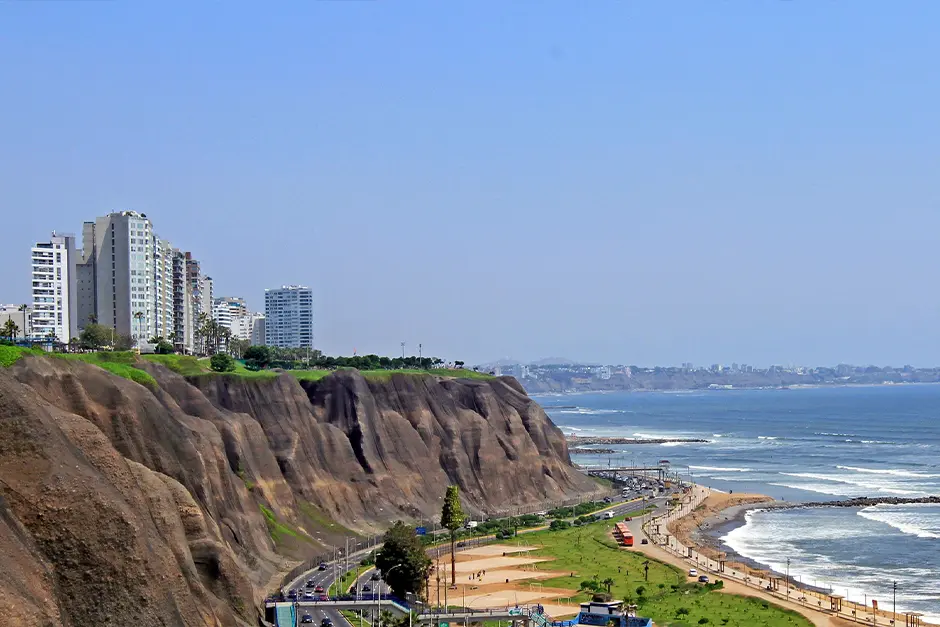
Lima doesn’t have a single walkable core the way a smaller city might. It’s a large, spread-out city, and the areas visitors care about most, the Historic Center, Miraflores, Barranco, San Isidro, and Pueblo Libre, are each walkable within themselves but roughly 20 to 40 minutes apart from one another by car, more during rush hour. Uber and Cabify both operate reliably in Lima and are the easiest, generally safest way to move between neighborhoods; a hotel-arranged car is a fine alternative if you’d rather not use an app. Hailing a taxi on the street is best avoided in favor of either option. Within a single neighborhood, like Miraflores’ Malecón or central Barranco, walking is usually the better choice.
What to Eat in Lima
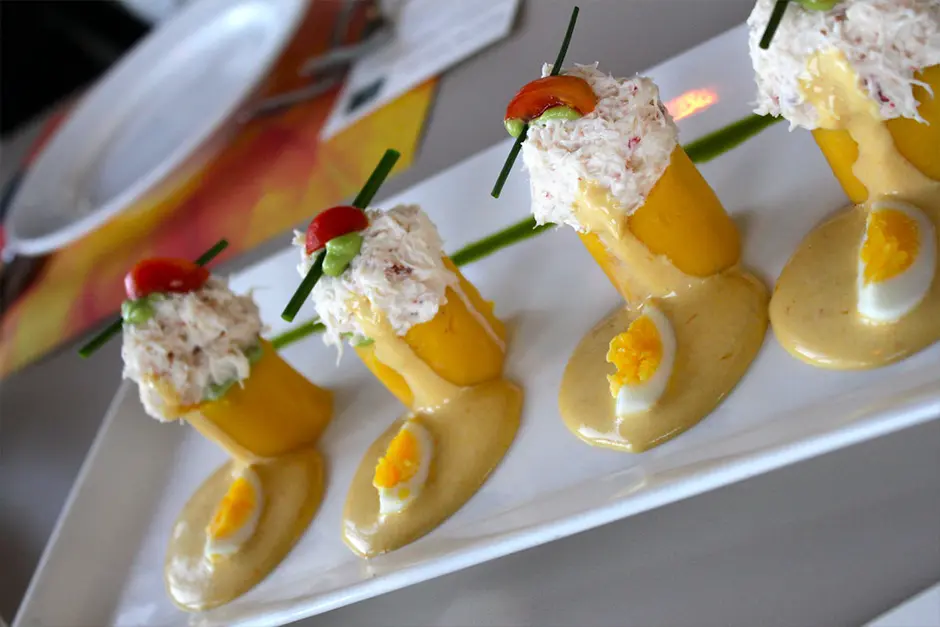
Lima’s food scene draws on Andean, coastal, and Amazonian ingredients along with Spanish, African, Chinese, and Japanese influences, the last two giving rise to Chifa and Nikkei cuisine respectively. No visit is complete without ceviche, Peru’s iconic national dish, alongside lomo saltado, causa limeña, and anticuchos. World-ranked restaurants like Central, Maido, and Astrid y Gastón have put the city on the global culinary map, though plenty of the best food is still found at neighborhood cevicherías and market stalls. Pair a meal with a Pisco Sour, made from Peru’s national spirit, Pisco.
When to Visit Lima
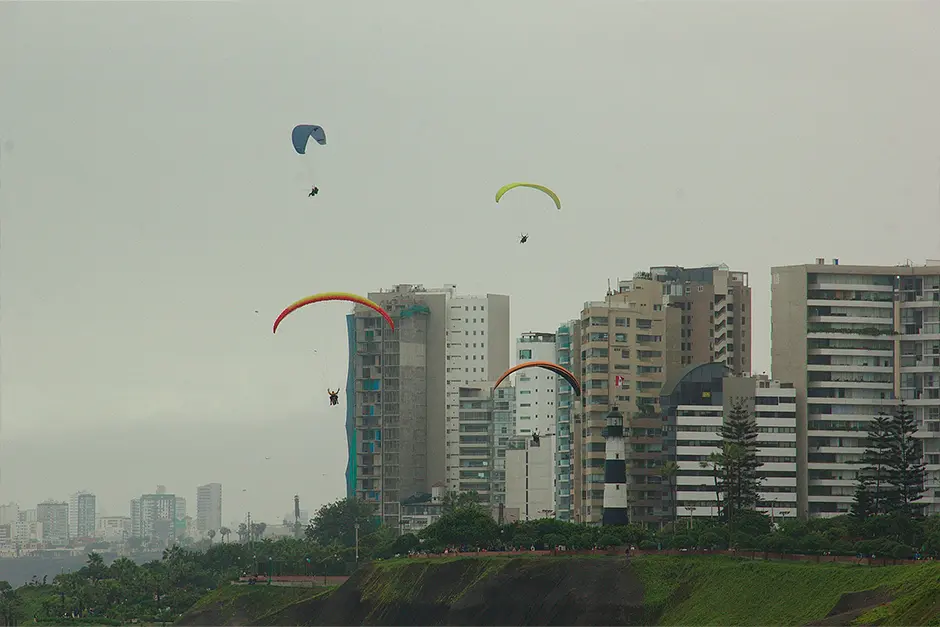
Lima’s coastal desert climate means there’s no true rainy season, but conditions do shift. From December to April, expect warm, sunny days around 24-30°C (75-86°F), ideal for the coastline and rooftop terraces. From May to November, temperatures drop to about 15-22°C (59-72°F) and a coastal mist called garúa often blankets the city, which suits museum-going and city touring just as well and comes with noticeably smaller crowds.
Is Lima Safe?
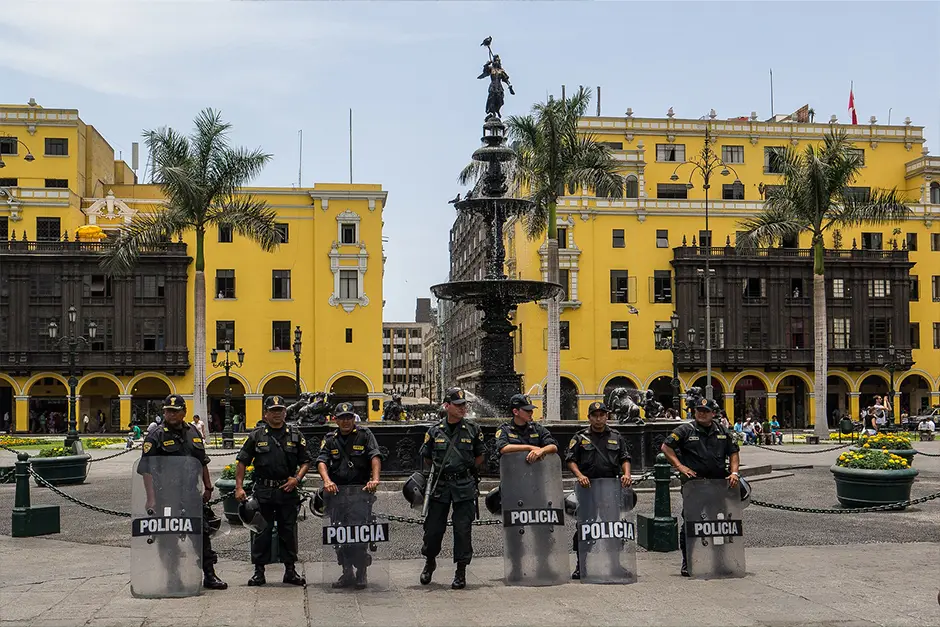
Yes, generally, particularly in the well-traveled districts of Miraflores, Barranco, and San Isidro. As in any large city, use authorized taxis or ride-hailing apps, keep valuables out of sight, and stay alert in crowded areas like markets and the Historic Center.
FAQs
How many days should I spend in Lima?
Two to three days covers the Historic Center, Miraflores, Barranco, and a couple of museums; see the itinerary above for how to sequence it.
What’s the best way to see Lima in 2 days?
Pair the Historic Center with the Magic Water Circuit on day one, since both sit close to downtown, then the Larco Museum, Miraflores, and Barranco on day two. That order keeps you moving in roughly one direction across the city rather than backtracking.
How do you get around Lima?
Uber or Cabify for anything between neighborhoods, and walking within a single district like Miraflores or Barranco. Street taxis are best avoided.
What is Lima famous for?
Its colonial architecture, pre-Columbian archaeological sites, and a gastronomy scene widely considered among the best in the world.
Is Lima worth visiting before Machu Picchu?
Yes. Most itineraries treat Lima as the starting point rather than a layover; from here, see our guide to the best ways to travel from Lima to Cusco for the onward journey.
Can Lima be combined with other destinations in Peru?
Absolutely, and it usually is. Most travelers pair Lima with Cusco, Machu Picchu, and the Sacred Valley at minimum; see our complete Peru travel guide for how the rest of the country fits together.
Where should I stay in Lima?
Miraflores for convenience and ocean views, Barranco for atmosphere and nightlife, San Isidro for a quieter, more upscale stay.
Once you’ve mapped out your days in Lima, the rest of the trip is easy to build around it. Contact us on WhatsApp and we can help put together an itinerary that connects Lima with the rest of Peru.
CONTACT US:
We are a Travel Agency specialized in tourist packages, if you need any information, do not hesitate to write to us. We offer tours in Peru and Bolivia.