

Pisco Sour: Peru’s National Cocktail and the Pisco Behind It
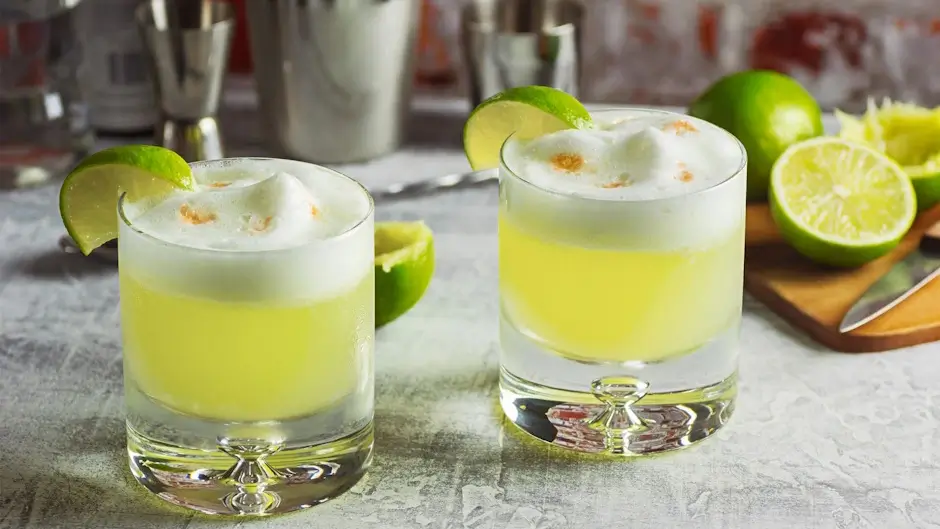
The pisco sour is Peru’s national cocktail: Peruvian pisco shaken with fresh lime juice, sugar syrup and egg white, then finished with a few drops of Angostura bitters on its white foam. It was born in Lima in the early 20th century, was declared part of Peru’s National Cultural Heritage in 2007 and has its own national day, celebrated every first Saturday of February.
To understand why a pisco sour tastes the way it does, you need to know the spirit behind it. Pisco is a grape brandy with more than four centuries of history on Peru’s southern coast, made under strict rules that set it apart from other brandies. This guide covers the history of the pisco sour, the classic Peruvian recipe, how pisco is made and classified, and where to drink it during a trip to Peru.
What Is a Pisco Sour?
A pisco sour is a sour-style cocktail built on Peruvian pisco. Lime brings acidity, syrup balances it, egg white creates the thick, silky foam on top, and the bitters add aroma and help balance the egg white’s aroma. The result is tart, refreshing and stronger than it tastes.
In Peru, it is a traditional welcome drink at restaurants, hotels and family celebrations, and a popular way to begin a meal of ceviche or other coastal dishes.
Pisco Sour History: From a Lima Bar to a National Icon
The most widely accepted story credits Victor Vaughen Morris, an American who settled in Peru and opened Morris’ Bar in central Lima in 1916. He served a local version of the whiskey sour made with pisco, and the drink became popular with the bar’s local and foreign customers.
Mario Bruiget, a former bartender at Morris’ Bar, later took the drink to the Hotel Maury, where, according to the usual account, egg white and Angostura bitters were added to create the version known today. Historians still debate the details: a Lima cookbook from 1903, Nuevo Manual de Cocina a la Criolla, already includes a “cocktail” made with pisco, egg white, sugar and lime.
Recognition followed decades later. In 2004, Peru’s Ministry of Production (Resolución Ministerial N.° 161-2004-PRODUCE) established the first Saturday of February as National Pisco Sour Day, and in 2007 the former National Institute of Culture declared the pisco sour part of the country’s National Cultural Heritage.
Classic Peruvian Pisco Sour Recipe
Peruvian bartenders often describe the recipe as a ratio. The most common is 3-1-1: three parts pisco, one part lime juice and one part syrup. Some prefer a lighter 2-1-1. Start with the classic version and adjust to your taste.
Ingredients (1 large or 2 small cocktails)
- 3 oz (90 ml) Peruvian pisco, traditionally Quebranta
- 1 oz (30 ml) freshly squeezed lime juice
- 1 oz (30 ml) simple syrup or jarabe de goma
- 1 egg white
- Ice
- A few drops of Angostura bitters
How to Make It
- Add the pisco, lime juice, syrup and egg white to a cocktail shaker.
- Shake hard without ice for a few seconds (a “dry shake”) to start building the foam.
- Add ice and shake again until the shaker is very cold.
- Strain into a chilled glass and let the foam settle on top.
- Finish with a few drops of Angostura bitters on the foam.
Tips: squeeze the limes gently, since pressing the peel too hard can make the juice bitter. Many bars in Peru use a blender instead of a shaker, which gives an even thicker foam. If you prefer not to use raw egg, pasteurized egg white works well, and aquafaba (chickpea liquid) is a common egg-free alternative.
What Is Peruvian Pisco?
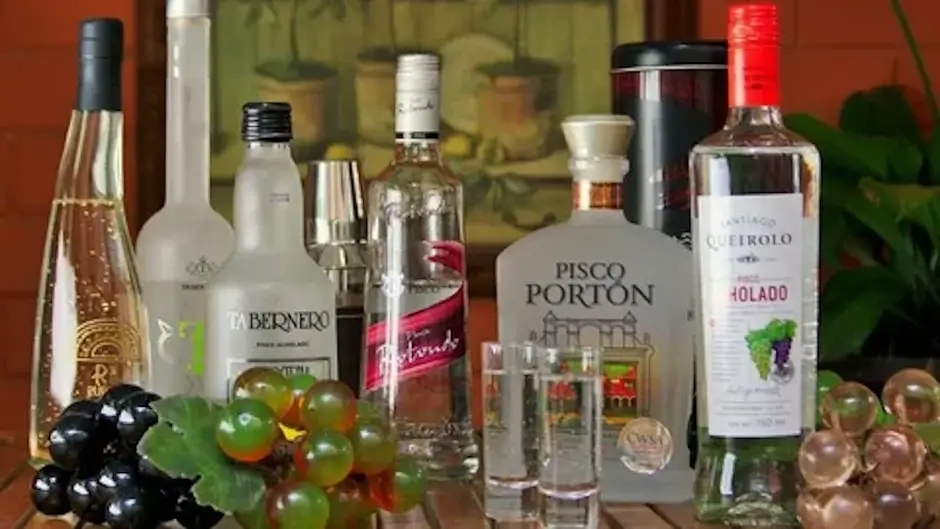
Pisco is a brandy distilled from freshly fermented grape must. Spanish colonists brought grapevines to Peru in the 16th century, and they thrived in the warm, dry valleys of the southern coast, especially around Ica and Pisco. By the late 16th century, producers were distilling wine into a stronger spirit that kept better and traveled well. It took its name from the port of Pisco, which shipped it to other parts of South America and to Spain in the 17th century, and wineries spread across Ica, Moquegua and Arequipa during the 17th and 18th centuries.
Today, Peruvian pisco is protected by a denomination of origin recognized in 1990. Its rules cover everything from the grapes to the way it is distilled and bottled, and they are what make it unusual among brandies:
- Origin: it can only be produced in the coastal areas of Lima, Ica, Arequipa, Moquegua and Tacna (the Locumba, Sama and Caplina valleys).
- Grapes: only eight authorized “pisco grape” varieties may be used.
- Distillation: it is distilled directly and discontinuously, only once, and bottled at the strength it comes out of the still. No water is added to lower its alcohol content.
- No additives: nothing is added to change its color, aroma or flavor.
- Rest, not aging: it must rest for at least three months in containers that don’t alter it, such as glass or stainless steel. It is not aged in wood, so it stays clear.
Pisco Grape Varieties
| Non-aromatic grapes | Aromatic grapes |
|---|---|
| Quebranta, Negra Criolla, Mollar, Uvina | Italia, Moscatel, Albilla, Torontel |
Non-aromatic grapes, especially Quebranta, give a drier, more structured spirit and are the classic choice for a pisco sour. Aromatic grapes such as Italia and Torontel produce floral, fruity piscos that many people prefer to sip neat.
Types of Pisco
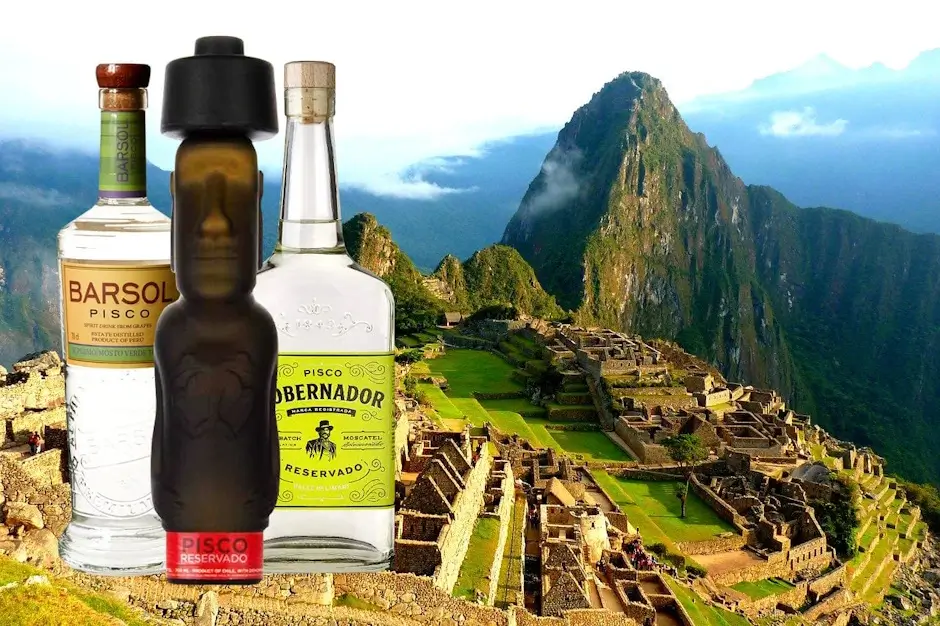
The denomination of origin recognizes three official types of pisco:
- Pisco puro: made from a single pisco grape variety. The label names the grape, as in pisco puro Quebranta or pisco puro Italia.
- Pisco acholado: a blend of two or more pisco grape varieties, versatile in cocktails.
- Pisco mosto verde: distilled from must before fermentation is complete. It takes more grapes per liter and tends to feel smoother and rounder.
Peruvian Pisco vs. Chilean Pisco
Chile also produces a grape brandy sold as pisco, under its own denomination of origin in the Atacama and Coquimbo regions, and both countries claim the drink as their own. The two are made under different rules, so they are not interchangeable: Peruvian pisco is distilled only once and bottled without added water, and the Peruvian pisco sour is traditionally made with egg white and bitters.
Other Pisco Cocktails to Try
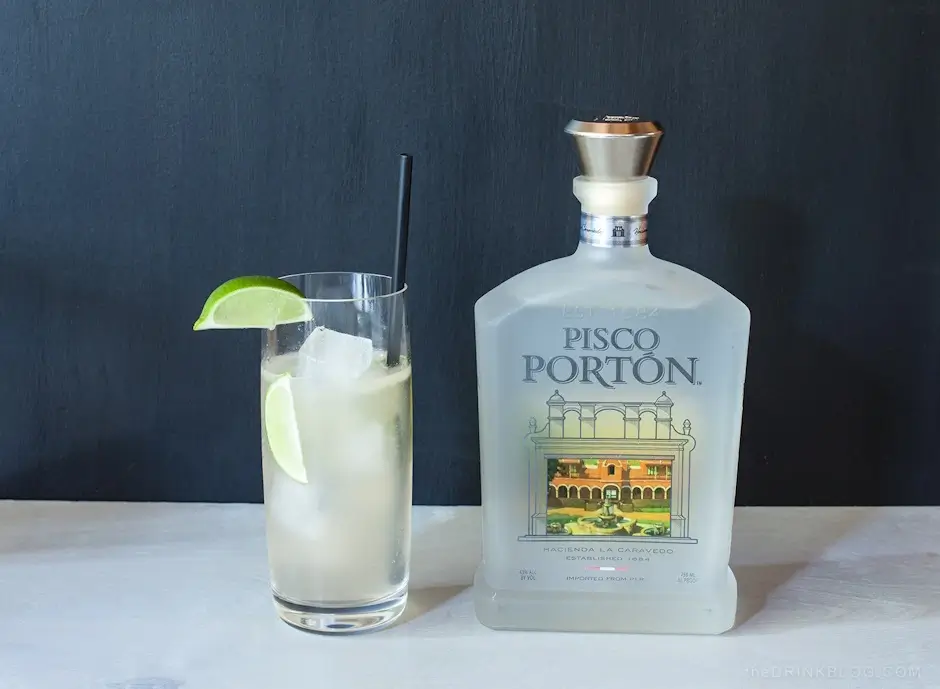
- Chilcano: pisco with ginger ale, lime juice and ice, sometimes with a few drops of bitters. Lighter and more refreshing than a pisco sour.
- Flavored sours: many bars make versions with passion fruit (maracuyá), purple corn or other local fruits.
- Neat tastings: a well-made aromatic or mosto verde pisco, served at room temperature in a small glass, is the best way to appreciate the grape itself.
Where to Drink a Pisco Sour in Peru
Lima
Lima is where the pisco sour was born, and ordering one in the city’s historic bars is part of the experience. The historic center still has places tied to its story, such as Bar Maury and the Gran Hotel Bolívar, while old-school taverns like Antigua Taberna Queirolo in Pueblo Libre keep the atmosphere of traditional Lima. Museo del Pisco, a pisco bar despite its name, has locations in Lima, Cusco and Arequipa and offers tastings of different styles.
Pisco often appears as a tasting stop on Lima culinary tours, which combine it with markets, street food and cooking classes, an easy way to learn about pisco in context.
Ica and the Pisco Valley
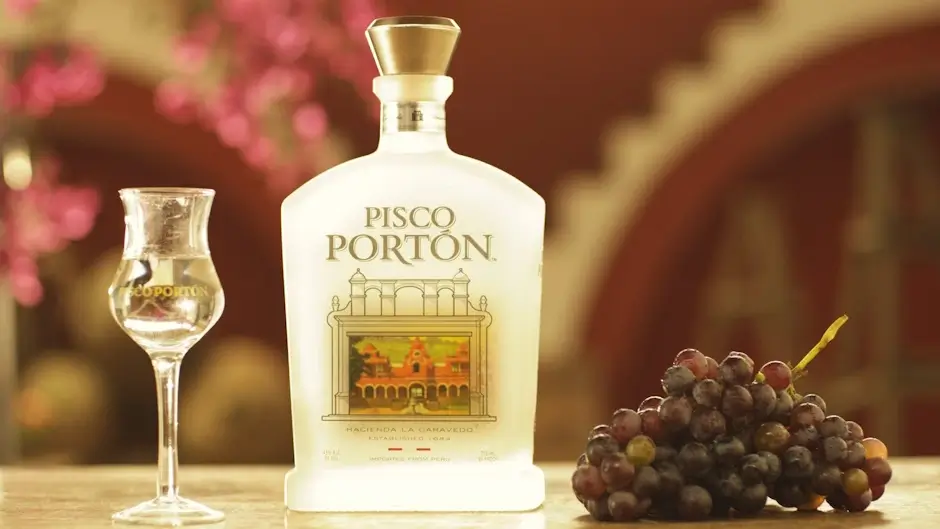
Ica, about 300 km (186 miles) south of Lima, is the heart of pisco country. Wineries such as Tacama, Vista Alegre and Ocucaje, along with smaller artisanal bodegas, let visitors walk through the vineyards, see how pisco is made, from grape pressing to distillation, and compare different grapes and styles at the source. The Huacachina oasis, known for sandboarding and dune buggy rides, is just outside the city, so many travelers combine both in the same trip.
The grape harvest runs roughly from February to April, depending on the area and the weather. In March, Ica celebrates the Festival Internacional de la Vendimia, its grape harvest festival, with traditional grape stomping, parades, music and tastings. If you want to plan around the harvest or Peru’s dry season elsewhere in the country, see our guide to the best time to visit Peru.
Arequipa and Moquegua
Arequipa and Moquegua are also part of the pisco denomination of origin, with winemaking traditions that date back to the colonial period. Arequipa is an easy stop for travelers heading to the Colca Canyon, and its bars and picanterías are good places to try regional piscos alongside local food.
What to Eat with a Pisco Sour
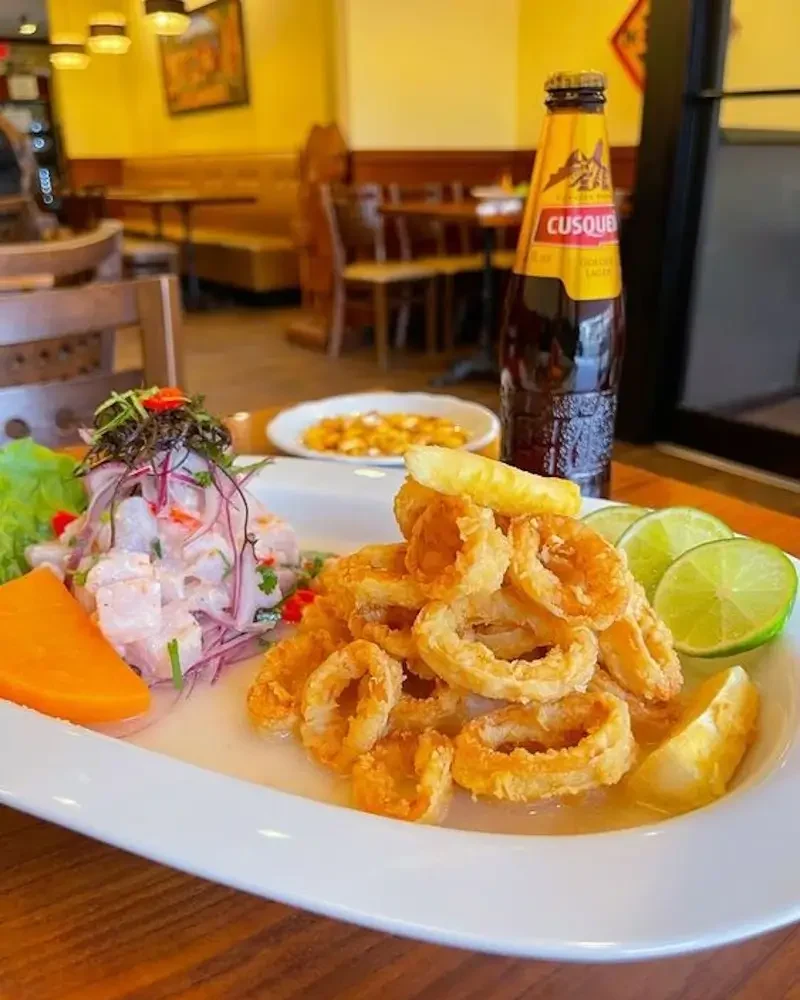
The classic pairing is ceviche: the drink’s acidity and freshness match the lime-cured fish, which is why the two often arrive together at lunchtime in Lima’s cevicherías. Read more in our guide to Peruvian ceviche, or explore other dishes that go well with pisco in our guide to Peruvian food.
Frequently Asked Questions About Pisco Sour
When is National Pisco Sour Day?
Peru celebrates National Pisco Sour Day on the first Saturday of February, as established in 2004. National Pisco Day, dedicated to the spirit itself, is celebrated on the fourth Sunday of July.
Is the pisco sour Peruvian or Chilean?
Both countries claim it. In Peru, the pisco sour is traced to Morris’ Bar in Lima in the early 20th century and is officially recognized as National Cultural Heritage. Chile has its own version, usually made with Chilean pisco and often without the egg white and bitters that define the Peruvian recipe.
Which pisco is best for a pisco sour?
Pisco puro Quebranta is the traditional choice because its dry, non-aromatic profile stands up to the lime and syrup. Acholado also works well. Save aromatic piscos like Italia or Torontel for sipping neat or for lighter cocktails like the chilcano.
How strong is a pisco sour?
Stronger than it tastes. Pisco is bottled at between 38% and 48% alcohol by volume, and a classic recipe uses a generous pour. If your trip includes Cusco or other high-altitude destinations, it is best to keep alcohol light during your first days there.
Is the raw egg white in a pisco sour safe?
The traditional recipe uses raw egg white, which carries a small risk of foodborne illness. Pasteurized egg white is a safer option, particularly for pregnant people, older adults and anyone with a weakened immune system. If you avoid egg altogether, ask for a version without it or use aquafaba, although the foam will be lighter.
Want to include pisco tastings, Lima’s historic bars or a visit to Ica’s wineries in your trip? Contact us on WhatsApp and our team will help you plan an itinerary around Peru’s food and drink.
CONTACT US:
We are a Travel Agency specialized in tourist packages, if you need any information, do not hesitate to write to us.
We offer tours in Peru and Bolivia.