

Authentic Peruvian Ceviche: History, Tradition and Culinary Experience
Few dishes represent Peru’s vibrant culinary identity as perfectly as Peruvian ceviche, one of the most famous Peruvian dishes and a true symbol of Peruvian cuisine. Fresh, flavorful, and bursting with citrus flavor, this authentic Peruvian ceviche reflects the rich history, traditions, and cultural diversity of Peru’s Pacific coast.
Known as a traditional seafood dish, Peruvian ceviche is prepared with fresh fish, Peruvian lime, ají limo, red onion, cilantro, and local ingredients that create a unique combination of flavors. This iconic dish is an essential part of Peruvian food culture and represents the connection between Peru’s coastal communities and the ocean.
In cities like Lima, the culinary capital of Peru, ceviche is much more than just food — it is a daily ritual, a source of national pride, and an important expression of traditional food in Peru. Visitors from around the world consider trying traditional Peruvian ceviche one of the best culinary experiences during their trip to Peru.
For travelers looking to discover the flavors of Peru, enjoying ceviche during a Peru food tour or a Lima culinary experience offers an authentic introduction to the country’s gastronomy. Along with other famous Peruvian dishes, ceviche showcases why Peru is recognized as one of the world’s leading culinary destinations.
If you want to bring the authentic flavors of coastal Peru to your table, explore this traditional Peruvian ceviche recipe and discover the cultural story behind one of Peru’s most beloved dishes. Experience the taste of the coastal cuisine of Peru and learn why ceviche remains a must-try dish for every traveler visiting Peru.
The Origins of Peruvian Ceviche
Peruvian Ceviche
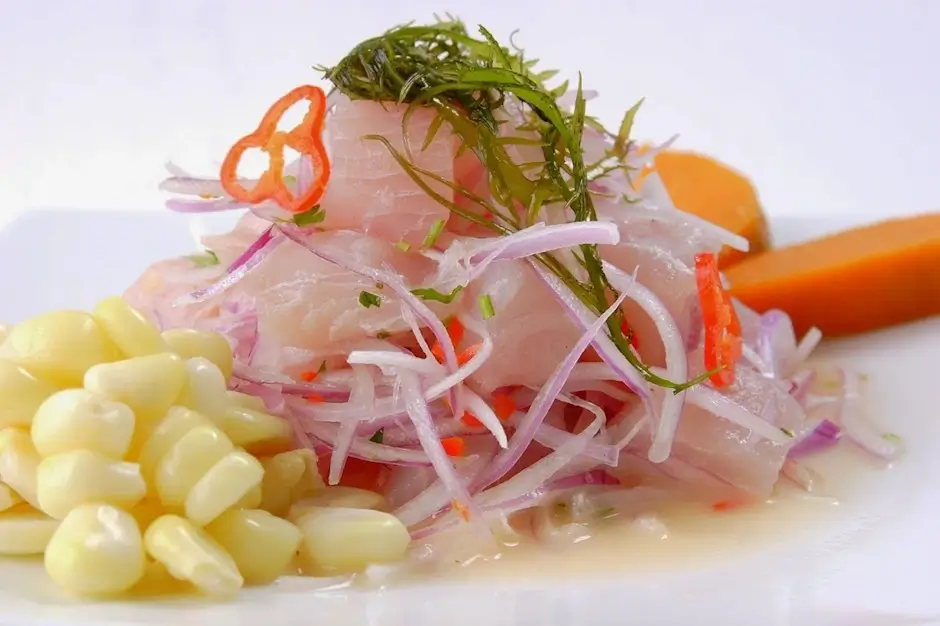
Few dishes are as deeply connected to a nation’s identity as ceviche is to Peru. Fresh, vibrant, and full of bold citrus flavor, ceviche is more than a culinary delight — it is a symbol of heritage, history, and cultural fusion. From ancient coastal civilizations to the bustling cevicherías of Lima, the story of Peruvian ceviche is a journey through time.
Ancient Coastal Beginnings
The origins of ceviche date back over 2,000 years to the pre-Columbian cultures that flourished along Peru’s Pacific coast. Civilizations such as the Moche and later the Inca consumed fresh fish seasoned with native ingredients.
Before the arrival of Europeans, fish was likely marinated in chicha (a fermented corn beverage) and flavored with local chili peppers. The use of citrus fruits had not yet become part of the recipe, but the concept of preserving and flavoring raw fish was already well established.
These early preparations reflected a deep connection between coastal communities and the ocean — a relationship that continues to define Peruvian gastronomy today.
Spanish Influence and the Introduction of Lime
The arrival of the Spanish in the 16th century transformed Peruvian cuisine. Along with new culinary techniques, they introduced citrus fruits such as lime and bitter orange. Lime quickly became the defining ingredient in ceviche, replacing fermented beverages as the primary marinade.
The acidity of lime juice not only enhanced the flavor of fresh fish but also “cooked” it through denaturation of proteins, creating the texture and taste we now associate with modern ceviche.
This fusion of Indigenous traditions and Spanish ingredients marked the beginning of ceviche as we know it today.
Cultural Fusion and Culinary Evolution
Over centuries, Peru became a melting pot of cultures, and its cuisine evolved accordingly. African, Chinese, and Japanese immigrants contributed new techniques and flavor profiles.
The Japanese influence, in particular, played a significant role in refining ceviche. Japanese culinary precision and respect for raw fish elevated the dish, emphasizing freshness, clean cuts, and shorter marination times. This influence helped shape the modern Peruvian ceviche style — delicate, balanced, and prepared just minutes before serving.
Ceviche as a National Symbol
Today, ceviche is recognized as Peru’s national dish and a source of immense pride. It is celebrated every year on National Ceviche Day and has gained international acclaim as part of Peru’s global culinary boom.
In Lima, especially in coastal districts like Miraflores and Barranco, cevicherías fill at lunchtime with locals enjoying this refreshing dish alongside sweet potato, corn, and the flavorful citrus marinade known as leche de tigre.
A Living Culinary Tradition
Despite its long history, ceviche remains a living and evolving tradition. While the classic version features white fish, lime, red onion, chili, and cilantro, regional variations incorporate seafood such as shrimp, octopus, or shellfish.
Each version tells a story of geography and identity — from the northern beaches of Peru to the southern coastal deserts.
Key Ingredients for Authentic Ceviche
Peruvian Ceviche
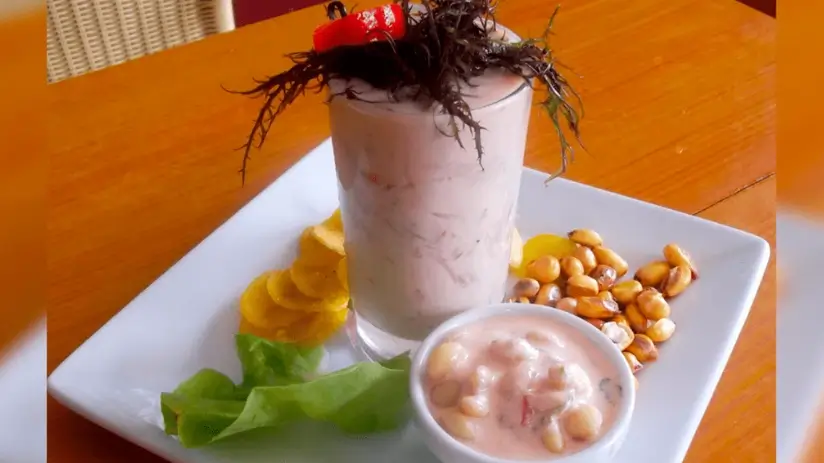
Ceviche is one of Peru’s most iconic dishes — fresh, vibrant, and deeply rooted in coastal tradition. While the preparation is simple, achieving authentic flavor depends entirely on the quality and balance of its ingredients. In cities like Lima, where ceviche is a daily ritual, chefs emphasize that freshness and precision are everything.
Here are the essential ingredients that define authentic Peruvian ceviche.
- Fresh White Fish
The heart of ceviche is ultra-fresh, firm white fish. Traditional choices in Peru include sea bass (corvina), sole, or flounder. The fish must be fresh enough to safely consume raw, with a clean ocean scent and firm texture.
The fish is cut into bite-sized cubes to allow the citrus juice to penetrate evenly. In authentic preparation, the fish is never over-marinated — just a few minutes is enough to preserve its delicate texture.
- Fresh Lime Juice
Lime is the defining ingredient of Peruvian ceviche. Peruvian limes are small, aromatic, and intensely acidic, giving the dish its signature brightness.
The juice is squeezed fresh directly over the fish and used immediately. Bottled juice is never recommended, as it lacks the vibrant acidity necessary to properly “cook” the fish and balance the flavors.
The citrus marinade created from lime juice, fish juices, chili, and salt is known as leche de tigre (tiger’s milk), a prized and flavorful element of the dish.
- Ají Limo (Peruvian Chili Pepper)
Ají limo provides the characteristic heat and aroma of authentic ceviche. This small, spicy chili adds brightness without overpowering the dish.
If ají limo is unavailable, fresh red chili peppers can be used as a substitute, but the flavor will differ slightly. The chili should be finely chopped and added in moderation to maintain balance.
- Red Onion
Thinly sliced red onion adds crunch and mild sharpness. In Peru, onions are often rinsed briefly in cold water to soften their intensity while maintaining crispness.
The onion is typically added just before serving to preserve its texture and freshness.
- Fresh Cilantro
A touch of freshly chopped cilantro enhances the dish with herbal notes. While not used in large quantities, it adds an essential layer of aroma that complements the citrus and chili.
- Salt
Simple but crucial, salt enhances the natural sweetness of the fish and balances the acidity of the lime. The seasoning must be carefully measured to avoid overpowering the freshness of the ingredients.
Traditional Accompaniments
Authentic Peruvian ceviche is served with sides that balance its acidity and spice:
- Boiled sweet potato (adds natural sweetness)
- Large-kernel Andean corn (choclo)
- Lettuce leaves (optional for presentation)
These accompaniments provide contrast in texture and flavor, completing the dish.
The Importance of Freshness and Timing
Authentic ceviche is prepared and served immediately. Unlike other marinated dishes, it is not meant to sit for long periods. The magic lies in its immediacy — fresh fish, freshly squeezed lime, and careful seasoning brought together at the perfect moment.
In Peru, ceviche is traditionally enjoyed at lunchtime, when the morning catch is at its peak freshness.
Step-by-Step Preparation: How to Make Authentic Peruvian Ceviche

Peruvian Ceviche
Preparing authentic Peruvian ceviche is a celebration of freshness, precision, and balance. In coastal cities like Lima, ceviche is crafted quickly and served immediately to preserve its vibrant flavor and delicate texture.
Choose and Prepare the Fresh Fish
Select ultra-fresh, firm white fish such as sea bass or sole. Freshness is essential — the fish should have a clean ocean scent and firm flesh.
- Remove skin and bones.
- Cut the fish into evenly sized bite-sized cubes (about 2 cm).
- Place the fish in a chilled glass or stainless-steel bowl.
Lightly season with salt to enhance the natural flavor.
Squeeze Fresh Lime Juice
Fresh lime juice is the soul of ceviche. Squeeze the limes directly over the fish until it is just covered.
The acidity will begin to “cook” the fish by denaturing its proteins. In authentic Peruvian preparation, the fish marinates briefly — typically 5 to 10 minutes — to maintain a tender texture rather than becoming overly firm.
Add the Ají (Chili Pepper)
Finely chop fresh ají limo (or a similar chili) and add it to the bowl. This ingredient provides brightness and gentle heat without overpowering the fish.
Stir gently to distribute the flavors evenly.
Incorporate Red Onion
Thinly slice red onion and, if desired, rinse briefly in cold water to soften its sharpness while keeping its crunch.
Add the onion just before serving to maintain freshness and texture.
Add Fresh Cilantro
Sprinkle a small amount of freshly chopped cilantro over the mixture. This adds herbal aroma and enhances the citrus notes.
Mix gently one final time.
Plate Immediately
Ceviche should be served right away. Arrange it neatly on a plate and garnish with traditional accompaniments such as:
- Boiled sweet potato (for sweetness)
- Large-kernel corn (choclo)
- Lettuce leaves (optional)
The citrus marinade that forms in the bowl — known as leche de tigre — can be spooned over the fish for extra flavor.
Enjoy Fresh
Authentic ceviche is never stored for long periods. It is meant to be enjoyed immediately, when the balance between citrus, spice, and freshness is at its peak.
In Peru, ceviche is traditionally eaten at lunchtime, reflecting the importance of using the morning’s freshest catch.
The Coastal Experience: Discover Peru’s Pacific Soul

Peru’s coastline stretches for more than 2,400 kilometers along the Pacific Ocean, offering a unique blend of dramatic desert landscapes, vibrant fishing traditions, world-class cuisine, and rich cultural heritage. From the bustling energy of Lima to tranquil seaside towns, the Peruvian coast offers an unforgettable sensory journey.
The coastal experience in Peru is not just about beaches — it is about history, flavor, and a deep connection to the sea.
Where the Desert Meets the Ocean
One of the most striking features of Peru’s coastline is its dramatic geography. Vast golden deserts cascade toward deep blue waters, creating breathtaking contrasts found nowhere else in South America.
In destinations like Paracas, travelers can witness this spectacular meeting of sand and sea. The nearby Ballestas Islands are home to sea lions, Humboldt penguins, and thousands of seabirds — a reminder of the incredible biodiversity sustained by the nutrient-rich Humboldt Current.
Further north, sun-soaked beaches such as Máncora offer warm waters and a relaxed atmosphere, perfect for those seeking both adventure and rest.
A Culinary Paradise by the Sea
The Peruvian coast is the birthplace of the country’s most iconic dish: ceviche. In Lima’s coastal districts like Miraflores and Barranco, locals gather at midday in lively cevicherías to enjoy the freshest catch of the day.
The ocean provides an abundance of seafood — from delicate white fish and octopus to scallops and shrimp — forming the foundation of Peru’s celebrated gastronomy. Dining by the sea, with waves crashing against the cliffs, elevates the experience beyond a simple meal into a cultural ritual.
Living Maritime Traditions
Fishing communities along the coast preserve ancestral techniques passed down through generations. Small wooden boats known as caballitos de totora — reed vessels used since pre-Inca times — can still be seen along northern beaches.
These traditions reflect Peru’s long-standing relationship with the Pacific Ocean, where the sea has always been a source of sustenance, spirituality, and identity.
Sunsets and Seaside Serenity
As the sun dips below the horizon, the Peruvian coast transforms into a canvas of gold and crimson hues. In Lima, the Malecón in Miraflores offers panoramic views of the Pacific, while surfers glide across evening waves below.
Whether enjoying a sunset cocktail, walking along quiet shores, or listening to the rhythm of the tides, the coast invites moments of reflection and relaxation.
Adventure and Exploration
The coastal experience also offers adventure. Surfing, sandboarding on desert dunes, boat excursions, and marine wildlife tours provide excitement for travelers seeking active exploration.
The diversity of landscapes ensures that every coastal destination offers something unique — from tranquil bays to rugged cliffs and vibrant port cities.
Peruvian Ceviche Recipe: Tips for the Perfect Ceviche
Peruvian Ceviche
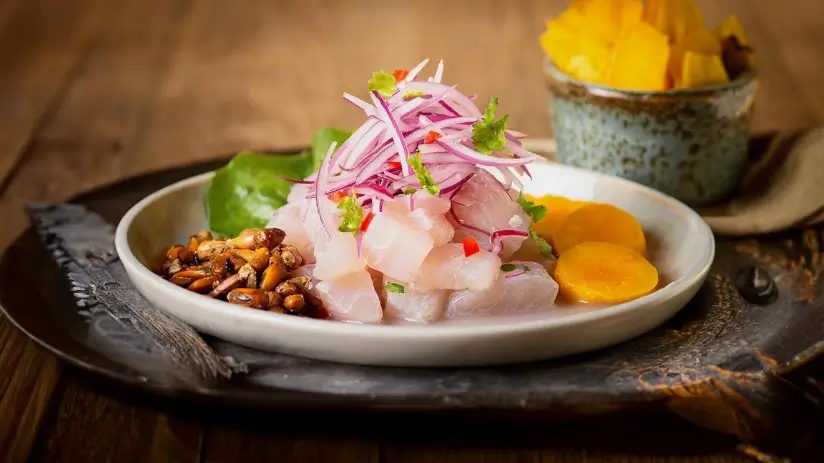
Ceviche is one of Peru’s most celebrated culinary treasures — fresh, vibrant, and beautifully simple. While the ingredient list is short, achieving the perfect ceviche requires attention to detail, timing, and balance. In coastal kitchens from small fishing villages to top restaurants in Lima, chefs agree: freshness and precision make all the difference.
Here are essential tips to help you prepare flawless ceviche every time.
Start with Ultra-Fresh Fish
The most important rule of ceviche is freshness. Choose firm, white fish with a clean ocean scent and bright appearance. Sea bass, sole, flounder, or snapper are excellent options.
If possible:
- Buy fish the same day you plan to prepare it.
- Keep it refrigerated until just before cutting.
- Use a sharp knife to create clean, even cubes.
Fresh fish ensures both safety and superior flavor.
Use Freshly Squeezed Lime Juice
Never use bottled lime juice. Fresh limes provide the acidity and aroma that define authentic ceviche.
Tips for best results:
- Squeeze limes gently to avoid extracting bitterness from the peel.
- Add just enough juice to coat the fish — do not drown it.
- Prepare the juice right before mixing.
The citrus marinade, known as leche de tigre, should taste bright, balanced, and slightly spicy.
Don’t Over-Marinate
One of the most common mistakes is leaving the fish in lime juice for too long. In traditional Peruvian preparation, ceviche marinates for only 5 to 10 minutes.
Over-marinating can:
- Make the fish too firm
- Reduce its delicate texture
- Overpower its natural sweetness
Ceviche should be tender and fresh — not rubbery.
Balance the Heat
Ají limo or fresh chili adds essential warmth and aroma. However, the spice should enhance the dish, not dominate it.
Remove seeds for milder heat, and add gradually. The goal is balance between citrus, salt, and spice.
Slice Onions Thinly
Red onions should be sliced very thin to provide crunch without overwhelming the dish.
For a smoother flavor:
- Rinse the sliced onions briefly in cold water.
- Drain thoroughly before adding them to the fish.
This softens their sharpness while preserving texture.
Season Carefully
Salt is subtle but crucial. Add it before the lime juice so it can lightly penetrate the fish.
Taste the leche de tigre before serving and adjust seasoning if needed. The final flavor should be bright, slightly spicy, and well-balanced.
Serve Immediately
Ceviche is meant to be enjoyed fresh — not stored. Once prepared, serve it right away for the best flavor and texture.
Traditionally, it is accompanied by:
- Boiled sweet potato
- Large-kernel corn (choclo)
- Lettuce leaves for presentation
The sweetness of these sides balances the acidity of the ceviche.
Keep Everything Cold
Temperature matters. Keep the fish chilled until the moment of preparation, and serve the dish slightly cool to maintain freshness.
FAQ Peruvian Ceviche
What is Peruvian ceviche?
Peruvian ceviche is a traditional seafood dish and one of the most iconic examples of Peruvian cuisine. It is prepared with fresh fish marinated in Peruvian lime juice, ají limo, red onion, cilantro, and salt. This authentic Peruvian ceviche represents the history, culture, and flavors of Peru’s Pacific coast.
Why is Peruvian ceviche famous around the world?
Peruvian ceviche is famous because it combines fresh ingredients, unique flavors, and centuries of culinary tradition. Considered one of the most representative famous Peruvian dishes, it has helped make Peruvian gastronomy internationally recognized as one of the world’s best culinary traditions.
What makes authentic Peruvian ceviche different?
Authentic Peruvian ceviche is unique because of its traditional preparation and ingredients, including fresh Pacific fish, Peruvian lime, ají limo, red onion, cilantro, sweet potato, and Peruvian corn. These elements create a distinctive flavor that makes it different from other seafood dishes around the world.
What ingredients are used in traditional Peruvian ceviche?
A traditional Peruvian ceviche recipe includes fresh white fish, Peruvian lime, ají limo peppers, red onion, cilantro, salt, sweet potato, choclo (Peruvian corn), and cancha (toasted corn). These ingredients represent the authentic flavors of traditional food in Peru.
Is Peruvian ceviche a traditional food in Peru?
Yes. Peruvian ceviche is one of the most important examples of traditional Peruvian food. It reflects the relationship between Peru’s coastal communities and the Pacific Ocean and is an essential part of the country’s cultural heritage.
Where can I eat the best ceviche in Peru?
The best places to try ceviche in Peru include Lima, Peru’s culinary capital, as well as coastal regions such as Piura, Tumbes, and Lambayeque. A Lima culinary experience or Peru food tour is an excellent way to discover authentic ceviche and other Peruvian dishes.
Why is Lima known as the best destination for ceviche?
Lima is recognized as one of the world’s leading culinary destinations because of its high-quality restaurants, traditional cevicherías, and innovative chefs. Trying ceviche in Lima is one of the top culinary experiences in Peru for international travelers.
What type of fish is used in authentic Peruvian ceviche?
Traditional Peruvian seafood dish recipes usually use fresh white fish with a firm texture, such as sea bass, sole, or other local varieties from Peru’s Pacific coast. Freshness and quality are essential for an authentic ceviche experience.
Is Peruvian ceviche cooked?
Traditional Peruvian ceviche is not cooked with heat. Instead, the fish is marinated in lime juice, creating its characteristic texture and flavor. This preparation method is part of the unique traditions of Peruvian food culture.
What are the best Peruvian dishes to try besides ceviche?
Besides ceviche, travelers should discover other best dishes in Peru, including lomo saltado, ají de gallina, causa limeña, anticuchos, pachamanca, and rocoto relleno. These dishes showcase the incredible diversity of Peruvian cuisine.
Can travelers experience authentic Peruvian ceviche during a Peru vacation?
Yes. Trying authentic Peruvian ceviche is one of the best things to do in Peru for food lovers. Visitors can enjoy this traditional dish during a Peru food tour, Lima city tour, or customized Peru travel experience with local gastronomy.
Why should visitors try Peruvian ceviche?
Visitors should try Peruvian ceviche because it offers a direct connection to Peru’s culture, history, and culinary identity. It is not only a meal but also an unforgettable food experience in Peru that represents the country’s coastal traditions.
For more information and to book your trip, contact us on WhatsApp. Follow us on Instagram for the latest updates and travel inspiration.
CONTACT US:
We are a Travel Agency specialized in tourist packages, if you need any information, do not hesitate to write to us.
We offer tours in Peru and Bolivia.