

Peru Bolivia Chile Tours: Explore Machu Picchu, Uyuni & Atacama
A Peru Bolivia Chile tour links three countries into one overland and flight-connected route, typically running from Cusco and the Sacred Valley in Peru, across the Bolivian Altiplano to La Paz and the Uyuni Salt Flats, and on to the Atacama Desert in northern Chile. It’s one of South America’s most naturally complementary multi-country routes: Inca history and archaeology in Peru, dramatic high-altitude landscapes in Bolivia, and desert and stargazing in Chile, all within a single corridor along the Andes.
This guide covers what each country contributes to the trip, a sample day-by-day itinerary, how to choose the right package, and the practical planning (altitude, visas, timing) that makes the difference between a smooth trip and a rushed one.
Why Combine Peru, Bolivia, and Chile?

Each country adds something the others don’t. Peru brings the Inca heartland: Machu Picchu, Cusco, and the Sacred Valley. Bolivia adds the Altiplano’s otherworldly scenery, centered on the Uyuni Salt Flats and La Paz. Chile closes the loop with the Atacama Desert, one of the driest and clearest places on Earth for stargazing. Traveling all three together also makes geographic sense: Cusco to La Paz to San Pedro de Atacama runs roughly north to south along the Andes, rather than requiring long detours.
Discover the Wonders of Peru
Peru is usually the starting point of a Peru Bolivia Chile tour, and for many travelers its highlights alone are worth the trip.
Machu Picchu
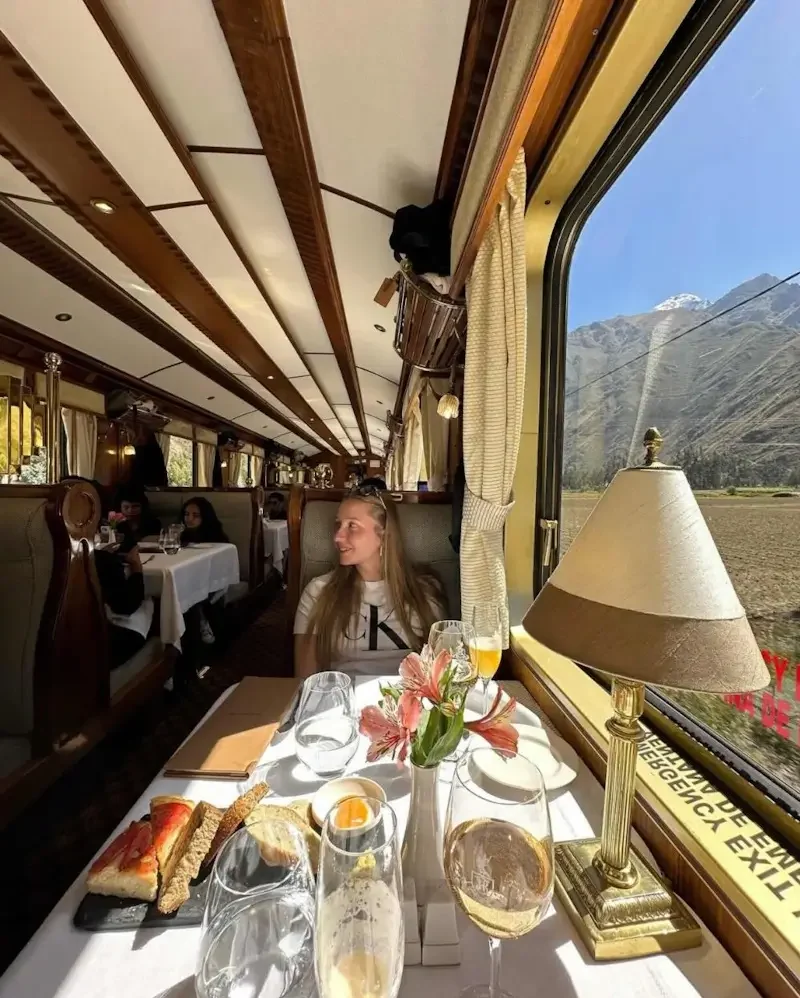
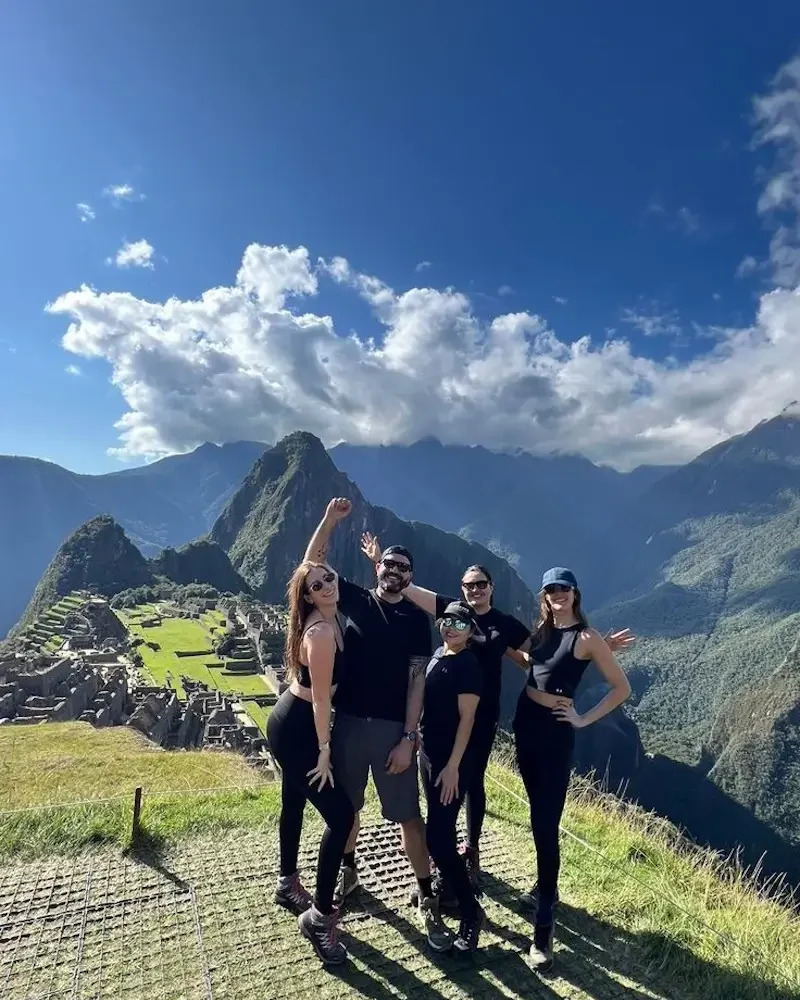
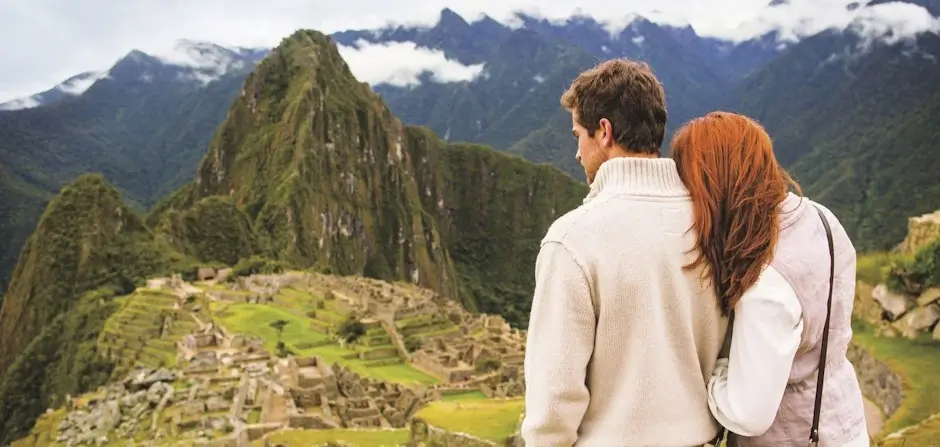
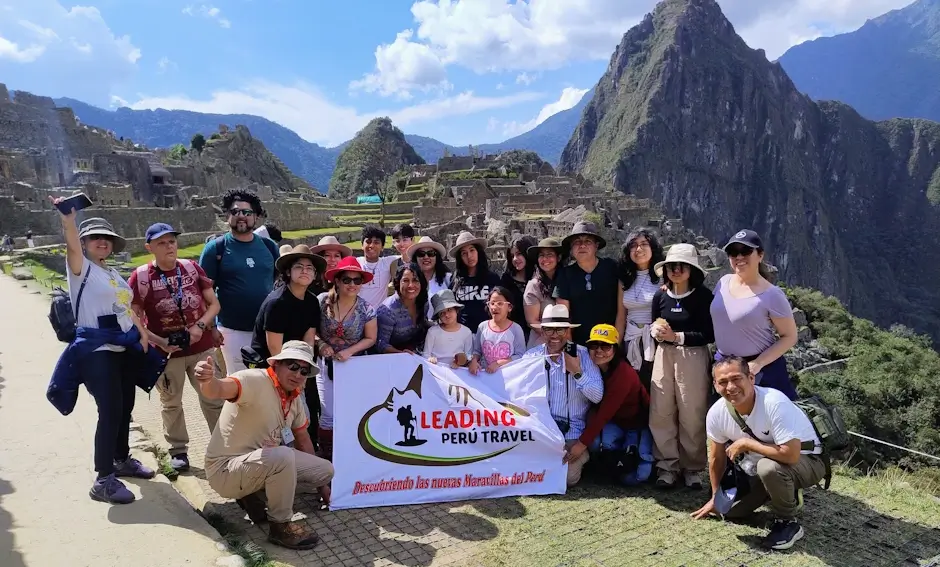
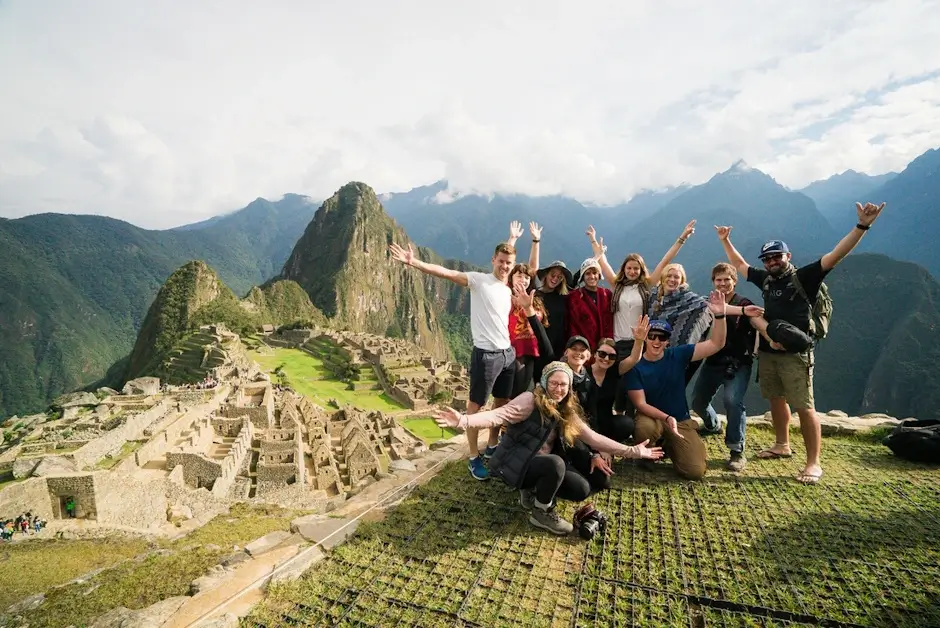
Machu Picchu anchors nearly every Peru Bolivia Chile tour: the 15th-century Inca citadel set high in the Andes. Most itineraries reach it by train from Cusco or the Sacred Valley, with the Inca Trail as a multi-day trekking alternative for travelers who want to arrive on foot. Entry is managed through timed tickets and circuits, so it’s worth booking well ahead of your trip dates, especially in the June-to-August high season.
Cusco
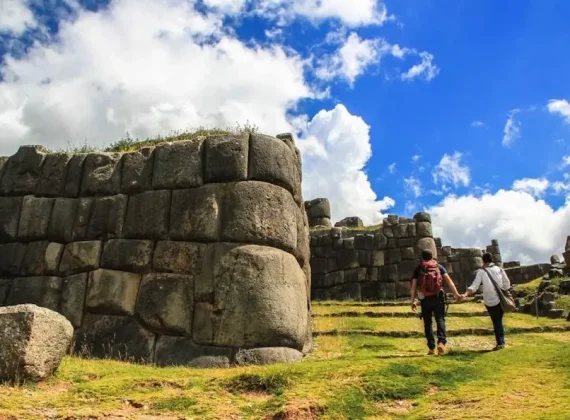
The former capital of the Inca Empire combines colonial architecture built on Inca foundations, the massive stone walls of Sacsayhuamán, and a base for acclimatizing before you head deeper into the Andes.
Sacred Valley
Between Cusco and Machu Picchu, the Sacred Valley holds the ruins of Ollantaytambo and Pisac, traditional villages, and some of the trip’s most scenic Andean landscapes.
For a full breakdown of Peru’s highlights and planning details, see our Peru travel guide.
Crossing into Bolivia
From Peru, most itineraries continue overland or by flight into Bolivia, adding some of the trip’s most surreal landscapes.
Salar de Uyuni
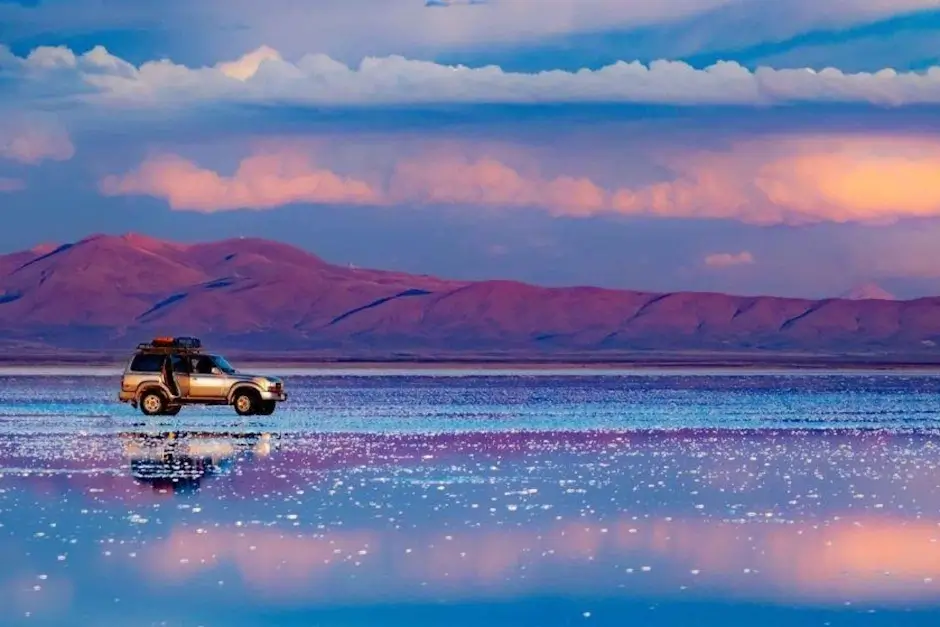
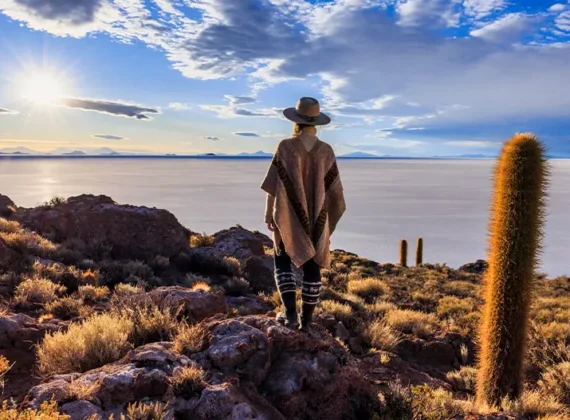
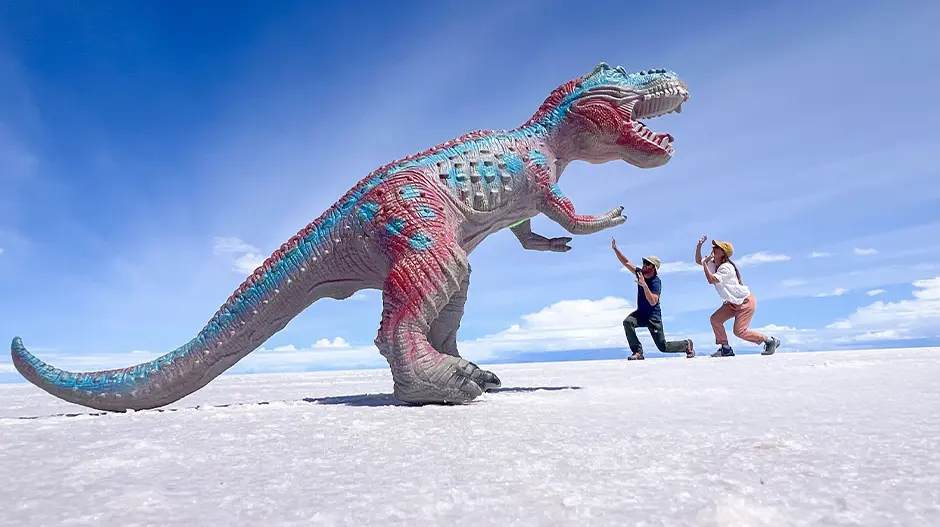
The Uyuni Salt Flats, the world’s largest salt flat, are usually the trip’s visual highlight: a blinding white expanse that turns into a mirror during the rainy season.
La Paz
La Paz, one of the world’s highest capital cities, adds a very different kind of stop: steep, winding streets, the Witches’ Market, and a cable car system that gives you an aerial view of the whole city.
Copacabana: Crossing into Bolivia
Many itineraries make crossing into Bolivia at Copacabana, the town on the Bolivian shore of Lake Titicaca and the gateway to Isla del Sol, believed in Andean mythology to be the birthplace of the sun.
Altiplano Region
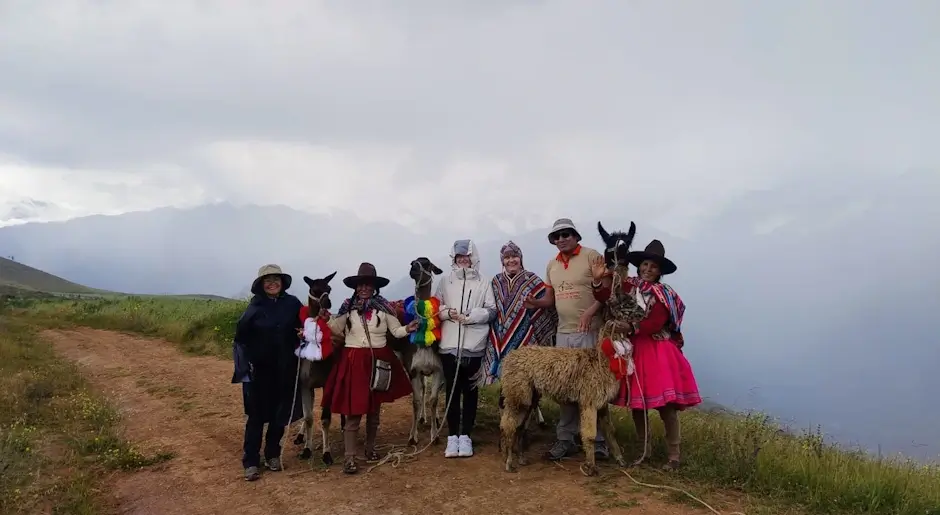
Beyond the main stops, the Bolivian Altiplano is dotted with colorful lagoons, volcanic peaks, flamingos, and remote communities, usually visited on the longer, multi-day versions of the route. See our Bolivia itinerary for what else the region has to offer.
Chile: Desert and Stargazing
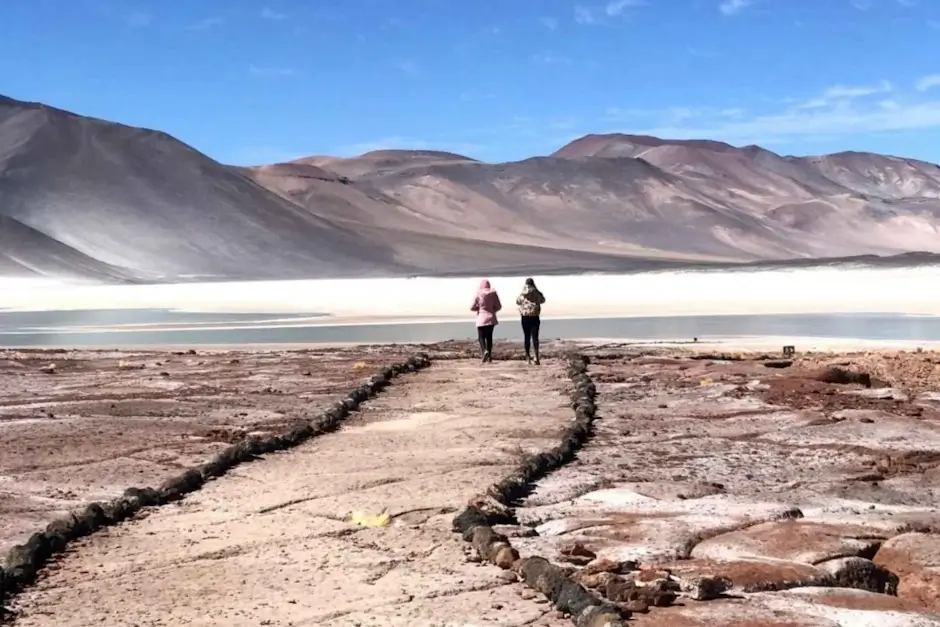
Atacama Desert
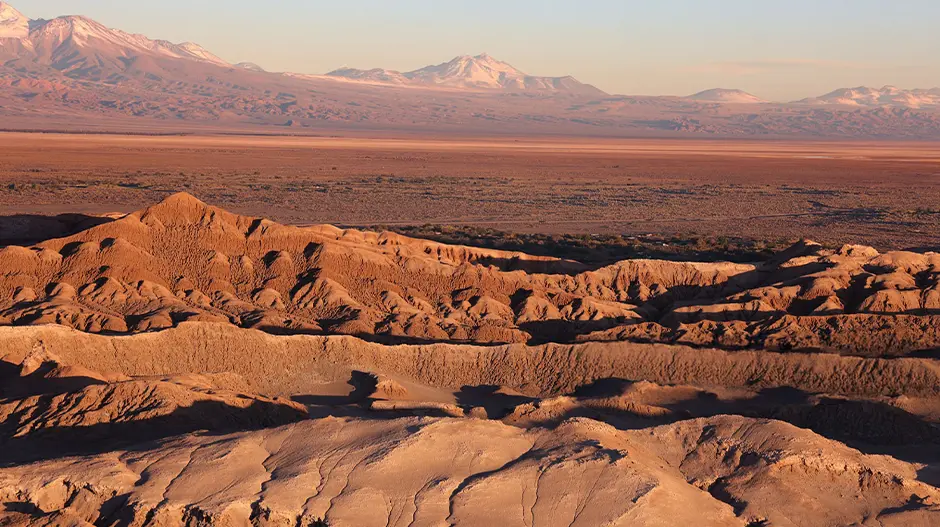
Crossing into Chile brings the trip’s driest and clearest landscape. The Atacama Desert is considered one of the driest places on Earth, with salt flats, colorful lagoons, and rock formations shaped by centuries of wind erosion.
San Pedro de Atacama
San Pedro de Atacama is the small town that serves as the gateway to the desert, with excursions to Valle de la Luna, geysers, and some of the clearest night skies on the continent.
Santiago
Most itineraries end, or begin the return journey, in Santiago, Chile’s capital, which blends Andean views with a modern city and easy access to the country’s wine valleys.
A Sample Peru Bolivia Chile Itinerary
Routes and pacing vary by operator, and 15 days is one example, not a fixed formula. A classic version of a 15-day adventure from Cusco to San Pedro de Atacama generally follows this flow.
Days 1-5: Peru
Arrival in Lima, a city tour of Cusco, an excursion through the Sacred Valley, and the visit to Machu Picchu itself.
Days 6-8: Lake Titicaca: Travel to Puno
Travel to Puno along the Route of the Sun, a scenic overland route with stops at colonial churches and Inca sites, then visit the Uros and Taquile Islands before crossing into Bolivia.
Days 9-11: Bolivia
Time to explore La Paz, followed by the Salar de Uyuni adventure and a look at the Altiplano’s lagoons and volcanoes.
Days 12-15: Chile
Crossing into San Pedro de Atacama, visiting Valle de la Luna, exploring geysers and lagoons, and departing from Santiago.
How to Choose the Right Peru Bolivia Chile Tour
With many operators offering some version of this route, two packages at different prices can look similar on paper and still deliver very different trips. Here’s what actually explains the price difference:
- Duration and pace. Total days, and how much of that is travel between destinations versus time to actually see them.
- Hotels and Uyuni lodging. The category of city hotels, and specifically the type of accommodation used at the remote Uyuni salt flats, since that varies more between operators than standard hotels do.
- Transportation. Private vehicle versus shared or group transport, and whether the route depends on internal flights, for example between Lima and Cusco or La Paz and Uyuni.
- Machu Picchu inclusions. Train class, bus up to the citadel, the entrance ticket, and whether the visit is guided.
- Meals, other entrance fees, and group size. A private or small-group tour and a larger shared tour can carry very different price tags for what looks like the same itinerary on paper.
- Support at border crossings. Who handles the paperwork and transfer between Peru and Bolivia, and between Bolivia and Chile.
- Flexibility and exclusions. The cancellation and rescheduling policy, and a clear list of what’s not in the price, such as optional excursions or tips.
Ask for a written, day-by-day breakdown covering these points before comparing prices. It’s also worth checking that the operator is registered with Peru’s Ministry of Tourism (MINCETUR) or a recognized trade association, and has recent, verifiable reviews.
Best Time for Peru Bolivia Chile Tours
Seasons in the Southern Hemisphere run opposite to North America and Europe: summer falls between December and March, winter between June and September. For this specific route:
- Dry season (May to October): typically the most reliable weather for Cusco, Machu Picchu, and the Atacama Desert, with easier road conditions across Bolivia’s Altiplano. It also overlaps with peak season, June through August, which tends to mean larger crowds and higher prices, especially around Machu Picchu.
- Wet season (November to April): generally greener landscapes and fewer tourists. In Bolivia, this is when the Uyuni Salt Flats are more likely to show the mirror effect, usually strongest from January to March, though it depends on that year’s actual rainfall. Trails can be muddier and some routes less predictable.
- Shoulder months (February to April, October to November): often a middle ground, with fewer crowds than peak season and typically less rain than the wettest months.
Prepare for High Altitude
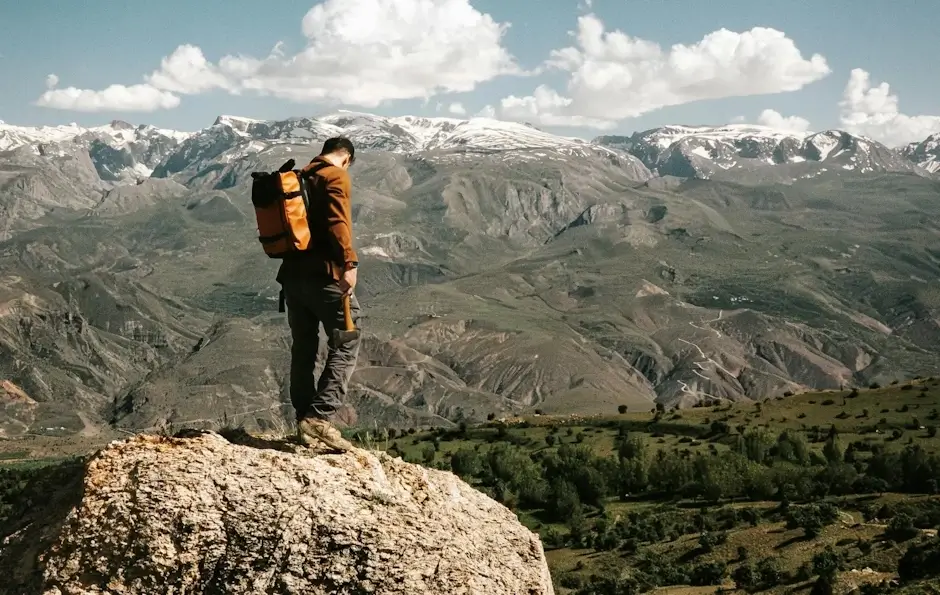
Cusco, Lake Titicaca, La Paz, and the Uyuni Salt Flats all sit above 3,400 meters (about 11,000 feet). Spend your first day or two at altitude resting rather than sightseeing, stay hydrated, and avoid alcohol and heavy meals until you’ve adjusted. For a full breakdown of symptoms and how to prepare, see our altitude sickness tips.
One detail that surprises many travelers: Machu Picchu itself, and the town of San Pedro de Atacama, both sit noticeably lower than the rest of the route.
| Stop | Elevation |
|---|---|
| Cusco | ~3,400 m (11,150 ft) |
| Machu Picchu | ~2,430 m (7,970 ft) |
| Lake Titicaca / Puno | ~3,800 m (12,500 ft) |
| La Paz | ~3,650 m (11,975 ft) |
| Salar de Uyuni | ~3,656 m (11,995 ft) |
| San Pedro de Atacama (town) | ~2,400 m (7,875 ft) |
In practice, this means the altitude challenge is front-loaded in Cusco and sustained through Titicaca, La Paz, and Uyuni, then eases once you reach San Pedro de Atacama, even though some Atacama excursions climb back above 4,000 meters.
Entry Requirements: Visas, Passports & Health
Requirements vary by nationality and change over time, so confirm current rules close to your travel dates rather than relying on an older guide. As of late 2025, Bolivia dropped its tourist visa requirement for US, UK, Canadian, Australian, and most EU passport holders, who can now enter visa-free for stays of up to 90 days; every visitor, regardless of nationality, is also asked to complete a short online pre-registration (SIGEMIG) before arrival. Peru grants most tourists visa-free entry too, typically up to 90 days at the immigration officer’s discretion, with a legal maximum of 183 days; Chile is visa-free for many nationalities as well, though requirements differ by passport. Because Bolivia’s rules are the ones that have changed most recently, check our guide to Bolivia visa requirements for the current process rather than assuming an older visa rule still applies.
Keep your passport valid for at least six months beyond your travel dates. If your route extends into Amazon regions of Peru or Bolivia, it’s worth asking a doctor or travel clinic whether yellow fever vaccination is advisable for your specific itinerary; this is a health recommendation to check for yourself, not a universal entry requirement. Travel insurance with medical and high-altitude coverage is worth considering for this route.
Luxury Peru Bolivia Chile Tours

At the high end, this same route can be run privately: boutique hotels instead of standard chains, private bilingual guides, first-class transportation, and a pace built around your interests rather than a group schedule. See our guide to luxury Peru tours for what that looks like within Peru specifically.
Frequently Asked Questions
How many days do I need for a Peru Bolivia Chile tour?
Around 15 days is a common starting point for the classic route. Some itineraries run shorter, roughly 10 to 12 days, covering less ground, while others extend to 21 days or more for a slower pace or added stops. The right length depends on how much of each country you want to see.
Is Machu Picchu included in Peru Bolivia Chile tours?
In most classic itineraries, yes, but inclusions vary by operator. Confirm whether the price covers the entrance ticket, train class, and bus up to the citadel, or whether any of these are arranged separately.
What should I compare when choosing a tour package?
Beyond the total price, compare the day-by-day pace, hotel category (including Uyuni lodging specifically), private versus shared transport, what’s included at Machu Picchu, group size, and the cancellation policy. Two similarly priced packages can look the same on paper and still differ significantly once you check these details.
Can I customize a Peru Bolivia Chile tour?
Many agencies can adjust hotel category, trip length, and the mix of destinations, and offer fully private, tailor-made versions of the standard routes.
What is the best time to combine Peru, Bolivia, and Chile?
There’s no single ideal month for all three countries. The dry season, roughly May to October, generally offers the most stable conditions across the Andes, while the wet season, November to April, is when the Uyuni Salt Flats are more likely to show the mirror effect. Crowds and prices tend to peak from June through August.
How difficult is the altitude on this route?
Several stops sit above 3,400 meters (about 11,000 feet), including Cusco, Lake Titicaca, La Paz, and the Uyuni Salt Flats, though Machu Picchu and San Pedro de Atacama are both considerably lower. Most travelers manage well with a day or two to adjust and a realistic pace early in the trip.
What should I know about border crossings?
The route typically crosses from Peru into Bolivia near Copacabana, and from Bolivia into Chile near San Pedro de Atacama. Confirm in advance whether your operator handles the paperwork and transfer at each crossing, or whether part of that process is left to you.
What entry requirements should I check before booking?
Passport validity, visa status, and any pre-arrival registration, all of which depend on your nationality and can change. Bolivia’s rules in particular have shifted recently, so it’s worth checking current requirements shortly before you travel rather than relying on older information.
Beyond the Classic Route
The Cusco-to-Atacama route covers the highlights, but it’s not the only way to extend a trip through this part of South America. Longer itineraries sometimes continue into Chilean Patagonia, with Torres del Paine’s granite peaks and glaciers a world away from the desert further north. For hidden gems in Bolivia and Chile beyond the standard circuit, see our guide to lesser-known stops worth adding if you have extra time.
Tell us how many days you have and which of these highlights matter most, and we’ll help you build the right Peru Bolivia Chile itinerary. Contact us on WhatsApp to get started. Follow us on Instagram for the latest updates and travel inspiration.
CONTACT US:
We are a Travel Agency specialized in tourist packages, if you need any information, do not hesitate to write to us. We offer tours in Peru and Bolivia.