

Countries That Require a Visa to Enter Bolivia: A Complete Guide (2026 Update)
Bolivia is a destination of extraordinary contrasts—home to surreal natural wonders, vibrant indigenous cultures, and iconic landmarks such as the Salar de Uyuni and the sacred waters of Lake Titicaca.
While many travelers can enter Bolivia visa-free or obtain a visa on arrival, there is a specific group of countries whose citizens are required to obtain a Visa to Enter Bolivia before traveling. Understanding these requirements is essential for a smooth and well-planned journey.
Bolivia’s Visa Policy Explained

Bolivia is a country of remarkable diversity, where ancient cultures, dramatic landscapes, and unique wonders come together to create unforgettable travel experiences. From the vast white expanse of the Salar de Uyuni to the high-altitude energy of La Paz, the country welcomes travelers from around the world.
To ensure a smooth journey, it is essential to understand Bolivia’s visa policy, which determines the entry requirements based on nationality.
Overview of Bolivia’s Visa System
Bolivia classifies foreign visitors into three main groups, each with different entry requirements:
- Group 1: Visa-free entry
- Group 2: Visa required, but available on arrival or through a consulate
- Group 3: Visa required in advance with prior authorization
This system simplifies the process by clearly outlining what each traveler needs before arrival.
Group 1: Visa-Free Entry
Travelers from many countries—particularly in Europe and the Americas—can enter Bolivia without a visa for tourism purposes.
Typically, visitors in this group are granted stays of up to 30 to 90 days, with the possibility of extension in some cases. While no visa is required, travelers must still present:
- A valid passport (usually with 6 months validity)
- Proof of onward or return travel
- Accommodation details if requested
This category makes Bolivia an easily accessible destination for a large portion of international travelers.
Group 2: Visa Required (On Arrival or Consulate)
Group 2 includes countries whose citizens must obtain a visa, but benefit from a flexible process. Travelers can usually:
- Obtain a visa on arrival at airports or land borders
- Apply in advance at a Bolivian consulate
A visa fee is typically required, and applicants must provide supporting documents such as hotel reservations and financial proof.
This category offers a balance between accessibility and regulation, allowing many travelers to enter Bolivia with relative ease.
Group 3: Visa Required in Advance
For travelers in Group 3, Bolivia requires a visa to be obtained before departure, along with prior authorization from immigration authorities.
This process involves:
- Applying at a Bolivian embassy or consulate
- Submitting complete documentation
- Waiting for approval, which may take several weeks
There is no visa-on-arrival option for this group, making early preparation essential.
Key Entry Requirements for All Travelers
Regardless of visa category, all visitors to Bolivia should be prepared to meet general entry requirements:
- Passport with at least 6 months validity
- Proof of onward or return travel
- Evidence of sufficient financial means
- Accommodation details or travel itinerary
Immigration officers may request these documents upon arrival.
Health and Safety Considerations
Travelers should also be aware of health regulations. A yellow fever vaccination certificate may be required, particularly if visiting lowland or Amazon regions.
Additionally, Bolivia’s high altitude—especially in cities like La Paz—means visitors should plan time for acclimatization.
Duration of Stay and Extensions
The permitted length of stay in Bolivia generally ranges from 30 to 90 days, depending on nationality and visa type.
Extensions may be possible through local immigration offices, but travelers must apply before their authorized stay expires.
Planning a Multi-Destination Journey
Bolivia is often part of a broader South American itinerary, combined with destinations such as Cusco and the world-famous Machu Picchu.
Understanding visa requirements for each country in advance ensures a seamless travel experience across borders.
Countries That Require a Visa (Overview)
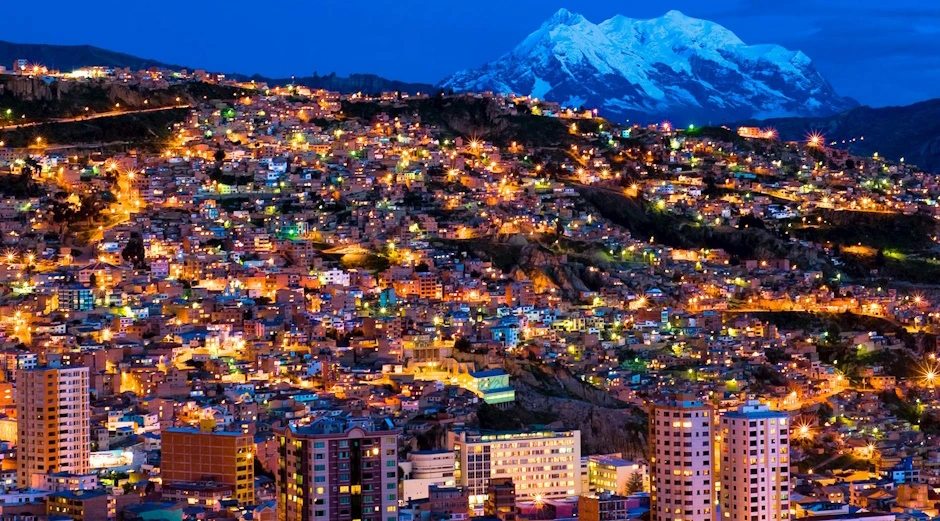
International travel opens the door to extraordinary experiences, from cultural discoveries to breathtaking landscapes. However, not all destinations offer visa-free access. Many countries require travelers to obtain a visa before entry or upon arrival, depending on their nationality. Understanding these requirements is essential for a smooth and well-organized journey.
This overview explores what it means when a country requires a visa, how the process works, and what travelers should expect when planning their trip.
What Does “Visa Required” Mean?
When a country requires a visa, it means that travelers must receive official authorization before entering the destination. This authorization can take different forms depending on the country’s immigration policies:
- Visa in advance: Obtained through an embassy or consulate before travel
- Visa on arrival: Issued at the airport or border crossing
- Electronic visa (e-Visa): Applied for online before departure
Each type involves varying levels of preparation, documentation, and processing time.
Why Do Countries Require Visas?
Visa requirements are established based on diplomatic relations, security measures, and migration policies. Governments use visas to:
- Monitor and regulate the flow of international visitors
- Ensure travelers meet entry conditions
- Maintain national security and border control
- Manage the length and purpose of stay
While visa requirements may seem complex, they are designed to facilitate safe and organized travel.
Types of Visa Requirements
1. Visa Required in Advance
Some countries require travelers to apply for a visa before departure, often through a consulate. This process typically includes submitting documents such as a passport, travel itinerary, and proof of financial means.
2. Visa on Arrival
Other destinations allow travelers to obtain a visa upon arrival. While more convenient, this option still requires preparation, including documentation and payment of a visa fee.
3. Electronic Visa (e-Visa)
Many countries now offer e-Visas, allowing travelers to complete the application online. This option combines convenience with pre-approval, reducing waiting times at immigration.
Key Requirements for Visa Applications
Regardless of the type, most visa processes require:
- A valid passport (usually with at least 6 months validity)
- Completed application form
- Passport-sized photographs
- Proof of accommodation
- Travel itinerary
- Evidence of financial means
- Return or onward ticket
Some countries may request additional documents depending on the traveler’s nationality.
Travel Planning and Preparation
When visiting destinations that require a visa, early planning is essential. Processing times can range from a few days to several weeks, particularly for visas that require prior authorization.
For example, travelers planning to explore South America often combine multiple destinations such as La Paz, Cusco, and the iconic Machu Picchu. In such cases, understanding the visa requirements for each country ensures a seamless itinerary.
Duration of Stay and Limitations
Visa-required travel often comes with specific conditions regarding the length and purpose of stay. Most tourist visas allow visits ranging from 30 to 90 days, and do not permit employment or long-term study.
Overstaying a visa can result in fines, penalties, or future travel restrictions, so it is important to follow the regulations carefully.
Tips for a Smooth Visa Process
To avoid complications, travelers should:
- Apply well in advance of their travel dates
- Double-check requirements based on nationality
- Keep both printed and digital copies of documents
- Ensure all forms are completed accurately
- Prepare for possible interviews or additional verification
Proper organization can make the visa process straightforward and stress-free.
Key Requirements for Visa Applicants
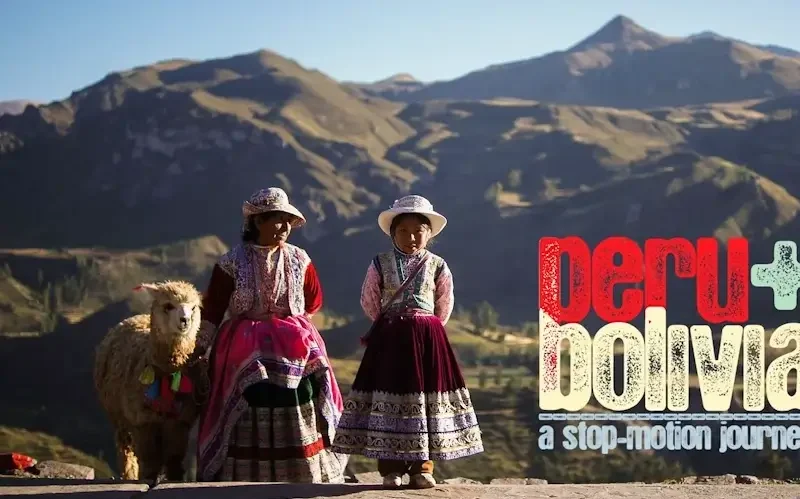
Traveling internationally often requires more than just booking flights and hotels—many destinations ask travelers to obtain a visa before entry. While visa policies vary by country, there are core requirements that remain consistent across most applications. Understanding these essentials can help ensure a smooth, efficient, and successful visa process.
A Valid Passport
The foundation of any visa application is a valid passport. Most countries require:
- At least 6 months of validity beyond the intended travel date
- One or more blank pages for visa stamps
A damaged or soon-to-expire passport may lead to delays or rejection, so it’s important to verify its condition before applying.
Completed Visa Application Form
Applicants must fill out an official visa application form, either online or in paper format. Accuracy is critical—any inconsistencies or missing information can result in processing delays or denial.
Be sure that all personal details match exactly with your passport information.
Passport-Sized Photographs
Most visa applications require recent passport-sized photos that meet specific guidelines, including:
- Neutral background (usually white)
- Clear facial visibility
- Standard size requirements
Failure to meet photo specifications is a common reason for application rejection.
Proof of Travel Itinerary
Visa authorities often request a detailed travel plan, which may include:
- Flight reservations (round-trip or onward ticket)
- Day-by-day itinerary
- Planned destinations within the country
For example, travelers visiting South America might include stops in La Paz or Cusco, along with visits to iconic sites such as Machu Picchu.
Proof of Accommodation
Applicants must demonstrate where they will stay during their trip. This can include:
- Hotel reservations
- Airbnb confirmations
- Invitation letters from hosts
Providing clear accommodation details helps immigration authorities verify the purpose and organization of your visit.
Evidence of Financial Means
Travelers are typically required to show they can support themselves during their stay. Acceptable documents may include:
- Recent bank statements
- Credit card statements
- Proof of income or employment
This requirement ensures that visitors will not face financial difficulties while abroad.
Travel Insurance (Recommended or Required)
Some countries require travel insurance as part of the visa process, particularly for medical coverage. Even when not mandatory, it is highly recommended.
A comprehensive policy should cover:
- Medical emergencies
- Trip cancellations
- Lost or delayed baggage
Additional Supporting Documents
Depending on the destination and visa type, additional documents may be required, such as:
- Employment letter or student certificate
- Police clearance certificate
- Invitation letter for business or family visits
- Vaccination records (e.g., yellow fever for certain regions)
These documents provide further assurance regarding the traveler’s intent and eligibility.
Visa Fees and Payment
Most visa applications involve a processing fee, which varies by country and visa type. Payment methods differ—some embassies accept online payments, while others require cash or bank transfers.
Always confirm the accepted payment method in advance.
Accuracy and Preparation Are Key
One of the most important aspects of a successful visa application is attention to detail. Small errors, missing documents, or inconsistencies can lead to delays or denial.
To improve your chances of approval:
- Double-check all documents before submission
- Follow official guidelines carefully
- Apply well in advance of your travel date
Entry and Travel Considerations
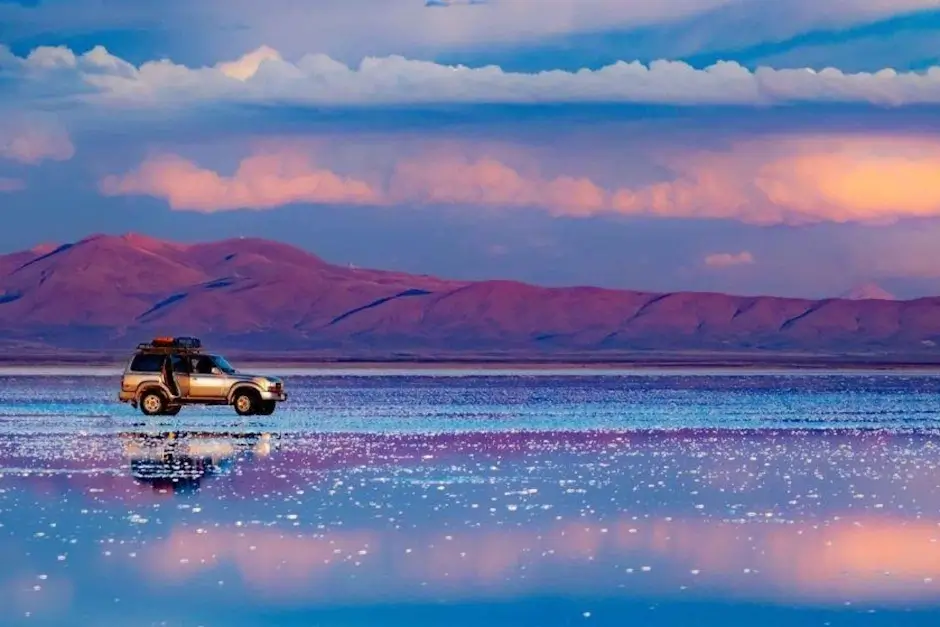
Traveling internationally is an enriching experience, but a smooth journey begins with understanding key entry and travel considerations. From documentation to health requirements and on-the-ground logistics, being well-prepared ensures that your trip is seamless, stress-free, and truly enjoyable.
Valid Travel Documents
Before departure, ensure that all your travel documents are in order. This typically includes:
- A passport valid for at least six months beyond your travel dates
- A valid visa, if required
- Printed and digital copies of important documents
Immigration authorities may request to see these upon arrival, so keeping them accessible is essential.
Immigration and Border Control
Upon entering a country, travelers must pass through immigration. Be prepared to present:
- Proof of return or onward travel
- Confirmation of accommodation
- Evidence of sufficient financial means
Answer questions clearly and confidently. Having a well-organized itinerary can make the process faster and smoother.
Health and Vaccination Requirements
Health regulations vary depending on the destination. Some countries may require proof of specific vaccinations, particularly for travel to tropical or remote regions.
For example, when exploring areas near Lake Titicaca or heading toward lowland regions connected to the Amazon, a yellow fever vaccination certificate may be recommended or required.
Travel insurance covering medical emergencies is also highly advisable.
Understanding Local Conditions
Every destination has its own environmental and cultural characteristics. Being aware of these factors can significantly improve your travel experience.
In high-altitude cities like La Paz, travelers should allow time for acclimatization to avoid altitude-related discomfort. Similarly, regions such as Cusco and the Sacred Valley require gradual adjustment due to elevation changes.
Transportation and Logistics
Planning your transportation in advance can save time and reduce stress. Consider:
- Pre-arranged airport transfers
- Reliable domestic flights or ground transportation
- Local guides for remote or culturally significant sites
For destinations like the Salar de Uyuni, guided tours are often the best way to explore safely and comfortably.
Currency and Payments
Understanding the local currency and payment options is essential. While major cities may accept credit cards, smaller towns and remote areas often rely on cash.
It is recommended to:
- Carry a mix of cash and cards
- Inform your bank before traveling
- Use secure exchange services
Safety and Awareness
Safety should always be a priority when traveling. Basic precautions include:
- Keeping valuables secure
- Avoiding poorly lit or unfamiliar areas at night
- Staying informed about local guidelines and advisories
Respecting local laws and customs is equally important for a positive travel experience.
Connectivity and Communication
Staying connected can make navigation and coordination easier. Options include:
- Purchasing a local SIM card
- Using international roaming plans
- Downloading offline maps and travel apps
Having access to information in real time enhances both convenience and безопасность.
Cultural Awareness and Respect
Understanding and respecting local culture enriches your journey. Learn basic phrases, follow local etiquette, and support community-based tourism whenever possible.
Destinations across South America offer deep cultural experiences that go beyond sightseeing—engaging respectfully with local traditions creates more meaningful travel moments.
Duration of Stay: Countries That Require a Visa to Enter Bolivia

Understanding the duration of stay is a key aspect of international travel, as it defines how long visitors are legally permitted to remain in a destination. Each country establishes its own regulations based on visa type, nationality, and purpose of travel.
Standard Length of Stay
For most tourist visas or visa-free entries, the permitted stay typically ranges between:
- 30 days for short visits
- 60 to 90 days for standard tourism
- Up to 180 days in select countries or under special agreements
The exact duration granted is determined by immigration authorities upon arrival or specified in the visa issued prior to travel.
Entry Stamp and Authorization
Upon entering a country, travelers usually receive an entry stamp in their passport indicating the authorized length of stay. It is essential to check this stamp carefully to confirm the departure deadline.
In destinations such as La Paz or during multi-country journeys that include Cusco, keeping track of your permitted stay ensures compliance with local regulations.
Extensions and Renewals
In some cases, travelers may apply for an extension of stay if they wish to remain longer. This process usually involves:
- Submitting a request to local immigration authorities
- Paying an extension fee
- Providing justification for the extended stay
Extensions are not guaranteed and must be requested before the initial stay expires.
Overstaying and Penalties
Remaining in a country beyond the authorized duration can result in:
- Monetary fines
- Legal penalties
- Restrictions on future travel or re-entry
To avoid complications, travelers should plan their itinerary carefully and depart within the permitted timeframe.
Purpose of Stay
The duration granted is typically linked to the purpose of travel, such as tourism, business, or short-term visits. Tourist stays generally do not allow:
- Employment
- Long-term study
- Permanent residency
For extended stays or different purposes, travelers must apply for the appropriate visa category.
Planning a Multi-Destination Trip
For those exploring multiple destinations—such as combining Bolivia with visits to Machu Picchu—it is important to understand the duration of stay for each country in the itinerary.
Coordinating entry and exit dates helps avoid overstays and ensures a smooth travel experience across borders.
Why Preparation Is Essential

Visa to Enter Bolivia
Travel is one of the most enriching experiences in life, offering the opportunity to explore new cultures, landscapes, and perspectives. However, behind every seamless journey lies one key element: preparation. Careful planning not only minimizes risks but also enhances the overall quality of the travel experience.
Avoiding Unnecessary Stress
One of the main benefits of preparation is the ability to avoid last-minute complications. From visa requirements to flight confirmations and accommodation bookings, organizing these details in advance allows travelers to move with confidence.
For destinations that require permits or timed entry—such as Machu Picchu—early planning is especially important, as availability can be limited.
Ensuring Smooth Entry Procedures
Understanding entry requirements before departure is crucial. Travelers who prepare the necessary documentation—such as passports, visas, and supporting documents—are far less likely to face delays at immigration.
Arriving in a destination like La Paz with all documents ready ensures a faster and more efficient entry process.
Maximizing Time and Experience
Preparation allows travelers to make the most of their time. Instead of spending valuable hours solving logistical issues, they can focus on enjoying the destination.
Whether exploring the cultural richness of Cusco or witnessing the breathtaking beauty of the Salar de Uyuni, a well-planned itinerary ensures that every moment is meaningful.
Managing Budget and Resources
Planning ahead also helps travelers control their budget. Booking flights, accommodations, and tours in advance often results in better prices and availability.
Additionally, preparation allows for smarter financial decisions, such as allocating resources for unique experiences, guided tours, or premium services.
Adapting to Local Conditions
Each destination presents its own environmental and cultural conditions. Being informed about these factors helps travelers adapt more easily.
For example, high-altitude destinations require time for acclimatization, while remote regions may require specific health precautions. Preparation ensures travelers arrive ready for these challenges.
Enhancing Safety and Confidence
Prepared travelers are more confident and better equipped to handle unexpected situations. Having travel insurance, emergency contacts, and backup plans provides an added layer of security.
Knowing what to expect reduces uncertainty and allows travelers to enjoy their journey with peace of mind.
Creating Personalized and Meaningful Journeys
Preparation is not only about logistics—it is also about crafting a travel experience that reflects personal interests and preferences. Thoughtful planning allows travelers to choose meaningful activities, cultural experiences, and unique destinations.
This approach transforms a simple trip into a memorable and personalized journey.
- Eplore Peru: From Vibrant Lima to Mystical Machu Picchu and Majestic Lake Titicaca 8 Days
- Perú Travel with Tour Lima Cusco Machu Picchu Lake Titicaca 7 Days
- Explore the Wonders of Cusco with City Tour and Machu Picchu 3 Days
- Explore Peru with the Lima Cusco Machu Picchu Huayna Picchu Tour 6 Days
For more information and to book your trip, contact us on WhatsApp. Follow us on Instagram for the latest updates and travel inspiration.
CONTACT US:
We are a Travel Agency specialized in tourist packages, if you need any information, do not hesitate to write to us.
We offer tours in Peru and Bolivia.