

Lake Titicaca Tours: Uros, Taquile, and Amantani Islands
Most Lake Titicaca tours start in Puno and combine a boat ride to the Uros floating islands with a stop at Taquile or Amantani, ranging from a half-day excursion to a multi-day trip with a homestay. Sitting at 3,812 meters (12,507 feet), Titicaca is the world’s highest navigable lake, shared between Peru and Bolivia, and the tour you choose mostly comes down to how much time you have and whether you want a quick look at the islands or a night spent living alongside the communities who call them home.
Choosing Your Lake Titicaca Tour
| Tour Type | Best For | Typical Duration |
|---|---|---|
| Uros Islands only | Short visits, tight schedules | Half-day |
| Uros & Taquile | First-time visitors with one full day | Full-day |
| Uros, Taquile & Amantani | Cultural immersion, homestay experience | 2-3 days |
Half-Day: Uros Only
The shortest option covers just the Uros floating islands, a roughly 30-minute boat ride from Puno’s port, and works well if your time in Puno is limited to a single morning or afternoon.
Full-Day: Uros, Taquile, and Amantani
The classic combination adds Taquile Island to the itinerary, and sometimes Amantani as well, for a fuller look at the lake’s different communities in a single day. See our Uros, Taquile and Amantani Islands tour for how this itinerary is typically run.
Multi-Day Tours with a Homestay
Spending a night on the lake is the most immersive option, and it usually means staying with a local family on Amantani. Options range from a compact 2-day Puno and Uros homestay experience to a more complete 3-day Puno and Lake Titicaca tour that adds Sillustani or more time on the islands. Travelers who’d rather build their own pace can also look at private tours in Peru instead of a fixed group itinerary.
The Islands
Uros Floating Islands
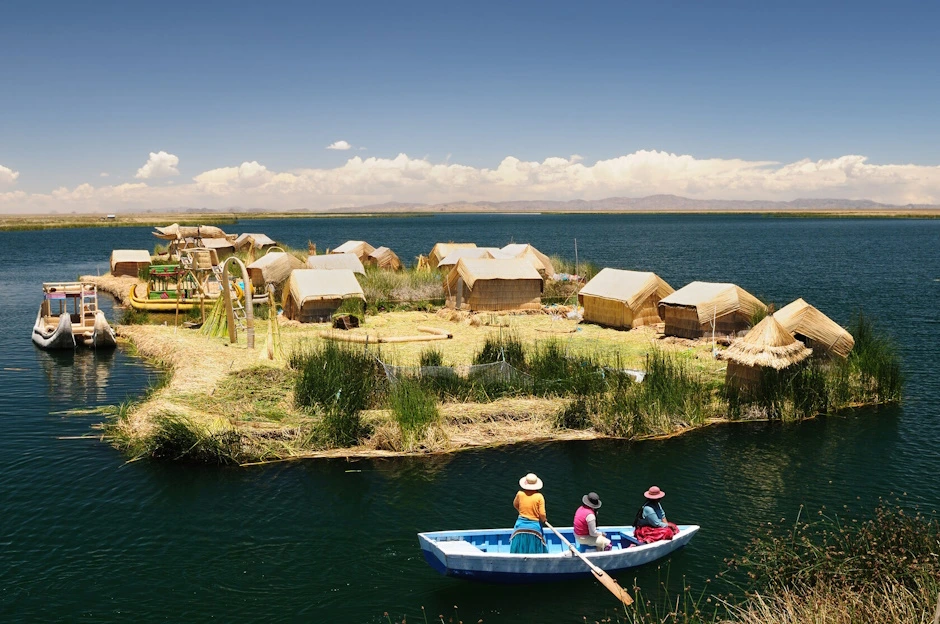
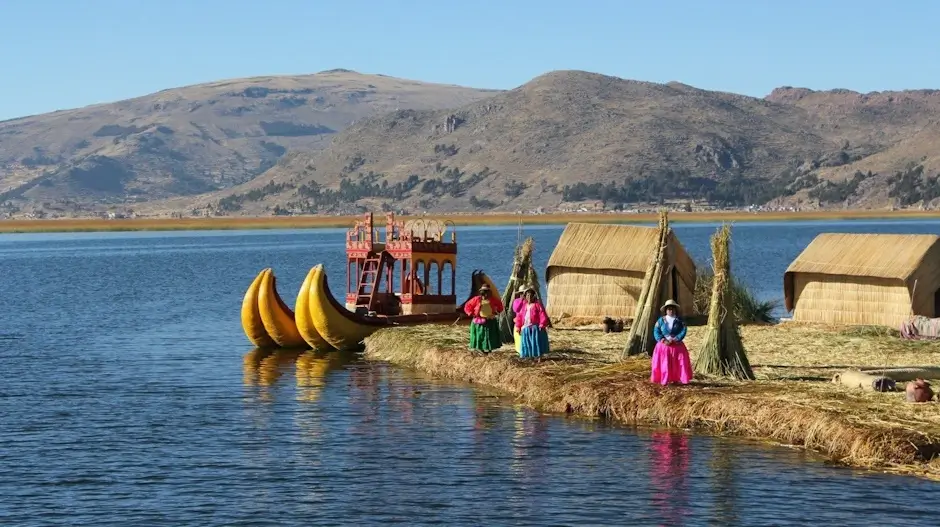
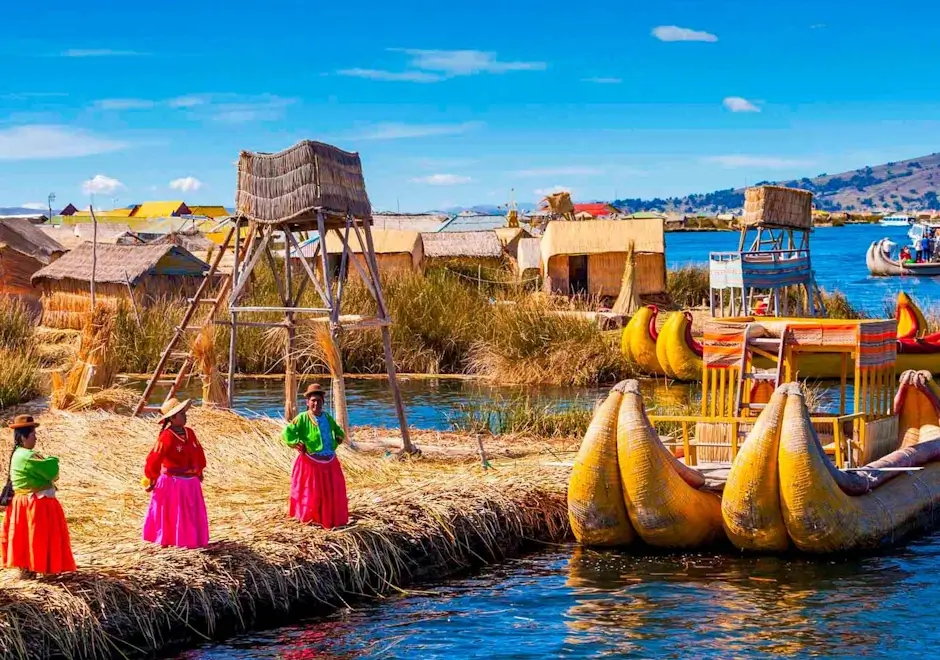
The Uros islands are built entirely from layers of totora reed, a plant that grows along the lake’s shallows, and the islands need constant maintenance as the bottom layers decompose. The Uros people originally built them as a defensive measure centuries ago and still live on them today, welcoming visitors to walk on the springy reed surface, see how the islands are constructed, and try a ride in a traditional totora reed boat.
Taquile Island
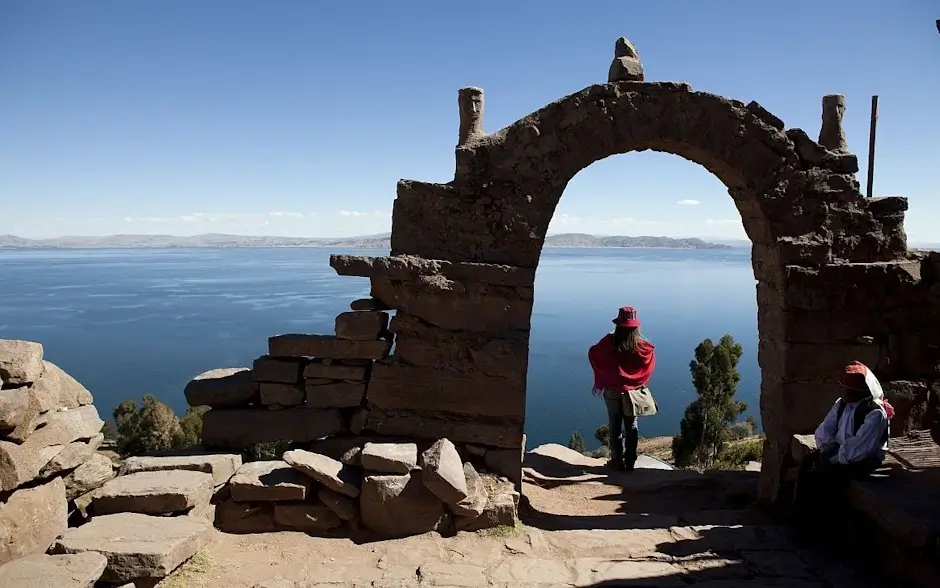
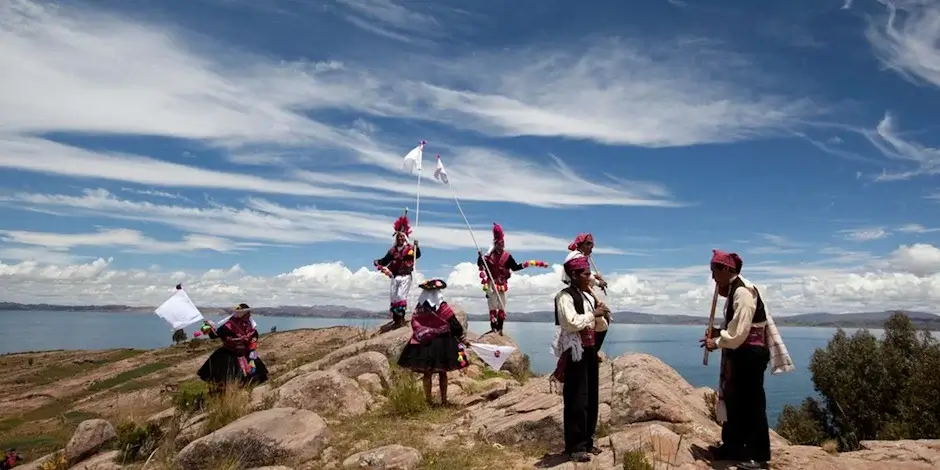
Taquile sits farther out on the lake, a boat ride of roughly two and a half to three hours from Puno, and its pace is noticeably slower than the Uros islands. The island is known for its textiles, which UNESCO recognized in 2005 as a Masterpiece of the Oral and Intangible Heritage of Humanity; knitting is done exclusively by the island’s men, starting in boyhood, while women handle spinning and dyeing. A walking trail from the dock to the main plaza offers wide views over the lake and, on a clear day, the snow-capped peaks on the Bolivian side.
Amantani Island
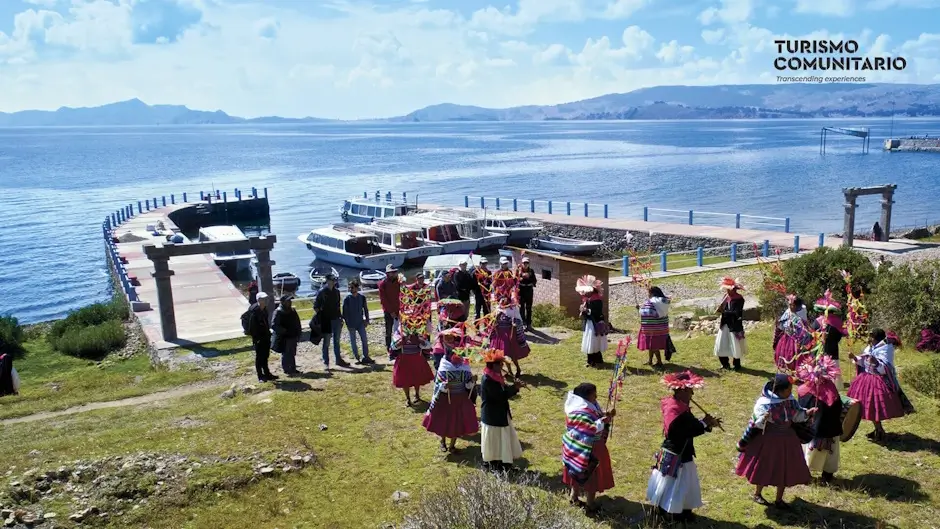
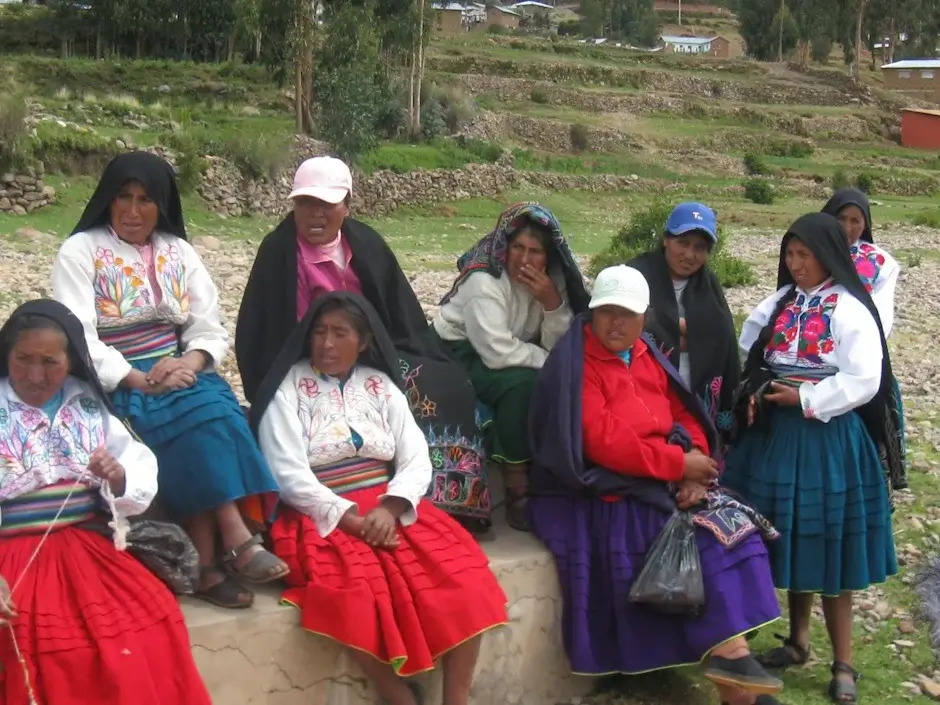
Amantani is the quietest of the three and the one most associated with overnight stays. Local families host visitors for a homestay on Amantani Island, sharing meals and daily life rather than a scripted tour. The island’s two hilltop temples, Pachatata and Pachamama, are still used for ceremonies and make for a scenic, if slightly demanding, sunset hike given the altitude.
Puno: Your Gateway to the Lake
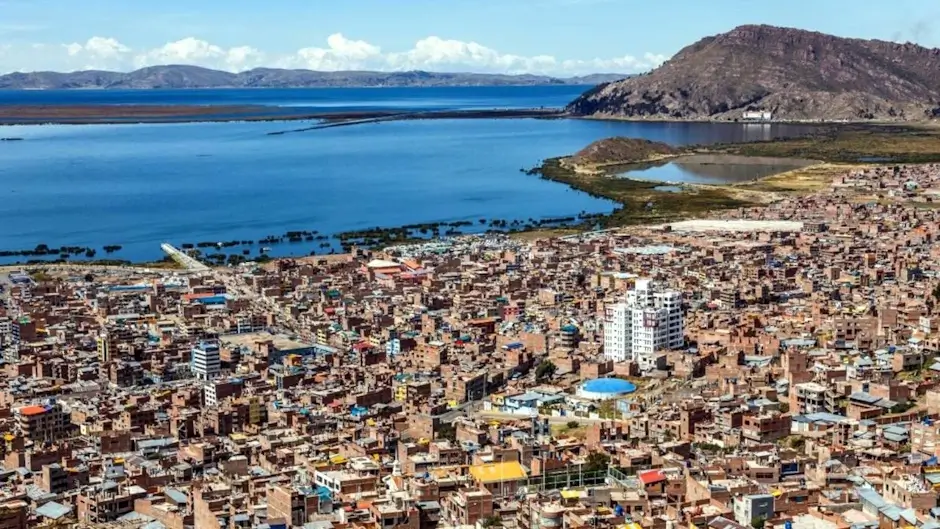
Nearly every Titicaca tour starts and ends in Puno, known across Peru as the folkloric capital for its festivals, music, and dance traditions. The city’s biggest event, the Virgen de la Candelaria festival each February, is itself recognized by UNESCO as Intangible Cultural Heritage and draws performers from across the altiplano for two weeks of parades and costumed dancing. See our guide to Puno, the folkloric capital of Peru, for what else the city offers beyond the port.
Beyond the Islands: Sillustani and Capachica
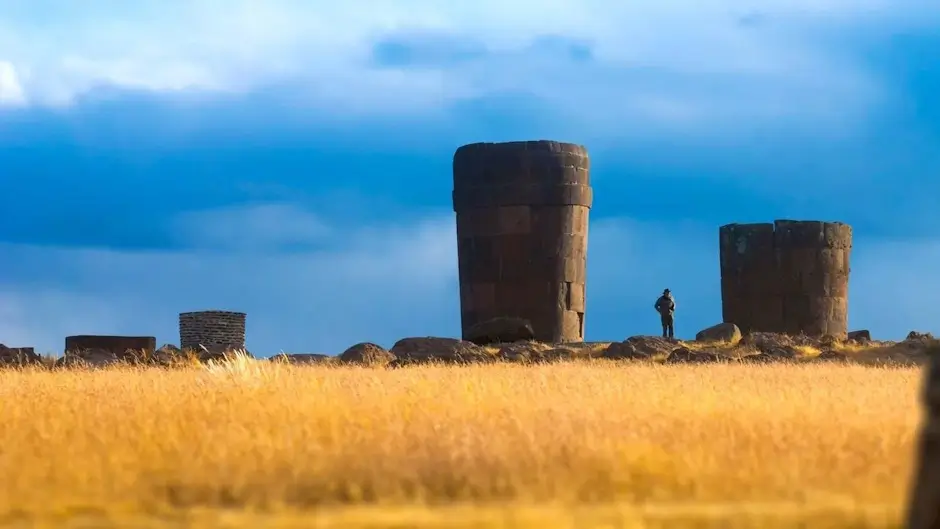
Travelers with an extra half-day often add a visit to the pre-Inca chullpas of Sillustani, a cluster of funerary towers built by the Colla culture on a peninsula overlooking Lake Umayo, about 35 kilometers from Puno. For a quieter alternative to the main islands, the Capachica Peninsula and its lakeside community of Llachón offer hiking and boat trips without the crowds of the standard island circuit.
Practical Planning
Puno sits above 3,800 meters, higher than Cusco, so altitude is worth planning around even if you’ve already acclimatized elsewhere in Peru; see our tips for handling altitude in Puno for what helps. The dry season, roughly April through October, brings the clearest skies and calmest water for boat trips, though nights are cold year-round regardless of season, so pack warm layers even for a day trip. Local dishes worth trying include trout fresh from the lake, quinoa soup, and chairo, a hearty highland soup, along with mate de coca to help with the altitude.
Extending Your Trip
Some travelers continue from Puno across the border to the Bolivian side of Lake Titicaca, where Copacabana and Isla del Sol offer a different, less-visited angle on the same lake. Others fold Titicaca into a longer Peru, Bolivia and Chile itinerary that continues on to the Atacama Desert or the Uyuni salt flats.
FAQs
How many days do you need for Lake Titicaca?
A single day covers the Uros islands and Taquile comfortably; add a second day if you want to include an Amantani homestay rather than just a passing visit.
Can I visit the Uros Islands without a full tour?
Yes, boats leave regularly from Puno’s port for shorter, Uros-only excursions if a full-day or multi-day itinerary doesn’t fit your schedule.
Is Lake Titicaca worth visiting if I’m short on time in Peru?
For most travelers, yes, especially if a homestay or cultural immersion is a priority; if time is very tight, a half-day Uros visit still delivers the core experience.
How high is the altitude, and will it affect me?
Puno sits above 3,800 meters, higher than Cusco, so some travelers feel it even after acclimatizing elsewhere; take it easy on arrival and stay hydrated.
Once you’ve mapped out your time on the lake, it’s easy to connect Puno with the rest of a Peru itinerary. See our complete Peru travel guide for how the country’s other regions fit together, or contact us on WhatsApp to plan your Lake Titicaca tour.
CONTACT US:
We are a Travel Agency specialized in tourist packages, if you need any information, do not hesitate to write to us. We offer tours in Peru and Bolivia.