

Celebrating the Biggest Festival of the Sun
Inti Raymi is a Quechua word that in Spanish means “The biggest Festival of the Sun” and is celebrated not only in the city of Cusco and Peru, but also goes beyond borders, celebrating it in Andean communities in countries such as Bolivia, Colombia, Ecuador, Chile and northern Argentina.
This festival, apart from being full of colors, traditional music, beautiful and unique dances in our country, also lets us know how our ancestors revered and had respect for nature through festivals and ceremonies, especially the “SUN” the main one. god of Inca mythology, that is why we will go back in time and learn a little about his history.
Peru is a land of ancient traditions, and among its most spectacular celebrations is the Inti Raymi, the Festival of the Sun. Held every year on June 24th in the historic city of Cusco, this vibrant event honors Inti, the Inca Sun God, and marks the winter solstice in the Southern Hemisphere—the shortest day and the longest night of the year. It’s not only a breathtaking cultural performance but also a living connection to the grandeur of the Inca Empire.
- Journey to the Heart of the Andes: A 15-Day Adventure from Cusco to San Pedro de Atacama 15 Days
- Andean Expedition Exploring the Treasures of Peru and Bolivia. 20 Days
- South America tourist package visiting Peru and Bolivia 25 days
- South America tour through the Andes of Peru, Bolivia and Chile.15 Days
- Discover South América with the Perú Bolivia Tour 14 Days
- South America trip: the best tour of Peru and Bolivia 10 Days
The biggest Festival of the Sun: A Historical Legacy
History is more than a collection of dates and events—it is a living thread that connects the past to the present. Around the world, ancient civilizations have left behind stories, monuments, and traditions that continue to inspire and shape our modern identity. In South America, one of the most fascinating examples of this enduring connection is found in the cultural heritage of the Inca Empire and its influence on contemporary Peru.
Roots in Ancient Civilizations
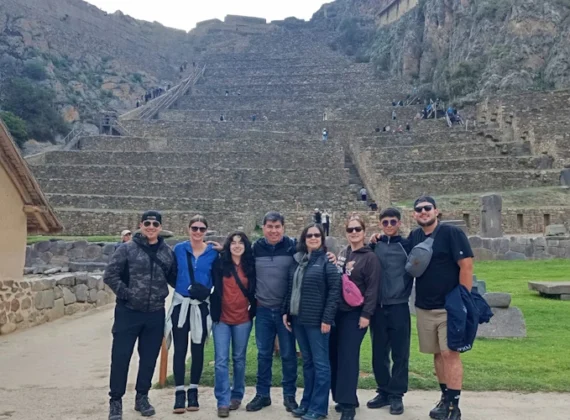
The Inca civilization flourished in the Andes between the 13th and 16th centuries, creating one of the largest and most sophisticated empires in the pre-Columbian Americas. Their mastery of agriculture, architecture, and engineering—seen in terraces carved into mountain slopes and stone structures built without mortar—still amazes historians and visitors today. Sites such as Machu Picchu, Sacsayhuamán, and Ollantaytambo stand as silent witnesses to their ingenuity.
Traditions That Survived Time
Despite the Spanish conquest in the 16th century, many Inca traditions survived through adaptation and integration into colonial and modern culture. Festivals like Inti Raymi continue to honor the Sun God, while agricultural practices based on lunar and solar cycles are still used in rural communities. These traditions are not simply relics—they are active expressions of cultural identity.
A Bridge Between Past and Present
The preservation of historical heritage is more than an act of remembrance; it’s a way of ensuring that future generations understand where they come from. Museums, archaeological sites, and living traditions offer travelers a bridge to step back in time while experiencing the vitality of Andean culture today. Whether through the intricate weaving of Andean textiles, the taste of traditional dishes, or the echo of ancient music, the past comes alive in every detail.
Inspiration for the Future
A historical legacy is not static—it grows as each generation adds its own chapter. The resilience and wisdom of ancient peoples continue to inspire solutions for modern challenges, from sustainable agriculture to community-based tourism. By valuing and protecting these legacies, we keep alive the spirit of those who came before us, ensuring their stories will never fade.
Inti Raymi: A Celebration from the Inca Era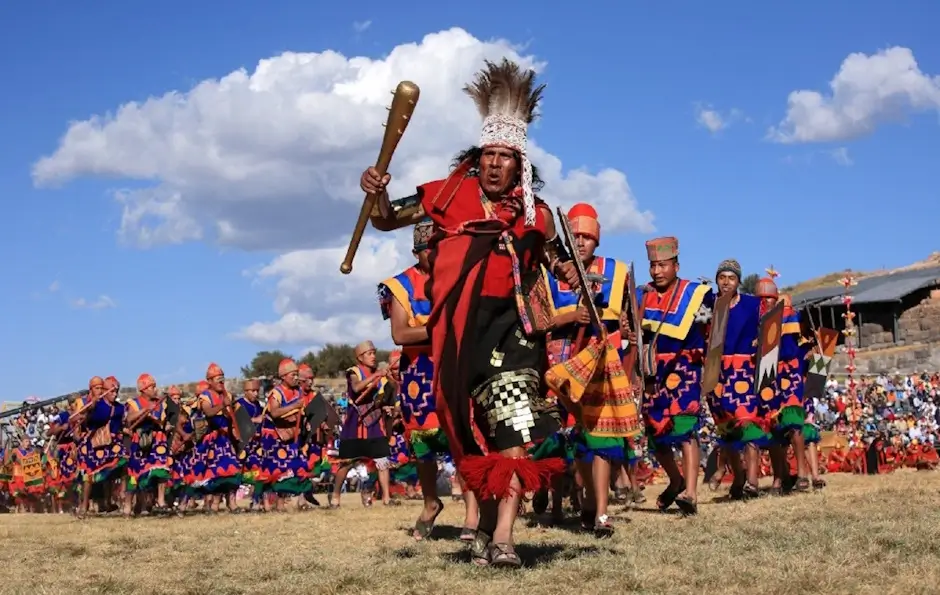
The Inti Raymi, or Festival of the Sun, is one of the most iconic traditions inherited from the Inca Era. Rooted in the spiritual and agricultural life of the Inca Empire, it was the most important celebration of the year, honoring Inti, the Sun God, and marking the winter solstice in the Southern Hemisphere. Today, the festival not only preserves a centuries-old ritual but also serves as a bridge connecting modern Peru with its rich ancestral heritage.
Origins in the Inca Empire
The Inti Raymi was first established during the reign of Pachacuti Inca Yupanqui in the 15th century. For the Incas, the Sun was the source of life, light, and growth, and its cycle dictated the rhythm of agriculture. The winter solstice—occurring around June 24th—was a sacred moment, signaling the return of longer days and the promise of new harvests. The celebration was both a thanksgiving for the past harvest and a prayer for abundance in the coming year.
The Ceremony in the Inca Era
In ancient times, the festivities lasted nine days, filled with music, dances, and elaborate rituals. The Inca emperor, nobles, and priests gathered at Qorikancha (Temple of the Sun) in Cusco, adorned with gold and fine textiles, to offer sacrifices of llamas, food, and chicha (fermented corn drink) to the Sun God. The ceremonies were conducted entirely in Quechua, reinforcing the unity and identity of the empire.
From Suppression to Revival
After the Spanish conquest in the 16th century, the Inti Raymi was banned due to its non-Christian nature. However, its memory lived on in oral tradition and local customs. In 1944, the festival was revived in Cusco as a historical reenactment, bringing together researchers, artists, and local communities to recreate the grandeur of the original ceremony.
Inti Raymi Today
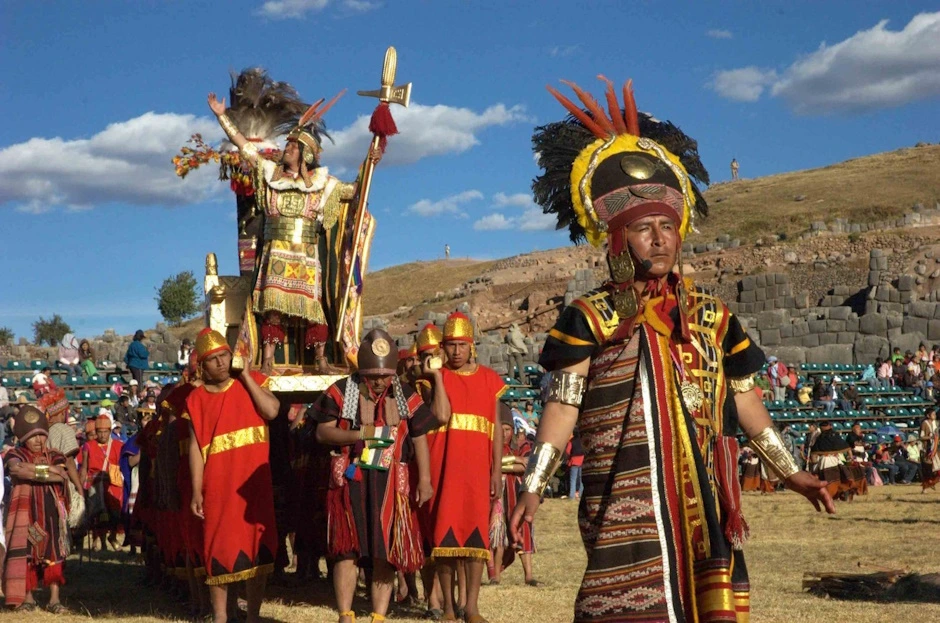
Modern Inti Raymi takes place in three main locations in Cusco: Qorikancha, Plaza de Armas, and the Sacsayhuamán fortress. Thousands of participants wear traditional Inca attire, perform ancient dances, and follow a script based on historical records. Although adapted for contemporary audiences, the festival remains deeply rooted in its original symbolism—gratitude, renewal, and the eternal bond between the Sun and the Andean people.
A Living Legacy
For visitors, attending Inti Raymi is a unique opportunity to step into the world of the Inca Era. It’s not just a show; it’s a cultural immersion that brings to life the history, beliefs, and artistry of one of the greatest civilizations in the Americas. Combined with visits to Machu Picchu and the Sacred Valley, it becomes an unforgettable journey into Peru’s ancient soul.
Inti Raymi in the Colonial Period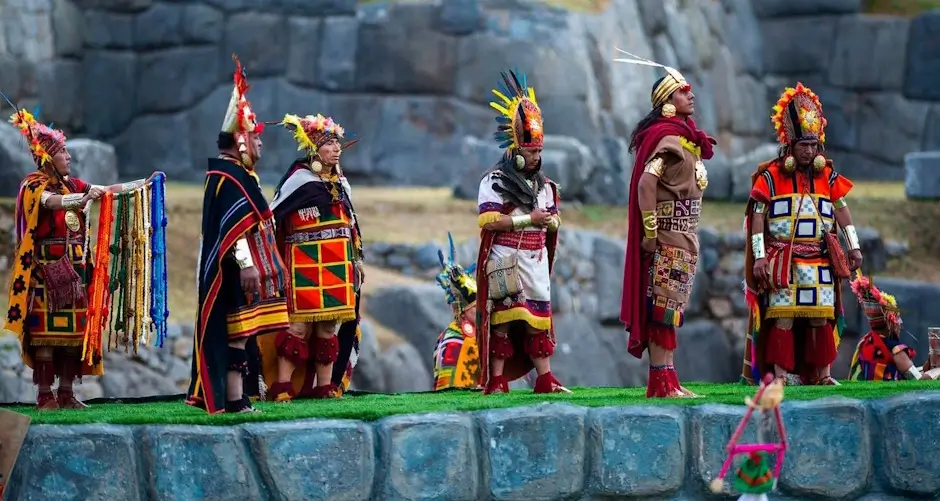
The Inti Raymi, or Festival of the Sun, was the most important celebration of the Inca Empire, honoring Inti, the Sun God, and marking the winter solstice. However, with the arrival of the Spanish in the 16th century, the festival entered a period of profound transformation. The Colonial Period was a time of both suppression and adaptation, as the original Inca traditions were challenged by the imposition of European beliefs and customs.
Suppression of the Ancient Ritual
When the Spanish conquered the Inca Empire in the 1530s, they sought to dismantle indigenous religious practices and replace them with Christianity. The Catholic Church viewed Inti Raymi as a pagan ritual incompatible with the new faith, and in 1572, Viceroy Francisco de Toledo officially banned the celebration. Public ceremonies honoring the Sun God were prohibited, and the grand gatherings in Cusco’s Qorikancha and Sacsayhuamán came to an end.
A Festival Hidden from View
Although outlawed, the spirit of Inti Raymi did not disappear. In rural Andean communities, people continued to honor the Sun in secret, blending the original Inca rituals with Catholic festivities to avoid persecution. Some elements of Inti Raymi were absorbed into celebrations for Saint John the Baptist, held around the same time in June, allowing Andean traditions to survive beneath a Christian façade.
Cultural Resilience
During the Colonial Period, Inti Raymi became a symbol of quiet resistance and cultural preservation. The Quechua language, traditional clothing, music, and agricultural practices tied to the solstice persisted in everyday life. While the grand public spectacle of the festival vanished, its essence—gratitude for the Sun and the agricultural cycle—remained deeply rooted in the Andean worldview.
The Path to Revival
It wasn’t until the 20th century, specifically in 1944, that Inti Raymi returned to public life in Cusco as a historical reenactment. This revival was based on chronicles from the Colonial Period, such as those of Garcilaso de la Vega, which documented the original festival in great detail. Ironically, the same era that sought to erase Inti Raymi also preserved the records that would allow it to be reborn centuries later.
Legacy of the Colonial Period
The Colonial Period represents a complex chapter in the history of Inti Raymi—a time when suppression and adaptation coexisted. While the Spanish sought to erase the Sun festival, they could not extinguish the cultural identity of the Andean people. Today’s Inti Raymi is not only a celebration of Inca heritage but also a tribute to the resilience of a culture that endured through centuries of change.
- Discover the Wonders of Peru: with the Tour Perú Machu Picchu Nazca 15 Days
- Discover the Best of Perú: with the Tour Perú Amazon Nazca Machu Picchu 20 Days
- Travel Package to Peru Tour in Lima, Paracas, Ballestas, Nazca Lines, Colca Canyon 22 Days
The biggest Festival of the Sun: Inti Raymi Today
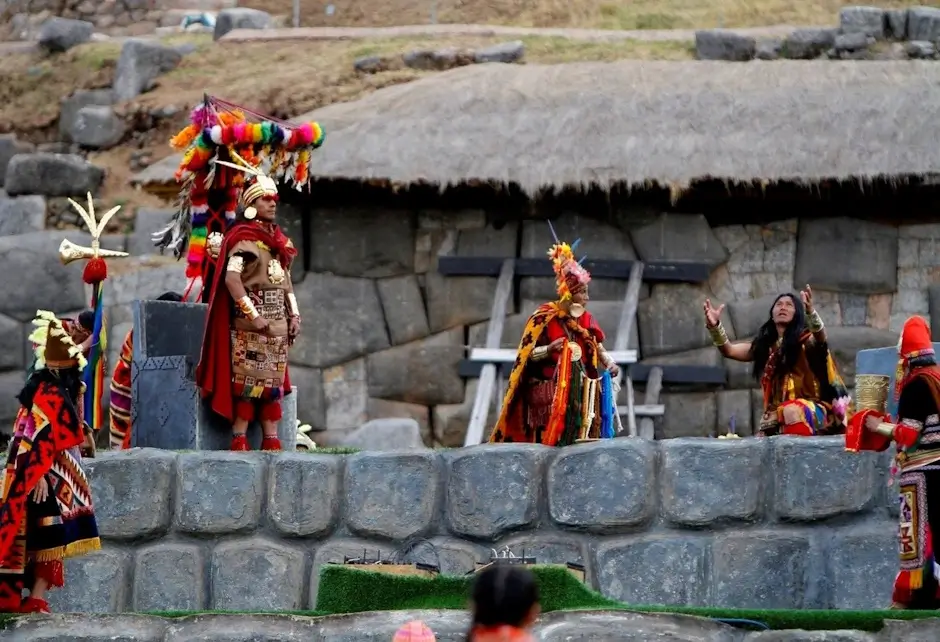
The Inti Raymi, or Festival of the Sun, once the grandest celebration of the Inca Empire, has evolved into one of Peru’s most spectacular cultural events. Revived in 1944 as a historical reenactment, it is now held every June 24th in Cusco, the former Inca capital, attracting thousands of travelers from across the globe. Today, Inti Raymi is both a vibrant performance and a living tribute to the traditions, spirituality, and artistry of the Andes.
A Day of Celebration
The modern festival unfolds in three stages, each set in a historic location.
-
Qorikancha (Temple of the Sun): The opening ceremony begins at dawn, with the Inca priest offering prayers to the Sun God.
-
Plaza de Armas: The celebration moves to the heart of Cusco, where dancers and actors in traditional attire represent the four regions—or suyos—of the ancient empire.
-
Sacsayhuamán Fortress: The grand finale takes place on the massive stone terraces, where rituals are performed, including the symbolic sacrifice of a llama, now done without harm to the animal.
Tradition Meets Theatrical Art
Today’s Inti Raymi is not a religious ceremony in the original sense, but rather a carefully researched and staged representation based on historical chronicles from the Inca and Colonial periods. The event is conducted entirely in Quechua, adding authenticity and honoring the language of the Inca people. Costumes are crafted with traditional techniques, music is performed with ancient instruments, and every movement is choreographed to reflect Inca ritual precision.
An Experience for Visitors
For travelers, attending Inti Raymi is an unforgettable immersion into Andean culture. The city of Cusco embraces the celebration with parades, artisan fairs, traditional food markets, and live performances in the days leading up to June 24th. Hotels, restaurants, and tour operators offer special packages that combine the festival with visits to Machu Picchu, the Sacred Valley, and other archaeological treasures.
Preserving a Living Heritage
While Inti Raymi today is a cultural performance, it still carries deep meaning for the people of the Andes. It’s a moment to honor ancestors, celebrate identity, and share Peru’s history with the world. The festival’s continued popularity ensures that the story of the Sun God and the Inca Empire will be told for generations to come.
The Grand Celebration in Cusco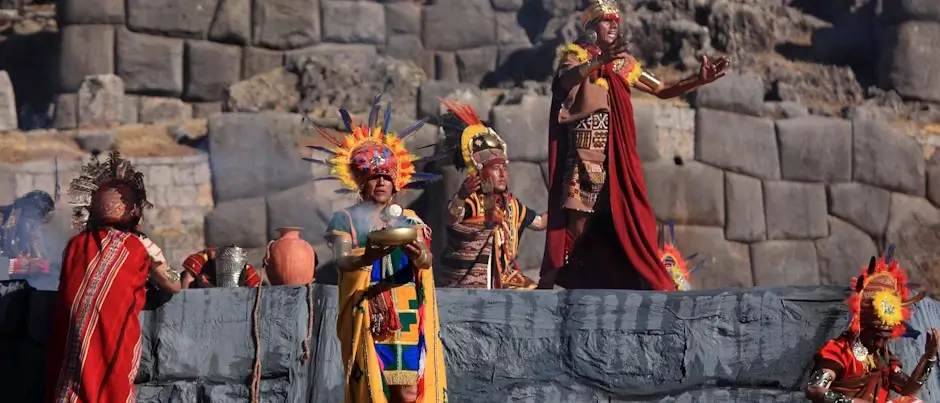
Every year on June 24th, the historic city of Cusco bursts into life with the Inti Raymi, or Festival of the Sun, one of the most spectacular cultural events in South America. This grand celebration honors Inti, the Inca Sun God, and marks the winter solstice in the Southern Hemisphere. It’s a dazzling combination of history, tradition, and artistry that draws thousands of visitors from around the globe.
A City Steeped in History
Cusco, once the capital of the Inca Empire, becomes the stage for a massive reenactment of an ancient ritual that dates back to the 15th century. The celebration begins at Qorikancha, the Temple of the Sun, where the Inca priest offers prayers and symbolic offerings to honor the Sun God. This location, once covered in gold, was the most sacred site in the Inca Empire.
From the Heart of the City to the Sacred Fortress
After the opening ceremony, the procession moves to Plaza de Armas, Cusco’s main square. Here, hundreds of actors in elaborate costumes representing the four suyos (regions) of the Inca Empire perform dances and rituals, filling the square with vibrant colors, music, and energy. The journey then continues to Sacsayhuamán, a monumental Inca fortress overlooking the city, where the main ceremony takes place.
The Highlight of the Day
At Sacsayhuamán, the Inca (portrayed by an actor) delivers a moving speech to the Sun, and the symbolic sacrifice of a llama is performed—now done without harm to the animal, preserving the ritual’s cultural meaning. This part of the ceremony is the heart of the festival, connecting modern-day spectators to a tradition that has endured for centuries.
An Experience Beyond the Spectacle
The Grand Celebration in Cusco is more than a theatrical performance; it’s a cultural immersion. Visitors witness the richness of Andean heritage through music, dance, and ceremony, while the setting—Cusco’s cobblestone streets and surrounding Inca ruins—adds an unmatched historical ambiance. Many travelers extend their trip to explore the Sacred Valley and Machu Picchu, making the festival the highlight of a larger Andean adventure.
Colors, Music, and Dance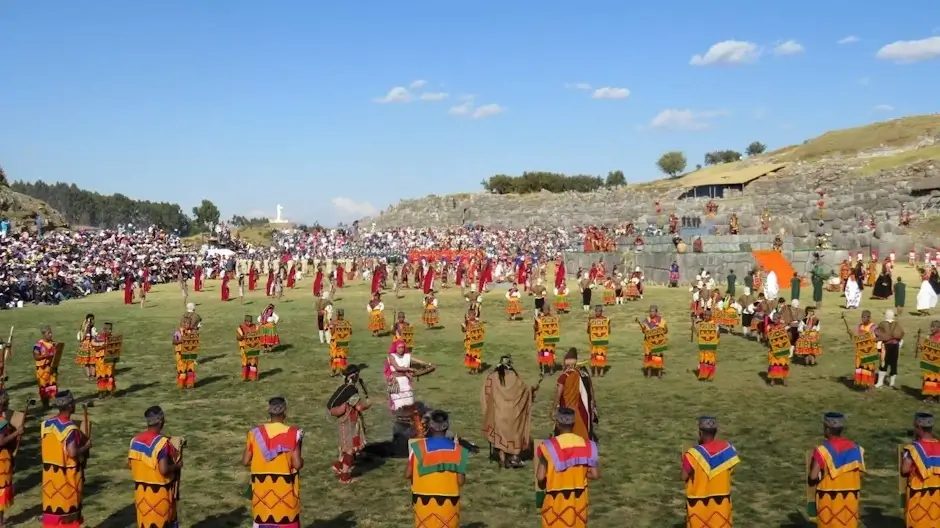
In every corner of the world, cultures express their identity through vibrant displays of color, rhythm, and movement. Nowhere is this more evident than in the Andean highlands of Peru, where festivals like Inti Raymi transform streets and plazas into living works of art. Colors, music, and dance are not just decorative elements—they are the heartbeat of the celebration, telling stories that span centuries.
A Canvas of Andean Colors
During major festivities, the costumes worn by dancers and participants are a spectacle in themselves. Bright reds symbolize the warmth and energy of the Sun, deep blues echo the highland skies, and rich yellows reflect the golden fields of maize. Intricate embroidery and patterns often carry symbolic meanings, representing animals, mountains, and sacred symbols from the Inca worldview. These garments are not only beautiful but also serve as a living record of cultural heritage.
The Music of the Ancestors
Music sets the tone for the festivities, blending ancient sounds with modern energy. Traditional instruments like the quena (Andean flute), charango (small string instrument), and pututo (conch shell trumpet) fill the air with melodies that have been passed down for generations. The rhythms are both ceremonial and joyful, guiding the dancers and engaging the audience in a shared cultural experience.
Dance as Storytelling
Andean dances are more than artistic performances—they are narratives in motion. Each step, turn, and gesture has meaning, often reenacting historical events, agricultural cycles, or mythological tales. Groups representing different regions perform their own distinct styles, from powerful warrior dances to graceful agricultural celebrations. The result is a dynamic, colorful tapestry of movement that captivates both locals and visitors.
A Celebration for the Senses
The combination of colors, music, and dance creates an immersive experience that connects people to the spirit of the Andes. For travelers, witnessing these performances is a rare opportunity to see history, identity, and artistry converge in a single, unforgettable moment. Whether during Inti Raymi in Cusco or smaller local festivals in rural communities, the vibrancy of these traditions leaves a lasting impression on the heart.
A Cultural Experience Not to Miss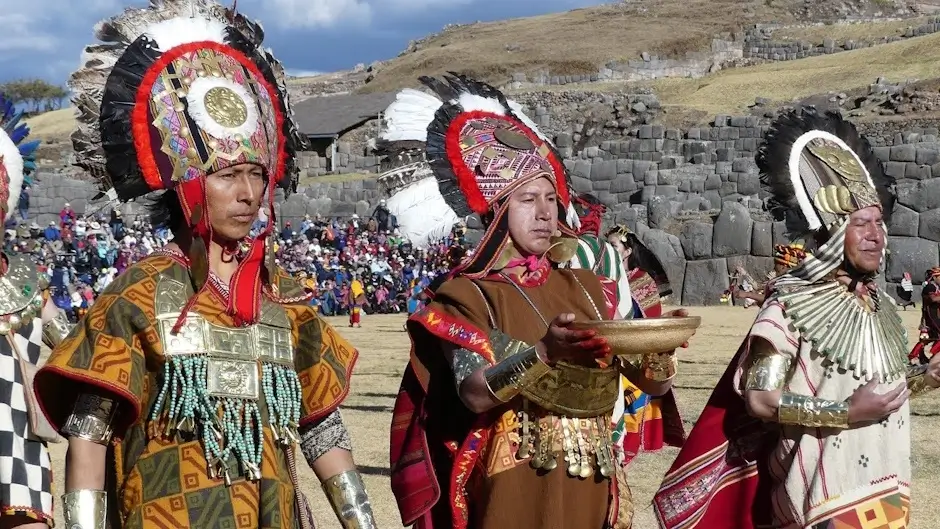
Some travel experiences go beyond sightseeing—they connect you deeply with the soul of a place. In Cusco, Peru, the Inti Raymi or Festival of the Sun is one such event. Celebrated every June 24th, this spectacular festival offers visitors a rare opportunity to witness a living tradition that has been passed down since the time of the Inca Empire. For anyone passionate about history, culture, and authentic experiences, it’s truly a cultural experience not to miss.
Step Into the Inca World
The festival reenacts ancient ceremonies held in honor of Inti, the Inca Sun God, during the winter solstice. This was the most important event in the Inca calendar, marking the end of the harvest season and the beginning of a new agricultural cycle. Today, the celebration combines historical accuracy with theatrical artistry, bringing the grandeur of the Inca Empire vividly to life.
The Journey Through Cusco
The day begins at Qorikancha (Temple of the Sun), continues in Plaza de Armas, and culminates at the impressive Sacsayhuamán fortress. Each location offers a different perspective on the ritual, from intimate prayers to grand processions and dramatic performances. Along the way, you’ll be surrounded by participants in vibrant traditional attire, live Andean music, and dances that tell the story of the Inca people.
More Than a Show
What makes Inti Raymi special is its authenticity. The ceremonies are conducted in Quechua, the language of the Incas, and every detail—from costumes to choreography—is inspired by historical records and oral tradition. It’s an immersive journey into Andean heritage, not a commercialized performance.
Perfect for Cultural Travelers
For those who travel to understand a destination’s heart and history, attending Inti Raymi is an unforgettable highlight. Many visitors choose to combine the festival with visits to Machu Picchu, the Sacred Valley, and other archaeological wonders, creating a complete cultural itinerary in the Andes.
- Eplore Peru: From Vibrant Lima to Mystical Machu Picchu and Majestic Lake Titicaca 8 Days
- Perú Travel with Tour Lima Cusco Machu Picchu Lake Titicaca 7 Days
- Explore the Wonders of Cusco with City Tour and Machu Picchu 3 Days
- Explore Peru with the Lima Cusco Machu Picchu Huayna Picchu Tour 6 Days
For more information and to book your trip, contact us on WhatsApp. Follow us on Instagram for the latest updates and travel inspiration.
CONTACT US:
We are a Travel Agency specialized in tourist packages, if you need any information, do not hesitate to write to us.
We offer tours in Peru and Bolivia.
Tours in Peru:
|
Tours in Bolivia:
|