

Solo Trip to Machu Picchu: Safety and Planning Guide
A solo trip to Machu Picchu is safe for the large majority of travelers who plan ahead: book tickets and transportation in advance, acclimatize to the altitude before arriving, and stick to established routes and operators. The site is heavily visited and closely managed, with trains, official guides, and a staffed park that solo travelers rely on just as much as groups do.
This guide covers what to prepare before you go, how to get there, health and personal safety, what to do if something goes wrong, and how to meet other travelers along the way, without duplicating the deeper guides on tickets, timing, and routes linked throughout.
Is Machu Picchu Safe to Visit Solo?
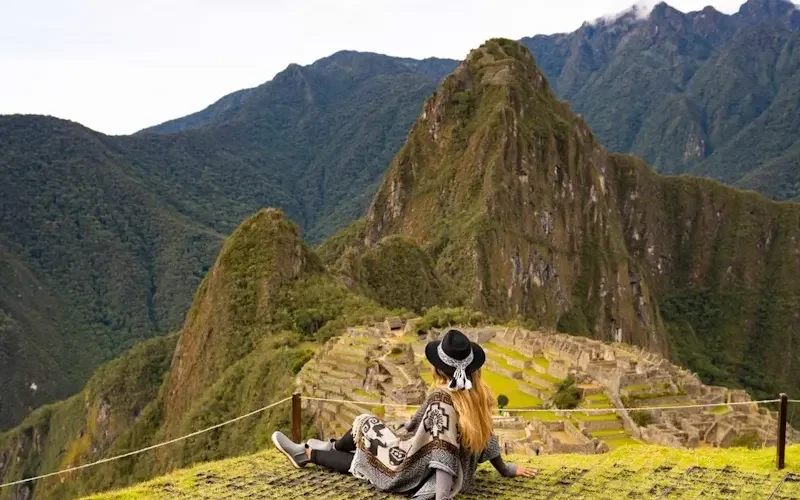
Yes, for the most part. Machu Picchu is one of the most visited and closely managed archaeological sites in South America, with daily visitor limits, marked trails, and staff on-site. The main risks for solo travelers are the same ones that affect any visitor: altitude, uneven terrain, and the usual pickpocketing risk that comes with any crowded tourist site, not anything specific to traveling alone. A few things make the biggest difference:
- Book ahead. See how to book your Machu Picchu tickets well before your trip, since entry is capped and popular time slots sell out, especially from June through August.
- Get travel insurance that covers medical treatment and emergency evacuation.
- Acclimatize before you arrive. Spend a few days at altitude in Cusco or the Sacred Valley first.
- If you’re hiking the Inca Trail, you’re required to book through a licensed operator; independent trekking on the trail itself isn’t permitted. See the full Inca Trail requirements before you book.
This page focuses specifically on Machu Picchu; for the broader case for traveling solo around Peru as a whole, see our guide to the benefits of solo travel in Peru.
Best Time to Visit Machu Picchu Solo
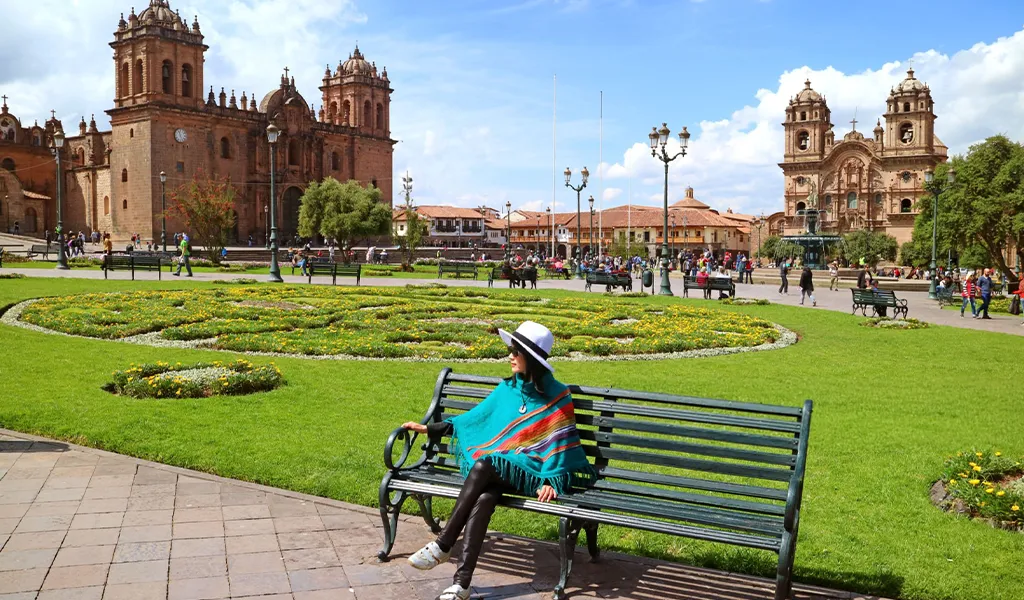
The dry season, roughly April through October, brings clearer skies and is the most popular window, which also means bigger crowds and higher demand for tickets and trains. The rainy season, November through March, is quieter and greener, with a higher chance of rain and muddier trails. For solo travelers specifically, traveling in the shoulder months or outside peak season tends to mean shorter queues for the buses from Aguas Calientes and more room to move at your own pace inside the site. For a month-by-month breakdown of when to visit, see our dedicated guide.
Getting to Machu Picchu Solo
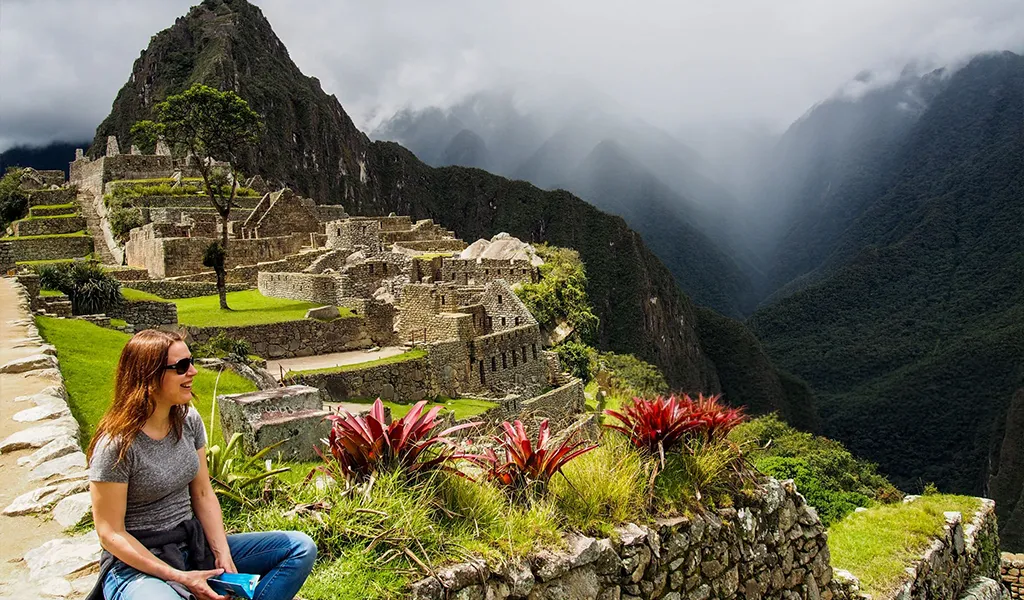
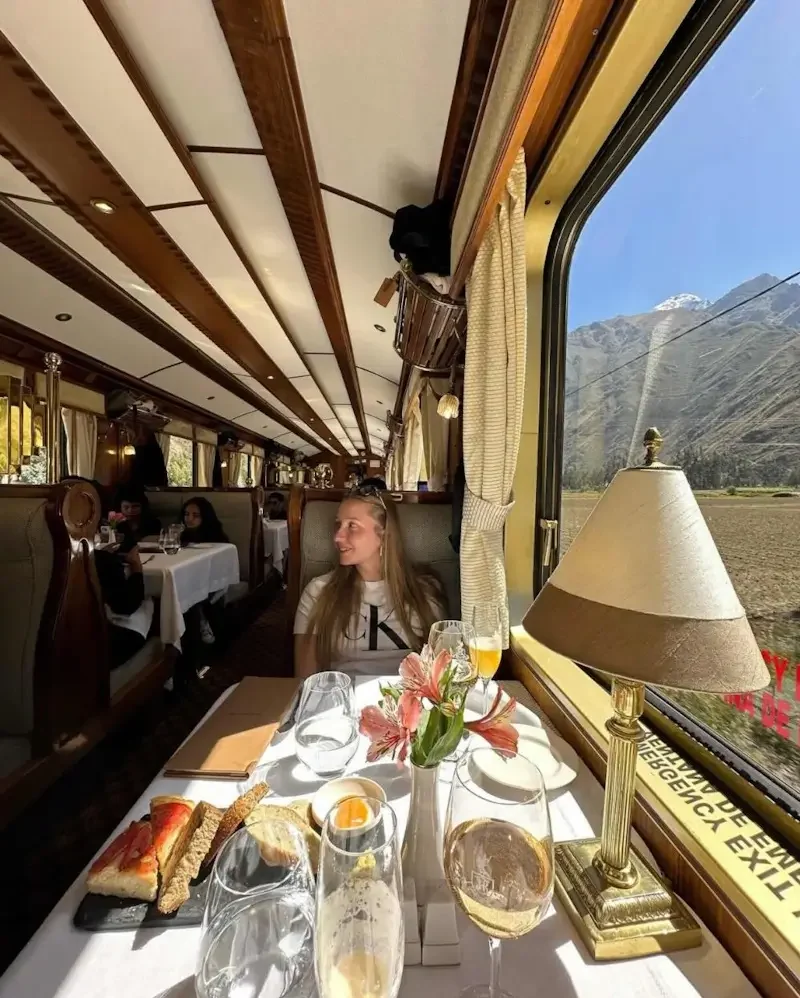
A common way to reach Machu Picchu is by train to Aguas Calientes, followed by a short bus ride up the mountain, both run by established operators with solid safety records. See our guide to Machu Picchu by train for routes, stations, and timing.
If you’d rather hike in, the classic Inca Trail requires booking through a licensed operator and can’t be done independently. Several agencies also offer day tours and private transportation for travelers who want more flexibility than a fixed group schedule; our guide to choosing a private tour in Peru covers what to check before booking one.
Health and Personal Safety
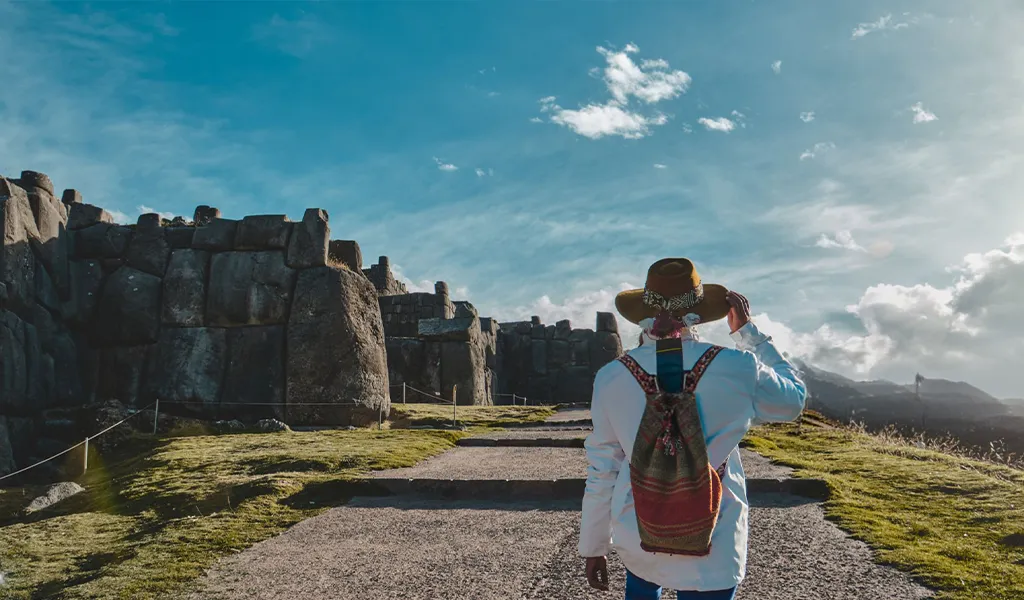
Altitude is the most common issue solo travelers run into, not crime or getting lost. A few basics cover most of it:
- Altitude: spend at least a couple of days in Cusco or another high-altitude stop before visiting Machu Picchu, stay hydrated, and avoid heavy exertion on your first day. See our full altitude sickness precautions for more detail.
- Packing: sturdy footwear, rain protection, sun protection, and what to pack, including a first-aid kit, covers most situations you’ll run into on-site.
- Belongings and documents: keep valuables out of sight, carry a photo or copy of your passport rather than the original where possible, and avoid wandering into unmarked or isolated areas alone.
- Share your plans: let someone, a hostel, a contact at home, know your rough itinerary and when you expect to check in next.
Solo Female Travelers
A few practical precautions go a long way: choose accommodations with good recent reviews from other solo and female travelers, use registered transportation (official taxis, your hotel’s recommended service, or train and bus tickets booked directly) rather than unmarked vehicles, and avoid walking alone after dark in Aguas Calientes or Cusco’s quieter streets. Joining a day tour or the Inca Trail’s required group setup also means you’re rarely actually moving through the site alone.
Staying Connected and Handling Emergencies
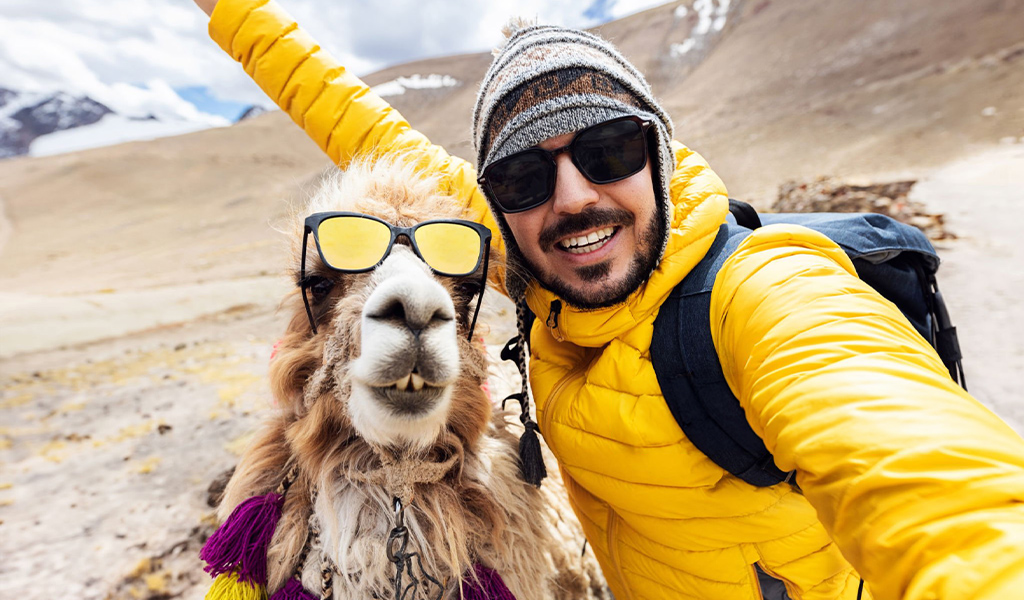
Mobile coverage at Machu Picchu itself is limited and patchy; Cusco and Aguas Calientes have normal coverage. A local SIM card or an eSIM arranged before you travel covers most of the trip.
If something does go wrong, staff and help points are stationed around the park, and tour guides are trained to handle common issues and contact emergency services. Peru doesn’t use a single nationwide emergency number the way some countries do, so before your trip, ask your hotel, guide, or tour operator for the current local emergency contacts and keep them written down separately from your phone, rather than relying on a number you looked up in advance.
Are There Official Guides for Solo Travelers?
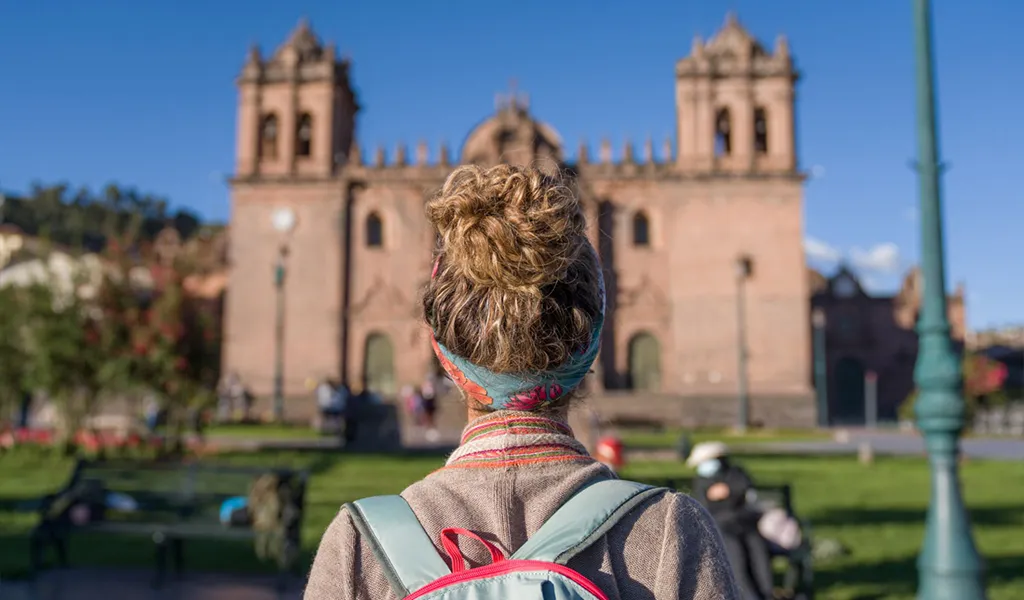
Yes. Official guides at Machu Picchu are licensed through Peru’s Ministry of Culture, which manages the site, and can be hired at the entrance or booked in advance through an authorized agency. Beyond narrating the site’s history, the benefits of hiring an official guide include help navigating the permitted routes and an extra layer of support if you run into trouble, something worth weighing even if you’re traveling independently for the rest of your trip. When choosing one, check that they’re certified and look for recent reviews before booking.
Group Tours vs. Solo: Meeting Other Travelers
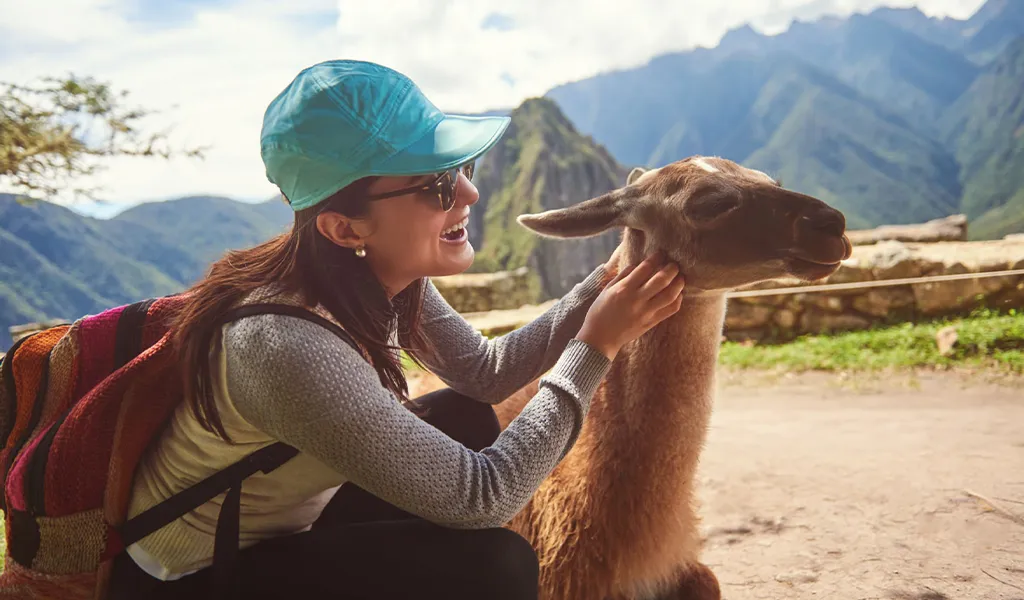
Traveling alone doesn’t mean seeing Machu Picchu alone. Joining a small group tour for the day is one of the easiest ways to meet other travelers in a structured, safe setting, since groups are typically small and guides keep things organized. Hostels and guesthouses in Cusco and Aguas Calientes often have common areas built for exactly this kind of mingling, and timing your trip around a local festival, if one happens to line up, is a low-pressure way to meet both locals and other travelers at once.
Traveling to Machu Picchu on a Budget
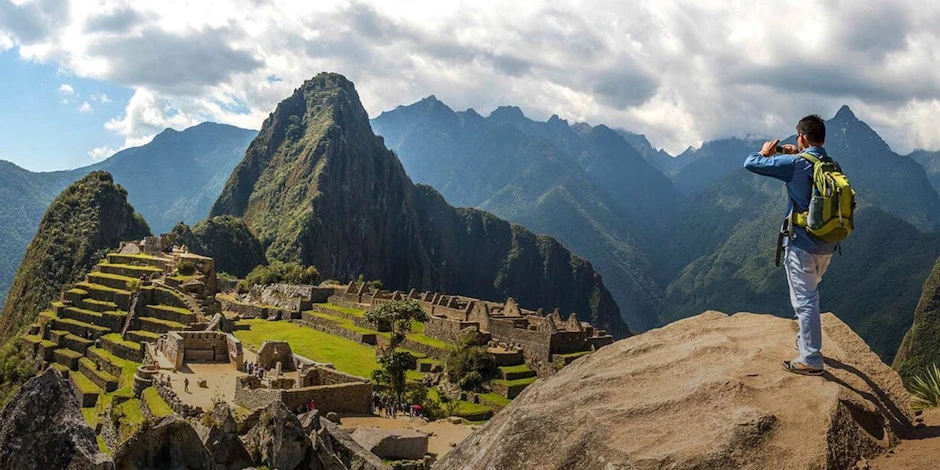
Solo travel costs more per person than splitting a group tour, but Machu Picchu is still manageable on a budget. Hostels in Cusco are plentiful and generally well set up for solo travelers, with private rooms available at most for those who want one. Booking the standard train service rather than a premium one, traveling in the shoulder or low season, and joining a shared day tour instead of a private one are the main ways to bring the cost down without cutting corners on safety.
For the rest of your Peru itinerary, see the complete Peru travel guide for planning beyond Machu Picchu itself.
For more information or help planning a solo trip to Machu Picchu, contact us on WhatsApp.
CONTACT US:
We are a Travel Agency specialized in tourist packages, if you need any information, do not hesitate to write to us. We offer tours in Peru and Bolivia.