

Maras Salt Mines: A Complete Guide to Visiting Salinas de Maras from Cusco
Located in the spectacular Sacred Valley of the Incas near Cusco, Peru, the Maras Salt Mines are one of the most fascinating attractions in the region. Also known as Salinas de Maras, this ancient site has been used since pre-Inca times and is famous for its thousands of traditional salt pools cascading down the mountainside like natural terraces.
A visit to the Maras Salt Mines in Peru offers a unique opportunity to discover the history, traditional salt production, and cultural heritage of this remarkable Andean destination. In this guide, we will explore the history and beauty of the Maras Salt Mines, how to visit them from Cusco, and why combining them with nearby Moray makes a Maras and Moray tour an unforgettable experience.
- Embark on a Journey of Ancient Traditions: The Inti Raymi Tour in Cusco 4 Days
- Discover the Wonders of Peru with the Tour Perú Machu Picchu 5 Days
- Discover Peru with the City Tour Sacred Valley Machu Picchu 4 Days
- Explore the Wonders of Cusco with City Tour and Machu Picchu3 Days
History of the Maras Salt Flats
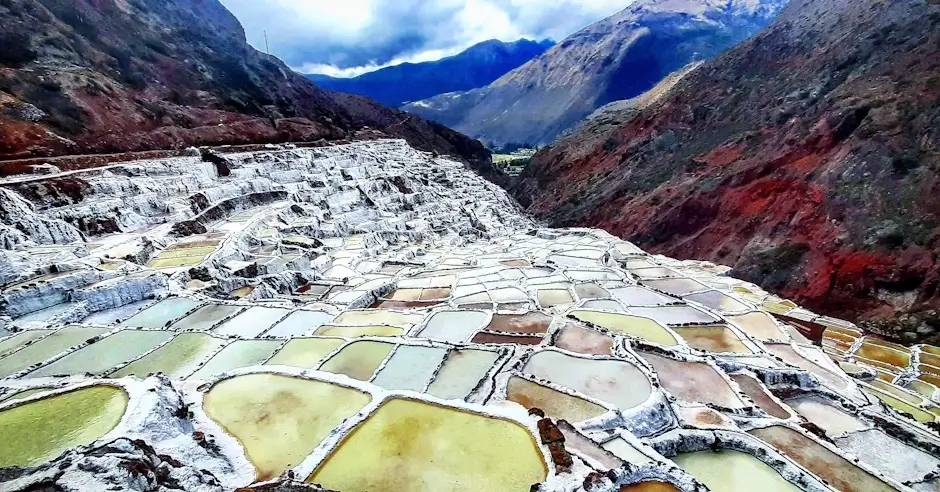
The history of the Maras Salt Mines, also known as the Salinas de Maras, dates back centuries and is closely connected to the development of the Andean communities in the Sacred Valley of the Incas near Cusco. Built along the slopes of the mountains, these thousands of salt pools have been used for generations to collect and produce salt from a naturally salty spring.
Pre-Inca Origins
The origins of the Maras Salt Mines are believed to predate the Inca period. Ancient communities in the region discovered the natural saltwater spring and developed channels and pools to collect the mineral-rich water. Through solar evaporation, the water gradually left behind salt crystals that could be collected and used.
This traditional technique became an important part of life in the region and laid the foundation for the salt production system that can still be seen today.
The Maras Salt Mines During the Inca Period
During the Inca Empire, the salt produced at the Salinas de Maras was an important local resource. The location of the salt pools within the Sacred Valley made them particularly valuable to communities living in the surrounding area.
The Incas were known for their sophisticated agricultural and water-management systems, and the continued use of the natural saltwater source at Maras demonstrates how Andean communities adapted to and managed the resources available in their environment.
Colonial Period and Beyond
Following the arrival of the Spanish in the 16th century, salt production at the Maras Salt Mines continued. The traditional system of collecting salt from individual pools was maintained, allowing local communities to preserve an important source of livelihood.
Over the centuries, the appearance and organization of the salt pools have evolved, but the basic principle of using natural saltwater and solar evaporation remains remarkably similar.
The Maras Salt Mines Today
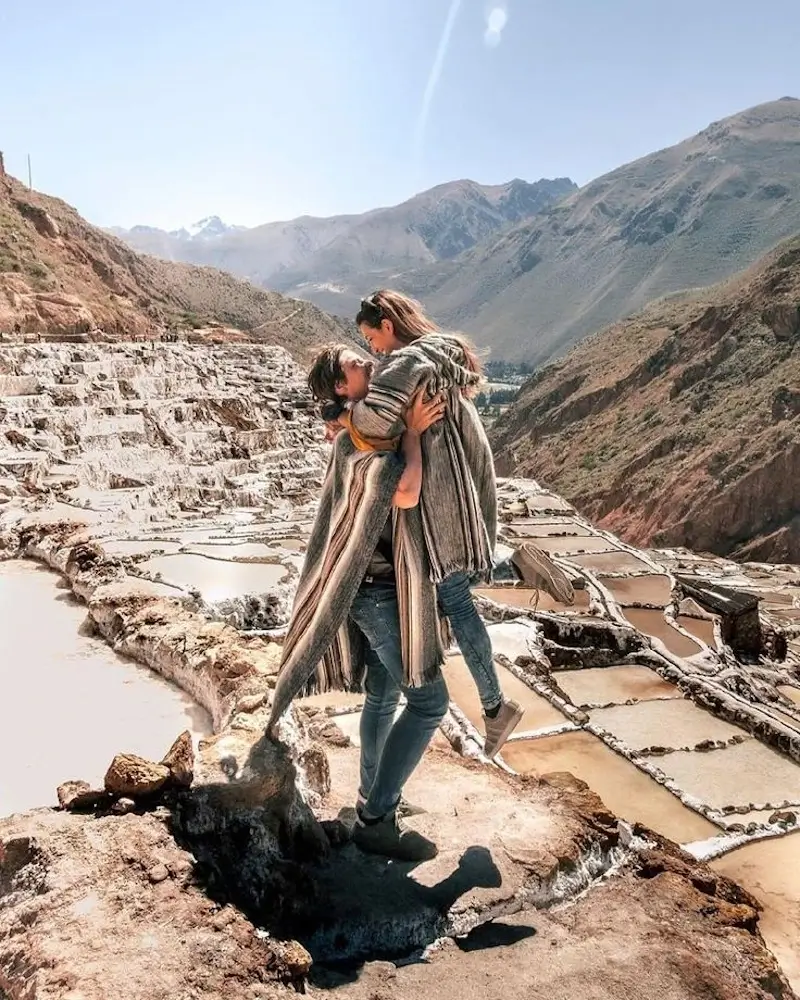
Today, the Maras Salt Mines in Peru are one of the most distinctive attractions in the Cusco region. Thousands of salt pools spread across the mountainside, creating a spectacular landscape that attracts travelers exploring the Sacred Valley.
At the same time, the site remains connected to local communities and traditional salt production. Visiting the Maras Salt Mines therefore offers more than an opportunity to photograph a beautiful landscape—it provides insight into an enduring Andean tradition that has survived through centuries of cultural and historical change.
The Salt Extraction Process at the Maras Salt Mines
The traditional salt extraction process at the Maras Salt Mines is one of the most fascinating aspects of visiting this unique destination in the Sacred Valley near Cusco. For centuries, local communities have used the natural saltwater spring to produce salt through a simple process that relies on sunlight, evaporation, and careful manual work.
The Salinas de Maras consist of thousands of small salt pools built along the mountainside. Each pool is supplied with naturally salty water through a network of channels that distribute the water from the underground spring.
How Is Salt Produced at the Maras Salt Mines?
The process begins when mineral-rich saltwater flows from a natural spring and is directed through small channels into the individual salt pools. Once a pool is filled, the water is left exposed to the sun.
As the intense Andean sunlight causes the water to evaporate, layers of salt gradually form on the bottom and edges of the pool. The evaporation process is repeated several times, allowing the salt crystals to become thicker and accumulate.
Once enough salt has formed, local workers carefully collect it by hand. The salt is then dried and prepared for storage, consumption, or sale.
Traditional Salt Production in Salinas de Maras
One of the most remarkable features of the Maras Salt Mines in Peru is that much of the production continues to follow traditional methods. The salt pools are maintained and managed by local families, preserving an ancestral practice that has been passed down through generations.
The distinctive white, pink, and reddish tones visible in some of the pools are influenced by the concentration of minerals, the amount of water, and the stage of the evaporation process. Together, these colors create the extraordinary landscape that makes Salinas de Maras one of the most memorable attractions near Cusco.
A Living Andean Tradition
Visiting the Maras Salt Mines is more than simply admiring a beautiful landscape. It provides an opportunity to learn about an ancient form of salt production and the relationship between local communities and the natural resources of the Andes.
The combination of traditional techniques, spectacular mountain scenery, and centuries-old cultural heritage makes the Maras Salt Mines an essential stop for travelers exploring the Sacred Valley of the Incas.
How to get to Maras Salt Flats
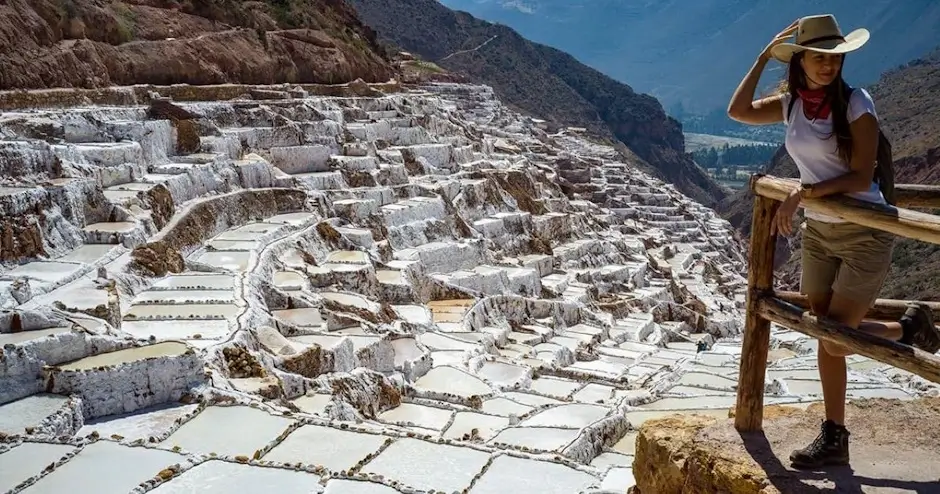
The Maras Salt Mines, also known as Salinas de Maras, are located in the Sacred Valley of the Incas, approximately 50 kilometers from Cusco. Thanks to their location, visiting the Maras Salt Mines from Cusco is an easy and rewarding day trip that can also be combined with the archaeological site of Moray.
By Private Transportation
One of the most comfortable ways to reach the Maras Salt Mines from Cusco is by private transportation. The journey takes you through the scenic landscapes of the Sacred Valley and allows you to travel at your own pace. Private transportation is especially convenient for travelers who want to combine Maras and Moray in the same day.
By Organized Tour
Joining a guided Maras Salt Mines tour is one of the most convenient options for travelers. Tours from Cusco generally include transportation and a professional guide, and many itineraries combine the Maras Salt Mines and Moray with other attractions in the Sacred Valley.
A guided tour is also a good option if you want to learn more about the history, traditional salt production, and cultural importance of Salinas de Maras.
By Taxi or Local Transportation
It is also possible to travel from Cusco toward the town of Maras using local transportation or a taxi and then continue to the salt mines. However, this option requires more planning and coordination, particularly if you are unfamiliar with the area.
Maras and Moray in One Day
For most visitors, combining the Maras Salt Mines and Moray is an excellent way to make the most of a day in the Sacred Valley. The two attractions offer very different experiences: the Maras Salt Mines showcase an ancient tradition of salt production, while Moray is known for its impressive circular agricultural terraces.
Travel Tip
If you are visiting the Maras Salt Mines from Cusco, start early to make the most of your day and allow enough time for transportation, sightseeing, and exploring the surrounding area. Comfortable walking shoes, sun protection, water, and a light rain jacket are recommended because Andean weather can change quickly.
What to Bring to the Maras Salt Mines
Preparing properly for your visit to the Maras Salt Mines can make your experience more comfortable and enjoyable. Located in the highlands of the Sacred Valley near Cusco, the weather can change quickly, and visitors should be prepared for strong sunlight, cooler temperatures, and walking on uneven terrain.
Here are the essential items to bring when visiting the Maras Salt Mines in Peru:
Comfortable Walking Shoes
Wear comfortable shoes with good grip, as you will walk along paths and viewpoints around the salt pools. Some areas can be uneven, especially during the rainy season.
Sun Protection
The high-altitude sun in the Cusco region can be intense. Bring sunscreen, sunglasses, and a hat to protect yourself during your visit to the Maras Salt Mines.
Water
Staying hydrated is important when exploring the Maras Salt Mines from Cusco. Bring a reusable water bottle, especially if you are visiting Maras and Moray on the same day.
Light Layers
Temperatures around Cusco and the Sacred Valley can change throughout the day. Wearing several light layers allows you to adjust easily to warmer or cooler conditions.
Rain Protection
If you are visiting the Maras Salt Mines during the rainy season, bring a lightweight rain jacket or poncho. A small umbrella can also be useful, although a rain jacket is usually more practical while walking.
Camera or Smartphone
The terraces of the Maras Salt Mines create one of the most distinctive landscapes in the Sacred Valley. Bring your camera or smartphone to capture the white salt pools, surrounding mountains, and traditional salt-working areas.
Small Backpack
A small backpack is ideal for carrying your water, sunscreen, rain protection, camera, and other personal belongings without making your visit uncomfortable.
Cash for Small Purchases
If you plan to purchase traditional salt products or handicrafts from local vendors, carrying some Peruvian soles can be useful.
Travel Tip
If you are planning a Maras and Moray tour, organize your essentials in advance so you can comfortably enjoy both attractions in one day. Most importantly, wear comfortable footwear, protect yourself from the sun, and be prepared for changing weather conditions in the Andes.
Impact on the Local Community
The Maras Salt Mines are not only an important tourist attraction in the Sacred Valley of Cusco; they also play an important role in the lives of local communities. For generations, families have been involved in the traditional management and production of salt at the Salinas de Maras, preserving an ancestral practice while generating income for the local economy.
Supporting Local Families
The traditional salt production at the Maras Salt Mines provides an important source of income for local families. Salt is collected, processed, and sold as a local product, while tourism creates additional economic opportunities through guiding, transportation, handicrafts, and the sale of traditional products.
Preserving Ancestral Traditions
Tourism also contributes to the preservation of the cultural heritage associated with the Salinas de Maras. By visiting the salt pools and learning about traditional salt production, travelers gain a better understanding of an Andean practice that has been passed down through generations.
The continued use of traditional techniques helps maintain the connection between local communities, their environment, and their cultural heritage.
Community-Based Tourism
The Maras Salt Mines are an excellent example of how tourism can contribute to community-based development when local traditions and resources are respected. Visitors can support the community by purchasing locally produced salt and handicrafts, hiring local services, and choosing responsible tourism operators.
Responsible Travel at the Maras Salt Mines
When visiting the Maras Salt Mines in Peru, travelers should respect the designated paths, avoid entering the salt pools, and follow local instructions. Protecting the site helps preserve this unique landscape and ensures that future generations can continue to benefit from its cultural and economic importance.
By choosing responsible tourism practices, visitors can enjoy the remarkable scenery of Salinas de Maras while contributing to the conservation of an important Andean tradition and supporting the communities that continue to maintain it.
Image Gallery
Moments Captured in Maras
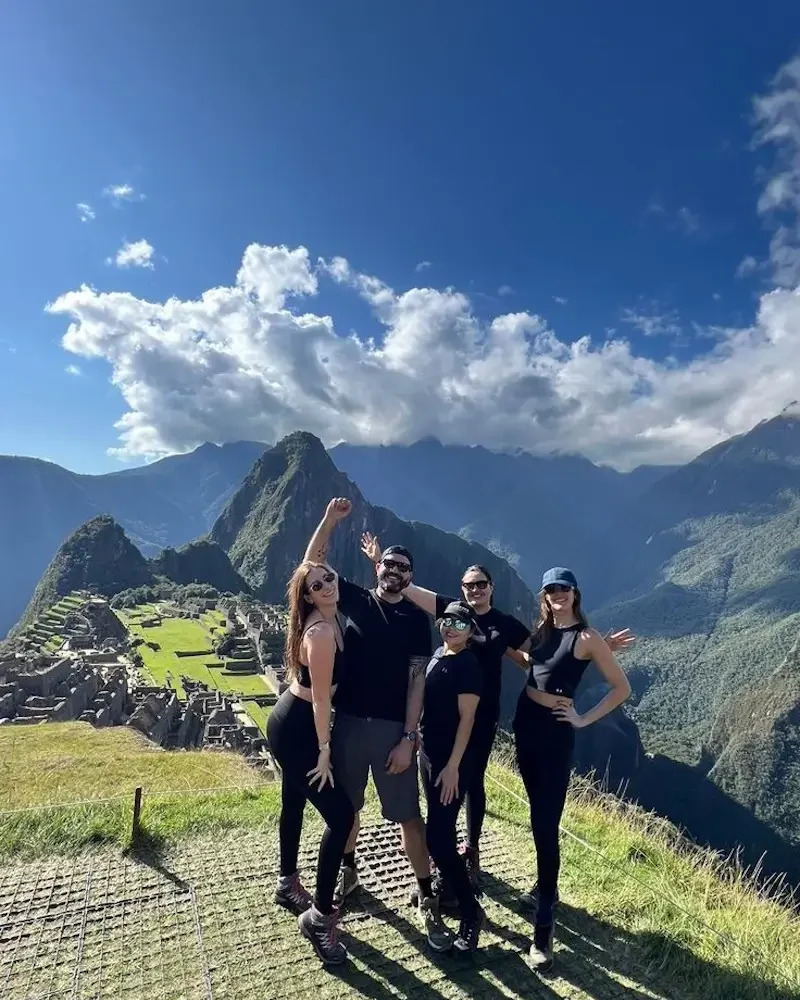
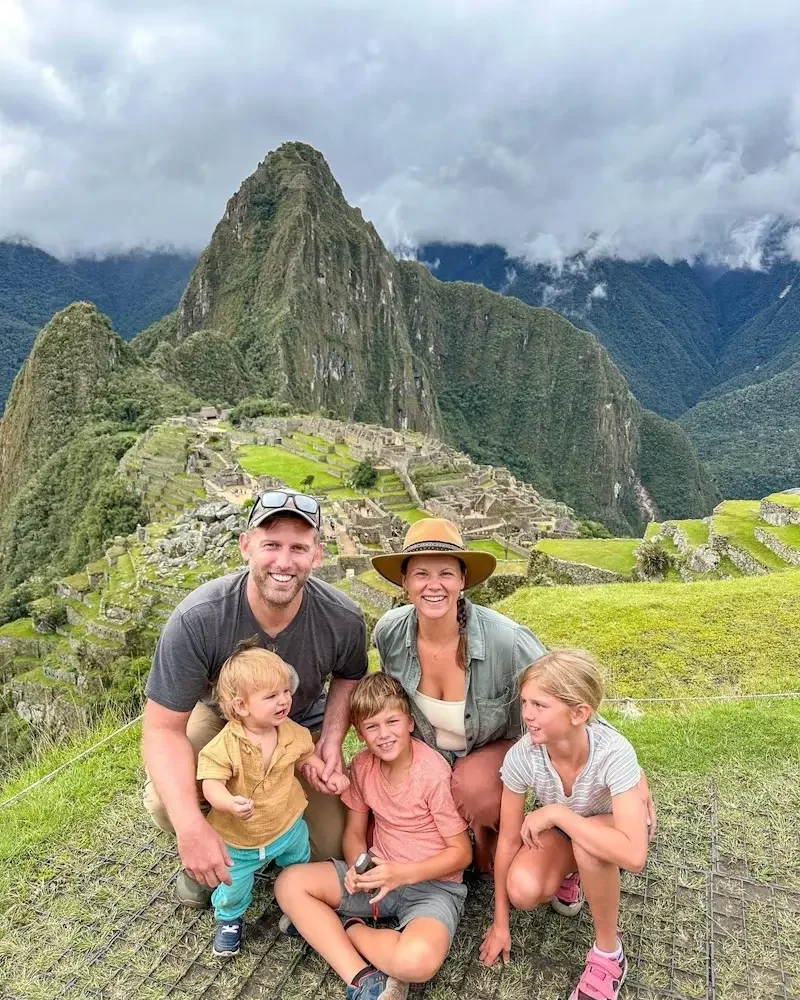
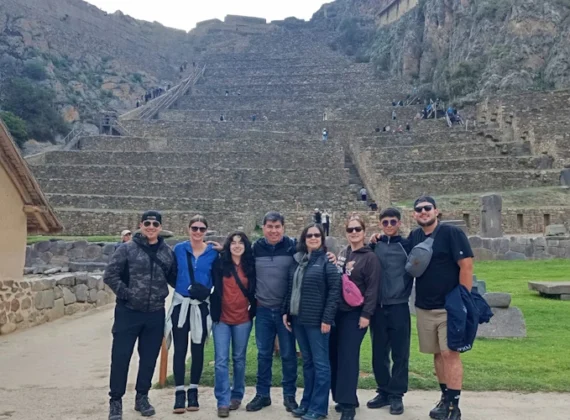
A collection of photos provided by previous visitors showing the stunning aesthetics of the salt flats throughout the seasons.
Visiting the Maras Salt Flats is much more than just a sightseeing tour; it is an immersion into Peru’s living history and an opportunity to support a community that keeps ancestral traditions alive.
Frequently Asked Questions About the Maras Salt Mines
What are the Maras Salt Mines?
The Maras Salt Mines, also known as Salinas de Maras, are a spectacular collection of thousands of salt pools located on a mountainside in the Sacred Valley near Cusco, Peru. The pools are supplied with naturally salty water, which evaporates under the Andean sun, leaving behind salt crystals that are traditionally collected by local families.
Where are the Maras Salt Mines located?
The Maras Salt Mines are located near the town of Maras in the Sacred Valley of the Incas, in the Cusco region of Peru. Their location makes them an ideal attraction to include in a Sacred Valley itinerary.
How far are the Maras Salt Mines from Cusco?
The Maras Salt Mines are approximately 50 kilometers from Cusco, although travel time can vary depending on traffic, road conditions, and the transportation option you choose.
How do you get to the Maras Salt Mines from Cusco?
The easiest way to visit the Maras Salt Mines from Cusco is by joining an organized tour or booking private transportation. Many tours combine the salt mines with the nearby archaeological site of Moray, creating a convenient Maras and Moray tour.
Can I visit Maras and Moray on the same day?
Yes. Visiting the Maras Salt Mines and Moray on the same day is one of the most popular ways to explore this area of the Sacred Valley. The two attractions are relatively close to each other and offer very different experiences.
What is the best time to visit the Maras Salt Mines?
The Maras Salt Mines can be visited throughout the year. The dry season generally offers sunnier conditions and clearer mountain views, while the rainy season can bring changing weather and greener landscapes. It is always advisable to check the local weather forecast before your visit.
How long does it take to visit the Maras Salt Mines?
Most travelers spend approximately one to two hours exploring the Maras Salt Mines, depending on the itinerary and how much time they want to spend at the viewpoints and surrounding areas.
What should I bring to the Maras Salt Mines?
For your visit to the Maras Salt Mines, bring comfortable walking shoes, sunscreen, sunglasses, a hat, drinking water, and light layers. During the rainy season, a lightweight rain jacket or poncho is also recommended.
Are the Maras Salt Mines worth visiting?
Absolutely. The Maras Salt Mines offer a unique combination of spectacular Andean scenery, traditional salt production, and cultural heritage. They are especially worthwhile for travelers interested in history, local traditions, photography, and the landscapes of the Sacred Valley.
Can I buy salt at the Maras Salt Mines?
Yes. Visitors may find locally produced salt and other traditional products for sale in designated areas. Purchasing local products can be a simple way to support the communities connected to the Salinas de Maras.
Are the Maras Salt Mines suitable for families?
Yes, the Maras Salt Mines can be included in a family trip to the Sacred Valley. However, visitors should stay on designated paths, follow local instructions, and take care when walking on uneven surfaces.
What other attractions can I visit near the Maras Salt Mines?
The archaeological site of Moray is one of the most popular attractions to combine with the Maras Salt Mines. Depending on your itinerary, you can also explore other destinations in the Sacred Valley, including Pisac, Ollantaytambo, and Chinchero.
- Eplore Peru: From Vibrant Lima to Mystical Machu Picchu and Majestic Lake Titicaca 8 Days
- Perú Travel with Tour Lima Cusco Machu Picchu Lake Titicaca 7 Days
- Explore the Wonders of Cusco with City Tour and Machu Picchu 3 Days
- Explore Peru with the Lima Cusco Machu Picchu Huayna Picchu Tour 6 Days
For more information and to book your trip, contact us on WhatsApp. Follow us on Instagram for the latest updates and travel inspiration.
CONTACT US:
We are a Travel Agency specialized in tourist packages, if you need any information, do not hesitate to write to us.
We offer tours in Peru and Bolivia.