

Exploring the Deserts in Peru: A Complete Guide
Peru is often celebrated for its lush Amazon rainforest and the breathtaking Andes Mountains, but few travelers realize that it is also home to some of the most stunning deserts in South America. Stretching along the Pacific coast, the Peruvian desert offers a landscape of golden dunes, ancient archaeological sites, and unique coastal ecosystems that are perfect for adventure seekers and nature lovers alike.
The Peruvian Desert: An Overview
The coastal desert of Peru extends for more than 2,000 kilometers (1,240 miles) along the Pacific Ocean, forming part of the larger Atacama Desert that also reaches into Chile. Despite its arid appearance, this region is rich in biodiversity, history, and culture. From the mystical Nazca Lines to the adrenaline-filled dunes of Huacachina, Peru’s deserts promise unforgettable experiences.
- Embark on a Journey of Ancient Traditions: The Inti Raymi Tour in Cusco 4 Days
- Discover the Wonders of Peru with the Tour Perú Machu Picchu 5 Days
- Discover Peru with the City Tour Sacred Valley Machu Picchu 4 Days
- Explore the Wonders of Cusco with City Tour and Machu Picchu3 Days
Peru’s Most Iconic Deserts: Locations and Features

Deserts in Peru
Exploring the deserts in Peru is embarking on an adventure through landscapes of unique beauty, where the silence of the surroundings merges with the majesty of its vast stretches of sand. This country, known for its rich history and biodiversity, hosts some of the most fascinating and varied deserts in the world. Embarking on a tour 15 days long, you will experience the full splendor and diversity these deserts have to offer, from the towering dunes to the ancient, mysterious geoglyphs that have puzzled historians and archaeologists alike.
-
Ica Desert
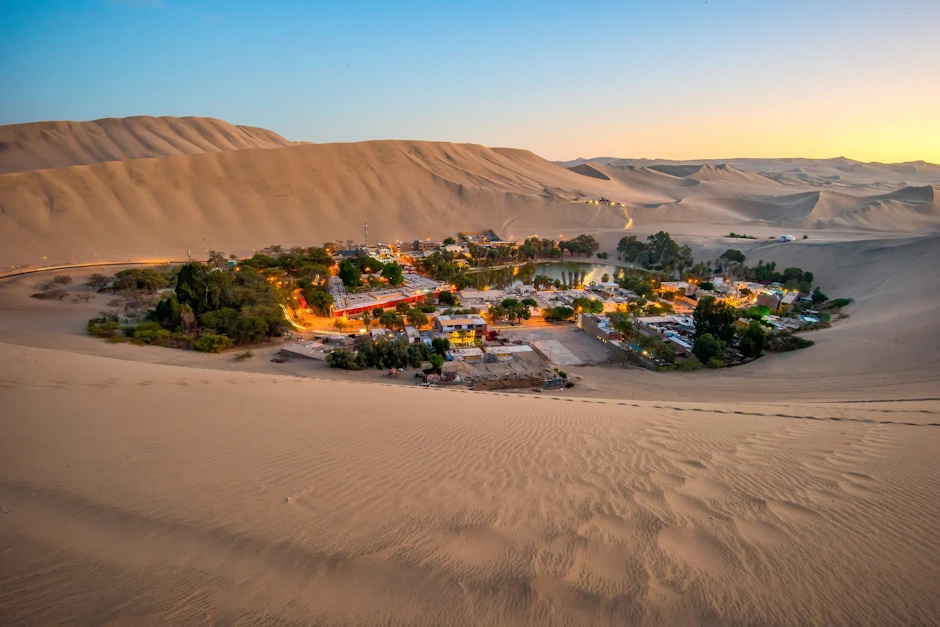
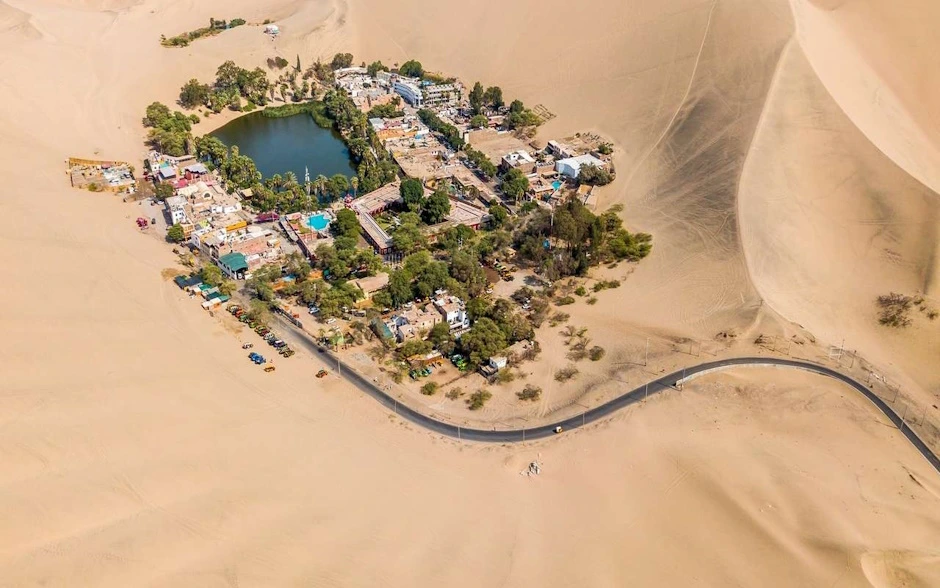
Located in the Ica region, this desert is one of the most visited due to its easy access from Lima, the capital of Peru. Here you will find Huacachina, a dreamlike oasis surrounded by enormous dunes, where you can practice sandboarding or take buggy rides through the sands. This desert will surprise you with its contrasting green oasis against the golden immensity that surrounds it, offering an unforgettable natural spectacle.
Location: Ica Region, southern coast of Peru
The Ica Desert is Peru’s most famous and accessible desert, located about four hours south of Lima. It’s home to the iconic Huacachina Oasis, a natural lagoon surrounded by towering dunes. This desert perfectly blends adventure, relaxation, and stunning scenery.
Key Features:
- Huacachina Oasis: A picturesque lagoon framed by palm trees and luxury resorts.
- Sandboarding and Dune Buggies: The giant dunes of Ica are perfect for thrill-seekers.
- Proximity to Paracas and Nazca: Easy access to the Paracas National Reserve and the mysterious Nazca Lines.
Why Visit: For unforgettable desert adventures, from high-speed dune rides to serene sunset views over the sand.
-
Sechura Desert
It is the largest desert in Peru, stretching from the south of Piura to the north of Lambayeque. Unlike other deserts, Sechura offers a more arid and rocky landscape, with areas of dunes but also with unique rocky formations. The singularity of its formations stands out, such as the stone forests in the Tumbes Mangroves National Sanctuary, where life thrives amidst aridity.
Location: Piura and Lambayeque regions
The Sechura Desert is the largest desert in Peru and one of the most extensive in South America. Its immense sand plains and arid valleys stretch for hundreds of kilometers along the northern coast, creating a dramatic contrast with the Pacific Ocean. Despite its harshness, Sechura is full of life and history.
Key Features:
- Endless Dunes and Salt Flats: Ideal for off-road adventures and photography.
- Bosque de Pomac: A dry forest sanctuary that shelters ancient pyramids of the Sicán culture.
- La Niña Lagoon: A temporary oasis that attracts flamingos and migratory birds after seasonal rains.
Why Visit: To experience untouched desert landscapes and explore the archaeological remains of northern Peru’s pre-Inca civilizations.
-
Nazca Desert
World-famous for the Nazca Lines, large and precisely made geoglyphs that can only be appreciated from the air, this desert is not only emblematic for its mysterious figures but also for its extreme climate and the variety of its geography, which includes both plains and mountains. Visiting the Nazca desert is an opportunity to marvel at one of the greatest enigmas of world archaeology. Embarking on a tour in Peru to explore these ancient mysteries offers a unique insight into the rich cultural heritage and natural wonders of the region.
Location: Nazca, Ica Region
Perhaps the most enigmatic desert in Peru, the Nazca Desert is a UNESCO World Heritage Site known for the Nazca Lines — enormous geoglyphs etched into the desert floor over 1,500 years ago. These vast designs, depicting animals, plants, and geometric figures, remain one of archaeology’s greatest mysteries.
Key Features:
- The Nazca Lines: Best viewed from small aircraft flights offering panoramic aerial perspectives.
- Cantalloc Aqueducts: Ingenious ancient water systems that still function today.
- Cahuachi Ceremonial Center: A major pre-Columbian archaeological site tied to Nazca culture.
Why Visit: To uncover the mysteries of one of the world’s most intriguing ancient civilizations and explore Peru’s desert archaeology.
Unique Activities to Do in the Peruvian Deserts
Deserts in Peru
The deserts in Peru are stunning natural settings that offer a range of unique activities for adventurous souls seeking unforgettable experiences. From the thrill of sandboarding to the contemplation of ancient lines drawn in the earth, each activity promises to leave you with memories that will last a lifetime.
-
Sandboarding on the Dunes
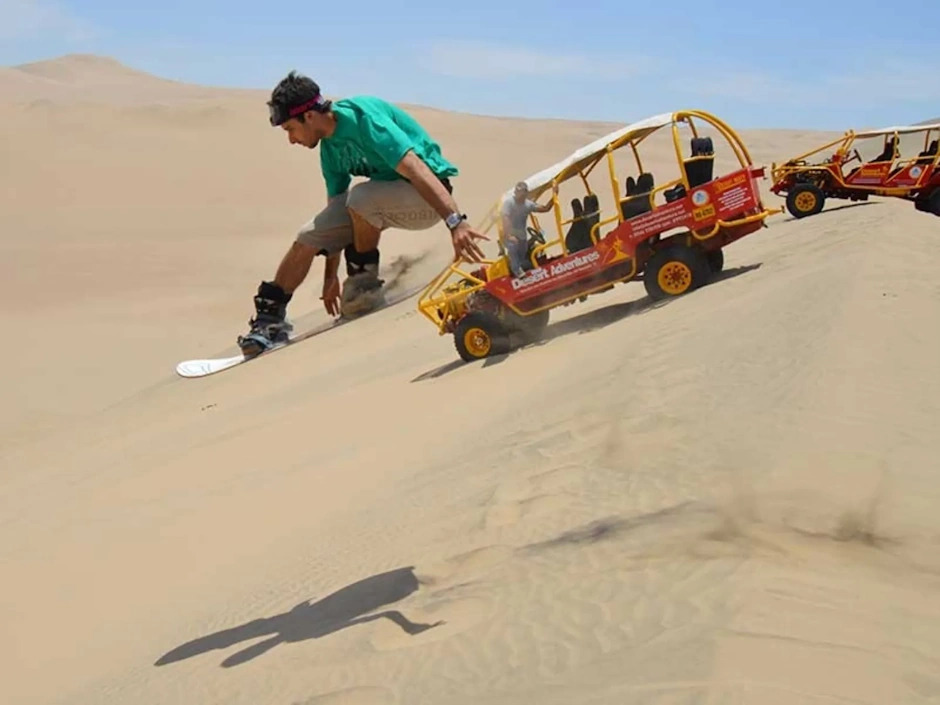
One of the most exciting activities you can experience in the deserts in Peru is sandboarding. Sliding down the enormous sand dunes, like those found in the Huacachina oasis, offers you a unique adrenaline rush. You don’t need to be an expert; there are boards and classes available for beginners, making this experience accessible to everyone.
If you’re looking for heart-pounding excitement, Huacachina Oasis in the Ica Desert is the place to be. Surrounded by massive dunes that rise hundreds of meters high, it’s the perfect destination for sandboarding—the desert’s version of snowboarding.
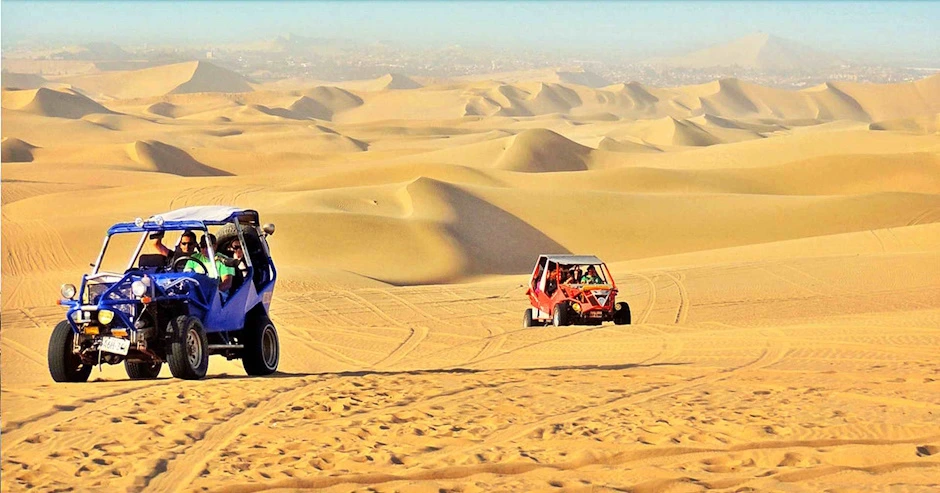
For an even more thrilling ride, hop into a dune buggy and race across the golden waves of sand as the sun sets over the horizon. The combination of speed, scenery, and adrenaline makes Huacachina one of the most unique desert experiences in South America.
Tip: Visit at sunset for the best light and incredible views of the oasis below.
-
Buggy Rides through the Desert
Another thrilling way to explore the vast Peruvian deserts is aboard a buggy. These vehicles are designed to handle sandy terrain, allowing you to venture into the heart of the desert at heart-thumping speeds. It’s an adventure that combines speed with the natural beauty of desert landscapes, offering spectacular views and the opportunity to discover areas inaccessible on foot.
-
Stargazing in the Desert Skies
The deserts in Peru, far from the light pollution of big cities, are ideal places for stargazing. The clarity of the night sky allows visitors to marvel at constellations, planets, and the Milky Way with surprising clarity. Nights of camping in the desert become a window to the universe, where the silence of the surroundings amplifies the magnificence of the night sky.
Peru’s deserts boast some of the clearest and darkest night skies in the world, making them ideal for stargazing. Away from city lights, the stars appear brighter and more numerous, creating a magical atmosphere that feels almost otherworldly.
In the Ica Desert and Nazca region, you can book specialized stargazing tours where astronomers guide you through constellations visible in the southern hemisphere. It’s a peaceful yet awe-inspiring way to connect with nature and the cosmos.
Tip: Plan your visit around the new moon for optimal star visibility.
-
Visit to the the Mysterious Nazca Lines
A trip to the Peruvian deserts would not be complete without visiting the mysterious Nazca Lines. These ancient geoglyphs, best appreciated from the air, are an archaeological wonder of great cultural significance. Flying over the Nazca Lines offers a unique perspective of these enigmatic drawings, which have captivated humanity since their discovery.
Few activities are as unique—or as mysterious—as flying over the Nazca Desert to see the Nazca Lines. These enormous ancient drawings, etched into the earth over 1,500 years ago, can only be truly appreciated from the air.
During your 30-minute flight, you’ll see giant figures such as the hummingbird, monkey, spider, and condor, each perfectly preserved in the desert sand. The origin and purpose of these geoglyphs remain one of archaeology’s greatest enigmas, making this a once-in-a-lifetime experience.
Tip: Early morning flights offer the clearest views and the calmest weather conditions.
-
Haeological Trekking
For history and adventure enthusiasts, hiking or archaeological trekking through desert areas that harbor vestiges of ancient civilizations is a must-do activity. Discovering ruins, petroglyphs, and ancient settlements in the middle of the desert allows you to connect with the past in a deep and unique way, all while enjoying the unparalleled beauty of the arid landscape.
Peru’s deserts offer far more than vast stretches of sand — they are filled with adventure, mystery, and natural beauty. Travelers can experience thrilling sandboarding and dune buggy rides in the Huacachina Oasis, fly over the mysterious Nazca Lines, or enjoy peaceful stargazing under crystal-clear skies. History enthusiasts can explore ancient engineering marvels like the Cantalloc Aqueducts and Cahuachi Ceremonial Center, while nature lovers can discover the stunning Paracas National Reserve, where the desert meets the sea.
For those seeking solitude, the Sechura Desert in northern Peru offers off-road expeditions through vast, untouched landscapes, and for a more immersive experience, travelers can camp under the stars surrounded by silence and beauty.
-
Discovering Ancient Aqueducts and Ceremonial Sites
The deserts of Peru are not empty wastelands—they are living museums filled with ancient engineering and sacred history. In Nazca, you can explore the Cantalloc Aqueducts, spiral-shaped water channels built by the Nazca civilization that still function today.
Nearby, the Cahuachi Ceremonial Center offers a glimpse into the rituals and architecture of a society that once thrived in these harsh conditions. Walking through these sites allows you to imagine how desert cultures adapted ingeniously to their environment.
Tip: Hire a local guide to understand the historical and spiritual significance of these ancient wonders.
-
Exploring the Coastal Desert of Paracas
Where desert meets the sea, the Paracas National Reserve offers one of the most unique natural settings in Peru. Here, golden dunes drop dramatically into turquoise waters, creating surreal coastal scenery.
You can explore the desert by quad bike or 4×4 vehicle, stopping at scenic viewpoints like the Cathedral Rock Formation and the Red Beach (Playa Roja). The area is also home to the Ballestas Islands, known as the “Peruvian Galápagos,” where visitors can spot sea lions, penguins, and seabirds.
Tip: Combine your desert adventure with a boat tour to the Ballestas Islands for a full-day experience.
-
Off-Road Expeditions in the Sechura Desert
In northern Peru, the Sechura Desert offers a completely different type of adventure. Vast, remote, and almost untouched by tourism, this desert is perfect for off-road driving, wildlife spotting, and photography.
Travelers can explore the Bosque de Pomac Historical Sanctuary, home to ancient Sicán pyramids, or venture toward the La Niña Lagoon, where migratory birds gather after seasonal rains. The silence and immensity of Sechura create a feeling of true isolation and discovery.
Tip: Travel with a local guide familiar with the terrain—some areas are extremely remote.
-
Camping Under the Desert Stars
For a truly immersive experience, spend a night camping in the desert. In Huacachina or Paracas, you can join organized tours that include dinner under the stars, bonfires, and comfortable tents set up on the sand dunes.
The quiet of the desert night, broken only by the wind and the crackle of the fire, makes for a peaceful and unforgettable evening.
Tip: Bring warm clothing—temperatures drop significantly at night.
Flora and Fauna: Wildlife in the Peruvian Deserts
Deserts in Peru
At first glance, the deserts in Peru may seem like arid and desolate places, but they are full of life and beauty. The flora and fauna that inhabit these spaces have adapted in fascinating ways to survive in extreme conditions, creating a unique and vibrant ecosystem.
Flora in the Peruvian Deserts
- Tara: This bush is very resistant and can be found in various deserts of Peru. Tara is known for its ability to survive with little water and for its fruits, which are an important source of tannins and are used in the leather and natural dye industry.
- San Pedro Cactus: The San Pedro cactus is emblematic of the Peruvian deserts. With its columnar structure, it can reach impressive heights and is known for its importance in various cultural and spiritual practices of local communities.
- Puya Raimondii: Although more common in the heights of the Andes, some species of Puya are found on the edges of the deserts, adapted to arid conditions. The Puya Raimondii is notable for its gigantic inflorescence, the largest of any flowering plant, which can host thousands of flowers and attract numerous pollinators.
Fauna in the Peruvian Deserts
- Andean Fox: This cunning desert dweller has developed strategies to survive in an environment with scarce resources. With its fur adapted to blend in with the sands and rocks, the Andean Fox is a key predator in the desert ecosystem.
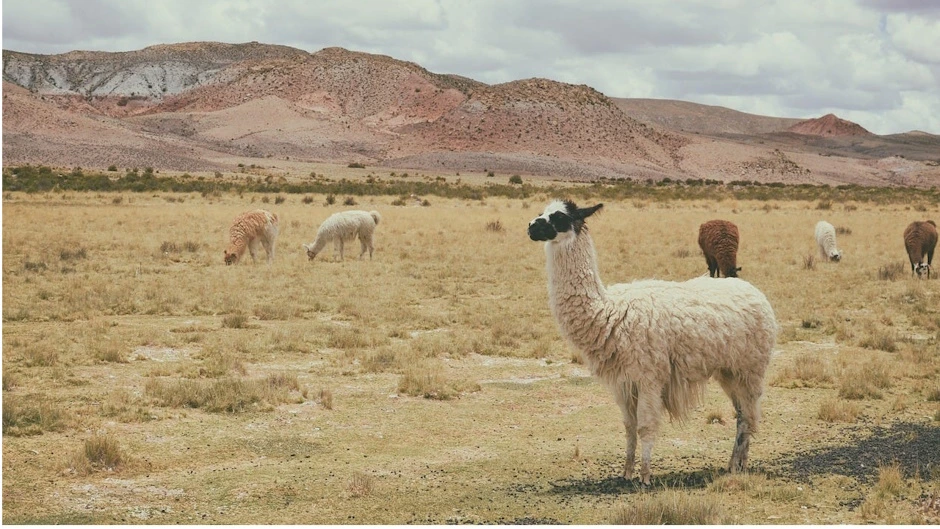
- Llama and Alpaca: Although more associated with the Andean heights, some populations of llamas and alpacas graze in areas where the desert and the highlands meet. These camelids are vital for local communities, providing wool, meat, and transportation.
- Atacama Hummingbird: Exclusive to this region, the Atacama Hummingbird is an astonishing example of adaptation, capable of surviving in the driest deserts thanks to its ability to find nectar sources in the scarce flowers that bloom.
Best Times to Visit the Deserts in Peru
Deserts in Peru
Planning a trip to the deserts in Peru requires considering when is the best time to explore these unique landscapes. Climate variations throughout the year can significantly affect your experience, so choosing the right time is crucial to enjoying everything these amazing environments have to offer.
Dry Season: May to September
The dry season, from May to September, is ideal for visiting the deserts in Peru. During these months, the sky is usually clear, providing excellent conditions for stargazing at night and unobstructed panoramic views during the day. Temperatures are pleasant, although they can drop considerably after sunset, so it’s important to bring suitable clothing for the chilly nights.
Transition Season: October and April
October and April represent the transition seasons in the Peruvian deserts. These months can offer the best of both worlds: fewer tourists than during the high season and still manageable weather for exploration. However, there is a higher chance of rainfall, especially in October, which can add a different touch to the desert experience with the occasional appearance of ephemeral vegetation.
Special Considerations
- Cultural Events: If your visit coincides with local festivities or cultural events, you can enjoy an even richer experience. Checking the events calendar can help you plan your trip.
- Specific Activities: For activities like sandboarding or buggy rides, the dry season is definitely the best choice due to the lower likelihood of rain, ensuring optimal dune
- Fauna: For nature enthusiasts interested in observing desert wildlife, it’s important to consider that some species may be more visible during certain times of the year, especially during the transition season when temperatures are milder.
How to Get There: Transportation Guide in the Deserts
Deserts in Peru
Exploring the deserts in Peru is an adventure that begins with planning how to get there. These destinations, known for their unique natural beauty, offer various transportation options to suit the needs of every traveler.
Transport to the Deserts in Peru
- From Lima to Ica and Huacachina: For those interested in visiting the desert of Ica and the oasis of Huacachina, the most common option is to take a bus from Lima. The journey takes approximately 4 hours, and there are several bus companies that offer daily services. Once in Ica, you can take a local taxi to reach Huacachina in just a few minutes.
- To the Nazca Desert: To reach the Nazca desert, known for the famous Nazca Lines, you can take a bus from Lima, which will take you directly to the city of Nazca in approximately 6 hours. Many tour operators offer aerial tours to see the lines from the sky, a unique once-in-a-lifetime experience.
- To the Sechura Desert: Getting to the Sechura desert, located in northern Peru, can be a bit more complex due to its lower tourist influx. The nearest city with good access is Piura, from where you can rent a car or take a taxi service to explore the area.
Practical Tips for Traveling to the Deserts in Peru
Deserts in Peru
Traveling to the deserts in Peru is an experience that takes you to discover landscapes of arid and awe-inspiring beauty, where the wind shapes the dunes and the sun sets on an endless horizon.
Appropriate Clothing
The weather in the deserts in Peru can be extremely hot during the day and surprisingly cold at night. Therefore, it is essential to bring lightweight and breathable clothing for the sunny hours, as well as warm clothing for after sunset. Don’t forget a wide-brimmed hat, sunglasses, and a good sunscreen to protect yourself from UV rays.
Hydration and Nutrition
Staying hydrated is crucial in the desert. Carry enough water with you for the entire day, as you may not always find places to replenish it. Additionally, it is advisable to bring snacks or non-perishable foods, rich in energy and easy to carry, such as nuts or energy bars.
Transportation and Guides
Exploring the deserts in Peru often requires suitable vehicles for sandy terrain, such as buggies or 4×4 trucks. Consider hiring specialized tours that include transportation and experienced guides. These will not only take you to the best places but also provide valuable information about the environment and ensure your safety.
Respect for the Environment
It is vital to show respect for nature and local cultures. Avoid leaving trash, do not disturb wildlife, and follow the guides’ instructions on where it is safe and allowed to travel. Preserving the natural beauty of the deserts ensures that future generations can also enjoy it.
Preparation and Safety
Before venturing out, inform someone about your itinerary and estimated time of return. Carry a mobile phone with a fully charged battery and, if possible, a GPS device. Knowing your limits is important; do not stray further than recommended by your guide or from the group.
- Discover the Wonders of Peru: with the Tour Perú Machu Picchu Nazca 15 Days
- Discover the Best of Perú: with the Tour Perú Amazon Nazca Machu Picchu 20 Days
- Travel Package to Peru Tour in Lima, Paracas, Ballestas, Nazca Lines, Colca Canyon 22 Days
visit Leading Peru Travel. Follow us on Instagram to see photos and updates from our trekking adventures. Start planning your hiking adventure now and contact us through WhatsApp! Enjoy your trip! contact us on WhatsApp
CONTACT US:
We are a Travel Agency specialized in tourist packages, if you need any information, do not hesitate to write to us.
We offer tours in Peru and Bolivia.