

Best Things to Do in Peru: Luxury Experiences
Peru is a land of ancient civilizations, breathtaking landscapes, vibrant culture, and world-renowned cuisine. From the mystical Andes to the lush Amazon rainforest and the Pacific coastline, this South American gem offers experiences that stay with you forever. If you’re planning your next adventure, here are the best things to do in Peru for an unforgettable journey.
Best Things to Do in Peru: Discover the Magic of Machu Picchu
Best Things to Do in Peru
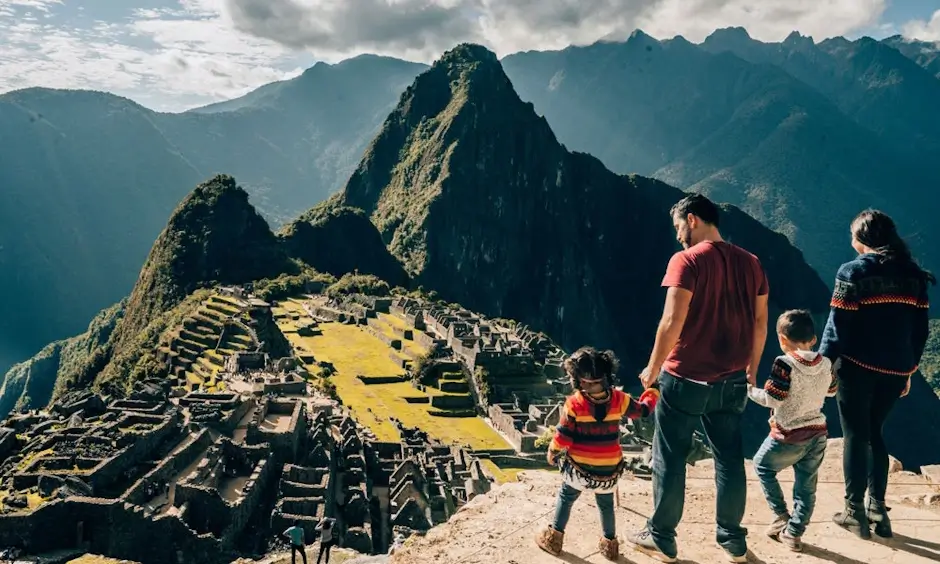
High in the Andes Mountains of Peru lies one of the most extraordinary archaeological treasures in the world: Machu Picchu. Known as the Lost City of the Incas, this breathtaking sanctuary continues to captivate travelers with its mystery, history, and spectacular scenery. Visiting Machu Picchu is not just a trip — it is a once-in-a-lifetime experience that connects you with one of the greatest civilizations in history.
A Timeless Inca Masterpiece
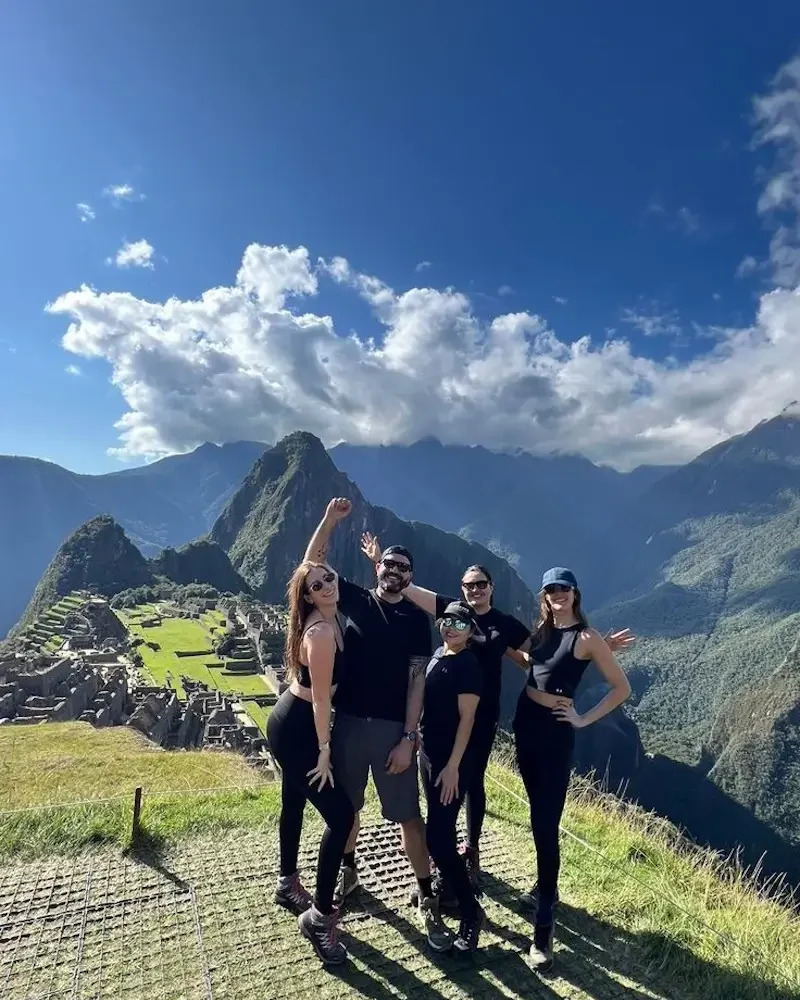
Built in the 15th century during the reign of the Inca emperor Pachacútec, Machu Picchu is a remarkable example of advanced engineering and harmonious design. Perched at 2,430 meters (7,970 feet) above sea level, the citadel blends seamlessly with its dramatic mountain surroundings.
The site features agricultural terraces, ceremonial temples, sacred plazas, and finely carved stone structures such as the Temple of the Sun and the Intihuatana stone — believed to have been an astronomical clock or ritual stone. Every corner reveals the ingenuity and spiritual depth of the Inca civilization.
The Journey to Machu Picchu
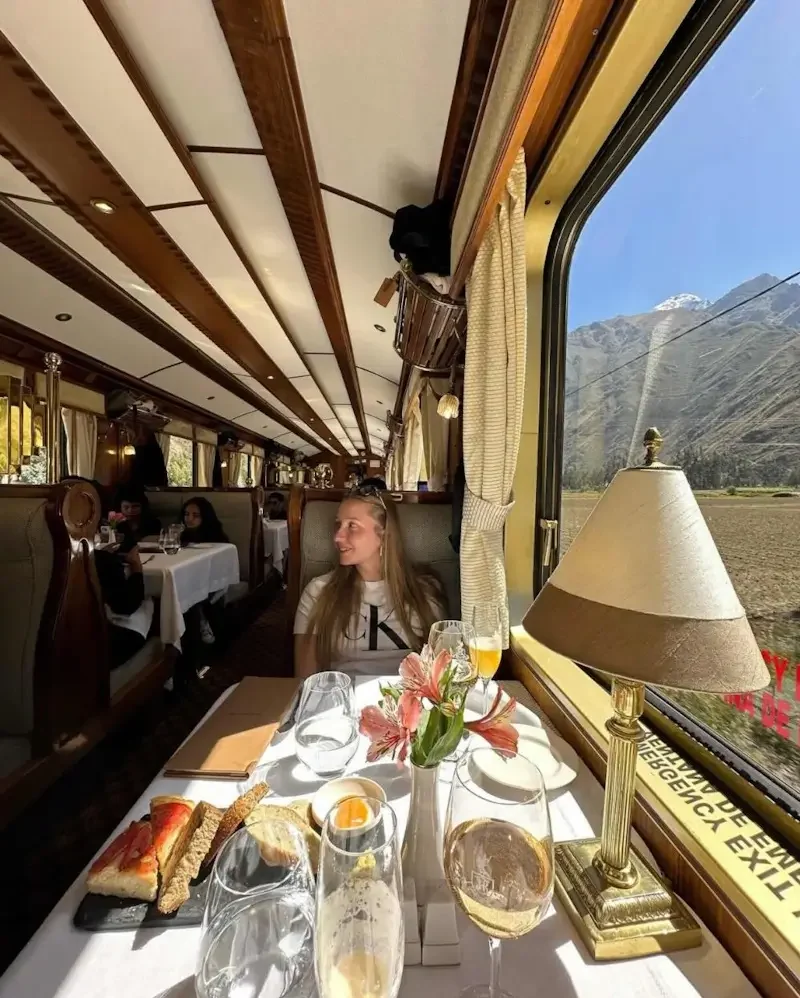
Reaching Machu Picchu is part of the adventure. Most travelers begin in Cusco, the ancient capital of the Inca Empire. From there, you can travel by scenic train through the Sacred Valley to Aguas Calientes, the gateway town to the citadel.
For those seeking a more immersive experience, the iconic Inca Trail offers a multi-day hike through cloud forests, ancient ruins, and breathtaking mountain passes before arriving at the Sun Gate (Inti Punku) at sunrise — a truly unforgettable moment.
Sunrise Over the Andes
One of the most magical experiences at Machu Picchu is witnessing the sunrise. As the first light touches the ancient stones and the mist slowly lifts from the surrounding peaks, the site feels almost mystical. The silence, broken only by the sound of nature, allows visitors to fully appreciate the spiritual atmosphere of this sacred place.
The panoramic views of Huayna Picchu Mountain rising behind the ruins create one of the most iconic landscapes in the world.
A UNESCO World Heritage Wonder
In 1983, Machu Picchu was declared a UNESCO World Heritage Site, and in 2007 it was recognized as one of the New Seven Wonders of the World. Today, strict regulations help preserve its cultural and natural significance, ensuring that future generations can continue to experience its beauty.
Visitors must choose specific circuits and entry times, making advance planning essential — especially during the high season from May to September.
More Than a Destination — A Spiritual Experience
Machu Picchu is more than impressive architecture; it is a place of deep cultural and spiritual meaning. Many travelers describe feeling a profound connection to the energy of the mountains and the legacy of the Inca people.
Whether you are passionate about history, adventure, photography, or cultural exploration, Machu Picchu offers something truly transformative.
Machu Picchu Tours: A Must-Do Experience in Peru
Machu Picchu Tours offer travelers the opportunity to explore Peru’s most iconic destination. Whether by luxury train, private excursion, or trekking adventure, visiting this ancient Inca citadel provides breathtaking scenery, fascinating history, and an unforgettable cultural experience.
Explore the Historic City of Cusco
Best Things to Do in Peru
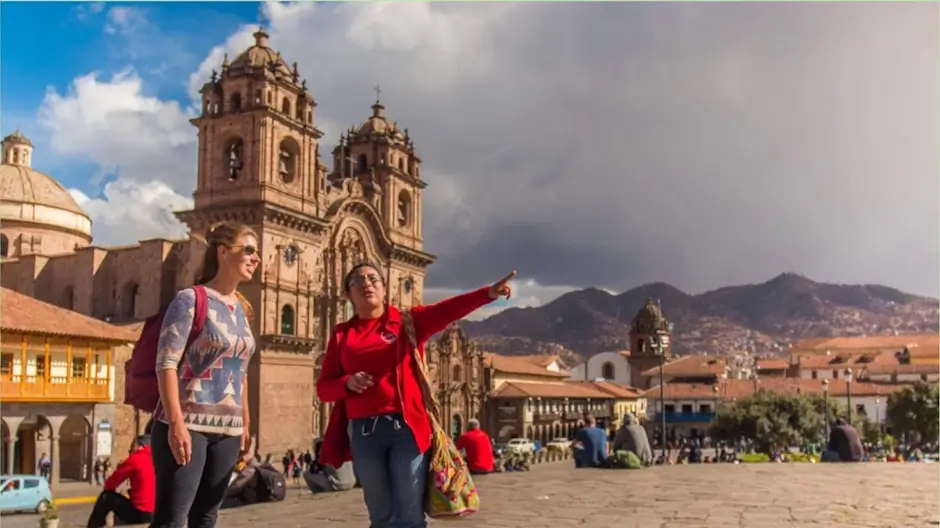
Nestled high in the Andes at 3,350 meters (11,155 feet) above sea level, Cusco is a destination where history, culture, and tradition come together in extraordinary harmony. Once the capital of the mighty Inca Empire, Cusco remains the cultural heart of Peru and the gateway to some of the country’s most iconic landmarks. Exploring this historic city is like walking through an open-air museum filled with living heritage.
The Ancient Capital of the Inca Empire
Cusco, whose name comes from the Quechua word Qosqo meaning “navel of the world,” was the political, religious, and administrative center of the Inca civilization. Although much of the original city was transformed during Spanish colonization, the Inca foundations remain remarkably intact.
One of the most impressive examples of Inca engineering is Sacsayhuamán, a massive ceremonial fortress built with enormous stones fitted together with astonishing precision. The craftsmanship reflects the advanced knowledge and skill of the Inca builders.
A Blend of Inca and Colonial Architecture
Cusco’s beauty lies in its unique architectural fusion. Spanish colonial churches and mansions were built directly on top of Inca stone walls, creating a striking visual contrast.
The heart of the city is the Plaza de Armas, surrounded by historic landmarks such as the Cathedral of Cusco and the Church of La Compañía de Jesús. Nearby, visitors can explore the Qorikancha (Temple of the Sun), once the most sacred temple of the Inca Empire, later incorporated into the Convent of Santo Domingo.
As you stroll through the narrow cobblestone streets of neighborhoods like San Blas, you’ll discover artisan workshops, charming cafés, and breathtaking viewpoints overlooking the red-tiled rooftops of the city.
A Living Cultural Experience
Cusco is not only about ancient ruins — it is a vibrant city where traditions remain alive. Throughout the year, colorful festivals and celebrations fill the streets with music, dance, and elaborate costumes. One of the most important festivals is Inti Raymi, the Festival of the Sun, celebrated every June in honor of the Inca sun god.
Local markets such as San Pedro Market offer an authentic glimpse into daily life. Here, you can sample traditional Andean products, fresh fruits, and local dishes while interacting with friendly vendors.
Gateway to the Sacred Valley and Machu Picchu
Cusco serves as the perfect base for exploring the Sacred Valley and the world-famous Machu Picchu. Many travelers spend a few days in the city to acclimatize to the altitude before continuing their journey to these iconic destinations.
Whether by train, guided tour, or trekking adventure, every unforgettable Peruvian experience often begins in Cusco.
Gastronomy and Modern Comfort
Beyond its history, Cusco also offers an excellent culinary scene. From traditional Andean dishes to contemporary fusion cuisine, the city caters to every palate. Boutique hotels, luxury accommodations, and cozy guesthouses ensure a comfortable stay while preserving the city’s colonial charm.
Experience the Beauty of the Sacred Valley
Best Things to Do in Peru
Hidden between majestic Andean peaks and nourished by the Urubamba River lies one of Peru’s most breathtaking regions: the Sacred Valley. Known as the heartland of the Inca civilization, this fertile valley offers a perfect combination of spectacular landscapes, ancient history, living culture, and unforgettable experiences.
Visiting the Sacred Valley is more than a scenic excursion — it is an immersive journey into the spirit of the Andes.
A Landscape Shaped by Nature and History
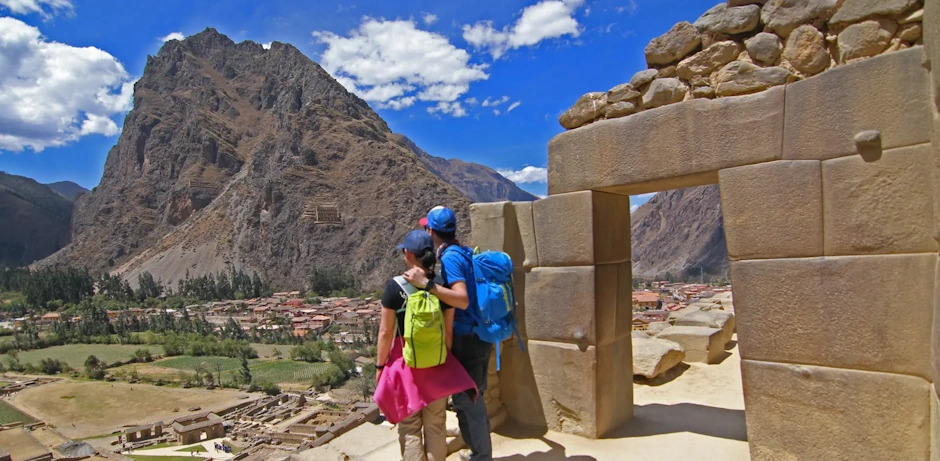
The Sacred Valley stretches between the cities of Cusco and Machu Picchu, sitting at a slightly lower altitude than Cusco, which makes it ideal for acclimatization. Surrounded by towering mountains and dramatic cliffs, the valley’s green fields and flowing rivers create a peaceful and picturesque setting.
The Incas considered this region sacred due to its fertile lands and its strategic importance. Today, visitors can still admire impressive agricultural terraces carved into the mountainsides, demonstrating the advanced engineering skills of this ancient civilization.
Discover Ancient Inca Sites
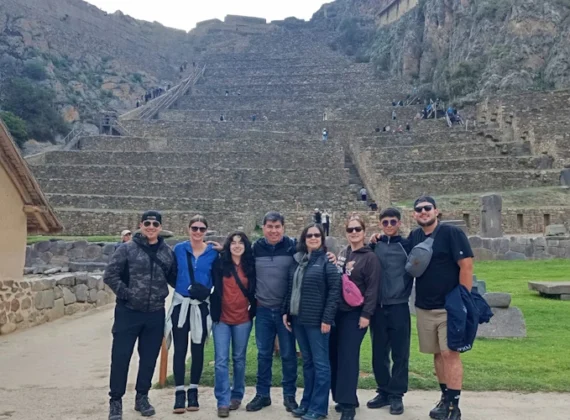
The Sacred Valley is home to some of the most remarkable archaeological sites in Peru. One of the highlights is Ollantaytambo, a living Inca town with original stone streets and an imposing fortress that overlooks the valley. Climbing its terraces rewards travelers with panoramic views and a deeper understanding of Inca military and religious architecture.
Another must-visit site is Pisac, famous for its mountaintop ruins and vibrant artisan market. The site features agricultural terraces, ceremonial structures, and sweeping views of the valley below.
Connect with Living Andean Culture
Beyond its archaeological wonders, the Sacred Valley is a place where traditions remain alive. Local communities continue to practice ancient weaving techniques, agriculture, and spiritual ceremonies rooted in Andean cosmology.
Visitors can participate in cultural experiences such as textile workshops, traditional cooking classes, or Andean ceremonies honoring Pachamama (Mother Earth). These authentic encounters provide a meaningful connection to the region’s heritage.
Adventure in the Andes
For adventure seekers, the Sacred Valley offers endless possibilities. Hiking, mountain biking, horseback riding, and river rafting allow travelers to explore the valley from different perspectives.
The valley is also the starting point for the iconic journey to Machu Picchu, whether by scenic train or trekking routes that cross breathtaking mountain landscapes.
A Destination for Relaxation and Luxury
The Sacred Valley is also known for its tranquil atmosphere and luxury accommodations. Boutique hotels and eco-lodges blend harmoniously with nature, offering wellness experiences such as yoga sessions, spa treatments, and farm-to-table dining using fresh local ingredients.
The slower pace of life here invites visitors to relax, breathe deeply, and fully appreciate the beauty of their surroundings.
Sacred Valley Tours Discover the Heart of the Inca Empire
Sacred Valley Tours take travelers through stunning landscapes, ancient archaeological sites, and traditional Andean villages. Exploring the Sacred Valley offers a unique opportunity to experience the rich history, culture, and natural beauty of one of Peru’s most fascinating regions.
Sail Across Lake Titicaca
Best Things to Do in Peru
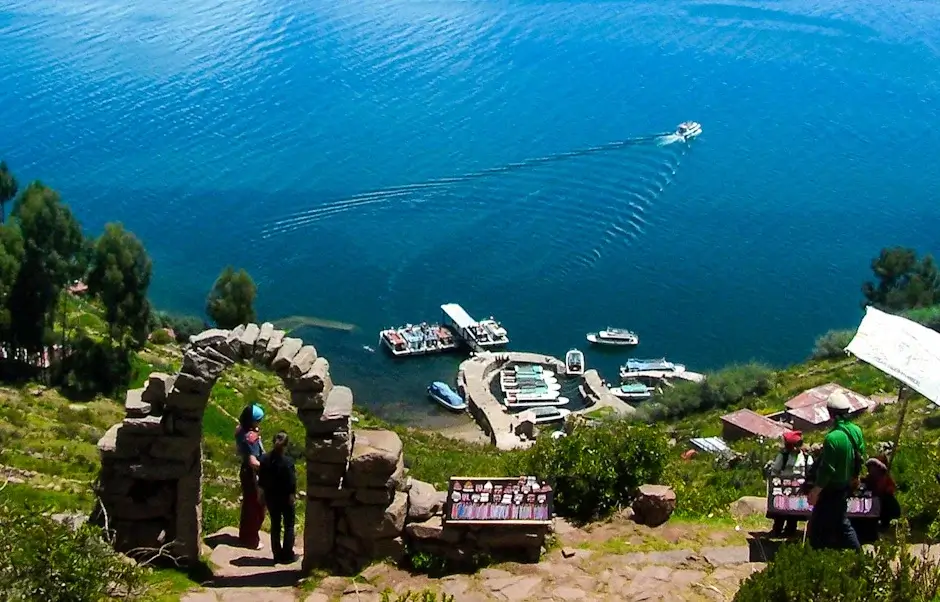
High in the Andes, where the sky feels closer to the earth, lies the legendary Lake Titicaca — the highest navigable lake in the world. Straddling the border between Peru and Bolivia, this vast body of deep blue water is more than a scenic destination; it is a place of ancient legends, living traditions, and breathtaking natural beauty.
Sailing across Lake Titicaca is an unforgettable journey into the heart of Andean culture.
A Sacred Lake of the Incas
For the Inca civilization, Lake Titicaca was the birthplace of the sun and the origin of their empire. According to legend, the first Inca rulers emerged from its waters, sent by the sun god Inti to found the great city of Cusco.
Even today, the lake holds deep spiritual significance for local communities who continue to honor their ancestral traditions.
Visit the Floating Islands of the Uros
One of the most unique experiences on Lake Titicaca is visiting the floating islands of the Uros people. These remarkable islands are entirely constructed from totora reeds, which grow abundantly in the shallow waters of the lake.
The Uros have preserved their way of life for centuries, building homes, boats, and even schools from reeds. A boat ride to these islands offers visitors the opportunity to learn about traditional customs, craftsmanship, and daily life in this extraordinary environment.
Discover the Authentic Culture of Taquile Island
Another highlight of sailing Lake Titicaca is Taquile Island, known for its strong cultural identity and exceptional textile traditions. The island’s inhabitants are famous for their intricate handwoven garments, recognized by UNESCO as Intangible Cultural Heritage.
Here, life moves at a peaceful pace. Visitors can hike along scenic trails, enjoy panoramic views of the lake, and share a traditional meal prepared with fresh local ingredients while learning about the island’s communal way of life.
Breathtaking Andean Scenery
Beyond its cultural richness, Lake Titicaca offers stunning natural landscapes. Snow-capped peaks in the distance, vast open skies, and shimmering waters create a serene and almost mystical atmosphere.
Sunrise and sunset are particularly magical moments, when the light reflects off the water and the mountains glow in golden hues.
A Journey from Puno
Most excursions to Lake Titicaca begin in Puno, a lively lakeside city known as the folklore capital of Peru. From here, guided boat tours take travelers to the Uros Islands, Taquile Island, and other remote communities across the lake.
Whether you choose a half-day tour or an overnight stay with a local family, the experience offers a deep cultural connection and a memorable adventure.
Taste the Flavors of Lima
Best Things to Do in Peru
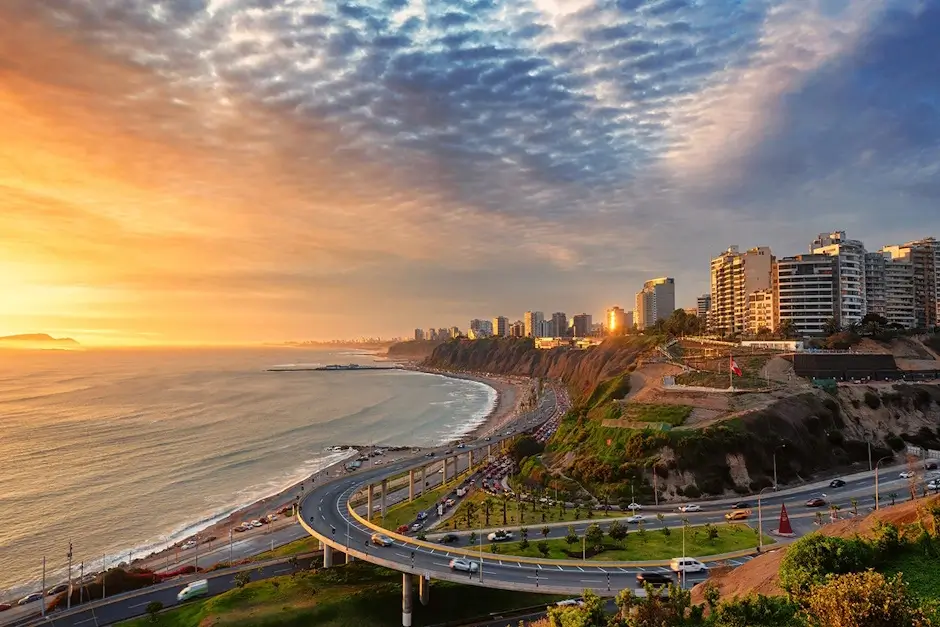
Peru’s vibrant capital, Lima, is widely recognized as the gastronomic capital of South America. Overlooking the Pacific Ocean and enriched by a blend of Indigenous, Spanish, African, Chinese, and Japanese influences, Lima offers a culinary scene that is both deeply traditional and boldly innovative.
To taste the flavors of Lima is to experience the heart and soul of Peru through every bite.
A World-Class Culinary Destination
In recent decades, Lima has earned global recognition for its cutting-edge restaurants and visionary chefs. Establishments like Central and Maido have consistently ranked among the best restaurants in the world, redefining Peruvian cuisine with creativity and precision.
These restaurants showcase Peru’s extraordinary biodiversity, using ingredients sourced from the coast, the Andes, and the Amazon to create unforgettable tasting menus that tell a story of geography and culture.
The Iconic Ceviche
No visit to Lima is complete without trying ceviche, Peru’s most emblematic dish. Fresh fish marinated in lime juice, mixed with red onion, chili, and cilantro, creates a refreshing and flavorful combination that perfectly reflects the city’s coastal identity.
Enjoy it at a traditional cevichería in neighborhoods like Miraflores or Barranco, where the Pacific Ocean provides the freshest daily catch.
A Fusion of Cultures on the Plate
Lima’s gastronomy is a true fusion of cultures. Chinese immigration gave rise to chifa cuisine, blending Cantonese techniques with Peruvian ingredients, while Japanese influence shaped the refined and delicate Nikkei style.
Dishes like lomo saltado — a stir-fry of beef, onions, tomatoes, and soy sauce — perfectly represent this cultural blending. Meanwhile, traditional dishes such as ají de gallina and anticuchos reflect Peru’s rich colonial and Indigenous heritage.
Markets and Street Food
For a more authentic experience, visit local markets such as Surquillo Market. Here, colorful stands overflow with exotic fruits, fresh seafood, Andean potatoes, and aromatic herbs. It’s an excellent place to understand the diversity of Peruvian ingredients and interact with local vendors.
Street food is equally enticing. From freshly made churros to savory empanadas and grilled skewers, Lima’s casual food scene is vibrant and full of flavor.
The Perfect Pisco Sour
No culinary journey in Lima would be complete without tasting Peru’s national cocktail: the pisco sour. Made with pisco (a grape brandy), lime juice, simple syrup, egg white, and a dash of bitters, this refreshing drink is the perfect complement to any meal.
Many rooftop bars along Lima’s coastline offer spectacular sunset views, creating an ideal setting to raise a glass and toast to your Peruvian adventure.
A Culinary Experience Beyond Food
Dining in Lima is more than just eating — it’s an immersive cultural experience. From elegant fine-dining restaurants to cozy neighborhood eateries, each meal reflects the country’s history, geography, and creativity.
The city’s chefs are proud ambassadors of Peru’s culinary heritage, constantly innovating while honoring traditional roots.
Venture into the Amazon Rainforest
Best Things to Do in Peru
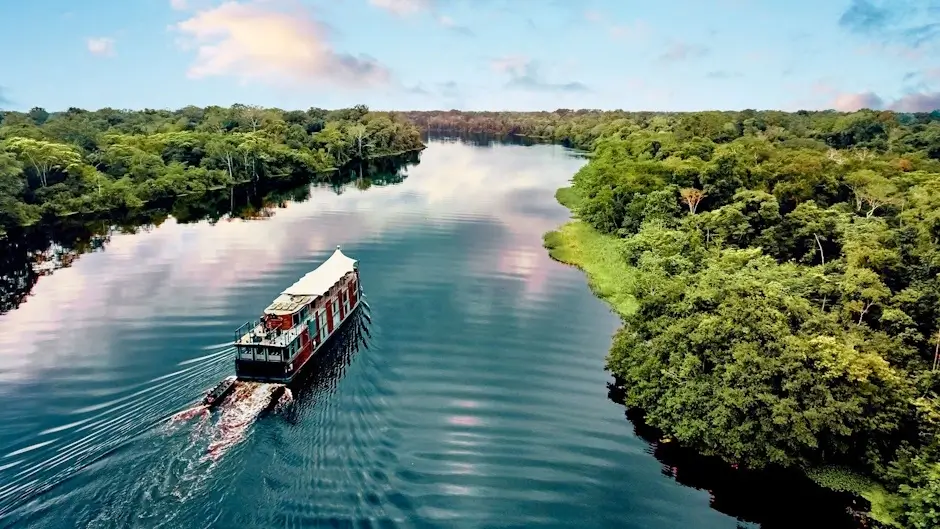
Deep in the heart of South America lies one of the most extraordinary ecosystems on Earth: the Amazon Rainforest. Covering vast stretches of Peru, this lush and vibrant jungle is a paradise for nature lovers, adventure seekers, and travelers looking for an authentic connection with the natural world.
Venturing into the Amazon Rainforest is not just a trip — it is an immersive journey into one of the planet’s greatest wonders.
A World of Unmatched Biodiversity
The Peruvian Amazon is home to an astonishing variety of wildlife and plant species. Towering trees, winding rivers, and dense vegetation create a complex ecosystem where life thrives in every corner.
During guided excursions, visitors may spot colorful macaws flying overhead, playful monkeys swinging through the canopy, sloths resting in treetops, and even pink river dolphins swimming in the Amazon’s tributaries. The jungle is alive with sound — birds calling at dawn, insects humming at dusk, and the distant rustle of hidden creatures.
Gateway Cities to the Jungle
Most Amazon adventures in Peru begin in Puerto Maldonado or Iquitos.
Puerto Maldonado provides access to the Tambopata National Reserve, known for its rich wildlife and clay licks where parrots gather in vibrant displays of color. Iquitos, the largest city in the world inaccessible by road, opens the door to deeper Amazon expeditions along the mighty Amazon River itself.
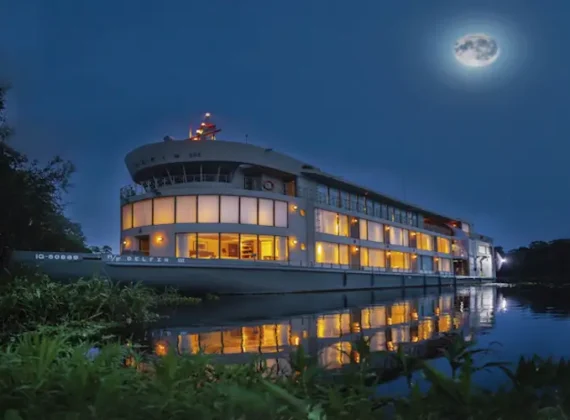
From these gateway cities, travelers journey by boat to eco-lodges nestled within the rainforest.
Stay in an Eco-Lodge
Accommodation in the Amazon is a unique experience. Eco-lodges are designed to blend harmoniously with nature while offering comfort and sustainability. Staying in the jungle allows you to wake up to the sounds of birds and fall asleep to the symphony of the forest.
Many lodges offer guided activities such as canopy walks, river kayaking, jungle hikes, and night safaris — when the rainforest reveals a completely different world of nocturnal wildlife.
Cultural Encounters
The Amazon is not only rich in biodiversity but also in cultural heritage. Indigenous communities have lived in harmony with the forest for generations, preserving ancestral knowledge about medicinal plants, wildlife, and sustainable living.
Visitors can learn about traditional practices, local crafts, and the deep spiritual connection between the people and the rainforest. These experiences provide meaningful insight into life in one of the most remote regions of Peru.
Adventure and Exploration
Exploring the Amazon means embracing adventure. Navigate winding rivers by canoe, walk across suspended bridges high above the forest floor, or trek through jungle trails with expert naturalist guides who reveal the hidden secrets of the ecosystem.
Every excursion offers a sense of discovery, reminding travelers of the importance of protecting this vital natural treasure.
Marvel at the Nazca Lines

Best Things to Do in Peru
In the vast coastal desert of southern Peru lies one of the world’s greatest archaeological mysteries: the Nazca Lines. Stretching across the arid plains for miles, these enormous geoglyphs have fascinated historians, scientists, and travelers for decades. To marvel at the Nazca Lines is to witness an ancient masterpiece etched into the earth itself.
An Ancient Desert Mystery
Created between 500 BCE and 500 CE by the Nazca culture, the Nazca Lines consist of hundreds of figures — including animals, plants, and geometric shapes — drawn directly into the desert surface. By removing the reddish top layer of stones to reveal the lighter soil beneath, the Nazca people created designs so large they can only be fully appreciated from above.
Among the most famous figures are the hummingbird, the monkey, the spider, and the condor, each stretching hundreds of meters across the desert floor.
A View from the Sky
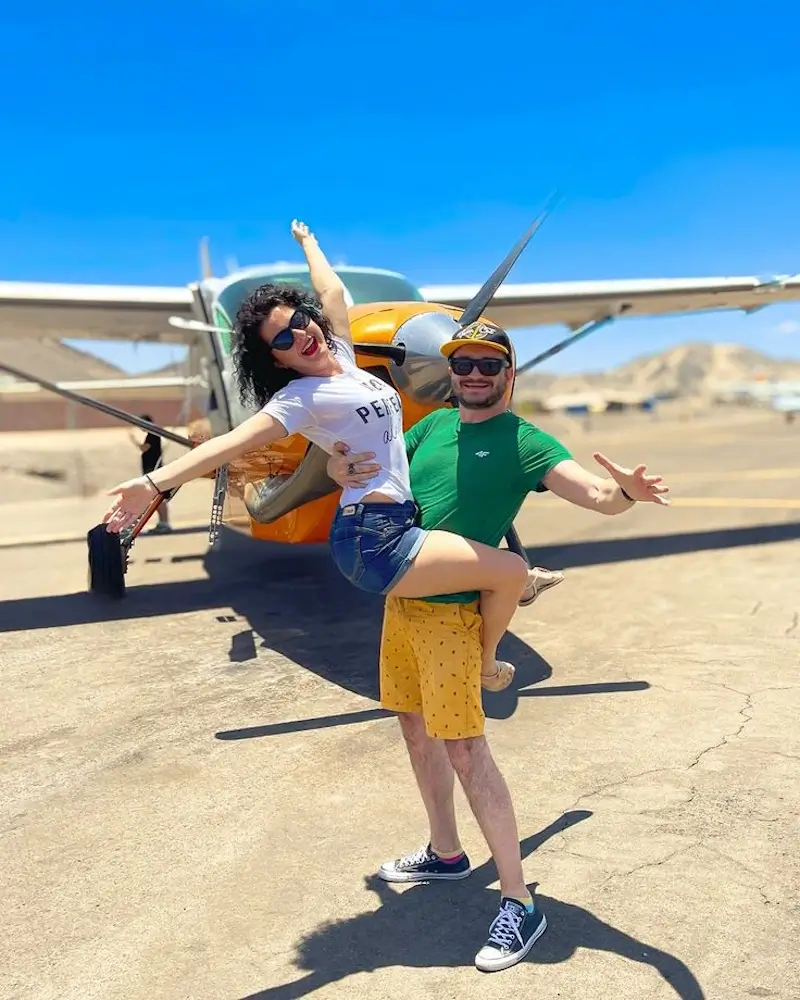
The most popular way to experience the Nazca Lines is by taking a scenic flight over the desert. From the air, the immense scale and precision of the designs become astonishingly clear. Seeing the perfectly formed shapes carved into such an expansive landscape is a truly unforgettable moment.
For those who prefer to stay on the ground, observation towers along the Pan-American Highway provide partial views of some figures, offering a glimpse into this ancient enigma.
Theories Behind Their Creation
The true purpose of the Nazca Lines remains a subject of debate. Some researchers believe they had astronomical significance, aligning with celestial events. Others suggest they were part of ceremonial rituals related to water and fertility, crucial in this dry desert environment.
Regardless of their exact meaning, the lines demonstrate remarkable planning, organization, and cultural depth within the Nazca civilization.
The Surrounding Desert Landscape
Beyond the geoglyphs themselves, the surrounding Nazca Desert offers a stark and beautiful landscape. The contrast between the golden sand, distant mountains, and endless sky creates a dramatic setting that enhances the sense of mystery.
Nearby archaeological sites and museums provide additional context about the Nazca culture, including their intricate pottery and advanced irrigation systems.
A UNESCO World Heritage Site
Recognized as a UNESCO World Heritage Site in 1994, the Nazca Lines are carefully protected to preserve their integrity. Strict regulations ensure that this fragile treasure remains intact for future generations to study and admire.
Discover the Colors of Rainbow Mountain

Best Things to Do in Peru
High in the Peruvian Andes, where snow-capped peaks touch the sky and herds of alpacas roam freely, rises one of the country’s most spectacular natural wonders: Rainbow Mountain. Also known as Vinicunca, this breathtaking destination has become one of Peru’s most photographed landscapes, captivating travelers with its vibrant mineral-striped slopes.
To discover the colors of Rainbow Mountain is to witness nature’s artistry at its most dramatic.
A Natural Geological Masterpiece
Rainbow Mountain’s striking colors are the result of millions of years of geological evolution. Layers of sediment rich in minerals such as iron oxide, copper, and sulfur created bands of red, turquoise, gold, and lavender across the mountain’s surface.
At an altitude of over 5,000 meters (16,400 feet), the landscape feels otherworldly. The contrast between the colorful slopes, the surrounding snow-dusted peaks, and the deep blue Andean sky creates an unforgettable visual experience.
The Journey Through the Andes
Most excursions to Rainbow Mountain begin in Cusco, the historic capital of the Inca Empire. The adventure typically includes a scenic drive through remote Andean villages before starting the hike toward the summit viewpoint.
The trek takes several hours and can be physically challenging due to the high altitude. However, the journey itself is part of the magic — along the way, you’ll pass grazing llamas and alpacas, rolling highland plains, and local communities dressed in traditional Andean attire.
A Rewarding Summit View
Reaching the viewpoint is an incredible accomplishment. From the top, panoramic views reveal the full spectrum of colors that give Rainbow Mountain its name. Nearby, the imposing Ausangate Mountain — one of the highest peaks in Peru — adds to the grandeur of the scenery.
The crisp mountain air and vast open landscapes create a sense of tranquility and awe that stays with you long after the hike ends.
Best Time to Visit
The best time to explore Rainbow Mountain is during the dry season, from May to September, when clear skies enhance the vivid colors of the mountain. Early morning departures are recommended to avoid crowds and to enjoy the soft natural light that highlights the mineral stripes.
Proper acclimatization in Cusco or the Sacred Valley before the hike is essential to fully enjoy the experience.
An Authentic Andean Experience
Beyond its natural beauty, visiting Rainbow Mountain offers a glimpse into rural Andean life. Many tours are operated in partnership with local communities, supporting sustainable tourism and preserving traditional livelihoods.
Interacting with local families and observing their way of life adds a meaningful cultural dimension to the adventure.
Relax in Paracas and the Ballestas Islands
Best Things to Do in Peru
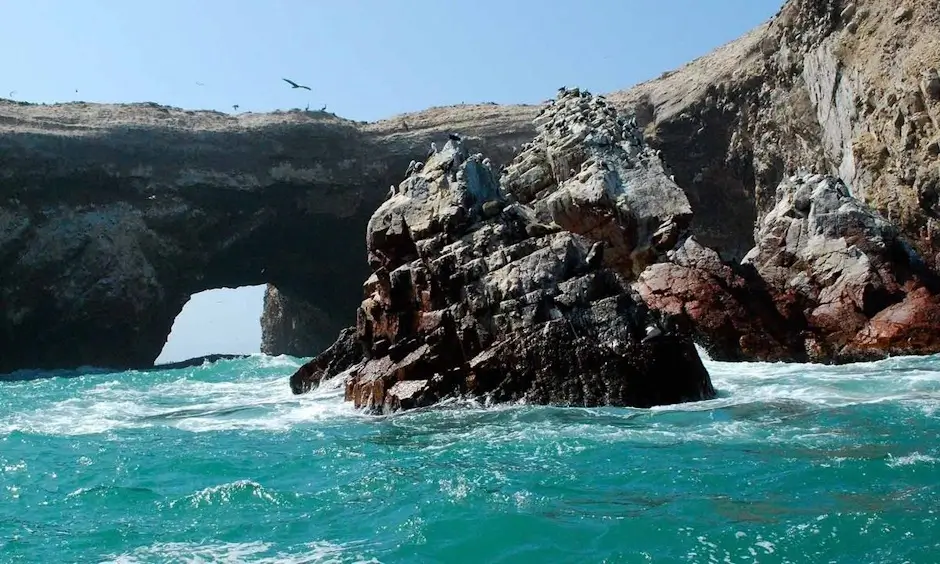
Along Peru’s stunning southern coastline lies a peaceful escape where desert landscapes meet the Pacific Ocean: Paracas. Known for its natural beauty, rich marine life, and tranquil atmosphere, Paracas offers the perfect balance between relaxation and adventure. Just offshore, the remarkable Ballestas Islands provide an unforgettable wildlife experience.
Together, these destinations create one of Peru’s most refreshing coastal getaways.
A Coastal Paradise in the Desert
Paracas is located about four hours south of Lima and is famous for its unique desert-meets-ocean scenery. Golden sand dunes stretch toward dramatic cliffs that plunge into the deep blue sea, creating breathtaking panoramic views.
The nearby Paracas National Reserve protects this fragile ecosystem, home to diverse marine species and migratory birds. Visitors can explore the reserve by car or bicycle, stopping at scenic viewpoints and hidden beaches that offer a sense of serenity and connection with nature.
Explore the Wildlife of the Ballestas Islands
A short boat ride from Paracas takes you to the Ballestas Islands, often referred to as the “Poor Man’s Galápagos” due to their extraordinary biodiversity.
During the excursion, you may encounter large colonies of sea lions lounging on rocky shores, Humboldt penguins nesting among the cliffs, and thousands of seabirds circling overhead. The islands are also famous for the mysterious Candelabra geoglyph, an enormous prehistoric design etched into the desert hillside, visible from the sea.
The boat tour offers spectacular photo opportunities and an up-close look at Peru’s vibrant marine ecosystem.
Relaxation by the Sea
Beyond its wildlife adventures, Paracas is an ideal destination for relaxation. The town offers charming seaside hotels, boutique accommodations, and luxury resorts with ocean views.
Enjoy fresh seafood at waterfront restaurants, stroll along the marina at sunset, or simply unwind while listening to the gentle sound of the waves. The peaceful atmosphere makes Paracas perfect for couples, families, or travelers looking to slow down after exploring the Andes.
Adventure and Water Activities
For those seeking more activity, Paracas also offers kayaking, paddleboarding, and boat excursions along the coast. The calm waters and mild climate create ideal conditions for outdoor exploration.
Nearby sand dunes provide opportunities for sandboarding and dune buggy rides, adding a touch of adrenaline to your coastal retreat.
Best Time to Visit
Paracas enjoys pleasant weather year-round, with sunshine and minimal rainfall. The best time for wildlife viewing at the Ballestas Islands is during the early morning, when animals are most active and sea conditions are calmer.
Explore the White City of Arequipa
Best Things to Do in Peru
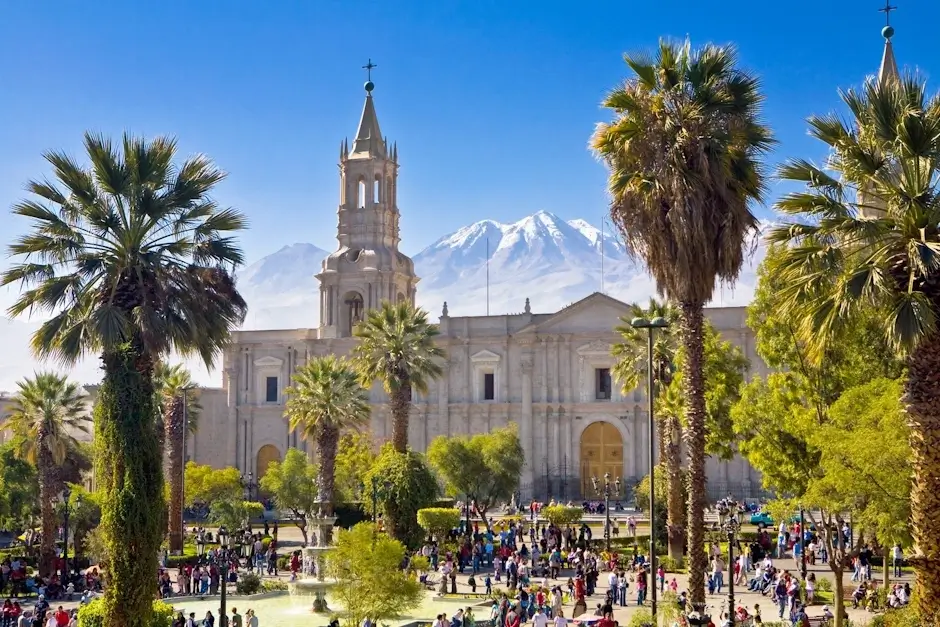
Surrounded by towering volcanoes and bathed in year-round sunshine, Arequipa is one of Peru’s most captivating destinations. Known as “The White City” due to its elegant buildings constructed from white volcanic stone called sillar, Arequipa offers a perfect blend of colonial beauty, rich history, vibrant culture, and dramatic natural landscapes.
Exploring Arequipa is like stepping into a city where tradition and grandeur coexist beneath the Andean sky.
A UNESCO World Heritage Treasure
Arequipa’s historic center has been recognized as a UNESCO World Heritage Site thanks to its stunning colonial architecture and harmonious urban design. Walking through its cobblestone streets, visitors admire grand churches, arched cloisters, and ornate mansions carved from luminous white stone.
At the heart of the city lies the Plaza de Armas, framed by palm trees and dominated by the impressive Cathedral of Arequipa. The blend of Spanish colonial design and indigenous craftsmanship gives the city a distinctive architectural identity.
Discover the Beauty of Santa Catalina Monastery
One of the most iconic landmarks in Arequipa is the Santa Catalina Monastery. Founded in 1579, this vast religious complex is often described as a “city within a city.” Its vibrant blue and terracotta walls, narrow alleyways, peaceful courtyards, and preserved chapels create an enchanting atmosphere.
Exploring the monastery offers insight into centuries of religious life and provides countless picturesque corners perfect for photography.
Gateway to Colca Canyon
Arequipa is also the starting point for visiting Colca Canyon, one of the deepest canyons in the world. The dramatic landscape of rugged cliffs, terraced hillsides, and remote villages makes it a must-see for nature lovers.
One of the highlights of visiting Colca Canyon is spotting the majestic Andean condor soaring effortlessly above the valley — a truly awe-inspiring sight.
A Culinary Capital of the Andes
Arequipa is famous for its traditional cuisine, often considered among the best in Peru. Local picanterías (traditional restaurants) serve hearty regional dishes such as rocoto relleno (stuffed spicy pepper), adobo arequipeño, and flavorful soups prepared with local ingredients.
Dining in Arequipa is an authentic cultural experience that reflects the region’s agricultural heritage and culinary creativity.
Surrounded by Majestic Volcanoes
The city’s skyline is dominated by the impressive Misti Volcano, along with Chachani and Pichu Pichu. These snow-capped peaks create a breathtaking backdrop and offer opportunities for trekking and adventure for experienced hikers.
Whether viewed from a rooftop terrace at sunset or explored up close on a guided hike, the volcanic landscape adds to Arequipa’s dramatic charm.
- Eplore Peru: From Vibrant Lima to Mystical Machu Picchu and Majestic Lake Titicaca 8 Days
- Perú Travel with Tour Lima Cusco Machu Picchu Lake Titicaca 7 Days
- Explore the Wonders of Cusco with City Tour and Machu Picchu 3 Days
- Explore Peru with the Lima Cusco Machu Picchu Huayna Picchu Tour 6 Days
For more information and to book your trip, contact us on WhatsApp. Follow us on Instagram for the latest updates and travel inspiration.
CONTACT US:
We are a Travel Agency specialized in tourist packages, if you need any information, do not hesitate to write to us.
We offer tours in Peru and Bolivia.