

Astrotourism in San Pedro de Atacama | Leading Peru Travel
San Pedro de Atacama is one of the world’s top destinations for astrotourism, thanks to its exceptionally clear skies, extremely dry climate, high altitude, and minimal light pollution. Located in northern Chile, this desert region offers ideal conditions for observing stars, planets, galaxies, and the Milky Way throughout most of the year.
Astrotourism in San Pedro de Atacama include guided night tours with professional telescopes, naked-eye stargazing under dark skies, astrophotography sessions, and cultural experiences that connect modern astronomy with the ancestral cosmovision of Andean cultures. Visitors can also learn about the region’s importance to global astronomical research, as it hosts some of the most advanced observatories in the world.
Available year-round, with the best conditions typically between March and November—especially during new moon phases—astrotourism in San Pedro de Atacama offers a unique blend of science, nature, and culture. It is an unforgettable experience for travelers seeking to connect with the universe under some of the clearest skies on Earth.
Why Is San Pedro de Atacama Ideal for Astrotourism?
Astrotourism in San Pedro de Atacama
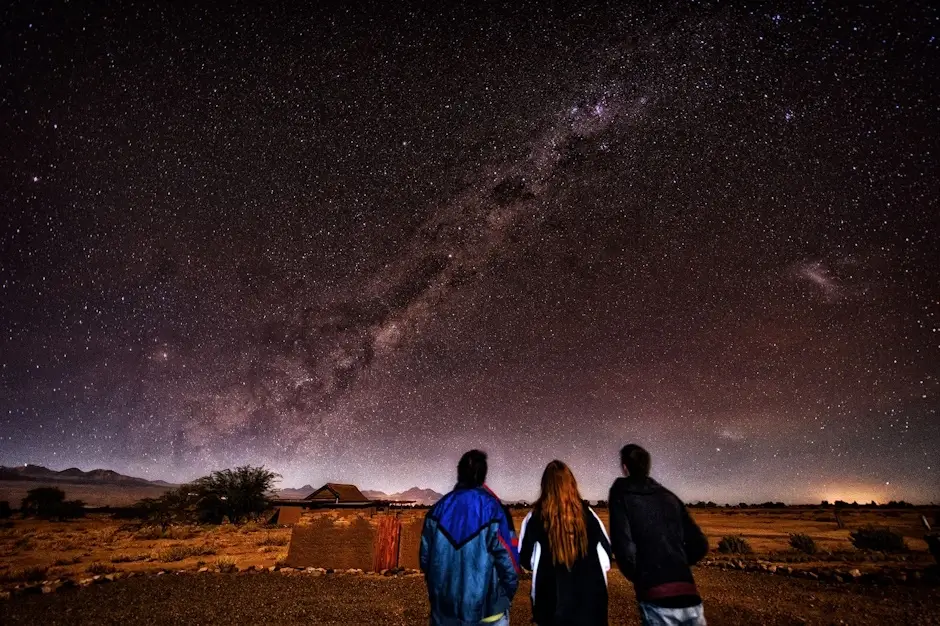
San Pedro de Atacama, located in northern Chile, is internationally recognized as one of the best destinations on Earth for stargazing and astrotourism. Its exceptional natural conditions, combined with advanced astronomical infrastructure and cultural heritage, make it a unique place to explore the universe.
One of the Clearest Skies in the World
The Atacama Desert is famous for having over 300 clear nights per year, allowing visitors to enjoy uninterrupted views of the night sky. The absence of clouds ensures optimal visibility of stars, planets, and deep-sky objects throughout most of the year.
Extremely Dry Climate
San Pedro de Atacama lies in one of the driest deserts on the planet. Low humidity reduces atmospheric distortion, resulting in sharper and brighter celestial observations. This dryness is one of the main reasons why major international observatories have been built in the region.
High Altitude for Better Visibility
Situated at an altitude of approximately 2,400 meters (7,900 feet) above sea level, San Pedro offers thinner air and less atmospheric interference. This elevation significantly improves the clarity of the sky, enhancing both naked-eye stargazing and telescope observations.
Minimal Light Pollution
Far from large cities, San Pedro de Atacama enjoys very low levels of light pollution. The darkness of the desert nights allows the Milky Way, constellations, and faint celestial bodies to appear with extraordinary detail—an experience rarely possible in urban areas.
Home to World-Class Astronomical Observatories
Chile hosts some of the most advanced observatories on the planet, including facilities near San Pedro de Atacama. The region’s exceptional conditions support cutting-edge scientific research, reinforcing its reputation as a global center for astronomy.
Perfect Conditions for Astrophotography
The combination of dark skies, dry air, and stunning desert landscapes makes San Pedro de Atacama a dream destination for astrophotographers. Capturing stars over salt flats, volcanoes, and ancient rock formations creates unforgettable images of the cosmos.
Astronomy Linked to Ancestral Culture
Astrotourism in San Pedro is not only scientific but also cultural. Indigenous Atacameño communities have long observed the sky to guide agricultural cycles and spiritual practices. Today, many stargazing experiences incorporate this ancestral knowledge, adding depth and meaning to celestial observation.
Year-Round Astrotourism Opportunities
Although astrotourism is possible year-round, the best viewing conditions typically occur between March and November, especially during new moon phases when the sky is at its darkest.
A Gateway to the Universe
San Pedro de Atacama offers a rare combination of natural perfection, scientific importance, and cultural richness. Whether you are an astronomy enthusiast, a photographer, or a curious traveler, this destination provides an unforgettable opportunity to connect with the universe under some of the clearest skies on Earth.
Astrotourism Experiences in San Pedro de Atacama
Astrotourism in San Pedro de Atacama
San Pedro de Atacama, located in northern Chile, is one of the world’s most extraordinary destinations for astrotourism. With its crystal-clear skies, extreme dryness, high altitude, and minimal light pollution, this desert oasis offers unforgettable opportunities to explore the universe. Astrotourism in San Pedro goes far beyond simple stargazing—it is an immersive experience that combines science, nature, culture, and emotion.
Guided Astronomical Night Tours
One of the most popular astrotourism experiences in San Pedro de Atacama is the guided nighttime astronomy tour. Led by professional astronomers or trained guides, these tours take place in remote desert locations and include high-quality telescopes. Visitors can observe planets, star clusters, nebulae, and distant galaxies, while learning about the movements of celestial bodies and the mysteries of the universe in an accessible and fascinating way.
Stargazing with the Naked Eye
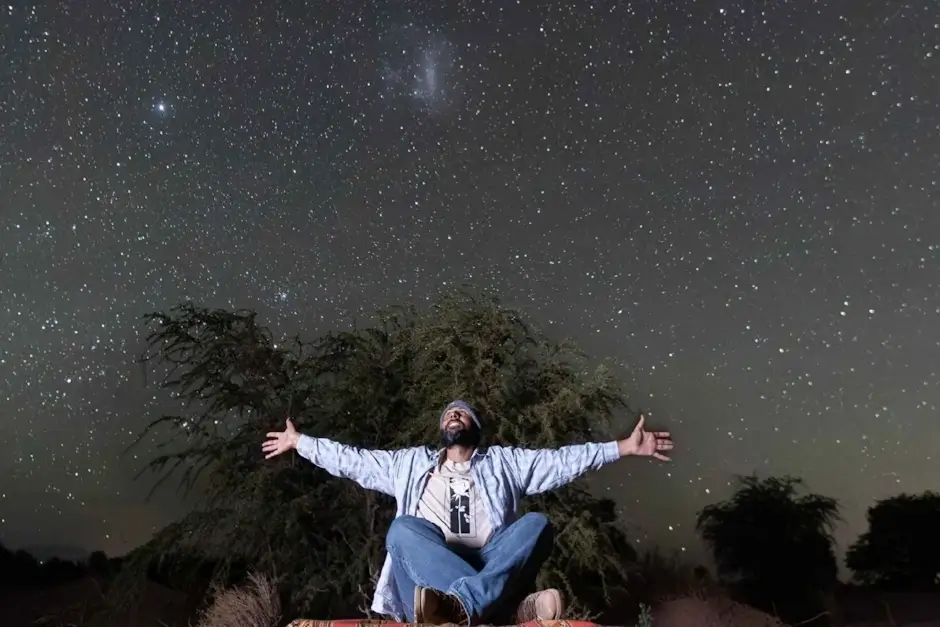
Thanks to the incredible darkness of the Atacama Desert, many nights allow for breathtaking naked-eye stargazing. The Milky Way appears as a bright, detailed band across the sky, accompanied by countless stars and constellations. Guides often use laser pointers to explain constellations and share stories that connect modern astronomy with ancient interpretations of the sky.
Astrophotography Experiences
San Pedro de Atacama is a dream destination for astrophotography enthusiasts. Specialized tours provide instruction on camera settings, long-exposure techniques, and composition, allowing travelers to capture stunning images of the night sky framed by volcanoes, salt flats, and desert landscapes. These experiences are suitable for both beginners and advanced photographers.
Visits to Astronomical Observatories
The region around San Pedro is home to some of the world’s most important astronomical observatories. While many are dedicated to scientific research, select facilities offer educational visits and outreach programs, providing insight into how astronomers study the universe using cutting-edge technology.
Astronomy and Ancestral Andean Cosmovision
Astrotourism in San Pedro de Atacama often incorporates the ancestral knowledge of the Atacameño people, who have observed the sky for centuries. These experiences explore how stars and celestial cycles guided agriculture, rituals, and daily life, creating a meaningful connection between modern science and ancient wisdom.
Private and Luxury Stargazing Experiences
For travelers seeking exclusivity, San Pedro offers private astrotourism experiences with personalized guidance, premium telescopes, and comfortable desert settings. Some luxury lodges provide stargazing sessions directly on their properties, combining astronomy with fine dining, wine, and exceptional service under the stars.
Best Time for Astrotourism Experiences
Astrotourism is available year-round, but the best conditions typically occur between March and November, especially during new moon phases, when the sky is at its darkest and celestial visibility is at its peak.
A Journey Beyond Earth
Astrotourism in San Pedro de Atacama is more than an activity—it is a journey beyond Earth that inspires wonder and reflection. Whether you are observing distant galaxies through a telescope or standing beneath the Milky Way in complete silence, these experiences offer a profound connection to the universe.
Astronomy and Ancestral Worldview: Ancient Wisdom Written in the Stars
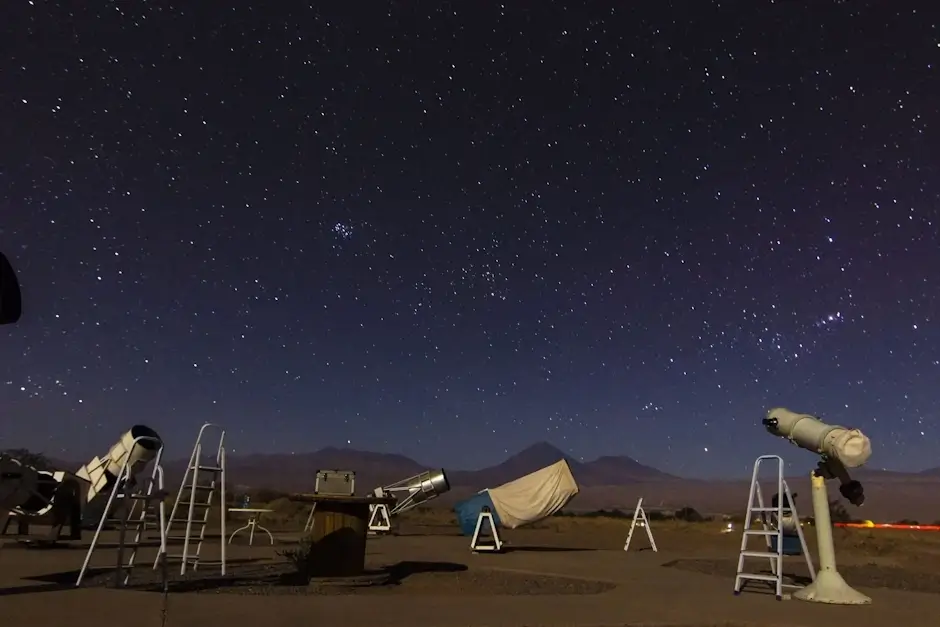
Astrotourism in San Pedro de Atacama
Long before modern telescopes and scientific observatories, ancient civilizations around the world looked to the sky to understand their place in the universe. For many ancestral cultures, astronomy was not only a science but also a spiritual and cultural guide that shaped daily life, agriculture, and belief systems. This ancestral worldview—often referred to as cosmovision—reveals a profound relationship between humanity and the cosmos.
The Sky as a Sacred Map
In ancestral societies, the sky was seen as a sacred map filled with meaning. The movement of the Sun, Moon, stars, and planets marked time, guided seasonal changes, and influenced ceremonial calendars. Celestial events such as solstices, equinoxes, and eclipses were deeply significant and often associated with renewal, fertility, and balance in the natural world.
Andean Cosmovision and Astronomy
In the Andes, astronomy played a central role in the worldview of ancient cultures such as the Inca and pre-Inca civilizations. The Andean cosmovision viewed the universe as an interconnected system where the sky (Hanan Pacha), the earth (Kay Pacha), and the inner world (Ukhu Pacha) existed in constant harmony.
The stars were not just distant objects but living guides. Constellations—both bright and dark—were used to predict agricultural cycles, climate patterns, and important moments for planting and harvesting. The Milky Way, known as Mayu, was believed to be a celestial river reflecting the rivers on Earth.
Dark Constellations and Natural Cycles
Unlike Western astronomy, Andean cultures identified dark constellations formed by the shadows within the Milky Way. Animals such as the llama, fox, and condor appeared in these dark shapes and were closely linked to seasonal changes and environmental signs. Their visibility in the sky helped communities anticipate rainfall and ecological shifts.
Astronomy as a Living Tradition
For ancestral cultures, astronomy was not abstract knowledge—it was a living tradition passed down through generations. Observations of the sky guided architecture, with temples, ceremonial centers, and sacred sites aligned with solar and stellar events. These alignments demonstrate advanced astronomical understanding deeply integrated into spiritual life.
Modern Science Meets Ancient Wisdom
Today, modern astronomy continues to explore the universe using advanced technology, while ancestral cosmovision offers a complementary perspective—one rooted in observation, respect for nature, and cosmic balance. In places like the Andes and the Atacama Desert, these two worlds coexist, allowing travelers and researchers to experience the sky through both scientific and cultural lenses.
A Deeper Connection to the Universe
Astronomy and ancestral worldview remind us that humanity has always looked upward for answers. By understanding how ancient cultures interpreted the stars, we gain not only historical insight but also a renewed sense of connection to the universe—one that invites reflection, respect, and wonder.
Best Time for Astrotourism: When to Experience the Clearest Skies
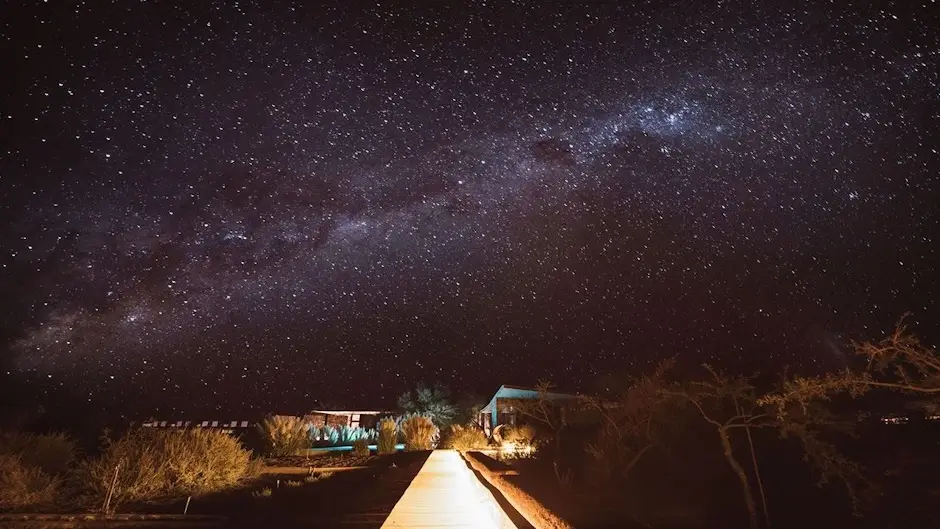
Astrotourism in San Pedro de Atacama
Astrotourism has become one of the most inspiring ways to connect with nature and the universe. However, choosing the right time to travel is essential for enjoying the best possible stargazing conditions. Factors such as weather, moon phases, and seasonal changes play a key role in determining the quality of astronomical observations.
Clear Skies and Weather Conditions
The best time for astrotourism is during seasons with stable weather and minimal cloud cover. Dry months offer clearer skies, allowing stars, planets, and deep-sky objects to appear brighter and sharper. Regions with desert climates or high altitudes are especially favorable, as they tend to have more cloud-free nights throughout the year.
Importance of Moon Phases
Moon phases greatly affect night sky visibility. The new moon phase is considered the ideal time for astrotourism because the sky is at its darkest, making it easier to observe faint stars, the Milky Way, and distant galaxies. Full moon nights, while beautiful, reduce visibility due to increased brightness.
Seasonal Variations in Stargazing
Each season offers unique celestial highlights. During certain months, specific constellations, planets, and astronomical events become more visible. Longer nights in autumn and winter often provide extended observation time, while spring and summer offer warmer temperatures and comfortable conditions for outdoor stargazing.
Best Months for Astrotourism
In many top astrotourism destinations, the best months typically range from March to November, when nights are longer and weather conditions are more predictable. These months are particularly popular for guided stargazing tours, astrophotography, and astronomical events.
Special Astronomical Events
Planning a trip around meteor showers, planetary alignments, or eclipses can make an astrotourism experience even more memorable. Events such as the Perseids or Geminids attract travelers from around the world and provide spectacular natural displays under dark skies.
Temperature and Comfort
While sky conditions are crucial, comfort also matters. Cooler temperatures are common in high-altitude and desert regions at night, even during warmer seasons. Dressing in layers and choosing the right season ensures a more enjoyable and relaxed experience.
Year-Round Opportunities
Although certain months offer optimal conditions, astrotourism is often possible year-round, especially in regions known for consistently clear skies. With proper planning and attention to lunar calendars, travelers can enjoy exceptional stargazing at almost any time of the year.
Timing Your Journey to the Stars
Choosing the best time for astrotourism transforms a simple night under the stars into an unforgettable experience. By aligning your travel plans with favorable weather, moon phases, and seasonal highlights, you can witness the universe in its most breathtaking form.
Astrotourism: A Must-Visit Destination for Sky Lovers
Astrotourism in San Pedro de Atacama
For travelers who dream of standing beneath a sky filled with stars, astrotourism offers an unforgettable way to explore the universe. Far from city lights and modern distractions, astrotourism destinations invite visitors to reconnect with the cosmos and experience the night sky in its purest form. For lovers of astronomy, nature, and wonder, astrotourism is no longer a niche interest—it is an essential travel experience.
A Deeper Way to Travel
Astrotourism goes beyond traditional sightseeing. It is about slowing down, looking up, and rediscovering humanity’s ancient connection with the stars. Under dark skies, travelers gain a new perspective on time, space, and their place in the universe. Each stargazing experience becomes a moment of reflection and inspiration.
World-Class Night Skies
The most remarkable astrotourism destinations are defined by exceptional sky conditions—clear nights, dry climates, high altitudes, and minimal light pollution. These natural factors allow the Milky Way, constellations, planets, and deep-sky objects to appear with extraordinary clarity, creating breathtaking celestial displays that cannot be seen in urban environments.
Unforgettable Stargazing Experiences
From guided astronomy tours with professional telescopes to quiet moments of naked-eye observation, astrotourism offers a wide range of experiences. Travelers can explore distant galaxies, track the movement of planets, and witness meteor showers while learning from expert guides who bring the universe to life through science and storytelling.
Astrophotography Under the Stars
For photography enthusiasts, astrotourism destinations provide the perfect setting for astrophotography. Capturing stars above dramatic landscapes—deserts, mountains, salt flats, or ancient ruins—turns the night sky into a canvas of light and emotion, creating images that last a lifetime.
Where Science Meets Culture
Many astrotourism destinations also preserve ancient astronomical knowledge. Indigenous cultures observed the sky long before modern science, using celestial movements to guide agriculture, rituals, and architecture. Today, astrotourism often blends scientific explanation with ancestral wisdom, offering a richer and more meaningful understanding of the cosmos.
A Unique Experience for Every Traveler
Astrotourism appeals to a wide range of travelers—from curious beginners to passionate astronomers. Whether enjoyed as a private luxury experience, a family adventure, or an educational journey, stargazing under pristine skies creates powerful and emotional memories for all ages.
An Invitation to Look Up
Astrotourism is more than a travel trend; it is an invitation to reconnect with the universe. For those who find beauty in the stars and meaning in the silence of the night, astrotourism destinations are truly indispensable.
Frequently Asked Questions (FAQ) – Astrotourism in San Pedro de Atacama

What is astrotourism in San Pedro de Atacama?
Astrotourism in San Pedro de Atacama refers to guided nighttime experiences where visitors observe stars, planets, and the Milky Way in one of the clearest skies on Earth. The Atacama Desert is internationally recognized for its exceptional conditions for astronomy.
Why is San Pedro de Atacama ideal for stargazing?
San Pedro de Atacama has almost zero light pollution, high altitude, and extremely dry weather conditions. These factors create crystal-clear night skies, making it one of the best places in the world for astronomy and astrophotography.
What can I see during a stargazing tour?
During a typical tour, you can observe:
- The Milky Way in full detail
- Planets such as Jupiter and Saturn
- Star clusters and nebulae
- Constellations of the southern hemisphere
What is the best time to do astrotourism in Atacama?
The best time is during the dry season (April to October) when skies are clearer and there is less atmospheric humidity. However, stargazing is possible year-round due to the desert’s stable climate.
How much does a stargazing tour cost in San Pedro de Atacama?
Prices vary depending on the experience, but most guided tours range from budget group tours to premium private experiences with telescopes and astrophotography sessions.
Is astrophotography included in the tours?
Yes, many astrotourism tours include astrophotography sessions where guides help you capture high-quality images of the night sky using professional equipment or your own camera.
Is astrotourism suitable for beginners?
Yes. No prior knowledge of astronomy is required. Tours are designed for all levels, and guides explain everything in an easy and engaging way.
Can astrotourism be combined with other destinations?
Absolutely. Many travelers combine San Pedro de Atacama with:
- Uyuni Salt Flats (Bolivia)
- Machu Picchu (Peru)
- Santiago & northern Chile routes
A 15-Day Adventure from Cusco to San Pedro de Atacama
For more information and to book your trip, contact us on WhatsApp. Follow us on Instagram for the latest updates and travel inspiration.
CONTACT US:
We are a Travel Agency specialized in tourist packages, if you need any information, do not hesitate to write to us.
We offer tours in Peru and Bolivia.