

Travel from Cusco to Máncora
Traveling from Cusco to Máncora is an adventure that takes you from the Andean highlands to the sunny beaches of northern Peru. Whether you prefer to fly, take a bus, or drive, there are several options to suit your travel style and budget. In this guide, we’ll explore the best ways to travel from Cusco to Máncora, ensuring you have a smooth and enjoyable journey.
Where is Máncora?
Máncora is a small beach town located in northern Peru, in the Piura region. It is famous for its sunny weather, beautiful beaches, surfing, fresh seafood, and vibrant nightlife. Unlike other coastal destinations in Peru, Máncora has warm water all year round, making it an ideal destination for relaxation after visiting the Andes.
- Embark on a Journey of Ancient Traditions: The Inti Raymi Tour in Cusco 4 Days
- Discover the Wonders of Peru with the Tour Perú Machu Picchu 5 Days
- Discover Peru with the City Tour Sacred Valley Machu Picchu 4 Days
- Explore the Wonders of Cusco with City Tour and Machu Picchu3 Days
How to Travel from Cusco to Máncora
cusco to mancora
Traveling from Cusco to Máncora is a journey that connects two of Peru’s most contrasting destinations—the high-altitude Andes and the warm tropical beaches of the northern coast. Although there is no direct route between these two locations, several transportation options make the trip accessible depending on your time, budget, and comfort preferences.
Distance and Travel Overview
The journey covers more than 1,800 kilometers (over 1,100 miles), requiring at least one connection, most commonly in Lima. Because of Peru’s diverse geography—mountains, desert coast, and long distances—planning ahead is essential for a smooth travel experience.
Main Travel Options
1. Air Travel (Fastest and Most Efficient)
Flying is the most recommended and widely used option. While Máncora does not have its own airport, nearby cities such as Piura and Talara serve as gateways.
The typical route includes:
- A flight from Cusco to Lima
- A connecting flight from Lima to Piura or Talara
- A ground transfer to Máncora (1–2 hours)
Total travel time ranges between 5 and 7 hours, making it ideal for travelers who want to maximize their vacation time. Airlines such as LATAM Airlines, Sky Airline, and JetSMART operate these routes.
This option is especially appealing after visiting iconic high-altitude sites like Machu Picchu, when travelers prefer a quick and comfortable transition to a relaxing beach environment.
2. Bus Travel (Economical but Time-Consuming)
Bus travel is the most budget-friendly alternative, but it requires significant travel time and endurance.
The route typically involves:
- A long-distance bus from Cusco to Lima (20–22 hours)
- A second bus from Lima to Máncora (around 18 hours)
Total travel time can exceed 36 to 40 hours. Reputable bus companies such as Cruz del Sur, Oltursa, and Movil Tours offer relatively comfortable services, including reclining seats, onboard meals, and entertainment systems.
While economical, this option is better suited for travelers with flexible schedules or those seeking a more adventurous overland experience.
3. Combined Flight and Bus (Balanced Option)
A hybrid option combines the speed of flying with the affordability of bus travel. Travelers typically:
- Fly from Cusco to Lima
- Continue by bus from Lima to Máncora
This reduces overall travel time compared to a full bus journey while keeping costs lower than a full-flight option. Total travel time usually ranges between 20 and 24 hours.
4. Private and Luxury Travel
For those seeking comfort and exclusivity, private travel arrangements are available. These often include:
- Domestic flights
- Private airport transfers
- Personalized ground transportation from Piura or Talara
This option is ideal for luxury travelers, families, or couples looking for a seamless and stress-free experience, often arranged through specialized travel agencies.
Best Time to Travel
Máncora enjoys a tropical climate and can be visited year-round. However, the best time to travel is typically between May and November, when the weather is sunny and dry.
From December to March, temperatures are hotter, and occasional tropical rains may occur, though it remains a popular time for beach vacations.
Key Travel Considerations
- Altitude transition: Moving from Cusco (over 3,300 meters above sea level) to sea level can affect the body. Staying hydrated and resting is recommended.
- Advance booking: Flights and buses should be reserved early, especially during peak travel months (June to August).
- Packing: Travelers should prepare for a dramatic climate change—warm, light clothing for Máncora versus layered clothing for Cusco.
- Airport choice: Talara offers the shortest transfer time to Máncora, while Piura may provide more flight options.
Travel from Cusco to Máncora: Scenic Route and Landscapes
cusco to mancora
The journey from Cusco to Máncora is one of the most visually diverse travel experiences in Peru. Covering more than 1,800 kilometers, this route takes travelers across dramatically changing landscapes—from the towering Andes Mountains to the arid coastal desert and finally to the warm, tropical beaches of the Pacific Ocean.
This transition is not just geographical; it is also cultural and climatic, offering a deeper understanding of Peru’s natural diversity.
The Andean Highlands: Mountains, Valleys, and Living Culture
The journey begins in Cusco, located high in the Andes at over 3,300 meters above sea level. As you depart the city, the landscape is dominated by rugged mountains, deep valleys, and winding roads that offer breathtaking panoramic views.
Travelers passing through the highlands will experience:
- Snow-capped peaks and dramatic mountain ranges
- Vast high-altitude plains (Altiplano)
- Herds of llamas and alpacas grazing freely
- Traditional Andean villages with centuries-old customs
These landscapes are not only beautiful but also culturally rich, reflecting the deep connection between local communities and their environment.
The Sacred Valley: A Green and Fertile Corridor
As part of many routes leaving Cusco, travelers may pass through the Sacred Valley, a region known for its lush greenery and historical significance.
Here, the scenery softens into:
- Green agricultural terraces
- Flowing rivers, particularly the Urubamba River
- Picturesque towns surrounded by mountains
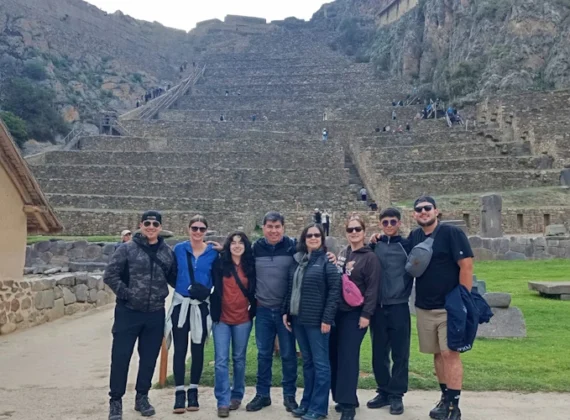
The valley also features important Inca sites such as Ollantaytambo, blending natural beauty with ancient history.
The Transition Zone: From Mountains to Desert
One of the most fascinating aspects of traveling toward the coast is the gradual transformation of the landscape. As the route continues west and north—often via Lima—the green Andean scenery begins to fade.
Travelers will notice:
- Mountains becoming lower and less rugged
- Vegetation decreasing significantly
- The emergence of dry valleys and rocky hills
Eventually, the environment shifts into a desert landscape typical of Peru’s central coast. This stark contrast highlights the country’s unique geography, where mountains and desert exist side by side.
The Coastal Desert: Vast and Minimalist Beauty
As you approach the coast, the scenery becomes dominated by wide, open desert spaces. The Peruvian coastal desert is one of the driest in the world, yet it has its own striking beauty.
Key features include:
- Endless sandy plains and dunes
- Isolated valleys fed by rivers from the Andes
- Long highways cutting through barren terrain
- Occasional coastal towns and agricultural oases
This part of the journey may feel quiet and minimalistic, offering a sense of scale and solitude.
Northern Coast: Warm Climate and Ocean Views
Heading further north toward Máncora, the landscape changes once again. The desert gradually gives way to a more tropical and vibrant environment.
Travelers will encounter:
- Warmer temperatures and sunny skies
- Dry tropical forests and palm trees
- Fishing villages and coastal communities
- Expansive beaches along the Pacific Ocean
As you get closer to Máncora, the first views of the ocean appear—marking the final transformation from high mountains to coastal paradise.
Arrival in Máncora: Beaches and Tropical Atmosphere
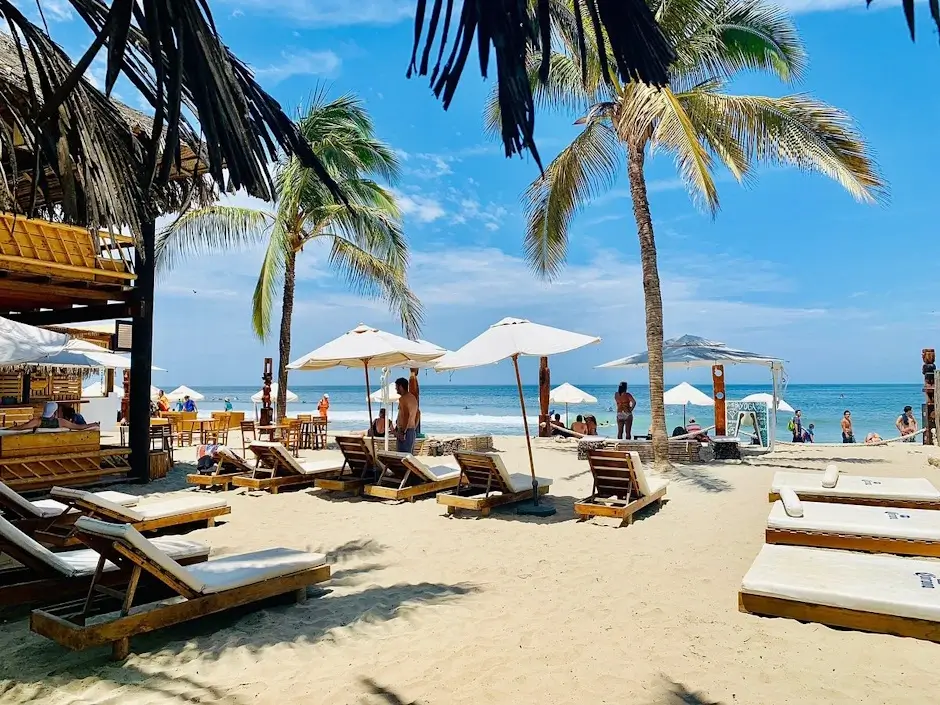
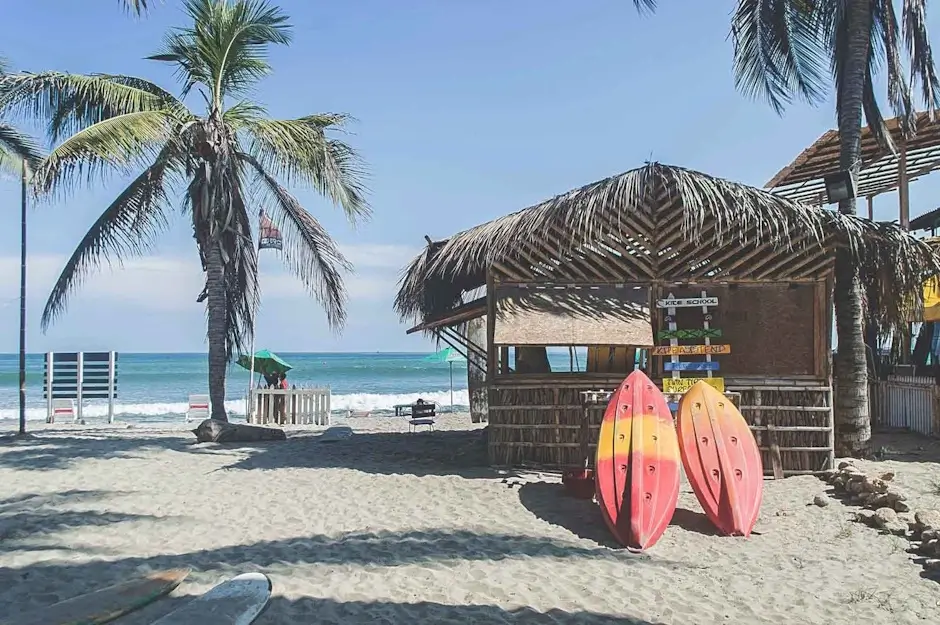
Máncora is known for its relaxed atmosphere, warm waters, and golden beaches. After a journey through diverse terrains, arriving here feels like entering a completely different world.
The landscape is defined by:
- Long sandy beaches and gentle waves
- Colorful sunsets over the Pacific Ocean
- A laid-back coastal lifestyle
This final destination provides the perfect contrast to the mountainous start of the journey.
A Journey of Contrasts
What makes this route truly special is the dramatic contrast between each stage of the journey. In a relatively short period of time, travelers can experience:
- High-altitude Andean landscapes
- Fertile valleys rich in history
- Harsh desert environments
- Tropical coastal scenery
Few travel routes in the world offer such a wide range of ecosystems and cultural settings in one continuous journey.
Travel from Cusco to Máncora & Activities in Máncora

cusco to mancora
Traveling from Cusco to Máncora is more than just moving from one destination to another—it is a journey between two completely different worlds. On one side, you have the Andean highlands, full of history, mountains, and ancient culture. On the other, you find warm ocean waters, sunny beaches, and a relaxed coastal lifestyle. This combination makes the route one of the most complete travel experiences in Peru.
The Journey from the Andes to the Coast
Most travelers begin their journey in Cusco after visiting iconic places like Machu Picchu and the Sacred Valley. After days of exploring archaeological sites, walking through historic streets, and experiencing life at high altitude, many travelers look for a place to relax—and that is when Máncora becomes the perfect next destination.
Because of the long distance between Cusco and Máncora, the most common route is:
- Flight from Cusco to Lima
- Flight from Lima to Piura or Talara
- Transfer by car to Máncora
This journey not only connects destinations but also connects climates, cultures, and landscapes. In just one day, travelers go from cold mountain air to warm ocean breezes.
The change in scenery is dramatic. You leave behind the Andes Mountains, pass over the coastal desert, and finally arrive in the tropical north, where the sun shines almost all year round.
Activities in Máncora
Once travelers arrive in Máncora, the rhythm of the trip changes completely. Life here is slower, more relaxed, and centered around the ocean, nature, and enjoying the moment.
1. Relaxing on the Beach
One of the main reasons people visit Máncora is simply to relax. The beaches are wide, sandy, and perfect for long walks, sunbathing, or watching the sunset. The ocean water here is warm compared to other parts of Peru, which makes swimming very enjoyable.
Many travelers spend their days:
- Walking along the beach
- Reading by the ocean
- Enjoying fresh seafood
- Watching the sunset every evening
After the busy and active days in Cusco, Máncora feels like a peaceful reward.
2. Surfing in Máncora
Máncora is one of the best surfing destinations in Peru. The waves are consistent and suitable for both beginners and experienced surfers. There are many surf schools where visitors can take lessons or rent boards.
Surfing is possible most of the year, but the best waves are usually between October and March.
3. Whale Watching (Seasonal Activity)
One of the most memorable activities near Máncora is whale watching. From July to October, humpback whales migrate along the northern coast of Peru, and boat tours allow visitors to see them jumping and swimming in the ocean.
Whale watching tours usually depart from nearby beaches such as:
- Los Órganos
- Punta Sal
This is a unique experience and often becomes one of the highlights of the trip.
4. Sport Fishing and Boat Tours
The northern coast is also known for sport fishing. Visitors can go on boat excursions to fish for tuna, mahi-mahi, and other species. There are also boat tours just to enjoy the ocean, see marine wildlife, or visit nearby beaches.
5. Yoga, Wellness, and Relaxation
Máncora is also a wellness destination. Many hotels offer:
- Yoga classes
- Massage and spa treatments
- Meditation sessions
- Healthy food and fresh juices
This makes Máncora a great place to rest after hiking or traveling in the mountains.
6. Nightlife and Restaurants
In the evenings, Máncora becomes lively. The town has many restaurants, bars, and beach clubs where travelers can enjoy music, cocktails, and fresh seafood.
Typical dishes to try include:
- Ceviche
- Grilled fish
- Seafood rice
- Tropical cocktails
The atmosphere is relaxed, international, and social, making it easy to meet travelers from around the world.
7. Visiting Nearby Beaches
There are also beautiful beaches near Máncora that are worth visiting, such as:
- Punta Sal – quieter and more exclusive
- Los Órganos – known for whale watching and peaceful beaches
- Vichayito – perfect for relaxation and boutique hotels
These beaches are ideal for day trips or luxury stays.
The Perfect Combination: Mountains and Beach
What makes traveling from Cusco to Máncora so special is the contrast. In one trip, travelers can experience:
- Inca history and ancient ruins
- Mountain landscapes and traditional culture
- Desert scenery
- Tropical beaches and ocean life
Few destinations in the world offer such a diverse travel experience in a single itinerary.
Travel Tips: Travel from Cusco to Máncora
cusco to mancora
Traveling from Cusco to Máncora is an exciting transition from the cool, high-altitude Andes to the warm, tropical beaches of northern Peru. While the journey can be long and requires planning, following the right travel tips can make your experience smooth, comfortable, and enjoyable.
Plan Your Route in Advance
One of the most important tips is to organize your transportation ahead of time. Since there are no direct routes, most travelers pass through Lima before continuing north.
The best option is usually:
- Flying from Cusco to Lima
- Connecting to Piura or Talara
- Taking a short transfer to Máncora
Booking flights early helps secure better prices and ensures availability, especially during high season.
Choose the Right Transportation Option
Your choice of transport will depend on your priorities:
- Flights are the fastest and most comfortable
- Buses are more economical but require long travel times
- Combination (flight + bus) offers a balance between cost and time
If your schedule is limited, flying is highly recommended. If you enjoy overland travel and want to see more of the country, buses can be a good alternative.
Prepare for the Altitude Change
Cusco sits at over 3,300 meters above sea level, while Máncora is at sea level. This sudden change in altitude can affect your body.
Helpful tips include:
- Stay hydrated before and during your journey
- Avoid heavy meals before flying
- Rest when you arrive at the coast
- Take it easy on your first day in Máncora
Most travelers feel better quickly, but it’s important to give your body time to adjust.
Pack for Two Different Climates
This journey involves a significant climate change. In Cusco, temperatures can be cool, especially in the mornings and evenings, while Máncora is warm and tropical.
Pack accordingly:
- Light clothing for the beach (shorts, t-shirts, swimwear)
- A light jacket for evenings in Máncora
- Layers for Cusco’s cooler weather
- Comfortable travel clothes for long journeys
Don’t forget essentials like sunscreen, sunglasses, and a hat—the sun in Máncora can be intense.
Choose the Best Arrival Airport
Since Máncora does not have its own airport, you will need to arrive via:
- Talara (closest, about 1 hour away)
- Piura (more flight options, about 2 hours away)
Choosing Talara reduces travel time, while Piura often offers more flexible flight schedules.
Book Transfers in Advance
After arriving in Piura or Talara, you will need ground transportation to reach Máncora.
Options include:
- Private transfers (recommended for comfort and safety)
- Taxis
- Shared shuttles
Booking your transfer in advance ensures a smooth arrival, especially if you are traveling at night or with luggage.
Stay Safe and Travel Smart
While Peru is generally safe for travelers, it is always good to take precautions:
- Use reputable airlines and bus companies such as Cruz del Sur
- Keep your valuables secure
- Avoid traveling overnight on unfamiliar routes unless using trusted services
- Confirm transportation schedules in advance
Consider Travel Time and Rest
The journey from Cusco to Máncora can be tiring, especially if combining multiple flights or long bus rides.
To make it more comfortable:
- Allow time for rest between connections
- Consider staying one night in Lima if needed
- Avoid scheduling activities immediately after arrival
Arriving rested will help you enjoy Máncora from the very beginning.
Best Time to Travel
Máncora is a year-round destination, but for the best experience:
- May to November: Mild temperatures, sunny weather
- December to March: Hotter, with occasional tropical rains
Choose your travel dates based on your weather preference and planned activities.
Bring Cash and Essentials
While Máncora has ATMs and card payment options, it is still advisable to carry some cash, especially for:
- Small restaurants
- Local shops
- Transportation services
Also, keep travel documents, tickets, and reservations easily accessible.
- Eplore Peru: From Vibrant Lima to Mystical Machu Picchu and Majestic Lake Titicaca 8 Days
- Perú Travel with Tour Lima Cusco Machu Picchu Lake Titicaca 7 Days
- Explore the Wonders of Cusco with City Tour and Machu Picchu 3 Days
- Explore Peru with the Lima Cusco Machu Picchu Huayna Picchu Tour 6 Days
For more information and to book your trip, contact us on WhatsApp. Follow us on Instagram for the latest updates and travel inspiration.
CONTACT US:
We are a Travel Agency specialized in tourist packages, if you need any information, do not hesitate to write to us.
We offer tours in Peru and Bolivia.