

How is the Culture of Cusco – Leading Peru Travel
The fascinating culture of Cusco, a destination where history, traditions, and modernity intertwine to offer a unique and unforgettable travel experience. Known as the historic capital of Peru, Cusco is much more than just a city; it is the beating heart of the ancient Inca Empire and the gateway to one of the richest and best-preserved cultural heritages in the world.
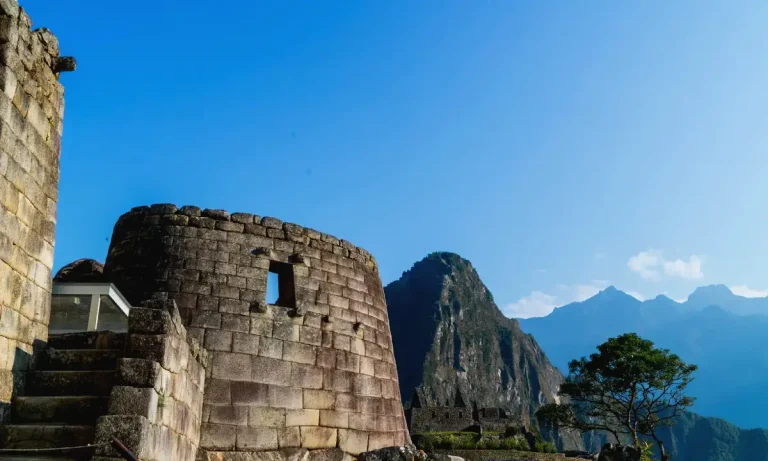
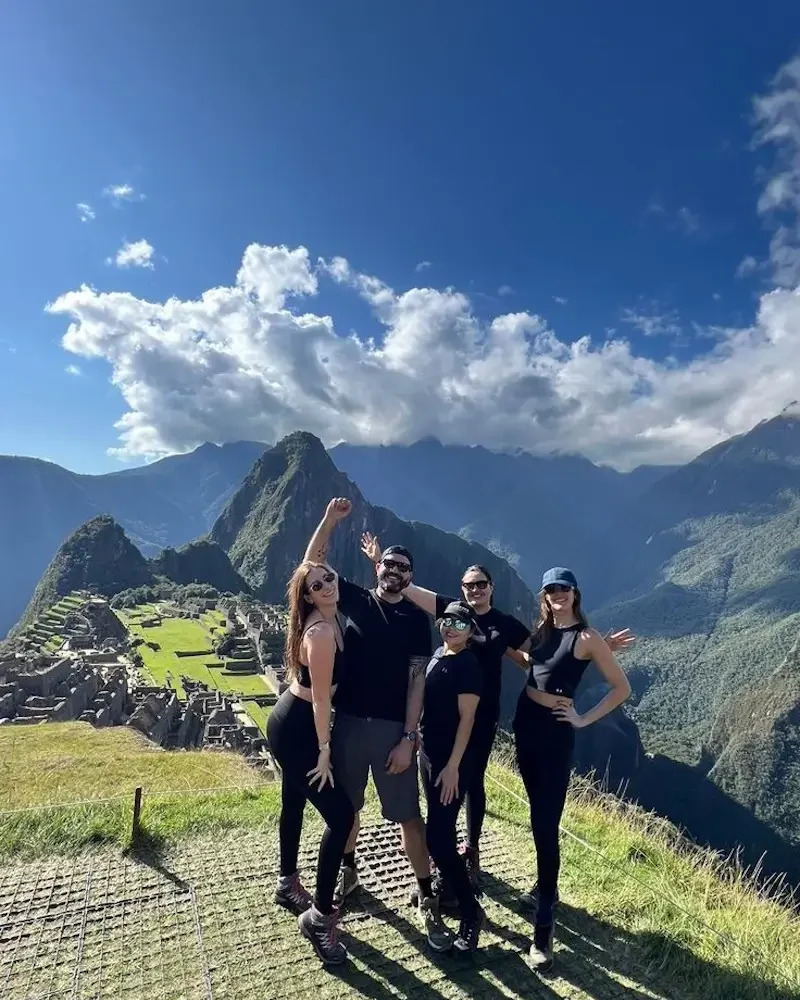
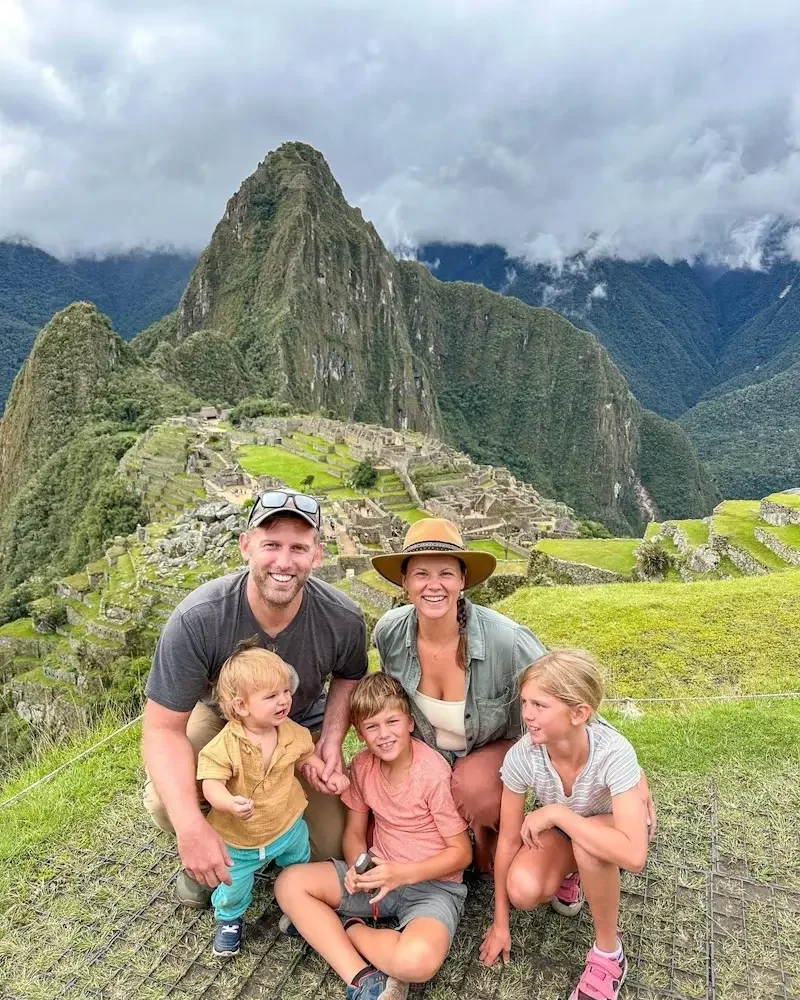
Traveling to Cusco feels like stepping back in time, but with all the comforts and services of a world-class tourist destination. From the majestic ruins of Machu Picchu to the intricate stone pathways that wind through the city, every corner of Cusco is steeped in history and mysticism. However, its charm extends beyond its archaeological monuments. In its cobbled streets, vibrant markets can be found, where local crafts and brightly colored textiles reflect centuries of tradition.
The festivities and celebrations in Cusco, such as Inti Raymi, offer a unique window into the ancestral beliefs and rituals that still live on in the collective memory of its people.
Prepare for an adventure that transcends time, a journey to the heart of the Inca Empire that will undoubtedly remain etched in your memory forever. Welcome to Cusco, where every step is a connection to history.
Cusco’s Importance During the Colonial Era
Cusco, known as the “Rome of America,” was not only the center of the vast Inca Empire but also played a crucial role during the colonial era. After the arrival of the Spanish in the 16th century, Cusco transformed into the capital of the Viceroyalty of Peru, becoming the epicenter of colonial administration and evangelization in the Andean region. This city, which had witnessed Incan splendor, was adapted and reused to serve the purposes of the new colonial order. However, far from erasing the Incan legacy, the fusion of cultures gave rise to a mestizo identity that is reflected both in the architecture and in the traditions that persist to this day. Walking through Cusco is witnessing a narrative of resistance, adaptation, and cultural transformation that has shaped the identity of the city and its inhabitants over the centuries.
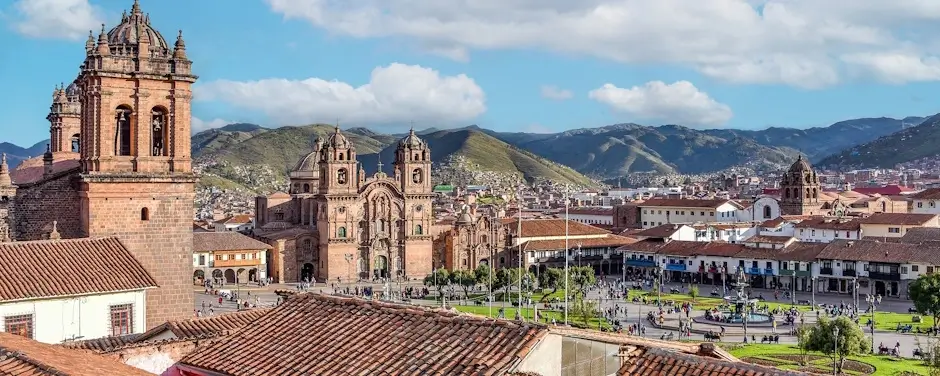
Cusco’s Impressive Architecture
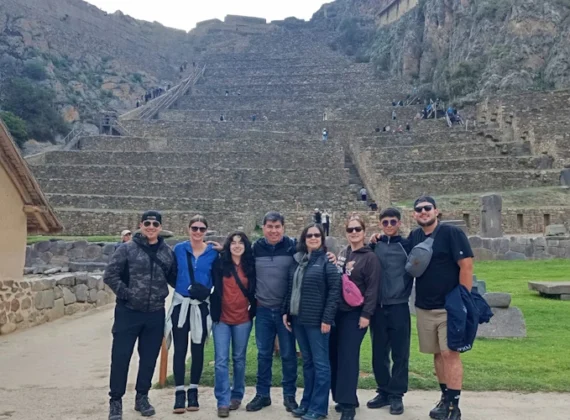
One of the most remarkable features of Cusco is its impressive architecture, representing a harmonious blend of ancient Incan structures with colonial buildings. This architectural syncretism is not only an aesthetic marvel but also a living testimony to the coexistence of two worlds that intertwined to shape the city we know today.
The Combination of Incan and Colonial Structures
The foundations of many colonial buildings in Cusco are built upon ancient Incan structures, using the polished stone techniques and perfect masonry that the Incas mastered. An iconic example of this fusion is Qorikancha, the most sacred temple of the Inca Empire, upon whose ruins the Convent of Santo Domingo was built. This union of styles is visible at every corner of the city, from the majestic Cusco Cathedral, built on the old palace of Sapa Inca Viracocha, to the multiple colonial churches and mansions that showcase Incan stones in their foundations. This meeting of two worlds creates a unique urban landscape, where history seems frozen in time, inviting visitors to explore every detail of its architectural legacy.
Cusco’s Traditions and Customs: A Living Culture
Cusco is not just a city of monuments and historical buildings; it is a place where ancestral traditions and customs remain alive, celebrated with fervor by its inhabitants. The festivals held throughout the year are a clear reflection of the region’s rich cultural heritage, where pre-Hispanic elements merge with the Catholic devotion brought by the colonizers.
Inti Raymi: The Festival of the Sun
Inti Raymi, or the Festival of the Sun, is one of Cusco’s most important celebrations. This festival, held every June 24th, revives the ancient Incan ceremony in honor of the sun god, Inti, and marks the winter solstice in the southern hemisphere. During Inti Raymi, the entire city becomes a stage for the colorful parade and theatrical reenactment of Incan rituals, attracting thousands of tourists and locals who come together to pay homage to their ancestors. We await you with open arms on your next tourist route—Cusco!
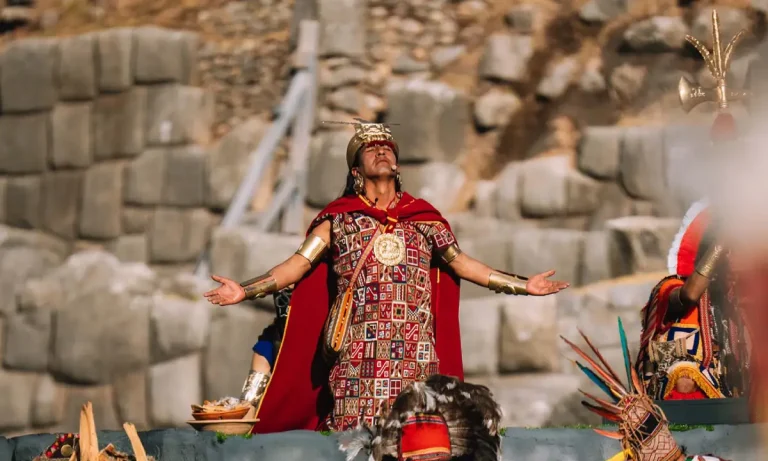
Inti Raymi in Cusco Peru
Corpus Christi: A Religious Tradition
Another emblematic celebration is Corpus Christi, a religious festivity that combines Catholic tradition with Andean elements. During this festival, held 60 days after Easter, the main religious images from Cusco’s churches are carried in procession through the city streets. The streets fill with music, dances, and traditional dishes, creating a festive atmosphere that reflects Cusco’s deep spirituality and rich cultural heritage.
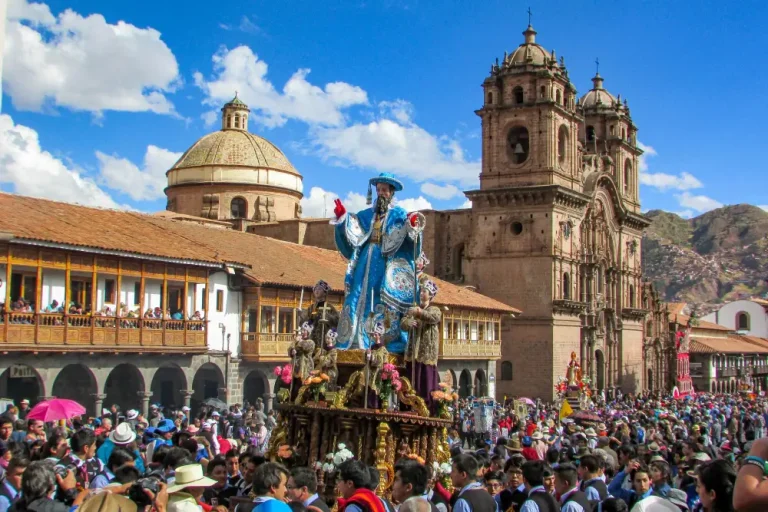
Corpus Christi, tradition of Cusco
Local Handicrafts and Art
Cusco’s cultural richness is also manifested in its local art and handicrafts. Cusco artisans are known for their skill in working with alpaca wool, ceramics, and silver, creating pieces that are true works of art. In markets such as San Pedro or the San Blas neighborhood, visitors can find everything from colorful textiles to jewelry made with ancestral techniques, each reflecting the identity and spirit of the region. Moreover, Cusco is home to a vibrant contemporary art scene, where local artists reinterpret traditional motifs in paintings, sculptures, and other media, creating a bridge between the past and the present.
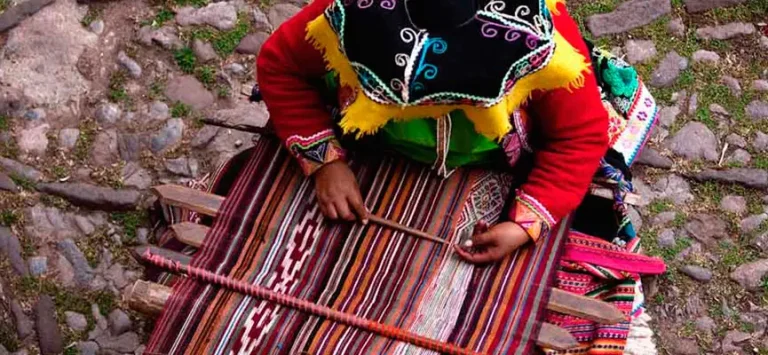
Native textiles in Cusco
Must-See Museums and Cultural Centers in Cusco
For those interested in delving deeper into Cusco’s history and culture, the city offers a variety of must-see museums and cultural centers.
Pre-Columbian Art Museum
The Pre-Columbian Art Museum, located in a colonial mansion, houses an exquisite collection of artifacts that date from the region’s first inhabitants to the height of the Inca civilization. Here, visitors can admire ceramics, textiles, and sculptures that offer a unique window into the pre-Hispanic cultures that flourished in the Andes.
Qosqo Center of Native Art
The Qosqo Center of Native Art is another must-see point of interest. This cultural center is dedicated to preserving and promoting Cusco’s traditional music and dance. Attending one of their performances is an unforgettable experience, where you can watch local artists perform ancestral dances in colorful costumes, to the sound of traditional instruments, immersing yourself in Cusco’s folklore.
Tips for Enjoying Cusco to the Fullest
To make your visit to Cusco as enriching as possible, it’s important to keep a few practical tips in mind. First, it is essential to acclimatize properly to the city’s altitude, which is over 3,400 meters (11,150 feet) above sea level. Taking it easy for the first few days, drinking coca tea, and staying hydrated are key measures to avoid altitude sickness.
In terms of the best time to visit Cusco, the months of May to September are ideal, as they coincide with the dry season, offering clear skies and pleasant temperatures. Don’t forget to pack suitable clothing for temperature variations, as mornings and nights can be chilly, even during the dry season.
Lastly, to make the most of the tourist sites, we recommend planning your visits early in the morning, avoiding peak tourist hours. Hiring certified local guides is another excellent option for a more enriching experience, as they provide detailed information and anecdotes that you won’t find in travel guides.
Cusco is a destination that goes beyond the visual; it’s a place to live and feel. With these recommendations, you’ll be prepared to connect with its culture and enjoy an unforgettable experience in the heart of the ancient Inca Empire. ¡Get ready to discover the magic of Cusco around every corner!
To enjoy this wonderful experience, Leading Peru Travel offers carefully designed packages. With our expert guide, you will not only discover the cultural richness of Cusco, but also experience fascinating moments in the hidden corners of Peru, full of history, biodiversity, and breathtaking architecture.