Andes Mountains Geography & Culture: Complete Travel Guide in South America

23 de February de 2025

The Andes, the longest mountain range in the world, stretches along the western coast of South America, covering more than 7,000 kilometers across seven countries: Venezuela, Colombia, Ecuador, Peru, Bolivia, Chile, and Argentina. This impressive mountain range not only defines the geography of the continent but also offers a unique blend of landscapes and traditions that make it a key reference for Andes Mountains geography culture.

Exploring the Andes reveals an extraordinary diversity of natural environments and living cultural heritage, where ancient civilizations, indigenous traditions, and breathtaking scenery come together. Join us on this journey through the landscapes, traditions, and wonders of the Andes, where nature and history are deeply intertwined.

geography of the andes mountains
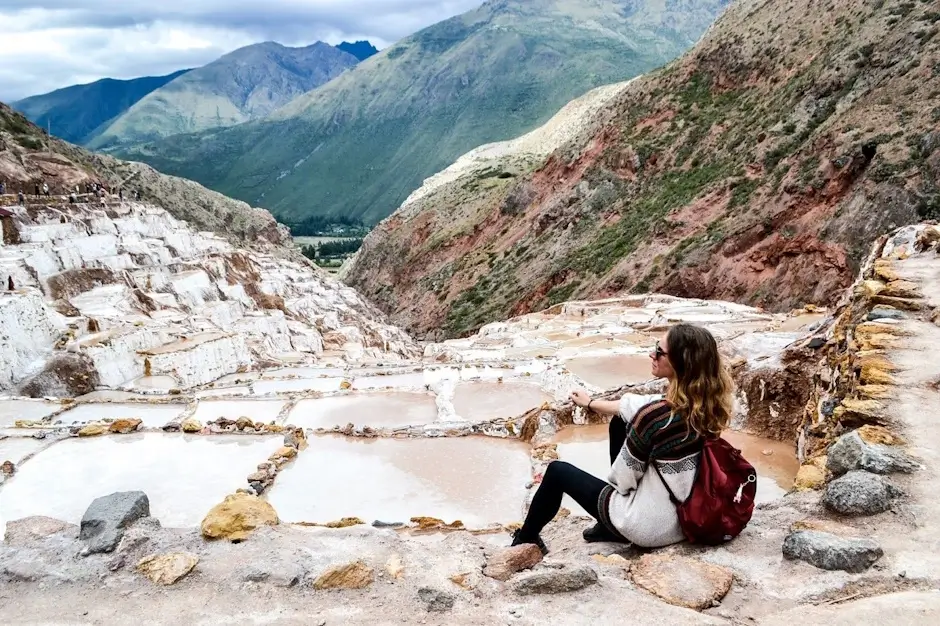
Chinchero, Maras, Moray and the Salineras

The Andes Mountains geography culture is one of the most impressive and complex natural systems on Earth. Stretching along the western edge of South America, the Andes form the longest continental mountain range in the world, influencing landscapes, climates, and ecosystems across seven countries: Venezuela, Colombia, Ecuador, Peru, Bolivia, Chile, and Argentina.

the longest mountain range in the world

The Andes extend for more than 7,000 kilometers from north to south, creating a continuous natural barrier that shapes the western side of South America. This vast extension makes the Andes Mountains geography culture unique, connecting tropical regions near the equator with icy landscapes in the southern hemisphere.

diverse landscapes and extreme altitudes

One of the most remarkable features of the Andes is the dramatic variation in elevation. The mountain range includes:

  • Towering peaks such as Aconcagua (Argentina) and Huascarán (Peru)
  • High-altitude plateaus like the Altiplano shared by Peru and Bolivia
  • Deep valleys where ancient civilizations developed
  • Volcanic zones in Ecuador and northern Chile

This variation creates an incredible range of ecosystems and natural environments within a single mountain system.

climate diversity across the andes

The Andes Mountains geography culture includes multiple climate zones that change depending on altitude and location:

  • Tropical climates in Colombia and Ecuador
  • Dry high-altitude regions in Peru and Bolivia
  • Cold alpine and glacial zones in Chile and Argentina

This climatic diversity makes the Andes one of the most ecologically rich mountain ranges in the world.

ecosystems and biodiversity

The Andes are home to unique ecosystems that support extraordinary biodiversity, including:

  • Cloud forests filled with rich vegetation
  • High-altitude grasslands known as puna
  • Glaciers that feed rivers and lakes
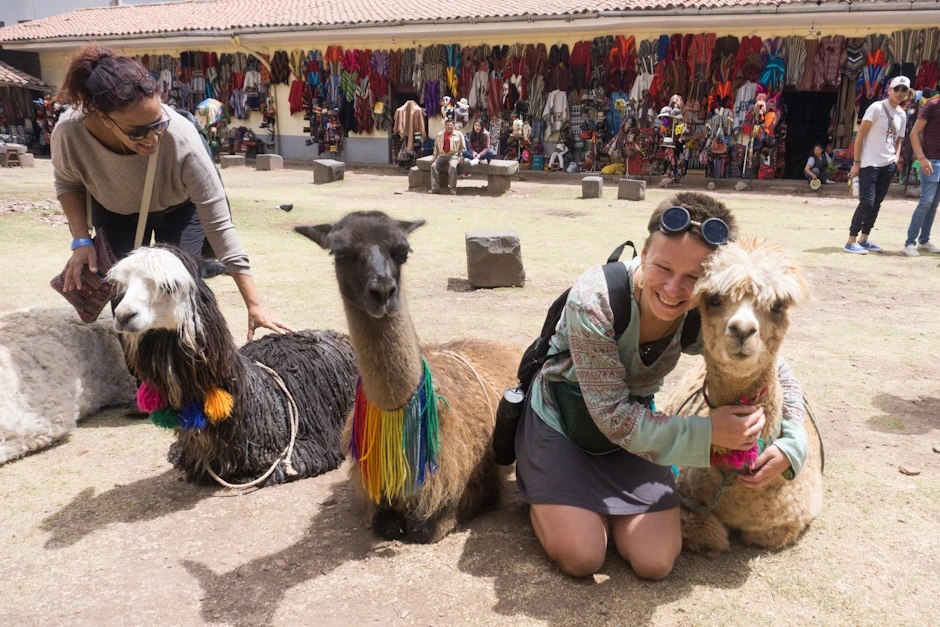
  • Native species such as llamas, alpacas, and condors

These ecosystems are directly shaped by the complex Andes Mountains geography culture.

geographic importance in south america

Beyond their physical structure, the Andes strongly influence the geography and development of South America. They act as a natural barrier, regulate weather patterns, and determine where populations settle.

Many of the continent’s most important cultural and economic centers developed within the Andes due to fertile valleys, water resources, and historic trade routes.

Ancient Civilizations of the Andes
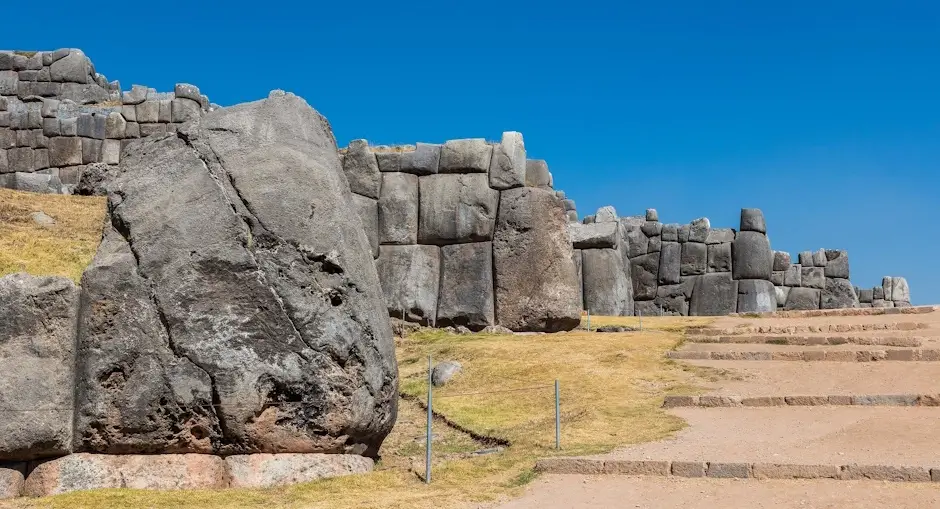
City Tour Cusco

The Andes region is one of the most important cradles of ancient civilizations in the world. Long before the rise of modern South American nations, complex societies developed across its valleys, highlands, and coastal areas, building advanced systems of agriculture, architecture, astronomy, and trade adapted to extreme mountain environments.

Early Andean Cultures

Among the earliest known civilizations were the Norte Chico (Caral) civilization in coastal Peru, often considered one of the oldest in the Americas. These societies developed large ceremonial centers and sophisticated irrigation systems without the use of ceramics or written language, showing an early form of organized urban life.

Later, cultures such as the Chavín civilization emerged in the highlands, becoming one of the first major religious and cultural unifying forces in the Andes. Chavín art, iconography, and temple complexes influenced many later societies across the region.

The Rise of Regional Powers

As Andean societies evolved, several powerful regional cultures emerged, each contributing to the cultural richness of the Andes:

  • The Moche civilization, known for its impressive adobe pyramids and highly detailed ceramics depicting daily life, warfare, and rituals.
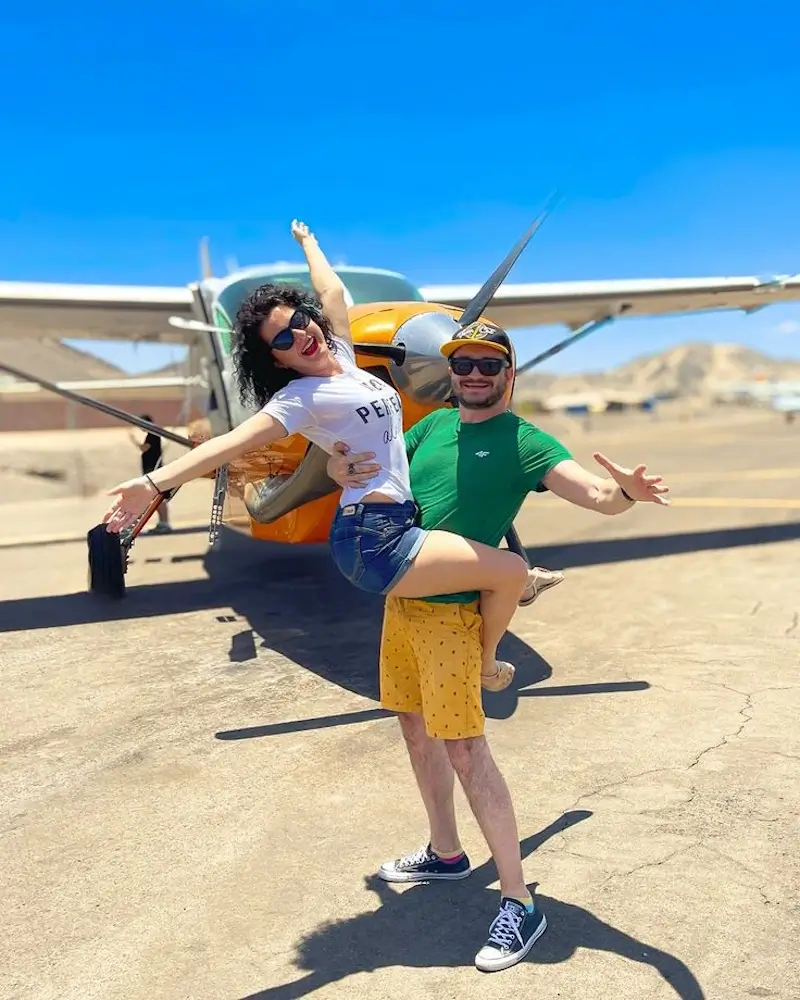
  • The Nazca culture, famous for the mysterious Nazca Lines etched into the desert plains of southern Peru.
  • The Tiwanaku civilization, centered near Lake Titicaca, which developed advanced stone architecture and influenced highland societies across present-day Bolivia and Peru.

These cultures laid the foundation for greater political and cultural integration across the Andes.

The Inca Empire: The Peak of Andean Civilization

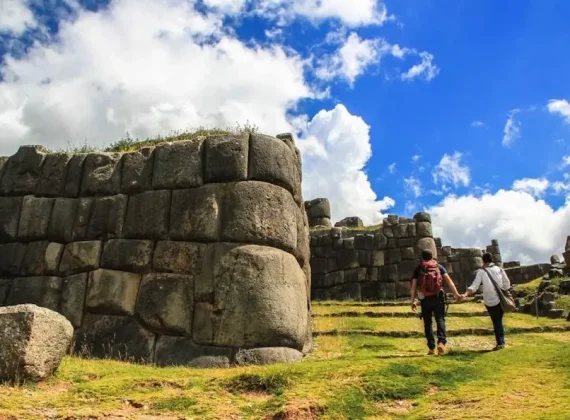
The most powerful and well-known civilization of the Andes was the Inca Empire (Inca Empire). Centered in Cusco, the Incas built the largest empire in pre-Columbian America, known as Tawantinsuyo.

They created an extensive road network (Qhapaq Ñan), advanced agricultural terraces, and impressive stone architecture without mortar, visible today in sites like Machu Picchu. The Incas also developed a highly organized administrative system that connected diverse cultures across mountains, valleys, and deserts.

Legacy of the Andean Civilizations

Although many of these civilizations declined or were transformed after the Spanish conquest in the 16th century, their legacy remains deeply embedded in modern Andean culture. Languages such as Quechua, traditional farming techniques, textile arts, and sacred sites continue to reflect this ancient heritage.

Today, the Andes stand as a living museum of human adaptation and cultural achievement, offering insight into how societies thrived in one of the world’s most challenging landscapes.

Andes Culture and Traditions
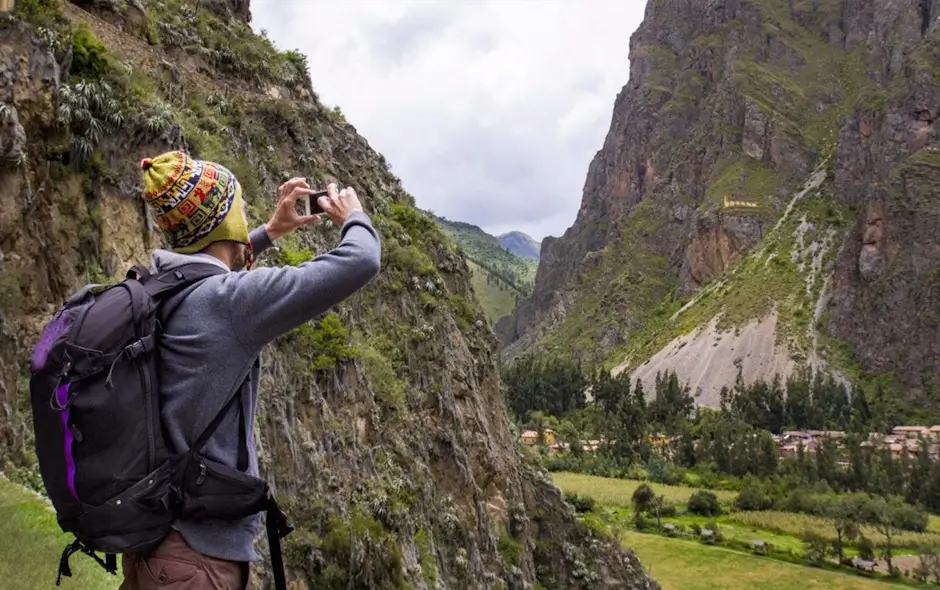
The Andes region is not only defined by its dramatic landscapes but also by a rich and living cultural heritage that continues to thrive across Peru, Bolivia, Ecuador, Colombia, Argentina, and Chile. Andean culture is a powerful blend of ancient indigenous traditions and later Spanish influences, resulting in a unique identity expressed through language, religion, music, clothing, and festivals.

Indigenous Roots and Living Heritage

At the heart of Andean culture are its indigenous communities, many of which preserve traditions that date back to pre-Inca and Inca times. One of the most important cultural elements is the Quechua language, which remains widely spoken today and serves as a direct connection to the Inca legacy.

Traditional Andean life is deeply connected to nature, especially the mountains (Apus), which are considered sacred guardians. Agriculture, community cooperation (ayni), and respect for the land (Pachamama) continue to shape daily life in rural areas.

Festivals and Spiritual Celebrations

Festivals are a vital expression of Andean identity, combining Catholic traditions introduced during the colonial period with ancient indigenous beliefs.

One of the most iconic celebrations is the Inti Raymi, an ancient Inca ceremony dedicated to the Sun God (Inti). Celebrated every June in Cusco, it features colorful processions, traditional music, dance performances, and reenactments of Inca rituals.

Other important festivities across the Andes include Carnival celebrations, harvest festivals, and local patron saint events, all characterized by vibrant costumes, rhythmic dances, and strong community participation.

Music, Dance, and Textile Art

Andean music is distinguished by instruments such as the panpipes (siku), quena (flute), and charango (small string instrument). These sounds are deeply emotional and often reflect themes of nature, spirituality, and daily life in the highlands.

Dance is equally important, often performed during festivals as a symbolic representation of history, mythology, and social identity.

Textile art is another cornerstone of Andean tradition. Handwoven fabrics, especially in regions like Cusco and Puno, feature intricate geometric patterns that often symbolize nature, cosmology, and community identity. These textiles are still produced using ancient techniques passed down through generations.

A Living Cultural Legacy

Despite modernization, Andean traditions remain strong and deeply rooted in everyday life. From rural villages to major cities, cultural expressions continue to evolve while preserving their ancestral essence.

Today, the Andes stand as a living cultural landscape where ancient traditions and modern life coexist, offering travelers an authentic and immersive cultural experience.

Top Destinations in the Andes Mountains

When is the Best Time to Travel to Peru

The Andes stretch across South America, offering some of the most diverse and breathtaking destinations in the world. From ancient Inca cities and sacred lakes to dramatic salt flats and glacier-covered peaks, the region combines natural wonders with deep cultural heritage.

Machu Picchu – The Lost City of the Incas

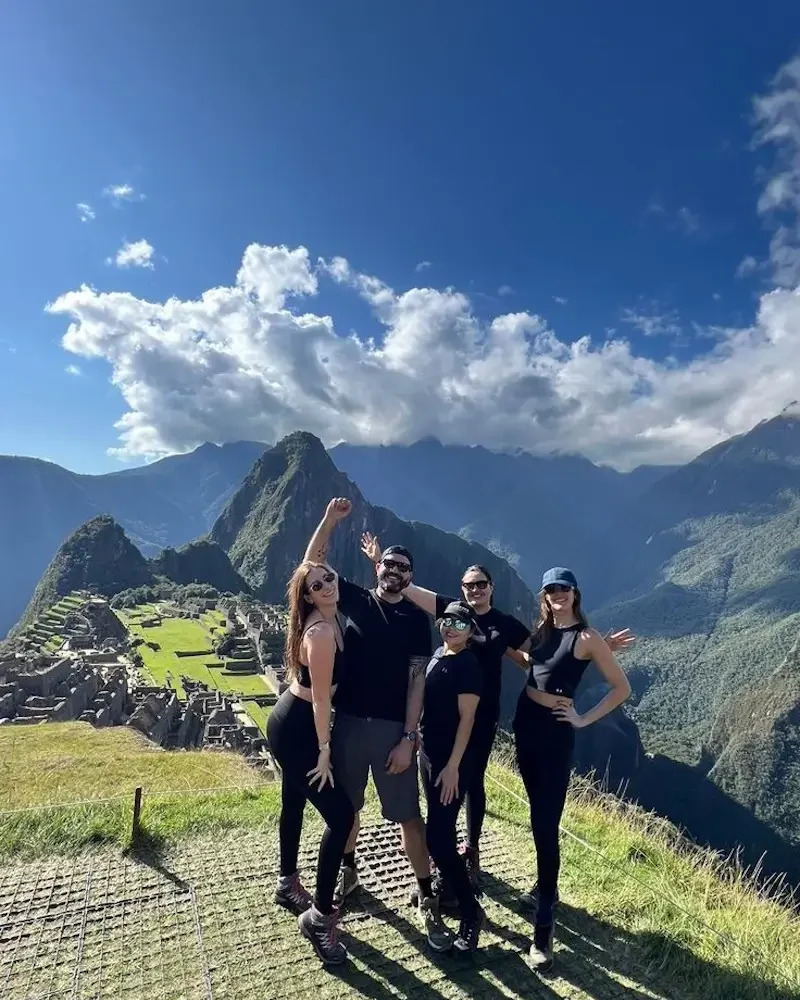
Machu Picchu is the most iconic destination in the Andes and one of the New Seven Wonders of the World. Hidden high in the cloud forest, this ancient Inca citadel is famous for its stone architecture, agricultural terraces, and mystical mountain setting.

Visitors can reach it via the classic Inca Trail or by train from Cusco, experiencing one of the most unforgettable archaeological sites on Earth.

Cusco – The Historic Capital of the Andes

Cusco was the capital of the Inca Empire and remains one of the most important cultural centers in South America. Its blend of Inca stone foundations and Spanish colonial architecture makes it a UNESCO World Heritage Site.

Today, Cusco is the gateway to Machu Picchu and the Sacred Valley, offering vibrant markets, archaeological sites, and rich cultural experiences.

Sacred Valley – Heart of Inca Civilization

The Sacred Valley, stretching between Cusco and Machu Picchu, is home to fertile lands, ancient ruins, and traditional Andean villages.

Key sites include Ollantaytambo Archaeological Site and Pisac Archaeological Park, both showcasing impressive Inca engineering and agricultural terraces that are still visible today.

Lake Titicaca – The Sacred Lake of the Andes

Lake Titicaca is the highest navigable lake in the world and one of the most spiritually significant places in Andean culture.

Home to the famous Uros floating islands and traditional communities like Taquile, the lake offers a unique glimpse into ancestral lifestyles that continue to this day.

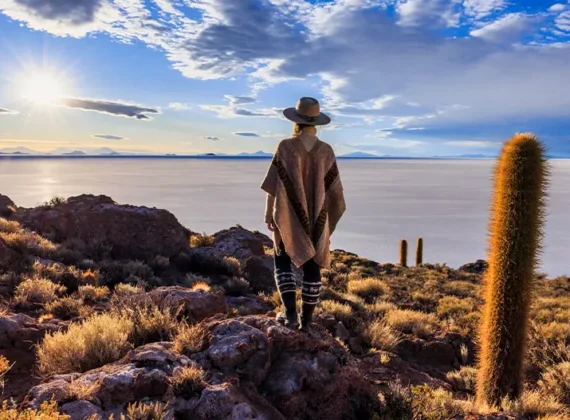
Salar de Uyuni – The World’s Largest Salt Flat

Salar de Uyuni is one of the most surreal landscapes in South America. During the rainy season, the salt flat transforms into a giant mirror reflecting the sky, creating a dreamlike illusion.

It is also famous for its “islands” of giant cacti and unique geological formations.

Torres del Paine – The Majestic Patagonian Andes

Torres del Paine National Park represents the dramatic southern Andes, where glaciers, granite towers, and turquoise lakes create one of the world’s most spectacular trekking destinations.

It is a paradise for hikers and nature lovers seeking untouched wilderness and extreme beauty.

A Continent of Endless Exploration

From the sacred ruins of the Incas to glacial peaks in Patagonia, the Andes offer an unmatched diversity of landscapes and cultural experiences. Each destination reveals a different chapter of South America’s history, making the Andes one of the most fascinating mountain ranges on Earth.

Best Experiences in the Andes: Andes Mountains geography culture

Iconic Peru Tour 7 Days

Iconic Peru Tour 7 Days

The Andes Mountains offer far more than spectacular landscapes—they deliver transformative experiences that combine adventure, culture, and luxury. From legendary trekking routes to immersive cultural encounters and world-class travel services, the region is one of the most diverse destinations on Earth.

Trekking & Adventure

The Andes are a paradise for trekkers and adventure seekers, offering some of the most iconic hiking routes in the world.

  • Inca Trail to Machu Picchu: The legendary route that follows ancient stone paths through cloud forests, archaeological sites, and mountain passes, ending at the Sun Gate with a breathtaking view of Machu Picchu.
  • Salkantay Trek: A more challenging alternative to the Inca Trail, crossing dramatic snow-capped peaks, turquoise lagoons, and high-altitude valleys dominated by the sacred Mount Salkantay.
  • Cordillera hikes in Bolivia: The Cordillera Real offers remote trekking routes with glacial lakes, rugged peaks, and some of the most untouched mountain scenery in South America.

Luxury Travel Experiences

For travelers seeking comfort and exclusivity, the Andes offer some of the most refined luxury experiences in South America.

  • Boutique lodges in the Sacred Valley: High-end retreats surrounded by mountains and Inca terraces, offering personalized service, gourmet cuisine, and wellness experiences in a serene natural setting.
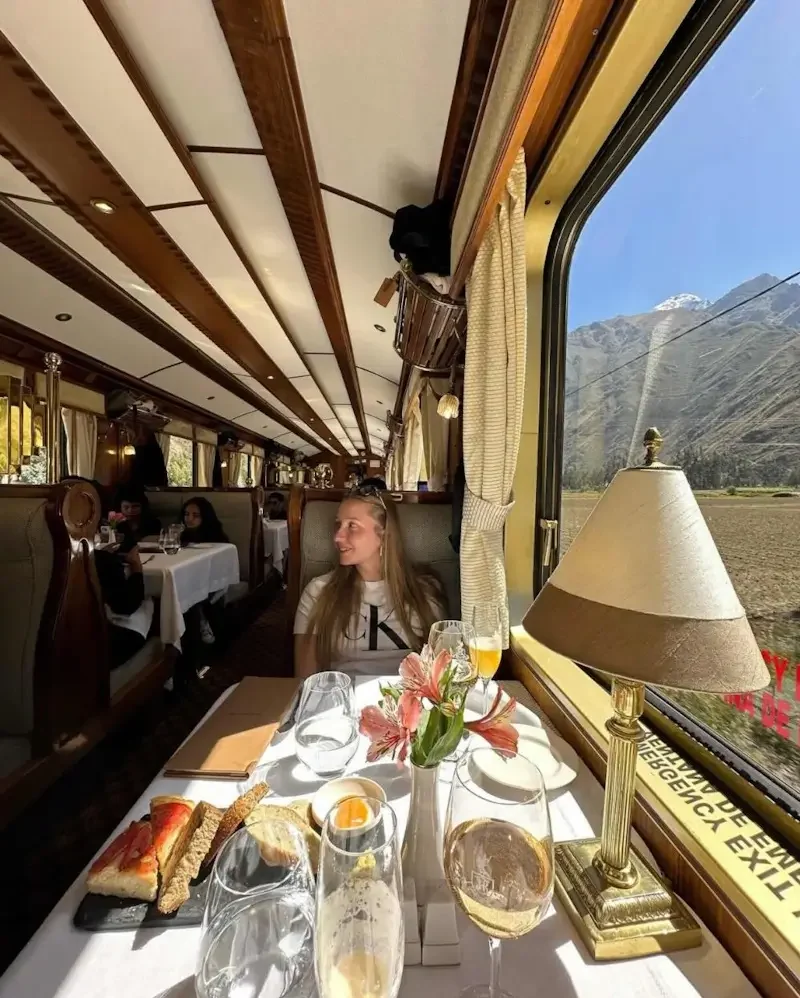
  • Luxury train journeys like Belmond Andean Explorer: One of the most elegant train rides in the world, traveling through the Peruvian highlands with panoramic views, fine dining, and private sleeping cabins designed for ultimate comfort.

Cultural Immersion

One of the most meaningful ways to experience the Andes is by connecting directly with its living cultures and indigenous communities.

  • Homestays in Lake Titicaca islands: Stay with local families on the Uros or Taquile Islands and experience daily life on the world’s highest navigable lake, including traditional fishing, cooking, and weaving.
  • Local community tourism: Across Peru and Bolivia, community-based tourism projects allow travelers to participate in farming, textile production, and ancestral rituals, supporting sustainable development while preserving cultural heritage.

A Journey Beyond Travel

Experiencing the Andes is not just about visiting places—it is about living the landscapes, traditions, and stories that have shaped South America for thousands of years. Whether trekking ancient trails, relaxing in luxury lodges, or sharing life with Andean communities, every experience creates a deeper connection with this extraordinary mountain world.

Best Time to Visit the Andes

Moray Peru

Peru 8-Day Tour Machu Picchu

The Andes Mountains can be visited year-round, but the ideal time depends on the countries you plan to explore and the type of experience you are looking for. Because the Andes span several climates—from tropical highlands to snowy peaks—each season offers different advantages for trekking, culture, and photography.

Dry Season (May to September) – Best for Trekking & Outdoor Activities

The dry season is considered the best time to visit the Andes, especially in Peru, Bolivia, and parts of Ecuador.

  • Clear blue skies and excellent mountain visibility
  • Ideal conditions for trekking routes like the Inca Trail and Salkantay Trek
  • Lower chance of rain, making hiking safer and more enjoyable
  • Cooler temperatures, especially at night in high-altitude areas

This is also the peak tourist season, so popular destinations like Cusco and Machu Picchu can be more crowded.

Rainy Season (November to March) – Lush Landscapes & Fewer Crowds

The rainy season transforms the Andes into a vibrant green paradise.

  • Fewer tourists and lower travel costs
  • Dramatic cloud formations and mystical landscapes
  • Lush vegetation across valleys and mountains
  • Occasional heavy rain, especially in January and February

While trekking is still possible, some trails (including parts of the Inca Trail) may close temporarily due to weather conditions.

Shoulder Seasons (April & October) – The Perfect Balance

The shoulder months are often the best compromise between weather and crowds.

  • Pleasant weather with fewer rain interruptions
  • Less crowded attractions compared to peak season
  • Great photography conditions with mixed skies and green landscapes
  • More availability in hotels and tours

These months are ideal for travelers seeking a balanced experience.

Regional Differences Across the Andes

Because the Andes stretch across multiple countries, the best time can vary:

  • Peru & Bolivia: May to September (dry season is ideal)
  • Ecuador: June to September and December to January (depending on region)
  • Chile & Argentina (Patagonia Andes): October to April for hiking

A Year-Round Destination

The Andes offer something unique in every season. Whether you prefer clear trekking conditions, lush green landscapes, or fewer crowds, there is always a perfect time to explore this extraordinary mountain range.

Andes Food and Lifestyle

Andes Mountains geography culture

The Andes Mountains are not only a place of breathtaking landscapes and ancient history—they are also home to a rich culinary tradition and a distinctive way of life shaped by altitude, agriculture, and centuries of cultural heritage. Andean food and lifestyle reflect a deep connection to the land, community, and ancestral knowledge that continues to influence daily life across Peru, Bolivia, Ecuador, Colombia, Chile, and Argentina.

Traditional Andean Cuisine

Andean cuisine is based on ingredients that have been cultivated for thousands of years at high altitudes, making it one of the most unique food cultures in the world.

  • Potatoes and corn: The Andes are the birthplace of thousands of potato varieties and native corn types, which remain dietary staples today.
  • Quinoa: Once considered sacred by the Incas, quinoa is a highly nutritious grain widely consumed across the region.
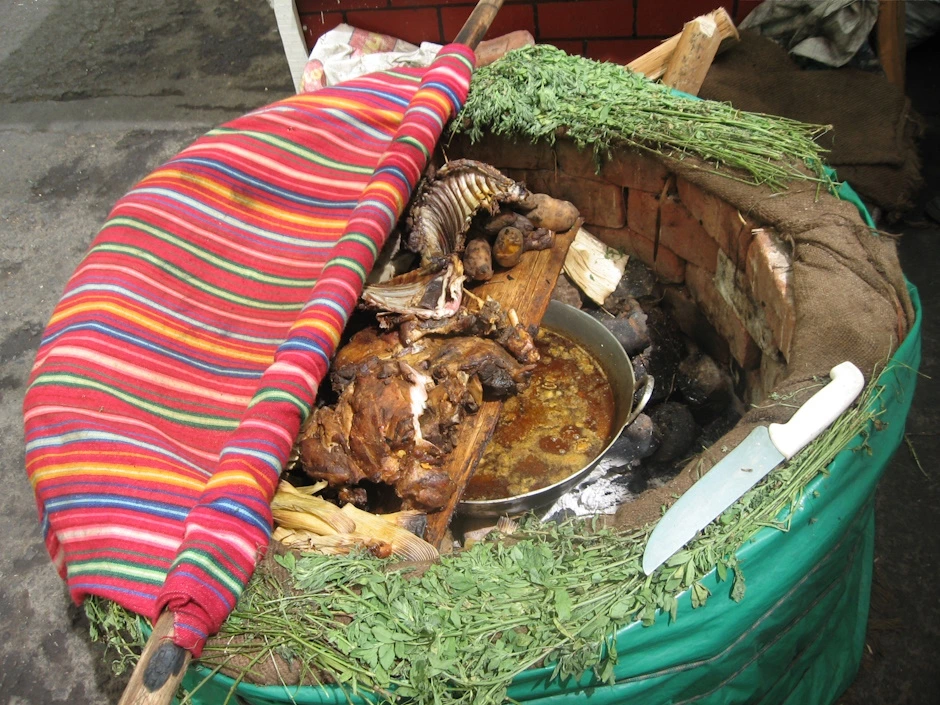
  • Cuy (guinea pig): A traditional delicacy in Peru and Bolivia, often served during festivals and special occasions.
  • Chuño and dried foods: Freeze-dried potatoes and preserved foods developed by ancient Andean civilizations for survival in harsh climates.
  • Fresh mountain ingredients: Trout from high-altitude lakes, alpaca meat, and local herbs are commonly used in regional dishes.

Andean food is simple, natural, and deeply connected to the agricultural cycles of the mountains.

Daily Life in the Andes

Life in the Andes is strongly influenced by altitude, geography, and community traditions.

  • Agriculture and terrace farming: Communities cultivate steep mountain slopes using ancient Inca terrace systems that maximize limited arable land.
  • Communal living (ayni system): Cooperation and reciprocity are essential values, where families support each other in farming, construction, and celebrations.
  • Traditional clothing: Many communities still wear colorful handwoven textiles that represent identity, region, and social status.
  • Animal herding: Llamas and alpacas play an important role in transportation, wool production, and local economy.

Art, Craftsmanship, and Identity

Artisan traditions are a vital part of Andean identity and economy.

  • Textiles: Handwoven fabrics are among the most important cultural expressions, often carrying symbolic meanings through patterns and colors.
  • Pottery and ceramics: Inspired by ancient civilizations like the Nazca and Moche, modern artisans continue traditional techniques.
  • Markets and craftsmanship: Local markets in Cusco, Puno, and Otavalo (Ecuador) showcase vibrant handicrafts that preserve ancestral skills.

A Lifestyle Connected to Nature

The Andean way of life is deeply rooted in respect for nature and spiritual balance. Mountains (Apus) are considered sacred protectors, while Pachamama (Mother Earth) is honored through rituals and offerings.

This connection influences everything—from farming practices to festivals and daily decision-making—creating a lifestyle that is both sustainable and spiritually meaningful.

A Living Culture of the Mountains

Andes food and lifestyle are a reflection of resilience, tradition, and harmony with nature. Whether through a shared meal in a mountain village or the rhythm of daily agricultural life, the Andes offer a powerful cultural experience that continues to thrive in the modern world.

Frequently Asked Questions

Cusco the Imperial City

This section answers the most common questions about the Andes Mountains, helping travelers better understand the region, plan their trip, and optimize their travel experience across South America.

What are the Andes Mountains known for?

The Andes Mountains are known for being the longest continental mountain range in the world, stretching along the western edge of South America. They are famous for their dramatic landscapes, ancient civilizations such as the Incas, diverse ecosystems, and iconic destinations like Machu Picchu and Lake Titicaca.

Which countries do the Andes Mountains pass through?

The Andes cross seven countries: Venezuela, Colombia, Ecuador, Peru, Bolivia, Chile, and Argentina. Each country offers unique landscapes—from tropical highlands in the north to glaciers and fjords in the south.

What is the best time to visit the Andes?

The best time to visit the Andes is during the dry season, typically from May to September, especially in Peru and Bolivia. This period offers clearer skies, better trekking conditions, and more stable weather for outdoor activities like hiking and sightseeing.

Is trekking in the Andes difficult?

Trekking in the Andes ranges from moderate to very challenging, depending on the route. Popular trails like the Inca Trail or Salkantay Trek require good physical condition due to high altitude and steep terrain. Proper acclimatization in cities like Cusco is highly recommended.

What are the must-visit destinations in the Andes?

Some of the most popular destinations include Machu Picchu, Cusco, the Sacred Valley, Lake Titicaca, Salar de Uyuni, and Torres del Paine National Park. Each destination offers a unique combination of natural beauty and cultural heritage.

How high are the Andes Mountains?

The Andes reach an average height of about 4,000 meters (13,000 feet), with the highest peak being Aconcagua in Argentina at 6,961 meters (22,838 feet), making it the tallest mountain in the Western Hemisphere.

Do I need to worry about altitude sickness?

Yes, altitude sickness can affect travelers in high-altitude destinations such as Cusco, Puno, or La Paz. It is recommended to acclimatize gradually, stay hydrated, avoid heavy meals on arrival, and take it easy during the first days.

Why are the Andes important for South America?

The Andes play a crucial role in shaping climate, water systems, agriculture, and biodiversity across the continent. They are also culturally significant, preserving ancient traditions, languages, and heritage that continue to influence modern Andean societies.

What makes the Andes unique compared to other mountain ranges?

The Andes are unique because they combine extreme geographic diversity, ancient civilizations, living indigenous cultures, and world-famous archaeological sites. Few mountain ranges in the world offer such a rich combination of history, nature, and cultural experiences in one region.

For more information and to book your trip, contact us on WhatsApp. Follow us on Instagram for the latest updates and travel inspiration.

We are a Travel Agency specialized in tourist packages, if you need any information, do not hesitate to write to us.

We offer tours in Peru and Bolivia.
Read more Blogs ->