

Peruvian Amazon Cruises: Explore the Heart of the Amazon in Luxury and Comfort
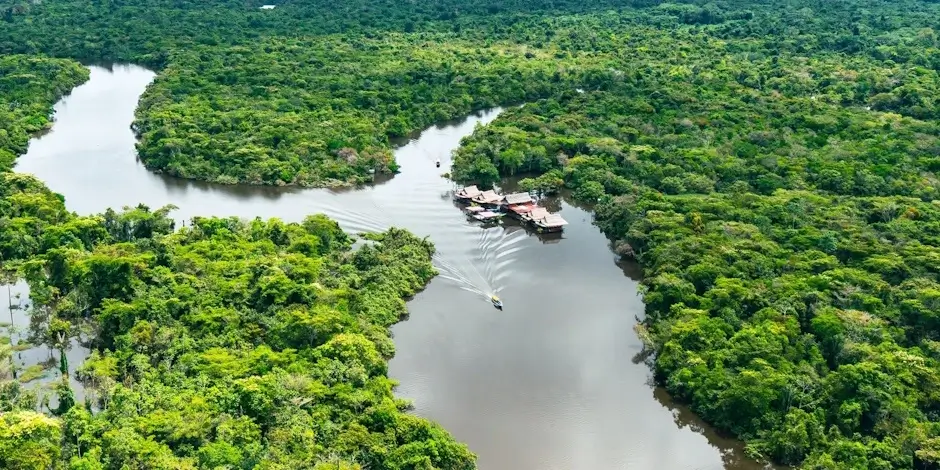
A Peruvian Amazon cruise puts you aboard a small, all-inclusive riverboat that sails out of Iquitos into the flooded forests and blackwater tributaries of the northern Amazon Basin. Most itineraries run four to seven nights and build each day around excursions into the Pacaya-Samiria National Reserve, Peru’s largest national reserve. It’s the most comfortable way to reach parts of the jungle that no road, and few land-based lodges, can get to.
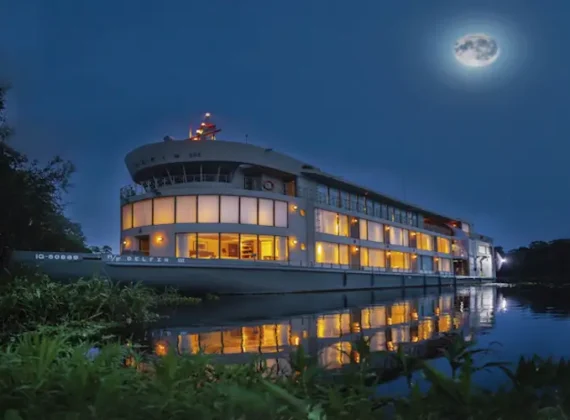
Three operators run the region’s best-known luxury ships: Delfin Amazon Cruises, Aqua Expeditions, and Zafiro. Between them, their vessels range from an 8-guest boutique boat to a 44-guest riverboat, and all three embark from Nauta and run itineraries along the Marañón and Ucayali Rivers into the reserve. In practice, choosing between them comes down to ship size, style, and season rather than the route itself. Here’s how each one compares, when to go, and how to fit a cruise into a wider Peru trip.
How a Peruvian Amazon Cruise Works
Getting there is part of the experience. A journey to Iquitos usually starts with a flight from Lima; the city is widely described as the largest in the world with no road connection to the rest of the country (a local highway reaches Nauta, but nothing beyond it). From the airport, guests transfer by land to the port of Nauta, about two hours away, where the ships embark. If you’d rather not rush the connection, spending an extra night to explore Iquitos and the Peruvian jungle beforehand is a reasonable buffer against flight delays.
Once aboard, days follow a similar rhythm: an early skiff excursion for birdwatching, a mid-morning outing along a tributary or to a riverside village, an afternoon activity such as kayaking or piranha fishing, and a night safari to spot caimans. Every excursion is led by an expert naturalist guide, and group sizes are kept deliberately small: Delfin’s skiffs seat up to 10, for example, and Aqua Expeditions caps its groups at 12. This varies by operator, so check with your ship. Meals, excursions, and the reserve’s entrance fee are generally included in the cruise price, though you should confirm the specific inclusions for your ship before booking.
Choosing Your Ship: Delfin, Aqua Expeditions, and Zafiro
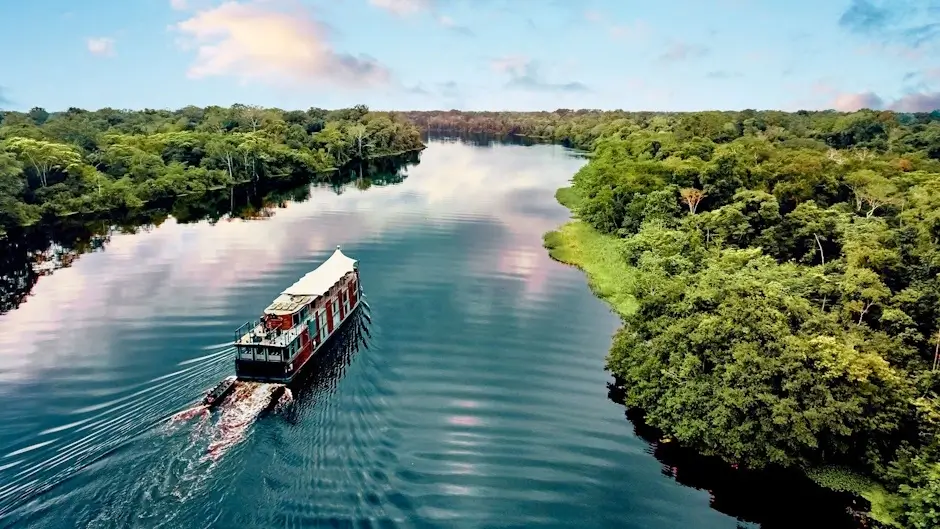
For a sense of what a typical route looks like, this 5-day Amazon cruise itinerary from Nauta covers most of what the ships below have in common.
| Ship | Suites / Guests | Best For |
|---|---|---|
| Delfin I | 4 suites / up to 8 guests | Couples or small groups wanting a private, boutique feel |
| Delfin II | 14 suites / up to 28 guests | Families (interconnecting suites, minimum age 7) |
| Delfin III | 22 suites / up to 44 guests | Travelers who want more onboard amenities and social space |
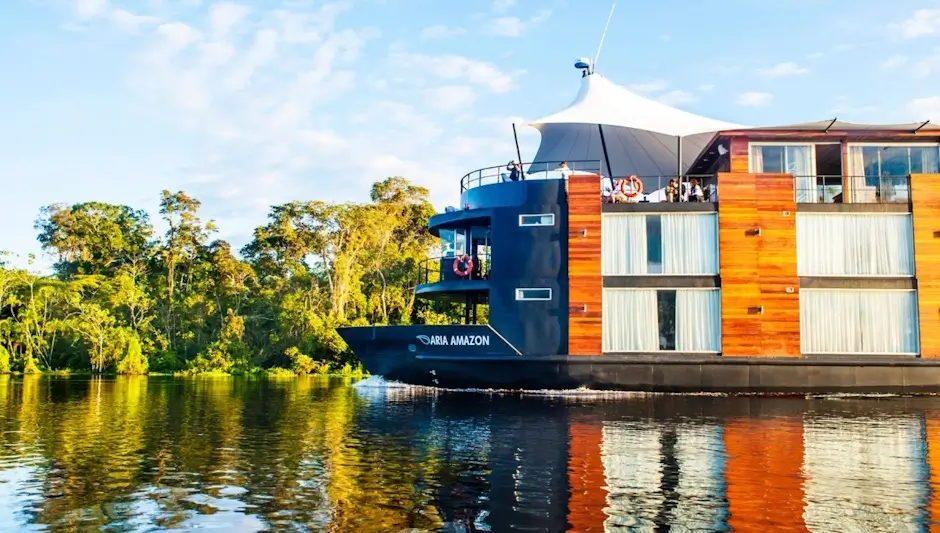
| Aria Amazon | 16 suites / up to 32 guests | Classic expedition style with floor-to-ceiling windows |
| Aqua Nera | 20 suites / up to 40 guests | Contemporary design, with a spa, gym, and plunge pool |
| Zafiro | 19 suites / up to 38 guests | A mid-size ship balancing intimacy and amenities |
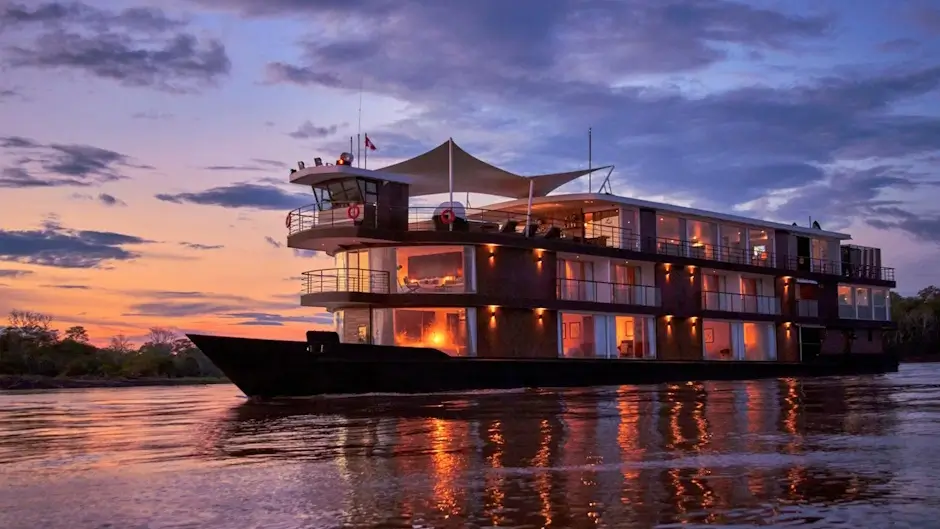
Delfin Amazon Cruises is a Peruvian, family-run operator recognized by Relais & Châteaux. Delfin I, relaunched in 2025 after a renovation, is the smallest and most private option on the river; its sister ships, Delfin II and III, add more suites and shared spaces while keeping the line’s signature floor-to-ceiling windows.
Aqua Expeditions runs Aria Amazon and Aqua Nera, both known for onboard dining developed with Peruvian chef Pedro Miguel Schiaffino, and, on Aqua Nera, extras like a plunge pool, gym, and screening room.
Zafiro, sailing since 2015, sits between the two in size. It’s a reliable choice for travelers who want the full luxury experience without the scale of the largest ships.
Wildlife and Onboard Excursions
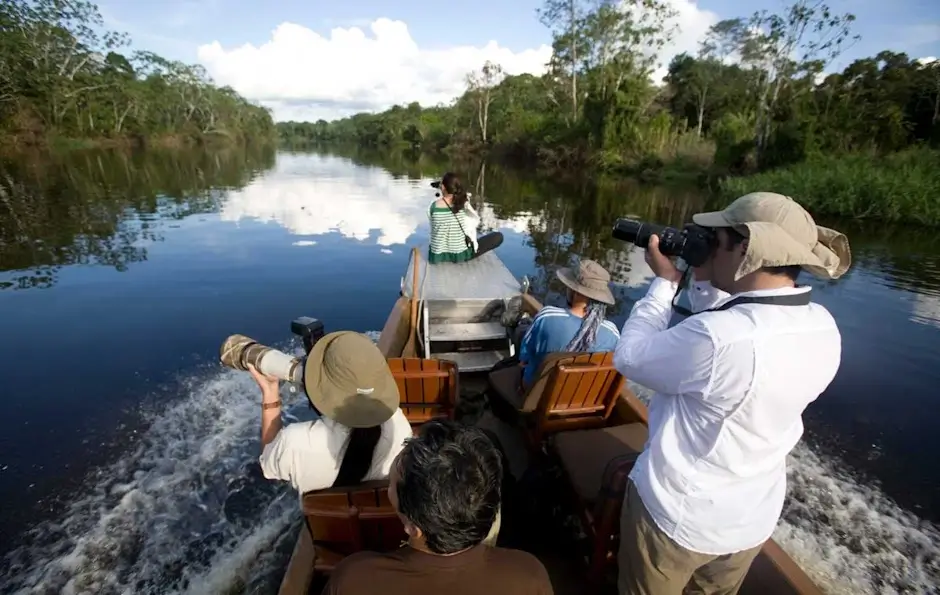
Expect regular sightings of pink river dolphins, several species of monkey, sloths, caimans, and hundreds of bird species, spotted with the help of the ship’s naturalist guides rather than left to chance. Excursions rotate between skiff rides on narrow tributaries, guided jungle walks, and, on some itineraries, kayaking or piranha fishing. For more things to do in the Peruvian Amazon beyond the ship’s included excursions, our full guide covers lodge-based and independent options as well.
Best Time for a Peruvian Amazon Cruise
The Amazon doesn’t follow a typical wet-dry calendar so much as a high-water and low-water cycle, and that cycle shapes the experience more than the month itself.
| If you want… | Sail during |
|---|---|
| Skiff and canoe access deep into flooded forest | High-water season, roughly December to May |
| Concentrated wildlife along riverbanks and beaches | Low-water season, roughly June to November |
| Longer guided jungle walks | Low-water season, roughly June to November |
| The most dramatic mirror-like reflections on the water | High-water season, roughly December to May |
Neither season is objectively better. Operators run departures year-round, and signature wildlife such as pink dolphins, macaws, and caimans are visible in both.
Traveling Responsibly in the Amazon
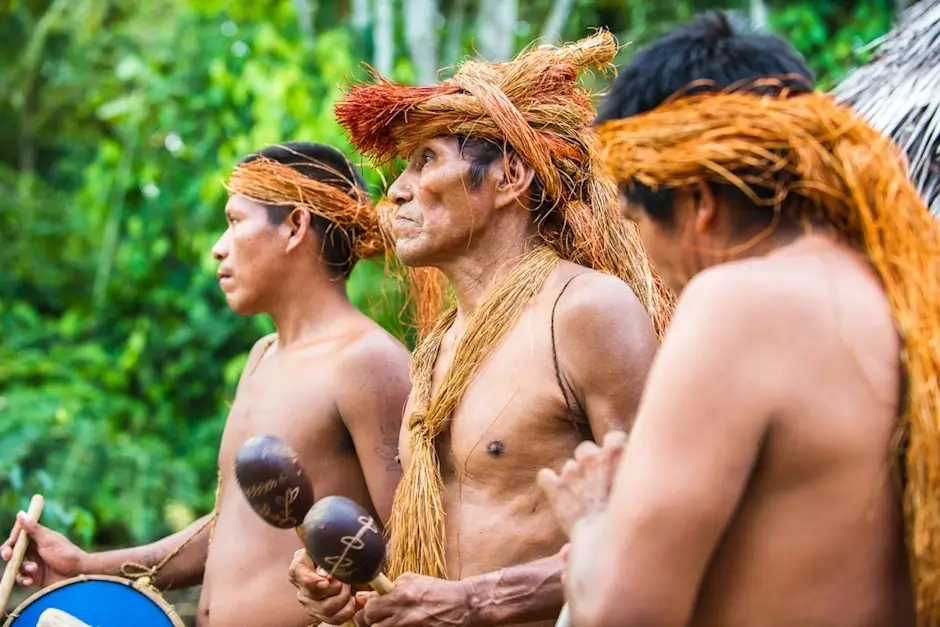
Choosing a reputable operator matters as much as choosing a comfortable one: much of the tourism revenue from reserve visits supports the rangers and communities who manage it. For more on how that works, see our piece on conservation tourism in the Amazon.
What to Pack and Know Before You Go

Bring lightweight, quick-dry clothing, a wide-brimmed hat, and a strong insect repellent; most operators supply rubber boots and rain ponchos for excursions. As of this writing, the CDC recommends yellow fever vaccination for travelers heading to Loreto and other Amazon regions, ideally at least 10 days before departure; it isn’t a Peruvian government requirement for entry, but health guidance can change, so confirm the current recommendation with a travel clinic before you go. If your trip also includes the Andes, plan for altitude separately, since the Amazon itself sits at low elevation.
Combining the Amazon with the Rest of Peru
Because cruises fly in and out of Iquitos rather than Cusco, they pair naturally with a Lima stopover on either end, and many travelers extend the trip to Machu Picchu and the Sacred Valley. A ready-made 10-day Amazon cruise and Machu Picchu itinerary is one way to do it; if you’d rather build something around your own dates, our team can put together luxury travel packages across the Andes or tailor-made luxury Peru travel that adds Cusco, the Sacred Valley, or Lake Titicaca before or after your time on the river.
Frequently Asked Questions
How many days should a Peruvian Amazon cruise be?
Four nights is enough to reach the Pacaya-Samiria Reserve and complete a full excursion rotation. Five to seven nights allow for more remote routes and a wider range of activities without repeating excursions.
Is a Peruvian Amazon cruise good for families with children?
Often, yes, but check the fine print. Delfin II, for example, currently accepts children from age 7 and has interconnecting family suites; minimum-age policies vary by ship and cabin category and can change, so confirm before booking.
What’s the difference between an Amazon river cruise and a jungle lodge stay?
A cruise moves each night, covering a wider stretch of the Pacaya-Samiria Reserve and its tributaries, while a lodge stays fixed in one place. This also matters if you’re comparing a Loreto cruise to a lodge trip in Tambopata or Madre de Dios, a different part of the Peruvian Amazon, further south, that isn’t served by riverboats.
Do I need to book through a travel agency?
You can book directly with the cruise lines. A specialist mainly helps by matching ship size and season to your trip, coordinating flights and transfers, and combining the cruise with the rest of a Peru itinerary.
Ready to compare dates and combine your Amazon cruise with the rest of Peru? Contact us on WhatsApp and we’ll help you plan it.