

Best Altitude Sickness Tips in Cusco: A Complete Guide for First-Time Travelers
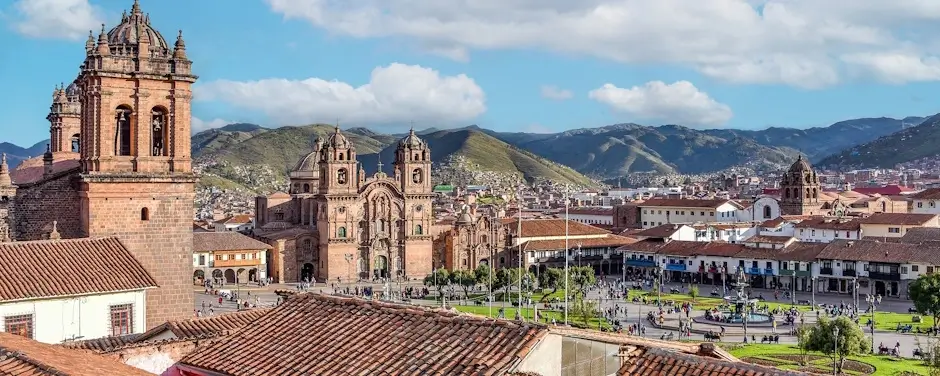
Looking for the best altitude sickness tips in Cusco? Since Cusco sits at over 3,399 meters (11,152 feet) above sea level, many travelers experience mild symptoms when they first arrive. Fortunately, with proper acclimatization, hydration, and a few simple precautions, you can minimize discomfort and fully enjoy your adventure through Cusco, the Sacred Valley, and Machu Picchu. these altitude sickness tips will help you adapt smoothly and make the most of your Peruvian adventure.
What Is Altitude Sickness?
Altitude sickness, also known as acute mountain sickness (AMS), occurs when your body struggles to adjust to lower oxygen levels at high elevations. Symptoms can range from mild discomfort to more serious conditions if left untreated.
Common symptoms include:
- Headache
- Dizziness
- Fatigue
- Nausea
- Shortness of breath
- Difficulty sleeping
- Loss of appetite
Most visitors experience only mild symptoms that improve within 24 to 48 hours.
Why Does Altitude Sickness Happen in Cusco?
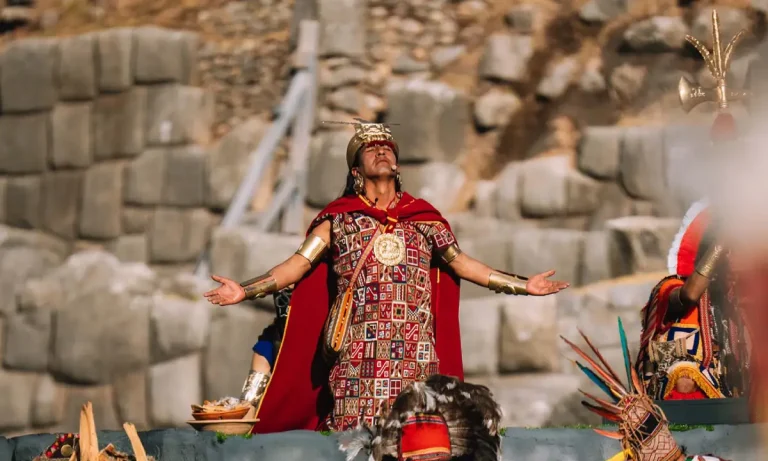
inti raymi in cusco peru
Cusco’s elevation is significantly higher than many major cities around the world. At this altitude, the air contains less oxygen, forcing your body to work harder to deliver oxygen to your muscles and organs.
Travelers flying directly into Cusco may notice symptoms shortly after arrival because the body has not had enough time to acclimatize.
Best Altitude Sickness Tips in Cusco
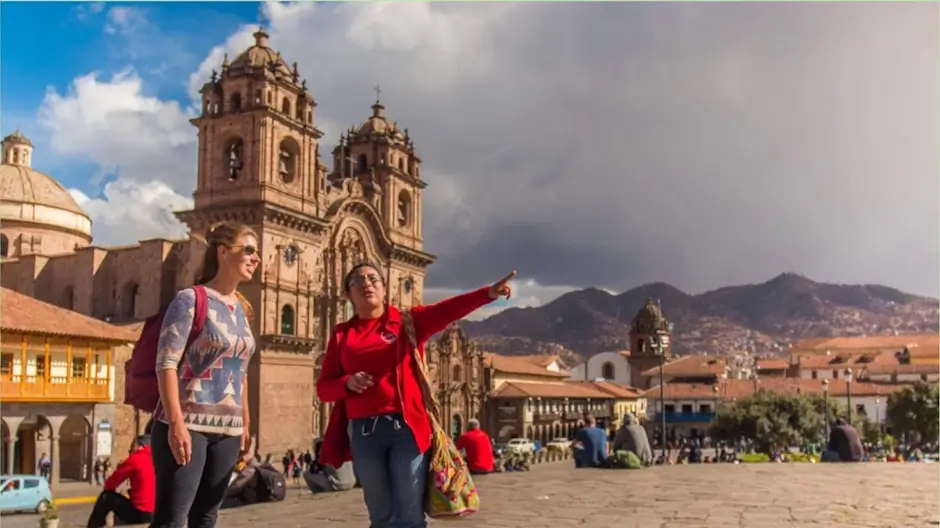
Take It Easy on Your First Day
One of the most important altitude sickness tips in Cusco is to avoid strenuous activities immediately after arrival.
Instead of rushing to visit every attraction, spend your first day:
- Walking slowly around the city center
- Relaxing at your hotel
- Staying hydrated
- Allowing your body to adjust naturally
Saving demanding activities for later can significantly reduce discomfort.
Stay Hydrated
Dehydration can worsen altitude sickness symptoms.
Drink plenty of:
- Water
- Herbal teas
- Electrolyte drinks
Avoid excessive consumption of alcohol and caffeinated beverages during your first days, as they can contribute to dehydration.
Drink Coca Tea
Coca tea is one of the most traditional remedies used throughout the Andes. Many hotels in Cusco offer complimentary coca tea to help visitors adapt to the altitude.
Benefits may include:
- Reduced headaches
- Improved digestion
- Increased energy
While coca tea is not a medical treatment, many travelers find it helpful during acclimatization.
Eat Light Meals
Heavy meals can make your body work harder when it is already adjusting to the altitude.
Choose foods such as:
- Soups
- Fruits
- Vegetables
- Lean proteins
Traditional Peruvian soups are an excellent option during your first days in Cusco.
Get Plenty of Rest
Your body needs extra energy to adapt to higher elevations.
Try to:
- Sleep well before your trip
- Avoid overexertion
- Schedule downtime during your first day
Even healthy and physically fit travelers may feel tired initially due to the reduced oxygen levels.
Avoid Alcohol During Acclimatization
Although Cusco offers exciting nightlife and excellent restaurants, it is wise to limit alcohol consumption during the first 24 to 48 hours.
Alcohol can:
- Increase dehydration
- Intensify headaches
- Disrupt sleep quality
Waiting a couple of days before enjoying alcoholic beverages can help your body adjust more effectively.
Consider Spending Time in the Sacred Valley First
Many experienced travelers choose to stay in the Sacred Valley before spending several days in Cusco.
The Sacred Valley sits at a lower elevation than Cusco, allowing for a gentler acclimatization process.
Popular destinations include:
- Sacred Valley of the Incas
- Pisac
- Ollantaytambo
This strategy is especially useful for travelers planning hikes or multi-day adventures.
Listen to Your Body
Everyone adapts differently to altitude.
If you experience symptoms:
- Rest immediately
- Drink fluids
- Avoid strenuous activity
- Seek medical attention if symptoms worsen
Never ignore severe symptoms such as confusion, difficulty breathing at rest, or persistent vomiting.
Altitude Sickness Medication
Some travelers use medications such as Acetazolamide (Diamox) to help prevent altitude sickness.
Before taking any medication:
- Consult your doctor
- Follow prescribed instructions
- Discuss any existing health conditions
Medication may be especially useful for travelers with previous experiences of altitude sickness.
How Long Does It Take to Acclimatize in Cusco?
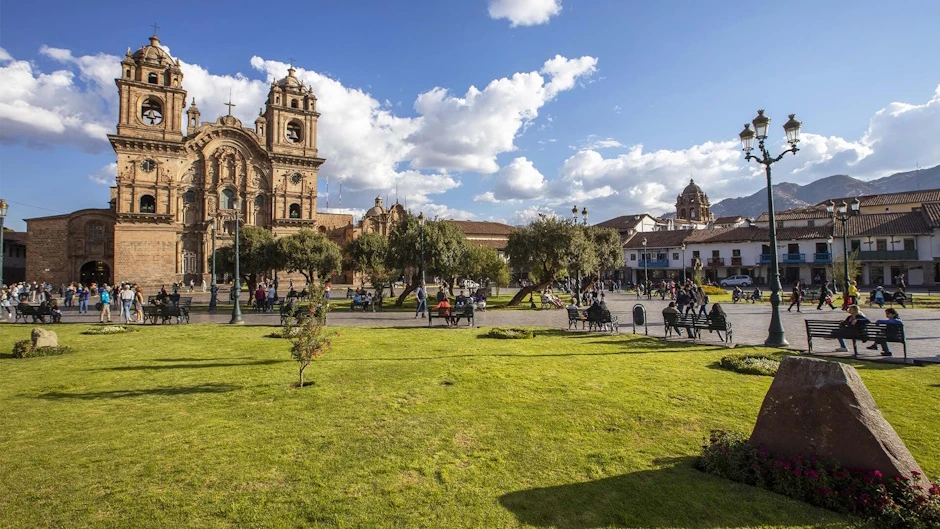
Best altitude sickness tips in Cusco
Most visitors begin feeling better after 24 to 48 hours. Full acclimatization may take several days depending on:
- Age
- Physical condition
- Previous altitude exposure
- Individual response
Giving yourself time to adjust is one of the best ways to enjoy your trip comfortably.
Can You Visit Machu Picchu if You Have Altitude Sickness?

Yes. Interestingly, Machu Picchu sits at a lower elevation (approximately 2,430 meters / 7,972 feet) than Cusco.
Many travelers who experience mild symptoms in Cusco feel noticeably better when visiting Machu Picchu.
However, proper acclimatization before exploring the region is still recommended.
- Luxury Peru Vacation Package | Lima, Amazon Cruise & Machu Picchu 10 Days
- Discover the Peruvian Amazon and Machu Picchu 09 Days
Frequently Asked Questions About Altitude Sickness in Cusco
Is altitude sickness common in Cusco?
Yes. Many visitors experience mild symptoms when they first arrive, especially if they come directly from sea level.
What is the fastest way to adjust to Cusco’s altitude?
Rest, stay hydrated, eat light meals, and avoid intense physical activity during your first day.
Does coca tea help with altitude sickness?
Many travelers and locals believe coca tea helps relieve mild symptoms and supports acclimatization.
Should I worry about altitude sickness in Machu Picchu?
Machu Picchu is located at a lower elevation than Cusco, so symptoms are generally less common there.
How many days should I stay in Cusco before hiking?
It is recommended to spend at least two days acclimatizing before attempting challenging treks such as the Inca Trail or hikes to high-altitude destinations.
Altitude sickness is a common concern for visitors arriving in Cusco, but with proper preparation, most travelers can adapt quickly and enjoy an unforgettable experience. Taking it easy, staying hydrated, getting enough rest, and allowing time for acclimatization are the keys to a successful trip.
By following these best altitude sickness tips in Cusco, you can focus on exploring the incredible history, culture, and landscapes that make this destination one of the most remarkable places in South America.
For more information and to book your trip, contact us on WhatsApp. Follow us on Instagram for the latest updates and travel inspiration.
CONTACT US:
We are a Travel Agency specialized in tourist packages, if you need any information, do not hesitate to write to us.
We offer tours in Peru and Bolivia.