

Machu Picchu vs Choquequirao: Which Inca City Is Bigger and Better to Visit?
Exploring the treasures of Peru leads many travelers and adventurers to discover the fascinating world of ancient Inca cities and archaeological wonders. The Machu Picchu vs Choquequirao comparison is one of the most intriguing topics for those interested in Peru’s history, culture, and breathtaking landscapes.
Machu Picchu and Choquequirao, two majestic Inca ruins in Peru, offer a unique insight into the legacy of the Inca civilization. While Machu Picchu is the most famous archaeological site in South America and a UNESCO World Heritage Site, Choquequirao remains a hidden Inca city surrounded by the dramatic mountains of the Vilcabamba range, offering an unforgettable Choquequirao Trek Peru experience.
But which of these destinations is larger? Is Choquequirao bigger than Machu Picchu, and which site has greater historical significance? In this complete Machu Picchu and Choquequirao comparison, we will explore their size, architecture, history, accessibility, and unique features to help you discover which ancient Inca site is the best choice for your next Peru adventure tour.
Join us on this journey through history and architecture to uncover the secrets of two of the most impressive ancient Inca sites in Peru.
- Discover the Wonders of Peru: with the Tour Perú Machu Picchu Nazca 15 Days
- Discover the Best of Perú: with the Tour Perú Amazon Nazca Machu Picchu 20 Days
- Travel Package to Peru Tour in Lima, Paracas, Ballestas, Nazca Lines, Colca Canyon 22 Days
Which is larger, Machu Picchu or Choquequirao?

When we talk about Machu Picchu and Choquequirao, both archaeological sites are impressive, but they vary significantly in size and structure. Machu Picchu, known worldwide, occupies approximately 13 square kilometers, including its agricultural terraces and urban structures. In contrast, Choquequirao is often considered the “big brother” of Machu Picchu due to its larger size, spanning about 18 square kilometers.
Expanse and Structures
Machu Picchu and Choquequirao not only differ in total size but also in the complexity of their structures. Machu Picchu is famous for its impressive architecture, including the Temple of the Sun and the famous Intihuatana, a carved stone believed to have functioned as a sundial or astronomical calendar. Choquequirao, on the other hand, is less known but no less impressive; it features extensive plazas and a complex system of terraces that extend far beyond the central areas uncovered so far.
Although Machu Picchu attracts more tourists due to its accessibility and fame, Machu Picchu and Choquequirao offer unique experiences that reflect the engineering and worldview of the Inca. While Machu Picchu might be considered more “compact,” Choquequirao represents a greater challenge for explorers due to its remote location and larger size.
How is the greatness of these archaeological sites measured?

When evaluating the greatness of sites like Machu Picchu and Choquequirao Trekking, we not only consider their physical size but also their historical importance, architectural significance, and cultural impact. These factors together help us better understand the legacy of the Incas and the magnificence of their constructions.
Historical and Architectural Importance
One of the highlights of Machu Picchu and Choquequirao is their architectural design, showcasing the advanced engineering of the Incas. Machu Picchu, for example, is built with a technique called “dry stone masonry,” which does not require mortar and has withstood earthquakes over the centuries. Choquequirao shares this technique, although it is less explored, which could indicate that there is more to discover, adding to its mysterious greatness and historical potential.
Cultural Impact
Machu Picchu and Choquequirao are not only important from an archaeological perspective but are also crucial for understanding Inca culture and its relationship with the natural environment. Machu Picchu is especially notable for its astronomical alignment, demonstrating the advanced celestial knowledge of the Incas. Choquequirao, similarly, features impressive alignments believed to have served for religious ceremonies and astronomical observations.
These sites teach us about the past and continue to inspire both scholars and travelers today, highlighting their immense contribution to our global understanding of ancient civilizations.
What factors differentiate Machu Picchu from Choquequirao?

When comparing Machu Picchu and Choquequirao, it is crucial to examine the aspects that distinguish them and make them unique in their own right. Although they share Inca roots and impressive architectural beauty, there are significant differences that highlight the individual personalities of these sites.
Accessibility and Popularity
One of the most obvious factors that differentiate Machu Picchu and Choquequirao is their accessibility. Machu Picchu is more easily accessible, with modern transportation options such as trains and buses taking visitors almost to the site’s entrance. On the other hand, Choquequirao requires a more extensive and challenging hike, limiting the number of visitors and preserving its quieter and more remote atmosphere.
Level of Exploration and Conservation
Another significant difference lies in the level of exploration and conservation of each site. Machu Picchu has been the subject of study and restoration for decades, leading to a more comprehensive understanding of its history and stricter conservation of its structures. In contrast, Choquequirao is still largely unexplored, offering adventurers the opportunity to discover new archaeological wonders, but also posing challenges in terms of preservation and site protection.
Cultural and Environmental Experience
The experience offered by Machu Picchu and Choquequirao also differs in cultural and environmental terms. Machu Picchu, due to its popularity and accessibility, may feel more touristy and crowded, while Choquequirao offers a more intimate experience in communion with nature, ideal for those seeking a more authentic and less crowded adventure.
- Journey to the Heart of the Andes: A 15-Day Adventure from Cusco to San Pedro de Atacama 15 Days
- Andean Expedition Exploring the Treasures of Peru and Bolivia. 20 Days
- South America tourist package visiting Peru and Bolivia 25 days
- South America tour through the Andes of Peru, Bolivia and Chile.15 Days
- Discover South América with the Perú Bolivia Tour 14 Days
- South America trip: the best tour of Peru and Bolivia 10 Days
What are the main characteristics of each site?
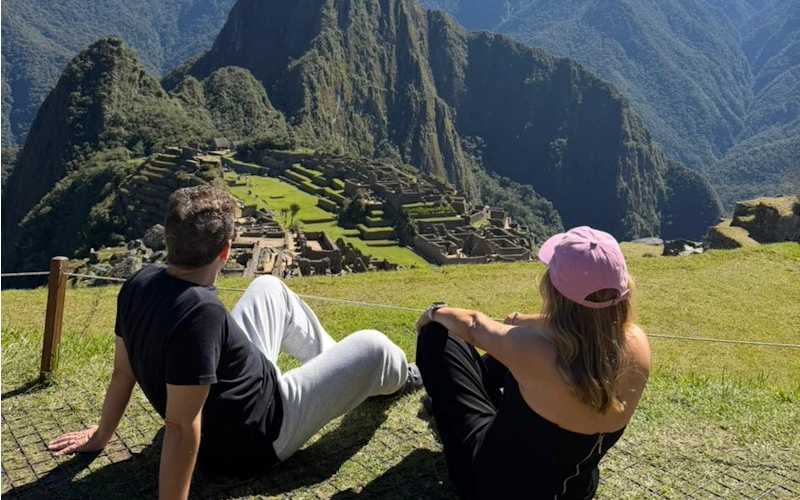
To fully understand the greatness of Machu Picchu and Choquequirao Trek, it is essential to examine the distinctive characteristics that make each site unique and memorable. Through these characteristics, we can appreciate the beauty and historical importance of both destinations.
Machu Picchu: Treasure in the Mountains
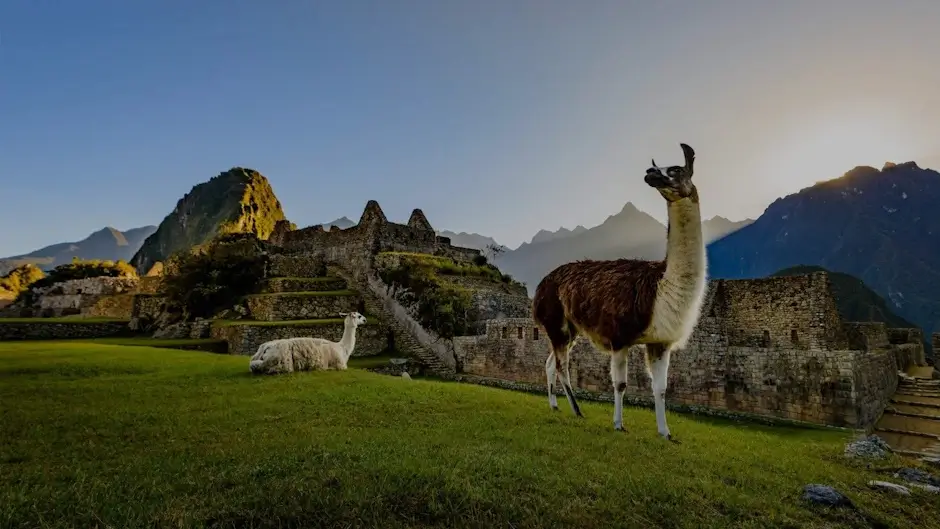
Machu Picchu stands out for several notable features that make it an iconic destination in the world of archaeology and tourism. One of its most outstanding features is its geographical location, nestled high in the Peruvian Andes and surrounded by imposing mountains. This location not only offers spectacular views but also provides a mystical and unique atmosphere that captivates visitors.
Additionally, Machu Picchu boasts impressive architecture, characterized by its agricultural terraces, ceremonial temples, and residential complexes. The precision and beauty of the mortarless cut stone structures are a testament to the ingenuity and skill of the ancient Inca builders. Among its most famous features are the Intihuatana, an ancient astronomical device, and the Temple of the Sun, which stands out for its design and strategic location.
Choquequirao: The Lost City of the Inca
In contrast, Choquequirao possesses its own set of impressive features that distinguish it as a unique archaeological treasure. One of Choquequirao’s most prominent features is its expansive size and remote location. This site spans a large expanse of land in the mountains of the Cusco region, and its access requires a demanding hike, limiting the number of visitors and preserving its quiet and pristine atmosphere.
The architecture of Choquequirao is equally impressive, with agricultural terraces on terraces, ceremonial plazas, and water channel systems that demonstrate advanced urban planning. Although less explored than Machu Picchu, Choquequirao offers adventurers the opportunity to discover ancient structures still covered by vegetation and to enjoy panoramic views of the Peruvian Andes.
How does location affect the perception of their size?

The geographical location of Machu Picchu and Choquequirao plays a crucial role in how we perceive the size and grandeur of these archaeological sites. Through their natural environment and accessibility, location influences how we experience and value these historical treasures.
Altitude and Landscape
The altitude at which Machu Picchu and Choquequirao are located has a significant impact on our perception of their size. Machu Picchu is situated at a lower altitude than Choquequirao, making it more accessible to visitors and creating the feeling that it is more compact and easy to explore. On the other hand, Choquequirao is located high in the Peruvian Andes, at a higher altitude and in a more remote environment, contributing to the perception that it is larger and more challenging to reach.
Accessibility and Viewpoints
Accessibility also influences how we perceive the size of each site. Machu Picchu, due to its more accessible location and the developed tourist infrastructure around it, allows visitors to explore and appreciate its dimensions from different perspectives, which can give the impression that it is smaller. In contrast, Choquequirao, with its more difficult access and relative isolation, offers fewer opportunities to gain a comprehensive view of the site, which can lead to the perception that it is larger and more expansive.
Cultural and Historical Context
Furthermore, the cultural and historical context of each site also influences how we perceive their size. Machu Picchu, as one of the world’s most famous tourist destinations, is surrounded by a rich history and mythology that can influence our perception of its greatness. On the other hand, Choquequirao, less known but equally impressive in terms of architecture and size, may seem even larger due to its relative anonymity and its connection to the Inca’s “lost city.”
What impact does the natural environment have on the greatness of Machu Picchu and Choquequirao?

The natural environment plays a crucial role in the greatness and beauty of Machu Picchu and Choquequirao, influencing how we perceive and experience these unique archaeological sites. From their location in the heights of the Andes to their integration with the lush tropical jungle, the natural environment enriches the experience of visiting these historical treasures.
Machu Picchu: Charm in the Mountains
Machu Picchu’s location in the foothills of the Peruvian Andes greatly contributes to its greatness. Surrounded by mountains covered in lush vegetation and snow-capped peaks, Machu Picchu rises majestically above the Urubamba River valley, creating a stunning backdrop and a sense of mystery and awe. The natural environment adds an additional dimension to the experience, making a visit to Machu Picchu a complete immersion in the beauty of nature and history.
Choquequirao: Wild Beauty in the Heights
On the other hand, Choquequirao is located in an even more remote and wild location, adding a sense of adventure and exploration to the experience. Situated high in the mountains of the Cusco region, Choquequirao blends seamlessly with the mountainous landscape, surrounded by stunning canyons and winding rivers. The pristine nature surrounding Choquequirao creates a more pristine and secluded atmosphere, where visitors can connect with the land and feel the greatness of the history that lies before them.
How has history influenced the expansion of these sites?
History has played a fundamental role in the expansion and preservation of Machu Picchu and Choquequirao, shaping their development and significance over time. Through conquests, discoveries, and explorations, these sites have witnessed the events that have shaped the region and the world at large.
Discovery and Rediscovery
The impact of history on Machu Picchu and Choquequirao is evident in their process of discovery and rediscovery. Machu Picchu was rediscovered in 1911 by explorer Hiram Bingham, who unearthed its ruins and presented them to the world, sparking global interest in Inca culture and tourism in Peru. Choquequirao, on the other hand, was discovered much later and has not yet been fully excavated, reflecting the influence of history on the exploration and knowledge of these sites.
Expansion and Recognition
The expansion of Machu Picchu and Choquequirao as tourist destinations has also been shaped by history. Over the years, Machu Picchu has experienced a steady increase in the number of visitors, leading to the need for conservation and preservation measures to protect its integrity. On the other hand, Choquequirao has remained relatively unknown and less visited, but its potential to become a major tourist destination has been recognized, leading to initiatives to promote its exploration and protection.
Interpretation and Legacy
History also influences the interpretation and legacy of Machu Picchu and Choquequirao. Over the years, these sites have been the subject of research and debate among historians, archaeologists, and experts in Inca culture, enriching our understanding of their historical and cultural significance. Their legacy endures as a testament to the greatness and creativity of the Inca civilization, inspiring present and future generations to explore and appreciate the richness of ancient history.
Ready to embark on the adventure of a lifetime? At Leading Travel, we are experts in designing tailor-made tour packages that will transform the way you travel. Our local knowledge and attention to detail guarantee that your Sacred Valley trekking experience will be unforgettable. We are not only your best choice, we are your ultimate travel partner.
Frequently Asked Questions About Machu Picchu vs Choquequirao
Is Choquequirao bigger than Machu Picchu?
Choquequirao is considered larger in terms of archaeological extension compared to Machu Picchu. However, much of Choquequirao remains unexplored, while Machu Picchu is a fully developed archaeological site with greater worldwide recognition. Both destinations represent impressive examples of ancient Inca cities in Peru.
What is the difference between Machu Picchu and Choquequirao?
The main difference between Machu Picchu and Choquequirao is the travel experience. Machu Picchu is a famous Inca citadel that can be reached easily by train and bus, while Choquequirao is a remote archaeological site that requires a challenging multi-day trek through the Andes.
Which is better, Machu Picchu or Choquequirao?
The choice depends on your travel style. Machu Picchu is ideal for first-time visitors who want to experience Peru’s most iconic attraction, while Choquequirao is perfect for travelers seeking adventure, solitude, and an authentic Choquequirao Trek Peru experience.
How difficult is the Choquequirao Trek compared to Machu Picchu?
The Choquequirao Trek is significantly more challenging than visiting Machu Picchu because it involves several days of hiking, steep mountain paths, and high-altitude terrain. Machu Picchu offers easier access, making it suitable for a wider range of travelers.
Can I visit Machu Picchu and Choquequirao on the same trip?
Yes. Many travelers combine both destinations through adventure trekking routes that connect these two remarkable Inca ruins in Peru. Visiting both allows you to experience the famous Machu Picchu sanctuary and the hidden beauty of Choquequirao.
Why is Choquequirao called the sister of Machu Picchu?
Choquequirao is often called the “sister of Machu Picchu” because both archaeological sites share similar Inca architecture, agricultural terraces, ceremonial spaces, and spectacular mountain locations in the Cusco region.
Which Inca site has more historical importance: Machu Picchu or Choquequirao?
Machu Picchu has greater historical recognition worldwide due to its discovery, preservation, and UNESCO status. However, Choquequirao is extremely important because it provides valuable insights into Inca engineering, urban planning, and the final years of the Inca civilization.
What is the best time to visit Machu Picchu and Choquequirao?
The best time to visit both destinations is during the dry season, from May to October, when weather conditions are generally better for sightseeing and trekking. For the Choquequirao Trek Peru, planning ahead is recommended due to its remote location and limited services.
Is Choquequirao a good alternative to Machu Picchu?
Yes. Choquequirao is one of the best Machu Picchu alternatives in Peru for travelers who want fewer crowds, challenging trekking routes, and a deeper connection with Peru’s ancient history and natural landscapes.
- Discover the Wonders of Peru: with the Tour Perú Machu Picchu Nazca 15 Days
- Discover the Best of Perú: with the Tour Perú Amazon Nazca Machu Picchu 20 Days
- Travel Package to Peru Tour in Lima, Paracas, Ballestas, Nazca Lines, Colca Canyon 22 Days
For more information and to book your trip, contact us on WhatsApp. Follow us on Instagram for the latest updates and travel inspiration.
CONTACT US:
We are a Travel Agency specialized in tourist packages, if you need any information, do not hesitate to write to us.
We offer tours in Peru and Bolivia.