

Explore the Machu Picchu Circuits: Complete Guide
Welcome to the adventure of a lifetime in one of the most amazing destinations in the world. Machu Picchu, the lost city of the Incas, is not just a place to visit but an experience to live. With several Machu Picchu circuits available, each trail takes you through history, culture, and natural vistas that will leave you breathless. This guide will help you choose the path that best suits your adventurous spirit, ensuring that every step is a revelation. Get ready to immerse yourself in the magic, mystery, and majesty of this ancestral site as part of your trips to Peru.
Machu Picchu Circuit 1: A Journey through the Inca Heart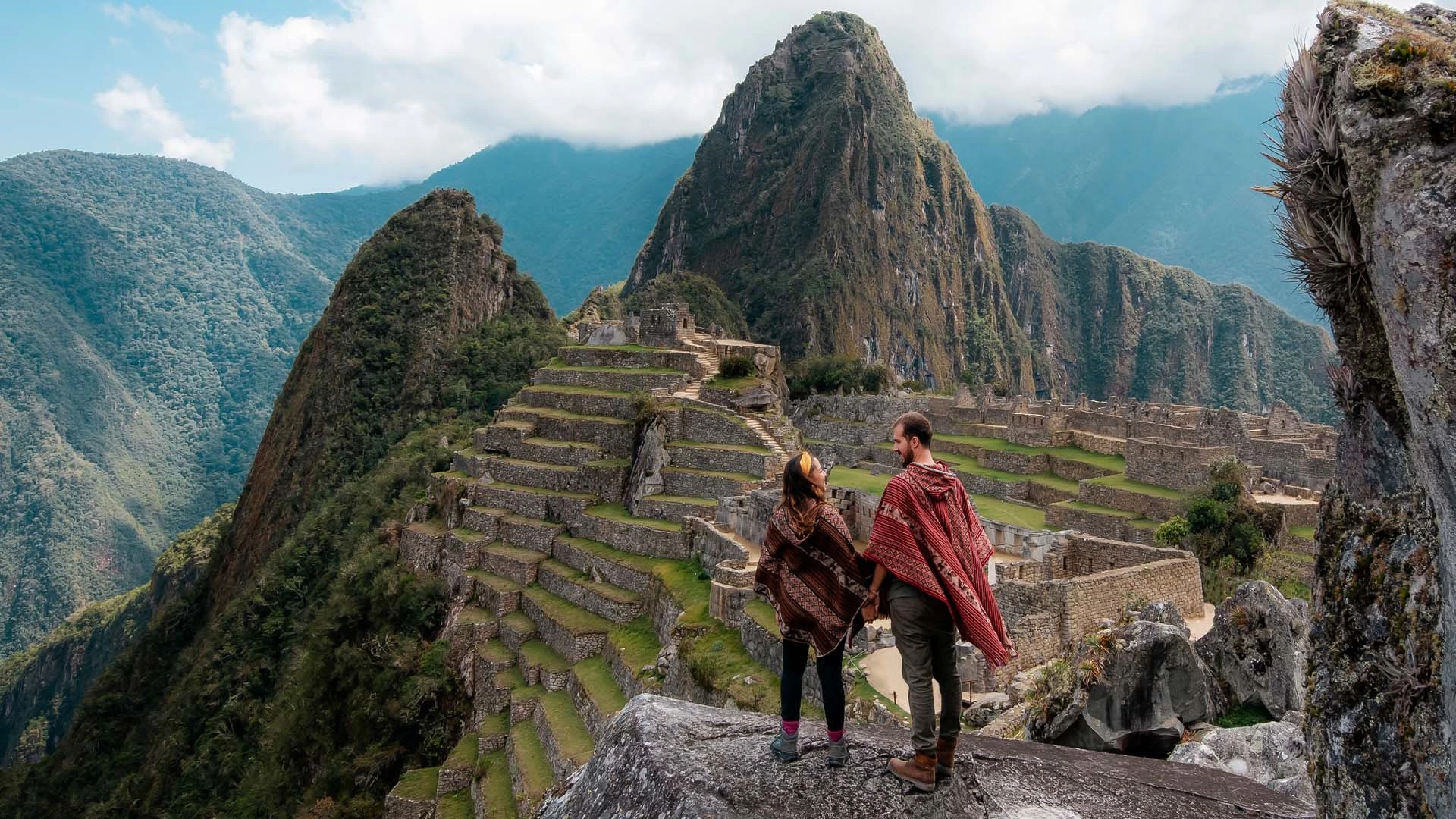
Machu Picchu Circuit 1 is your gateway to an unforgettable experience in the heart of Inca civilization. This tour, designed to immerse you completely in the splendor of this historic site as part of your Peru tours, takes you through the main wonders of the citadel, offering a deep and enriching perspective of its rich history, architecture, and culture.
What Is Circuit 1?
Circuit 1 is often referred to as the Panoramic Route because it highlights the terraces and viewpoints from which visitors can capture the most iconic images of Machu Picchu. Beyond the scenery, it also provides access to several important temples and architectural wonders that reveal the Inca vision of harmony between nature, spirituality, and design.
Highlights of Circuit 1
Guardian’s House (Casa del Guardián)
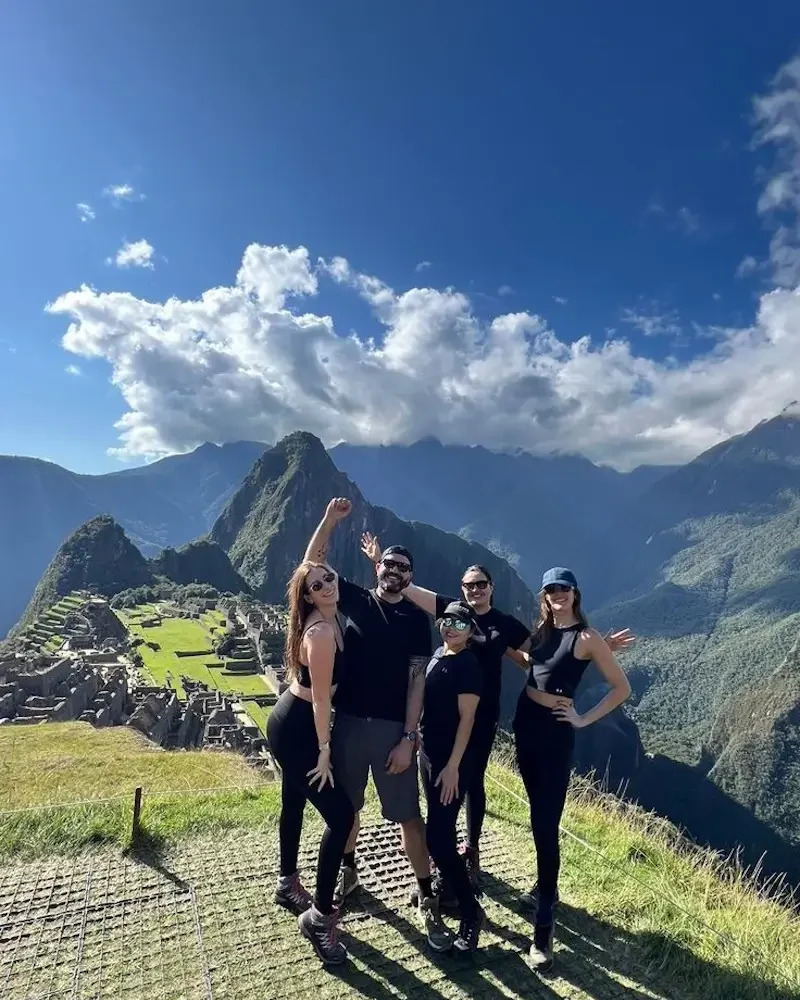
Your journey begins at the Guardian’s House, one of the most photographed spots in Machu Picchu. From here, you’ll witness the classic postcard-perfect view of the citadel, surrounded by the lush Andean mountains and the mighty Huayna Picchu peak.
Agricultural Terraces
As you descend, you’ll walk along the terraces that once supported farming at high altitude. These ingenious constructions not only produced food but also stabilized the mountain slopes, showcasing the Inca mastery of engineering.
The Main Gate
Circuit 1 leads you to the main entrance of the citadel, the same point used by the Incas. Passing through this gate feels like stepping into another era, where stonework and sacred pathways reveal the grandeur of the empire.
Temple of the Sun
One of the most important religious structures in Machu Picchu, the Temple of the Sun was used for astronomical observations and rituals dedicated to Inti, the Sun God. Its semi-circular shape and perfectly aligned windows highlight the Inca’s astronomical knowledge.
The Sacred Plaza
Here, three significant buildings—the Main Temple, the Temple of the Three Windows, and the Priest’s House—form a spiritual and ceremonial hub. This area embodies the Inca’s devotion to the cosmos and their connection to the three sacred realms: the sky, the earth, and the underworld.
Intihuatana Stone
Known as the “Hitching Post of the Sun,” this carved granite stone served as a solar calendar, aligning with astronomical events such as solstices. Standing before it, you sense the Incas’ profound understanding of time and nature.
Why Choose Circuit 1?
- Iconic Views: Perfect for travelers who want the classic Machu Picchu postcard shot.
- Cultural Depth: Combines stunning landscapes with access to temples and ceremonial spaces.
- Moderate Route: Not overly demanding, making it suitable for most visitors with a reasonable fitness level.
Tips for Your Visit
- Book Early: Circuit 1 is among the most requested routes, so tickets sell out fast.
- Bring a Guide: A certified guide will enrich your journey with stories and insights into Inca culture.
- Start Early: Morning light offers magical photography opportunities as the mist clears over the mountains.
- Wear Comfortable Shoes: The path includes uneven stone steps and terraces.
Machu Picchu Circuit 2: The Route that Delves into History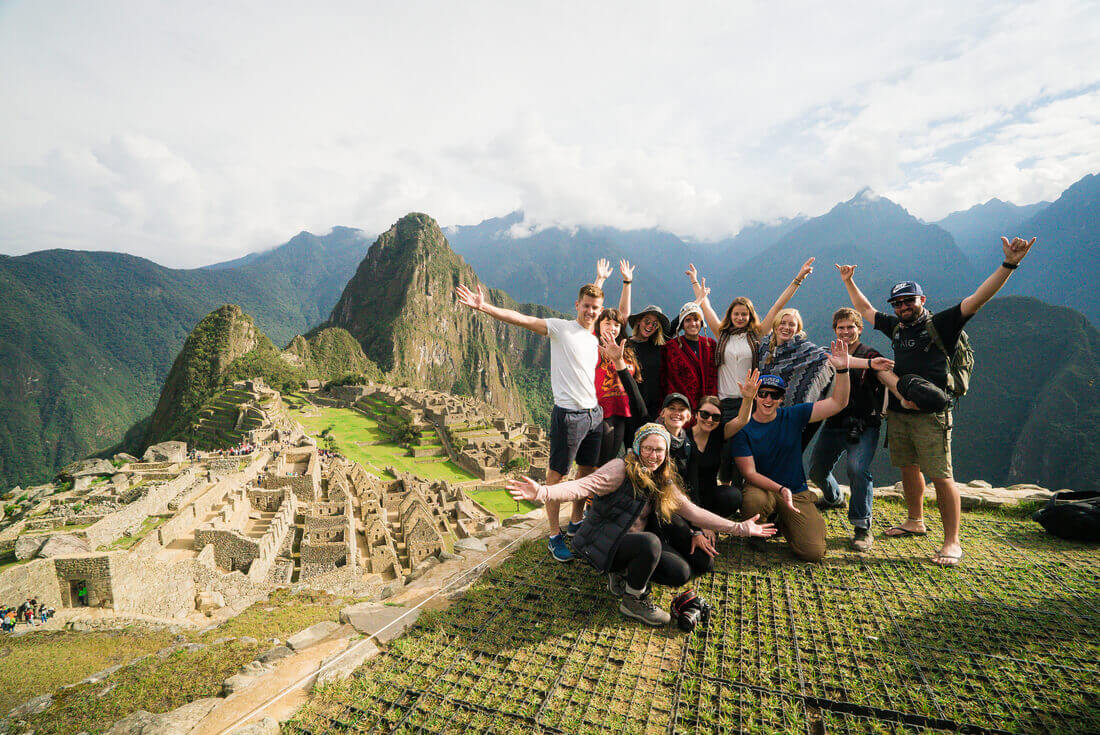
Visiting Machu Picchu is a once-in-a-lifetime experience, and the citadel offers different ways to explore its wonders through designated circuits. Among these, Circuit 2 is the most complete and historically enriching route, guiding travelers through the core of the Inca sanctuary. For those who wish to immerse themselves in the architectural genius, cultural symbolism, and spiritual legacy of the Incas, Circuit 2 is the journey that truly delves into history.
What Makes Circuit 2 Special?
Circuit 2 is often described as the Classic Route of Machu Picchu because it covers almost every major sector of the citadel. Unlike other circuits that emphasize panoramic views or shorter walks, this route allows visitors to experience both the grandeur of the landscape and the intricacies of Inca architecture.
It is the perfect choice for travelers who want a deep, comprehensive understanding of Machu Picchu.
Highlights of Circuit 2
The Guardian’s House and Panoramic Viewpoint
Like Circuit 1, this route begins with the iconic viewpoint near the Guardian’s House. From here, you can admire the full majesty of Machu Picchu, surrounded by towering peaks and lush valleys. It’s the perfect place for that unforgettable postcard photo.
The Main Gate
Entering through the original Inca gateway, you step into the citadel just as the Incas once did. This symbolic entrance connects the agricultural terraces with the urban sector.
Temple of the Sun
Dedicated to Inti, the Sun God, this semi-circular temple was used for rituals and astronomical observations. Its carefully aligned windows show the Incas’ deep knowledge of the cosmos.
The Royal Residence
This finely crafted complex is believed to have housed Inca nobility. Its location near the Temple of the Sun highlights its importance within the spiritual and political life of Machu Picchu.
The Sacred Plaza
One of the citadel’s most impressive areas, the plaza includes:
- The Main Temple, with its massive finely cut stones.
- The Temple of the Three Windows, symbolizing the three realms of Inca cosmology.
- The Priest’s House, completing the ceremonial ensemble.
Intihuatana Stone
This carved monolith, also known as the “Hitching Post of the Sun,” served as a solar calendar and ritual site. It is one of the most mystical and scientifically advanced elements of Machu Picchu.
The Sacred Rock
A large stone carved in the shape of the mountain behind it, serving as a spiritual symbol and possibly an altar for ceremonies.
Temple of the Condor
This structure combines natural rock formations with Inca stonework to represent a condor in flight—an important animal in Andean cosmology that symbolized the messenger between worlds.
Why Choose Circuit 2?
- Most Complete Experience: Covers nearly all of Machu Picchu’s iconic sectors.
- Historical Depth: Offers a rich journey through ceremonial, residential, and agricultural areas.
- For Curious Travelers: Ideal for those who want to learn the stories and symbolism behind the stones.
Tips for Your Visit
- Reserve Early: As the most popular route, Circuit 2 tickets sell out quickly.
- Hire a Guide: To fully appreciate the symbolism and history, exploring with a certified guide is highly recommended.
- Plan 2–3 Hours: This circuit takes longer than others, so allow enough time to enjoy it without rushing.
- Wear Comfortable Shoes: The path includes stone steps and uneven ground.
Machu Picchu Circuit 3: An Experience in Inca Nature and Culture
Machu Picchu, the crown jewel of the Inca Empire, offers different circuits that allow travelers to explore its wonders while protecting its delicate structures. Among these, Circuit 3 provides a unique perspective of the citadel by focusing on the lower sectors, where visitors can connect not only with Inca architecture but also with the surrounding natural environment.
For travelers seeking a quieter, less crowded experience that blends history with nature, Circuit 3 is the perfect choice.
What Is Circuit 3?
Unlike Circuits 1 and 2, which highlight the upper terraces and ceremonial centers, Circuit 3 emphasizes the agricultural, residential, and natural areas of Machu Picchu. This route takes visitors through the lower part of the citadel, where Inca ingenuity in farming, engineering, and urban planning becomes more evident.
Highlights of Circuit 3
gricultural Terraces
One of the first sections you’ll encounter are the vast terraces, designed to produce crops at high altitude while preventing soil erosion. These terraces also offer incredible views of the surrounding valleys and mountains, emphasizing how the Incas worked in harmony with nature.
The Water Mirrors
Located in the lower sector, these carved stone basins are believed to have served ceremonial purposes related to astronomy and water. Their reflective surfaces connected rituals with the sky above.
The Temple of the Condor
A fascinating blend of natural rock formations and Inca stonework, this temple forms the shape of a condor in flight. The condor, considered a sacred messenger between the earthly and spiritual worlds, was a powerful symbol in Inca cosmology.
Residential Areas
Circuit 3 allows visitors to explore the dwellings of ordinary inhabitants, offering a glimpse into the daily life of the Incas. These modest yet carefully constructed homes reveal the social structure and communal living of the time.
Agricultural Storehouses (Qolqas)
Storage facilities used to preserve crops such as maize and potatoes showcase the Inca’s mastery of food security in a challenging environment.
Why Choose Circuit 3?
- Less Strenuous: A shorter and more accessible route, ideal for families, seniors, or visitors with limited time.
- Nature and Culture: Highlights the Inca connection with agriculture, astronomy, and daily life.
- Quieter Experience: Generally less crowded than Circuits 1 and 2, allowing for a calmer exploration.
Tips for Exploring Circuit 3
- Allow 1.5–2 Hours: This circuit is shorter, but still offers plenty to see and learn.
- Bring a Guide: To understand the meaning of the terraces, temples, and storehouses, a certified guide can enrich your experience.
- Best for Afternoon Visits: Afternoon entries often mean fewer visitors, making the lower route more peaceful.
- Stay Hydrated: Even though it’s less demanding, walking at altitude requires energy and water.
Machu Picchu Circuit 4: Immersion in Hidden Treasures
Machu Picchu, the legendary Inca citadel, offers travelers different circuits to discover its mysteries while protecting the site’s fragile structures. Each route provides a unique way to connect with the past. Among them, Circuit 4 is perfect for those who wish to explore lesser-known areas of the sanctuary and uncover hidden treasures beyond the most photographed spots.
What Is Circuit 4?
Circuit 4 is part of the lower routes of Machu Picchu, guiding visitors through the agricultural terraces, urban areas, and spiritual sites that reflect the daily and ceremonial life of the Incas. Unlike the panoramic viewpoints of Circuit 1 or the extensive classic route of Circuit 2, this circuit emphasizes quieter, symbolic spaces and can also connect to hikes such as the Sun Gate (Intipunku) or Huayna Picchu Mountain.
It is a journey designed for explorers who want to go deeper into the citadel’s hidden corners.
Highlights of Circuit 4
Agricultural Terraces of the Lower Sector
The route begins with a walk along terraces that reveal how the Incas adapted agriculture to mountain landscapes. These terraces not only produced crops but also showcased the empire’s harmony with nature.
The Temple of the Condor
One of the most striking structures of the entire citadel, this temple uses natural rock formations and Inca stonework to represent a condor in flight. In Andean cosmology, the condor was the messenger between the earthly and spiritual worlds.
The Sacred Rock
A massive carved stone shaped to mirror the mountain behind it, the Sacred Rock served as a powerful symbol of spiritual connection and possibly as an altar for rituals.
Residential and Industrial Sectors
Circuit 4 takes you through dwellings and workshops that offer insight into how the inhabitants of Machu Picchu lived and worked. These spaces reveal the practical side of the citadel beyond its temples.
Optional Extensions
- Sun Gate (Intipunku): Originally the main entrance for travelers arriving on the Inca Trail, this viewpoint offers a breathtaking perspective of Machu Picchu.
- Huayna Picchu: A steep hike that rewards adventurers with panoramic views and access to hidden temples such as the Temple of the Moon.
Why Choose Circuit 4?
- Hidden Treasures: Explore symbolic sites like the Temple of the Condor and Sacred Rock.
- Cultural Depth: Gain insight into both ceremonial and everyday aspects of Inca life.
- Adventure Options: Ideal for those who want to combine the circuit with a hike to Huayna Picchu or the Sun Gate.
- Quieter Path: Generally less crowded than the upper circuits, offering a more intimate experience.
Tips for Visiting Circuit 4
- Book in Advance: If you plan to include Huayna Picchu, secure your ticket months ahead.
- Wear Good Shoes: Some sections, especially if you hike, are steep and uneven.
- Bring a Guide: To truly appreciate the symbolism of the condor, the Sacred Rock, and other hidden areas, a guide is highly recommended.
- Allow 2–3 Hours: More if you extend your journey to the Sun Gate or Huayna Picchu.
Machu Picchu Circuit 5: A Compact Tour in the Citadel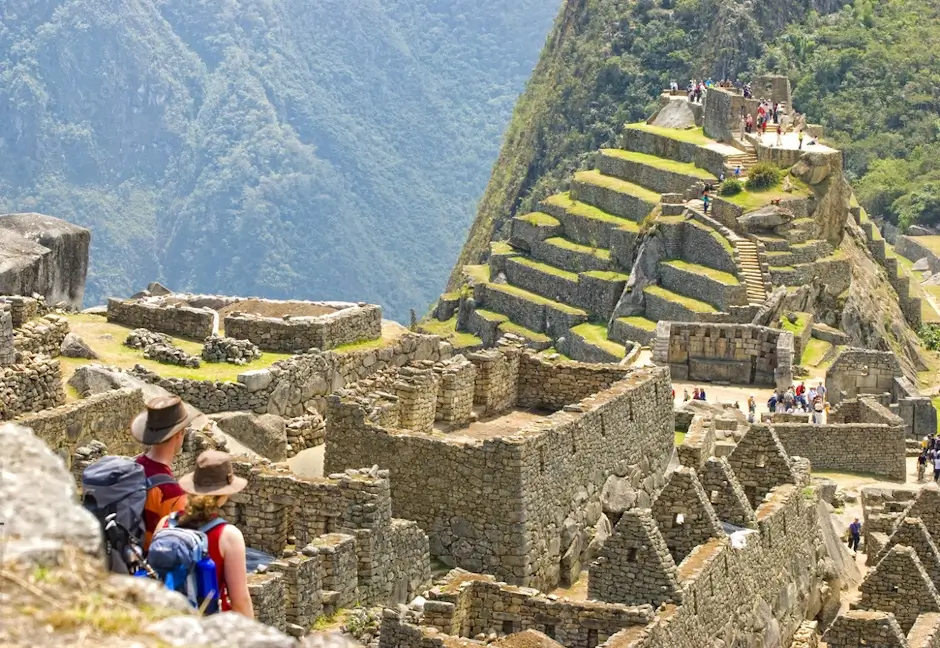
Machu Picchu, the Lost City of the Incas, offers different routes known as circuits that allow visitors to experience the sanctuary while protecting its fragile structures. Each circuit highlights different aspects of this UNESCO World Heritage Site. Among them, Circuit 5 is designed as a shorter and more compact route—ideal for those seeking a manageable yet meaningful exploration of the citadel.
What Is Circuit 5?
Circuit 5 is part of the lower routes of Machu Picchu, guiding visitors through essential areas of the citadel without requiring the time or stamina needed for the longer circuits. It focuses on the urban and agricultural sectors, giving a glimpse of how the Incas lived, worked, and worshiped in their sacred city.
For travelers with limited time, families, or those looking for a lighter walk, Circuit 5 offers an accessible yet rewarding experience.
Highlights of Circuit 5
Agricultural Terraces
The tour begins with the lower terraces, a perfect example of Inca agricultural engineering. These stepped platforms controlled erosion, conserved water, and allowed the cultivation of crops at high altitude.
The Temple of the Condor
A unique structure that combines natural rock formations with Inca masonry to depict a condor in flight. In Inca cosmology, the condor was a sacred bird that represented the messenger between the earthly world and the heavens.
The Water Mirrors
Two carved stone basins believed to have been used for astronomical and ceremonial purposes. Their reflective surfaces allowed priests to observe the sky and perform rituals tied to water and fertility.
Residential Sectors
Circuit 5 guides visitors through the living quarters of Machu Picchu, where you can imagine the daily lives of the people who once inhabited the citadel. These dwellings highlight the blend of practicality and artistry in Inca construction.
Optional Extension: The Inca Bridge
One of the most fascinating additions to Circuit 5 is the possibility to visit the Inca Bridge—a narrow stone and wooden pathway built along a cliffside. Though not part of the main citadel, this extension provides insight into the Incas’ strategic mastery and daring architecture.
Why Choose Circuit 5?
- Compact and Accessible: Perfect for visitors with limited time or those who prefer a shorter walk.
- Cultural Insights: Offers a good balance between daily life, agricultural engineering, and spiritual symbolism.
- Optional Adventure: The Inca Bridge extension adds a touch of excitement for those seeking something unique.
- Less Crowded: Often calmer than the classic routes, providing a more relaxed visit.
Tips for Visiting Circuit 5
- Plan for 1.5–2 Hours: The circuit itself is short, but allow extra time if you choose to visit the Inca Bridge.
- Book in Advance: While less popular than Circuit 2, availability is still limited.
- Wear Comfortable Shoes: Even a short route includes stone steps and uneven paths.
- Hire a Guide: To uncover the symbolism of the condor, the agricultural terraces, and the Inca Bridge, a guide adds valuable context.
Essential Preparations for Your Adventure in the Machu Picchu Circuits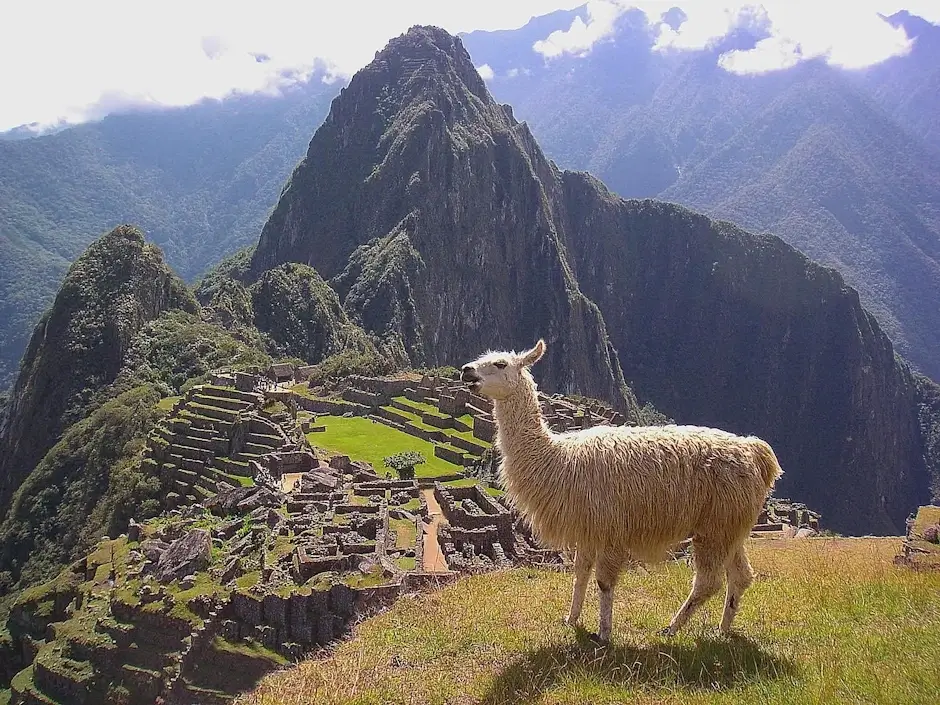
A trip to Machu Picchu, the crown jewel of the Inca civilization, is a dream for many travelers around the world. Today, exploring this sacred citadel is organized through circuits, each offering unique perspectives—from panoramic viewpoints to ceremonial temples and hidden treasures.
To make the most of your visit, careful preparation is essential. Here are the key steps and tips to ensure your journey through the Machu Picchu circuits is both smooth and unforgettable.
Book Your Tickets in Advance
- Circuit Selection: When purchasing your ticket, you must choose one of the official circuits (1 through 5). Each offers a different experience, so think about your interests—history, photography, hiking, or a lighter walk.
- Limited Availability: Tickets often sell out weeks or even months in advance, especially for Circuit 2 and hikes to Huayna Picchu or the Sun Gate.
- Passport Requirement: Tickets are issued in your name and matched with your passport, so carry it on the day of your visit.
Plan for Altitude Adjustment
Cusco and the Sacred Valley sit at high altitude (3,400 m / 11,200 ft for Cusco), and although Machu Picchu itself is lower (2,430 m / 7,970 ft), it’s best to give your body time to adjust.
- Arrive a few days early in Cusco or the Sacred Valley.
- Stay hydrated and avoid heavy meals or alcohol at first.
- Consider coca tea or local remedies to ease mild altitude discomfort.
Pack Smart and Travel Light
Only small backpacks (up to 20 liters) are allowed inside Machu Picchu. Essential items include:
- Comfortable walking shoes with good grip for uneven stone steps.
- Light, layered clothing for variable weather (mornings can be misty, afternoons warm).
- Rain gear or a poncho, especially if visiting during the rainy season (November–March).
- Reusable water bottle to stay hydrated.
- Sun protection: hat, sunglasses, and high-SPF sunscreen.
- Insect repellent, as mosquitos are common in the area.
Hire a Knowledgeable Guide
While not mandatory, having a certified guide transforms your visit. They bring meaning to every structure, from the Temple of the Sun to the terraces and ritual stones, enriching your journey with stories of Inca culture and spirituality.
Respect the One-Way Routes
Each circuit is one-way only to ensure smooth visitor flow and protect fragile areas. Once you’ve passed a section, you cannot go back. This makes it important to move slowly, take photos as you go, and enjoy the moment without rushing.
Time Your Visit Wisely
- Morning Entries: Offer mystical mist and cooler temperatures—ideal for photographers.
- Afternoon Entries: Generally less crowded, with softer light for a relaxed exploration.
- Season: The dry season (May to October) provides the best conditions, while the rainy season offers greener landscapes but more unpredictable weather.
Be Mindful of the Rules
To preserve this UNESCO World Heritage Site, strict rules apply:
No food inside the citadel.
No drones, tripods, or walking sticks (unless medically necessary).
Stay on the marked paths and do not touch or climb on the ruins.
- Eplore Peru: From Vibrant Lima to Mystical Machu Picchu and Majestic Lake Titicaca 8 Days
- Perú Travel with Tour Lima Cusco Machu Picchu Lake Titicaca 7 Days
- Explore the Wonders of Cusco with City Tour and Machu Picchu 3 Days
- Explore Peru with the Lima Cusco Machu Picchu Huayna Picchu Tour 6 Days
For more information and to book your trip, contact us on WhatsApp. Follow us on Instagram for the latest updates and travel inspiration.
CONTACT US:
We are a Travel Agency specialized in tourist packages, if you need any information, do not hesitate to write to us.
We offer tours in Peru and Bolivia.