

Top Inca Trail Hike Adventures for All Explorers
The Inca Trail hike is one of the most iconic trekking experiences in the world, offering adventurers an unforgettable journey through the heart of the Andes Mountains in Peru. This trail, rich in history and natural beauty, leads hikers along ancient Inca paths that culminate at the breathtaking Machu Picchu, the Lost City of the Incas.
The Inca Trail hike is one of the most iconic and popular experiences for adventurers looking to explore the legacy of the Inca Empire and the majesty of Machu Picchu. This guide provides detailed information on the Inca Trail, including key details, preparation tips, and what you can expect from this incredible journey.
- Discover the Wonders of Peru: with the Tour Perú Machu Picchu Nazca 15 Days
- Discover the Best of Perú: with the Tour Perú Amazon Nazca Machu Picchu 20 Days
- Travel Package to Peru Tour in Lima, Paracas, Ballestas, Nazca Lines, Colca Canyon 22 Days
Key Information About the Inca Trail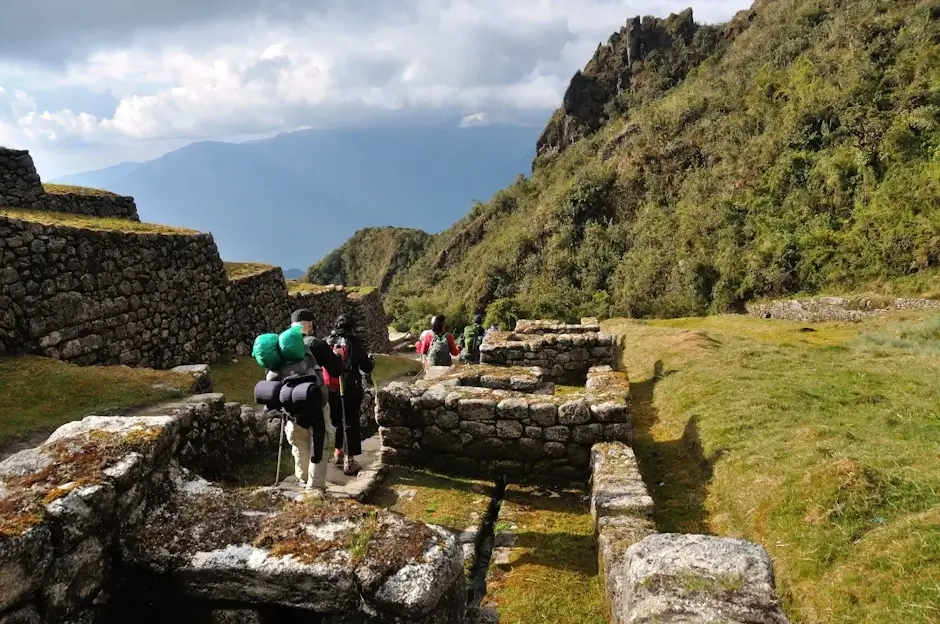
The Inca Trail hike is one of the most famous trekking routes in the world, leading adventurers through the stunning landscapes of the Andes Mountains to the legendary city of Machu Picchu. For travelers planning this iconic journey, understanding key information about the trail is essential for a safe and enjoyable experience.
Trail Overview
The classic Inca Trail is approximately 42 kilometers (26 miles) long and usually takes four days and three nights to complete. The trail passes through high mountain passes, cloud forests, and lush valleys, showcasing Peru’s diverse natural beauty. Hikers also encounter several archaeological sites, including Wiñay Wayna and Intipata, which offer insight into the sophisticated engineering of the Inca civilization.
Permits and Regulations
Access to the Inca Trail is strictly controlled. Permits are required, and only a limited number are issued daily, making early booking essential. Hikers must be accompanied by a licensed guide or trekking company. This regulation ensures the preservation of the trail and enhances the safety and experience of travelers.
Best Time to Hike
The most popular months for hiking the Inca Trail are May through September, during the dry season. The trail is more challenging during the rainy season (November to March), when paths can be slippery and some areas may be closed.
Difficulty Level
The Inca Trail is considered moderately challenging to strenuous due to high altitudes and steep ascents, particularly at Dead Woman’s Pass, which reaches 4,215 meters (13,828 feet) above sea level. Proper altitude acclimatization in Cusco or the Sacred Valley is highly recommended before starting the trek.
What to Bring
Essential items for the trek include:
- Sturdy hiking boots and layered clothing
- Rain gear and sun protection
- Water bottles and snacks
- A small backpack for personal items
- Insect repellent and a first-aid kit
Guided Trekking Experience
Most travelers hike the Inca Trail with a licensed guide, who provides historical context, manages logistics, and ensures safety. Guides enhance the experience by explaining the significance of Inca ruins and the trail’s cultural and spiritual importance.
Arrival at Machu Picchu
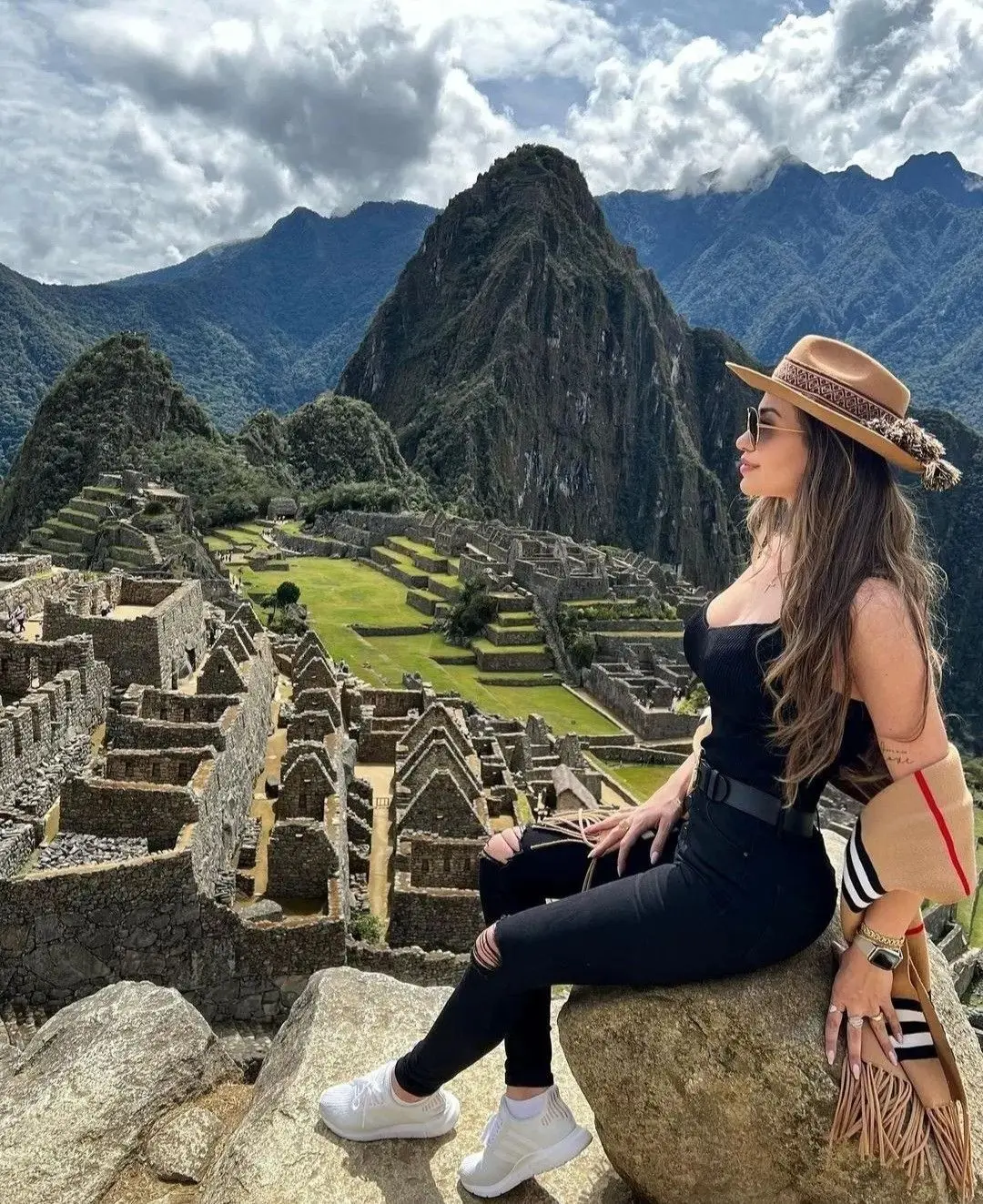
The trail culminates at Inti Punku (Sun Gate), offering a breathtaking first view of Machu Picchu at sunrise. This unforgettable moment marks the successful completion of the trek and provides a perfect introduction to the ancient citadel.
Preparation and Tips for the Inca Trail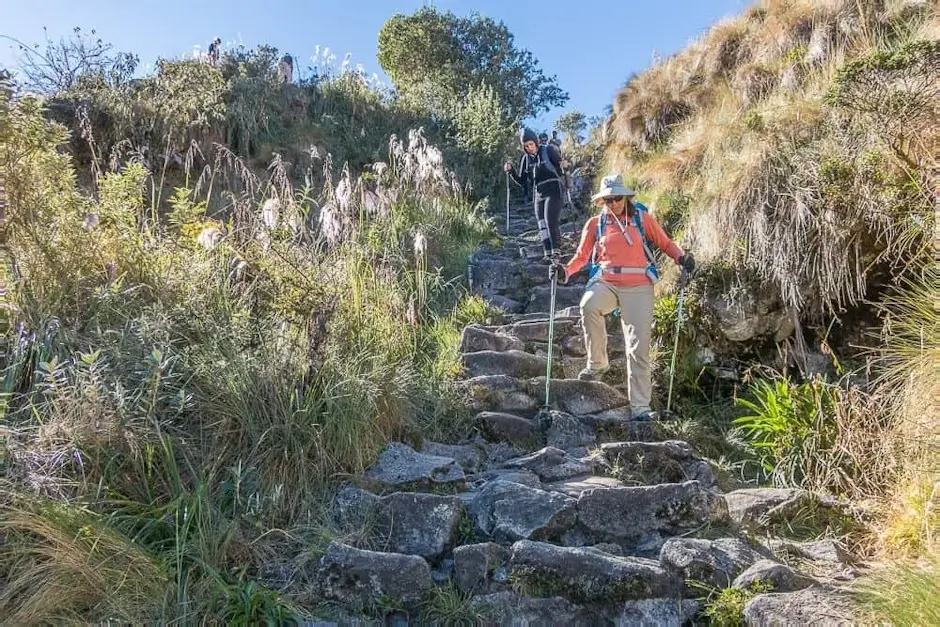
The Inca Trail hike is one of the most celebrated treks in the world, offering a unique blend of history, culture, and breathtaking natural beauty. Proper preparation is essential to make the most of this unforgettable journey to Machu Picchu. Here are key tips and advice for hikers planning to take on the trail.
Physical Preparation
The Inca Trail is a moderately challenging to strenuous trek, with steep ascents, high-altitude passes, and long walking days. To prepare physically:
- Train in advance: Focus on cardiovascular exercises, hiking with a backpack, and stair climbing.
- Build endurance: Practice long walks and hikes on uneven terrain.
- Acclimate to altitude: Spend a few days in Cusco or the Sacred Valley to reduce the risk of altitude sickness.
Packing Essentials
Packing smart is crucial for comfort and safety. Key items include:
- Sturdy hiking boots with good ankle support
- Layered clothing to adapt to varying temperatures
- Rain gear and sun protection
- Backpack with personal items, water, and snacks
- First-aid kit and any necessary medications
- Insect repellent and toiletries
Health and Safety Tips
- Stay hydrated and eat well to maintain energy levels.
- Take regular breaks and pace yourself, especially on steep climbs.
- Be aware of altitude sickness symptoms: headache, nausea, or dizziness. Seek medical attention if needed.
- Follow your guide’s instructions at all times for safety and cultural respect.
Booking and Permits
The Inca Trail requires a permit, which is limited daily. Book your trek months in advance to secure a spot, especially during the high season (May–September). Hiring a licensed guide or trekking company is mandatory, as it ensures both legal compliance and a richer cultural experience.
On the Trail
- Respect the environment: avoid littering and follow trail guidelines.
- Keep a light pack; porters or support staff usually carry heavier equipment for you.
- Take time to appreciate archaeological sites along the route, such as Wiñay Wayna and Intipata.
- Prepare for changing weather; temperatures can vary from hot in the sun to chilly at night.
Mental Preparation
The Inca Trail is as much a mental challenge as a physical one. Staying positive, patient, and flexible will enhance your experience. Embrace the journey, the stunning landscapes, and the rich Inca heritage along the way.
- Journey to the Heart of the Andes: A 15-Day Adventure from Cusco to San Pedro de Atacama 15 Days
- Andean Expedition Exploring the Treasures of Peru and Bolivia. 20 Days
- South America tourist package visiting Peru and Bolivia 25 days
- South America tour through the Andes of Peru, Bolivia and Chile.15 Days
- Discover South América with the Perú Bolivia Tour 14 Days
- South America trip: the best tour of Peru and Bolivia 10 Days
What to Expect on the Inca Trail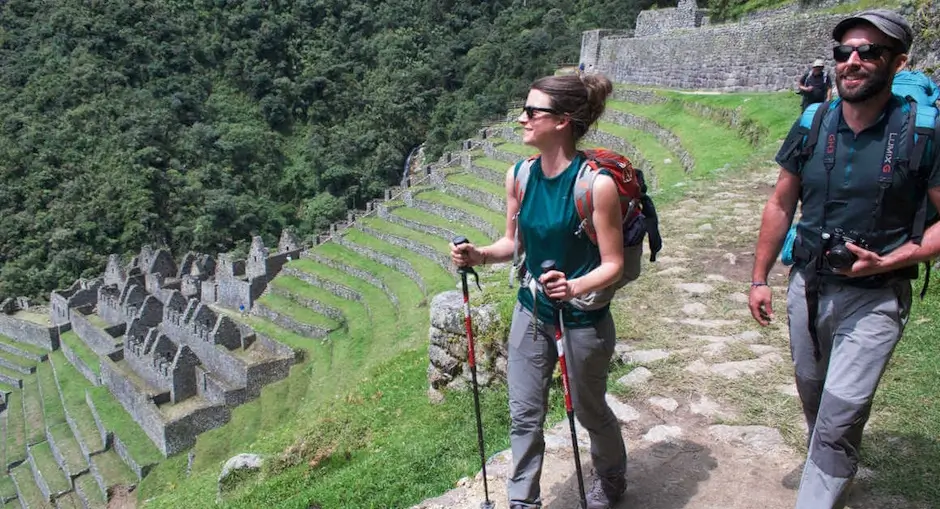
The Inca Trail hike is one of the most famous trekking routes in the world, offering adventurers a unique combination of stunning landscapes, ancient history, and cultural immersion. Understanding what to expect can help travelers fully enjoy this unforgettable journey to Machu Picchu.
Scenic Landscapes
The trail winds through the majestic Andes Mountains, passing cloud forests, high mountain passes, and rushing rivers. Hikers experience diverse ecosystems, from lush greenery to snow-capped peaks, making the journey a feast for the senses. Each day of trekking brings new and breathtaking scenery, perfect for photography and nature appreciation.
Archaeological Sites
The Inca Trail is more than a hike—it’s a journey through history. Along the way, travelers will encounter several ancient Inca ruins, including Wiñay Wayna, Intipata, and Phuyupatamarca. These sites offer insight into the engineering, agricultural innovation, and spiritual practices of the Inca civilization. Guides provide historical context, enhancing the cultural experience.
Physical Challenge
The trek covers approximately 42 kilometers (26 miles) over four days and three nights. Hikers face steep ascents, such as the Dead Woman’s Pass at 4,215 meters (13,828 feet) above sea level. While physically demanding, the trail is manageable for most people with adequate preparation, acclimatization, and determination.
Flora and Fauna
The Inca Trail passes through ecologically rich regions. Travelers may encounter exotic orchids, polylepis trees, and bromeliads, alongside wildlife like llamas, spectacled bears, and diverse bird species. This natural diversity adds a unique dimension to the trek, connecting hikers with Peru’s vibrant ecosystem.
Weather Conditions
Weather can vary significantly along the trail. Daytime temperatures may be warm in the sun but drop sharply at higher altitudes or during the night. Rain is possible, especially from November to March, so hikers should be prepared with layered clothing and rain gear.
Arrival at Machu Picchu
The trail culminates at Inti Punku (Sun Gate), offering a spectacular first view of Machu Picchu at sunrise. This moment is the highlight of the trek, creating a sense of accomplishment and awe. From here, travelers can explore the ancient citadel with their guide, learning about its history, architecture, and cultural significance.
Mental and Emotional Experience
Beyond physical challenges, the Inca Trail offers a transformative experience. The combination of natural beauty, ancient history, and cultural immersion inspires a deep sense of connection with both the landscape and the legacy of the Incas. Many hikers describe the journey as life-changing, leaving lasting memories and a sense of achievement.
Cultural and Historical Significance of the Inca Trail hike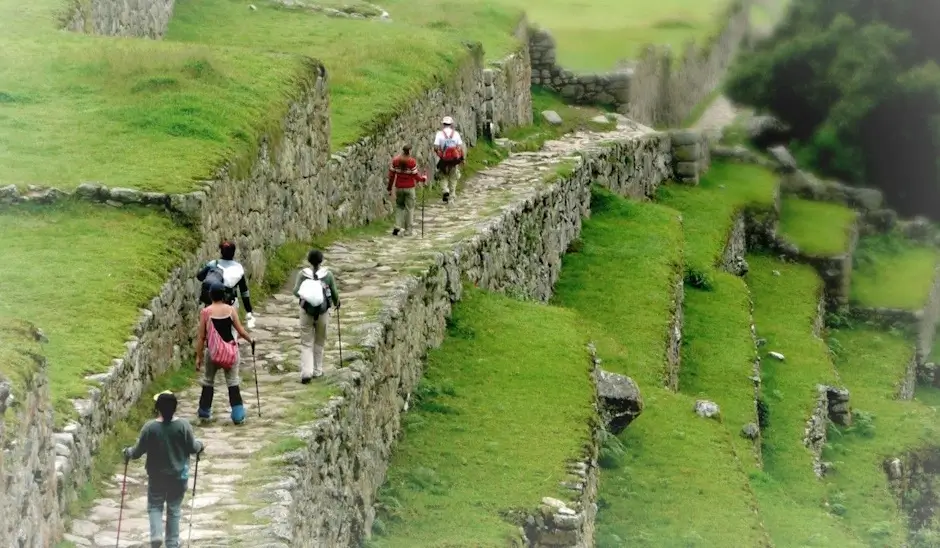
The Inca Trail is more than just a scenic trek through the Andes—it is a journey through history, culture, and the legacy of the Inca civilization. Spanning mountains, valleys, and cloud forests, the trail connects hikers to the remarkable achievements and spiritual traditions of one of the most advanced civilizations in pre-Columbian South America.
A Network of Ancient Paths
The Inca Trail was part of the Qhapaq Ñan, an extensive network of roads and trails that connected the vast Inca Empire across modern-day Peru, Bolivia, Ecuador, Chile, and Argentina. These routes facilitated trade, communication, and the movement of armies, showcasing the Incas’ exceptional engineering and organizational skills. The trail itself leads to Machu Picchu, highlighting the strategic and spiritual importance of this sacred site.
Archaeological Treasures Along the Way
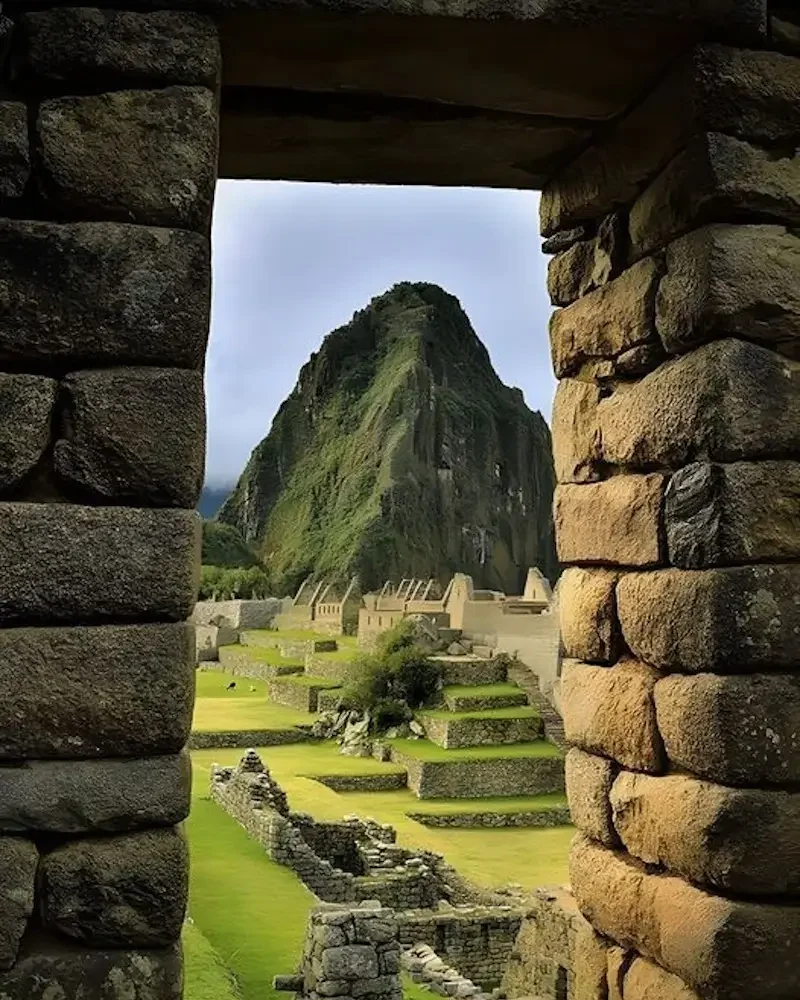
Hikers encounter multiple archaeological sites along the trail, including Wiñay Wayna, Intipata, and Phuyupatamarca. Each site offers a glimpse into the Incas’ architectural innovation, agricultural techniques, and religious practices. Terraces, stone constructions, and ceremonial structures reveal the civilization’s ability to harmonize with the natural environment while demonstrating sophisticated technical knowledge.
Spiritual and Cultural Importance
The Inca Trail was more than a physical pathway—it held spiritual significance. The route was used for ceremonial processions, connecting sacred sites and allowing pilgrims to pay homage to the gods, particularly Inti, the Sun God. The trail’s alignment with celestial events and natural landmarks reflects the Incas’ deep understanding of astronomy and their spiritual connection to the Andes.
Preservation of Heritage
Today, the Inca Trail is carefully regulated to preserve both its natural environment and its historical treasures. Access is limited, and hikers must travel with licensed guides. These measures ensure that future generations can continue to explore and appreciate the trail’s cultural and historical significance.
Educational and Experiential Value
Walking the Inca Trail offers travelers an immersive learning experience. Guides share stories of Inca history, culture, and mythology, allowing hikers to connect with the civilization’s achievements on a personal level. The trail becomes a living classroom where history, culture, and nature intertwine.
Connection to Machu Picchu
The trail culminates at Inti Punku (Sun Gate), revealing the iconic Machu Picchu. This final view is not just a scenic reward but a cultural and historical culmination, linking the physical journey of the trail with the spiritual and societal significance of the Inca Empire’s most famous citadel.
- Eplore Peru: From Vibrant Lima to Mystical Machu Picchu and Majestic Lake Titicaca 8 Days
- Perú Travel with Tour Lima Cusco Machu Picchu Lake Titicaca 7 Days
- Explore the Wonders of Cusco with City Tour and Machu Picchu 3 Days
- Explore Peru with the Lima Cusco Machu Picchu Huayna Picchu Tour 6 Days
For more information and to book your trip, contact us on WhatsApp. Follow us on Instagram for the latest updates and travel inspiration.
CONTACT US:
We are a Travel Agency specialized in tourist packages, if you need any information, do not hesitate to write to us.
We offer tours in Peru and Bolivia