

Discover the Wonders of Puno and Lake Titicaca with Leading Peru Travel
Lake Titicaca, located in the Andean highlands, is the highest navigable lake in the world and a place full of history, culture, and natural beauty. The city of Puno, situated on the shore of the lake, is the ideal starting point to explore this magnificent destination. If you’re looking for an unforgettable experience, the tours offered by Leading Peru Travel provide an exceptional way to discover the wonders of Puno and Lake Titicaca.
Puno and Lake Titicaca: The Heart of Andean Culture
High in the Peruvian Andes lies Puno, a vibrant city perched on the shores of the world’s highest navigable lake, Lake Titicaca. At more than 3,800 meters (12,500 feet) above sea level, this region is not only breathtaking in altitude but also in its cultural and natural wonders.
Puno: The Folklore Capital of Peru
Puno is known as the “Folklore Capital of Peru”, famous for its colorful festivals, traditional music, and dances that showcase centuries of Andean heritage. Every year, the city bursts into life during the Festival of the Virgin of Candelaria, one of South America’s most spectacular celebrations, blending Catholic traditions with ancient indigenous rituals.
Beyond its festivals, Puno offers a charming mix of colonial architecture, lively markets, and panoramic views of Lake Titicaca. It serves as the perfect gateway to exploring the treasures of the lake and its surrounding communities.
Lake Titicaca: Cradle of Inca Legends
Lake Titicaca stretches across Peru and Bolivia and is revered as the mythical birthplace of the Inca Empire. According to legend, the first Incas, Manco Cápac and Mama Ocllo, emerged from its waters to bring civilization to the Andes. With its vast expanse of deep blue water framed by snowcapped mountains, the lake feels like a sacred mirror reflecting both nature and history.
The Floating Islands of the Uros
One of the lake’s most unique attractions is the Uros Floating Islands, built entirely from layers of totora reeds. The Uros people have maintained this extraordinary way of life for centuries, adapting to the lake’s environment while preserving their traditions. Visitors can step onto these floating surfaces, learn about their construction, and meet families who continue this remarkable heritage.
Taquile and Amantani Islands
Travelers seeking authentic cultural encounters often visit Taquile and Amantani, two natural islands on the lake. Taquile is world-renowned for its intricate handwoven textiles, recognized by UNESCO as part of humanity’s intangible cultural heritage. Amantani, on the other hand, offers the opportunity to stay with local families, sharing meals, stories, and traditions—a true immersion into Andean life.
A Destination of Beauty and Tradition
Puno and Lake Titicaca together embody the essence of the Andes: majestic landscapes, living traditions, and a deep spiritual connection to nature. Whether you are drawn by history, culture, or the tranquility of the highlands, this destination promises an unforgettable journey into the soul of Peru.
History and Culture of Lake Titicaca
Perched at over 3,800 meters (12,500 feet) above sea level on the border of Peru and Bolivia, Lake Titicaca is the highest navigable lake in the world and one of South America’s most iconic destinations. More than just a natural wonder, the lake holds immense historical, spiritual, and cultural significance for the Andean people, making it a living symbol of heritage and tradition.
A Sacred Lake in Andean History
For centuries, Lake Titicaca has been revered as a sacred place. According to Inca mythology, it was from its waters that Manco Cápac and Mama Ocllo, the legendary founders of the Inca Empire, emerged to bring knowledge and order to the Andean world. Long before the Incas, ancient civilizations such as the Pukara and the Tiahuanaco (Tiwanaku) also flourished around the lake, leaving behind archaeological remains that reveal the importance of this region as a cradle of Andean culture.
The Uros and Their Floating Islands
Among the most fascinating cultural aspects of Lake Titicaca are the Uros people, who have lived on the lake for centuries. They built their homes on man-made floating islands created from layers of totora reeds, a plant that grows abundantly in the shallow parts of the lake. The Uros continue to preserve this unique way of life, balancing tradition with the challenges of modern times, and welcoming visitors to learn about their heritage.
Taquile: A UNESCO Cultural Treasure
Another remarkable community on the lake is Taquile Island, where daily life is centered around farming, fishing, and the art of weaving. Taquileños are internationally recognized for their intricate textiles, which are so culturally significant that UNESCO has declared them part of the Intangible Cultural Heritage of Humanity. On this island, traditions are preserved through communal living and a strong sense of identity.
Amantani: Spirituality and Tradition
The island of Amantani offers another window into the lake’s cultural richness. Known for its sacred temples dedicated to Pachamama (Mother Earth) and Pachatata (Father Earth), Amantani is a place where spirituality and daily life intertwine. Visitors often experience homestays here, sharing meals, stories, and customs with local families, making it a deeply immersive cultural experience.
A Living Heritage
The culture of Lake Titicaca is not frozen in time—it is a living, evolving tradition. The communities around the lake blend ancient practices with modern influences, while still maintaining a strong connection to their ancestral beliefs and environment. The lake itself remains a symbol of fertility, spirituality, and continuity, embodying the enduring spirit of the Andes.
Main Attractions of Lake Titicaca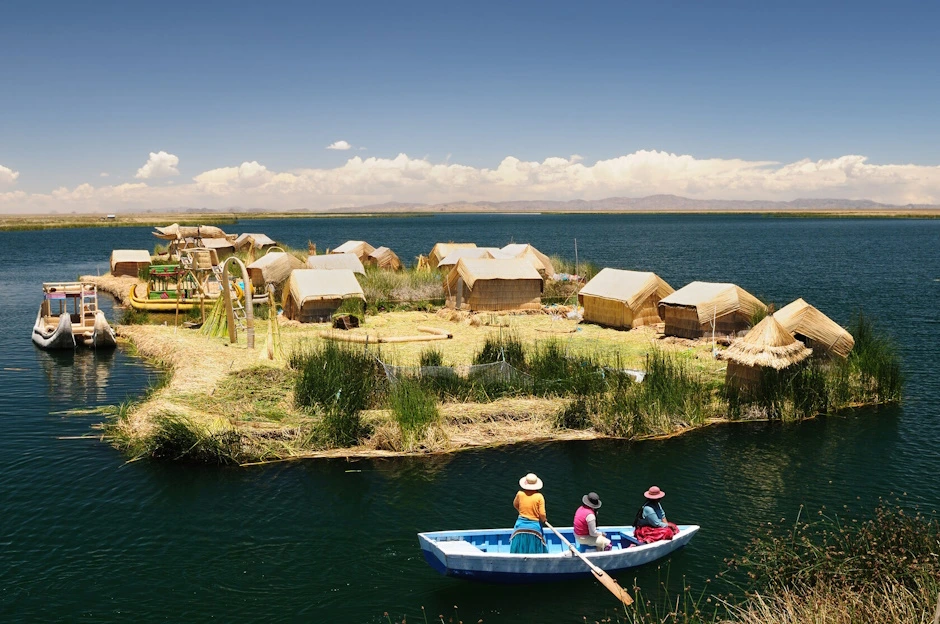
Straddling the border between Peru and Bolivia, Lake Titicaca is the highest navigable lake in the world and one of South America’s most captivating destinations. Known for its breathtaking landscapes and deep cultural heritage, the lake is home to unique communities and sacred sites that continue to fascinate travelers from around the world. Here are the main attractions that make Lake Titicaca a must-visit destination.
The Uros Floating Islands
Perhaps the most famous attraction on Lake Titicaca, the Uros Islands are a remarkable feat of human ingenuity. Built entirely from layers of totora reeds, these floating islands are home to the Uros people, who have preserved their way of life for centuries. Visitors can step onto the islands, meet local families, and learn about their traditions, from fishing and hunting to crafting boats made of reeds.
Taquile Island
Located about 35 kilometers from Puno, Taquile Island is known for its stunning views, terraced hillsides, and vibrant cultural traditions. The island is especially famous for its textiles, woven by the local community and recognized by UNESCO as a masterpiece of intangible cultural heritage. A visit here offers the chance to explore authentic Andean customs and enjoy the tranquility of island life.
Amantani Island
Amantani Island is celebrated for its peaceful atmosphere and strong spiritual traditions. The island is home to ancient temples dedicated to Pachamama (Mother Earth) and Pachatata (Father Earth), where rituals are still performed by the local people. Visitors often enjoy staying with local families in traditional homestays, sharing meals, and experiencing daily life firsthand.
The City of Puno
As the main gateway to Lake Titicaca, Puno is often called the “Folklore Capital of Peru.” The city is famous for its colorful festivals, particularly the Festival of the Virgin of Candelaria, which combines Catholic and Andean traditions in a vibrant display of music and dance. Puno also offers lively markets, colonial architecture, and stunning lake views.
Isla del Sol (Bolivia)
On the Bolivian side of the lake lies Isla del Sol (Island of the Sun), a place steeped in Inca mythology. According to legend, it was here that the sun god Inti sent the first Incas, Manco Cápac and Mama Ocllo, to establish civilization. The island features ancient Inca ruins, sacred sites, and breathtaking hiking trails with panoramic views of the lake.
Isla de la Luna (Bolivia)
Nearby is the smaller Isla de la Luna (Island of the Moon), which holds archaeological remains of an Inca temple dedicated to women known as the “Virgins of the Sun.” This serene island offers both historical intrigue and natural beauty, making it a perfect complement to Isla del Sol.
Puno and Lake Titicaca: Popular Tours to Lake Titicaca
Perched high in the Andes on the border of Peru and Bolivia, Lake Titicaca is the highest navigable lake in the world and one of South America’s most enchanting destinations. With its blend of natural beauty, rich mythology, and vibrant living traditions, the lake offers travelers countless opportunities for exploration. Here are some of the most popular tours to Lake Titicaca that showcase its highlights.
Uros Floating Islands Tour
A must for any visitor, this tour takes you to the Uros Islands, a group of man-made floating islands built from totora reeds. The Uros people have lived here for centuries, adapting to life on the water in a truly unique way. Guided tours allow you to walk on the islands, learn how they are constructed, and meet families who share their traditions and lifestyle.
Uros and Taquile Full-Day Tour
One of the most popular excursions from Puno combines the Uros Floating Islands with a visit to Taquile Island. Taquile is renowned for its stunning landscapes and world-famous textiles, recognized by UNESCO as part of humanity’s intangible cultural heritage. This tour blends cultural immersion with scenic boat rides across the sparkling waters of Lake Titicaca.
Amantani Homestay Tour (2 Days / 1 Night)
For those seeking a deeper cultural experience, the Amantani Island homestay is an unforgettable choice. Visitors stay with local families, sharing traditional meals, participating in daily activities, and enjoying warm hospitality. The tour often includes visits to the sacred temples of Pachamama and Pachatata, offering both cultural and spiritual enrichment.
Uros, Amantani, and Taquile Tour (2 Days / 1 Night)
This extended tour offers the best of Lake Titicaca’s islands. The journey begins at the Uros, continues with an overnight stay on Amantani, and concludes with a visit to Taquile. It’s a well-rounded experience that combines community interaction, cultural traditions, and breathtaking views of the lake.
Puno City and Lake Titicaca Tour
Many tours also include time in Puno, the lively city known as the Folklore Capital of Peru. Visitors can explore its colonial churches, colorful markets, and vibrant festivals before heading out to the islands. This combination provides a complete introduction to the region’s heritage.
Isla del Sol and Isla de la Luna (Bolivia)
On the Bolivian side of Lake Titicaca, Isla del Sol and Isla de la Luna are essential stops. Steeped in Inca mythology, these islands feature sacred sites, ancient ruins, and breathtaking hiking trails. Tours here often begin in Copacabana and provide a fascinating perspective on the lake’s cultural significance.
Additional Activities in Puno
While Puno is best known as the gateway to Lake Titicaca and its fascinating islands, the city and its surroundings also offer a wide variety of additional activities that enrich any traveler’s journey. From cultural encounters to outdoor adventures, Puno invites visitors to explore its vibrant traditions, history, and natural beauty beyond the lake.
Explore the City of Puno
Walking through Puno reveals a mix of colonial charm and local energy. Visitors can admire the Puno Cathedral on the main square, shop for handicrafts at the bustling Central Market, or stroll along the Malecón, a lakeside promenade with beautiful views of Lake Titicaca.
Visit the Sillustani Burial Towers
Located just 40 minutes from Puno, Sillustani is one of the region’s most impressive archaeological sites. The ancient chullpas, or funerary towers, were built by the pre-Inca Colla culture to honor their elite. Surrounded by the scenic Umayo Lagoon, Sillustani combines history with stunning landscapes, making it a must-visit attraction.
Enjoy Folklore and Festivals
Puno is called the “Folklore Capital of Peru”, and for good reason. Throughout the year, the city hosts vibrant festivals filled with music, dance, and colorful costumes. The most famous is the Festival of the Virgin of Candelaria, one of South America’s largest celebrations, blending Catholic and Andean traditions in a dazzling cultural display.
Birdwatching and Nature Tours
Lake Titicaca and its wetlands are home to diverse bird species, including flamingos, grebes, and herons. Birdwatching tours offer the chance to explore the lake’s natural side, while eco-tours introduce visitors to the unique flora and fauna of the high Andes.
Taste Local Cuisine
A trip to Puno would not be complete without sampling the region’s Andean cuisine. Dishes like trucha frita (fried trout from Lake Titicaca), quinua soup, and hearty stews are staples of local dining. Visitors can enjoy traditional meals in family-run restaurants or try modern interpretations of classic recipes.
Adventure Activities
For travelers seeking adventure, Puno offers opportunities for kayaking, cycling, and hiking around the lake and nearby highlands. These activities provide a different perspective of the region, combining exercise with unforgettable views.
Visit Nearby Villages
Small towns and rural communities around Puno, such as Chucuito and Juli, showcase beautiful colonial churches and traditional lifestyles. Visiting these villages allows travelers to experience the everyday rhythms of Andean culture away from the tourist crowds.
A Complete Experience in Puno
Beyond Lake Titicaca’s iconic islands, Puno offers a wealth of activities that highlight its history, culture, and natural wonders. Whether you’re drawn to archaeology, festivals, nature, or cuisine, the city provides unforgettable experiences that complement any journey through southern Peru.
Tips for Your Visit to Puno and Lake Titicaca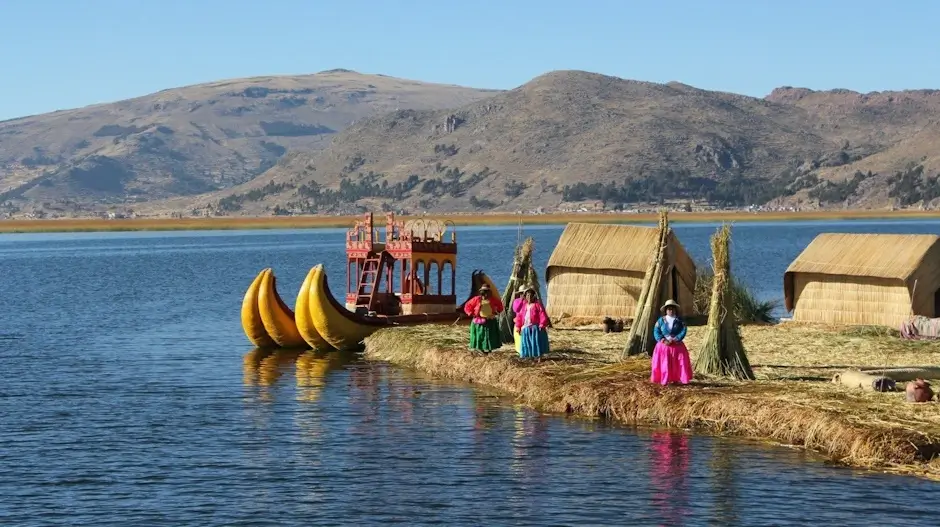
Visiting Puno and the legendary Lake Titicaca is one of the most unforgettable experiences in Peru. From floating islands to vibrant festivals, this region offers both cultural richness and natural beauty. However, due to its high altitude and unique traditions, preparing properly can make your trip smoother and more enjoyable. Here are some essential tips for your visit.
Prepare for the Altitude
At more than 3,800 meters (12,500 feet) above sea level, Puno sits at a high altitude. Take it easy during your first day to allow your body to acclimate. Drink plenty of water, avoid heavy meals, and try coca tea, a traditional remedy that helps reduce altitude discomfort.
Dress in Layers
Weather in Puno can be unpredictable, with warm sunny days and cold nights. Pack layered clothing, including a warm jacket, hat, gloves, and sunscreen. Don’t forget sunglasses to protect your eyes from the strong highland sun.
Respect Local Communities
Many tours take you to the Uros, Taquile, and Amantani Islands, where traditional communities preserve their way of life. Always ask before taking photos, listen to your guides, and support the local economy by purchasing handmade crafts directly from artisans.
Try the Local Cuisine
Puno is famous for its Andean flavors. Don’t miss dishes like trucha (trout) fresh from Lake Titicaca, quinua soup, and traditional stews. Eating in local markets or family-run restaurants is a great way to experience authentic flavors.
Take Your Time on the Lake
Lake Titicaca is vast, and boat rides can be long. Bring snacks, water, and something to read or photograph during the journey. For a deeper cultural experience, consider spending a night on Amantani or Taquile Island in a family homestay.
Explore Beyond the Lake
While Lake Titicaca is the highlight, don’t miss nearby attractions like the Sillustani burial towers, colonial churches in small villages, or the city of Puno itself with its lively markets and festivals.
Plan for Festivals
If possible, time your visit with the Festival of the Virgin of Candelaria in February. It’s one of South America’s largest celebrations, filled with music, costumes, and dances that showcase the region’s folklore.
Stay Healthy and Safe
Carry small essentials such as bottled water, hand sanitizer, and altitude medication if needed. Always use sunscreen, as the sun’s rays are stronger at high altitude.
Local Gastronomy in Puno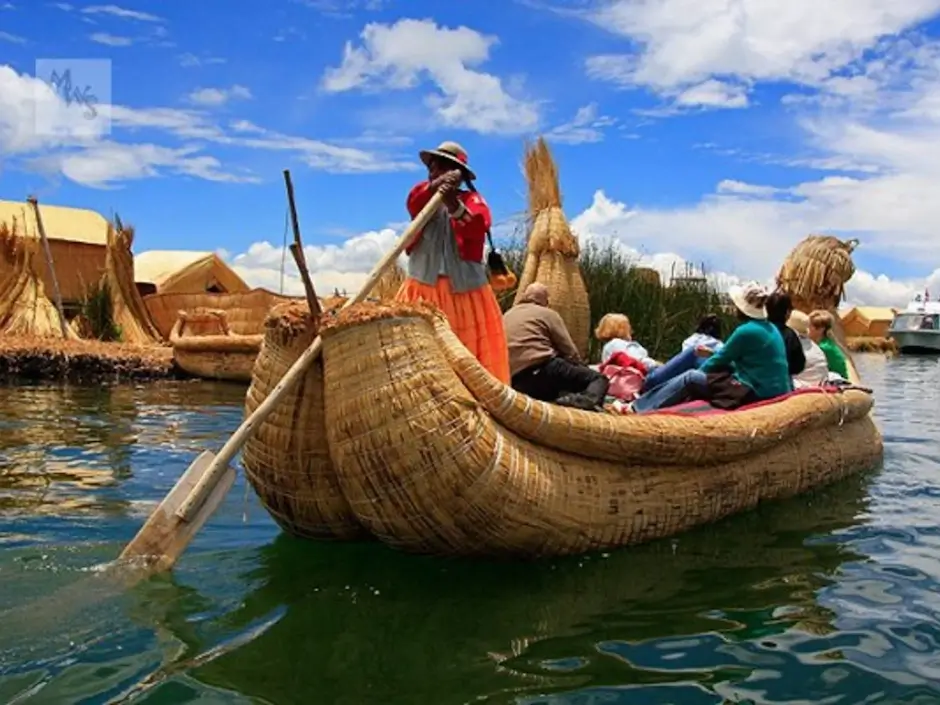
Set along the shores of Lake Titicaca, the city of Puno is not only a cultural hub of southern Peru but also a destination where food reflects centuries of Andean traditions. The local gastronomy is shaped by the high-altitude environment, native ingredients like quinoa and potatoes, and the abundance of fresh fish from the lake. For visitors, discovering the flavors of Puno is as memorable as exploring its landscapes and islands.
Fresh Trout from Lake Titicaca
One of Puno’s most iconic dishes is trucha (trout), freshly caught from the clear waters of Lake Titicaca. It is typically served fried or grilled, accompanied by rice, potatoes, and salad. Its freshness and delicate flavor make it a favorite among locals and travelers alike.
Quinoa: The Andean Superfood
Puno is one of the main regions where quinoa is cultivated. This ancient grain is a staple of local cuisine and appears in many forms, from hearty quinoa soup to side dishes and even beverages. Nutritious and versatile, quinoa is deeply tied to Andean agricultural traditions.
Potato Varieties and Traditional Dishes
With Peru being the birthplace of the potato, Puno offers countless varieties of this staple ingredient. Dishes like chuño (freeze-dried potatoes) and oca reflect centuries-old preservation methods. Locals also prepare papa a la huancaína and stews featuring native potatoes, highlighting their importance in daily life.
Chairo Soup
A traditional highland dish, chairo is a hearty soup made with lamb or beef, chuño (dehydrated potatoes), corn, beans, and vegetables. It is especially popular during cold evenings in Puno, offering both warmth and nourishment.
Kankacho: A Festive Delight
Kankacho is a roasted lamb dish seasoned with Andean spices and often served during festivals and special gatherings. The meat is slow-cooked until tender and typically accompanied by potatoes and salad. Its rich flavor embodies the celebratory spirit of Puno’s cuisine.
Traditional Drinks
In Puno, food is often paired with local beverages. Coca tea is commonly served to help with altitude, while chicha de quinua (a fermented quinoa drink) and chicha de jora (corn beer) connect visitors with ancient Andean traditions.
Street Food and Local Markets
Exploring Puno’s markets is a culinary adventure in itself. From fresh cheese and bread to warm soups and snacks, the markets showcase the daily flavors of the city. Street vendors also offer local specialties, providing an authentic taste of everyday life.
A Culinary Journey in the Andes
The gastronomy of Puno is a reflection of its land, lake, and people. Rooted in tradition yet full of variety, its dishes tell the story of a region that has thrived for centuries in the high Andes. For travelers, tasting Puno’s food is an essential part of experiencing the soul of Lake Titicaca.
Accommodation in Puno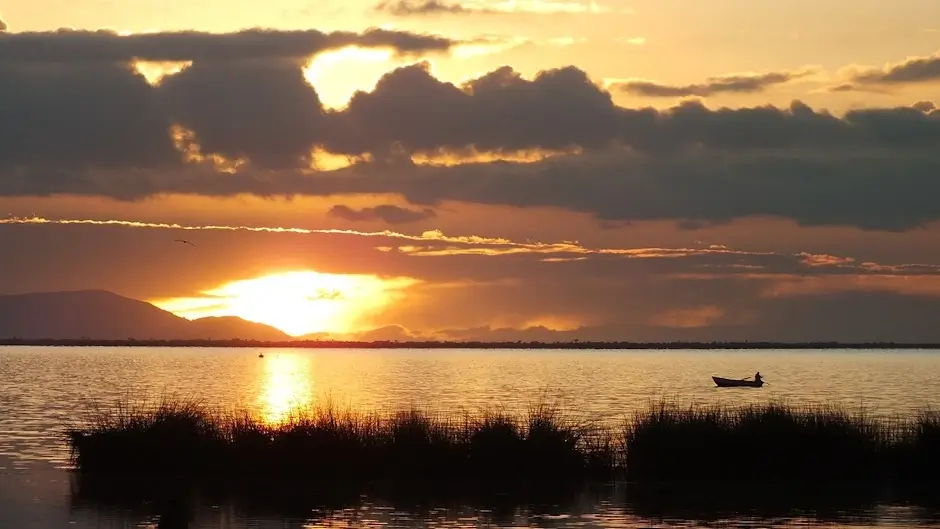
Known as the gateway to Lake Titicaca, the city of Puno welcomes travelers from all over the world who come to explore the highest navigable lake in the world and its unique cultural treasures. To meet the needs of visitors, Puno offers a wide range of accommodation options, from budget-friendly hostels to boutique hotels and lakeside resorts. No matter your travel style, you’ll find a place that combines comfort with authentic Andean hospitality.
Hotels with Lake Views
For travelers seeking unforgettable scenery, many hotels in Puno are located along the shores of Lake Titicaca, offering panoramic views of the shimmering waters and surrounding highlands. These accommodations often feature cozy rooms, terraces, and even private docks for boat tours. Waking up to a sunrise over the lake is one of the highlights of staying here.
Boutique and Mid-Range Hotels
Puno has an increasing number of boutique hotels that blend modern comfort with traditional Andean design. These accommodations often highlight local culture through their décor, cuisine, and personalized service. Mid-range hotels are also widely available, offering a balance of convenience, good locations, and reasonable prices for travelers who want both comfort and value.
Budget-Friendly Options
Backpackers and budget-conscious travelers will find plenty of hostels and guesthouses in the city center. These provide affordable lodging, shared spaces for meeting other travelers, and easy access to Puno’s main attractions, markets, and restaurants.
Homestays on the Islands
For a truly unique experience, many visitors choose to stay with local families on the islands of Amantani or Taquile. These homestays allow travelers to immerse themselves in the traditional way of life, sharing meals, daily activities, and cultural exchanges with the community. Though simple, the hospitality and authenticity make it one of the most memorable accommodation options.
Eco-Lodges and Rural Retreats
In recent years, eco-lodges and rural accommodations have become more popular around Puno and Lake Titicaca. These lodgings focus on sustainability, local materials, and eco-friendly practices while offering guests a peaceful environment close to nature. They are ideal for those looking to disconnect and experience the Andean landscape in a responsible way.
Choosing the Right Place to Stay
When selecting accommodation in Puno, consider your travel style and priorities. If you want easy access to the port and city center, a hotel in downtown Puno may be best. For stunning views and tranquility, lakeside hotels and eco-lodges are excellent choices. And for cultural immersion, a homestay on one of the islands provides a once-in-a-lifetime experience.
Rest and Recharge in the Andes
Accommodation in Puno is more than just a place to sleep—it’s an important part of the journey. Whether you prefer comfort, culture, or adventure, Puno offers options that ensure your stay complements the magic of Lake Titicaca and its surroundings.
Puno and Lake Titicaca: Transportation in Puno
Located on the shores of Lake Titicaca, the city of Puno is a vibrant destination and the main hub for exploring the highest navigable lake in the world. To make the most of your visit, it’s important to understand the transportation options available, both within the city and for reaching nearby attractions. From buses and taxis to boats and trains, Puno offers several ways to travel comfortably through the Andes.
Getting to Puno
- By Air: Puno does not have its own airport, but travelers can fly into Juliaca Airport (Inca Manco Cápac International Airport), located about 45 minutes away. From Juliaca, regular shuttles, private transfers, and taxis connect passengers to Puno.
- By Bus: Puno is well connected by long-distance buses from Cusco, Arequipa, and La Paz (Bolivia). This is one of the most popular and affordable ways to reach the city, with both daytime and overnight services available.
- By Train: For a luxury experience, the Andean Explorer Train operated by PeruRail connects Cusco and Puno, offering breathtaking views of the Andes and first-class service. It’s one of the most scenic journeys in Peru.
Getting Around the City
- Taxis and Moto-taxis: The most common way to move around Puno is by taxi or moto-taxi (a three-wheeled vehicle similar to a tuk-tuk). These are inexpensive and readily available, though it’s best to agree on the fare before starting your trip.
- Walking: Puno’s city center is compact, and many attractions, restaurants, and hotels are within walking distance. The lively streets and markets are best explored on foot.
Transportation on Lake Titicaca
Exploring Lake Titicaca is the highlight of visiting Puno, and this requires boat transportation:
- Tour Boats: Most organized tours include transportation by motorized boats to the Uros, Taquile, and Amantani Islands. These boats are comfortable and offer scenic journeys across the lake.
- Private Boats: For a more exclusive experience, private boat services are available, allowing flexible itineraries and personalized visits to the islands.
- Kayaking: For adventure travelers, kayaking on Lake Titicaca provides a unique way to experience its calm waters and natural beauty up close.
Day Trips and Regional Transport
From Puno, travelers can also explore nearby attractions:
- Buses and Minivans: Local buses connect Puno to smaller towns such as Chucuito, Juli, and Lampa. Minivans are another option for short trips to nearby villages.
- Tours with Transfers: Many excursions, such as visits to the Sillustani burial towers, include round-trip transportation in private vans or buses.
Travel Tips
- Always confirm prices before boarding taxis or moto-taxis.
- Book boat trips and long-distance buses through trusted agencies to ensure safety and reliability.
- If traveling by train, reserve well in advance, as tickets are limited and highly sought after.
Moving Through the Heart of the Andes
Transportation in Puno is diverse, combining traditional Andean travel with modern options. Whether you’re gliding across Lake Titicaca, riding the scenic train from Cusco, or hopping into a moto-taxi in the city, each journey adds to the authentic experience of this highland destination.
Impact of Tourism in Puno and Lake Titicaca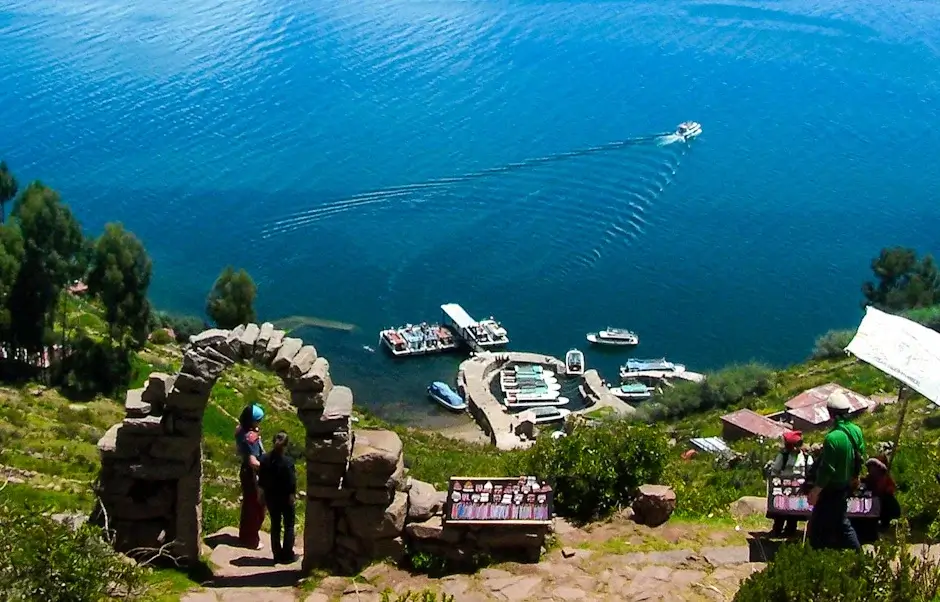
Lake Titicaca, the highest navigable lake in the world, and the city of Puno are among the most visited destinations in southern Peru. Tourism plays a central role in the local economy and the preservation of cultural traditions, but it also brings challenges that require sustainable solutions.
Positive Impacts
Economic Growth
Tourism has become one of the main sources of income for Puno. Families benefit directly from homestays on islands such as Amantani and Taquile, as well as from handicraft sales and guiding services. Local transportation, hotels, and restaurants also thrive thanks to the steady flow of visitors.
Cultural Preservation
Visitors interested in authentic experiences encourage communities to maintain traditions. Festivals like the Candelaria Celebration, traditional weaving, and dances are kept alive, not only for cultural pride but also as a way of sharing heritage with the world.
Infrastructure Development
The rise in tourism has improved infrastructure in Puno, including roads, accommodation, and access to better services, benefitting both locals and visitors.
Negative Impacts
Environmental Concerns
Lake Titicaca faces pollution challenges due to waste management issues, exacerbated by tourism. An increase in boat traffic and plastic use threatens the lake’s fragile ecosystem.
Cultural Commodification
While cultural exchange is valuable, there is a risk of traditions being commercialized or adapted excessively to meet tourist expectations, potentially altering their authenticity.
Overdependence on Tourism
Many communities rely heavily on tourism as their main source of income. This dependence makes them vulnerable to fluctuations in global travel, as seen during the COVID-19 pandemic.
Towards Sustainable Tourism
Promoting eco-friendly tours, supporting community-based tourism, and encouraging responsible travel behaviors are essential steps to ensure that Puno and Lake Titicaca can balance cultural preservation, economic benefits, and environmental protection. Travelers can help by choosing sustainable operators, reducing waste, and respecting local customs.
Discover the Magic of Puno and Lake Titicaca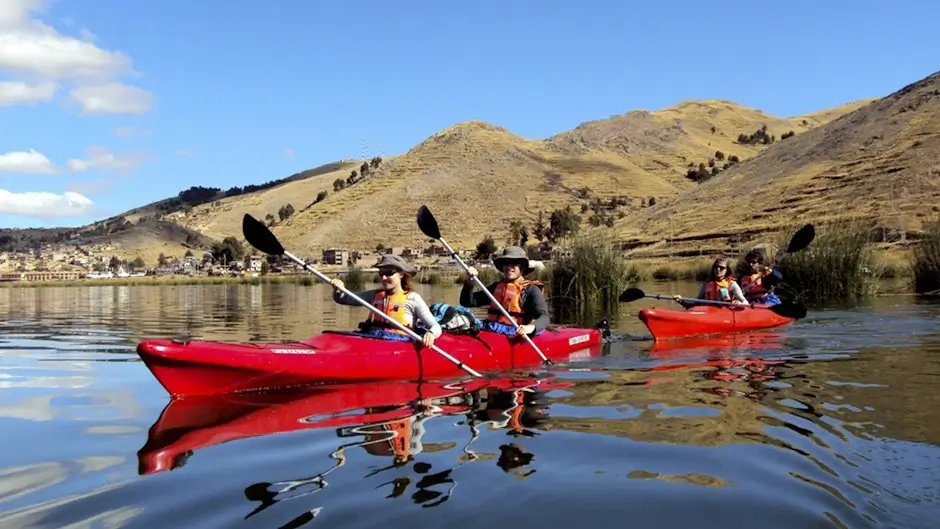
Nestled high in the Peruvian Andes, Puno is a city brimming with charm, tradition, and breathtaking natural beauty. Known as the gateway to Lake Titicaca—the world’s highest navigable lake—Puno offers travelers an extraordinary blend of cultural richness and stunning landscapes. Visiting this region is more than just a trip; it’s a journey into the heart of Andean heritage and one of South America’s most iconic destinations.
The Allure of Lake Titicaca
Lake Titicaca is the crown jewel of Puno, celebrated not only for its vastness and shimmering waters but also for its cultural importance. According to Inca legend, the lake is considered the birthplace of the sun and the origin of the Inca civilization. Exploring the floating Uros Islands, made entirely of totora reeds, provides an unforgettable look into the lives of the indigenous communities who still uphold ancient traditions.
Vibrant Culture and Traditions
Puno is often called the “Folklore Capital of Peru,” thanks to its lively festivals and music. The most famous celebration, the Festival of the Virgin of Candelaria, is a dazzling display of colorful costumes, traditional dances, and music that draws visitors from all over the world. This cultural vibrancy makes Puno not only a place of natural beauty but also a living museum of Andean traditions.
Adventures Beyond the Lake
While the lake is the main attraction, Puno offers much more. Visitors can explore nearby archaeological sites such as Sillustani, with its imposing pre-Inca funerary towers, or wander through the city’s lively markets filled with textiles, handicrafts, and local produce. The highland landscapes surrounding Puno also provide opportunities for hiking, birdwatching, and photography.
Why Visit Puno and Lake Titicaca?
The magic of Puno and Lake Titicaca lies in its unique blend of nature, history, and culture. Travelers are rewarded with breathtaking views, enriching experiences, and meaningful connections with local communities. Whether you’re drawn by the mystique of ancient legends, the beauty of the Andean highlands, or the warmth of its people, Puno offers an adventure like no other.
A trip to Puno and Lake Titicaca offers a unique experience filled with history, culture, and nature. From the Uros floating islands to the tranquil islands of Taquile and Amantaní, there is much to explore and learn. Whether you have one day or several, there are tour options that fit your needs and allow you to immerse yourself in the life and traditions of the highland communities. Book your next trip with Leading Peru Travel and experience an unforgettable adventure on Lake Titicaca.
- Eplore Peru: From Vibrant Lima to Mystical Machu Picchu and Majestic Lake Titicaca 8 Days
- Perú Travel with Tour Lima Cusco Machu Picchu Lake Titicaca 7 Days
- Explore the Wonders of Cusco with City Tour and Machu Picchu 3 Days
- Explore Peru with the Lima Cusco Machu Picchu Huayna Picchu Tour 6 Days
For more information and to book your trip, contact us on WhatsApp. Follow us on Instagram for the latest updates and travel inspiration.
CONTACT US:
We are a Travel Agency specialized in tourist packages, if you need any information, do not hesitate to write to us.
We offer tours in Peru and Bolivia.