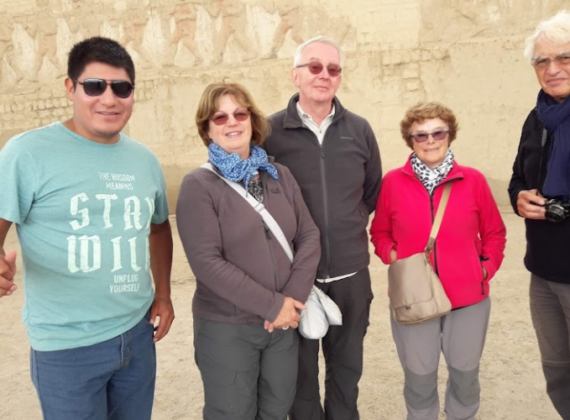


Trekking in South America: Tips for Beginners and Experts
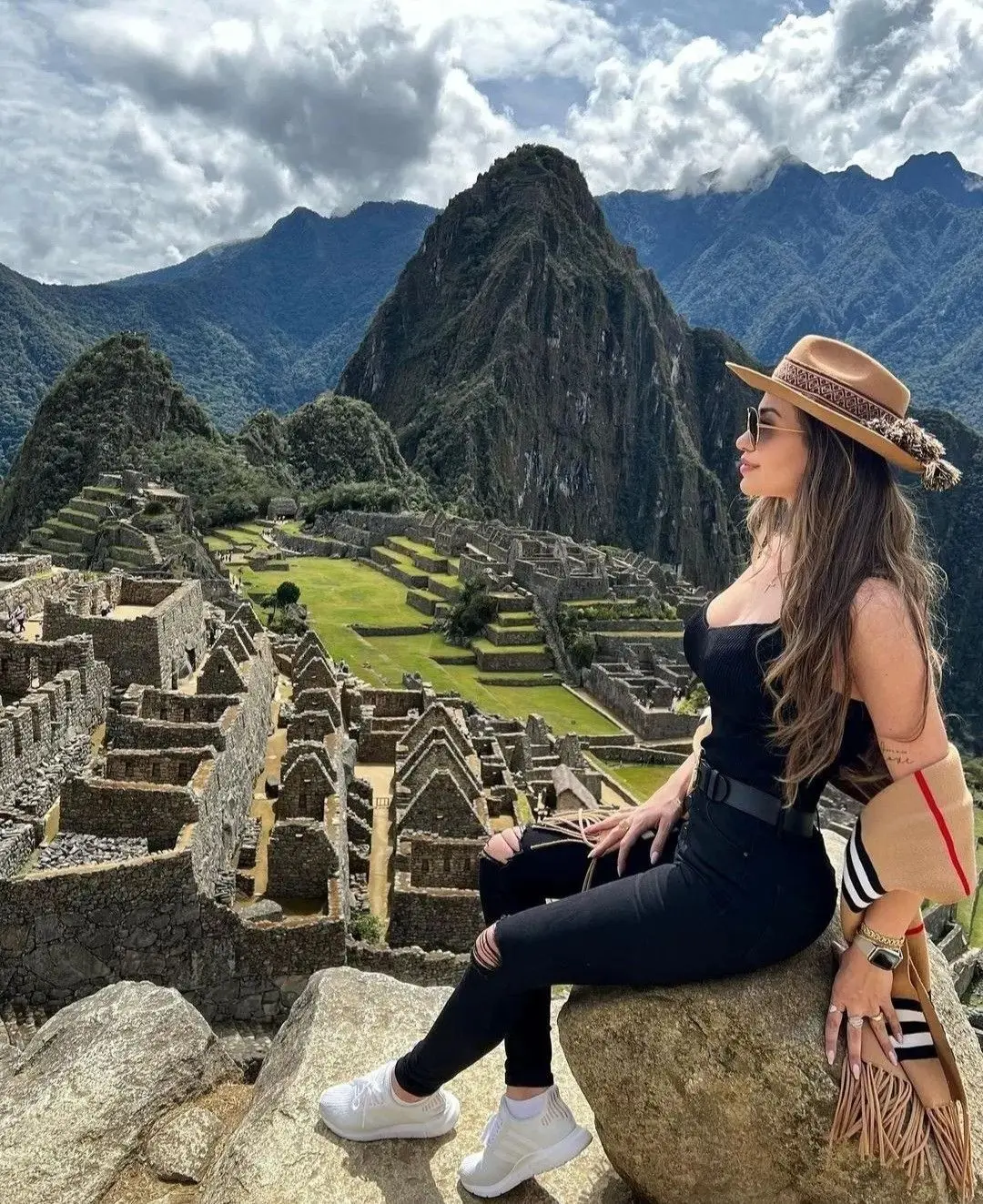
Trekking in South America is paradise. From the snow-capped Andes to the lush Amazon rainforest, the continent offers an extraordinary diversity of landscapes, cultures, and challenges for adventurers of all levels. Whether you’re a first-time hiker or an experienced mountaineer, proper preparation is key to making the most of your journey. Here are essential trekking tips tailored for both beginners and seasoned trekkers looking to explore the best of South America.
- Discover the Wonders of Peru: with the Tour Perú Machu Picchu Nazca 15 Days
- Discover the Best of Perú: with the Tour Perú Amazon Nazca Machu Picchu 20 Days
- Travel Package to Peru Tour in Lima, Paracas, Ballestas, Nazca Lines, Colca Canyon 22 Days
Trekking in South America: Tips for Beginners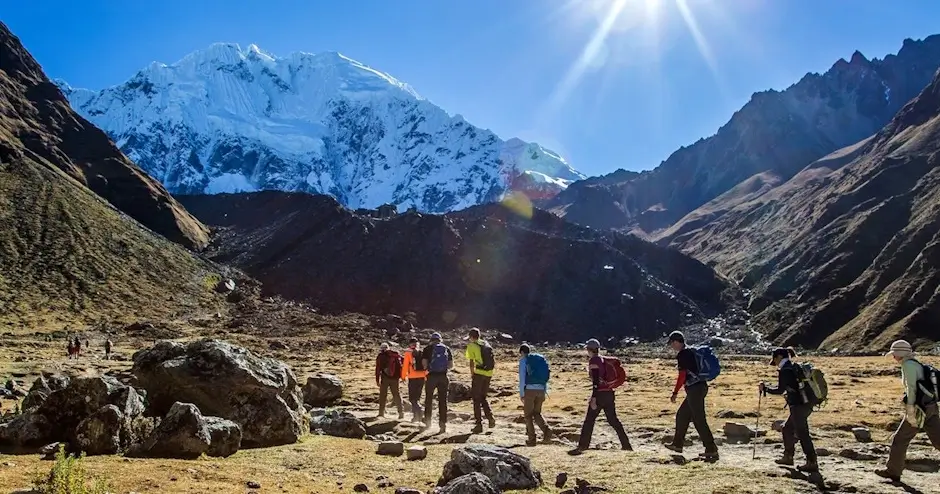
Trekking in South America is a dream come true for many nature lovers and adventure seekers. With its diverse landscapes—from the majestic Andes Mountains to the Amazon rainforest and Patagonian plains—this continent offers unforgettable experiences. If you’re new to trekking, don’t worry. With a bit of preparation and the right attitude, you’ll be ready to take your first steps on some of the world’s most scenic trails. Here are essential trekking tips for beginners exploring South America.
- Journey to the Heart of the Andes: A 15-Day Adventure from Cusco to San Pedro de Atacama 15 Days
- Andean Expedition Exploring the Treasures of Peru and Bolivia. 20 Days
- South America tourist package visiting Peru and Bolivia 25 days
- South America tour through the Andes of Peru, Bolivia and Chile.15 Days
- Discover South América with the Perú Bolivia Tour 14 Days
- South America trip: the best tour of Peru and Bolivia 10 Days
Start with the Right Trek
Not all treks are created equal, and it’s important to choose a trail that matches your current fitness level and hiking experience.
- Look for shorter and well-maintained routes, such as the Sacred Valley hikes in Peru or day treks in Torres del Paine, Chile.
- Avoid high-altitude or multi-day treks at first, until you build confidence and endurance.
Train Before You Travel
Trekking is physically demanding, even on easier routes. Start preparing several weeks before your trip:
- Go for regular walks or hikes with a backpack.
- Do light cardio and strength training to build stamina.
- Try to simulate trekking conditions by walking on uneven terrain or inclines.
Pack Light but Smart
As a beginner, avoid overpacking. Carry only what you need and choose lightweight gear. Essentials include:
- Comfortable, broken-in hiking boots
- Moisture-wicking clothing and layers
- A light rain jacket
- Sunscreen, hat, and sunglasses
- A refillable water bottle or hydration pack
- Basic first aid kit
- Snacks like nuts, fruit, and energy bars
Acclimate to the Altitude
Many South American trekking destinations, like those in Peru or Bolivia, are at high altitudes. Altitude sickness can affect anyone.
Spend a couple of days at elevation before your trek.
Drink plenty of water and avoid alcohol.
Take it slow and rest often.
Consider coca tea or altitude sickness tablets if recommended by a doctor.
Join a Guided Trek
If it’s your first time, going with a licensed tour company or local guide can make the experience safer and more enjoyable.
You won’t have to worry about navigation, logistics, or meals.
Guides also provide local knowledge, cultural insights, and emergency support.
Learn Basic Trail Etiquette
Good trekking behavior helps preserve the environment and ensures a great experience for everyone.
- Stay on marked trails to avoid damaging natural areas.
- Don’t litter—carry your trash with you.
- Respect wildlife and local communities.
- Be courteous to fellow hikers, especially on narrow paths.
Listen to Your Body
It’s okay to take breaks and go at your own pace.
- Don’t push too hard, especially on your first trek.
- Pay attention to signs of fatigue, dehydration, or altitude sickness.
- It’s better to rest or stop early than risk injury or exhaustion.
Enjoy the Journey
Trekking isn’t just about reaching a destination—it’s about connecting with nature, discovering new cultures, and enjoying the moment.
- Take photos, but also pause to soak in the views.
- Talk to locals or fellow hikers when possible.
- Appreciate the simple joys of walking in nature.
Trekking Tips for Experts in South America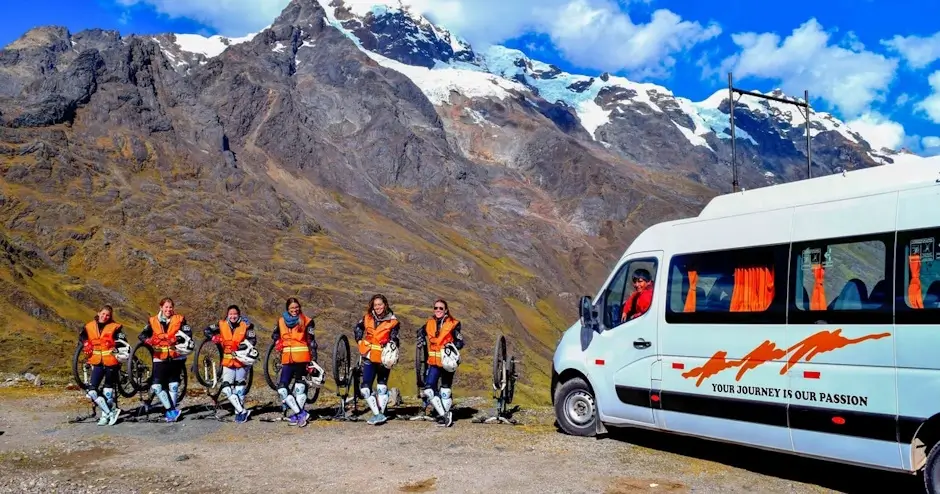
For seasoned trekkers, Trekking in South America offers some of the most challenging and awe-inspiring trails on the planet. From high-altitude circuits in the Andes to remote jungle expeditions and harsh Patagonian terrain, the continent is a playground for expert hikers seeking their next big adventure. But even for experienced trekkers, the South American wilderness demands respect, preparation, and smart decision-making.
Go Beyond the Classics
While the Inca Trail and Torres del Paine are stunning, there’s a world of lesser-known, rugged treks waiting to be explored:
- Cordillera Huayhuash Circuit (Peru) – a challenging, high-altitude trek with jaw-dropping alpine scenery.
- Vilcabamba Traverse (Peru) – wild and remote, leading to the lost city of Choquequirao.
- Cerro Castillo Trek (Chile) – the “Torres del Paine without the crowds.”
- El Chaltén to Lago del Desierto (Argentina) – a Patagonian trail requiring stamina and navigation skills.
Master Altitude Strategy
Many expert-level trails in South America take place well above 3,500 meters (11,500 ft). To perform at your best:
- Plan gradual ascents and allow 2–3 days for acclimatization.
- Include acclimatization hikes before the main trek.
- Carry acetazolamide (Diamox) or natural aids like coca leaves (used locally in the Andes).
- Know the difference between mild AMS and life-threatening conditions like HAPE or HACE.
Bring the Right Gear for Extreme Conditions
Expert treks demand expert gear. Always check seasonal conditions before packing. Essentials include:
- Four-season tent for high winds and cold nights.
- Water purification system—remote trails may lack clean water sources.
- GPS, compass, and topographic maps for navigation.
- Satellite communication device for emergencies.
- Layered technical clothing (merino, fleece, down, shell).
- Trekking poles, gaiters, and crampons for rugged or snowy terrain.
Be Self-Reliant—But Know When to Hire Local Support
While self-guided treks offer freedom and flexibility, local knowledge is invaluable in complex environments:
- Hire muleteers or porters for heavy loads in remote areas.
- Use local guides when routes cross indigenous lands or require cultural permissions.
- Many remote trails lack signage—local insight can mean the difference between a successful trek and a lost trail.
Train for the Terrain
Don’t assume past experience is enough—adapt your training for South America’s extremes:
- Practice long-distance hiking with elevation gain and a full pack.
- Simulate cold-weather camping if heading to Patagonia or high-altitude zones.
- Improve your resilience for consecutive days of trekking with minimal support.
Prioritize Safety and Emergency Planning
As an expert, you’re likely traveling off-grid. That means being prepared for any situation.
- Leave a detailed itinerary with a contact.
- Carry a PLB (Personal Locator Beacon) or satellite messenger (e.g., Garmin InReach).
- Know first-aid, especially for altitude-related illnesses, fractures, and hypothermia.
- Respect weather forecasts and never underestimate Andean storms or Patagonian winds.
Travel Responsibly
Your level of experience gives you the power—and responsibility—to protect fragile ecosystems and cultural heritage:
- Practice strict Leave No Trace principles.
- Support ethical tourism by hiring local services and respecting local customs.
- Avoid overexposed trails if they’re being degraded; choose off-the-beaten-path alternatives.
Document the Journey Wisely
As an expert trekker, you may want to share your experience—but let it inspire, not damage.
- Don’t geotag sensitive locations that could be harmed by overtourism.
- Share knowledge with others, but always promote safety, respect, and sustainability.
General Trekking Tips for South America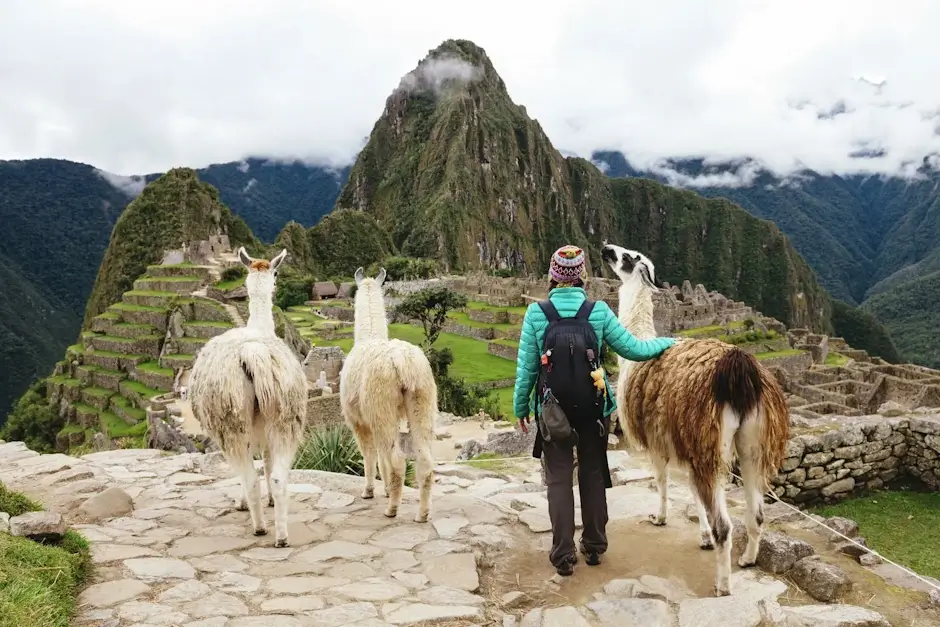
South America is a dream destination for trekking enthusiasts. From the snow-covered peaks of the Andes to the tropical jungles of the Amazon and the windswept plains of Patagonia, the continent offers some of the most breathtaking trails in the world. Whether you’re an experienced hiker or a curious beginner, trekking in South America requires preparation, respect for nature, and an adventurous spirit.
Choose the Right Trail
South America has treks for every level of experience:
- Beginners might enjoy day hikes in the Sacred Valley (Peru) or short walks in national parks like Torres del Paine (Chile).
- Intermediate and advanced hikers can try the Inca Trail, the Lost City Trek (Colombia), or the Quilotoa Loop (Ecuador).
- Experts may head for the Cordillera Huayhuash (Peru), O Circuit in Patagonia, or remote jungle treks in Bolivia and Brazil.
Do your research and select a trail that matches your fitness level and interests.
Know the Best Time to Go
Timing is crucial:
- Andean regions (Peru, Bolivia, Ecuador): Dry season from May to September is best for trekking.
- Patagonia (Chile, Argentina): Best visited between November and March for milder weather.
- Amazon and jungle treks: Go during the drier months, typically June to October, to avoid heavy rains.
Weather can change quickly in the mountains, so always check forecasts before your trek.
Acclimatize to Altitude
Many treks in South America take place at high elevations, especially in the Andes.
- Spend 2–3 days at altitude before your trek begins.
- Stay hydrated, eat light, and avoid alcohol.
- Recognize symptoms of altitude sickness (headache, nausea, dizziness) and don’t ignore them.
Coca tea and rest are common remedies in the Andes, but consult your doctor before the trip for altitude medication if needed.
Pack Smart
Trekking gear should be lightweight, durable, and versatile. Essentials include:
- Sturdy hiking boots (broken in before the trip)
- Layered clothing for changing weather
- Rain jacket or poncho
- Hat, sunglasses, and sunscreen
- Reusable water bottle or hydration system
- Snacks or energy bars
- First aid kit, including blister care and altitude meds
- Headlamp or flashlight
- Map, compass, or GPS
Avoid overpacking—every gram counts on the trail.
Respect Nature and Culture
Trekking in South America often means walking through protected areas and indigenous lands.
- Follow Leave No Trace principles: don’t litter, stay on trails, and respect wildlife.
- Be mindful of local customs, especially in rural Andean communities.
- Hire local guides when possible to support communities and enrich your experience with cultural insights.
Consider a Guided Trek
While some treks can be done independently, many popular routes (like the Inca Trail) require a licensed guide or tour company.
- Guided treks include permits, food, transport, and safety support.
- For solo travelers or first-time trekkers, joining a group adds security and companionship.
Train Before You Go
Even easy treks can be physically demanding due to elevation, terrain, and climate.
- Build stamina with hiking, walking, or cardio workouts in the weeks before your trip.
- Practice walking with a loaded backpack and on uneven surfaces.
Stay Safe on the Trail
- Let someone know your itinerary.
- Carry emergency contacts and basic first aid supplies.
- Be cautious with food and water—purify water if needed.
- Be aware of wildlife and changing weather conditions.
Enjoy the Experience
Trekking in South America is more than a physical challenge—it’s a cultural and emotional journey.
- Take time to enjoy the landscapes, interact with locals, and reflect on your adventure.
- Disconnect from your phone and connect with nature.
Trekking in South America opportunities cater to all levels, from beginners looking for scenic day hikes to experts seeking technical, multi-day challenges. Whether you are exploring the dramatic landscapes of Patagonia, hiking through the Andean highlands, or trekking deep into the Amazon, the continent offers unforgettable experiences. With the right preparation and mindset, your South American trek will be a rewarding adventure filled with stunning natural beauty and cultural discoveries.
- Embark on a Journey of Ancient Traditions: The Inti Raymi Tour in Cusco 4 Days
- Discover the Wonders of Peru with the Tour Perú Machu Picchu 5 Days
- Discover Peru with the City Tour Sacred Valley Machu Picchu 4 Days
- Explore the Wonders of Cusco with City Tour and Machu Picchu3 Days
For more information and to book your trip, contact us on WhatsApp. Follow us on Instagram for the latest updates and travel inspiration.
CONTACT US:
We are a Travel Agency specialized in tourist packages, if you need any information, do not hesitate to write to us.
We offer tours in Peru and Bolivia.