

Adventure and Culture in Every Corner of Peru: A Journey Through the Land of the Incas
Peru, the land of the Incas, is a country that invites adventure seekers and culture enthusiasts alike to embark on an unforgettable journey. With its diverse landscapes ranging from snow-capped mountains and dense rainforests to arid deserts and lush valleys, Peru offers an unparalleled mix of natural beauty and rich cultural heritage. Whether you’re scaling the peaks of the Andes, trekking ancient Incan paths, or immersing yourself in local traditions, Peru offers adventure and culture in every corner.
- Embark on a Journey of Ancient Traditions: The Inti Raymi Tour in Cusco 4 Days
- Discover the Wonders of Peru with the Tour Perú Machu Picchu 5 Days
- Discover Peru with the City Tour Sacred Valley Machu Picchu 4 Days
- Explore the Wonders of Cusco with City Tour and Machu Picchu3 Days
The Mystical Andes: Adventure in the Sacred Valley and Beyond
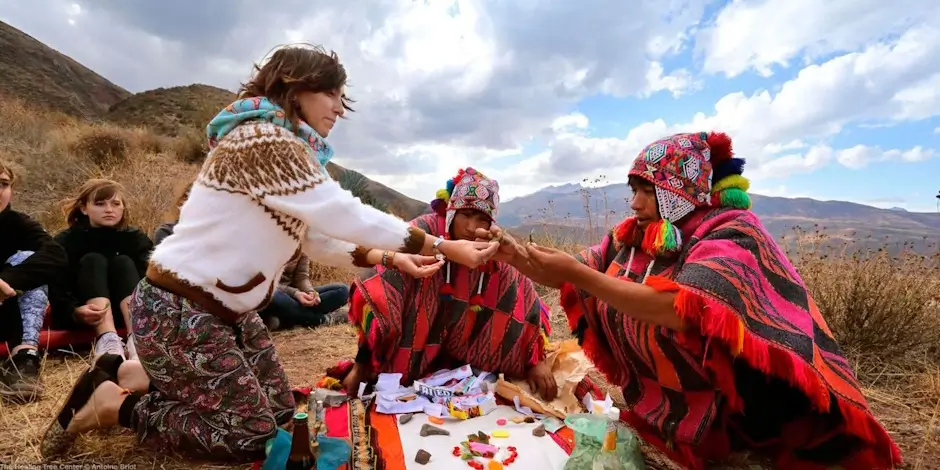
Nestled in the heart of the Peruvian Andes, the Sacred Valley is a place of immense beauty, steeped in ancient history and surrounded by dramatic landscapes. Known as El Valle Sagrado de los Incas, this valley has captivated travelers for centuries, offering a unique blend of natural wonders, archaeological treasures, and cultural experiences. For adventurers and history enthusiasts alike, the Sacred Valley and its surrounding regions offer endless opportunities to explore, connect with nature, and uncover the mystical essence of the Andes.
The Sacred Valley: A Living History
The Sacred Valley is much more than just a stunning location—it is a living testament to the advanced civilization of the Incas. Stretching between the towns of Pisac and Ollantaytambo, the valley is dotted with ancient ruins, terraced fields, and temples that were once the heart of Incan life.
Why it’s mystical:
- Pisac Ruins: Perched high above the town of Pisac, the ruins offer incredible views of the valley below. This archaeological site is famous for its agricultural terraces, which were ingeniously built into the mountainside, and its expansive Inca cemetery.
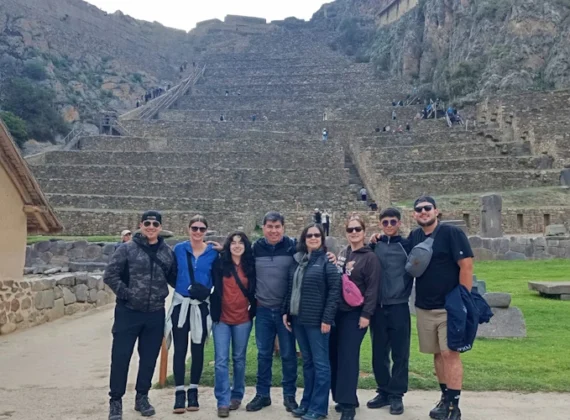
- Ollantaytambo: One of the best-preserved Inca towns, Ollantaytambo is an ideal place to wander through ancient streets and visit the Inca fortress that once defended the valley. The site offers a glimpse into Inca military strategy and religious practices.
Adventure Tip: Hike from Ollantaytambo to the nearby ruins of Pinkuylluna. The challenging trek rewards you with panoramic views of the Sacred Valley and an opportunity to experience the landscape as the Incas once did.
Machu Picchu: The Crown Jewel
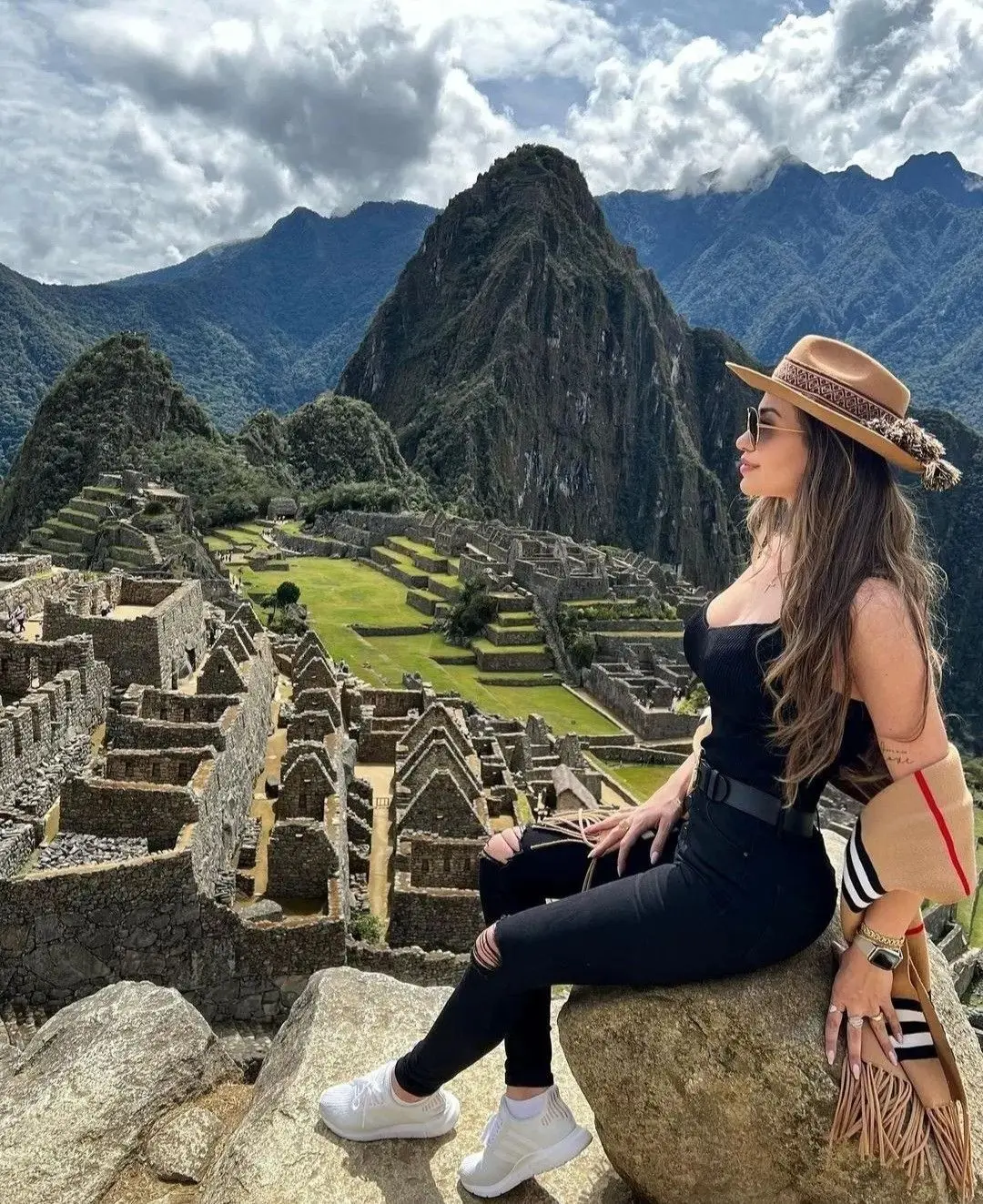
No visit to the Sacred Valley would be complete without a trip to the legendary Machu Picchu. This ancient Inca citadel, perched high in the Andes, is one of the most iconic and mystical destinations in the world. Whether you reach it by the classic Inca Trail, the scenic train ride from Ollantaytambo, or the alternative routes like the Salkantay Trek, the journey to Machu Picchu is an adventure in itself.
Why it’s mystical:
- Inca Trail Trek: One of the world’s most famous treks, the Inca Trail takes you through high-altitude mountain passes, lush cloud forests, and past ancient ruins, culminating at Machu Picchu. The hike is a journey through history and nature, offering a truly immersive experience.
- Salkantay Trek: For those seeking a more challenging alternative, the Salkantay Trek offers stunning views of glaciers, waterfalls, and remote villages before descending into the cloud forests surrounding Machu Picchu.
Adventure Tip: Consider staying in Aguas Calientes overnight to catch the sunrise over Machu Picchu. The early morning light illuminates the ruins in a way that feels magical and serene.
The Mystical Villages and Remote Treks
Beyond the well-known attractions, the Sacred Valley and its surroundings are home to small, remote villages that offer authentic cultural experiences and breathtaking hikes. These off-the-beaten-path destinations are perfect for travelers seeking adventure and a deeper connection with the land and its people.
Why they’re mystical:
- Chinchero: This small town, often overshadowed by its larger neighbors, offers a rare chance to see traditional weaving techniques passed down through generations. The vibrant textiles produced here are some of the most beautiful in the Andes.
- Moray: Visit the ancient agricultural terraces of Moray, believed to have been used by the Incas for experimenting with crop growth at different altitudes. The circular terraces are an architectural marvel and offer a unique perspective on Incan ingenuity.
- Maras Salt Mines: The salt mines of Maras are a stunning sight. These ancient salt pans, carved into the mountainside, continue to be used by local families today. A visit here is a reminder of the timeless connection between the land and its people.
Adventure Tip: If you’re an experienced hiker, consider taking a multi-day trek through the Sacred Valley to connect with remote villages like Lares. You’ll pass through lush forests, high-altitude lakes, and picturesque farming terraces.
Rafting, Biking, and Ziplining in the Valley
For adrenaline junkies, the Sacred Valley offers more than just hiking and exploring ruins. The valley’s diverse landscape makes it an ideal place for a range of adventure sports.
- Rafting on the Urubamba River: The Sacred Valley’s Urubamba River offers thrilling white-water rafting opportunities, with rapids ranging from Class II to IV. This is a great way to experience the valley’s dramatic landscapes from a different perspective.
- Mountain Biking: The Sacred Valley’s mix of rugged terrain, ancient Inca trails, and remote backroads makes it an ideal location for mountain biking. Ride through the valley, past ancient ruins and rural villages, all while soaking in breathtaking views.
- Ziplining: For an adrenaline-packed experience, try ziplining through the Sacred Valley. Fly high above the valley floor, taking in spectacular views of the mountains and rivers below.
Adventure Tip: Combine rafting with mountain biking for a day full of thrills, and don’t forget to stop and explore some of the lesser-known ruins along the way.
Spirituality and Connection with Nature
The Andes have long been considered a sacred place, both by the Incas and the indigenous communities that have called this region home for centuries. The powerful energy of the mountains is still felt today, and many travelers find that the Sacred Valley offers a sense of peace and connection with nature.
Why it’s mystical:
- Pachamama (Mother Earth): The concept of Pachamama, or Mother Earth, is central to Andean spirituality. During your time in the Sacred Valley, you may encounter ceremonies or rituals that honor Pachamama and the natural world. These moments provide an opportunity for reflection and connection with the land.
- Ceremonies with Local Shamans: For those seeking a deeper spiritual experience, participating in a ceremony with a local shaman can offer insights into ancient healing practices and the sacred rituals that have been part of Andean culture for centuries.
Adventure Tip: Consider a spiritual retreat in the Sacred Valley, where you can combine yoga, meditation, and traditional ceremonies to connect with the land and yourself.
The Amazon Rainforest: Nature’s Playground
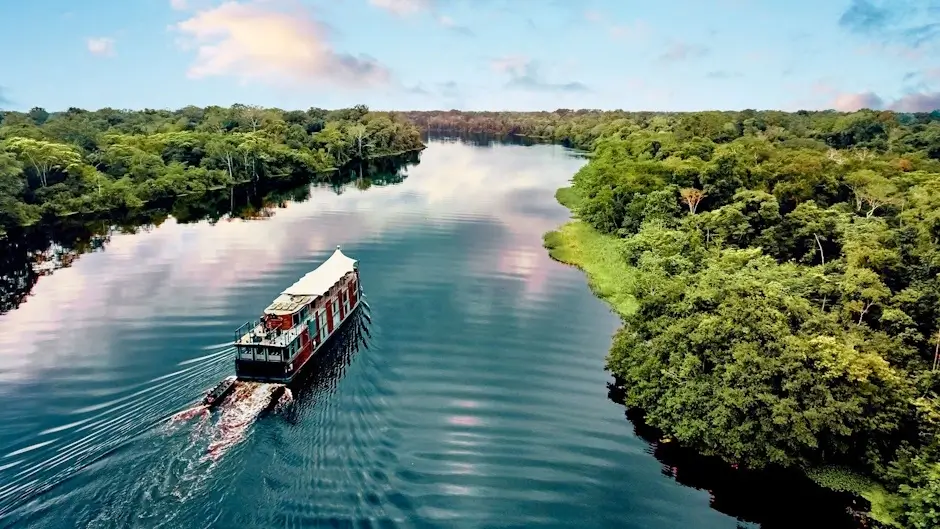
The Amazon Rainforest, often referred to as the “lungs of the Earth,” is one of the most biodiverse and vibrant ecosystems on the planet. Spanning across nine countries in South America, including Peru, Brazil, and Colombia, the Amazon is a sanctuary for millions of plant and animal species, many of which have yet to be discovered. This vast and untamed jungle is not only a vital part of the global climate system but also a playground for adventure seekers, wildlife enthusiasts, and those looking to connect with nature on a deeper level.
A Journey into the Heart of Nature
The Amazon is more than just a forest—it’s a living, breathing organism that thrives with rich biodiversity. A trip to the Amazon is an opportunity to immerse yourself in one of the world’s most awe-inspiring natural environments. From the dense, moss-covered trees to the winding rivers, every inch of the rainforest offers new wonders waiting to be explored.
Why it’s a playground:
- Wildlife Encounters: The Amazon is home to over 400 billion trees, and it shelters more than 2.5 million species of insects, birds, and animals. In this dense rainforest, you may spot jaguars, capybaras, pink river dolphins, and sloths—all while listening to the symphony of jungle sounds.
- Birdwatching Paradise: For bird lovers, the Amazon is a must-visit destination. With hundreds of bird species such as toucans, parrots, and harpy eagles, the region is a birdwatcher’s dream come true.
Adventure Tip: Take an early morning boat ride along the Amazon River to catch a glimpse of the jungle’s inhabitants at their most active. The light and sounds of the morning in the Amazon are unlike anything else.
Exploring the Amazon River
The Amazon River, the largest river by volume in the world, is the lifeblood of the rainforest. Flowing through vast stretches of dense jungle, the river offers endless opportunities for exploration. The best way to experience the river is by taking a boat tour, allowing you to navigate through the waterways and observe the vibrant wildlife along the shores.
Why it’s a playground:
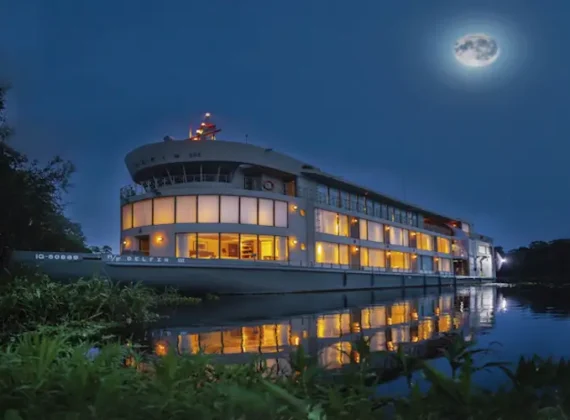
- River Cruises: A river cruise is one of the most relaxing and immersive ways to experience the Amazon. Drift along the mighty river, passing by lush vegetation, remote villages, and tranquil waters, all while observing local wildlife.
- Canoeing and Kayaking: For a more adventurous experience, grab a canoe or kayak and explore the smaller tributaries and hidden creeks that wind through the jungle. Paddle silently through narrow channels and discover secluded areas teeming with life.
Adventure Tip: At night, embark on a nocturnal boat tour to experience the rainforest in a completely different light. The sounds of the night are equally fascinating, with creatures like frogs, insects, and nocturnal birds adding to the symphony.
Jungle Trekking: A Walk Through Nature’s Secrets
While the Amazon might seem like a daunting wilderness, it is actually a paradise for trekkers. The dense forest is interspersed with trails that guide you through the undergrowth, giving you a chance to discover the jungle’s hidden gems. Whether you’re trekking to remote indigenous villages or exploring untouched parts of the rainforest, the experience is one of connection with nature.
Why it’s a playground:
- Guided Jungle Treks: Local guides are essential when trekking through the Amazon, as they are familiar with the terrain and wildlife. They’ll help you navigate the dense vegetation and identify unique plants and animals. You might even get the chance to try your hand at survival skills, like foraging for edible plants or fishing in the river.
- Indigenous Communities: Many tours offer the opportunity to visit indigenous tribes that have lived in harmony with the forest for generations. Learn about their traditions, medicines, and sustainable ways of life that are deeply tied to the land.
Adventure Tip: Choose a multi-day trek to fully immerse yourself in the forest. The longer you stay, the more you’ll discover about this complex and awe-inspiring ecosystem.
The Nighttime Amazon: An Entirely New World
The Amazon is not just a daytime playground—it’s a place that transforms when the sun sets. The jungle comes alive at night with a completely different set of creatures, making the nighttime experience equally thrilling and mysterious.
Why it’s a playground:
- Nocturnal Wildlife: After dark, the Amazon’s nighttime residents, such as owls, bats, and caimans, emerge from the shadows. Take a guided walk through the forest to spot these elusive creatures.
- The Amazon’s Symphony: As the sun dips below the horizon, the sounds of the jungle shift, and the atmosphere becomes charged with energy. The chorus of frogs, insects, and distant animal calls creates a soundscape unlike any other.
Adventure Tip: Consider staying in an eco-lodge in the heart of the rainforest, where you can step out of your cabin and immediately hear the calls of wildlife. Nighttime excursions, such as a canoe ride through the river’s quiet backwaters, offer a unique perspective on the forest.
Conservation and Sustainability: Protecting the Amazon
While the Amazon Rainforest is a playground for adventurers, it is also a critical natural resource that faces significant threats from deforestation and climate change. As visitors, it’s important to not only explore but also support sustainable tourism initiatives that help preserve the rainforest and its diverse ecosystems.
Why it’s a playground:
- Eco-lodges and Sustainable Travel: Many eco-lodges in the Amazon work directly with local communities to protect the environment and promote sustainable practices. By staying in these accommodations, you help support efforts to conserve the rainforest while benefiting from a low-impact experience.
- Conservation Tours: Many tours focus on educating travelers about the importance of the Amazon’s preservation. Learn how local initiatives are working to protect endangered species, combat illegal logging, and promote sustainable development in the region.
Adventure Tip: Get involved with local conservation efforts by participating in volunteer opportunities or supporting organizations dedicated to Amazon preservation.
Adventure, Relaxation, and Discovery
The Amazon Rainforest is truly a playground for every type of traveler. Whether you’re an adrenaline junkie, wildlife lover, or someone seeking relaxation and reflection, the Amazon offers an experience like no other. With its unmatched biodiversity, mystical landscapes, and rich cultural history, the rainforest promises to leave an indelible mark on all who venture into its depths.
Adventure Tip: Don’t forget to relax and soak in the beauty of the Amazon. Spend an afternoon lounging in a hammock, listening to the sounds of the jungle, or enjoying a sunset over the river. Sometimes, the most rewarding moments come when you simply take in your surroundings and appreciate the tranquility of the rainforest.
The Coastline: A Surfer’s Paradise and Desert Adventures
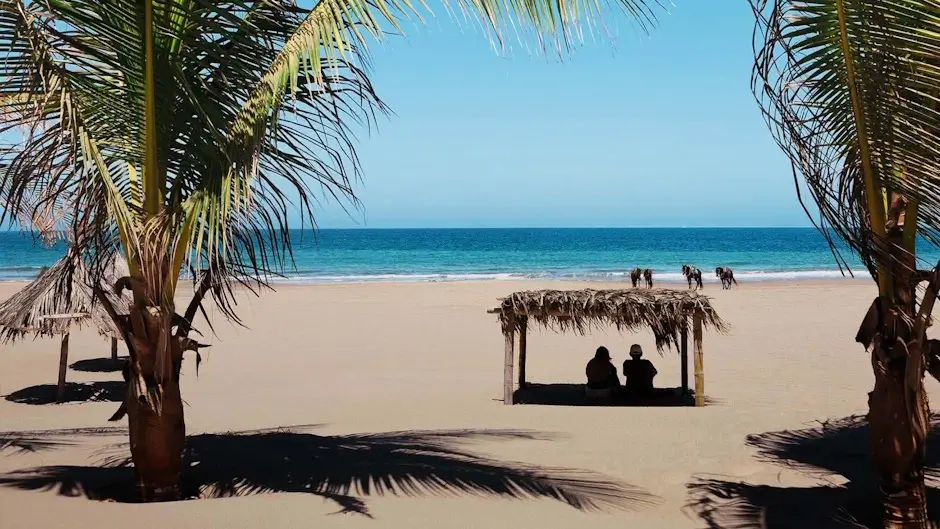
Peru’s coastline is a captivating fusion of natural beauty, vibrant culture, and exciting outdoor adventures. Stretching for over 2,400 kilometers along the Pacific Ocean, this diverse coastline offers not only world-class surfing but also desert landscapes filled with opportunities for exploration. Whether you’re a seasoned surfer seeking the perfect wave or an adventurer eager to explore vast deserts, Peru’s coastline has something special for everyone.
The Surfer’s Paradise: World-Class Waves
Peru’s coastline is home to some of the best surf spots in the world, making it a must-visit destination for surfers of all levels. The combination of consistent waves, warm waters, and dramatic scenery makes Peru’s surf scene truly unique. From the bustling surf towns near Lima to the more secluded spots in northern Peru, there’s a wave for everyone.
Why it’s a surfer’s paradise:
- Máncora: Located in the north, Máncora is one of the most famous surf towns in Peru. With its warm water, sunny climate, and consistent waves, it draws surfers from all over the globe. The area offers waves suitable for all levels, from beginners to advanced surfers.
- Punta Hermosa and Punta Rocas: Just a short drive south of Lima, Punta Hermosa and Punta Rocas are some of the most popular spots for surfers. These beaches feature powerful breaks and long rides, attracting local surfers and international pros.
- Chicama: Known for having one of the longest left-hand waves in the world, Chicama is a paradise for experienced surfers. Surfers can catch rides that last over a minute, making it an exhilarating experience for those seeking the ultimate challenge.
- The Wild North: For those looking for less crowded, pristine surf conditions, the northern coast of Peru offers untouched beaches like Cabo Blanco, a hidden gem famous for its consistent waves and secluded setting.
Adventure Tip: If you’re new to surfing, book a surf lesson with a local instructor to make the most of your experience. Many surf schools along the coast offer equipment and guidance to help you get started.
Desert Adventures: Exploring Peru’s Unique Landscapes
While Peru’s coast is renowned for its surf, the region’s desert landscapes are equally impressive. From the rolling sand dunes to ancient ruins and coastal wildlife, the desert offers a range of adventures that combine history, culture, and natural beauty.
Why it’s a desert adventure haven:
- Huacachina: Located just outside of Ica, Huacachina is a picturesque oasis surrounded by towering sand dunes. Visitors can experience thrilling sandboarding or take a ride on a dune buggy, which will zoom you across the vast desert landscape. The oasis itself is an ideal place to relax, swim, and watch the sunset over the dunes.
- Nasca Lines: One of the most famous archaeological wonders of Peru, the Nasca Lines are a series of ancient geoglyphs etched into the desert floor. These mysterious designs can only be fully appreciated from the air, and flying over the Nasca Lines provides an unforgettable experience. Whether you’re a history enthusiast or simply seeking a once-in-a-lifetime adventure, this is a must-see stop on the desert route.
- Paracas National Reserve: Situated along the coast, the Paracas National Reserve is a stunning desert landscape that meets the ocean. This protected area is home to diverse wildlife, including sea lions, penguins, and a variety of seabirds. Visitors can explore the reserve by boat, taking in the dramatic cliffs, beaches, and wildlife that thrive in this unique desert-meets-ocean environment.
Adventure Tip: Take a guided tour of the Nasca Lines to learn about their history and theories surrounding their creation. The experience will give you a deeper understanding of the culture and mystery that surrounds this ancient site.
Coastal Culture: Peru’s Maritime Heritage
The coastline is also a rich cultural region, steeped in history and tradition. Ancient civilizations such as the Nazca and Moche left their mark along the coast, creating impressive ruins and artifacts that continue to intrigue archaeologists and visitors alike.
Why it’s a cultural adventure:
- The Paracas Culture: The Paracas people, known for their elaborate textiles and impressive pottery, once inhabited the coastal region. The Paracas National Reserve is home to the Paracas Candelabra, a mysterious geoglyph carved into a hillside, which is believed to have had ceremonial or navigational significance.
- The Moche Temples: North of Lima, near Trujillo, the Moche civilization left behind spectacular pyramids and temples, including the iconic Temple of the Sun and the Temple of the Moon. These sites provide a fascinating glimpse into Peru’s ancient cultures and are an essential stop for history lovers.
Adventure Tip: Don’t miss a visit to the Museum of the Nazca Culture in Ica, where you can learn more about the history and significance of the Nazca Lines and the surrounding desert region.
A Haven for Nature and Wildlife Enthusiasts
The Peruvian coastline is also a hotspot for wildlife, particularly birdwatching and marine life. Whether you’re cruising along the coast or exploring the desert areas, Peru’s coastal ecosystems offer some of the most biodiverse environments in the world.
Why it’s a nature lover’s playground:
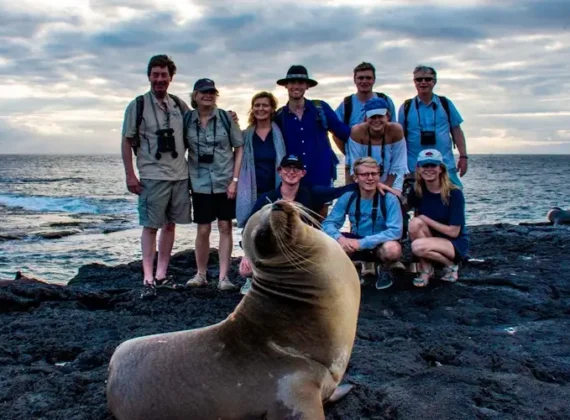
- Ballestas Islands: Known as the “Poor Man’s Galapagos,” the Ballestas Islands are a must-visit for wildlife enthusiasts. Located off the coast near Paracas, this small group of islands is home to sea lions, penguins, and thousands of seabirds. A boat tour will bring you up close to the animals, offering a once-in-a-lifetime opportunity to observe them in their natural habitat.
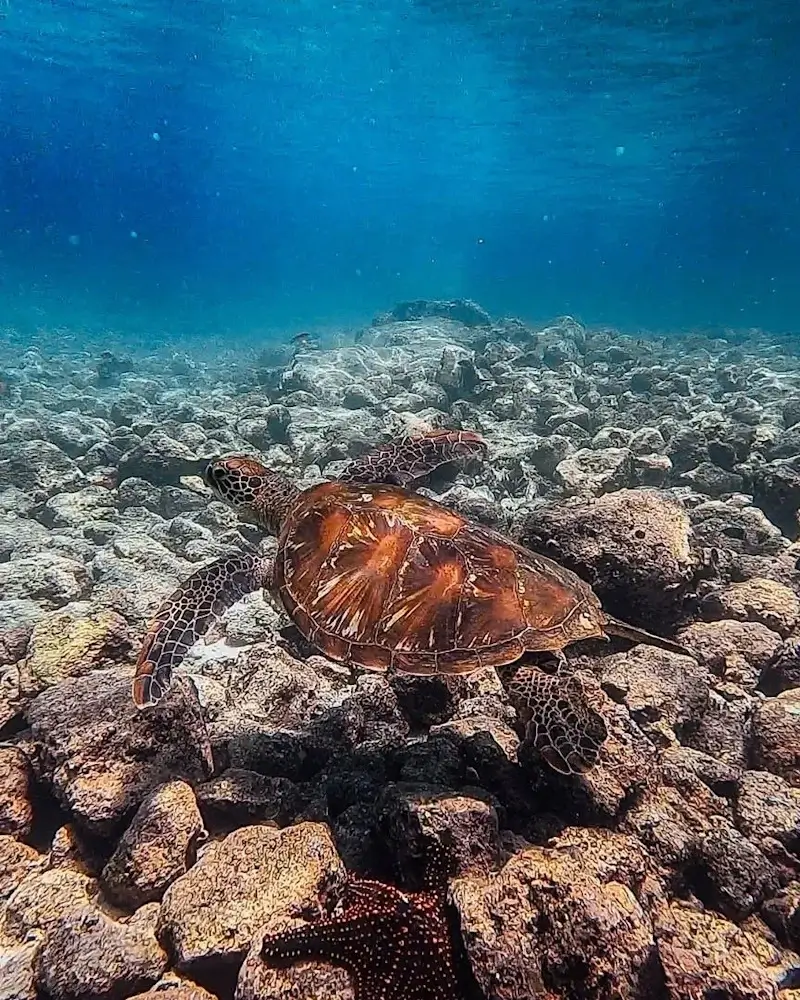
- Marine Life: The coastal waters of Peru are teeming with marine life, including humpback whales, dolphins, and sea turtles. Take a boat tour to spot these majestic creatures, or go snorkeling to experience the vibrant underwater world.
Adventure Tip: Plan a trip to the Ballestas Islands at sunrise or sunset to avoid crowds and witness the wildlife in the most serene light.
A Relaxing Coastal Escape
For those looking for a more laid-back experience, Peru’s coastline also offers tranquil beaches perfect for relaxing and enjoying the beauty of the Pacific. Whether you’re lounging on the sandy shores, enjoying a fresh seafood meal, or watching the surfers ride the waves, there are plenty of opportunities to unwind and enjoy the coastal paradise.
Why it’s the perfect place to relax:
- Punta Sal: Located in the north, Punta Sal is known for its calm waters and luxurious beach resorts. It’s an ideal spot for families looking to relax by the ocean while enjoying top-notch amenities and peaceful surroundings.
- Zorritos: Close to the Ecuadorian border, Zorritos is famous for its warm beaches and natural hot springs. It’s a hidden gem for those seeking a quiet retreat away from the crowds.
The Cultural Heart of Peru: Cusco and Machu Picchu
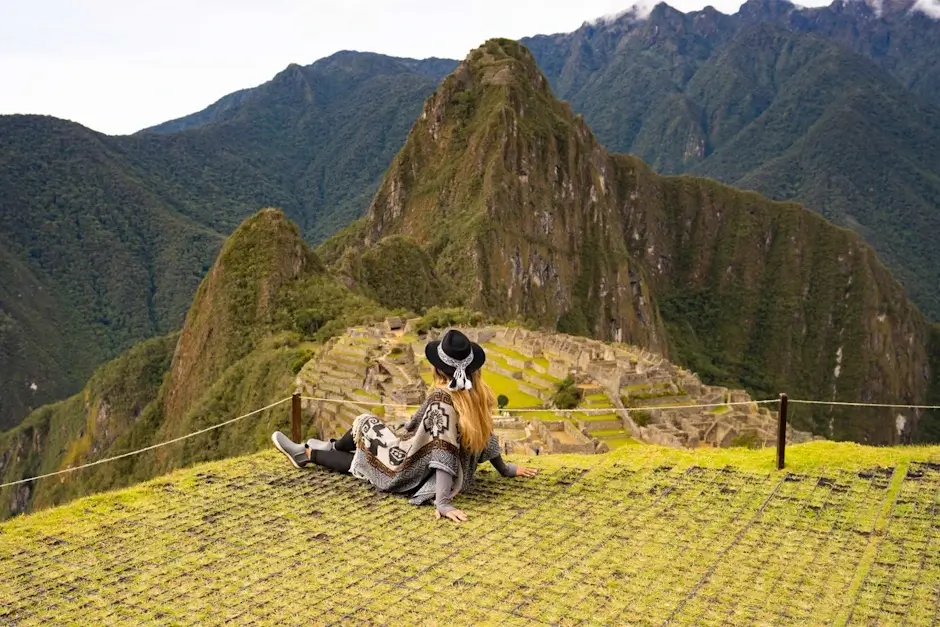
Peru is a country rich in history, culture, and natural beauty, but few places capture the essence of its past and present as powerfully as Cusco and Machu Picchu. Known as the ancient capital of the Inca Empire, Cusco is a vibrant city where history comes to life through its cobblestone streets, colonial architecture, and fascinating museums. Just a short distance away, Machu Picchu, the world-famous “Lost City of the Incas,” stands as a testament to the ingenuity and vision of the ancient Incan civilization. Together, these two destinations form the cultural heart of Peru, offering travelers an unforgettable journey through time, culture, and breathtaking landscapes.
Cusco: The Gateway to the Andes
Nestled in the Andean mountains at an altitude of 3,400 meters (11,150 feet), Cusco was once the heart of the Inca Empire. Today, it remains a lively city where Incan heritage blends seamlessly with Spanish colonial influences. The city itself is a living museum, with ancient ruins and magnificent structures that tell the story of Peru’s rich history.
What to See in Cusco
- Sacsayhuamán: One of the most impressive Incan archaeological sites near Cusco, Sacsayhuamán is a massive fortress built from huge stone blocks that fit together so precisely that even modern tools can’t replicate the technique. The site offers panoramic views of Cusco and provides a glimpse into the grandeur of Inca architecture.
- Qorikancha (Temple of the Sun): Once the most important temple in the Inca Empire, Qorikancha was dedicated to Inti, the Sun God. The walls and floors were once covered in gold, and the temple was a symbol of Inca power and religious significance. Today, visitors can explore the remnants of this sacred place, now part of the Santo Domingo Church.
- Plaza de Armas: The heart of Cusco, this bustling square is surrounded by colonial buildings, including the Cusco Cathedral and the Church of La Compañía de Jesús. It’s a great place to sit, people-watch, and enjoy the vibrant atmosphere of the city. The square is also the site of festivals, parades, and traditional events throughout the year.
- San Pedro Market: For a true taste of Cusco’s daily life, visit the San Pedro Market. Here, you’ll find everything from fresh local produce and traditional Andean foods to textiles and handicrafts. It’s the perfect place to shop for souvenirs or try some local specialties like cuy (guinea pig) or chuño (dried potatoes).
Cusco’s Festivals and Traditions
Cusco is known for its lively festivals that showcase the region’s cultural heritage. The most famous is Inti Raymi, the Festival of the Sun, held each June to honor Inti, the Inca Sun God. The festival includes colorful parades, traditional music, dance, and elaborate reenactments of Inca ceremonies. Visiting Cusco during a festival provides a unique opportunity to immerse yourself in the traditions and customs of the Andean people.
Machu Picchu: The Icon of Inca Civilization
Just a few hours from Cusco, perched high in the Andes, lies one of the most famous archaeological sites in the world: Machu Picchu. This ancient Inca citadel was built in the 15th century and remained hidden from the outside world until its rediscovery in 1911. The breathtaking beauty of Machu Picchu, combined with its rich history, has made it one of the most iconic landmarks in the world.
What to See at Machu Picchu
- The Inca Trail: One of the most popular ways to reach Machu Picchu is by hiking the Inca Trail, a multi-day trek through the Andean mountains that follows the route the Incas took to reach their sacred citadel. The trail offers stunning views of the surrounding landscape, with ancient Incan ruins along the way, including Wiñay Wayna, a beautiful site featuring terraces and temples.
- The Sun Gate (Inti Punku): For a panoramic view of Machu Picchu, hike to the Sun Gate, which marks the entrance to the citadel for those arriving along the Inca Trail. The views from this point are particularly striking at sunrise, when the early morning light casts a golden glow over the ruins.
- The Temple of the Sun: This sacred structure is believed to have been used for astronomical and religious purposes. The temple is aligned with the sun during the winter solstice, showcasing the Incas’ sophisticated understanding of astronomy.
- The Inca Bridge: A fascinating part of the Machu Picchu complex, the Inca Bridge is a hidden structure carved into the cliffside. It is thought to have been used as a defensive feature to protect the citadel from invaders.
Machu Picchu’s Mysteries
Despite being a UNESCO World Heritage site, many mysteries still surround Machu Picchu. Archaeologists and historians continue to debate its exact purpose. Some believe it was a royal estate, while others suggest it was a religious retreat or an astronomical observatory. The intricacy of the stonework, the alignment with celestial events, and the stunning natural beauty of the location only add to the site’s allure.
Experiencing Cusco and Machu Picchu Together
While Cusco offers a deep dive into the history, culture, and traditions of the Inca Empire, Machu Picchu provides the chance to experience the architectural and spiritual legacy of this ancient civilization. Together, they create an enriching journey that takes you from the heart of the Incan capital to one of the most awe-inspiring sites in the world.
How to Plan Your Visit
- Best Time to Visit: The ideal time to visit Cusco and Machu Picchu is during the dry season, from April to October. However, peak tourist season falls from June to August, so plan accordingly for crowds and higher prices. The rainy season from November to March sees fewer tourists but brings lush green landscapes and occasional rain showers.
- Altitude Adjustment: Cusco’s high altitude (over 3,400 meters) can cause discomfort for some visitors. It’s recommended to spend a couple of days acclimatizing before engaging in strenuous activities. Drink plenty of water, eat light meals, and avoid alcohol to help ease the adjustment.
- Tickets to Machu Picchu: It’s essential to book tickets to Machu Picchu in advance, especially if you plan to hike the Inca Trail. Tickets for entry to the site and hikes are limited, so securing your spot early ensures a smooth experience.
Lake Titicaca: The Birthplace of the Inca
Nestled high in the Andes, Lake Titicaca is not just the largest freshwater lake in South America by volume, but it is also one of the most historically significant and culturally rich bodies of water in the world. Often referred to as the “birthplace of the Inca,” Lake Titicaca holds a special place in the mythology, history, and traditions of Peru and Bolivia. With its serene waters, ancient islands, and rich heritage, Lake Titicaca offers an unparalleled opportunity to explore the heart of Andean culture while uncovering the secrets of one of the world’s oldest civilizations.
- Discover Peru with the City Tour Sacred Valley Machu Picchu 4 Days
- Cusco Travel with City Tour and tour Machu Picchu 2 Days
- Tour Machupicchu full day in Train Full Day
A Sacred and Legendary Lake
For centuries, Lake Titicaca has been an integral part of the Andean worldview. The indigenous peoples of the region, including the Aymara and Quechua, consider the lake to be sacred. According to Inca legend, Manco Capac and his sister Mama Ocllo—the first Incas—emerged from the waters of Lake Titicaca. They were sent by the sun god Inti to establish the Inca Empire, making the lake a symbol of creation, fertility, and divine intervention.
The deep connection to the lake is reflected in the countless myths, rituals, and stories that have been passed down through generations. For the Incas and the people of the surrounding region, the lake was more than just a geographical feature; it was a spiritual center that tied the physical world to the divine.
The Floating Islands of the Uros People
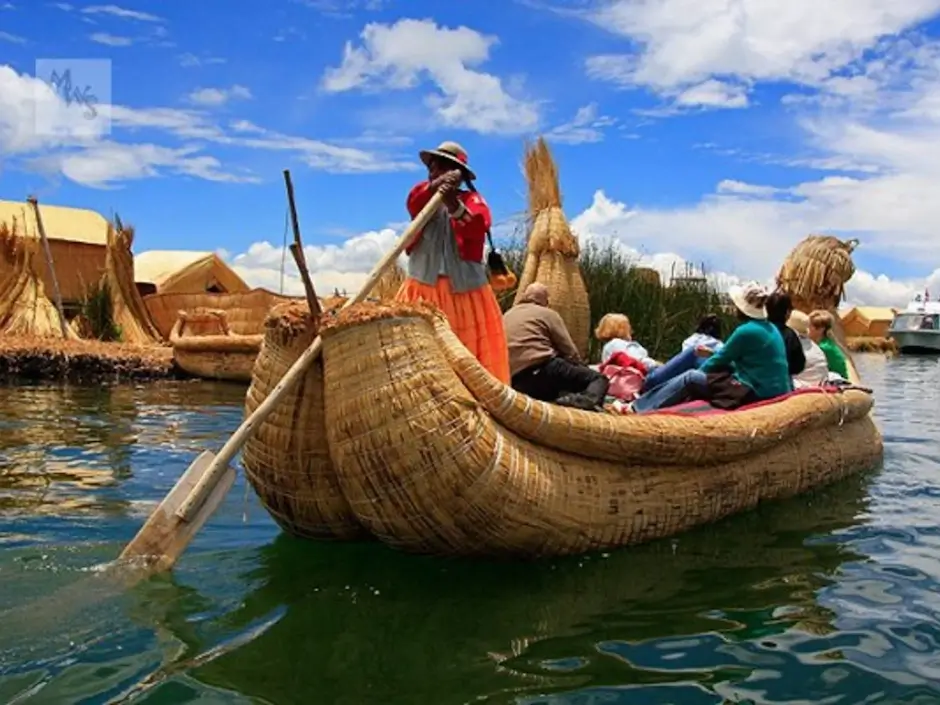
One of the most fascinating and unique features of Lake Titicaca is its floating islands. These islands, inhabited by the Uros people, are entirely made of totora reeds, a plant that grows abundantly in the lake. The Uros have lived on these islands for centuries, using the reeds not only to construct their homes but also to create boats and everyday items.
Visitors to Lake Titicaca can take a boat ride to these extraordinary islands to witness firsthand the traditional lifestyle of the Uros. The islands are a testament to the resilience and ingenuity of the Uros people, who have adapted to living on the water for centuries. The floating islands are an incredible blend of nature, culture, and human creativity, providing a glimpse into a way of life that has endured for generations.
Taquile Island: A Cultural Treasure
While the floating islands are an incredible highlight, Taquile Island is another must-visit destination on Lake Titicaca. Known for its stunning landscapes and deeply rooted traditions, Taquile Island is home to a community of skilled weavers whose intricate textiles are recognized as some of the finest in the Andes. The island’s inhabitants continue to live according to traditional customs, and visitors can learn about their way of life while admiring the stunning vistas of the lake.
Taquile is also famous for its vibrant festivals, where locals celebrate traditional dances, music, and colorful costumes. The island’s agricultural terraces, which have been cultivated for centuries, add to the island’s charm and offer spectacular views of the surrounding lake and mountains. A visit to Taquile Island is a journey into a world where time seems to stand still, and ancient traditions remain at the heart of daily life.
The Sun and Moon Islands: Incan Mysticism and Archaeological Wonders
For those seeking to connect with the deep spiritual roots of the Inca civilization, Isla del Sol (Island of the Sun) and Isla de la Luna (Island of the Moon) are essential destinations. Located on the Bolivian side of Lake Titicaca, these islands are steeped in Incan mysticism and are believed to be the birthplace of the sun.
- Isla del Sol is home to Chincana, an Inca archaeological site, and the Pilar de la Luna (Pillar of the Moon), a structure thought to have had religious significance during the Inca period. The island also features the Temple of the Sun, which was once an important place of worship and is linked to the legendary creation story of the Incas.
- Isla de la Luna is smaller and less developed than Isla del Sol but equally important. It features the Iñak Uyu ruins, which are believed to be a ceremonial center for female Incan priests. The island’s peaceful atmosphere and rich Incan heritage make it a perfect spot for reflection and exploration.
A Journey through Time and Nature
Lake Titicaca is a place where nature and history converge, offering travelers a rare opportunity to explore ancient cultures while immersing themselves in the stunning beauty of the Andean highlands. The lake’s vastness and tranquil waters are contrasted by the towering snow-capped mountains that surround it, making it an awe-inspiring destination for adventurers and history enthusiasts alike.
How to Visit Lake Titicaca
- Best Time to Visit: The best time to visit Lake Titicaca is during the dry season, from May to September. This period offers clear skies, pleasant temperatures, and minimal rainfall, making it ideal for exploring the islands and participating in outdoor activities. However, be prepared for high-altitude conditions, as the lake sits at an elevation of over 3,800 meters (12,500 feet).
- Getting There: Lake Titicaca is accessible from both Puno in Peru and Copacabana in Bolivia. The closest airport to Puno is Inca Manco Cápac International Airport, while La Paz in Bolivia is the nearest major city to Copacabana. From these cities, travelers can take buses or boat rides to reach the lake and its islands.
- Accommodation: There are several accommodation options around the lake, ranging from simple hostels to more luxurious eco-lodges. Many of the islands also offer homestays, providing visitors with a chance to experience the local culture and hospitality firsthand.
Adventure and Culture Unite: Exploring the Best of Peru
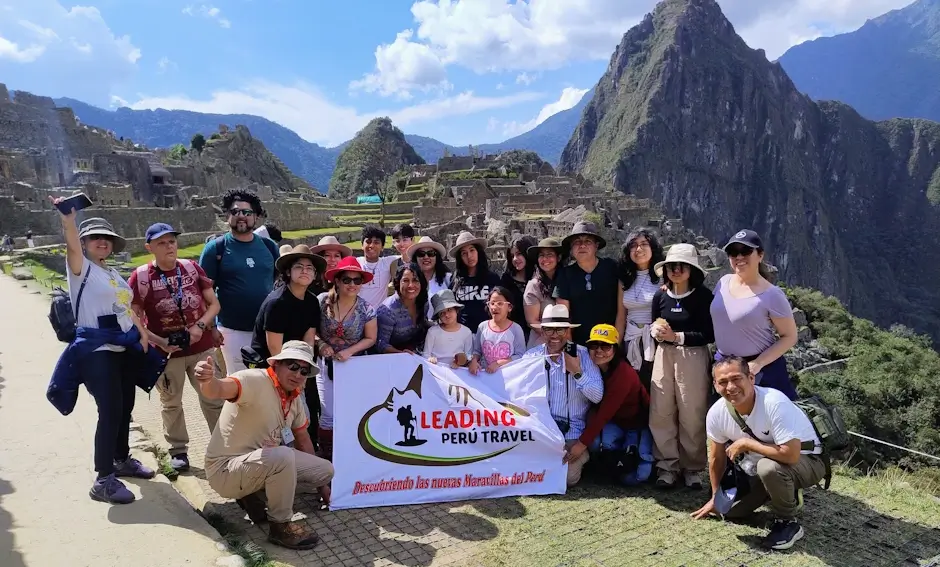
Peru is a land of contrasts, where the thrill of adventure perfectly complements the richness of cultural heritage. From the rugged peaks of the Andes to the dense jungles of the Amazon, Peru offers travelers the chance to embark on an extraordinary journey that combines natural beauty, historical significance, and vibrant traditions. Whether you’re hiking through ancient Incan ruins, exploring hidden valleys, or immersing yourself in local customs, Peru offers a unique opportunity to experience both adventure and culture in a way that few other destinations can.
The Sacred Valley: A Gateway to Adventure and History
The Sacred Valley, located near Cusco, is the perfect example of how adventure and culture come together in Peru. Known for its awe-inspiring landscapes, ancient ruins, and picturesque villages, the Sacred Valley is a must-visit destination for any traveler seeking both outdoor thrills and cultural immersion.
One of the most exciting ways to experience the Sacred Valley is through trekking. The Inca Trail, which leads to Machu Picchu, is perhaps the most famous hike in the region, offering a blend of breathtaking views and historical significance. Along the trail, trekkers pass through cloud forests, alpine meadows, and Inca archeological sites, with the final destination being the majestic Machu Picchu—a wonder of the ancient world.
Beyond the Inca Trail, there are other trekking routes like the Salkantay Trek and Lares Trek, both of which offer incredible adventure while also providing a deeper understanding of the region’s culture. Visitors can experience traditional Andean villages, where people still live much as they have for centuries, maintaining ancient customs and agricultural practices.
Machu Picchu: A Symbol of Peru’s Ancient Heritage
Machu Picchu, one of the New Seven Wonders of the World, is the ultimate fusion of adventure and culture. This 15th-century Inca citadel, perched high in the Andes, offers travelers the chance to explore one of the most significant archeological sites on the planet. For those who are adventurous, the hike to Machu Picchu along the Inca Trail is an unforgettable experience that combines physical challenge with a deep dive into history and culture.
At Machu Picchu itself, visitors can explore the impressive architecture, learn about the sophisticated Inca engineering that made the site possible, and absorb the mystique of a place that was once the heart of an empire. The views from the site are also spectacular, offering panoramic vistas of the surrounding mountains and valleys that seem to stretch endlessly into the horizon.
The Amazon Rainforest: Adventure in the Heart of Nature
While Peru is known for its Andean highlands, the Amazon Rainforest offers an entirely different kind of adventure, one that immerses travelers in a biodiverse world teeming with life. The Peruvian Amazon, one of the most biologically diverse places on earth, is a paradise for nature lovers and adventurers alike.
Guided boat trips along the Amazon River and its tributaries give visitors a chance to see exotic wildlife, such as sloths, monkeys, and colorful birds, while also introducing them to the cultures of the indigenous tribes who have lived in the rainforest for centuries. Many eco-lodges in the region offer excursions that blend adventure with cultural learning. You can kayak through the jungle, hike to remote villages, or visit indigenous communities to learn about their traditions, stories, and ways of life that have been passed down through generations.
Lake Titicaca: Cultural Immersion and Adventure on the Water
At the highest navigable lake in the world, Lake Titicaca, adventure and culture once again unite. Located on the border between Peru and Bolivia, this stunning lake is home to several islands that are steeped in both natural beauty and cultural significance.
One of the most remarkable aspects of Lake Titicaca is the Uros Islands, which are entirely man-made from totora reeds. Visitors can take boat trips to these floating islands and meet the Uros people, who still maintain their ancient lifestyle. The islands, along with the nearby Taquile and Amantani Islands, offer unique opportunities to experience traditional weaving, farming, and community life, all while surrounded by the tranquility of the lake.
For those looking for adventure, there are opportunities to kayak or sail across the lake, visiting remote villages and exploring hidden corners of the region. The combination of adventure and culture is what makes a trip to Lake Titicaca so special.
Cultural Festivals: A Window into Peru’s Rich Traditions
One of the most vibrant ways to experience both the adventure and culture of Peru is by attending one of its many festivals. Peru’s festivals are a perfect blend of history, religion, and fun, often involving colorful parades, traditional music and dance, and the opportunity to interact with locals.
The Inti Raymi Festival in Cusco is one of the most significant cultural events in the country. Held every June, the festival celebrates the Incan sun god Inti with a grand procession and traditional ceremonies that take place in the ancient Sacsayhuamán ruins. The festival not only provides a deep dive into Inca culture but also offers an exciting and lively atmosphere that brings the ancient customs to life.
Other festivals, such as Puno’s Fiesta de la Candelaria, celebrate the vibrant traditions of Peru’s indigenous peoples and their connection to the land. These festivals are a fantastic way to experience the rich cultural heritage of Peru while engaging in the spirited energy of the festivities.
- Discover the Wonders of Peru: with the Tour Perú Machu Picchu Nazca 15 Days
- Discover the Best of Perú: with the Tour Perú Amazon Nazca Machu Picchu 20 Days
- Travel Package to Peru Tour in Lima, Paracas, Ballestas, Nazca Lines, Colca Canyon 22 Days
visit Leading Peru Travel. Follow us on Instagram to see photos and updates from our trekking adventures. Start planning your hiking adventure now and contact us through WhatsApp! Enjoy your trip! contact us on WhatsApp
CONTACT US:
We are a Travel Agency specialized in tourist packages, if you need any information, do not hesitate to write to us.
We offer tours in Peru and Bolivia.