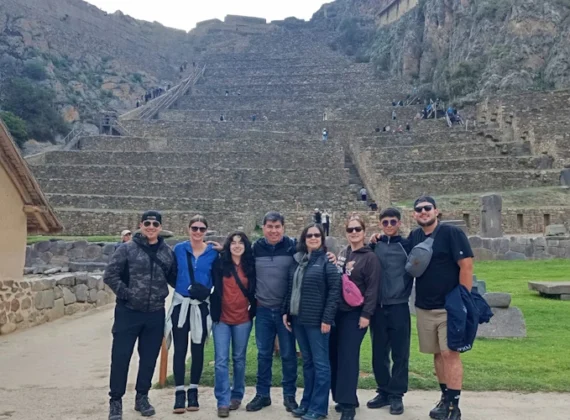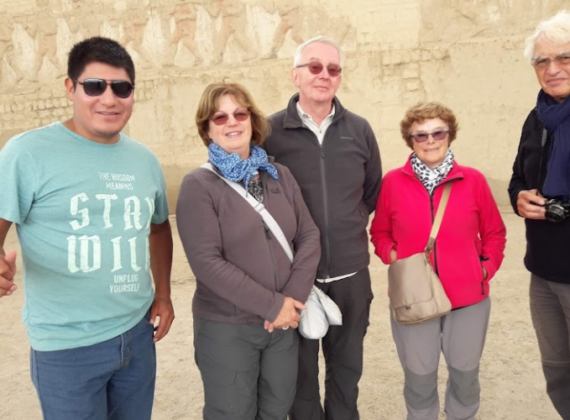


What to pack for the Salar de Uyuni: A packing guide
Preparing to visit the majestic Salar de Uyuni on your Bolivia adventure involves more than packing a camera to capture its breathtaking landscapes—it also means knowing what to wear in Salar de Uyuni. Whether you’re planning to experience the famous mirror effect during the rainy season or explore the endless white salt flats in the dry season, having the right clothing is essential. This complete Salar de Uyuni packing guide will help you discover what to pack for Salar de Uyuni, including the best clothing, best shoes for Salar de Uyuni, and essential travel gear for every season. Follow this Salar de Uyuni clothing guide to stay comfortable, protected from the intense high-altitude sun, and fully prepared to enjoy one of Bolivia’s most extraordinary destinations.
How to Dress for the Salar de Uyuni?
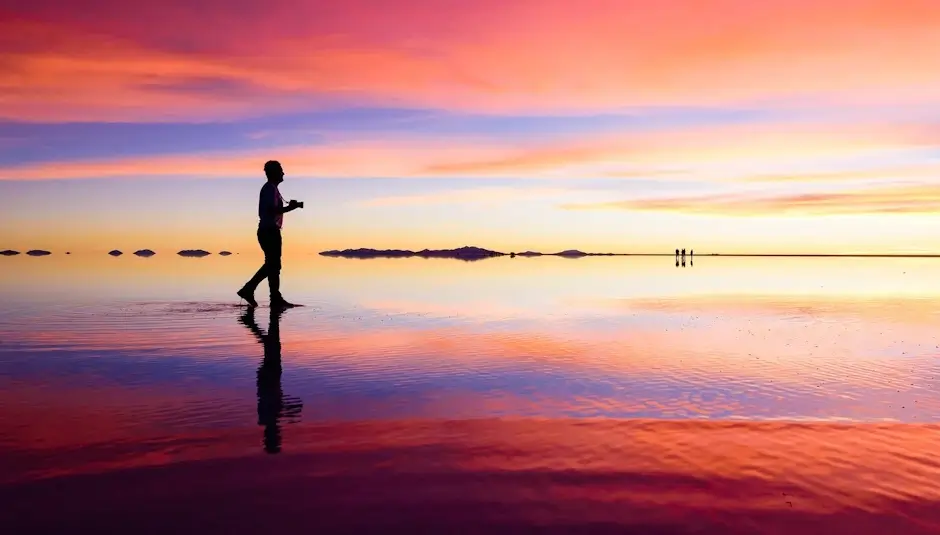
Getting ready to explore the Salar de Uyuni, the world’s largest salt desert, is an exciting adventure as part of your Peru and Bolivia tour. Choosing the right clothing for the Salar de Uyuni is essential to fully enjoy this unique experience.
Layered Clothing
The weather in the Salar de Uyuni can be unpredictable, with intense cold in the mornings and evenings, and quite hot during the day. The solution is to dress in layers. Start with a thermal shirt, add a mid-layer like a fleece, and finish with a waterproof and wind-resistant jacket. This combination will allow you to easily adapt to temperature changes.
Head and Face Protection
Do not underestimate the intensity of the sun at this altitude. Wear a wide-brimmed hat to protect your face and neck from the sun. Additionally, sunglasses are essential to protect your eyes from the sun’s reflection on the salt flats, which can be very strong.
Appropriate Footwear
Choosing the right footwear is crucial. You should wear comfortable and sturdy shoes, preferably hiking boots that protect your ankles. The ground of the salt flats can be rough, and there are areas where water may be present, so waterproof footwear is an excellent choice.
Essential Accessories
Gloves and scarves will help you keep warm during cold mornings and evenings. A good pair of gloves will not only protect you from the cold but also allow you to handle your camera or phone comfortably to capture the unique landscapes of the Salar de Uyuni.
Sun Protection Clothing
Even though you are covered, it is important that clothing for the Salar de Uyuni includes fabrics that offer UV protection. This is especially crucial at high altitudes where solar radiation is more intense. Long-sleeved shirts and lightweight pants, both with UV protection, will complement your sun protection.
Hydration and Nutrition
Carrying a reusable water bottle is essential. Stay hydrated to counteract the dry climate and altitude. Additionally, having energy-rich snacks such as dried fruits or cereal bars on hand will help you stay energized during your exploration.
Essentials in Your Suitcase for the Salar de Uyuni
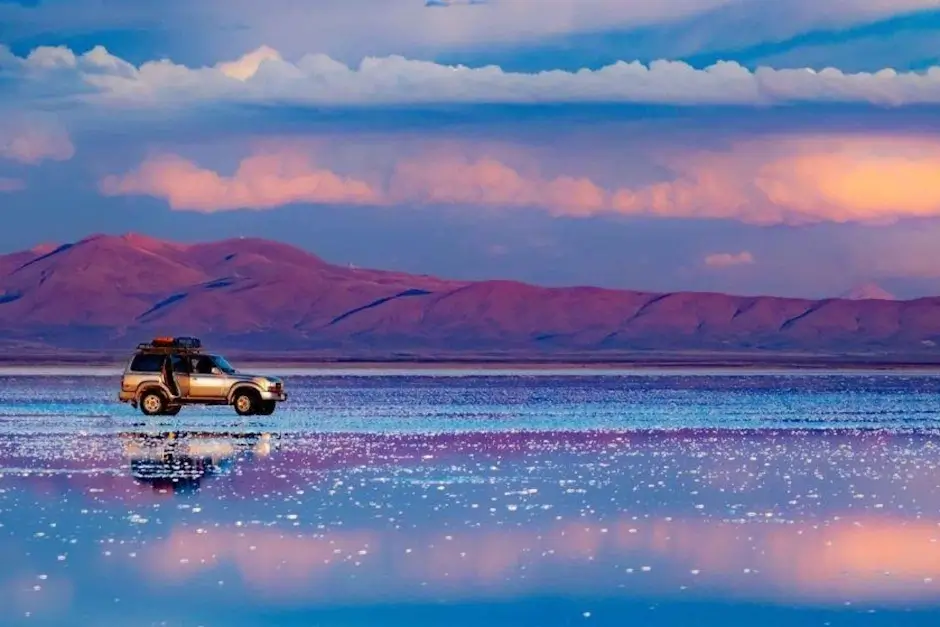
Preparing your suitcase to visit the Salar de Uyuni can be as exciting as the trip itself. Apart from clothing for the Salar de Uyuni, there are other essential items that should not be missing from your luggage. Make sure to pack smartly to fully enjoy this unique adventure.
Comprehensive Sun Protection
Altitude and sun reflection on the salt flats intensify UV rays. Include broad-spectrum sunscreen, SPF 50 or higher, and apply it generously to all exposed areas. A lip balm with SPF is also crucial to prevent chapped lips.
Constant Hydration
The air in the highlands is dry, and hydration becomes essential. Carry a reusable water bottle that you can refill. Staying hydrated is fundamental to avoid altitude sickness and fully enjoy your experience.
First Aid Kit
A basic first aid kit is indispensable. It should include personal medications, remedies for headaches and stomachaches, adhesive bandages, and disinfectant. Don’t forget to add water purification tablets, just in case.
Camera and Extra Batteries
The Salar de Uyuni offers landscapes and natural phenomena that you’ll want to capture. Make sure to bring a camera with extra batteries or a portable charger. Low temperatures can reduce battery life, so having backups is a good idea.
Contact Lenses and Solution
If you wear contact lenses, bring an extra pair and enough solution. Dryness can make your eyes feel uncomfortable, so it’s also advisable to bring glasses as an alternative.
Energetic Snacks
Packing energy-rich snacks will keep you active during explorations. Dried fruits, nuts, cereal bars, or chocolate are excellent for recharging without taking up much space in your suitcase.
Headlamp or Flashlight
Nights on the Salar can be very dark. A headlamp will allow you to have hands-free during night walks or simply to move around your accommodation without depending on available lighting.
Preparing for the Weather: What to Expect at the Salar de Uyuni?
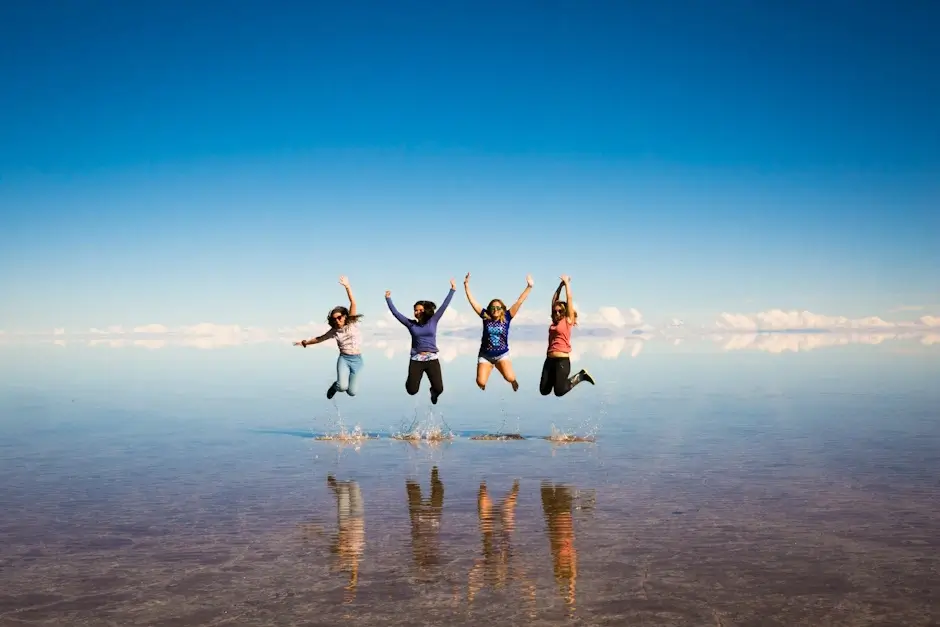
Understanding the weather at the Salar de Uyuni is crucial to fully enjoy this natural wonder. The weather here can be as unpredictable as it is impressive, so choosing the right clothing for the Salar de Uyuni becomes an essential part of your preparation.
Daily Variability
The weather at the Salar de Uyuni changes drastically between day and night. During the day, temperatures can be pleasant and even warm, especially in direct sunlight. However, as night falls, temperatures drop considerably, often below zero. Clothing for the Salar de Uyuni should include layers that you can easily add or remove. Think of long-sleeved shirts, wool sweaters or fleeces, and a good insulated jacket for nights.
Seasons of the Year
From December to March, the region experiences its rainy season. During this time, the salt flats turn into a giant mirror, offering spectacular views. However, this beauty comes with the challenge of muddy roads and water puddles. Waterproof footwear is essential. In contrast, the dry months, from April to November, present more predictable weather, although nights remain cold. Regardless of the season, sun protection is vital due to the altitude and sun reflection on the white surface of the salt flats.
Altitude and Solar Radiation
The Salar de Uyuni is located at an altitude of approximately 3,656 meters above sea level. At this elevation, the atmosphere filters less UV radiation, increasing the risk of sunburn. In addition to clothing for the Salar de Uyuni that covers most of your skin, don’t forget a wide-brimmed hat, UV-protective sunglasses, and repeatedly apply high SPF sunscreen to all exposed areas.
Wind and Dust
The wind can be strong on the salt flats, stirring up dust and sand. A scarf or bandana can protect your face, and sunglasses will protect your eyes not only from the sun but also from dust.
Safety and Comfort Tips for Exploring the Salar
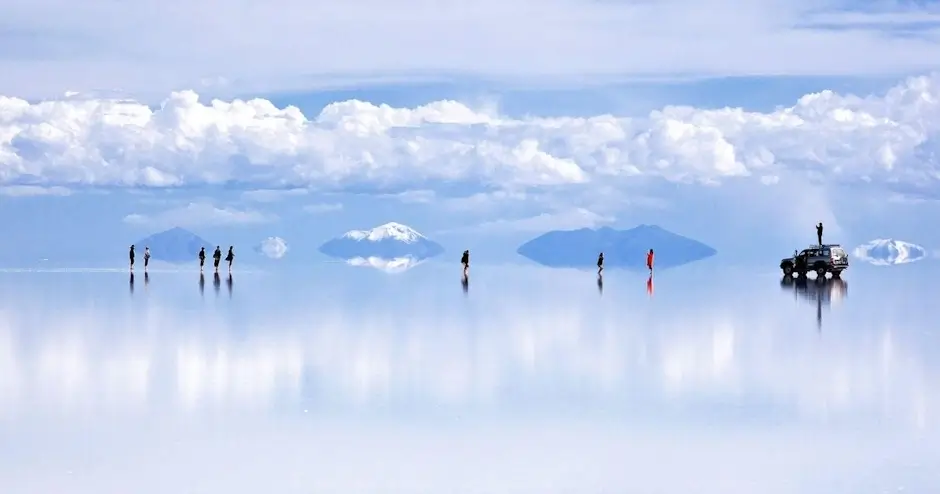
Exploring the Salar de Uyuni is a once-in-a-lifetime experience, but like any great adventure, it requires preparation. Here are essential safety and comfort tips, including choosing the right clothing for the Salar de Uyuni, to ensure that your trip is memorable for all the right reasons.
Appropriate Clothing
Clothing for the Salar de Uyuni should be your first consideration. Wear clothes that protect you from both the sun and extreme cold. Layers are key: a thermal base layer, followed by a warm mid-layer, and finally an outer layer that is waterproof and windproof. Don’t forget a hat, gloves, and scarf for cold mornings and nights, and a wide-brimmed hat for midday sun.
Sun Protection
The sun’s reflection on the salt flats can be intense, increasing the risk of sunburn. Apply high SPF sunscreen every two hours, and wear sunglasses with UV protection to protect your eyes.
Stay Hydrated
The air in the Salar de Uyuni is extremely dry. Drinking water regularly will help prevent dehydration. Carry a reusable water bottle with you and consume at least 2 liters of water a day to keep your body hydrated.
Orientation and Navigation
Although the Salar de Uyuni is vast and open, it’s easy to get disoriented. Use a reliable GPS or follow an experienced local guide. Never stray from your group or the marked path.
Altitude Preparation
Altitude can affect visitors unexpectedly. Consider spending a few days in a nearby city to acclimatize before heading to the salt flats. If you experience altitude sickness symptoms such as headaches, nausea, or fatigue, don’t ignore them. Inform your guide and take necessary measures.
Appropriate Photography Equipment
The Salar de Uyuni is a paradise for photographers. Make sure to bring suitable equipment to protect your camera and lenses from dust, moisture, and sudden temperature changes. Extra batteries are essential, as cold temperatures can reduce their lifespan.
Travel Safety
Always inform someone of your travel plans and estimated return time. In case of an emergency, it’s vital that authorities or your accommodation know where to look.
How to Choose the Perfect Footwear for the Salar de Uyuni
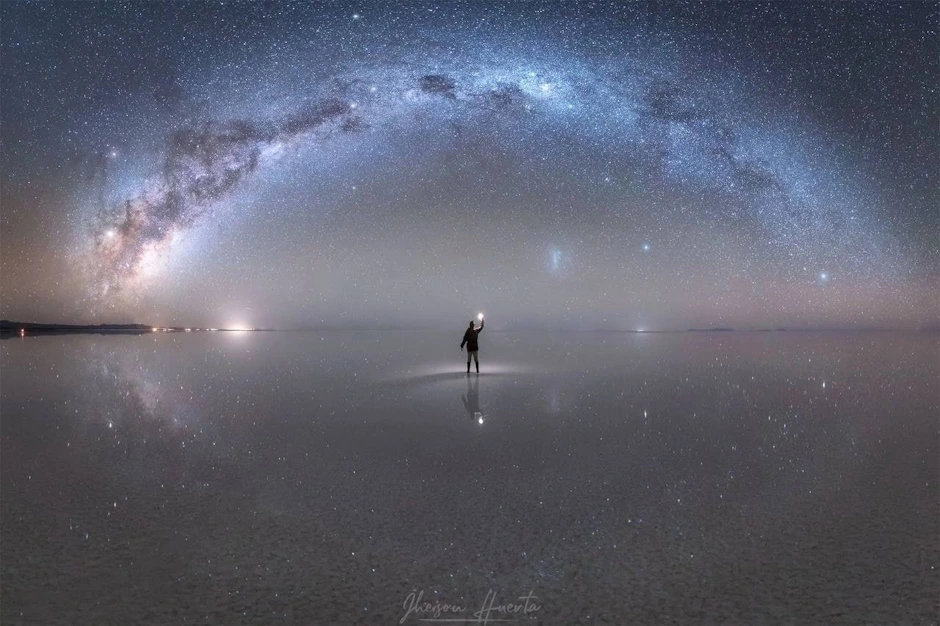
When preparing for your visit to the Salar de Uyuni, choosing the right footwear is as crucial as selecting the proper clothing. Improper footwear can turn an extraordinary experience into an uncomfortable memory.
Seek Waterproofing
The Salar can be deceptively damp, especially during the rainy season from December to March. Opt for waterproof boots or shoes to keep your feet dry and comfortable. This is vital not only for your comfort but also to prevent blisters and other foot problems.
Prioritize Comfort and Support
You’ll be walking a lot, often on uneven terrain. Look for footwear with good cushioning and arch support. This will minimize fatigue and the risk of injuries. Also, make sure the footwear fits well to avoid chafing.
Consider Breathability
While waterproofing is essential, your footwear should also allow your feet to “breathe.” Materials like Gore-Tex offer a good balance between protection against external moisture and breathability, preventing sweat buildup and keeping your feet dry inside.
Non-Slip Sole
The salt flats can be slippery, especially in wet areas or when visiting the vicinity of lagoons. A sole with good grip will keep you secure on your feet, reducing the risk of falls.
Lightweight and Durability
Choose footwear that is sturdy enough to withstand the conditions of the Salar but not excessively heavy. Excess weight on your feet can quickly increase fatigue during long days of exploration.
Adaptability to Different Temperatures
The temperature in the Salar de Uyuni varies considerably. Mornings and evenings can be very cold, while midday can be quite warm. Choose footwear that keeps your feet protected from the cold but doesn’t cause overheating when temperatures rise.
Frequently Asked Questions (FAQ)
What should I wear in Salar de Uyuni?
If you’re wondering what to wear in Salar de Uyuni, the best option is to dress in layers. A good Salar de Uyuni clothing guide includes thermal base layers, a warm fleece, a waterproof and windproof jacket, hiking pants, and waterproof hiking boots. This combination keeps you comfortable throughout the day as temperatures change.
What should I pack for Salar de Uyuni?
A complete Salar de Uyuni packing list should include warm clothing, waterproof hiking boots, wool socks, gloves, a hat, UV-protection sunglasses, SPF 50+ sunscreen, lip balm, a reusable water bottle, snacks, a power bank, and a camera with extra batteries. Packing these essentials will help you enjoy your Bolivia Salt Flats tour comfortably.
What are the best shoes for Salar de Uyuni?
The best shoes for Salar de Uyuni are waterproof hiking boots with good grip and ankle support. They are ideal for walking across the salt flats during both the dry season and the rainy season, when water creates the famous mirror effect.
Is Salar de Uyuni cold all year round?
Yes. Salar de Uyuni weather is characterized by warm, sunny days and very cold nights, especially during the dry season. Temperatures can drop below freezing after sunset, so wearing thermal clothing and a warm jacket is highly recommended.
Do I need sunscreen in Salar de Uyuni?
Absolutely. Due to the high altitude and the intense reflection of sunlight on the white salt surface, UV radiation is extremely strong. Every Salar de Uyuni packing guide should include SPF 50+ sunscreen, polarized sunglasses, and lip balm with sun protection.
What is the best time to visit Salar de Uyuni?
The best time to visit Salar de Uyuni depends on your travel preferences. Visit between December and March to witness the spectacular mirror effect, or travel from April to November to enjoy clear skies, dry conditions, and excellent photography opportunities across the Bolivia salt flats.
Can I wear sneakers instead of hiking boots?
Comfortable sneakers may work during the dry season, but waterproof hiking boots remain the best footwear. If you’re deciding what to pack for Salar de Uyuni, sturdy hiking boots should be at the top of your packing list for maximum comfort and protection.
How can I prepare for the high altitude in Salar de Uyuni?
Before your Bolivia adventure, it’s important to acclimatize to the altitude of Salar de Uyuni, which sits at approximately 3,656 meters (11,995 feet) above sea level. Drink plenty of water, avoid heavy meals and alcohol on your first day, and take things slowly to reduce the risk of altitude sickness.
For more information and to book your trip, contact us on WhatsApp. Follow us on Instagram for the latest updates and travel inspiration.
CONTACT US:
We are a Travel Agency specialized in tourist packages, if you need any information, do not hesitate to write to us.
We offer tours in Peru and Bolivia.