

Complete Guide for Your Adventure to Machu Picchu tour : Itinerary, Tips, and More
Preparing for an unforgettable experience is key, and our Peru tours are designed to ensure just that. Here, you’ll find everything you need to know to make your journey an epic adventure. From detailed itineraries that take you to explore every corner of this ancient sanctuary, to practical tips to make the most of your visit. Immerse yourself in this adventure and let a Machu Picchu tour reveal its ancient secrets.
- Discover the Wonders of Peru: with the Tour Perú Machu Picchu Nazca 15 Days
- Discover the Best of Perú: with the Tour Perú Amazon Nazca Machu Picchu 20 Days
- Travel Package to Peru Tour in Lima, Paracas, Ballestas, Nazca Lines, Colca Canyon 22 Days
What You Need to Know Before Starting Your Machu Picchu Tour
Machu Picchu, the legendary Lost City of the Incas, is one of the most iconic destinations in the world. Every year, thousands of travelers make their way to Peru to experience its breathtaking views, ancient history, and spiritual energy. If you are planning your journey, preparation is key to making the most of this once-in-a-lifetime adventure. Here’s everything you need to know before starting your Machu Picchu tour.
Choose the Right Time to Visit
Machu Picchu can be visited year-round, but the experience varies with the seasons:
- Dry season (May to October): Clear skies, stunning views, and the most popular time to visit.
- Rainy season (November to April): Fewer crowds, greener landscapes, but with a higher chance of rain.
If you prefer fewer tourists, visiting in the shoulder months (April, May, September, or October) is highly recommended.
Book Tickets in Advance
Entrance tickets to Machu Picchu are limited and often sell out weeks or months in advance, especially during high season. The same applies if you want to climb Huayna Picchu or Machu Picchu Mountain, both of which require separate permits. Booking early ensures you won’t miss out.
Prepare for the Altitude
Although Machu Picchu itself sits at 2,430 meters (7,972 ft), most visitors first arrive in Cusco (3,399 m / 11,152 ft). The high altitude can affect your body, so it’s important to spend a couple of days acclimatizing before your tour. Drink plenty of water, avoid heavy meals, and try local remedies like coca tea.
Know Your Travel Options
There are several ways to reach Machu Picchu:
- Train from Cusco or Ollantaytambo: The most comfortable and scenic way, with luxurious or budget-friendly options.
- Inca Trail: A classic multi-day trek filled with history and breathtaking landscapes (permits are limited and sell out quickly).
- Alternative Treks (Salkantay, Lares, Inca Jungle): Perfect for adventurers looking for different routes with fewer crowds.
Choose the route that best matches your time, budget, and adventure level.
Pack Smart
Essentials to bring on your tour include:
- A valid passport (needed for entry).
- Comfortable walking shoes.
- A light rain jacket or poncho.
- Sunscreen, hat, and sunglasses.
- Reusable water bottle.
- Snacks for energy.
Travel light, as large backpacks are not allowed inside the citadel.
Respect the Site
Machu Picchu is a UNESCO World Heritage Site and one of the New Seven Wonders of the World. To preserve it for future generations:
- Follow your guide’s instructions.
- Stay on marked paths.
- Do not touch or remove stones.
- Avoid carrying drones or tripods, which are not permitted.
Travel with a Trusted Guide
While you can visit Machu Picchu on your own, traveling with an experienced guide will enrich your journey. Guides provide fascinating insights into the history, architecture, and spiritual significance of this ancient citadel.
Overview of a Machu Picchu Tour: What to Expect Step by Step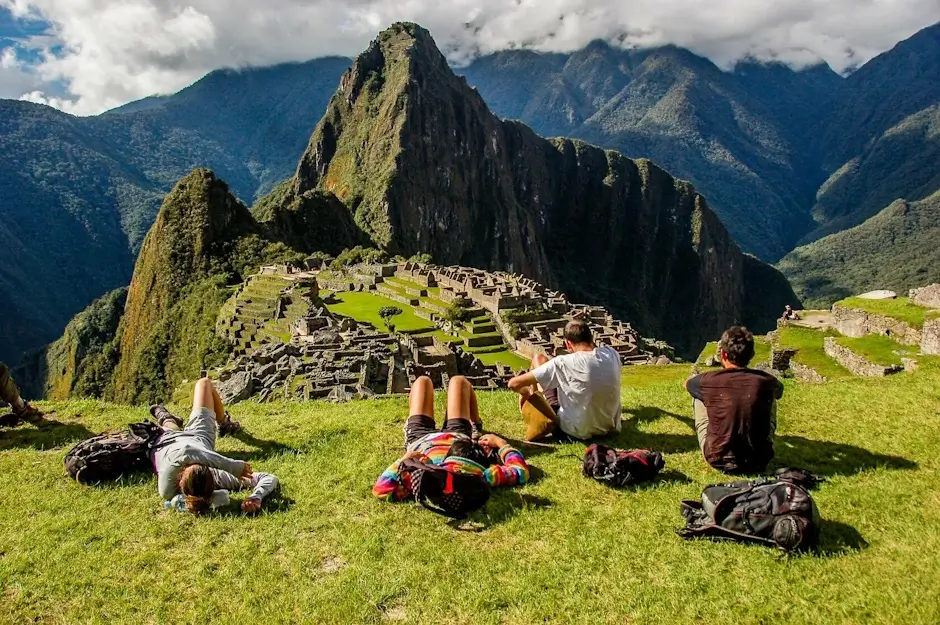
A journey to Machu Picchu is more than just visiting an archaeological site—it’s an unforgettable adventure through the Andes, blending history, culture, and breathtaking scenery. If you’re planning this once-in-a-lifetime trip, knowing what to expect at each stage will help you prepare and enjoy the experience to the fullest. Here’s a step-by-step overview of a typical Machu Picchu tour.
Step 1: Arrival in Cusco
Most travelers start their adventure in Cusco, the ancient capital of the Inca Empire. At 3,399 meters (11,152 ft), this charming city is the gateway to Machu Picchu. Spend at least one or two days acclimatizing to the altitude while exploring Cusco’s plazas, markets, and archaeological sites like Sacsayhuamán.
Step 2: Journey to the Sacred Valley
Before heading to Machu Picchu, many tours include a visit to the Sacred Valley of the Incas. Towns like Pisac and Ollantaytambo showcase impressive Inca ruins, traditional markets, and spectacular landscapes. The valley lies at a lower altitude, making it a great stop for acclimatization and cultural immersion.
Step 3: Train Ride to Aguas Calientes
From Ollantaytambo, you’ll board a scenic train to Aguas Calientes, the town located at the base of Machu Picchu. The journey offers panoramic views of mountains, rivers, and lush forests. Depending on your preference, you can choose from luxury trains with gourmet meals or standard services that are equally beautiful and comfortable.
Step 4: Overnight in Aguas Calientes
Most travelers spend the night in Aguas Calientes before visiting Machu Picchu early the next morning. This small town offers hotels, restaurants, and hot springs where you can relax before your big day.
Step 5: Early Morning Transfer to Machu Picchu
The next morning, you’ll take a short bus ride from Aguas Calientes up to the entrance of Machu Picchu. Many tours start early to catch the sunrise over the citadel, a magical moment when the mist lifts and reveals the grandeur of the Inca city.
Step 6: Guided Tour of Machu Picchu
Once inside, your guide will lead you through the main sectors of the citadel:
- The Temple of the Sun, a marvel of Inca astronomy.
- The Intihuatana Stone, believed to be a solar clock.
- The Sacred Plaza, showcasing fine Inca stonework.
- Agricultural terraces and panoramic viewpoints.
A guided tour usually lasts 2–3 hours, giving you time to explore and take photos while learning about the history and mysteries of this UNESCO World Heritage Site.
Step 7: Optional Mountain Hikes
For those who want an extra challenge, you can book permits in advance for additional hikes:
- Huayna Picchu: The iconic mountain behind Machu Picchu, offering steep trails and breathtaking views.
- Machu Picchu Mountain: A less crowded option with panoramic vistas of the site and surrounding valleys.
Step 8: Return to Aguas Calientes and Back to Cusco
After your visit, you’ll return to Aguas Calientes by bus, enjoy a meal, and then board the train back to Ollantaytambo. From there, private transport or a bus will take you back to Cusco, where your journey concludes.
- Journey to the Heart of the Andes: A 15-Day Adventure from Cusco to San Pedro de Atacama 15 Days
- Andean Expedition Exploring the Treasures of Peru and Bolivia. 20 Days
- South America tourist package visiting Peru and Bolivia 25 days
- South America tour through the Andes of Peru, Bolivia and Chile.15 Days
- Discover South América with the Perú Bolivia Tour 14 Days
- South America trip: the best tour of Peru and Bolivia 10 Days
Exploring Machu Picchu: Unmissable Routes and Sectors
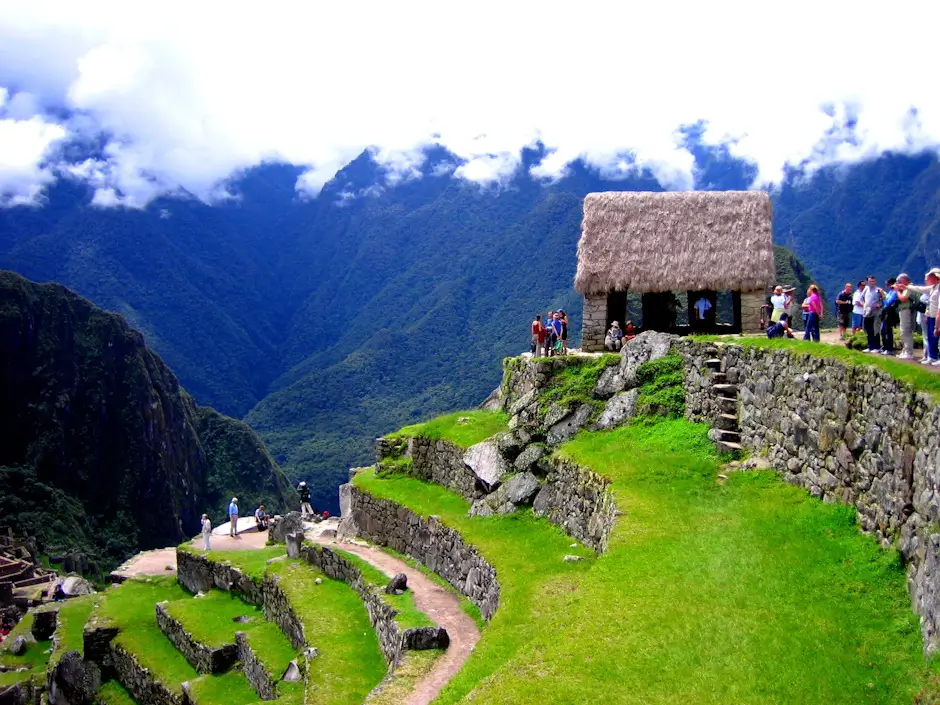
Machu Picchu is not just a single viewpoint—it is an entire citadel filled with temples, terraces, plazas, and sacred spaces waiting to be discovered. To fully appreciate this Wonder of the World, it helps to know the main routes and sectors that showcase its incredible beauty and cultural significance. Here’s a guide to the unmissable areas you should explore during your visit.
The Main Routes Inside Machu Picchu
The site offers different circuit options designed to protect the ruins and manage visitor flow. Each route highlights different perspectives:
- Circuit 1 (Panoramic Route): Perfect for first-time visitors, this route includes the classic postcard view of Machu Picchu from the upper terraces before descending into the citadel.
- Circuit 2 (Full Classic Route): The most complete option, covering major temples, plazas, and agricultural areas. It’s the recommended route for those who want the full experience.
- Circuit 3 & 4 (Lower Routes): These routes focus on the lower sectors, with a closer look at residential areas and terraces. Circuit 4 also provides access to Huayna Picchu for those who booked the extra hike.
Choosing the right circuit ensures you see the highlights according to your interests and fitness level.
Unmissable Sectors of Machu Picchu
1. The Guardian’s Hut and Upper Terraces
This is where you’ll find the iconic view of Machu Picchu framed by surrounding mountains. It’s the best place for photography and to admire the layout of the citadel from above.
2. The Temple of the Sun
A masterpiece of Inca architecture, this semi-circular temple was used for astronomical observations and ceremonial rituals. Its precise stonework is a testament to Inca engineering.
3. The Intihuatana Stone
Known as the “Hitching Post of the Sun,” this carved stone was likely used as a solar calendar or ritual center. Many visitors consider it one of the most mystical spots in Machu Picchu.
4. The Sacred Plaza
This sector features some of the finest stone masonry, including the Main Temple and the Temple of the Three Windows. It was likely a ceremonial center of great importance.
5. The Royal Sector
Reserved for Inca nobility, this area contains finely built residences and courtyards. Its strategic location offers stunning views of the surrounding mountains.
6. Agricultural Terraces
Surrounding the citadel, these terraces demonstrate the Incas’ advanced knowledge of farming and water management. Walking along them provides a sense of the scale and ingenuity of Inca society.
Optional Mountain Hikes
For travelers who want to go beyond the citadel:
- Huayna Picchu: A steep but rewarding climb that offers breathtaking views of Machu Picchu from above.
- Machu Picchu Mountain: A less crowded hike with wide panoramic vistas.
- Huchuy Picchu: A shorter, easier hike near Huayna Picchu with unique angles of the site.
These hikes require advance permits but add an adventurous element to your visit.
How to Get to Machu Picchu: Transportation Options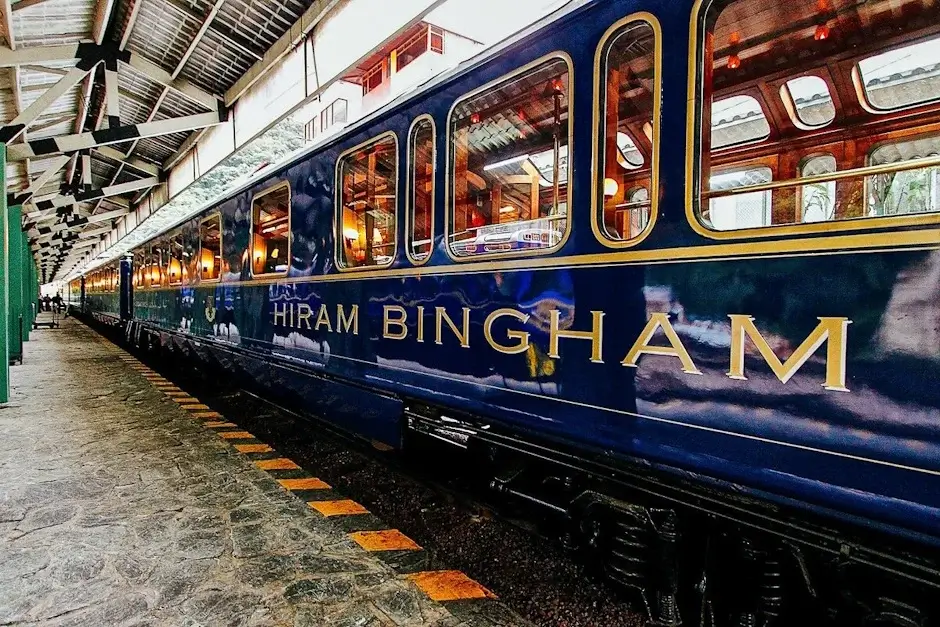
Machu Picchu, one of the New Seven Wonders of the World, sits high in the Peruvian Andes and draws travelers from across the globe. While the journey is part of the adventure, reaching this ancient Inca citadel requires some planning. There are no roads directly to Machu Picchu, so visitors must combine trains, buses, or treks. Here’s a clear guide to the main transportation options.
Step 1: Getting to Cusco
Most journeys to Machu Picchu begin in Cusco, the former Inca capital and a city rich in culture. You can reach Cusco by:
- Air: Daily domestic flights connect Cusco with Lima (1 hour) and other major Peruvian cities.
- Bus: Long-distance buses link Cusco with destinations such as Arequipa or Puno, ideal for budget or slow travel.
Once in Cusco, you can spend time acclimatizing to the altitude before continuing your journey.
Step 2: From Cusco to Ollantaytambo
The next stage is traveling from Cusco to the Sacred Valley, specifically Ollantaytambo, where trains to Machu Picchu depart. Options include:
- Private Transfer or Taxi: Comfortable and flexible, especially for groups or families.
- Bus or Collectivo (Shared Van): A budget-friendly way to reach Ollantaytambo.
- Sacred Valley Tour: Many travelers combine this transfer with a guided tour of Pisac, Chinchero, and Ollantaytambo ruins.
Step 3: Train to Aguas Calientes
From Ollantaytambo, board a scenic train to Aguas Calientes (also called Machu Picchu Pueblo), the gateway town to the ruins. Train options include:
- Expedition Train: Budget-friendly, with large windows for scenic views.
- Vistadome Train: Mid-range, with panoramic windows and cultural onboard experiences.
- Luxury Trains (Hiram Bingham, Inca Rail First Class): Gourmet meals, entertainment, and top comfort for an unforgettable journey.
The train ride takes about 1 hour and 30 minutes, following the Urubamba River through dramatic Andean landscapes.
Step 4: Bus from Aguas Calientes to Machu Picchu
Once in Aguas Calientes, you’ll take a short bus ride (25 minutes) up the winding mountain road to the Machu Picchu entrance. Buses leave every few minutes and tickets can be purchased in advance or in town.
For those who prefer to walk, it’s possible to hike up from Aguas Calientes to the citadel (about 1.5 to 2 hours), though it’s steep and best for active travelers.
Alternative: Trekking Routes to Machu Picchu
Instead of taking the train, adventurous travelers can reach Machu Picchu on foot through one of several trekking options:
- Classic Inca Trail (4 days / 3 nights): The most famous trek, combining history, breathtaking landscapes, and arrival through the Sun Gate. Permits are limited and must be booked months in advance.
- Short Inca Trail (2 days / 1 night): A shorter version for those with limited time, ending at Machu Picchu via the Sun Gate.
- Salkantay Trek (5 days / 4 nights): A challenging high-altitude trek through snow-capped mountains and cloud forests.
- Lares Trek (3–4 days): A cultural trek through Andean villages, less crowded than the Inca Trail.
- Inca Jungle Trek (3–4 days): Combines hiking, biking, and adventure sports before reaching Machu Picchu.
Best Times to Visit Machu Picchu: Avoiding Crowds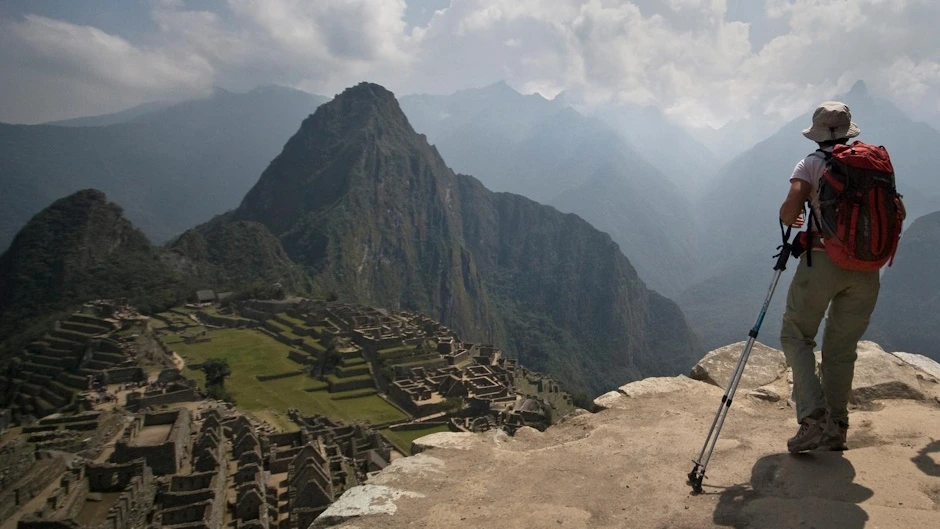
Machu Picchu is one of the most visited destinations in the world, attracting thousands of travelers each day. While its beauty is undeniable year-round, the experience can feel very different depending on when you go. If you want to enjoy the citadel with fewer crowds, better weather, and a more personal connection to the site, timing is everything. Here’s a guide to the best times to visit Machu Picchu while avoiding the busiest periods.
Understanding the Seasons
Dry Season (May – October)
- Pros: Clear skies, stunning views, ideal conditions for hiking the Inca Trail and other treks.
- Cons: High tourist season, larger crowds, and higher prices for hotels and tours.
- Tip: If you visit in this season, choose May, September, or early October for fewer crowds compared to peak June–August.
Rainy Season (November – April)
- Pros: Lush green landscapes, fewer tourists, and easier availability of entrance tickets and train services.
- Cons: Rain showers are frequent, especially in January and February, making trails slippery and less predictable.
- Tip: Visit in late March or April, when rains begin to ease, and the site is still beautifully green with smaller crowds.
Best Months to Avoid Crowds
- April and May: The perfect balance—weather is improving, and crowds are smaller compared to the peak season.
- September and October: Post-peak season, with pleasant weather and more space to enjoy the citadel.
- February: While the Inca Trail is closed for maintenance, Machu Picchu itself remains open, and the crowds are the smallest of the year.
Best Days and Times to Visit
- Weekdays vs. Weekends: Weekends tend to be busier, especially with local visitors. Opt for weekdays for a calmer experience.
- Early Morning (6:00 – 8:00 a.m.): Arrive early to watch the sunrise and enjoy quieter hours before the bulk of visitors arrive.
- Late Afternoon (2:00 – 4:00 p.m.): Another great option, as many visitors leave by midday to catch their trains back to Cusco.
Extra Tips to Enhance Your Visit
- Book in Advance: Entrance tickets are limited daily, especially for Huayna Picchu and Machu Picchu Mountain hikes.
- Stay Overnight in Aguas Calientes: This allows you to catch the first bus up to the site before the day-trippers arrive.
- Consider Alternative Routes: Treks like Salkantay or Lares bring you to Machu Picchu with fewer crowds along the way.
Safety and Health Tips for Your Machu Picchu Trip
Visiting Machu Picchu is a dream come true for many travelers, but exploring this Wonder of the World requires some preparation. From dealing with altitude to staying safe on steep paths, it’s important to keep your health and safety in mind so you can fully enjoy the experience. Here are the essential tips to make your Machu Picchu trip safe, healthy, and unforgettable.
Acclimatize to the Altitude
Most travelers arrive in Cusco (3,399 m / 11,152 ft) before heading to Machu Picchu (2,430 m / 7,972 ft). At such elevations, altitude sickness is common. To minimize symptoms:
- Spend at least 1–2 days in Cusco or the Sacred Valley before your visit.
- Stay hydrated and avoid excessive alcohol.
- Try local remedies like coca tea or candies.
- Walk slowly and rest when needed.
Wear Proper Footwear
Machu Picchu involves uneven stone paths and steep stairs. Good walking shoes or hiking boots with strong grip will help you stay comfortable and prevent slips.
Pack Essentials
Bring only what you need, as large bags aren’t allowed inside. Essentials include:
- Sunscreen, hat, and sunglasses (the Andean sun is intense).
- A light rain jacket or poncho (weather can change quickly).
- A reusable water bottle and snacks.
- Insect repellent, especially during the rainy season.
Stay Hydrated and Eat Light
The combination of altitude, walking, and sun exposure can tire you out. Drink water regularly, but avoid overeating before your tour. A light breakfast or snack will keep your energy stable without making you sluggish.
Be Careful on Trails and Stairs
Machu Picchu has steep climbs and narrow paths. To stay safe:
- Hold onto railings where available.
- Avoid rushing—walk at your own pace.
- Watch your step, especially if it’s raining.
If you’re hiking Huayna Picchu or Machu Picchu Mountain, take extra caution, as these routes are more demanding.
Respect Safety Regulations
The Peruvian authorities have clear rules to protect both visitors and the site:
- Stay on marked paths.
- Do not climb on walls or touch sacred stones.
- Follow the instructions of guides and park rangers.
These rules are in place to keep you safe and to preserve the site for future generations.
Travel Insurance Is a Smart Idea
Given the altitude, hiking, and remote location, having travel insurance that covers medical emergencies is highly recommended. This adds peace of mind to your trip.
Listen to Your Body
If you feel dizzy, short of breath, or unwell, take a break. Machu Picchu is meant to be enjoyed at your pace. Don’t hesitate to inform your guide if you’re feeling unwell—they are trained to assist travelers in such situations.
- Eplore Peru: From Vibrant Lima to Mystical Machu Picchu and Majestic Lake Titicaca 8 Days
- Perú Travel with Tour Lima Cusco Machu Picchu Lake Titicaca 7 Days
- Explore the Wonders of Cusco with City Tour and Machu Picchu 3 Days
- Explore Peru with the Lima Cusco Machu Picchu Huayna Picchu Tour 6 Days
For more information and to book your trip, contact us on WhatsApp. Follow us on Instagram for the latest updates and travel inspiration.
CONTACT US:
We are a Travel Agency specialized in tourist packages, if you need any information, do not hesitate to write to us.
We offer tours in Peru and Bolivia.