

Sustainable Tourism in Cusco: How to Contribute
Cusco, once the heart of the Inca Empire and now one of the most visited cities in South America, continues to attract travelers from around the world eager to explore its history, culture, and natural beauty. Yet, as tourism grows, the importance of adopting sustainable practices in Cusco has never been greater. Sustainable Tourism in Cusco ensures that the region’s cultural heritage, environment, and communities are protected while allowing visitors to enjoy authentic and meaningful experiences.
- Discover the Wonders of Peru: with the Tour Perú Machu Picchu Nazca 15 Days
- Discover the Best of Perú: with the Tour Perú Amazon Nazca Machu Picchu 20 Days
- Travel Package to Peru Tour in Lima, Paracas, Ballestas, Nazca Lines, Colca Canyon 22 Days
Sustainable Tourism in Cusco: Preserving Cultural Heritage

Sustainable Tourism in Cusco
Cultural heritage is one of humanity’s most valuable treasures, linking the past with the present and guiding future generations. It embodies the traditions, values, and creativity of societies, reflected in monuments, artifacts, languages, and living practices. Preserving cultural heritage is essential not only for maintaining identity and history but also for fostering mutual understanding and sustainable development.
The Importance of Cultural Heritage
Cultural heritage connects people to their roots, offering a sense of belonging and continuity. Ancient monuments, sacred sites, and historic towns provide insights into past civilizations, while oral traditions, music, and rituals keep intangible heritage alive. Protecting this legacy ensures that stories, knowledge, and artistry are not lost to time or globalization.
Threats to Cultural Heritage
Despite its importance, cultural heritage faces multiple challenges. Urban development, environmental degradation, climate change, and mass tourism can damage historic sites and traditions. Looting and illicit trafficking of artifacts remain global concerns, while younger generations may become disconnected from traditional practices due to modernization and cultural homogenization.
Strategies for Preservation
Preserving cultural heritage requires collective action at local, national, and international levels. Key strategies include:
- Conservation and restoration: Ensuring that monuments and historic sites are properly maintained and restored using traditional techniques.
- Education and awareness: Teaching communities and travelers the value of heritage and the importance of its protection.
- Community involvement: Empowering local people to safeguard and promote their cultural practices, crafts, and traditions.
- Sustainable tourism: Encouraging responsible travel that supports preservation efforts while minimizing negative impacts.
The Role of Technology
Modern technology plays a vital role in heritage preservation. Digital archiving, 3D mapping, and virtual reality allow the documentation of fragile artifacts and sites, making them accessible to global audiences while reducing physical strain on the originals. Social media and online platforms also help spread awareness and engage younger generations.
A Shared Responsibility
Cultural heritage is a legacy we all share, regardless of its geographic origin. Its preservation depends on the collaboration of governments, communities, organizations, and individuals worldwide. By valuing and protecting cultural heritage, we ensure that future generations can continue to learn from the past and celebrate the diversity that defines humanity.
Sustainable Tourism in Cusco: Supporting Local Communities
Sustainable Tourism in Cusco
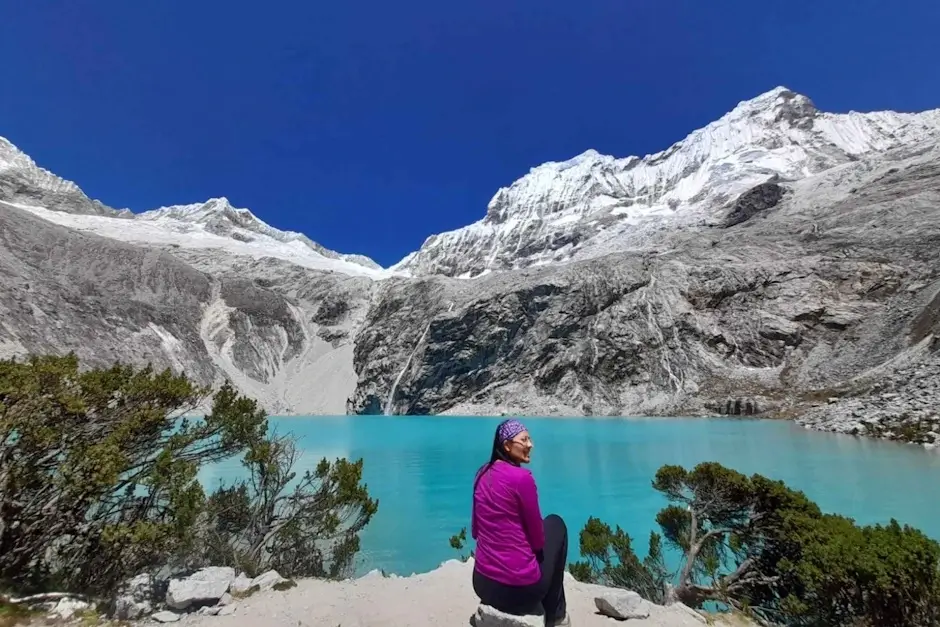
Tourism has the power to create meaningful connections between travelers and the places they visit, but its true value lies in how it impacts the people who call these destinations home. Supporting local communities is a cornerstone of sustainable and responsible travel, ensuring that tourism not only enriches the visitor’s experience but also benefits the residents economically, socially, and culturally.
Why Supporting Local Communities Matters
When travelers invest in local communities, they help create jobs, preserve cultural traditions, and strengthen local economies. Instead of profits flowing to large corporations or international chains, money spent on locally owned accommodations, restaurants, and tours circulates within the community. This helps small businesses thrive, reduces poverty, and fosters pride among residents.
Empowering Through Cultural Exchange
Supporting local communities also encourages authentic cultural exchange. Travelers gain firsthand insight into traditional ways of life—whether through cooking classes, artisan workshops, or community-led tours—while residents have the opportunity to share their heritage and strengthen their cultural identity. This mutual exchange builds respect, understanding, and long-lasting connections.
Sustainable Economic Growth
Community-based tourism projects are designed to ensure that local people directly benefit from tourism activities. Initiatives such as homestays, cooperative handicraft markets, and agricultural experiences allow visitors to contribute to local incomes while enjoying unique, immersive experiences. By choosing these options, travelers promote fair distribution of resources and reduce reliance on external actors.
Protecting Traditions and the Environment
When communities are actively involved in tourism, they are more likely to protect their cultural heritage and environment. Supporting local guides, artisans, and farmers ensures that traditions—such as weaving, music, and farming practices—are preserved and passed down to younger generations. At the same time, community-driven projects often emphasize eco-friendly practices, safeguarding natural resources.
How Travelers Can Make a Difference
Every traveler can play a role in supporting local communities by:
- Staying in family-run guesthouses or eco-lodges.
- Dining at local restaurants and tasting regional cuisine.
- Buying handmade crafts directly from artisans.
- Participating in community-based tourism programs.
- Hiring local guides who share their cultural knowledge.
A Path Toward Responsible Travel
Supporting local communities is more than a choice—it is a responsibility. By making conscious decisions, travelers can ensure that their journeys leave a positive footprint, empowering communities to thrive while preserving their heritage and environment. This approach creates a more meaningful and balanced travel experience, where both visitors and residents benefit.
Understanding Sustainable Tourism
Sustainable tourism is more than a trend—it is a responsible approach to travel that seeks to balance the needs of visitors, local communities, and the environment. It emphasizes minimizing negative impacts while maximizing positive contributions, ensuring that tourism can continue to thrive for generations to come.
What is Sustainable Tourism?
Sustainable tourism is a way of traveling that respects the environment, preserves cultural heritage, and supports the well-being of local communities. Unlike traditional mass tourism, which can strain natural resources and local infrastructure, sustainable tourism focuses on long-term benefits, encouraging responsible behaviors among travelers, businesses, and governments.
Key Principles of Sustainable Tourism
- Environmental Responsibility: Protecting ecosystems, reducing waste, conserving water and energy, and minimizing carbon emissions.
- Cultural Preservation: Respecting local traditions, customs, and heritage sites while promoting cultural exchange and understanding.
- Community Support: Encouraging tourism that benefits local economies, creates jobs, and empowers residents.
- Economic Sustainability: Promoting fair trade and ethical business practices that ensure tourism revenue remains within the community.
Benefits of Sustainable Tourism
Sustainable tourism offers numerous advantages for both travelers and host communities:
- For travelers: Authentic experiences, meaningful connections with local people, and a sense of contributing positively to the places they visit.
- For communities: Improved livelihoods, preservation of cultural practices, and enhanced pride in their heritage.
- For the environment: Reduced pollution, conservation of natural habitats, and protection of wildlife.
Examples of Sustainable Practices
Sustainable tourism can take many forms, such as:
- Eco-friendly accommodations that use renewable energy and reduce waste.
- Community-based tourism programs that allow visitors to learn traditional skills and support local artisans.
- Responsible trekking and wildlife tours that follow “Leave No Trace” principles.
- Choosing local guides, family-run lodges, and restaurants that prioritize locally sourced products.
The Role of Travelers
Travelers play a crucial role in sustainable tourism. Making informed choices, respecting local customs, reducing consumption of resources, and supporting ethical businesses are simple yet powerful ways to ensure that tourism has a positive impact.
A Future for Responsible Travel
Understanding sustainable tourism is essential for creating travel experiences that are both rewarding and responsible. By embracing its principles, visitors can explore the world while protecting its natural beauty, cultural richness, and the well-being of communities. Sustainable tourism is not only about seeing the world—it is about leaving it better than we found it.
Sustainable Tourism in Cusco: Sustainable Tourism Practices
Sustainable Tourism in Cusco
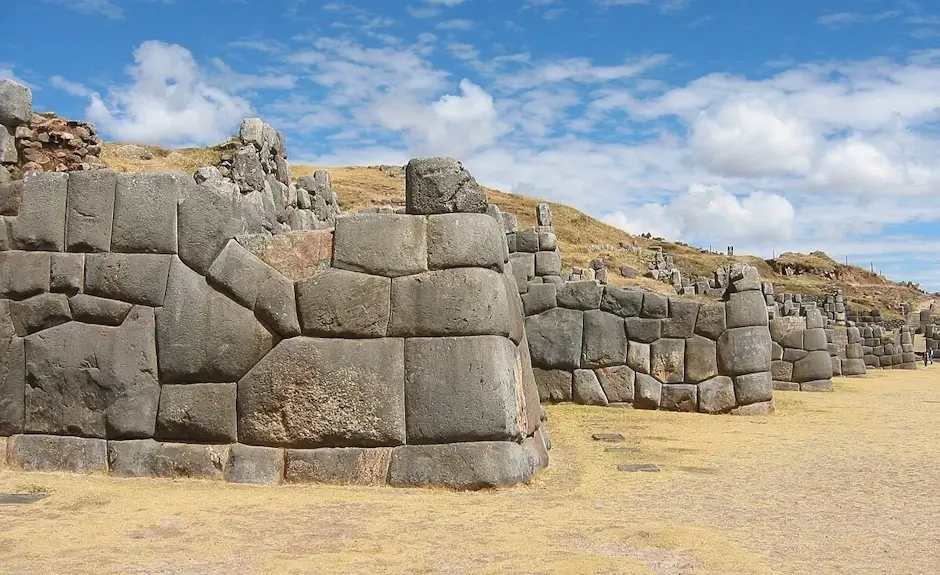
Sustainable tourism is reshaping the way we explore the world, encouraging travelers and businesses to act responsibly while minimizing negative impacts on the environment, culture, and local communities. Implementing sustainable tourism practices ensures that destinations can thrive for generations, offering authentic experiences without compromising their natural and cultural heritage.
Environmentally Friendly Practices
Protecting natural ecosystems is at the core of sustainable tourism. Key environmental practices include:
- Reducing Waste: Carry reusable water bottles, bags, and utensils to minimize single-use plastics.
- Energy and Water Conservation: Stay in accommodations that use renewable energy and practice efficient water usage.
- Responsible Transportation: Use public transport, cycling, or walking whenever possible to reduce carbon emissions.
- Wildlife Protection: Respect wildlife habitats by keeping a safe distance and avoiding disturbing animals or plants.
Supporting Local Communities
Sustainable tourism emphasizes empowering and benefiting local populations:
- Community-Based Tourism: Participate in experiences organized by local communities, such as workshops, guided tours, or cultural performances.
- Buying Local Products: Support local artisans by purchasing handmade crafts, traditional clothing, and locally produced goods.
- Dining Locally: Choose family-run restaurants that serve regional cuisine, keeping economic benefits within the community.
Preserving Cultural Heritage
Respecting and maintaining cultural heritage is a crucial part of sustainable tourism:
- Follow Guidelines at Heritage Sites: Stick to designated paths, respect sacred sites, and avoid touching or damaging artifacts.
- Learn and Respect Traditions: Understand local customs, festivals, and etiquette to ensure a meaningful and respectful experience.
- Promote Cultural Awareness: Share knowledge of local culture responsibly, encouraging others to respect and preserve it.
Responsible Travel Behavior
Travelers can adopt personal practices that contribute to sustainability:
- Plan Thoughtfully: Choose destinations and activities that prioritize conservation and community benefits.
- Minimize Resource Use: Reduce energy, water, and material consumption during trips.
- Educate Yourself and Others: Learn about local issues and sustainable options, and encourage others to do the same.
The Benefits of Sustainable Tourism Practices
Adopting sustainable tourism practices creates a positive impact on multiple levels:
- Environmental: Protects ecosystems, reduces pollution, and supports biodiversity.
- Cultural: Preserves traditions, crafts, and heritage sites for future generations.
- Economic: Ensures that tourism revenue benefits local communities and promotes fair trade.
- Experiential: Offers travelers authentic, meaningful, and responsible experiences.
Sustainable Tourism in Cusco: Community Benefits of Sustainable Tourism

Sustainable Tourism in Cusco
Sustainable tourism is more than just an eco-friendly travel approach—it is a powerful tool for fostering social and economic development in local communities. By prioritizing responsible travel practices, sustainable tourism ensures that communities directly benefit from tourism while preserving their cultural heritage and natural environment.
Economic Empowerment
One of the most tangible benefits of sustainable tourism is its ability to stimulate local economies. When travelers choose local accommodations, restaurants, guides, and artisans, their spending remains within the community. This creates jobs, supports small businesses, and encourages entrepreneurship. Over time, sustainable tourism contributes to poverty reduction and increases economic resilience for residents.
Preservation of Cultural Heritage
Sustainable tourism encourages communities to maintain and celebrate their cultural traditions. Festivals, music, traditional crafts, and local culinary practices become not only sources of pride but also attractions for visitors. By valuing and sharing these cultural expressions, communities can pass them down to future generations while generating income and recognition for their heritage.
Environmental Stewardship
Communities engaged in sustainable tourism are often motivated to protect their natural surroundings. Eco-tourism initiatives, such as guided hikes, wildlife tours, and conservation programs, encourage residents to safeguard forests, rivers, and wildlife habitats. These efforts ensure that natural resources are preserved for both locals and visitors, creating a healthier and more sustainable environment.
Social Development and Capacity Building
Sustainable tourism provides opportunities for education and skill development. Local guides, artisans, and hospitality staff receive training in sustainable practices, tourism management, and customer service. This enhances community capacity, increases employability, and promotes a sense of ownership and pride in their local assets.
Strengthening Community Identity
By involving local people in tourism planning and operations, communities can strengthen their social cohesion and identity. Sustainable tourism fosters collaboration among residents, creates networks of shared responsibility, and highlights the value of their cultural and environmental assets. This encourages a community-centered approach to development rather than relying solely on external actors.
Encouraging Responsible Travel Behavior
Sustainable tourism benefits communities when visitors engage respectfully and responsibly. Tourists who support local businesses, follow cultural norms, and minimize environmental impact help create a positive relationship between travelers and residents. This interaction promotes mutual understanding and fosters long-term collaboration between communities and the tourism industry.
At Leading Travel, we are committed to promoting sustainable tourism practices that benefit both our beloved Cusco region and our visitors. We offer tours consciously designed to minimize environmental impact and maximize the authentic cultural experience. Join us on this mission and be sure to follow us on Instagram [@LeadingTravel] for inspiring photos of our tours and on Facebook for the latest news and tips on sustainable tourism. Together we can make a difference!
- Eplore Peru: From Vibrant Lima to Mystical Machu Picchu and Majestic Lake Titicaca 8 Days
- Perú Travel with Tour Lima Cusco Machu Picchu Lake Titicaca 7 Days
- Explore the Wonders of Cusco with City Tour and Machu Picchu 3 Days
- Explore Peru with the Lima Cusco Machu Picchu Huayna Picchu Tour 6 Days
For more information and to book your trip, contact us on WhatsApp. Follow us on Instagram for the latest updates and travel inspiration.
CONTACT US:
We are a Travel Agency specialized in tourist packages, if you need any information, do not hesitate to write to us.
We offer tours in Peru and Bolivia.