

Essential Equipment for Expediciones in the Andes: What You Need to Survive and Thrive
The majestic Andes, stretching across seven South American countries, offer a breathtaking backdrop for expeditions. However, the rugged terrain, unpredictable weather, and extreme altitudes make it essential to be well-prepared. Whether you’re trekking to Machu Picchu, exploring the peaks of Patagonia, or navigating the remote wilderness of Bolivia, having the right equipment is crucial for a successful and safe adventure. Here’s a comprehensive guide to the essential equipment for expeditions in the Andes.
- Embark on a Journey of Ancient Traditions: The Inti Raymi Tour in Cusco 4 Days
- Discover the Wonders of Peru with the Tour Perú Machu Picchu 5 Days
- Discover Peru with the City Tour Sacred Valley Machu Picchu 4 Days
- Explore the Wonders of Cusco with City Tour and Machu Picchu3 Days
Clothing Dress for Success: expeditions in the Andes.
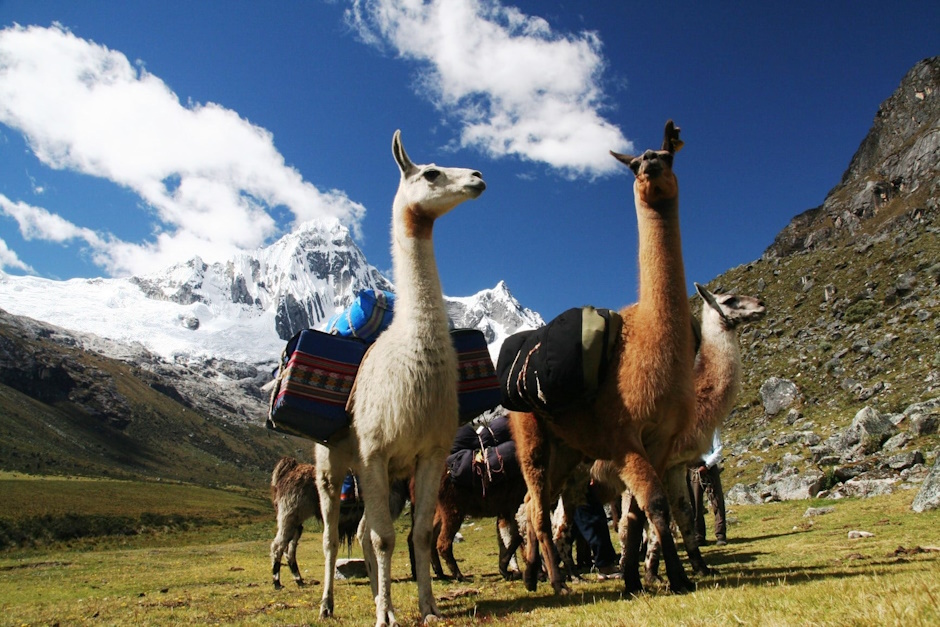
expeditions in the Andes.
Traveling through the Andes is an unforgettable experience. Towering mountains, remote villages, crystal-clear lakes, and ancient trails make this region one of the most spectacular places on Earth. But the Andes can also be unpredictable. In a single day, you might experience sunshine, wind, rain, and freezing temperatures. That’s why dressing correctly is not just about comfort — it’s essential for a successful expedition.
Understand the Andean Climate
One of the most important things to know about the Andes is that the weather changes quickly. Mornings can be sunny and warm, afternoons windy, and nights very cold. In high-altitude destinations like Cusco, the Sacred Valley, or the trekking routes to Machu Picchu, temperatures can vary dramatically between day and night.
Because of this, the secret to dressing well in the Andes is layering.
The Layering System: Your Best Strategy
Instead of wearing one heavy jacket, experienced travelers wear several layers that they can put on or remove throughout the day.
1. Base Layer (First Layer)
This is the layer that touches your skin. It should keep you dry by moving sweat away from your body. The best materials are merino wool or synthetic fabrics. Avoid cotton, because when it gets wet, it stays wet and makes you feel cold.
2. Mid Layer (Warm Layer)
This layer keeps you warm. A fleece jacket or a lightweight down jacket works perfectly. This layer is especially important in the mornings and evenings when temperatures drop.
3. Outer Layer (Protection Layer)
This is your shield against rain and wind. A waterproof and windproof jacket is essential in the Andes, even during the dry season.
Essential Clothing for Andean Expeditions
If you are planning a trek or expedition in the Andes, these are the essential items you should bring:
- Waterproof jacket
- Fleece or down jacket
- Thermal shirts
- Hiking pants
- Waterproof hiking boots
- Warm hat (beanie)
- Sun hat
- Gloves
- Wool socks
- Sunglasses (very important because of the strong sun at high altitude)
The sun in the Andes is very strong due to the altitude, so sun protection is just as important as warm clothing.
Footwear: The Most Important Decision
If there is one thing you should not underestimate, it is your shoes. Good hiking boots with ankle support and waterproof material can make the difference between an amazing trip and a very uncomfortable one. Make sure to use your boots before the trip so they soften and adapt to your feet.
Dress Like a Local Traveler
Local people in the Andes are used to the climate and often dress in layers, wear wool hats, and carry ponchos for rain. Taking inspiration from local clothing is not only practical but also a great way to connect with the culture and traditions of the region.
Expeditions in the Andes Backpack: Your Lifeline on the Trail
expeditions in the Andes.
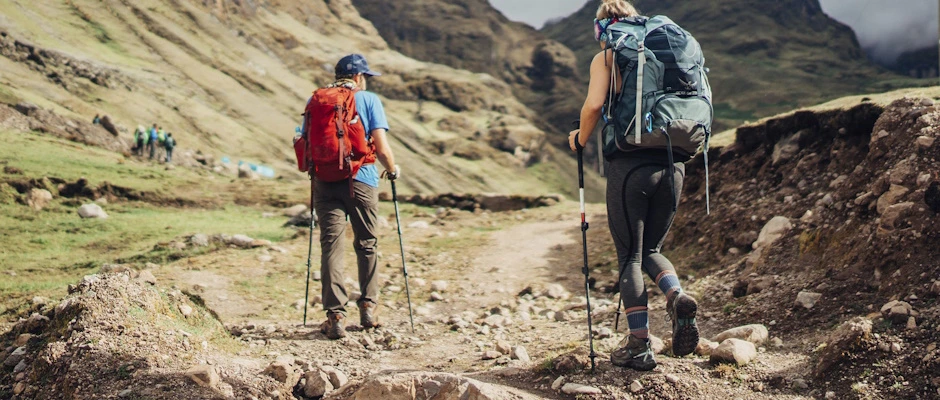
When you go on an expedition in the Andes, your backpack becomes much more than just a bag. It becomes your closet, your kitchen, your first aid kit, and your safety tool — all in one. What you carry on your back can make the difference between a comfortable adventure and a very difficult experience. In the mountains, every item matters, and every kilogram counts.
Your Backpack Is Your Responsibility
Unlike a city trip where you can buy anything you forget, in the Andes you must be prepared. Many trekking routes pass through remote areas where there are no shops, no pharmacies, and sometimes no phone signal. That’s why your backpack is your lifeline on the trail — it carries everything you may need during the day.
But here is the key: pack smart, not heavy.
What to Pack for an Andean Expedition
A well-prepared backpack should include essentials for weather, health, food, and safety.
Clothing
- Rain jacket or poncho
- Warm layer (fleece or down jacket)
- Extra socks
- Hat and gloves
- Sun hat
Health and Safety
- Sunscreen (the sun is very strong in the Andes)
- Lip balm
- Personal medication
- Basic first aid kit
- Hand sanitizer
- Wet wipes
- Toilet paper
Food and Water
- Reusable water bottle
- Water purification tablets or filter
- Snacks (nuts, chocolate, energy bars, fruit)
Other Essentials
- Sunglasses
- Headlamp or flashlight
- Portable charger (power bank)
- Camera
- Passport (for some trekking checkpoints)
- Cash (small towns do not always accept cards)
How Big Should Your Backpack Be?
For most Andean day hikes, a backpack between 20 and 30 liters is perfect. If you are doing a multi-day trek, you may need a 40 to 60 liter backpack, depending on whether you have porters or not.
Remember: you should carry only what you really need. A heavy backpack at high altitude feels twice as heavy, and it can make your hike much more difficult.
Organizing Your Backpack
Organization is very important. Try to pack like this:
- Bottom: clothes you don’t need during the day
- Middle: heavy items (close to your back)
- Top: jacket, snacks, items you use often
- Outside pockets: water bottle, sunscreen, map
This helps you keep balance while walking and makes it easier to find things quickly.
Navigation and Safety: Tools to Keep You on Track – Expeditions in the Andes
expeditions in the Andes.
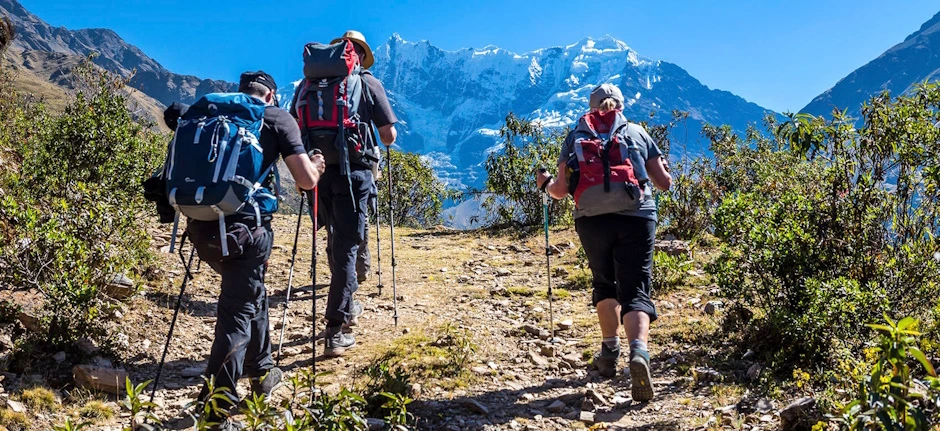
Exploring the Andes is one of the greatest adventures a traveler can experience. The landscapes are, the trails are ancient, and the feeling of walking through the mountains is unforgettable. But the Andes are not just beautiful — they are also wild and remote. In many areas, there are no clear signs, no phone signal, and sometimes no people for hours. That’s why navigation and safety tools are essential when traveling through the Andes Mountains.
When you are on an Andean expedition, being prepared is not about fear — it’s about freedom. When you know where you are and where you are going, you can relax and truly enjoy the journey.
Maps: The Classic Tool That Still Works
Even today, a physical map is one of the most important tools you can carry. Batteries die, phones break, but a map always works. Before starting your trek, study the route, understand the main points, and identify villages, rivers, and mountains along the way. A map helps you understand the big picture, not just the next step.
If possible, carry a waterproof map or keep it in a plastic bag to protect it from rain.
GPS and Offline Apps
Technology has made navigation much easier. Today, many hikers use GPS devices or mobile apps with offline maps. Apps like Maps.me, AllTrails, or Gaia GPS allow you to download maps and use them without internet connection.
However, technology should be a support tool, not your only tool. In cold weather, phone batteries drain very fast, so always carry a power bank and keep your phone warm inside your jacket.
Follow the Trail — But Stay Alert
Many Andean trails are marked by:
- Stone cairns (small piles of rocks)
- Dirt paths
- Footprints
- Local signs
But sometimes trails split into different directions, especially where locals use different paths for farming or animals. If you are not sure, it is always better to stop, check your map, and confirm your direction instead of continuing and getting lost.
Basic Safety Equipment
There are some items you should always carry during an expedition in the Andes:
- Headlamp (in case it gets dark)
- Whistle (to call for help)
- Basic first aid kit
- Emergency blanket
- Multi-tool or knife
- Extra food
- Extra water
- Rain jacket
- Sunscreen and sunglasses
This may seem like a lot, but these items can make a huge difference in an emergency.
Tell Someone Your Plan
One of the most important safety rules in the mountains is very simple:
Always tell someone where you are going.
Tell your guide, hotel, or a friend:
- Your route
- When you leave
- When you plan to return
This way, if something happens, people know where to look for you.
Respect the Mountain
In the Andes, weather can change very quickly. A sunny morning can become a rainy afternoon, and a clear trail can disappear in fog. If the weather becomes dangerous, the best decision is sometimes to turn back. The mountains will always be there — and safety always comes first.
Expeditions in the Andes: Camping Gear & Sleeping Under the Stars
expeditions in the Andes.
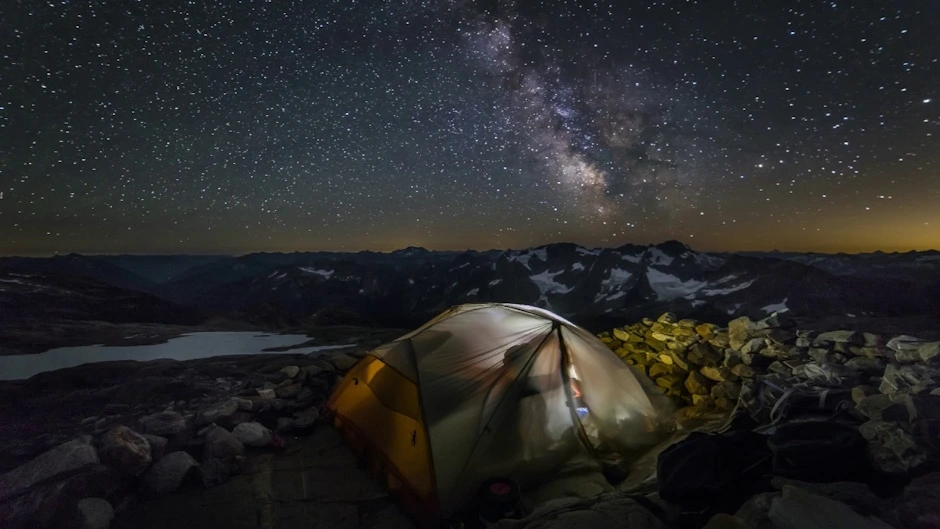
There is something magical about spending a night in the Andes Mountains. Far from city lights, surrounded by silence, and under a sky full of stars, you begin to feel a deep connection with nature. It’s one of those travel moments that stays with you forever.
But as romantic as it sounds, camping in the Andes also requires preparation. The nights can be very cold, the wind can be strong, and the environment can be unpredictable. The right camping gear is what transforms a challenging night into a comfortable and unforgettable experience.
The Tent: Your Shelter in the Mountains
Your tent is your refuge. In the Andes, it needs to be strong, stable, and resistant to wind and rain. A good four-season or three-season tent is ideal, especially at higher altitudes.
Look for a tent that is:
- Lightweight but durable
- Easy to set up
- Waterproof
- Wind-resistant
Choosing the right place to set up your tent is just as important. Always camp on flat ground, away from rivers, and if possible, protected from strong winds.
Sleeping Bag: Your Warmest Companion
Temperatures in the Andes can drop below freezing, even if the day was warm and sunny. That’s why a good sleeping bag is essential.
Choose a sleeping bag designed for cold temperatures (0°C or lower). Down sleeping bags are lighter and warmer, but synthetic ones perform better in wet conditions.
A simple tip that experienced travelers follow:
Sleep with dry clothes and keep your socks clean and warm. It makes a big difference during the night.
Sleeping Pad: Comfort and Insulation
Many people underestimate the importance of a sleeping pad, but it is just as important as the sleeping bag. The ground in the Andes gets very cold at night, and a sleeping pad creates a barrier between your body and the cold earth.
It also adds comfort, helping you rest better after a long day of hiking.
Cooking Gear: Warm Food, Happy Traveler
After a long day on the trail, a warm meal feels like a luxury. A small camping stove, fuel, and lightweight cooking equipment can make your experience much more enjoyable.
Simple meals like soup, pasta, or dehydrated food are easy to prepare and perfect for high-altitude camping. And don’t forget: a hot drink before sleeping can help you stay warm and relaxed.
Lighting: When the Sun Goes Down
In the mountains, darkness comes quickly. A headlamp is one of the most useful tools you can carry. It allows you to cook, organize your gear, or move around your campsite safely after sunset.
Respect Nature
Camping in the Andes also means taking care of this incredible environment. Always follow the principle:
“Leave no trace.”
- Take all your trash with you
- Respect wildlife
- Avoid damaging plants
- Use designated camping areas when possible
Protecting nature ensures that future travelers can enjoy the same beauty.
The Beauty of Sleeping Under the Stars
Beyond the gear and preparation, what makes camping in the Andes truly special is the experience itself. The silence, the fresh air, and the endless sky create a feeling of peace that is hard to find anywhere else.
On a clear night, you can see thousands of stars, sometimes even the Milky Way stretching across the sky. It’s a reminder of how vast the world is — and how small, yet connected, we are within it.
Expeditions in the Andes: Trekking Poles – Support and Stability
expeditions in the Andes.
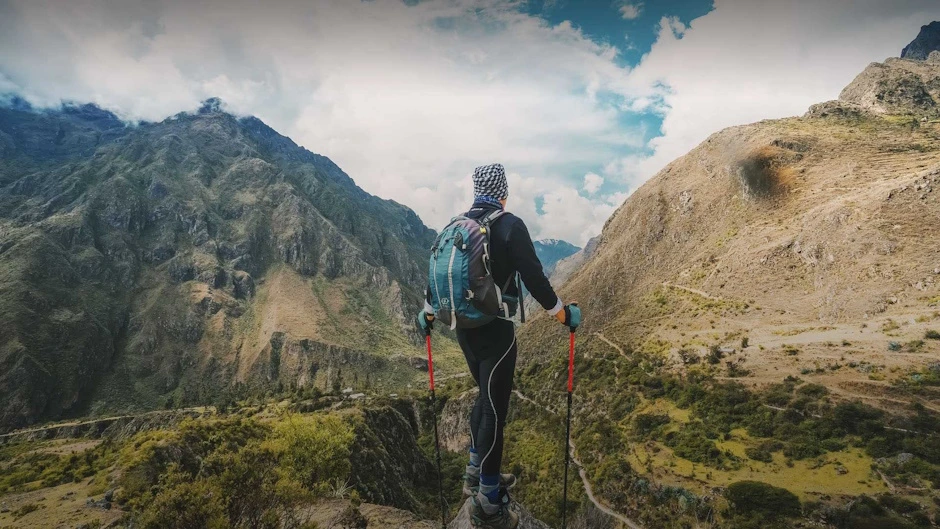
Walking through the Andes Mountains is an experience full of contrasts. Some days you walk along soft paths through valleys and small villages, and other days you climb steep mountain trails, cross rivers, or descend rocky paths for hours. That’s where trekking poles become one of the most useful tools you can carry on an expedition.
At first, many travelers think trekking poles are only for older hikers, but after the first long descent in the Andes, most people change their mind. Trekking poles are not about age — they are about balance, safety, and taking care of your body.
Why Trekking Poles Are So Important in the Andes
Andean trails are often uneven, rocky, steep, and sometimes slippery, especially during the rainy season. Trekking poles help you maintain balance and reduce the impact on your knees, particularly when going downhill, which is when most knee pain appears.
Many studies suggest that trekking poles can reduce the impact on your knees by up to 20–30%, which is a big difference when you are hiking for several days at high altitude.
They also help you keep a steady rhythm while walking, which is very important when trekking in high-altitude regions where breathing can be more difficult.
When to Use Trekking Poles
Trekking poles are especially useful when:
- Going downhill
- Climbing steep trails
- Crossing rivers
- Walking on rocky terrain
- Hiking in mud or snow
- Carrying a heavy backpack
In flat areas you may not need them as much, but in the Andes, the terrain changes constantly, so it is very helpful to have them with you.
How to Use Trekking Poles Correctly
Using trekking poles correctly makes a big difference. Here are some simple tips:
- Adjust the pole height so your elbow forms a 90-degree angle
- Use the wrist straps to support your hands
- When going uphill, shorten the poles
- When going downhill, lengthen the poles
- Plant the poles firmly, but don’t put all your weight on them
Good technique helps you save energy and maintain balance.
Protect Your Knees and Your Energy
Many trekkers worry about altitude, but they don’t think about their knees. Long descents, especially on routes like the Inca Trail, Salkantay Trek, or Lares Trek, can be very demanding on the joints. Trekking poles act like two extra legs, helping distribute the effort across your whole body.
At the end of a long trekking day, the difference is noticeable — less knee pain, less fatigue, and more energy to enjoy the experience.
Cooking and Food: Fuel for Your Adventure

expeditions in the Andes.
When you are on an expedition in the Andes Mountains, food becomes much more than just a meal. It becomes energy, motivation, and comfort. After a long day of hiking at high altitude, there is nothing better than a warm drink, a hot meal, and the simple pleasure of sitting with your group, sharing stories under the open sky.
In the mountains, food is not just about taste — it is about fuel. Your body works harder at altitude, you burn more calories, and you need the right nutrition to keep moving, stay warm, and feel strong.
Eating in the Andes Is Different
At high altitude, many people lose a bit of appetite. This is completely normal. However, even if you are not very hungry, you still need to eat. Small, frequent snacks are often better than large meals.
The key is to eat simple, energetic, and easy-to-digest foods.
What Kind of Food to Bring
For Andean expeditions, the best foods are those that are lightweight, easy to prepare, and high in energy.
Some excellent options include:
- Oatmeal (perfect for breakfast)
- Pasta or rice
- Instant soups
- Quinoa
- Dehydrated meals
- Canned tuna or chicken
- Nuts and peanuts
- Chocolate
- Energy bars
- Dried fruits
- Crackers
- Powdered milk
- Tea, coffee, or hot chocolate
These foods give you carbohydrates for energy, protein for recovery, and fats to help your body stay warm.
The Importance of Hot Drinks
In the Andes, hot drinks are not a luxury — they are a necessity. Tea, coffee, coca tea, or hot chocolate help you warm up, stay hydrated, and relax after a long day of trekking.
Many trekkers say that one of the best moments of the day is arriving at camp and drinking something hot while watching the mountains change color at sunset.
Cooking Equipment
If you are camping, you will need a small cooking system. The basic cooking equipment usually includes:
- Portable camping stove
- Gas canister
- Lighter or waterproof matches
- Cooking pot
- Cup and bowl
- Spoon or spork
- Knife
- Biodegradable soap and sponge
Try to keep your cooking gear light and simple. In the mountains, simple meals often taste the best.
Food Safety in the Mountains
Food safety is very important during expeditions. Always:
- Wash your hands before cooking
- Keep food in sealed bags
- Store food away from animals
- Purify water before cooking
- Clean your cooking equipment after meals
These small habits help prevent stomach problems, which can ruin a trek.
Water: The Most Important Ingredient
You can survive a day without a big meal, but not without water. Hydration is extremely important at high altitude. Always carry enough water and, if necessary, use purification tablets or filters.
Many trekking routes in the Andes have rivers and streams, but the water must be purified before drinking.
Sun Protection: Guarding Against the Elements
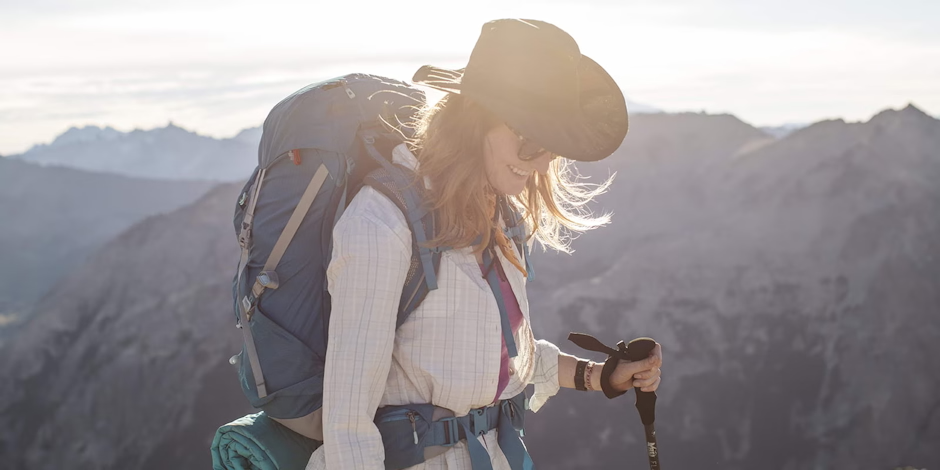
expeditions in the Andes.
When people think about the Andes Mountains, they often imagine cold temperatures, snow-capped peaks, and chilly winds. And while that’s true, there’s another powerful force you need to be ready for: the sun.
In the Andes, the sun feels different. Stronger. Closer. More intense. At high altitude, the atmosphere is thinner, which means less protection from ultraviolet (UV) rays. Even on cloudy or cool days, the sun can be surprisingly harsh. That’s why sun protection is not optional — it’s essential for your comfort, your health, and your overall experience.
Why the Sun Is Stronger in the Andes
As you climb higher in altitude, the air becomes thinner and filters less sunlight. This increases UV exposure significantly. In places like Cusco, the Sacred Valley, or high mountain trails, you are much closer to the sun than at sea level.
Add to that the reflection from rocks, water, or even snow, and the intensity doubles. Many travelers underestimate this and end up with sunburn, dehydration, or headaches that could have been easily avoided.
Protect Your Skin: Sunscreen Is Your Best Friend
One of the simplest and most important habits is applying sunscreen regularly. Use a high SPF (30 or higher) and apply it to all exposed areas:
- Face
- Neck
- Ears
- Hands
Don’t forget to reapply every few hours, especially if you are sweating or after washing your face.
A small detail that makes a big difference: bring lip balm with SPF. Dry, sunburned lips are very common in the Andes.
Cover Up: Clothing as Protection
Clothing is one of the most effective ways to protect yourself from the sun. Instead of exposing your skin, wear lightweight, breathable layers that cover your arms and legs.
A good combination includes:
- Long-sleeve shirts
- Lightweight hiking pants
- A wide-brim hat or cap
This not only protects you from the sun but also helps regulate your body temperature.
Sunglasses: Protect Your Eyes
Your eyes are just as vulnerable as your skin. The bright sunlight, especially at high altitude, can be uncomfortable and even harmful.
Choose sunglasses with UV protection, preferably with polarized lenses. They help reduce glare and allow you to see clearly, especially when walking on bright or reflective surfaces.
Stay Hydrated
Sun exposure and altitude both increase the risk of dehydration. Even if you don’t feel very hot, your body is losing fluids.
Drink water regularly throughout the day. A good rule is to drink small amounts frequently instead of waiting until you feel thirsty.
Listen to Your Body
Headaches, dizziness, fatigue, or nausea can sometimes be related to sun exposure combined with altitude. If you feel these symptoms, take a break, find shade, hydrate, and protect yourself.
The mountains are not a race — they are an experience to be enjoyed with awareness and care.
- Eplore Peru: From Vibrant Lima to Mystical Machu Picchu and Majestic Lake Titicaca 8 Days
- Perú Travel with Tour Lima Cusco Machu Picchu Lake Titicaca 7 Days
- Explore the Wonders of Cusco with City Tour and Machu Picchu 3 Days
- Explore Peru with the Lima Cusco Machu Picchu Huayna Picchu Tour 6 Days
For more information and to book your trip, contact us on WhatsApp. Follow us on Instagram for the latest updates and travel inspiration.
CONTACT US:
We are a Travel Agency specialized in tourist packages, if you need any information, do not hesitate to write to us.
We offer tours in Peru and Bolivia.