

Ecotourism in Manu National Park: An Adventure in Peru’s Unexplored Jungle.
Located in southeastern Peru, Eco Manu National Park is one of the most captivating and least explored ecotourism destinations on the planet. Designated as a UNESCO World Heritage Site, the park is renowned for its extraordinary biodiversity, home to over 1,000 bird species, 200 mammals, 13 species of monkeys, and a remarkable variety of plant life. Manu also hosts indigenous communities who have lived in harmony with nature for centuries, providing visitors with a truly authentic and immersive ecotourism experience.
- Embark on a Journey of Ancient Traditions: The Inti Raymi Tour in Cusco 4 Days
- Discover the Wonders of Peru with the Tour Perú Machu Picchu 5 Days
- Discover Peru with the City Tour Sacred Valley Machu Picchu 4 Days
- Explore the Wonders of Cusco with City Tour and Machu Picchu3 Days
The Magic of Ecotourism in Manu National Park

Nestled deep in the southeastern region of Peru, where the Andes descend into the vast Amazon Basin, lies one of the most biodiverse places on Earth—Manu National Park. Recognized as a UNESCO World Heritage Site and a Biosphere Reserve, this ecological gem offers a profound encounter with nature in its purest form. For those seeking sustainable travel and authentic wilderness experiences, Ecotourism in Manu National Park is nothing short of magical.
A Living Laboratory of Life
Spanning over 1.7 million hectares, Ecotourism in Manu National Park shelters more species of birds, mammals, amphibians, and plants than almost anywhere else in the world. The park is home to:
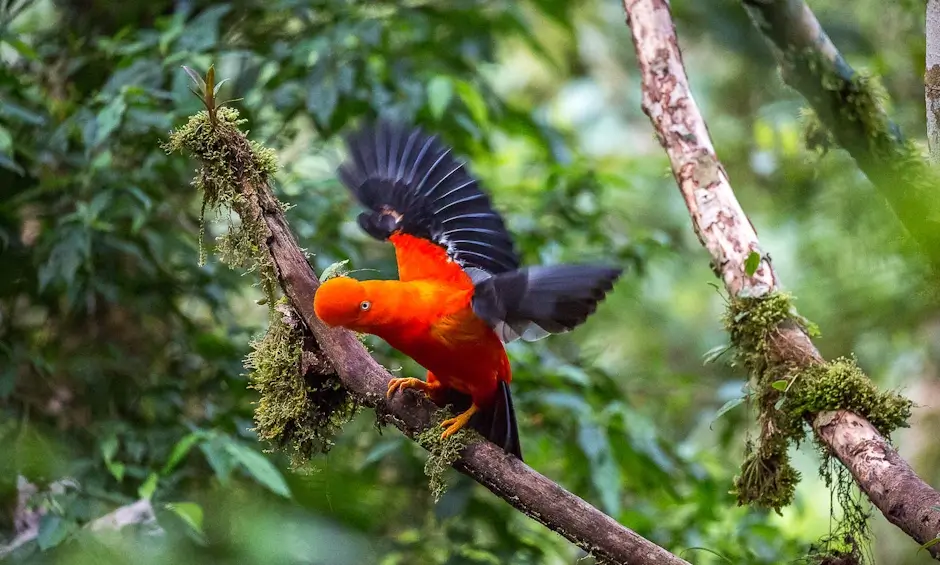
- Over 1,000 species of birds, including the vibrant Andean cock-of-the-rock and elusive harpy eagle
- 13 species of monkeys swinging through the treetops
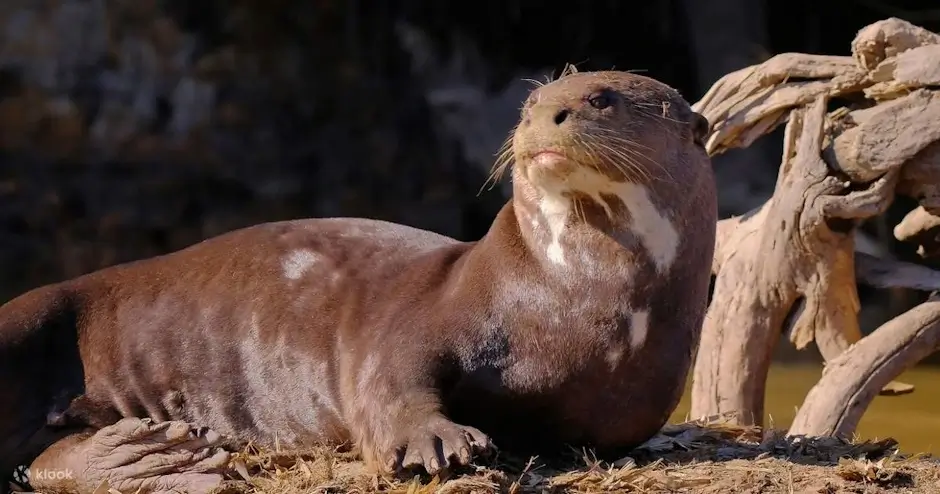
- Rare mammals such as the giant river otter, jaguar, tapir, and anteater
- Thousands of butterfly species and countless undiscovered insects
Ecotourism here offers travelers the chance to observe these species in their natural habitats, guided by expert naturalists and local communities who know the forest intimately.
Cultural Encounters and Conservation
One of the unique aspects of ecotourism in Manu is the opportunity to interact respectfully with indigenous communities, such as the Matsigenka and Yine, who have lived in harmony with the jungle for centuries. These encounters not only enrich the travel experience but also highlight the importance of preserving cultural knowledge and traditional practices.
By choosing eco-lodges and responsible tour operators, visitors contribute directly to conservation efforts and support sustainable livelihoods for local populations. The model of ecotourism in Manu shows how tourism, when done right, can protect biodiversity while benefiting people.
The Journey: Adventure into the Wild
Getting to Manu is an adventure in itself. The journey usually begins in Cusco, winding through the Cloud Forest before descending into the heart of the Amazon. Travelers pass through different ecological zones, each with its own climate, flora, and fauna.
Popular ecotourism activities in Manu include:
- Guided jungle hikes and wildlife spotting
- Birdwatching from canopy towers
- Boat rides along the Madre de Dios and Manu Rivers
- Visiting salt licks where animals gather at dawn and dusk
- Night walks to discover the mysterious nocturnal life of the rainforest
Each moment is filled with the hum of cicadas, the rustle of leaves, and the distant call of a howler monkey—reminding you that you’re a guest in a world ruled by nature.
A Call for Responsible Travel
Ecotourism in Manu is more than just an escape into nature—it’s a conscious decision to travel with purpose. With climate change and deforestation threatening the Amazon, responsible tourism plays a vital role in preserving these irreplaceable ecosystems.
Visitors leave not only with unforgettable memories but also with a deeper understanding of the fragility and resilience of the rainforest.
Responsible Ecotourism in Manu: Protecting Nature While Exploring It
Deep in the heart of the Peruvian Amazon, Manu National Park stands as one of the world’s last untouched natural sanctuaries. Spanning cloud forests, Andean slopes, and dense lowland jungle, this UNESCO World Heritage Site is home to unparalleled biodiversity and indigenous cultures that have lived in harmony with nature for centuries. But visiting such a pristine place comes with great responsibility. That’s where responsible ecotourism becomes essential.
What Is Responsible Ecotourism?
Responsible ecotourism is more than just enjoying beautiful landscapes and exotic wildlife. It’s about traveling in a way that minimizes environmental impact, respects local cultures, and actively supports conservation. In Manu, this means choosing the right guides, accommodations, and behaviors to ensure your presence does more good than harm.
Why Manu Needs Responsible Travelers
Manu’s ecosystems are extremely rich but also fragile. Home to:
- Over 1,000 bird species
- More than 200 species of mammals
- Untouched indigenous communities
- Countless plant and insect species
…the park’s biodiversity is constantly threatened by deforestation, illegal mining, and climate change. Tourists who travel responsibly can help protect this unique region by supporting sustainable practices and discouraging exploitative ones.
How to Travel Responsibly in Manu
- Choose Eco-Certified Operators
Select tour companies and lodges that follow strict environmental guidelines. Look for operations that use solar energy, manage waste properly, employ locals, and follow wildlife observation protocols. - Respect Local Communities
Interact with indigenous groups only when visits are welcomed and arranged ethically. Always ask for permission before taking photos and listen with humility to local customs and stories. - Leave No Trace
Carry reusable water bottles, avoid single-use plastics, and take all waste back with you. Stick to designated trails to avoid disturbing sensitive ecosystems. - Support Conservation Initiatives
Many ecotourism operators in Manu reinvest part of their profits in conservation and education programs. Choose tours that contribute to protecting the environment and empowering communities. - Travel in Small Groups
Visiting in small groups reduces noise, pollution, and human pressure on wildlife. It also makes for a more intimate and authentic experience.
The Role of Ecotourism in Conservation
When done right, ecotourism in Manu creates economic alternatives to logging or mining, which are destructive yet profitable. It provides jobs for local guides, cooks, boat drivers, and artisans—giving people a reason to protect the forest, not exploit it. Some indigenous communities have even created their own ecotourism initiatives, blending cultural pride with environmental stewardship.
Education Through Experience
One of the most powerful aspects of responsible ecotourism is the transformation it inspires. Travelers leave Manu not just with photos, but with a renewed appreciation for nature and a clearer understanding of our role in protecting it. The sound of howler monkeys at dawn, the sight of macaws at a clay lick, or the silence of an untouched river can change perspectives forever.
Ecotourism Activities in Manu: Immersive Adventures in the Heart of the Amazon

Tucked away in the remote reaches of southeastern Peru, Manu National Park offers one of the most authentic and biodiverse ecotourism experiences in the world. A UNESCO World Heritage Site and Biosphere Reserve, Manu spans from the Andean highlands down into the dense lowland rainforest of the Amazon Basin. For nature lovers and responsible travelers, Manu is a dream destination—a place where every step reveals life in its wildest, purest form.
Here are the top ecotourism activities that bring this pristine paradise to life:
Wildlife Watching
Manu is one of the best places on Earth for wildlife observation. With more than 1,000 species of birds, 200 species of mammals, and countless reptiles, amphibians, and insects, it’s a paradise for biodiversity enthusiasts.
- Birdwatching is exceptional. Visitors often spot toucans, oropendolas, the striking Andean cock-of-the-rock, macaws at clay licks, and even rare species like the harpy eagle.
- On guided walks or boat rides, you may encounter monkeys, capybaras, giant river otters, sloths, tapirs, and—if you’re lucky—a jaguar.
River Expeditions
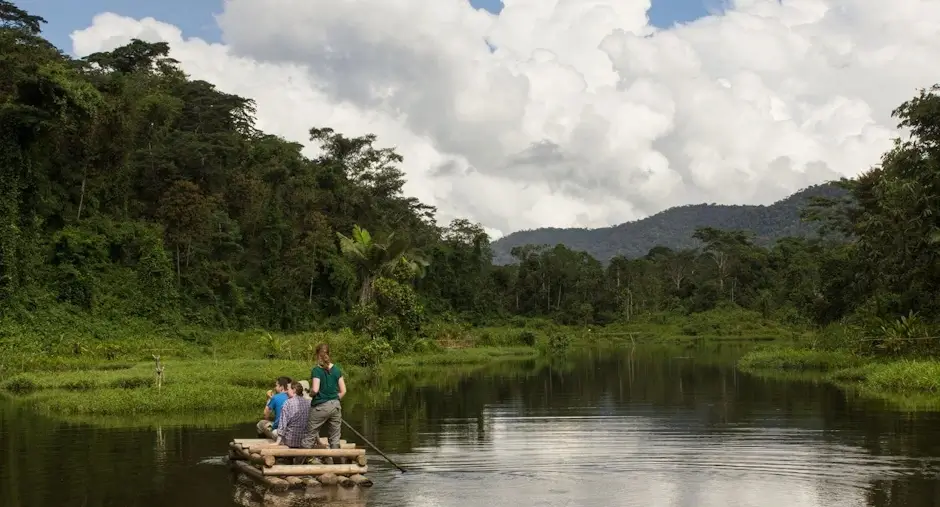
Traveling by boat along the Madre de Dios and Manu Rivers offers a peaceful and intimate way to explore the Amazon.
- Float silently past giant ceiba trees, spot caimans along the banks, and admire the mirror-like reflections of the rainforest canopy in the water.
- Early morning and sunset boat rides are ideal for spotting wildlife and taking breathtaking photographs.
Canopy and Observation Tower Visits
To truly understand the vertical diversity of the rainforest, visitors can climb observation towers or explore canopy walkways.
- These platforms provide panoramic views above the forest and are ideal for observing arboreal wildlife and birds that rarely descend to the forest floor.
- Sunrise or sunset from the canopy is a magical moment—filled with birdsong and the calls of howler monkeys.
Hiking Through Biodiverse Trails
Manu offers an array of jungle trails that guide visitors through vastly different ecosystems—from cloud forests to lowland jungle.
- With a local guide, you’ll learn to identify medicinal plants, spot hidden insects and camouflaged animals, and understand the complex relationships between species.
- Night walks offer a completely different experience: glowing fungi, frogs, spiders, and the eerie sounds of nocturnal life.
Clay Lick Visits (Collpas)
One of the most iconic sights in Manu is watching dozens—or even hundreds—of macaws and parrots gather at clay licks to consume mineral-rich soil.
- These vibrant gatherings are not only beautiful but essential to the birds’ health, helping them neutralize toxins from their fruit-heavy diets.
- Observing this ritual from a blind or nearby platform is one of the most thrilling moments in Amazon ecotourism.
Community and Cultural Encounters
Manu is also home to indigenous communities who have inhabited the region for centuries. Some ecotourism programs offer respectful and educational visits to learn about their way of life.
- Travelers can see how locals use medicinal plants, fish sustainably, build traditional homes, and preserve cultural practices.
- These visits foster intercultural dialogue and promote understanding of how traditional knowledge supports conservation.
Photography and Nature Journaling
With its endless shades of green, rich biodiversity, and ever-changing light, Manu is a haven for photographers and nature artists.
- Whether you’re using professional gear or a smartphone, you’ll find countless opportunities for stunning wildlife and landscape shots.
- Some eco-lodges offer guided photography tours or quiet spaces to journal and reflect on the experience.
Educational Tours and Scientific Experiences
Certain programs, especially those linked to biological stations or conservation groups, offer citizen science activities, including:
- Assisting with species monitoring
- Learning about rainforest ecology
- Participating in environmental workshops
These tours deepen your understanding of the forest’s role in global ecology and conservation.
- Discover the Wonders of Peru: with the Tour Perú Machu Picchu Nazca 15 Days
- Discover the Best of Perú: with the Tour Perú Amazon Nazca Machu Picchu 20 Days
- Travel Package to Peru Tour in Lima, Paracas, Ballestas, Nazca Lines, Colca Canyon 22 Days
Sustainability and Conservation: Protecting Our Planet for Future Generations
In a world facing the growing threats of climate change, habitat destruction, and biodiversity loss, two principles stand out as crucial for the future of our planet: sustainability and conservation. These interconnected concepts offer not only a path toward environmental protection but also a blueprint for living in harmony with nature while ensuring long-term well-being for both people and ecosystems.
What Is Sustainability?
Sustainability refers to the responsible use of resources to meet current needs without compromising the ability of future generations to meet theirs. It encompasses practices in energy use, agriculture, industry, tourism, and everyday life that:
- Reduce waste and pollution
- Minimize carbon emissions
- Protect ecosystems
- Promote social and economic equity
Living sustainably means thinking long-term. It’s about reimagining development in a way that balances economic growth with environmental and social responsibility.
What Is Conservation?
Conservation is the protection, preservation, and careful management of natural environments and the wildlife that inhabits them. It aims to:
- Safeguard endangered species
- Restore degraded ecosystems
- Maintain biodiversity
- Prevent the overexploitation of natural resources
Conservation efforts can include establishing protected areas, regulating hunting and fishing, supporting reforestation, and engaging in scientific research and monitoring.
Why These Principles Matter
Human activity has drastically altered the planet. From deforestation in the Amazon to melting glaciers in the Arctic, the evidence is clear: we are pushing natural systems to their limits. Without a shift toward sustainability and conservation, we risk:
- Irreversible loss of species and habitats
- Severe climate disruptions
- Water and food insecurity
- Economic instability for millions who rely on natural resources
By adopting sustainable habits and supporting conservation, we not only protect the environment but also ensure a healthier, more just world for all.
How Tourism Can Support Sustainability and Conservation
The tourism industry plays a significant role in both environmental challenges and solutions. When managed poorly, tourism can lead to pollution, resource depletion, and cultural erosion. However, responsible tourism, especially ecotourism, can be a powerful force for good:
- Supports local economies through fair employment and community-based tourism
- Funds conservation projects through park fees and eco-lodge initiatives
- Educates travelers about the value of protecting nature and respecting local cultures
- Promotes low-impact travel practices such as waste reduction and carbon offsets
Destinations like Manu National Park in Peru are examples of how conservation and tourism can work together. Through carefully designed ecotourism programs, visitors contribute to the protection of pristine rainforests and endangered species, while local communities benefit from sustainable income sources.
Everyday Actions for a Sustainable Future
You don’t need to travel to make a difference. Every person has a role to play in building a more sustainable world. Here are some simple actions:
- Reduce, reuse, recycle: Cut down on single-use items and minimize waste
- Eat sustainably: Choose local, seasonal, and plant-based foods when possible
- Conserve energy and water: Turn off lights, fix leaks, and use energy-efficient appliances
- Support eco-conscious brands: Choose products and services that prioritize sustainability
- Get involved: Volunteer for conservation projects or support environmental NGOs
Plan Your Trip to Ecotourism in Manu: A Journey into the Heart of the Amazon

If you’re dreaming of an immersive nature experience, where the only sounds are birdsongs, river currents, and the rustle of leaves, then Manu National Park in southeastern Peru is calling. As one of the world’s most biodiverse areas and a UNESCO World Heritage Site, Manu offers travelers a chance to connect deeply with nature through responsible ecotourism.
Planning a trip to this remote and extraordinary region requires preparation—but the rewards are beyond anything a traditional destination can offer. Here’s how to plan your ecotourism adventure in Manu.
Choose the Right Time to Visit
The best time to visit Manu depends on what you want to see and your comfort with jungle conditions:
- Dry Season (May to October): This is the most popular time for ecotourism. Trails are more accessible, wildlife is easier to spot, and boat travel is smoother.
- Wet Season (November to April): While rain is more frequent, the rainforest is lush and alive. Some lodges may close due to limited access, but this is also a more peaceful time to visit.
Book with a Responsible Ecotourism Operator
Manu is not a place for independent travelers—you need to join a guided tour with special permits. Choose a licensed tour operator that prioritizes sustainability, conservation, and local community involvement.
Look for agencies that:
- Limit group sizes to reduce environmental impact
- Hire local guides and staff
- Use eco-lodges with sustainable practices (solar energy, waste management, etc.)
- Follow wildlife observation guidelines
- Educate visitors on conservation
Select the Right Itinerary
Tours to Manu range from 4-day adventures to 8- or 9-day deep jungle explorations. Itineraries generally include:
- A journey from Cusco through the Cloud Forest to the lowland jungle
- Stops at wildlife observation points and canopy towers
- Boat rides on the Madre de Dios or Manu Rivers
- Guided hikes to explore trails and salt licks
- Optional cultural experiences with local or indigenous communities
Longer trips take you deeper into the untouched zones of Manu, such as the Reserved Zone or the Manu Wildlife Center area, where biodiversity is at its peak.
Pack for the Jungle
Manu is a remote and wild environment. Packing correctly ensures a safe and comfortable experience. Essentials include:
- Lightweight, long-sleeved clothing (to protect against insects)
- Waterproof jacket or poncho
- Comfortable hiking boots or walking shoes
- Hat, sunglasses, and sunscreen
- Insect repellent (preferably natural and biodegradable)
- Reusable water bottle and snacks
- Binoculars and a good camera for wildlife watching
- Personal medications and a small first aid kit
Avoid bringing unnecessary plastic or single-use items—leave no trace.
Respect the Environment and Cultures
When traveling to Manu, you’re entering a living ecosystem and a cultural landscape. Help protect it by:
- Staying on marked trails
- Not feeding or touching wildlife
- Avoiding loud noises
- Following your guide’s instructions
- Respecting local customs and always asking before taking photos of people
- Supporting local artisans and businesses
Health and Safety Tips
- Yellow fever vaccination is recommended (especially for visits to lower altitudes). Consult a travel clinic before your trip.
- Bring malaria and dengue protection, though risk is relatively low in guided areas.
- Drink only purified or bottled water and follow safe food practices.
- Travel insurance that covers medical evacuation is highly recommended due to the remote nature of the park.
Planning your trip to ecotourism in Manu is more than just organizing a vacation—it’s committing to a travel experience that respects nature, uplifts local communities, and leaves a positive footprint. Whether you’re a wildlife enthusiast, a conservation-minded traveler, or simply someone seeking peace away from the modern world, Manu will reward you with unforgettable memories and a renewed connection with the planet.
Start planning now—the magic of Manu awaits.
Tips for Responsible Ecotourism in Manu Travel
Explore Mindfully. Conserve Purposefully.
Deep in the Peruvian Amazon lies Manu National Park, a UNESCO World Heritage Site and one of the most biodiverse places on Earth. This protected area is not only home to thousands of plant and animal species, but also to Indigenous communities who have lived in harmony with the jungle for generations. Visiting Manu is an unforgettable experience—but with such privilege comes responsibility.
To ensure your adventure leaves a positive impact, here are the top tips for practicing responsible ecotourism in Manu:
Travel with a Certified Eco-Friendly Tour Operator
Choosing the right tour operator is crucial. Look for companies that:
- Have sustainability certifications or partnerships with conservation organizations
- Employ local guides and staff
- Support community-based tourism and conservation initiatives
- Limit group sizes to reduce environmental impact
- Follow ethical wildlife-watching practices
Ask questions before you book: How do they manage waste? Do they offset carbon emissions? Where do their profits go?
Pack Light—and Smart
Bring only what you need, and avoid anything that may harm the fragile ecosystem. Essentials include:
- Reusable water bottle and utensils (to reduce plastic waste)
- Biodegradable soap and insect repellent
- Lightweight, breathable clothing in neutral colors
- A dry bag for electronics and waste
- A reusable bag for collecting your own trash
Avoid single-use plastics, and don’t bring unnecessary packaged goods.
Respect Wildlife from a Distance
Manu is famous for its incredible biodiversity—but the animals are wild and must remain undisturbed. Responsible ecotourism means:
- Observing animals quietly and from a distance
- Never feeding or touching wildlife
- Avoiding flash photography
- Following your guide’s instructions at all times
- Never collecting plants, insects, or “souvenirs” from nature
Remember: you’re a guest in their home.
Support Local Communities
Respectful interaction with Indigenous and local communities enriches your travel experience and helps support cultural and economic resilience. You can:
- Buy locally made crafts or products
- Stay in community-run eco-lodges
- Ask permission before taking photos of people
- Learn a few words in the local language as a gesture of respect
- Listen with an open heart to their stories and traditions
Choose experiences that empower, not exploit, the communities you visit.
Stick to Trails and Leave No Trace
Manu is an incredibly sensitive ecosystem. To minimize your footprint:
- Walk only on designated trails
- Don’t litter—carry out everything you carry in
- Don’t pick plants or disturb animal habitats
- Avoid using loud music or making excessive noise
- Respect signs and restricted areas
Leave the forest as you found it—or better.
Conserve Resources
Even in the heart of the rainforest, conservation counts. You can:
- Turn off lights and fans when not in use
- Take shorter showers to save water
- Use energy-efficient gear and rechargeable batteries
- Reuse towels and linens when staying in eco-lodges
These small efforts go a long way in preserving the jungle’s natural balance.
Educate Yourself Before You Go
Understanding the region’s ecology, culture, and environmental challenges will help you travel with purpose. Read up on:
- Manu’s flora and fauna
- Threats like illegal logging and mining
- Indigenous worldviews and traditions
- The role of ecotourism in conservation
Knowledge is power—and a tool for meaningful connection.
Responsible ecotourism in Manu is not just about seeing nature—it’s about protecting it. Every choice you make, from the tour you join to the gear you pack, has an impact. By traveling with mindfulness and respect, you contribute to a better future for the Amazon, its people, and the planet.
So go ahead—explore Manu. But do it responsibly. Because true adventure leaves only footprints and takes only memories.
Visiting Manu National Park is like immersing yourself in one of the last bastions of biodiversity on the planet. It is an opportunity to experience nature in its purest state and connect with ancient cultures that live in harmony with the environment. By opting for ecotourism, travelers not only enjoy an unforgettable adventure, but also contribute to the protection of this valuable ecosystem for future generations.
- Eplore Peru: From Vibrant Lima to Mystical Machu Picchu and Majestic Lake Titicaca 8 Days
- Perú Travel with Tour Lima Cusco Machu Picchu Lake Titicaca 7 Days
- Explore the Wonders of Cusco with City Tour and Machu Picchu 3 Days
- Explore Peru with the Lima Cusco Machu Picchu Huayna Picchu Tour 6 Days
For more information and to book your trip, contact us on WhatsApp. Follow us on Instagram for the latest updates and travel inspiration.
CONTACT US:
We are a Travel Agency specialized in tourist packages, if you need any information, do not hesitate to write to us.
We offer tours in Peru and Bolivia.