

Discover the Best Cusco Historical Tours
Nestled high in the Andes Mountains, Cusco is more than just the gateway to Machu Picchu—it’s a living museum of ancient civilizations, colonial heritage, and rich cultural traditions. Once the capital of the mighty Inca Empire, this vibrant city offers travelers a unique opportunity to step back in time through its remarkable historical tours.
- Embark on a Journey of Ancient Traditions: The Inti Raymi Tour in Cusco 4 Days
- Discover the Wonders of Peru with the Tour Perú Machu Picchu 5 Days
- Discover Peru with the City Tour Sacred Valley Machu Picchu 4 Days
- Explore the Wonders of Cusco with City Tour and Machu Picchu3 Days
Discovering the Inca Legacy: Cusco Historical Tours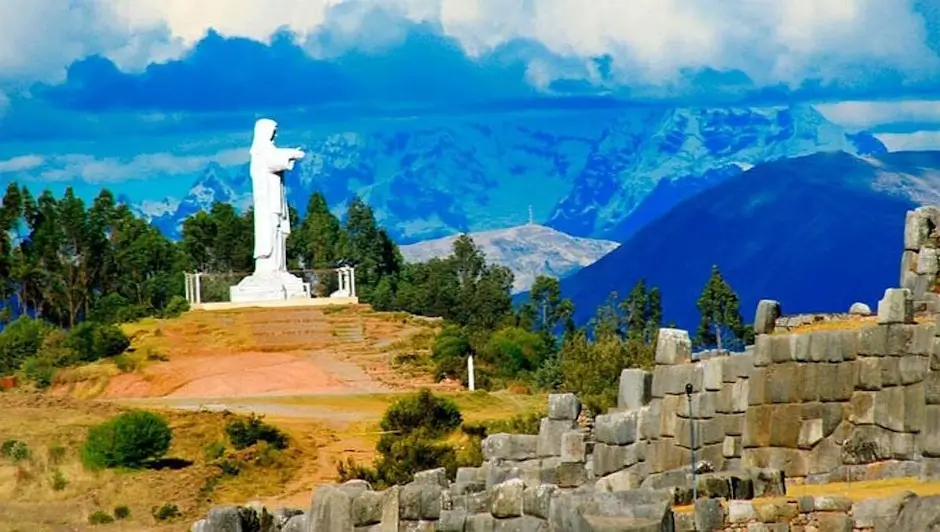
Perched high in the Peruvian Andes, the city of Cusco is a living testament to the grandeur of the Inca civilization. Once the heart of the Inca Empire, Cusco continues to captivate travelers from around the world with its ancient stone streets, monumental ruins, and enduring cultural traditions. For those seeking to understand the legacy of the Inca, historical tours in Cusco offer an unforgettable window into one of the most fascinating civilizations in the Americas.
The Heart of the Inca Empire
Cusco, or Qosqo in Quechua, was more than just a capital—it was the spiritual and administrative center of the Inca world. From here, roads radiated outwards across a vast empire that stretched from modern-day Colombia to Chile. The city was designed in the shape of a puma, a sacred animal for the Incas, symbolizing strength and power.
Walking through Cusco today, visitors can still trace the footsteps of the past along streets lined with perfectly fitted stone walls—testaments to Inca engineering that has withstood centuries of earthquakes and conquest.
Iconic Inca Sites Within the City
One of the most impressive historical sites within Cusco is Qorikancha, the Temple of the Sun. Once covered in sheets of gold and serving as the most sacred temple in the empire, its foundations remain beneath the Convent of Santo Domingo, illustrating the dramatic collision of Inca and Spanish cultures.
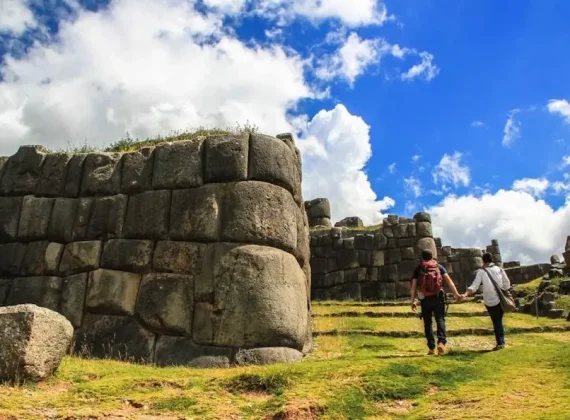
Just outside the city lies the majestic fortress of Sacsayhuamán, built with massive limestone blocks weighing up to 120 tons. The site is both a marvel of construction and a symbol of Inca ingenuity and spiritual connection to the natural world.
Other highlights include Tambomachay, known as the Inca Baths; Q’enqo, a ceremonial site carved into rock; and Puka Pukara, a red fortress that once guarded the city’s entrance.
The Inca Legacy Beyond the Stones
Historical tours in Cusco go beyond architecture—they immerse travelers in a vibrant culture that has endured and evolved. Today, Quechua is still spoken, traditional textiles are woven using age-old techniques, and Inca festivals are celebrated with devotion and joy.
The most famous of these is Inti Raymi, the Festival of the Sun, held every June. This reenactment of an ancient Inca ceremony attracts thousands of visitors and offers a moving tribute to the sun god, Inti, and the legacy of the empire.
Expert-Led Tours for Deeper Insight
To truly appreciate Cusco’s Inca legacy, travelers are encouraged to join guided historical tours led by local experts. These tours provide context, legends, and insights that bring the stones to life—transforming ruins into stories of kings, conquerors, and cosmic beliefs.
Many tours also include visits to the Sacred Valley, where sites like Ollantaytambo and Pisac showcase the incredible scale and sophistication of Inca urban planning, agriculture, and astronomy.
Colonial Charm in the Heart of Cusco: Cusco Historical Tours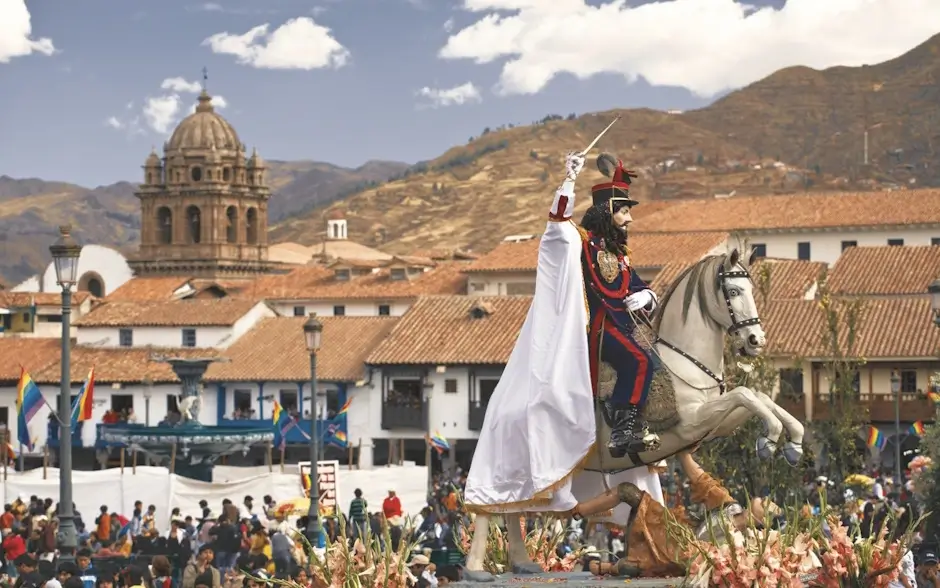
Cusco, often celebrated as the ancient capital of the Inca Empire, is also a city shaped by centuries of Spanish influence. After the conquest in the 16th century, the Spanish transformed Cusco into a jewel of colonial architecture, building churches, palaces, and plazas that still stand today. For travelers, Cusco historical tours offer the chance to explore this fascinating colonial legacy, where history lives on in every stone and street corner.
A Blend of Inca Foundations and Spanish Grandeur
One of the most remarkable features of Cusco’s colonial charm is how Spanish colonial buildings rise directly atop Inca foundations. Nowhere is this more evident than in Qorikancha, once the most sacred Inca temple dedicated to the Sun God. Today, visitors can marvel at its perfectly cut Inca stone walls supporting the elegant Convent of Santo Domingo, showcasing a powerful blend of two distinct cultures.
This blend is not only architectural but symbolic—Cusco is a city where the past has not been erased, but layered and preserved.
Plaza de Armas: The Colonial Heartbeat
At the center of the city lies the Plaza de Armas, a colonial masterpiece and the beating heart of Cusco. Originally an important ceremonial site for the Incas, it was transformed by the Spanish into a grand square surrounded by arched colonnades, balconied colonial buildings, and two of the most important religious structures in the region.
The Cusco Cathedral, built over the Inca palace of Wiracocha, is an architectural and artistic marvel. Its massive stone façade, stunning baroque altars, and unique religious art—including an Andean version of the Last Supper—make it a highlight of any historical tour.
Next to it stands the Church of the Society of Jesus, an equally impressive structure known for its elaborate interiors and rich ornamentation.
San Blas and Colonial Neighborhood Charm
A short uphill walk leads to San Blas, one of Cusco’s oldest and most picturesque neighborhoods. Known for its colonial-era homes, artisan workshops, and peaceful plazas, San Blas retains a timeless ambiance. Narrow, cobblestone streets lead visitors past whitewashed buildings with blue balconies and red-tiled roofs—classic elements of Cusco’s colonial aesthetic.
San Blas is also home to the San Blas Church, one of the oldest churches in the city, famous for its intricately carved wooden pulpit—a masterpiece of colonial religious art.
Colonial Mansions and Museums
Cusco historical tours often include visits to colonial mansions that once belonged to Spanish nobility. Today, many of these homes function as museums or boutique hotels. The Casa Concha, for example, offers insight into colonial domestic life while also showcasing artifacts from Machu Picchu.
Other important sites include the Monastery of La Merced, home to one of the largest religious treasures in South America, and the Archbishop’s Palace, which houses the Museum of Religious Art.
Living Colonial Traditions
Colonial Cusco is not frozen in time—it’s alive in festivals, religious processions, and everyday life. Travelers visiting during Corpus Christi or Holy Week will witness elaborate parades, colonial-era costumes, and centuries-old customs that continue to unite faith and history.
Local artisans also keep colonial techniques alive, producing exquisite silverwork, wood carvings, and religious paintings rooted in traditions passed down from the 17th and 18th centuries.
Museums and Cultural Insights: Cusco Historical Tours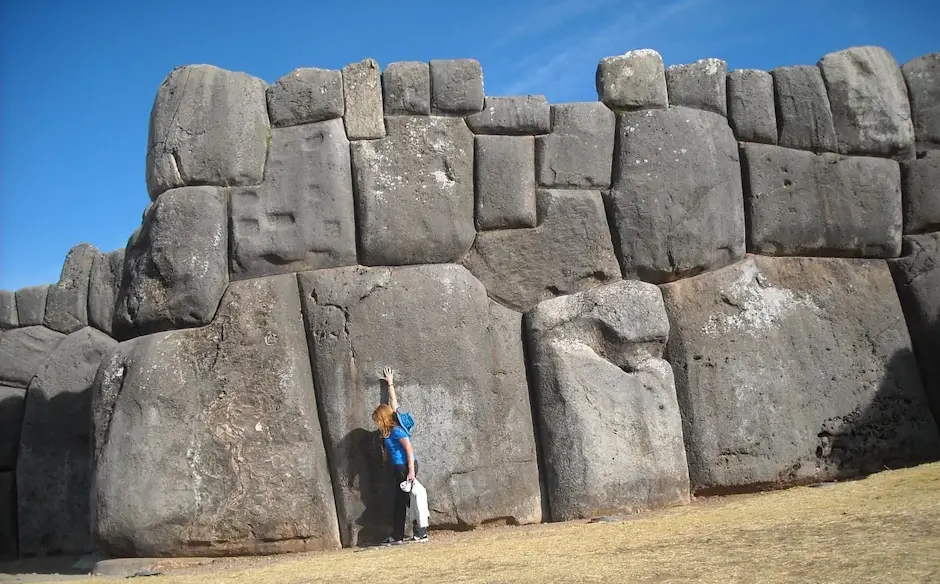
Cusco, the former capital of the Inca Empire and a UNESCO World Heritage Site, is a destination rich in history, culture, and tradition. While its ancient ruins and colonial architecture draw travelers from around the globe, the museums of Cusco offer deeper cultural insights that bring the city’s remarkable past to life. Whether you’re interested in archaeology, art, or Andean cosmology, Cusco historical tours that include museum visits provide a more complete and enriching experience.
Uncovering Inca Heritage at the Museo Inka
One of the most essential stops on a historical tour of Cusco is the Museo Inka, housed in the colonial Admiral’s Palace just a block from the Plaza de Armas. This museum contains an impressive collection of Inca and pre-Inca artifacts, including finely crafted ceramics, textiles, mummies, and tools.
Visitors can learn about Inca religious beliefs, agricultural innovations, and their highly organized society. The museum also displays detailed models of Inca architecture, allowing visitors to appreciate the sophistication of sites like Machu Picchu and Sacsayhuamán.
Pre-Columbian Art Museum: A Treasure of Ancient Creativity
Located in the historic Casa Cabrera, the Pre-Columbian Art Museum (MAP) showcases masterpieces from Peru’s most important ancient cultures, including the Mochica, Chavín, Nazca, and Inca civilizations.
This beautifully curated museum highlights the artistry of indigenous peoples long before the Spanish arrived. From golden ornaments and ritual vessels to delicate ceramics and stone sculptures, each exhibit reveals the creativity and symbolism embedded in ancient Andean life.
Museo de Arte Religioso: Where Inca and Colonial Worlds Meet
The Museum of Religious Art, housed in the Archbishop’s Palace, stands on what was once the Inca palace of Inca Roca. This museum presents a fascinating collection of colonial religious paintings and artifacts, many from the famed Cusco School of Art.
The building itself is a work of art, combining massive Inca walls with Spanish colonial architecture. One of the highlights is the famous “Stone of Twelve Angles,” a marvel of Inca stonework located on the outer wall of the palace.
Museo Histórico Regional: Tracing the City’s Evolution
For those seeking to understand the broader history of Cusco, the Museo Histórico Regional (Regional History Museum), located in the former home of Inca chronicler Garcilaso de la Vega, offers a compelling narrative. Exhibits cover pre-Columbian cultures, the Inca Empire, the Spanish conquest, and the colonial and republican eras.
Through paintings, documents, and everyday objects, visitors gain a comprehensive understanding of how Cusco evolved over the centuries to become the cultural capital of the Andes.
ChocoMuseo and Other Interactive Experiences
For a lighter and more interactive cultural experience, many historical tours also include stops at ChocoMuseo, where travelers can learn about the history of cacao in Peru and even make their own chocolate. It’s a fun way to connect with local traditions and understand the agricultural products that have shaped Andean economies for centuries.
Other experiences include textile workshops, where visitors can learn about traditional weaving techniques, or Andean music museums that celebrate indigenous instruments and rhythms.
Enriching Your Historical Tour
Including museums in your Cusco historical tour not only deepens your appreciation of the region’s past—it also enhances your understanding of its present. Through artifacts, artworks, and cultural interpretation, these institutions reveal the layers of history that define Cusco today.
To make the most of your museum visits:
- Hire a guide or take a guided tour for added context and storytelling.
- Take your time in each museum—many contain intricate details and symbolism.
- Combine museum visits with archaeological sites for a holistic view of Inca and colonial legacies.
Living History: Festivals and Traditions in Cusco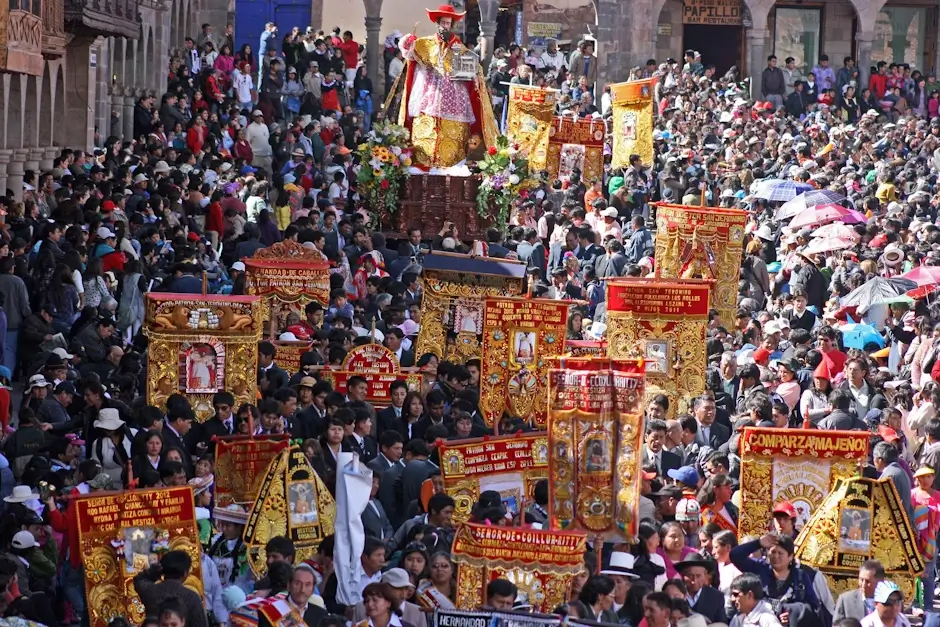
Cusco is not just a city of ancient stones and colonial buildings—it’s a place where history lives on through vibrant festivals and timeless traditions. While archaeological sites and museums reveal the grandeur of the Inca Empire and Spanish colonial power, the true spirit of Cusco is best experienced through its living culture. From grand public celebrations to everyday customs passed down through generations, Cusco’s festivals and traditions are an essential part of any historical tour.
A City Where the Past Still Breathes
Walking through Cusco, you don’t just witness history—you participate in it. Local people proudly maintain traditions that blend Inca, pre-Inca, and Spanish Catholic elements, creating cultural expressions that are uniquely Andean. Many of these traditions are centered around the agricultural calendar, the Catholic liturgical year, and the Inca cosmology, resulting in a rich tapestry of celebrations throughout the year.
Inti Raymi: The Festival of the Sun
The most iconic of all Cusco festivals is Inti Raymi, held every June 24th. This Inca festival honoring the Sun God (Inti) is a stunning reenactment of ancient ceremonies that once took place during the winter solstice. Dancers in colorful costumes, priests, and actors portraying Inca royalty fill the streets in a dramatic procession that begins at Qorikancha and culminates at Sacsayhuamán.
For travelers on a historical tour, attending Inti Raymi is a chance to witness a recreation of one of the most important events in the Inca calendar—a living pageant of Andean heritage.
Corpus Christi: Andean and Catholic Fusion
Another major celebration is Corpus Christi, a Catholic festival with deep Andean roots. Taking place 60 days after Easter, this event features 15 saints and virgins from Cusco’s churches carried in massive processions to the Plaza de Armas, accompanied by brass bands and traditional dancers.
While Catholic in name, the festival’s color, music, and symbolism reflect the Andean worldview, with many locals interpreting the saints as representations of pre-Columbian deities. It’s a powerful example of syncretism, where two belief systems merge into a single, vibrant tradition.
Qoyllur Rit’i: Pilgrimage to the Stars
One of the most unique and spiritual events in Cusco is Qoyllur Rit’i, meaning “Snow Star” in Quechua. This pilgrimage occurs in late May or early June, when thousands of indigenous people from different regions of the Andes trek to the Sinakara Glacier, located at over 4,600 meters above sea level.
This ancient ritual blends Catholic devotion with pre-Hispanic beliefs, honoring both Christ and the mountain spirits known as apus. It’s an extraordinary event filled with dance, music, and deep faith—an unforgettable experience for those seeking an authentic connection with living Andean culture.
Everyday Traditions: A Culture Alive in Daily Life
Not all traditions require a calendar. Cusco’s markets, dress, food, and language reflect centuries of living history. In the San Pedro Market, you’ll see locals dressed in traditional garments, speaking Quechua, and selling products that have been staples of the Andean diet for generations.
Artisan workshops in neighborhoods like San Blas continue to produce handwoven textiles, wood carvings, and religious art using colonial-era techniques. These crafts are more than souvenirs—they are the ongoing expressions of cultural identity.
Participating Respectfully
Visitors are encouraged to engage with these traditions, but always with respect and cultural sensitivity. Hiring a local guide, asking questions, and supporting local artisans are great ways to learn while contributing to the preservation of these traditions.
- Journey to the Heart of the Andes: A 15-Day Adventure from Cusco to San Pedro de Atacama 15 Days
- Andean Expedition Exploring the Treasures of Peru and Bolivia. 20 Days
- South America tourist package visiting Peru and Bolivia 25 days
- South America tour through the Andes of Peru, Bolivia and Chile.15 Days
- Discover South América with the Perú Bolivia Tour 14 Days
- South America trip: the best tour of Peru and Bolivia 10 Days
Tips for a Meaningful Historical Tour in Cusco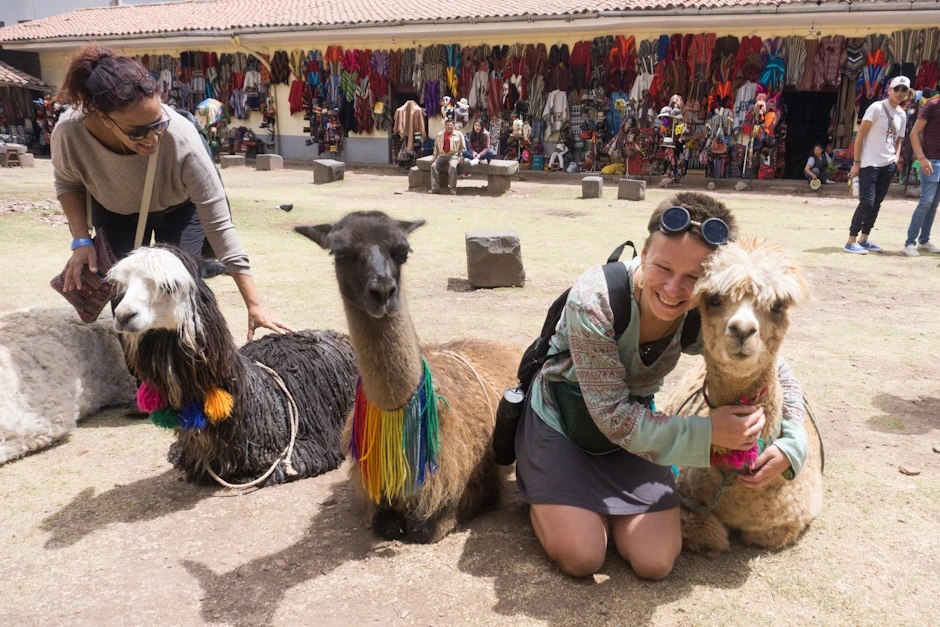
Cusco, the former capital of the Inca Empire and a cultural gem of the Andes, is a city layered with centuries of history. From its awe-inspiring Inca ruins to its elegant colonial churches and vibrant local traditions, Cusco offers travelers a deep and enriching experience. But to truly appreciate its historical richness, it’s essential to go beyond the surface. Here are some expert tips for a meaningful historical tour in Cusco that will help you connect more profoundly with the city’s fascinating past.
Start with Context
Before visiting sites like Sacsayhuamán or Qorikancha, take time to understand the historical timeline of Cusco—from its pre-Inca roots to the rise of the Inca Empire and the Spanish conquest. Reading a brief history or watching a documentary can provide valuable background and help you appreciate the deeper significance of each place.
Hire a Knowledgeable Local Guide
A qualified, local guide can bring ancient stones to life with stories, legends, and cultural insights you won’t find in guidebooks. Look for tours that are led by indigenous or native Cusqueños who can offer a personal connection to the city’s heritage. Their perspectives will enrich your understanding of both the Inca legacy and modern Andean culture.
Visit Key Museums First
Starting your historical tour with a visit to Museo Inka, Museo Histórico Regional, or the Pre-Columbian Art Museum will give you a foundational understanding of the civilizations and artistic traditions that shaped Cusco. Museums provide context that will enhance your experience when you visit archaeological sites later.
Take It Slow — Respect the Altitude and the Culture
Cusco sits at over 3,300 meters (11,000 feet) above sea level, and its narrow, cobbled streets can be challenging to navigate quickly. Allow yourself time to acclimate and explore at a relaxed pace. Taking your time also gives you the chance to observe local customs, architecture, and interactions—details that add richness to your historical journey.
Look Beyond the Major Attractions
While Machu Picchu and Sacsayhuamán are must-sees, smaller sites like Q’enqo, Puka Pukara, and Tambomachay offer intimate glimpses into Inca ceremonial and strategic life. Neighborhoods like San Blas, with its colonial charm and artisan workshops, are also worth exploring to see history in a more personal light.
Participate in Local Traditions and Festivals
If your visit aligns with festivals like Inti Raymi or Corpus Christi, don’t miss the chance to join. These events are living expressions of Cusco’s history, blending Inca and Catholic traditions in powerful, colorful celebrations. Even smaller community events and markets can offer authentic cultural experiences.
Engage with the Local Community
Buy from local artisans, eat in family-run restaurants, and stay in locally owned accommodations. Not only will you enjoy more authentic experiences, but your support will help preserve Cusco’s cultural heritage and benefit its people directly.
Keep a Journal or Photo Diary
As you move from ancient temples to colonial cathedrals, consider keeping a travel journal or photo diary. Reflecting on what you learn, feel, and observe can help you retain historical details and personal moments that make your journey more meaningful.
Be Respectful of Sacred Sites
Many historical and archaeological sites in Cusco are still considered sacred by local communities. Show respect by not climbing on ruins, staying on marked paths, and observing silence or reverence in places of worship. Ask for permission before taking close-up photos of locals, especially during ceremonies or in traditional dress.
Be Curious and Open-Minded
Finally, approach Cusco’s history with curiosity and humility. The city has multiple layers of identity, shaped by indigenous beliefs, Spanish colonization, and modern life. Ask questions, listen actively, and allow yourself to be transformed by what you discover.
Explore Cusco’s Rich History with Leading Peru Travel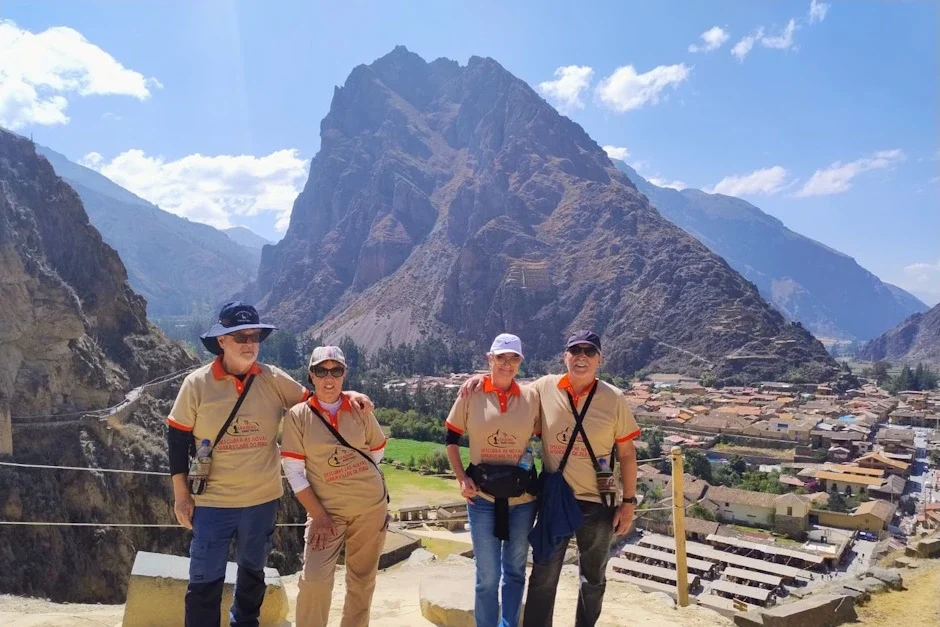
Nestled in the heart of the Andes, Cusco is a city like no other—a place where ancient civilizations, colonial heritage, and vibrant modern culture converge in spectacular fashion. Once the capital of the Inca Empire, Cusco is today a UNESCO World Heritage Site that offers travelers a unique opportunity to walk through thousands of years of living history. With Leading Peru Travel, you can explore Cusco’s rich past through carefully curated historical tours that go beyond sightseeing, offering authentic cultural connections and unforgettable experiences.
Walk in the Footsteps of the Incas
At Leading Peru Travel, we believe that every journey through Cusco should begin with its Inca roots. Our expert-led tours take you to iconic sites like:
- Qorikancha (Temple of the Sun) – Once the most sacred temple in the Inca Empire, its perfectly fitted stone walls still stand beneath the colonial Convent of Santo Domingo.
- Sacsayhuamán – A massive fortress overlooking the city, built with immense stone blocks that showcase the incredible engineering skills of the Incas.
- Tambomachay, Puka Pukara, and Q’enqo – Ceremonial and strategic sites located just outside the city that offer insight into the spiritual and political life of the Incas.
Our guides provide in-depth historical context, local legends, and insights into Inca cosmology, making every step a meaningful part of your journey.
Discover Colonial Charm and Cultural Fusion
Cusco’s history didn’t stop with the Incas. The arrival of the Spanish brought about a profound transformation, blending European and Andean worlds. With Leading Peru Travel, you’ll explore the colonial side of Cusco through visits to:
- Plaza de Armas – The city’s main square, where the Spanish built grand churches atop Inca foundations.
- Cusco Cathedral and the Church of the Society of Jesus – Stunning examples of colonial architecture and home to the famous Cusco School of Art.
- San Blas Neighborhood – A charming district known for its artisan workshops, colonial balconies, and narrow cobbled streets.
These sites tell the story of resilience, adaptation, and cultural fusion, offering a deep appreciation of how Cusco’s identity has been shaped over time.
Dive into Culture at Cusco’s Best Museums
To enrich your historical exploration, our tours include visits to some of Cusco’s most important museums:
- Museo Inka – A comprehensive collection of Inca artifacts, including mummies, tools, ceramics, and textiles.
- Pre-Columbian Art Museum (MAP) – A beautifully curated space showcasing artistic masterpieces from ancient Peruvian cultures.
- Museo Histórico Regional – Located in the former home of Garcilaso de la Vega, this museum traces Cusco’s evolution from pre-Columbian times to the colonial and republican eras.
These visits provide context and depth, helping travelers connect what they see in the streets and ruins with the larger story of Cusco’s past.
Experience Living History Through Festivals and Traditions
With Leading Peru Travel, history isn’t just something you observe—it’s something you experience. We time many of our tours to coincide with traditional festivals such as:
- Inti Raymi (Festival of the Sun) – A spectacular reenactment of an Inca religious ceremony held every June.
- Corpus Christi – A vibrant Catholic festival with deep Andean roots, filled with processions, music, and devotion.
- Qoyllur Rit’i – A sacred pilgrimage to the mountains that merges indigenous spirituality with Catholic symbolism.
These events bring the living culture of Cusco to life, allowing you to witness and even participate in traditions that have been passed down for centuries.
Travel with Purpose, Comfort, and Care
At Leading Peru Travel, we are passionate about creating customized travel experiences that reflect your interests, pace, and values. Whether you’re a history buff, a cultural explorer, or a curious traveler seeking deeper understanding, our tours are designed to be both educational and immersive.
With our local expertise, bilingual guides, ethical tourism practices, and personalized service, you can explore Cusco’s rich history with confidence and curiosity.
Historical tours in Cusco are a fascinating way to explore the cultural and archaeological richness of the region. From the imposing Inca ruins to colonial architecture and vibrant local markets, each tour offers a unique window into Cusco’s glorious past. Make the most of your visit by participating in one or more of these tours and immerse yourself in the history and magic of the ancient Inca capital. Book your next historical adventure with Leading Peru Travel and discover the best historical tours Cusco has to offer.
- Eplore Peru: From Vibrant Lima to Mystical Machu Picchu and Majestic Lake Titicaca 8 Days
- Perú Travel with Tour Lima Cusco Machu Picchu Lake Titicaca 7 Days
- Explore the Wonders of Cusco with City Tour and Machu Picchu 3 Days
- Explore Peru with the Lima Cusco Machu Picchu Huayna Picchu Tour 6 Days
For more information and to book your trip, contact us on WhatsApp. Follow us on Instagram for the latest updates and travel inspiration.
CONTACT US:
We are a Travel Agency specialized in tourist packages, if you need any information, do not hesitate to write to us.
We offer tours in Peru and Bolivia.