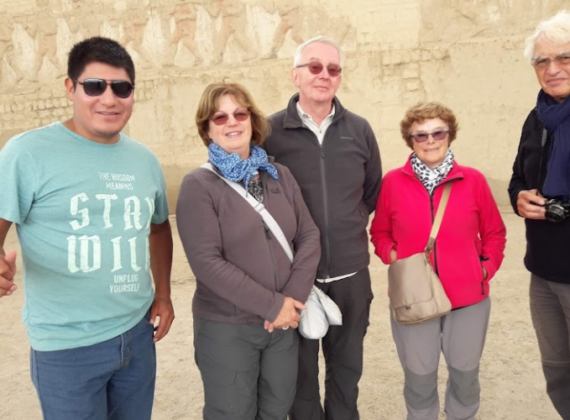


A Culinary Journey through the Gastronomic Variety of Peru.
Peru, a land of ancient civilizations and breathtaking landscapes, is also home to one of the most diverse and celebrated the Gastronomic Variety of Peru traditions in the world. From the misty mountains of the Andes to the vibrant Amazon rainforest and the bountiful Pacific coast, every region offers a unique fusion of flavors, ingredients, and cooking techniques that reflect its cultural richness. Embarking on a culinary journey through Peru is not just about eating—it’s about discovering the country’s soul through its cuisine.
- Embark on a Journey of Ancient Traditions: The Inti Raymi Tour in Cusco 4 Days
- Discover the Wonders of Peru with the Tour Perú Machu Picchu 5 Days
- Discover Peru with the City Tour Sacred Valley Machu Picchu 4 Days
- Explore the Wonders of Cusco with City Tour and Machu Picchu3 Days
The Coast of Peru: Seafood Delights and Criollo Tradition

Peru’s long Pacific coastline is not only home to picturesque beaches and vibrant port towns—it is the cradle of a rich and the Gastronomic Variety of Peru. Along the coast, the sea and the land come together to offer a feast of tastes, from the freshest seafood to hearty Criollo dishes born from centuries of cultural fusion. This coastal region is a paradise for food lovers, where every bite tells a story of tradition, creativity, and connection to the ocean.
A Bounty from the Sea
The Peruvian coast is blessed with one of the richest marine ecosystems in the world, thanks to the cold Humboldt Current. This natural phenomenon brings an abundance of fish and seafood to local markets daily, forming the base of many beloved dishes.
Ceviche is the undisputed star of coastal cuisine. Prepared with raw fish marinated in freshly squeezed lime juice, mixed with ají limo, red onions, and cilantro, and served with corn and sweet potato, it is a refreshing, vibrant dish that reflects the soul of the coast.
But ceviche is just the beginning. Other coastal specialties include:
- Jalea: a crispy fried seafood platter served with yuca and salsa criolla.
- Chupe de camarones: a rich shrimp chowder from the southern coast, blending dairy, eggs, and native spices.
- Tiradito: similar to ceviche, but sliced like sashimi and bathed in spicy sauces, showing the influence of Japanese culinary techniques.
The Essence of Criollo Tradition
Criollo cuisine on the coast is where Spanish, African, and Indigenous culinary traditions come together. It’s hearty, flavorful, and made to satisfy. Lima, in particular, is the birthplace of many classic comida criolla dishes that are now staples across the country.
Some must-try Criollo dishes include:
- Ají de gallina: shredded chicken in a creamy sauce made with yellow chili, bread, cheese, and walnuts.
- Seco de cabrito: tender stewed goat cooked with cilantro, beer, and spices, usually served with beans and rice.
- Tacu tacu: a delicious mix of rice and beans pan-fried into a golden patty, often topped with steak, egg, or seafood.
These dishes reflect the creativity and resilience of Afro-Peruvian communities, whose influence can still be felt in the seasoning, cooking techniques, and rhythms of coastal kitchens.
From Fishermen’s Markets to Gourmet Tables
From bustling markets in fishing villages to elegant seaside restaurants in cities like Lima and Trujillo, coastal cuisine is constantly evolving while staying true to its roots. Talented chefs are reimagining traditional recipes with modern twists, while preserving the ingredients and stories that define Peru’s coastal identity.
A Celebration of Culture and Community
Eating on the Peruvian coast is more than just nourishment—it is a social and cultural ritual. Meals are often shared with family and friends, accompanied by music, storytelling, and the ever-present pisco sour. Whether you’re enjoying a simple fish stew by the beach or indulging in a gourmet seafood tasting menu, you’re participating in a culinary tradition that connects generations.
The Highlands of Peru: Ancestral Flavors and Andean Cuisine
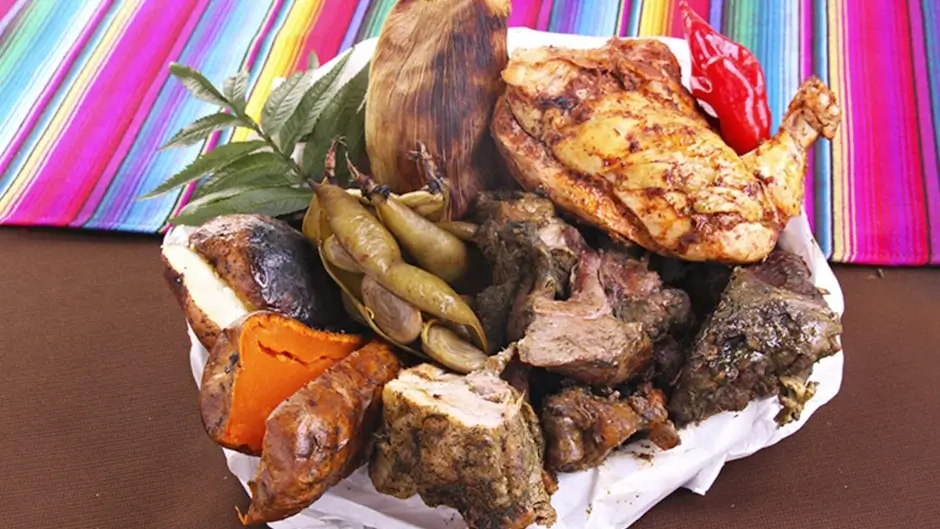
High in the Andes Mountains, where ancient civilizations once thrived, Peru’s highland region—La Sierra—offers a culinary experience as rich and layered as its terraced landscapes. Rooted in thousands of years of tradition, Andean cuisine is the Gastronomic Variety of Peru, time-honored techniques, and the enduring connection between food, culture, and the natural world.
A Legacy of the Incas
The Andean people have cultivated the land for millennia, and their agricultural legacy lives on in the ingredients that define the region’s cuisine. Staples such as quinoa, kiwicha, oca, mashua, and potatoes—with over 3,000 native varieties—are the backbone of highland meals.
One of the most iconic ancestral dishes is pachamanca, a feast of meats, potatoes, corn, and herbs cooked underground with hot stones. More than a meal, pachamanca is a communal ritual that honors Pachamama, the Earth Mother, and reflects the deep spiritual connection Andean communities maintain with the land.
Soul-Warming Dishes from the Mountains
The altitude and climate of the Sierra demand hearty, comforting food. Traditional Andean dishes are slow-cooked, full of flavor, and designed to provide energy and warmth. Some highlights include:
- Adobo arequipeño: a spicy pork stew marinated in chicha de jora (fermented corn beer), garlic, and Peruvian herbs.
- Chairo: a thick, nourishing soup made with potatoes, beef, chuño (freeze-dried potatoes), and native vegetables.
- Cuy chactado: guinea pig fried until crispy, served with native potatoes and spicy ají sauce—a delicacy with pre-Incan roots.
In Cusco and Puno, you’ll also find oca and maca, two nutrient-rich tubers used in soups and stews, and muña tea, a digestive herbal infusion that warms the body and soothes the altitude.
Ingredients from the Heart of the Andes
The magic of Andean cuisine lies not just in the recipes, but in the ingredients themselves. Highland markets overflow with colorful produce, aromatic herbs, and ancient grains grown at high altitudes without chemicals. Products like corn (with kernels in black, purple, red, and yellow) and cheese from the high pastures add regional flair to every dish.
In recent years, chefs in cities like Cusco and Arequipa have begun to reinterpret these ancestral ingredients in contemporary ways—bringing global attention to the flavors of the Andes while honoring their cultural significance.
Food, Culture, and Sustainability
In the Sierra, cooking is deeply connected to cycles of nature and community life. Many recipes are passed down through generations, and meals are often shared during festivals, harvests, and religious celebrations. The emphasis on local, seasonal ingredients also makes Andean cuisine a model of sustainability.
The Jungle of Peru: Exotic Flavors and Amazonian Fusion
Deep within the lush green expanses of the Peruvian Amazon lies a world of bold flavors, vibrant ingredients, and culinary traditions unlike any other. La Selva—the jungle region of Peru—is a treasure trove of exotic gastronomy, where ancient Indigenous knowledge and natural abundance come together to create a cuisine that is both nourishing and adventurous. Amazonian food is not just a meal; it’s an immersion into one of the most biodiverse and culturally rich regions on Earth.
A Land of Superfoods and Surprises
The Amazon is home to an extraordinary variety of fruits, roots, herbs, and fish—many of which are unknown outside the region. Ingredients such as camu camu, aguaje, cocona, paiche (one of the largest freshwater fish in the world), and yuca (cassava) form the foundation of the local diet.
These superfoods are not only packed with nutrients, but also bring unique flavors and textures to the table. Amazonian cuisine makes the most of what nature offers, with a focus on freshness, simplicity, and a deep respect for the environment.
Traditional Dishes with a Jungle Twist
The dishes of the Selva are rustic, flavorful, and often wrapped in banana leaves—a traditional method of cooking that enhances aroma and presentation. Highlights include:
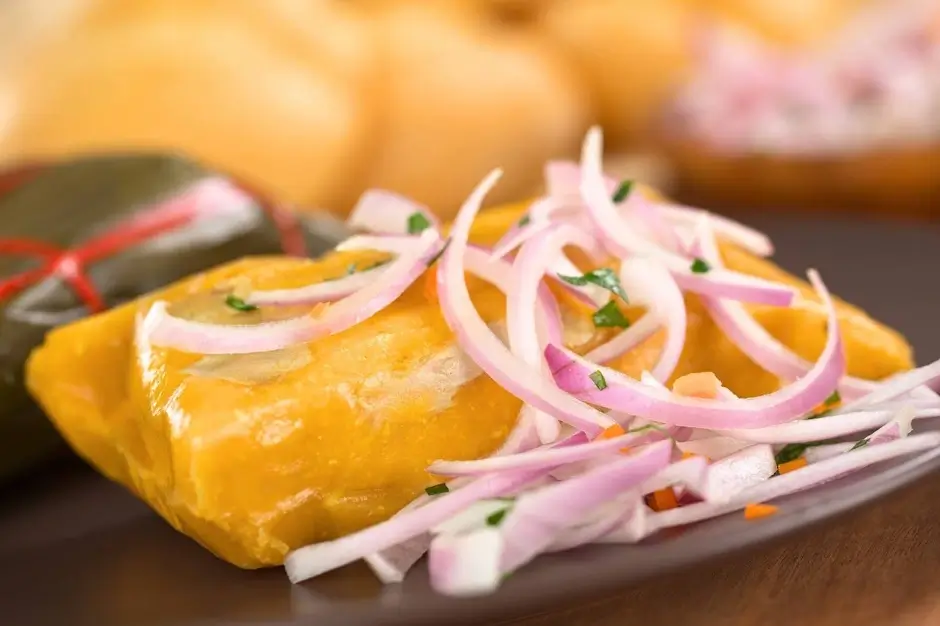
- Juane: rice, chicken (or fish), olives, and spices wrapped in bijao or banana leaves and steamed. Traditionally eaten during the feast of San Juan, it’s one of the region’s most iconic dishes.
- Tacacho con cecina: mashed green plantains mixed with pork fat, served with cecina (smoked pork) or chorizo. It’s hearty, smoky, and a favorite across the jungle.
- Inchicapi: a comforting soup made with chicken, peanuts, yuca, and cilantro. Rich and nourishing, it reflects the Indigenous roots of Amazonian cuisine.
Locals also consume insects and wild game such as suri (palm weevil larvae) or sajino (wild pig), which may surprise visitors but are considered delicacies packed with protein and tradition.
From the River to the Plate
The Amazon River and its tributaries are lifelines for jungle communities. Freshwater fish like paiche, boquichico, and dorado are grilled, boiled, or smoked over open fires. These river ingredients are often paired with starchy sides like yuca, plantain, or cocona salsa, a tangy sauce made from a local acidic fruit that adds a punch to any dish.
Amazonian Fusion: A New Wave of Jungle Cuisine
In recent years, the flavors of the jungle have begun to inspire a wave of Amazonian fusion cuisine. In cities like Iquitos and Tarapoto, chefs are creatively blending ancestral ingredients with modern culinary techniques. Dishes are plated with elegance while maintaining their authentic spirit. This innovative movement has drawn attention from food lovers around the world, eager to explore Peru’s lesser-known culinary frontier.
Food as Culture and Identity
In the jungle, food is deeply tied to community, medicine, and spirituality. Many ingredients, such as ayahuasca, are used in ceremonial contexts, while others are believed to have healing properties. Cooking and sharing food are vital parts of daily life, and traditions are kept alive through generations of oral storytelling and ritual.
- Discover the Wonders of Peru: with the Tour Perú Machu Picchu Nazca 15 Days
- Discover the Best of Perú: with the Tour Perú Amazon Nazca Machu Picchu 20 Days
- Travel Package to Peru Tour in Lima, Paracas, Ballestas, Nazca Lines, Colca Canyon 22 Days
Fusion Cuisine of Peru: the Gastronomic Variety of Peru
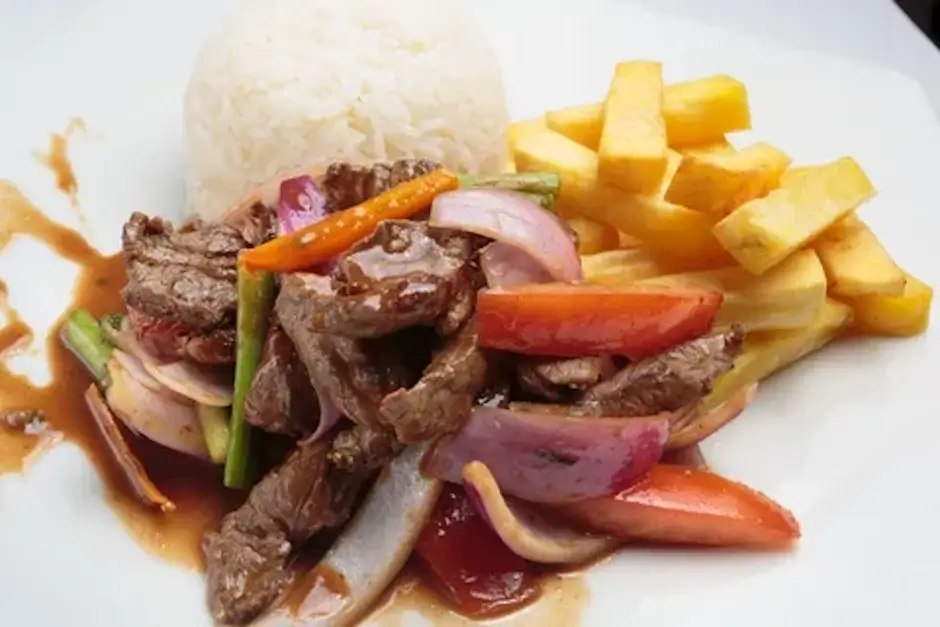
Peru is a land of culinary diversity, where ancient traditions and global influences merge to create something entirely unique. Among its most celebrated gastronomic treasures are Chifa and Nikkei—two extraordinary examples of fusion cuisine born from immigration, adaptation, and creativity. These culinary styles, combining Peruvian ingredients with Chinese and Japanese techniques, have become essential pillars of modern Peruvian gastronomy and a testament to the country’s rich multicultural heritage.
Chifa: The Chinese-Peruvian Connection
Chifa is the name given to the fusion of Chinese and Peruvian cuisines, which began with the arrival of Chinese immigrants in the late 19th century. These immigrants, mostly from Canton, brought with them their culinary traditions but had to adapt their recipes using local Peruvian ingredients. Over time, this blend evolved into a completely new and flavorful cuisine.
Today, Chifa restaurants can be found on almost every street corner in Peru. They are beloved by locals and visitors alike for their comforting, flavorful dishes. Some Chifa classics include:
- Arroz chaufa: Peruvian-style fried rice with soy sauce, scrambled eggs, scallions, and meats or seafood.
- Tallarín saltado: Stir-fried noodles with vegetables and meat, similar to chow mein but with a distinct Peruvian twist.
- Kam lu wantán: A sweet-and-sour pork dish with fried wontons, pineapple, and vegetables.
- Sopa wantán: A Chinese-style wonton soup often served as a starter.
Chifa is not just about flavor—it’s about the story of cultural fusion, immigration, and the ability of food to bring communities together.
Nikkei: The Japanese-Peruvian Symphony
Nikkei cuisine emerged from the Japanese immigrant community that settled in Peru starting in the late 1800s. These immigrants maintained their culinary traditions while gradually incorporating local ingredients, especially Peru’s rich variety of seafood and native chilies.
Nikkei is characterized by its clean, balanced flavors and elegant presentation, often combining raw fish with Peruvian spices and citrus. It has gained international acclaim thanks to visionary chefs like Mitsuharu “Micha” Tsumura, whose Lima restaurant Maido ranks among the best in the world.
Iconic Nikkei dishes include:
- Tiradito Nikkei: Thinly sliced raw fish, similar to sashimi, served with spicy ají amarillo or rocoto sauce.
- Sushi rolls with Peruvian flair: Rolls filled with ingredients like quinoa, avocado, lomo saltado, or shrimp in anticucho sauce.
- Miso-marinated fish with Andean grains: A beautiful marriage of Japanese technique and native Peruvian superfoods.
What makes Nikkei stand out is its balance of tradition and innovation. It respects the delicate art of Japanese cuisine while celebrating the bold, colorful soul of Peru.
A Culinary Identity Born from Diversity
Both Chifa and Nikkei reflect Peru’s history as a crossroads of cultures. They are more than fusion—they are authentic expressions of identity, built on respect, adaptation, and creativity. Today, these styles are not just side notes in Peruvian cuisine—they are at the heart of its global success.
Whether you’re savoring a plate of arroz chaufa in a neighborhood Chifa or indulging in a Nikkei tiradito in a fine-dining restaurant, you are tasting the legacy of generations who shaped Peru’s cultural and culinary landscape.
Sweets and Postres of Peru: A Sweet Final for the Journey
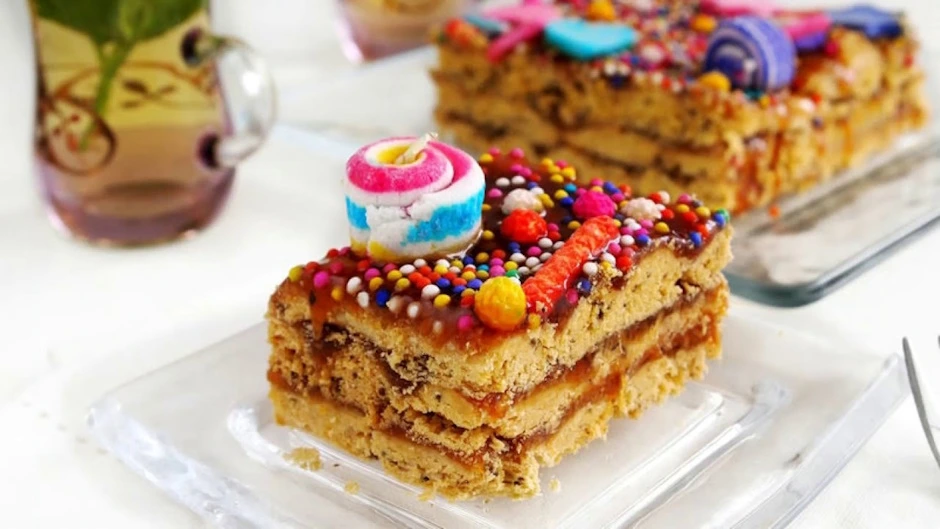
No culinary journey through Peru is complete without indulging in its irresistible sweets and postres. Rich in history, bursting with flavor, and crafted with love, Peruvian desserts offer the perfect finale to an unforgettable gastronomic adventure. Rooted in Indigenous traditions and enriched by Spanish, African, and Asian influences, these confections reflect the same diversity and cultural fusion found in Peru’s savory dishes.
A Blend of Cultures in Every Bite
Peruvian desserts are the result of centuries of culinary evolution. Pre-Columbian civilizations used ingredients like maíz morado (purple corn), honey, and fruit to create simple but flavorful sweets. With the arrival of the Spanish came sugar, wheat, and dairy, which led to the creation of richer and more elaborate pastries. Later, African and Asian communities contributed techniques and flavors that further enriched the dessert repertoire.
Traditional Favorites from Coast to Highlands
From coastal towns to highland villages, each region offers its own signature desserts:
- Suspiro a la Limeña: Perhaps the most iconic dessert of Peru, this silky treat from Lima features a base of manjar blanco (a caramel-like milk spread) topped with a light meringue flavored with port or sherry wine. It’s rich, elegant, and sweet enough to live up to its romantic name—“a sigh from a woman of Lima.”
- Arroz con leche: A classic rice pudding made with cinnamon, cloves, and sweetened condensed milk. Often served alongside mazamorra morada, a thick purple corn pudding with dried fruits, creating a beloved duo known as combinado.
- Picarones: Deep-fried doughnuts made from sweet potato and squash, drizzled with chancaca syrup (molasses flavored with cinnamon and orange peel). Crispy on the outside and soft inside, picarones are especially popular during festivals and street fairs.
- Alfajores: Soft sandwich cookies filled with manjar blanco and dusted with powdered sugar. They melt in your mouth and can be found throughout Latin America, but Peru’s version is especially tender and flavorful.
- Queso Helado: Despite the name “frozen cheese,” this dessert from Arequipa is actually a spiced vanilla-flavored frozen milk treat topped with cinnamon and coconut. It’s traditionally served in small portions at plazas and markets.
Amazonian and Andean Delights
In the jungle, fruits take center stage in desserts. You’ll find:
- Helado de aguaje: An ice cream made from the exotic aguaje fruit, with a flavor both tropical and earthy.
- Juices and jams made from camu camu, cocona, and other Amazonian superfruits.
In the Andes, desserts often incorporate quinoa, maca, and Andean berries, offering a blend of nutrition and indulgence.
A Sweet Legacy for the Senses
Peruvian desserts are more than afterthoughts—they are culinary expressions of identity, heritage, and celebration. Whether you’re enjoying a delicate spoonful of suspiro in a colonial café in Lima or biting into picarones at a street stall in Cusco, you’re participating in a ritual that connects past and present through sweetness.
Exploring the gastronomic variety of Peru is a journey in itself, a journey that goes beyond the tourist and enters the soul of a culture rich in history, traditions and creativity. Ya’ll be tasting ceviche by the sea in Lima, enjoying a rocoto relleno on the Andean heights, or savoring juane in the Amazon jungle, Peruvian gastronomy is an invitation to discover the diversity and richness of a country where each dish has a unique meaning. history. Therefore, Peru becomes an essential culinary destination for lovers of a good table and gastronomic adventure.
- Eplore Peru: From Vibrant Lima to Mystical Machu Picchu and Majestic Lake Titicaca 8 Days
- Perú Travel with Tour Lima Cusco Machu Picchu Lake Titicaca 7 Days
- Explore the Wonders of Cusco with City Tour and Machu Picchu 3 Days
- Explore Peru with the Lima Cusco Machu Picchu Huayna Picchu Tour 6 Days
For more information and to book your trip, contact us on WhatsApp. Follow us on Instagram for the latest updates and travel inspiration.
CONTACT US:
We are a Travel Agency specialized in tourist packages, if you need any information, do not hesitate to write to us.
We offer tours in Peru and Bolivia.