

Guide for Trekking in the Sacred Valley
The Sacred Valley of the Incas, located near Cusco in Peru, is one of the most rewarding regions for Sacred Valley Trekking. With its mix of breathtaking landscapes, ancient archaeological sites, and vibrant Andean culture, the valley offers trails that range from gentle day hikes to challenging multi-day adventures. Whether you are a seasoned hiker or a curious traveler looking for an immersive experience, trekking in the Sacred Valley is an unforgettable way to connect with history and nature.
- Discover the Wonders of Peru: with the Tour Perú Machu Picchu Nazca 15 Days
- Discover the Best of Perú: with the Tour Perú Amazon Nazca Machu Picchu 20 Days
- Travel Package to Peru Tour in Lima, Paracas, Ballestas, Nazca Lines, Colca Canyon 22 Days
Why Trek in the Sacred Valley?

The Sacred Valley of the Incas, nestled between Cusco and Machu Picchu, is one of the most enchanting destinations in Peru. Known for its fertile land, majestic mountains, and ancient ruins, it has long been considered a spiritual and cultural heartland of the Inca civilization. But beyond its archaeological wonders, the Sacred Valley is also a paradise for trekking enthusiasts. Here are the main reasons why trekking in the Sacred Valley is a truly rewarding experience.
A Living Connection to Inca History
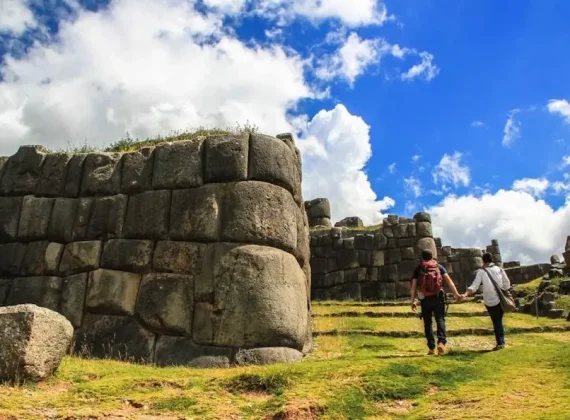
Walking through the Sacred Valley allows travelers to follow the same paths once taken by the Incas. Many trails still preserve sections of original stone pathways that connected agricultural centers, ceremonial sites, and strategic outposts. Trekking here is more than a physical activity—it’s a journey through history where every step brings you closer to the legacy of one of the world’s greatest civilizations.
Breathtaking Natural Scenery
From snow-capped peaks and rushing rivers to fertile terraces and hidden valleys, the Sacred Valley offers a stunning diversity of landscapes. Hikes often pass through high-altitude plateaus with panoramic views before descending into lush valleys filled with cornfields and Andean villages. The dramatic contrast between rugged mountains and cultivated land makes every trek a visual delight.
Cultural Immersion in Andean Life
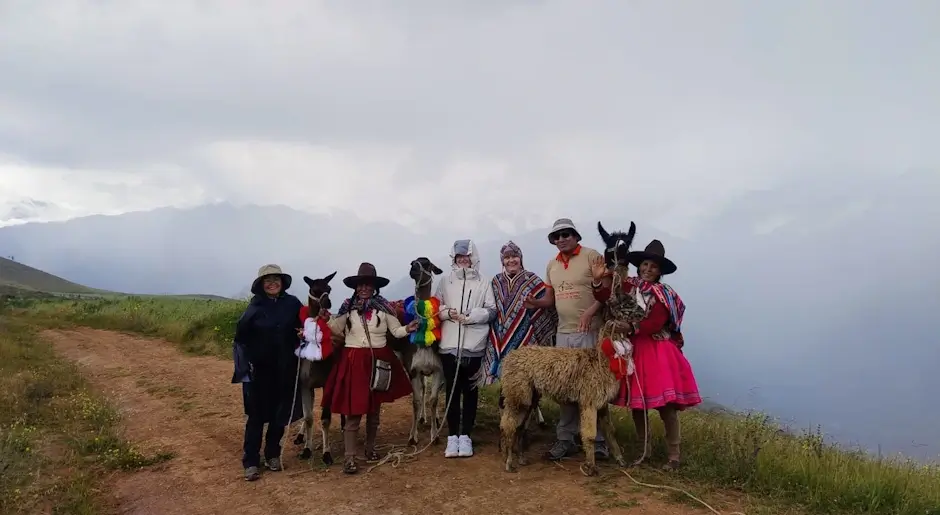
The Sacred Valley is still home to vibrant Quechua communities that preserve traditional ways of living. Along the trails, you may encounter local farmers tending their fields, artisans weaving colorful textiles, or villagers celebrating age-old festivals. Trekking gives you the chance to experience authentic cultural exchanges that go beyond the typical tourist route.
Accessibility for All Levels
Unlike more demanding treks such as the Inca Trail, the Sacred Valley offers options for all levels of fitness and experience. There are gentle day hikes ideal for families, as well as more challenging multi-day treks for adventurers seeking altitude and endurance. Its accessibility makes the valley a great introduction to trekking in the Andes.
A Perfect Complement to Machu Picchu
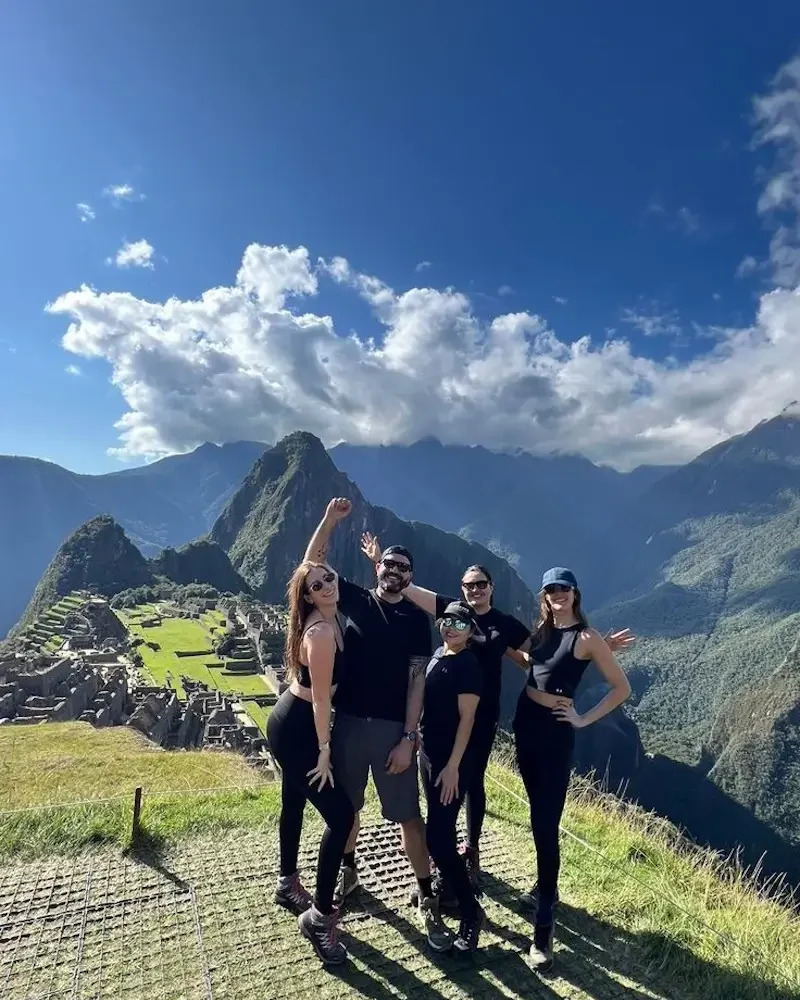
For many, Machu Picchu is the highlight of a trip to Peru. Trekking in the Sacred Valley enhances this experience by providing context and depth. Exploring Inca terraces, salt mines, and less-visited ruins before reaching the famous citadel allows you to better appreciate the sophistication of Inca engineering and the grandeur of their empire.
Sacred Valley Trekking Essentials
The Sacred Valley of the Incas is one of Peru’s most captivating trekking destinations. With its mix of breathtaking Andean landscapes, vibrant local culture, and impressive archaeological sites, it offers adventures for every traveler. But before you set out on the trails, it’s important to be well-prepared. Here are the essentials you’ll need to make the most of your Sacred Valley trekking experience.
Clothing and Footwear
- Layered clothing: The weather in the Andes can change quickly. Bring breathable layers for the day, a warm jacket for evenings, and a waterproof shell in case of rain.
- Hiking boots: Choose sturdy, broken-in boots with good ankle support to handle rocky terrain.
- Comfortable socks: Wool or moisture-wicking materials help prevent blisters.
- Hat and gloves: Early mornings and high-altitude areas can be chilly.
Gear and Accessories
- Daypack: A lightweight but durable backpack is essential for carrying water, snacks, and extra layers.
- Trekking poles: Useful for steep ascents and descents, especially on uneven Inca stone trails.
- Reusable water bottle or hydration pack: Staying hydrated is key, and reusable options reduce plastic waste.
- Sunglasses and sunscreen: High-altitude sun exposure is intense, even on cloudy days.
Health and Safety Essentials
- Altitude medication or remedies: The Sacred Valley sits at high elevations, so prepare for altitude changes.
- First aid kit: Include bandages, blister treatment, and basic medications.
- Insect repellent: Especially useful in lower, warmer areas near rivers.
- Travel insurance: Always recommended for adventure activities.
Snacks and Nutrition
- High-energy snacks: Nuts, dried fruit, chocolate, or granola bars will keep your energy up on long hikes.
- Electrolytes: Powdered packs or tablets help maintain hydration and prevent fatigue.
Respect for Local Culture and Environment
- Cash for small purchases: Many communities along the way sell crafts, snacks, or meals.
- Reusable bags and containers: Minimize your environmental impact by avoiding single-use plastics.
- Respectful mindset: Always ask before taking photos of people, and follow “leave no trace” principles on the trails.
Trekking Routes in the Sacred Valley

The Sacred Valley of the Incas, stretching between Cusco and Machu Picchu, offers some of the most rewarding trekking routes in Peru. With a combination of spectacular Andean scenery, ancient archaeological sites, and vibrant local communities, the valley is a paradise for hikers of all levels. Whether you’re looking for a gentle half-day hike or a challenging multi-day adventure, the Sacred Valley has something to offer.
Pisac to Urubamba
This classic trek begins at the impressive Pisac ruins, perched high above the town, and winds down through agricultural terraces and traditional villages before reaching Urubamba. It’s a moderate route that combines archaeology, landscapes, and culture, perfect for those looking for a full-day experience.
Chinchero to Urquillos
One of the most popular day hikes in the Sacred Valley, this trail follows an ancient Inca road. Starting in Chinchero, a village known for its textile traditions, the trek descends through beautiful mountain scenery into the fertile valley of Urquillos. It’s an ideal hike for travelers who want history, culture, and nature in a single route.
Moray and Maras Salt Mines
This route offers a fascinating glimpse into Inca agricultural ingenuity and traditional salt production. Trekkers begin at Moray, with its circular terraces once used for agricultural experiments, then continue through scenic trails to the Maras salt ponds, still in use today. The hike is moderate and provides spectacular photo opportunities.
Lares Trek (Extension from the Sacred Valley)
For those looking for a multi-day trek less crowded than the Inca Trail, the Lares Trek is an excellent choice. It passes through high mountain passes, turquoise lakes, and remote Andean villages, offering a deep cultural experience. While slightly outside the Sacred Valley, it is often combined with visits to the valley’s highlights before continuing to Machu Picchu.
Huchuy Qosqo Trek
This trek takes you to the lesser-known but stunning ruins of Huchuy Qosqo, which means “Little Cusco.” The hike features Inca stairways, panoramic views of the valley, and encounters with local communities. It’s a moderate route that can be done in one or two days, often ending in Lamay or Calca.
Ollantaytambo to Cachicata Quarry
For trekkers seeking something unique, this route leads from the town of Ollantaytambo up to the Cachicata quarry, where stones were once carved for Inca construction. Along the way, you’ll see waterfalls, farming terraces, and breathtaking views of the valley. This hike provides both history and physical challenge.
- Journey to the Heart of the Andes: A 15-Day Adventure from Cusco to San Pedro de Atacama 15 Days
- Andean Expedition Exploring the Treasures of Peru and Bolivia. 20 Days
- South America tourist package visiting Peru and Bolivia 25 days
- South America tour through the Andes of Peru, Bolivia and Chile.15 Days
- Discover South América with the Perú Bolivia Tour 14 Days
- South America trip: the best tour of Peru and Bolivia 10 Days
Tips for a Successful Trek
Trekking is one of the most fulfilling ways to connect with nature, discover new cultures, and challenge yourself physically. Whether you’re planning a short hike or a multi-day adventure in the mountains, good preparation and the right mindset can make all the difference. Here are essential tips to help you enjoy a safe, rewarding, and successful trek.
Prepare Your Body in Advance
Start training several weeks before your trek. Regular walks, cardio exercises, and light strength training will improve your endurance. If possible, practice hiking on trails with varied terrain to simulate real trekking conditions.
Choose the Right Gear
Comfort and safety begin with proper equipment. Invest in sturdy trekking boots, moisture-wicking clothing, and a reliable backpack. Don’t forget essentials such as trekking poles, a rain jacket, a hat, and quality socks to prevent blisters.
Pack Smart and Light
Carry only what you truly need. A heavy backpack can make even short hikes exhausting. Essentials include water, high-energy snacks, sunscreen, a first aid kit, and a map or GPS. If you’re on a multi-day trek, be strategic with clothing and keep everything organized.
Stay Hydrated and Eat Well
Drink water regularly, even if you don’t feel thirsty, to avoid dehydration. Pack light, nutritious snacks like nuts, dried fruit, or granola bars. On longer treks, make sure to eat balanced meals to maintain energy levels.
Acclimatize to the Altitude
If your trek is at high elevation, give your body time to adjust. Spend a couple of days at a moderate altitude before starting, move at a steady pace, and avoid alcohol. Altitude sickness can affect anyone, so listen to your body and descend if necessary.
Pace Yourself
Trekking is not a race. Walk at a comfortable pace, take breaks, and enjoy the journey. Rushing can lead to exhaustion or injuries, while steady progress ensures you conserve energy and appreciate the scenery.
Respect Nature and Local Culture
Follow the principle of Leave No Trace by carrying out your waste and avoiding damage to the environment. Respect local customs, ask before taking photos of people, and support communities by purchasing local products.
Travel with a Guide or Group
If you’re new to trekking or exploring a remote area, consider hiring a local guide or joining a group. Guides provide safety, knowledge of the terrain, and cultural insights that enrich your experience.
Safety and Health Tips for Trekking

Trekking is one of the most rewarding ways to explore new destinations, combining physical activity with breathtaking landscapes and cultural encounters. However, the beauty of the trails often comes with challenges such as altitude, weather changes, and remote terrain. Staying safe and healthy is essential to fully enjoy your trekking adventure. Here are key tips to keep in mind before and during your journey.
Prepare Physically Before You Go
Building stamina and strength before your trek can make the experience more enjoyable. Regular walking, cardio, and light strength training help condition your body for long hours on the trail. If your trek involves altitude, practice hiking on varied terrain to prepare your legs and lungs.
Acclimatize to the Altitude
High-altitude trekking, especially in regions like the Andes or Himalayas, can cause altitude sickness. Spend a few days at a moderate elevation before beginning your trek, stay hydrated, and avoid alcohol. If needed, consult your doctor about preventive medication.
Pack Essential Safety Gear
- A well-fitted backpack
- Sturdy trekking boots
- Weather-appropriate layers
- A first aid kit with personal medications
- Trekking poles for balance and joint support
- A flashlight or headlamp with spare batteries
Stay Hydrated and Nourished
Dehydration and fatigue are common trekking challenges. Drink water regularly and carry electrolyte tablets or powders to replenish salts lost through sweat. Pack high-energy snacks such as nuts, dried fruit, and granola bars to maintain energy levels.
Protect Yourself from the Elements
- Use sunscreen and sunglasses to avoid sunburn and snow blindness at high altitudes.
- Wear a hat and light clothing for sun protection.
- Carry rain gear or a waterproof jacket in case of sudden showers.
- Bring gloves and a warm layer for cold mornings and evenings.
Know Your Limits
Listen to your body and don’t push beyond safe limits. If you feel dizzy, extremely fatigued, or develop severe headaches, stop and rest. In high-altitude areas, descending to a lower elevation may be necessary.
Respect Local Culture and Environment
Trekking often takes you through traditional communities and pristine landscapes. Always respect local customs, ask before photographing people, and practice Leave No Trace principles by carrying out all waste.
Consider a Local Guide
Hiring a guide not only enhances your safety but also enriches your experience with cultural insights and local knowledge of the terrain. They can provide assistance in emergencies and ensure you follow the best routes.
Ready to embark on the adventure of a lifetime? At Leading Travel, we are experts in designing tailor-made tour packages that will transform the way you travel. Our local knowledge and attention to detail guarantee that your Sacred Valley trekking experience will be unforgettable. We are not only your best choice, we are your ultimate travel partner.
- Eplore Peru: From Vibrant Lima to Mystical Machu Picchu and Majestic Lake Titicaca 8 Days
- Perú Travel with Tour Lima Cusco Machu Picchu Lake Titicaca 7 Days
- Explore the Wonders of Cusco with City Tour and Machu Picchu 3 Days
- Explore Peru with the Lima Cusco Machu Picchu Huayna Picchu Tour 6 Days
Don’t wait any longer! Follow us on Instagram to see our clients’ exciting adventures and join our community on Facebook for the latest news and special offers. Live the adventure, live Leading Travel.
With Leading Travel, every step you take to new heights is filled with the promise of wonder, learning and, of course, fun. Let us make your next great trip a reality!
CONTACT US:
We are a Travel Agency specialized in tourist packages, if you need any information, do not hesitate to write to us.
We offer tours in Peru and Bolivia.