

Discover the Wonders of Machu Picchu Trips
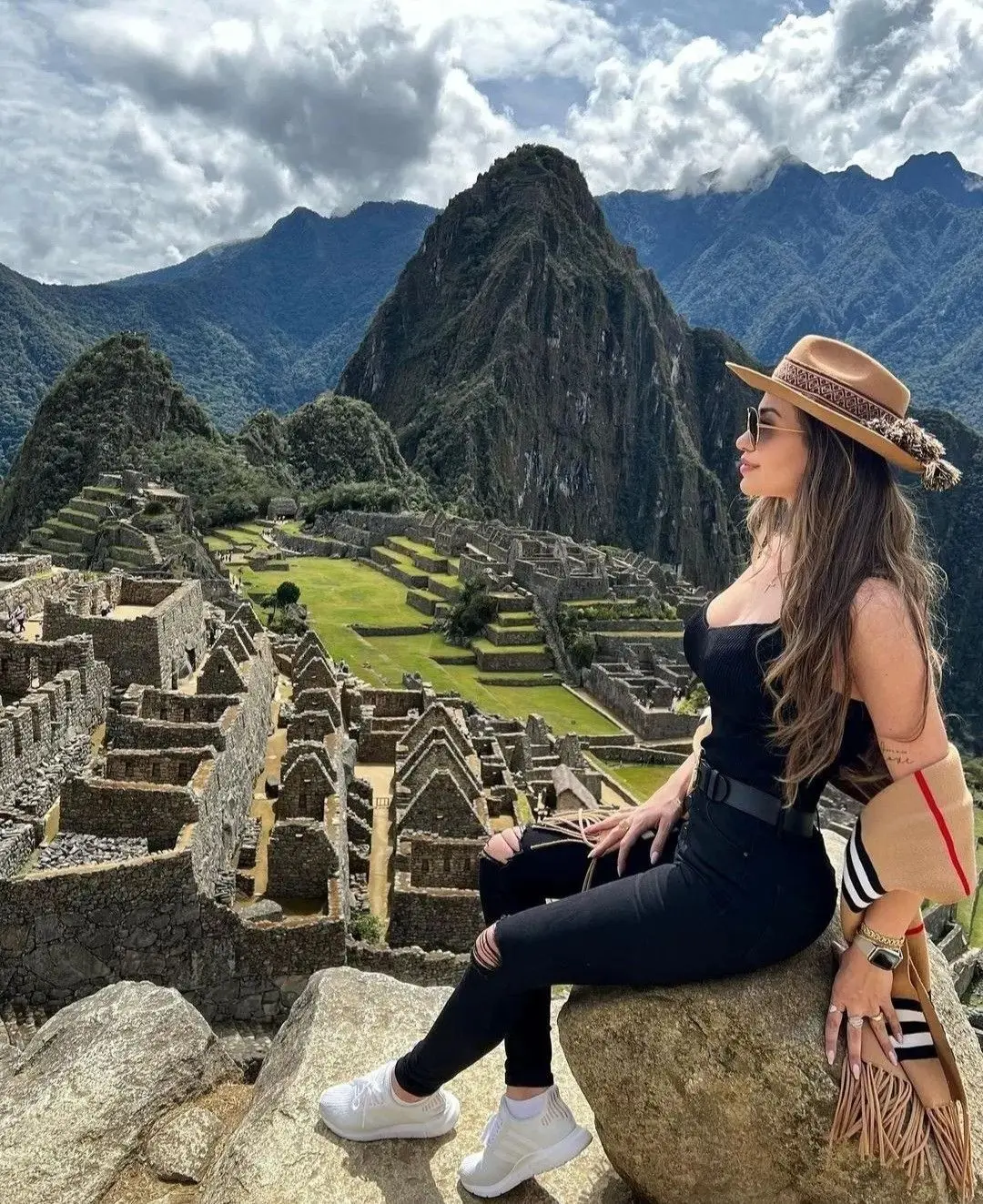
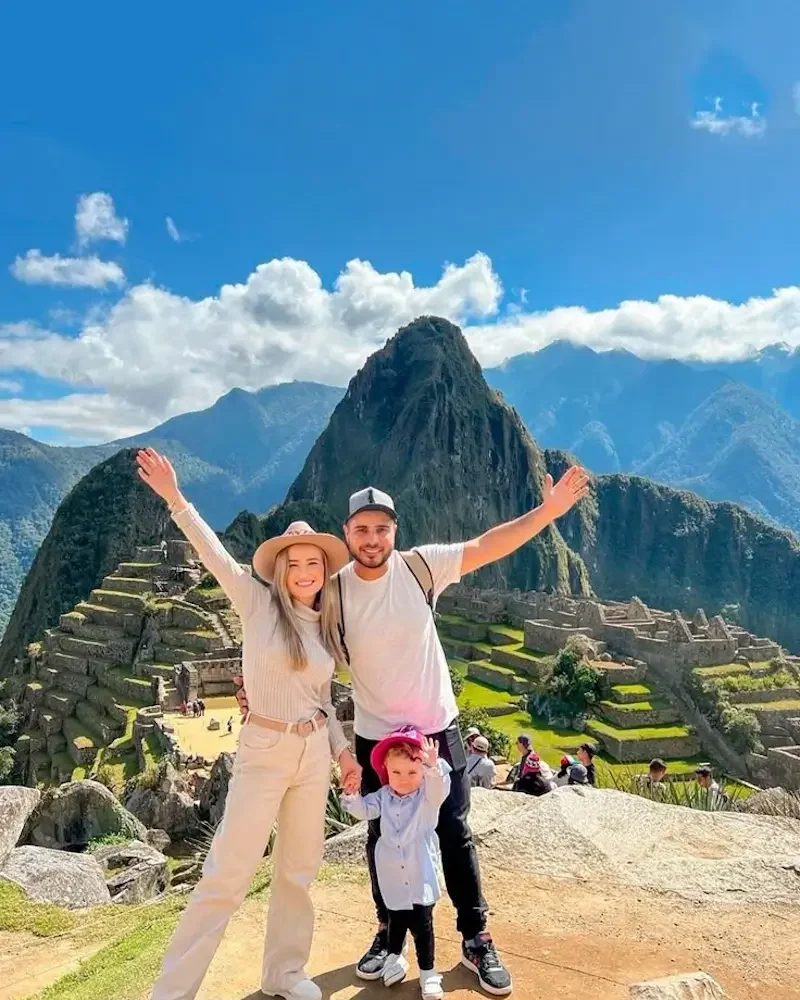
Machu Picchu, one of the New Seven Wonders of the World, is an iconic destination that blends history, nature, and adventure. Nestled high in the Andes Mountains of Peru, this archaeological marvel attracts thousands of visitors each year. This comprehensive guide will help you plan your trip, offering insights into how to get there, what to see, and tips for a memorable visit.
- Discover the Wonders of Peru: with the Tour Perú Machu Picchu Nazca 15 Days
- Discover the Best of Perú: with the Tour Perú Amazon Nazca Machu Picchu 20 Days
- Travel Package to Peru Tour in Lima, Paracas, Ballestas, Nazca Lines, Colca Canyon 22 Days
How to Get to Machu Picchu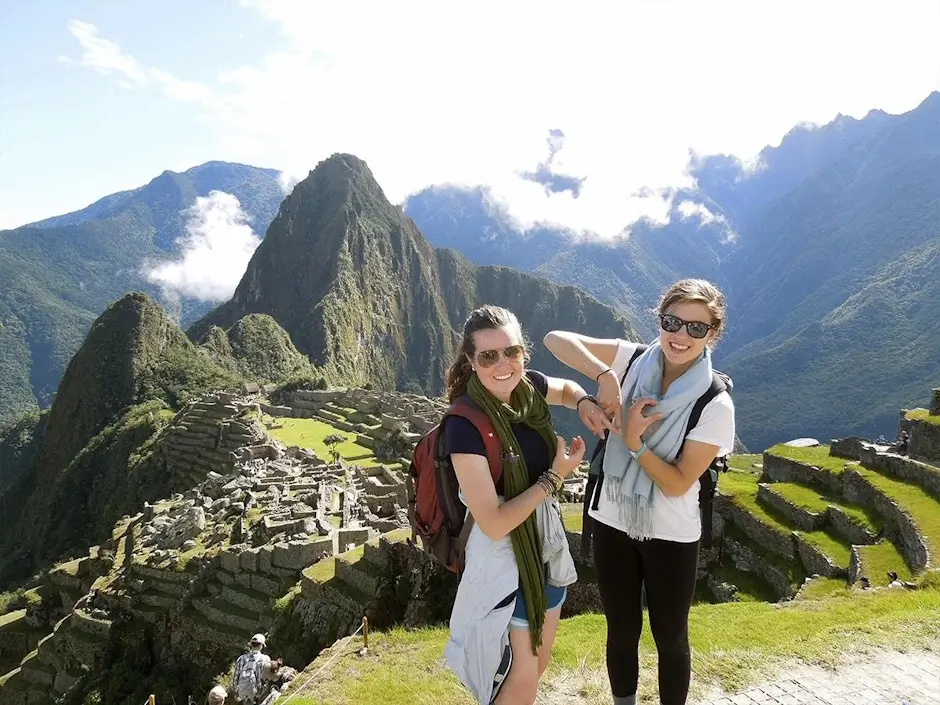
Machu Picchu, the legendary Incan citadel perched high in the Peruvian Andes, is a bucket-list destination for travelers from around the world. Planning your journey to this ancient wonder is essential to fully enjoy the experience. Here’s a guide on how to get to Machu Picchu and make the most of your visit.
Arriving in Cusco
Most travelers start their journey in Cusco, the historic capital of the Inca Empire. Cusco is well-connected by air, with daily flights from Lima, Peru’s capital. Spending a few days in Cusco allows you to acclimatize to the high altitude and explore nearby attractions like Sacsayhuamán, Qorikancha, and the vibrant San Pedro Market.
The Train to Aguas Calientes
From Cusco or the Sacred Valley, the most popular way to reach Machu Picchu is by train. Trains depart from Cusco’s Poroy Station or the Ollantaytambo Station in the Sacred Valley, traveling along the scenic Urubamba River. The journey offers breathtaking views of mountains, valleys, and waterfalls, and usually takes between 3 to 4 hours. Aguas Calientes, the town at the base of Machu Picchu, serves as the gateway to the site.
Hiking the Inca Trail
For adventurous travelers, hiking the Inca Trail is an unforgettable way to reach Machu Picchu. The classic 4-day trek passes through cloud forests, archaeological sites, and breathtaking mountain landscapes before arriving at the Sun Gate with the first view of Machu Picchu at sunrise. Permits are limited, so booking in advance is essential.
Alternative Treks
If the classic Inca Trail is fully booked, there are alternative treks like the Salkantay Trek or the Lares Trek. These routes offer equally stunning scenery and cultural experiences, often with fewer crowds. Guided treks usually include camping, meals, and local support.
From Aguas Calientes to Machu Picchu
Once in Aguas Calientes, travelers can reach Machu Picchu by bus or on foot. The shuttle bus takes about 25 minutes, climbing a winding road up to the entrance. For those who prefer hiking, the climb takes roughly 1 to 2 hours, providing spectacular views along the way.
Practical Tips
- Purchase tickets to Machu Picchu in advance, especially during high season.
- Bring comfortable shoes, sun protection, water, and snacks.
- Consider hiring a guide to fully appreciate the history and significance of the site.
What to See in Machu Picchu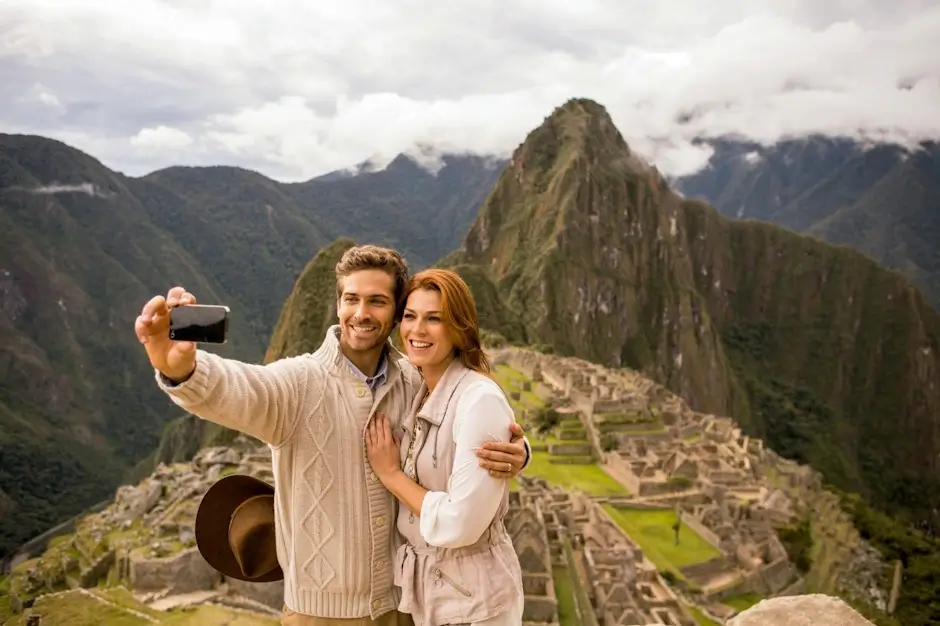
Machu Picchu, the iconic Incan citadel high in the Andes, is a treasure trove of history, architecture, and breathtaking scenery. Exploring this ancient site is like stepping back in time, where every corner tells a story. Here’s a guide to the must-see highlights of Machu Picchu.
The Main Entrance and Guardhouse
Your journey begins at the main entrance, where you’ll often catch your first glimpse of the citadel’s dramatic terraces and stone structures. The Guardhouse offers a panoramic view of the entire site, perfect for taking in the layout and snapping photos.
The Temple of the Sun
One of the most important religious sites in Machu Picchu, the Temple of the Sun is renowned for its semicircular design and precise stonework. Ancient Incas used this temple to observe the sun during solstices, making it a sacred place for astronomical and ceremonial purposes.
The Intihuatana Stone
Known as the “Hitching Post of the Sun,” the Intihuatana Stone is a ritual stone believed to anchor the sun during its annual journey. Its intricate carvings demonstrate the Incas’ advanced understanding of astronomy and serve as a fascinating highlight for history enthusiasts.
The Temple of the Three Windows
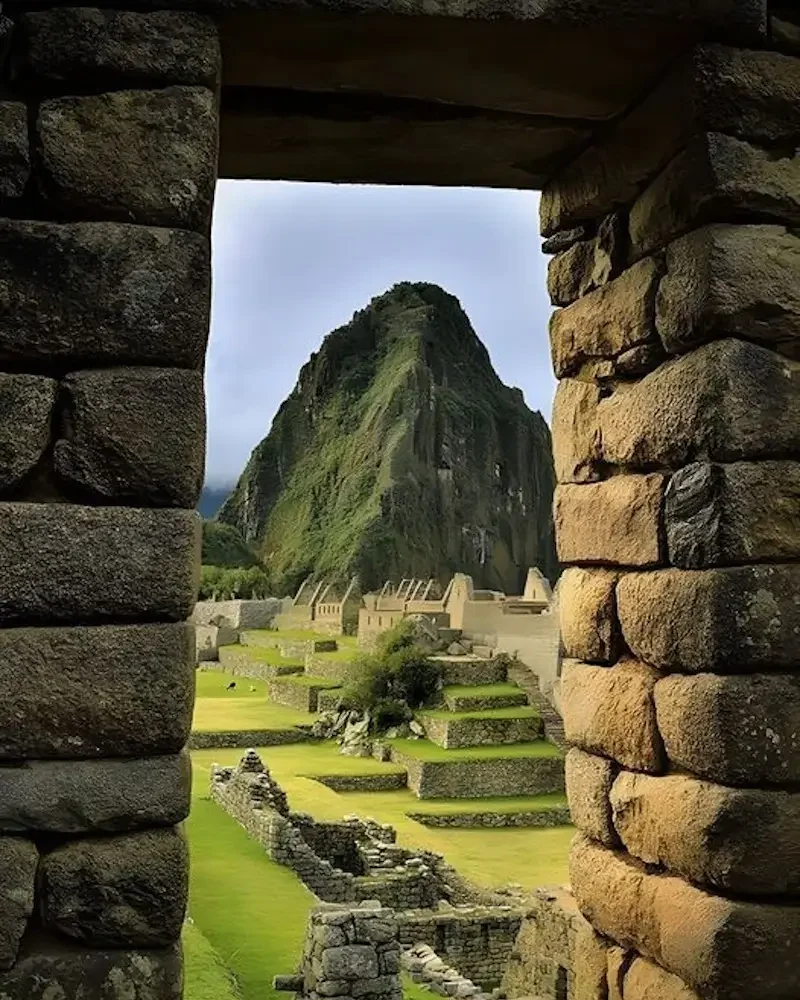
This temple is famous for its three large trapezoidal windows that perfectly frame the surrounding mountains and valleys. It’s a testament to Inca architectural ingenuity and offers a serene spot to admire the breathtaking landscape.
Agricultural Terraces
The extensive terraces that cover the slopes of Machu Picchu were used for agriculture, preventing erosion and maximizing arable land. Walking along these terraces provides insight into the Inca’s sustainable farming practices and engineering skills.
The Royal Palace and Residential Areas
Explore the stone structures where the Inca elite once lived. The Royal Palace features multiple levels and finely crafted walls, showcasing the sophisticated construction techniques of the Inca civilization. The residential areas reveal daily life and community organization within the citadel.
Huayna Picchu and Machu Picchu Mountain
For those seeking adventure and panoramic views, hiking Huayna Picchu or Machu Picchu Mountain is a must. These trails offer unique perspectives of the citadel and the surrounding cloud forests, rewarding hikers with unforgettable vistas.
Scenic Vistas and Hidden Corners
Beyond the main attractions, wandering through Machu Picchu reveals hidden terraces, stairways, and stone structures that few visitors notice. Take time to explore quietly and discover the magic of lesser-known areas.
Tips for a Successful Visit to Machu Picchu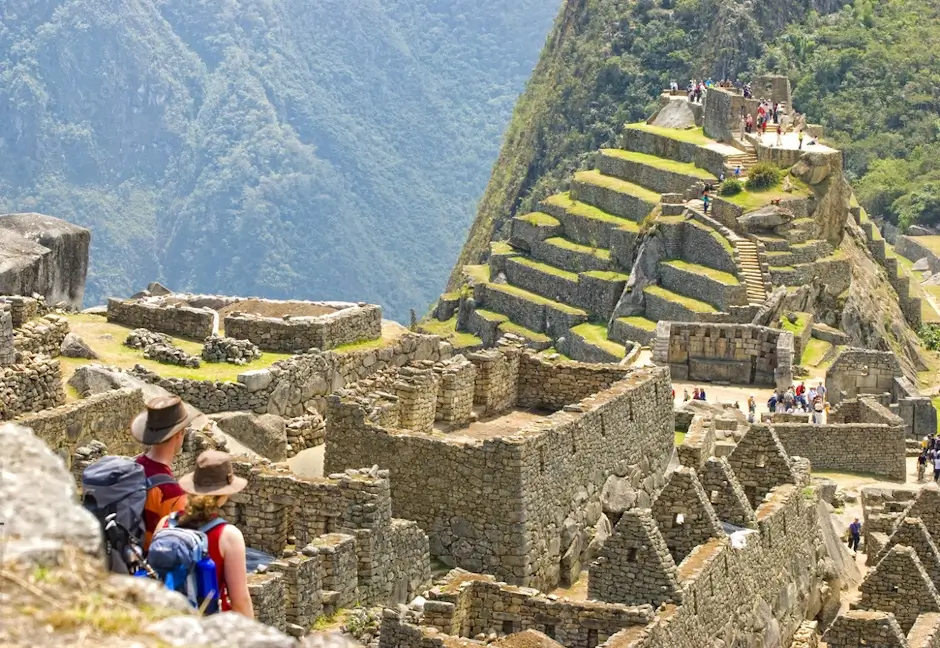
Visiting Machu Picchu is a dream for travelers worldwide, but careful planning is key to making your trip truly memorable. From securing tickets to choosing the right gear, here are essential tips for a successful visit to this ancient Incan citadel.
Plan and Book in Advance
Machu Picchu is one of the most visited sites in South America, and tickets can sell out quickly, especially during peak season (May to September). Book your entrance tickets, train tickets, and guided tours well in advance to secure your spot.
Consider Guided Tours
A knowledgeable guide can transform your visit by sharing insights into the history, culture, and spiritual significance of Machu Picchu. Guided tours often include hidden gems within the site that most visitors might miss.
Arrive Early or Late
Visiting early in the morning or later in the afternoon helps you avoid large crowds and enjoy a more peaceful experience. Early mornings also offer the magical misty views that Machu Picchu is famous for.
Dress Comfortably and Prepare for the Weather
Weather in the Andes can change quickly. Wear comfortable clothing in layers, sturdy hiking shoes, a hat, and sunscreen. Don’t forget a light rain jacket in case of sudden showers.
Stay Hydrated and Bring Snacks
Walking around the citadel can be physically demanding. Carry water and light snacks, but remember that food is not allowed inside Machu Picchu itself, so plan accordingly.
Protect Your Electronics
Machu Picchu offers countless photogenic spots. Bring a camera or smartphone, but make sure to protect your electronics from rain, dust, and the occasional fog.
Respect the Site
Machu Picchu is a UNESCO World Heritage Site, so it’s essential to follow all rules. Stick to marked paths, avoid touching delicate structures, and do not remove any stones or artifacts.
Acclimate to the Altitude
Cusco and the surrounding areas sit at high elevations. Spend a few days in the region before your visit to acclimate and reduce the risk of altitude sickness.
Consider Alternative Routes
While the classic Inca Trail is popular, there are alternative treks like the Salkantay or Lares routes that lead to Machu Picchu and offer fewer crowds with equally breathtaking scenery.
Best Time to Visit Machu Picchu
Machu Picchu, the legendary Incan citadel in the Peruvian Andes, is a destination that captivates travelers year-round. However, the timing of your visit can significantly affect your experience. Understanding the seasons, weather, and visitor patterns will help you choose the best time to explore this iconic site.
Dry Season: May to September
The dry season is widely considered the best time to visit Machu Picchu. From May to September, the weather is generally sunny and stable, offering clear skies and ideal conditions for hiking, photography, and sightseeing. June, July, and August are peak months, so expect larger crowds but unforgettable views of the citadel under bright skies.
Wet Season: November to March
The wet season brings frequent rain showers and mist, which can make trails slippery but also create a magical, mystical atmosphere. Visiting during these months means fewer tourists and a more serene experience. Keep in mind that some treks, like the Inca Trail, may close in February for maintenance.
Shoulder Seasons: April and October
April and October are transitional months between the wet and dry seasons. These months often provide a balance of fewer crowds, manageable weather, and lush green landscapes. They are excellent choices for travelers seeking both good conditions and a quieter experience.
Daily Timing Considerations
Early morning visits are ideal for avoiding crowds and catching the mystical morning fog. The late afternoon can also offer dramatic lighting and a more tranquil atmosphere. Scheduling your visit at these times enhances both photography opportunities and the overall experience.
Other Considerations
- Festivals and Holidays: Be aware of local holidays, such as Inti Raymi in June, which attracts additional visitors.
- Altitude Acclimatization: Spend a few days in Cusco or the Sacred Valley to adjust to the altitude before visiting Machu Picchu.
- Advance Booking: Regardless of the season, booking tickets in advance ensures you secure your preferred date and time.
Planning and Reservations: Everything You Need to Know for Machu Picchu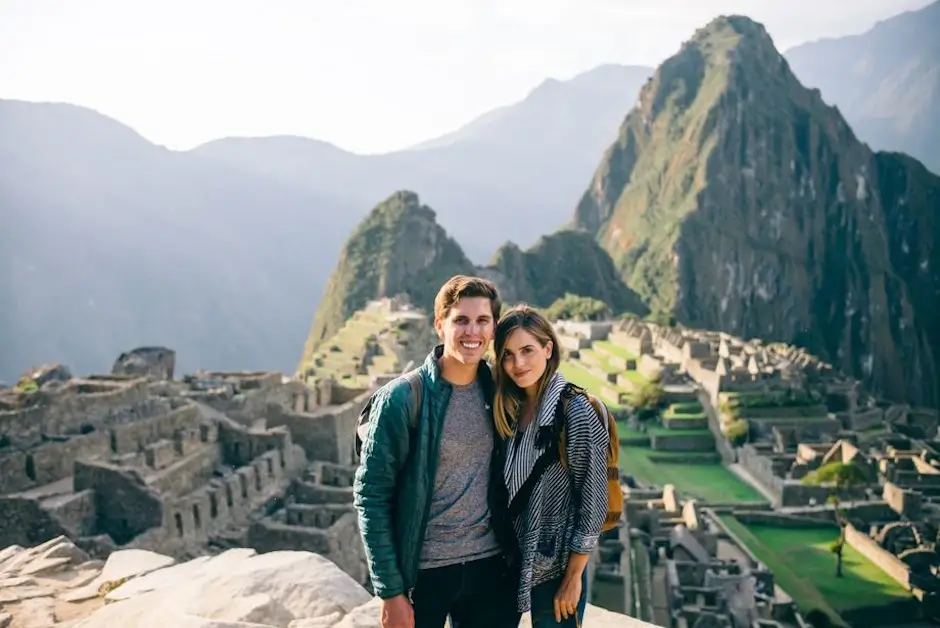
Machu Picchu, the iconic Incan citadel, is one of the most visited destinations in the world. Proper planning and timely reservations are essential to ensure a smooth and unforgettable experience. Here’s a complete guide to help you prepare for your journey.
Entrance Tickets
Machu Picchu limits the number of daily visitors to preserve the site. Tickets often sell out months in advance, especially during peak season (May to September). Tickets are available online or through authorized travel agencies. Decide whether you want a basic entrance ticket, or one that includes access to Huayna Picchu or Machu Picchu Mountain, as these require separate permits.
Train and Transportation
Most travelers reach Machu Picchu via train from Cusco or the Sacred Valley to Aguas Calientes, the town at the base of the citadel. Train tickets should be booked early, particularly during high season. From Aguas Calientes, shuttle buses or hikes take visitors up to the entrance of Machu Picchu.
Guided Tours
Hiring a guide enriches your visit by providing historical, cultural, and architectural insights. Guided tours can be arranged in advance or booked upon arrival in Aguas Calientes. Advance booking is recommended to ensure availability, especially for private or specialized tours.
Accommodation
Aguas Calientes has a range of accommodations, from budget hostels to luxury hotels. Staying overnight allows for early morning or late afternoon visits, which are ideal for avoiding crowds and enjoying the site in a more serene setting. Booking your hotel in advance ensures the best selection and rates.
Trekking Permits
If you plan to hike the Inca Trail, Salkantay Trek, or Lares Trek, permits must be reserved months in advance. The Inca Trail, in particular, is highly regulated, with limited daily permits. Consider alternative treks if the classic route is fully booked.
Practical Tips for Reservations
- Book tickets, trains, and accommodations at least 3–6 months in advance during peak season.
- Check the validity of your passport and any travel documents.
- Plan your visit considering altitude acclimatization in Cusco or the Sacred Valley.
- Confirm cancellation and refund policies for all bookings.
Flexibility and Preparation
Even with careful planning, weather conditions or unforeseen events may require adjustments. Pack appropriately, stay informed about local conditions, and maintain a flexible mindset to make the most of your Machu Picchu experience.
Cultural and Historical Insights of Machu Picchu
Machu Picchu, the renowned Incan citadel perched high in the Peruvian Andes, is not only a marvel of architecture and engineering but also a profound cultural and historical treasure. Understanding its significance enhances every visitor’s experience, revealing the legacy of the Inca civilization.
The Inca Civilization
Built in the 15th century under the reign of Emperor Pachacuti, Machu Picchu served as a royal estate and religious sanctuary. The Incas were master builders and planners, and the citadel exemplifies their advanced knowledge of stone construction, astronomy, and agriculture. Each structure reflects careful planning and harmonious integration with the surrounding mountains and rivers.
Spiritual Significance
Machu Picchu was more than a residential site; it held deep spiritual and ceremonial importance. Temples like the Temple of the Sun and ritual stones such as the Intihuatana were designed to honor the sun, moon, and natural elements. The Incas believed that aligning their structures with celestial events maintained balance and harmony between humans and nature.
Architectural Genius
The citadel demonstrates remarkable engineering. Terraces prevented landslides, sophisticated drainage systems managed rainfall, and precisely cut stones fit together without mortar, surviving centuries of earthquakes. These features reveal the Incas’ deep understanding of sustainability and resilience.
Agricultural Innovation
Machu Picchu’s terraces allowed the cultivation of crops at different altitudes. This innovation not only sustained the inhabitants but also reflected the Incas’ knowledge of microclimates and soil management. Today, these terraces remain a testament to ancient agricultural ingenuity.
Rediscovery and Preservation
Although Machu Picchu remained hidden from the outside world for centuries, its rediscovery in 1911 by Hiram Bingham brought global attention to Incan culture. Today, UNESCO recognizes it as a World Heritage Site, highlighting the importance of preserving both its physical structures and cultural heritage.
Cultural Connection for Visitors
Exploring Machu Picchu allows visitors to connect with the Inca worldview, philosophy, and way of life. Guided tours provide insights into daily life, religious practices, and the broader historical context of the Inca Empire. This connection transforms a sightseeing trip into a meaningful cultural experience.
Practical Information for Travelers to Machu Picchu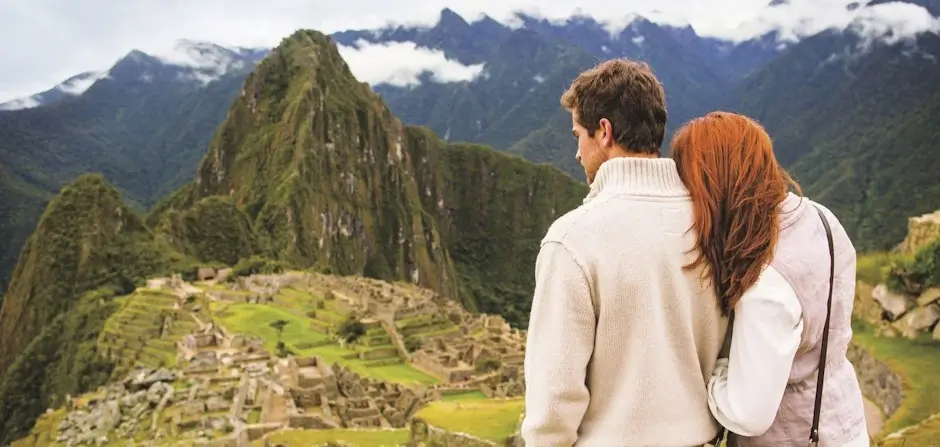
Visiting Machu Picchu, one of the world’s most iconic destinations, requires careful planning and preparation. From transportation and tickets to health and safety tips, knowing the practical details ensures a smooth and enjoyable experience.
Entrance Tickets
Machu Picchu limits daily visitors to protect the site. Tickets must be purchased in advance online or through authorized travel agencies. Decide whether to include access to Huayna Picchu or Machu Picchu Mountain, as these require separate permits.
How to Get There
Most travelers reach Machu Picchu via train from Cusco or the Sacred Valley to Aguas Calientes. From there, shuttle buses or hiking trails lead up to the citadel. Alternative treks, like the Salkantay or Lares routes, offer adventurous ways to arrive while experiencing Peru’s scenic landscapes.
Accommodation
Aguas Calientes offers a range of lodging options, from budget hostels to luxury hotels. Staying overnight allows for early morning or late afternoon visits to Machu Picchu, providing a more tranquil experience and better photography opportunities.
Best Times to Visit
The dry season (May to September) is ideal for clear skies and stable weather, while the wet season (November to March) offers fewer crowds and a mystical atmosphere. Early morning or late afternoon visits help avoid large groups and enjoy softer light for photos.
Health and Safety
- Altitude: Spend a few days in Cusco or the Sacred Valley to acclimate to high altitudes.
- Hydration and Sun Protection: Carry water, sunscreen, and a hat.
- Footwear: Wear sturdy shoes suitable for walking and uneven terrain.
Rules and Etiquette
Follow all site rules to preserve the heritage of Machu Picchu. Stay on marked paths, avoid touching the ruins, and do not remove stones or artifacts. Respect local customs and the natural environment.
What to Bring
Pack light but include essentials: camera, rain jacket, snacks (outside the site), and a small backpack. Mobile phones and cameras are allowed, but drones require special permits.
Guided Tours
Hiring a guide enhances the visit with historical, cultural, and architectural insights. Guided tours can be arranged in advance or locally in Aguas Calientes.
- Journey to the Heart of the Andes: A 15-Day Adventure from Cusco to San Pedro de Atacama 15 Days
- Andean Expedition Exploring the Treasures of Peru and Bolivia. 20 Days
- South America tourist package visiting Peru and Bolivia 25 days
- South America tour through the Andes of Peru, Bolivia and Chile.15 Days
- Discover South América with the Perú Bolivia Tour 14 Days
- South America trip: the best tour of Peru and Bolivia 10 Days
Accommodation Options Near Machu Picchu
Visiting Machu Picchu is a once-in-a-lifetime experience, and choosing the right accommodation can enhance your trip. From luxury hotels to cozy hostels, the areas around Machu Picchu offer a range of lodging options to suit every traveler’s preference and budget.
Aguas Calientes – The Gateway Town
Most visitors stay in Aguas Calientes, the town at the base of Machu Picchu. This convenient location allows for early morning access to the citadel and late afternoon visits when the crowds are smaller. Aguas Calientes offers a variety of hotels, restaurants, and shops, making it the most practical choice for most travelers.
Luxury Hotels
For those seeking comfort and exclusive experiences, luxury hotels in Aguas Calientes provide high-end amenities such as spa services, gourmet dining, and personalized tours. Many of these hotels offer stunning views of the surrounding mountains and easy access to the train station. Staying in a luxury hotel ensures a relaxing and indulgent start or end to your Machu Picchu adventure.
Mid-Range Hotels
Mid-range hotels offer a balance of comfort and affordability. These accommodations often include comfortable rooms, on-site dining, and helpful concierge services. They provide a convenient and comfortable base for exploring Machu Picchu without the higher costs of luxury lodgings.
Budget Hostels and Guesthouses
Backpackers and budget-conscious travelers can find a variety of hostels and guesthouses in Aguas Calientes. These options offer basic amenities and communal spaces, providing a friendly and social atmosphere. Many hostels also organize tours and transportation to Machu Picchu, making it easy to plan your visit.
Staying in the Sacred Valley or Cusco
Some travelers choose to stay in the Sacred Valley or Cusco and take a day trip to Machu Picchu by train. This option offers a wider range of accommodations and allows visitors to explore other attractions in the region. While this requires longer travel times to Machu Picchu, it can be ideal for those who want to combine cultural and historical exploration with their visit.
Tips for Booking Accommodation
- Book early, especially during peak season (May to September).
- Consider proximity to the train station or Machu Picchu entrance.
- Check cancellation policies and amenities offered.
- Look for hotels that provide shuttle services or guided tour arrangements.
Sustainable Tourism Practices at Machu Picchu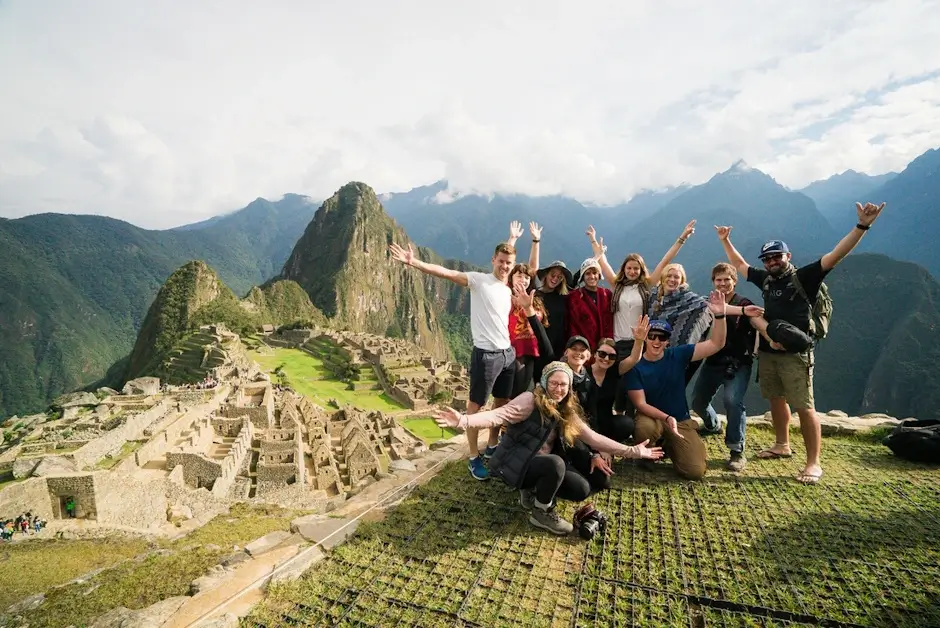
Machu Picchu, one of the world’s most visited archaeological sites, is a symbol of Incan ingenuity and natural beauty. To ensure that this extraordinary site is preserved for future generations, sustainable tourism practices are essential. Travelers can play a vital role in protecting both the cultural heritage and the surrounding environment.
Respect the Ruins
Visitors should stay on designated paths and avoid touching or climbing the ancient stone structures. Respecting these boundaries helps protect fragile architecture from erosion and damage caused by high foot traffic.
Minimize Waste
Carrying reusable bottles, bags, and containers reduces the amount of plastic and other waste in the area. All trash should be disposed of properly in designated bins, and any waste generated during treks should be packed out responsibly.
Eco-Friendly Transportation
Opt for trains, buses, or organized treks that minimize environmental impact. Walking and hiking where possible also reduces carbon emissions and allows for a closer connection to the surrounding landscape.
Support Local Communities
Choosing local guides, dining at local restaurants, and purchasing handcrafted souvenirs ensures that tourism benefits the nearby communities. This fosters economic growth and helps preserve local culture and traditions.
Practice Responsible Trekking
Trekking routes like the Inca Trail, Salkantay, or Lares require careful planning. Stick to trails, respect wildlife, and avoid damaging plants or archaeological features. Small group sizes and permits help maintain the ecological balance along the routes.
Learn and Educate
Participating in guided tours or educational programs enhances understanding of the cultural and ecological significance of Machu Picchu. Informed travelers are more likely to follow responsible practices and encourage others to do the same.
An Unforgettable Experience Machu Picchu trips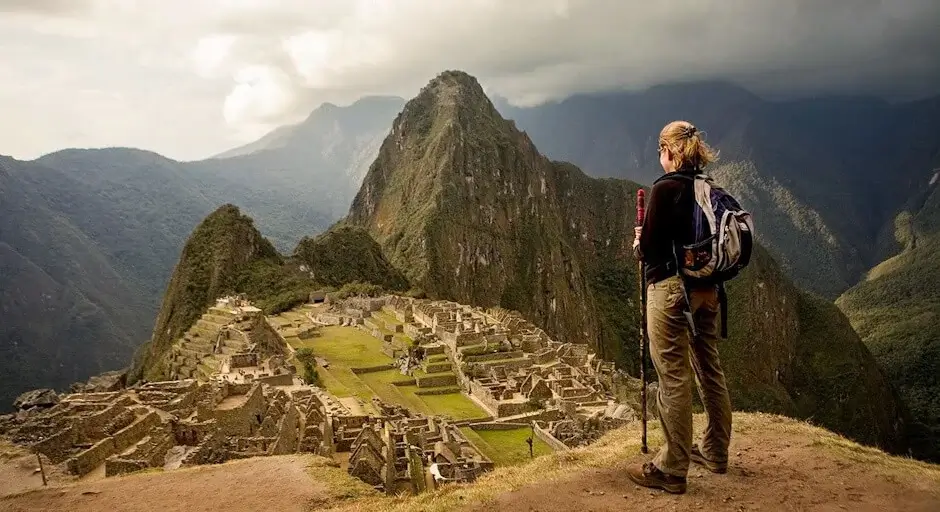
Visiting Machu Picchu is more than a trip; it is a journey into history, culture, and breathtaking natural beauty. Perched high in the Peruvian Andes, this legendary Incan citadel offers an experience that captivates travelers and leaves memories that last a lifetime.
A Journey Through History
Machu Picchu, often called the “Lost City of the Incas,” was built in the 15th century under Emperor Pachacuti. Walking through its carefully crafted stone structures, temples, and terraces, visitors can feel the ingenuity and spiritual devotion of the Inca civilization. Each corner of the citadel tells a story, from religious rituals to daily life in this extraordinary mountain city.
Stunning Natural Landscapes
Surrounded by lush cloud forests and towering peaks, Machu Picchu provides awe-inspiring vistas at every turn. The winding paths, misty mornings, and golden sunsets create a magical atmosphere that complements the historical significance of the site. Nature and architecture blend seamlessly, making every photograph unforgettable.
Adventure and Exploration
Whether hiking the classic Inca Trail, climbing Huayna Picchu, or exploring the hidden corners of the citadel, visitors are treated to a sense of adventure at every step. Each trail offers unique perspectives and opportunities to connect deeply with the land and its history.
Cultural and Spiritual Connection
Machu Picchu is a place of cultural and spiritual significance. Guided tours provide insights into Incan rituals, astronomy, and architecture, while the serene environment invites personal reflection. Many visitors describe a profound sense of connection to both the past and the natural world around them.
Tips for an Unforgettable Experience
Arrive Early: Beat the crowds and enjoy the morning mist that shrouds the citadel.
Hire a Guide: Gain deeper understanding of the history, culture, and spiritual meaning.
Dress Comfortably: Wear layers and sturdy shoes for hiking and exploring.
Take Your Time: Explore slowly, appreciating both the grand vistas and hidden details.
- Eplore Peru: From Vibrant Lima to Mystical Machu Picchu and Majestic Lake Titicaca 8 Days
- Perú Travel with Tour Lima Cusco Machu Picchu Lake Titicaca 7 Days
- Explore the Wonders of Cusco with City Tour and Machu Picchu 3 Days
- Explore Peru with the Lima Cusco Machu Picchu Huayna Picchu Tour 6 Days
For more information and to book your trip, contact us on WhatsApp. Follow us on Instagram for the latest updates and travel inspiration.
CONTACT US:
We are a Travel Agency specialized in tourist packages, if you need any information, do not hesitate to write to us.
We offer tours in Peru and Bolivia.