

Ultimate Adventure on the Inca Trail Hiking to Machu Picchu
Few journeys in the world match the magic, challenge, and reward of hiking the Inca Trail to Machu Picchu. This legendary route, once used by the Inca civilization, is more than just a trek — it is a step back in time, a test of endurance, and a gateway to one of the most breathtaking wonders on Earth.
- Journey to the Heart of the Andes: A 15-Day Adventure from Cusco to San Pedro de Atacama 15 Days
- Andean Expedition Exploring the Treasures of Peru and Bolivia. 20 Days
- South America tourist package visiting Peru and Bolivia 25 days
- South America tour through the Andes of Peru, Bolivia and Chile.15 Days
- Discover South América with the Perú Bolivia Tour 14 Days
- South America trip: the best tour of Peru and Bolivia 10 Days
History and Significance of the Inca Trail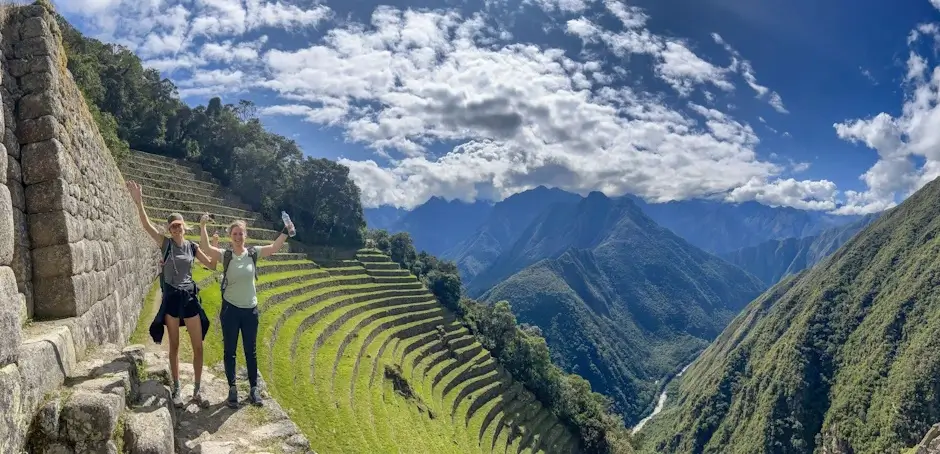
The Inca Trail is more than just a hiking route through the Peruvian Andes — it is a cultural and historical legacy that has endured for centuries. Built by the Incas over 500 years ago, this network of stone paths formed part of the Qhapaq Ñan, an extensive system of roads that connected the vast Inca Empire, stretching from present-day Colombia to Chile and Argentina.
An Ancient Engineering Marvel
The Incas designed the trail with remarkable skill, carving pathways through rugged mountains, dense cloud forests, and deep valleys. Using local stone and precise construction techniques, they created a durable route that has withstood the test of time. Along the way, the trail connects a series of archaeological sites — from agricultural terraces and guard posts to ceremonial centers — each strategically positioned for communication, defense, or spiritual purposes.
A Sacred Route to Machu Picchu
The Inca Trail was not just a practical road; it was a sacred journey. Many historians believe that this route was used by Inca nobility, priests, and pilgrims traveling to Machu Picchu, which served as an important religious and ceremonial center. Passing through sites such as Runkurakay, Sayacmarca, and Wiñay Wayna, the trail follows a spiritual path, culminating in the Sun Gate (Inti Punku) — the grand entrance to Machu Picchu.
Preservation and Global Recognition
Today, the Inca Trail is recognized as a UNESCO World Heritage Site, celebrated for its historical importance and cultural value. Strict regulations limit the number of visitors each day to preserve its condition, ensuring that future generations can experience the same sense of wonder. Hiking the trail is both a privilege and a responsibility — a chance to walk where the Incas once walked while helping protect this treasure.
Why It Matters
The Inca Trail is not only a gateway to one of the New Seven Wonders of the World; it is a living reminder of the ingenuity, spirituality, and resilience of the Inca civilization. Every stone laid along its path speaks of a deep connection between people, land, and culture, making it one of the most meaningful journeys a traveler can undertake.
Preparing for the Inca Trail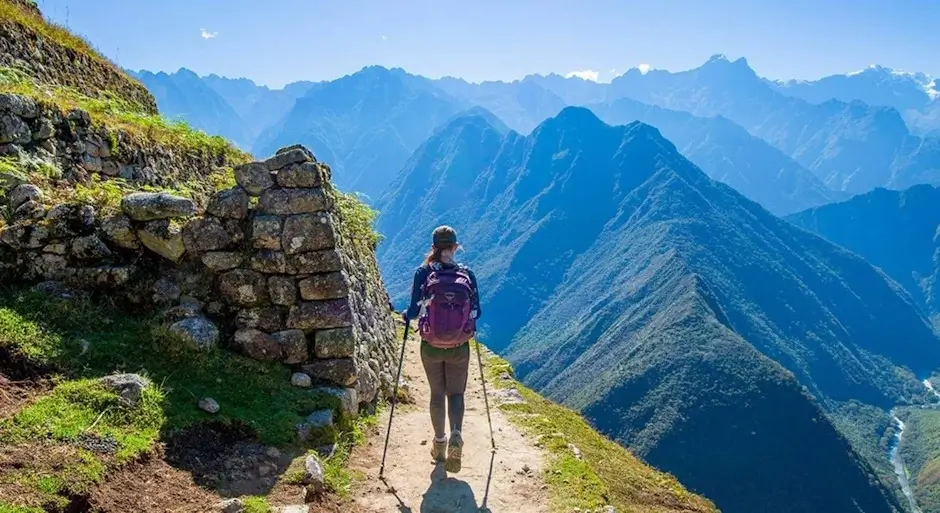
Hiking the Inca Trail to Machu Picchu is an unforgettable journey — but it’s also a demanding adventure that requires careful preparation. From physical training to packing the right gear, taking the time to prepare ensures you can enjoy the experience to its fullest and meet its challenges with confidence.
Get in Shape Before You Go
The Inca Trail covers approximately 42 kilometers (26 miles) and includes steep climbs, rocky descents, and high-altitude passes. Begin training at least two to three months before your trek with a mix of cardio, leg-strengthening exercises, and long hikes on varied terrain. The better your endurance, the more you can focus on the beauty and history around you instead of the strain.
Acclimatize to the Altitude
Altitude is one of the toughest aspects of the trail. Spend a few days in Cusco or the Sacred Valley before starting the trek to help your body adjust to elevations above 3,000 meters (9,800 feet). Stay hydrated, eat light meals, and avoid overexertion during your first days in the Andes.
Pack Smart
Since porters have weight limits and you’ll be carrying a small daypack, bring only the essentials: comfortable hiking boots, layered clothing for changing weather, a rain jacket, sun protection, a refillable water bottle, and snacks. Don’t forget personal items like medication and a basic first-aid kit.
Book in Advance
The Inca Trail has strict daily limits on the number of trekkers allowed, and permits can sell out months in advance — especially during the high season (May to September). Booking early guarantees your spot and gives you more time to prepare.
Mental Preparation Matters Too
The trek will test your stamina, but it’s equally a mental challenge. Expect early mornings, unpredictable weather, and moments of fatigue. Keeping a positive mindset and embracing the journey’s highs and lows will make the experience far more rewarding.
Ready for the Adventure
With proper preparation, the Inca Trail becomes less of a struggle and more of a joy — a chance to fully appreciate the breathtaking scenery, fascinating history, and personal achievement that comes with arriving at Machu Picchu on foot.
Inca Trail Hiking:The Challenge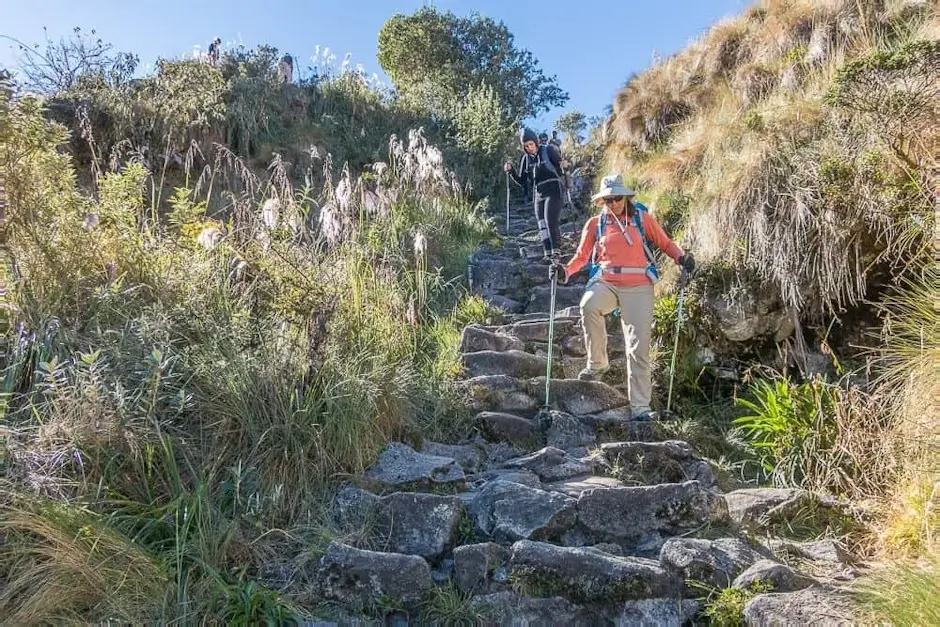
The Inca Trail to Machu Picchu is as demanding as it is rewarding. More than a simple trek, it is a test of endurance, determination, and adaptability, taking hikers through a variety of landscapes and altitudes that push both body and mind to their limits.
Conquering High Altitudes
One of the biggest challenges of the Inca Trail is its altitude. The highest point, Warmiwañusqa — or “Dead Woman’s Pass” — rises to over 4,200 meters (13,800 feet) above sea level. At this elevation, the air is thinner, and hikers may feel the effects of reduced oxygen. Proper acclimatization before starting the trek is essential to avoid altitude sickness and to fully enjoy the journey.
Demanding Terrain
The trail is a mix of steep ascents, rocky descents, and narrow stone pathways that can be slippery, especially in the rainy season. The constant change in elevation and terrain challenges even experienced hikers. Every step requires focus, and every climb tests stamina.
Weather Variability
In the Andes, weather can change in an instant. Warm sunny mornings can quickly turn into cold, misty afternoons or sudden downpours. Hikers must be prepared for all conditions — from intense UV exposure at high altitudes to chilly nights under the stars.
The Reward Beyond the Effort
While the physical demands are significant, the emotional reward is greater. Each difficult climb leads to breathtaking views, hidden Inca ruins, and moments of deep connection with nature. The challenge itself becomes part of the adventure — a reminder that the most unforgettable destinations often require effort to reach.
For those willing to push themselves, the Inca Trail offers more than just a hike. It’s an achievement, a rite of passage, and a journey that proves the most challenging paths often lead to the most beautiful places.
The Final Approach to Machu Picchu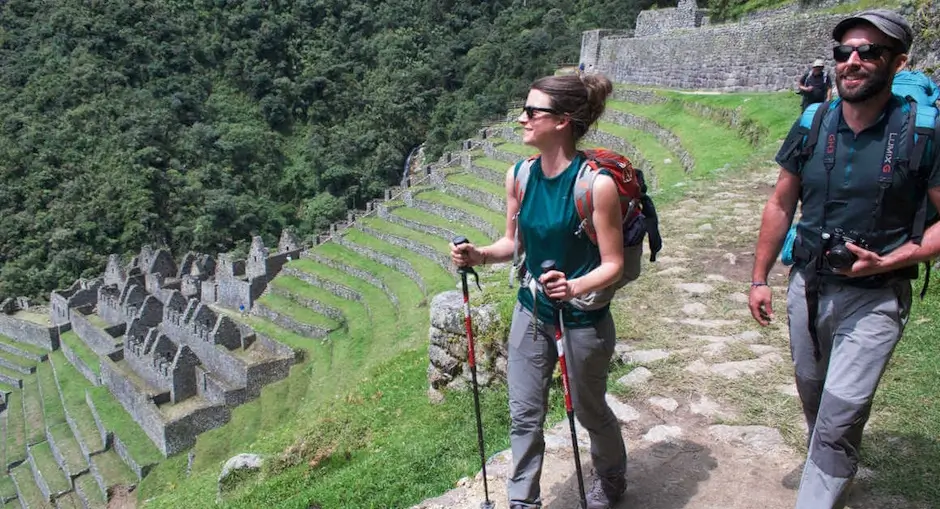
After days of trekking through rugged mountains, ancient ruins, and breathtaking landscapes, the final stretch of the Inca Trail holds a magic unlike any other. The anticipation builds with every step, knowing that the reward — the first sight of Machu Picchu — is just ahead.
An Early Start
On the last morning, hikers rise before dawn, guided by the light of headlamps and the sound of the awakening Andes. The air is cool and crisp, carrying with it the quiet excitement of the group. This is the moment the entire journey has been leading to.
Reaching the Sun Gate (Inti Punku)
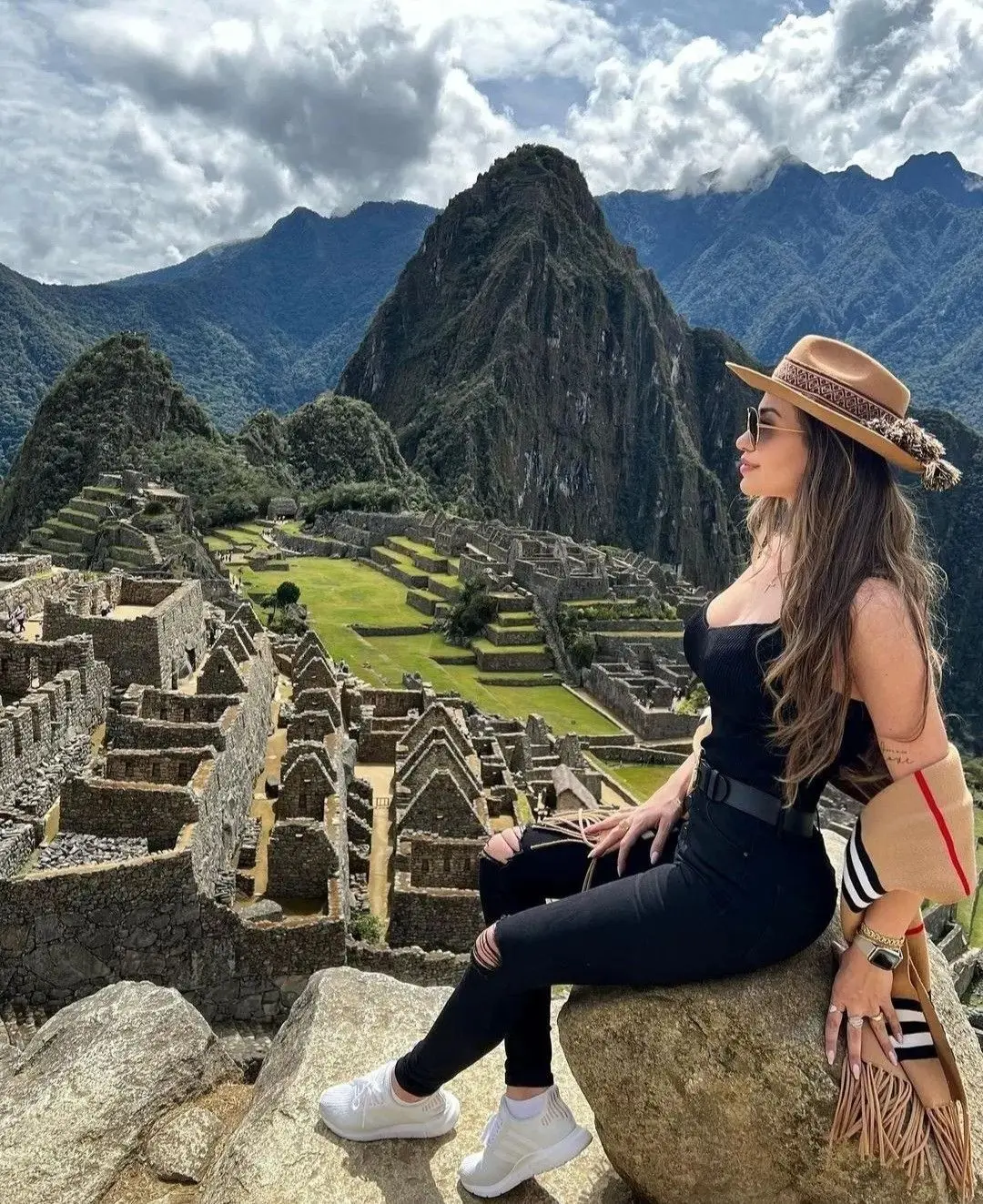
As the trail ascends, the first rays of sunlight begin to break through the mist. Then, suddenly, the path opens to the Sun Gate — the ancient ceremonial entrance to Machu Picchu. From here, the citadel reveals itself, bathed in golden light, seemingly suspended between the mountains and the clouds.
A Moment Beyond Words
The view from the Sun Gate is more than just a beautiful sight; it’s the culmination of effort, history, and emotion. Hikers often pause here, taking in the scene in silence, letting the magnitude of the moment sink in. After days of physical challenge, this is the ultimate reward — to see Machu Picchu as the Incas intended, from a vantage point that tells a story of arrival and purpose.
The Descent into the Lost City
From the Sun Gate, the trail gently winds down toward the citadel. Each step brings the intricate stonework, terraces, and temples into sharper focus. By the time hikers set foot within Machu Picchu itself, they carry not only the awe of the sight but also the deep satisfaction of having earned it through their own effort.
An Ending That Feels Like a Beginning
The final approach marks the end of the trek, but for many, it feels like the beginning of a new appreciation for history, nature, and personal resilience. Machu Picchu is no longer just a destination — it becomes a part of the journey, and the journey becomes a part of you.
Why It’s the Ultimate Adventure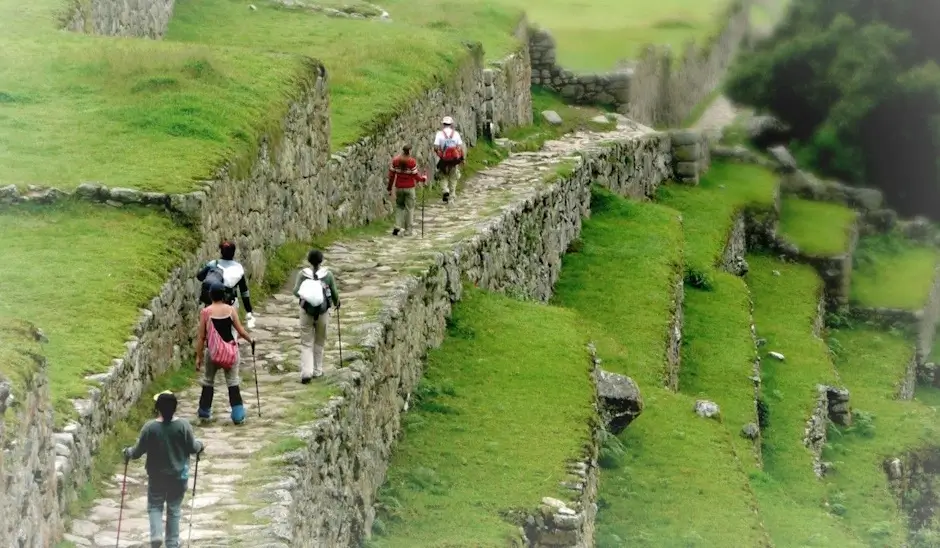
The Inca Trail to Machu Picchu is more than a famous hike — it is a once-in-a-lifetime experience that blends physical challenge, cultural immersion, and natural beauty in a way few other journeys can match. For adventurers, history lovers, and nature enthusiasts alike, it stands as the ultimate adventure in South America.
A Journey Through Time
Unlike many treks, the Inca Trail is not just about the destination — it is about the story told along the way. Every stone path, ancient ruin, and mountain pass connects you to the footsteps of the Incas, offering a rare chance to walk the same route that once linked the empire’s most sacred sites.
Nature in All Its Majesty
From lush valleys filled with orchids to high-altitude passes with panoramic views of the Andes, the trail showcases an extraordinary variety of landscapes. The shifting scenery keeps every day fresh and inspiring, with each bend in the path revealing a new perspective on Peru’s natural wonders.
The Thrill of the Challenge
The Inca Trail is not an easy journey, and that’s part of its magic. Steep climbs, high altitudes, and unpredictable weather demand preparation, determination, and resilience. Overcoming these challenges creates a profound sense of achievement — a feeling that stays with you long after you’ve returned home.
A Powerful Arrival
The climax of the trek, arriving at Machu Picchu through the Sun Gate, is an emotional and unforgettable moment. Seeing the citadel bathed in morning light after days of effort gives the arrival a depth of meaning that no train or bus ride could ever match.
More Than a Destination
The Inca Trail is the ultimate adventure because it transforms you. It’s not just about reaching Machu Picchu — it’s about the lessons learned, the friendships formed, and the personal limits pushed along the way. By the end, you don’t just see one of the world’s great wonders; you’ve earned it.
- Discover the Wonders of Peru: with the Tour Perú Machu Picchu Nazca 15 Days
- Discover the Best of Perú: with the Tour Perú Amazon Nazca Machu Picchu 20 Days
- Travel Package to Peru Tour in Lima, Paracas, Ballestas, Nazca Lines, Colca Canyon 22 Days
Cultural and Natural Highlights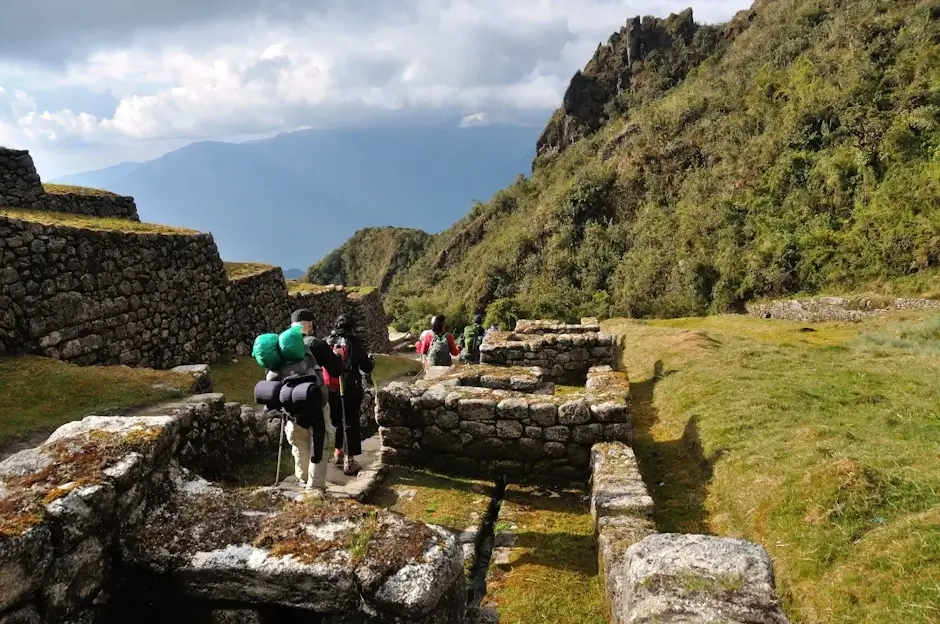
The Inca Trail to Machu Picchu is more than a path through the Andes — it’s a journey that immerses travelers in both cultural heritage and natural beauty. Along the way, each turn in the trail reveals a new story, whether it’s told through ancient stonework or the vibrant landscapes of the Peruvian highlands.
Ancient Ruins Along the Route
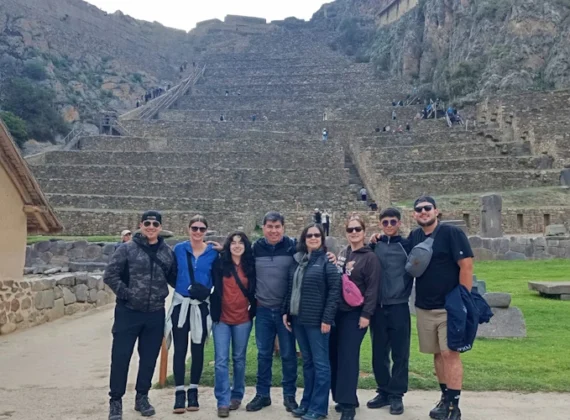
One of the most remarkable aspects of the Inca Trail is its wealth of archaeological sites. Hikers encounter ruins such as Llactapata, with its agricultural terraces; Runkurakay, a circular structure believed to be a watchtower; and Sayacmarca, a fortress-like complex perched high on a ridge. Near the end, Wiñay Wayna dazzles with sweeping terraces and ceremonial fountains, offering a preview of the grandeur of Machu Picchu itself.
Breathtaking Landscapes
The trail passes through diverse ecosystems, from dry highland valleys to lush cloud forests alive with orchids, bromeliads, and hummingbirds. Panoramic views of snow-capped peaks and deep green valleys provide constant reminders of the Andes’ raw beauty. The high passes, such as Warmiwañusqa (“Dead Woman’s Pass”), offer some of the most dramatic vistas of the trek.
Wildlife Encounters
Nature lovers will find the trail rich in wildlife. The Andean condor, spectacled bear, and a dazzling variety of birds make the Inca Trail a paradise for wildlife observation. In the cloud forest sections, colorful butterflies and rare plant species add to the sense of walking through a living museum.
A Blend of History and Nature
What makes the Inca Trail unique is the way its cultural and natural elements intertwine. Ancient engineering blends seamlessly with the landscape, showing how the Incas designed their world to work in harmony with nature. Every site, every view, is part of a larger narrative that connects past and present.
The Heart of the Experience
The cultural richness and natural splendor of the Inca Trail aren’t just sights to see — they’re experiences to feel. Standing in an ancient ruin surrounded by the peaks of the Andes is a reminder that this trek is not simply about reaching Machu Picchu, but about embracing the wonders along the way.
Practical Tips for a Successful Trek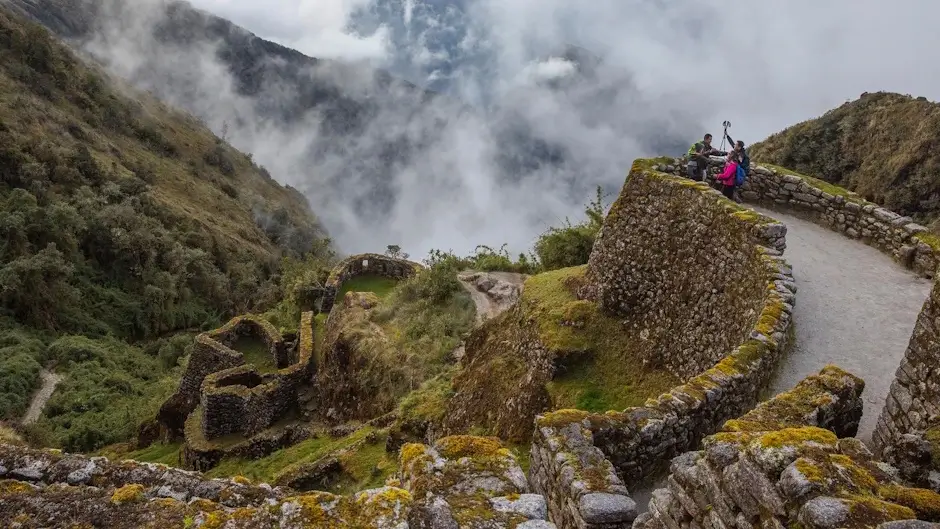
The Inca Trail to Machu Picchu is one of the world’s most iconic hikes — a journey through history, culture, and nature. But to truly enjoy it, you need more than excitement and good intentions. Practical preparation can make the difference between a challenging but enjoyable trek and an exhausting struggle. Here are some essential tips to help you succeed.
Choose the Right Tour Operator
Only licensed operators can provide permits for the Inca Trail. Look for companies with experienced guides, ethical porter treatment, and positive traveler reviews. A well-organized trek means fewer worries and more time to focus on the adventure.
Break In Your Gear
Don’t wait until the first day of your trek to try out new hiking boots. Break them in with several long walks or hikes beforehand to avoid painful blisters. Similarly, test your backpack, clothing layers, and rain gear in different conditions.
Pack Light, Pack Smart
Porters will carry most of your gear, but you’ll need a daypack with essentials like water, snacks, sunscreen, a hat, and a rain jacket. Keep it light to conserve energy on steep climbs and long descents.
Stay Hydrated and Eat Well
At high altitude, hydration is key to avoiding headaches and fatigue. Drink regularly throughout the day, even if you don’t feel thirsty. Eat balanced meals and snacks for sustained energy — many trekkers swear by dried fruits, nuts, and energy bars.
Respect the Altitude
Even fit hikers can feel the effects of high elevation. Take it slow, especially on the first couple of days, and listen to your guide’s advice. Coca tea, available throughout the Andes, can help with mild symptoms of altitude discomfort.
Be Weather Ready
The Andes are unpredictable. Bring layers you can easily add or remove, and always have waterproof clothing handy. A light down jacket is perfect for chilly mornings and evenings.
Embrace the Journey
It’s easy to get focused on reaching Machu Picchu, but the trail itself is full of beauty and history. Take breaks to admire the scenery, explore the ruins, and appreciate the moments that make the trek special.
Environmental and Cultural Considerations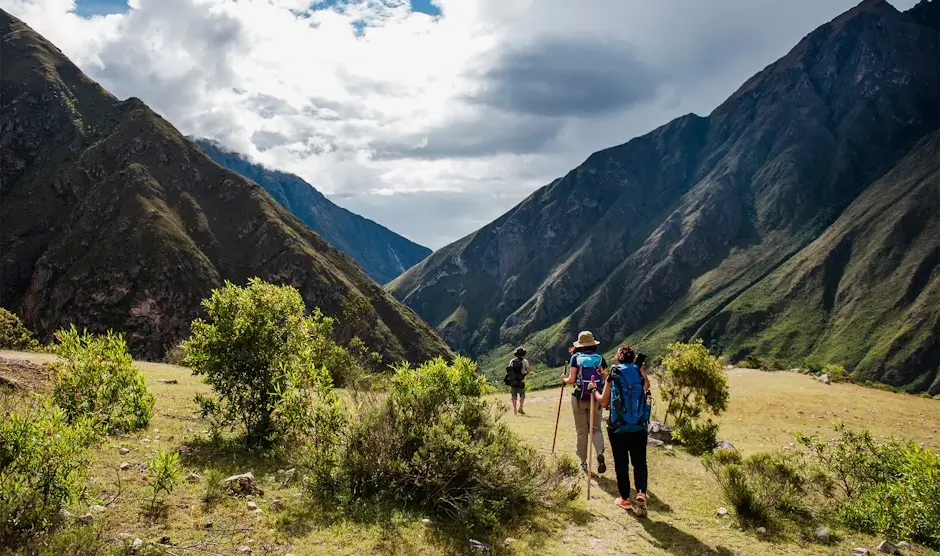
Hiking the Inca Trail to Machu Picchu is not only an adventure — it’s also a privilege. This iconic route passes through fragile ecosystems and sacred archaeological sites that deserve respect and care. Being mindful of your environmental and cultural impact ensures that this treasure remains intact for future generations.
Protecting the Environment
The Inca Trail winds through diverse landscapes, from high-altitude grasslands to cloud forests teeming with biodiversity. These ecosystems are sensitive, and even small disturbances can have lasting effects. Stick to marked paths to avoid damaging plants, and never leave litter behind — even biodegradable waste can disrupt the balance of the environment. Using refillable water bottles and avoiding single-use plastics is another way to reduce your footprint.
Respecting Archaeological Sites
Along the trail, you will encounter centuries-old ruins built by the Incas. These structures are UNESCO-protected heritage sites and should be treated with the utmost care. Do not climb on walls or touch delicate stonework, as even minimal contact can cause erosion over time. Photography is welcome, but remember to keep a respectful distance.
Supporting Local Communities
The Inca Trail passes near small Andean villages where local communities play an important role in the trekking experience — from porters who carry gear to artisans who sell handmade goods. Purchasing locally made products and tipping fairly helps sustain these communities and supports cultural traditions.
Cultural Awareness and Etiquette
The Andes are home to living cultures with deep spiritual ties to the land. Learn a few words in Quechua or Spanish, and approach interactions with openness and respect. If you participate in traditional ceremonies or observe local customs, do so with genuine appreciation and without treating them as mere entertainment.
Leaving a Positive Legacy
Being a responsible traveler means leaving no trace of your presence except goodwill and gratitude. By hiking mindfully and honoring the trail’s cultural and environmental significance, you contribute to the preservation of one of the world’s most extraordinary journeys.
- Eplore Peru: From Vibrant Lima to Mystical Machu Picchu and Majestic Lake Titicaca 8 Days
- Perú Travel with Tour Lima Cusco Machu Picchu Lake Titicaca 7 Days
- Explore the Wonders of Cusco with City Tour and Machu Picchu 3 Days
- Explore Peru with the Lima Cusco Machu Picchu Huayna Picchu Tour 6 Days
For more information and to book your trip, contact us on WhatsApp. Follow us on Instagram for the latest updates and travel inspiration.
CONTACT US:
We are a Travel Agency specialized in tourist packages, if you need any information, do not hesitate to write to us.
We offer tours in Peru and Bolivia.