

Discover the Enchantment of Puca Pucara Cusco
Nestled within the majestic Andes and just a short drive from Cusco, Puca Pucara stands as a mysterious and enchanting archaeological site. Translating to “Red Fortress” in Quechua, its name refers to the reddish hue the stones reflect at sunset—a captivating sight that draws travelers and history enthusiasts alike. Though often overshadowed by its neighboring sites such as Sacsayhuamán and Tambomachay, Puca Pucara offers a unique window into the military and administrative complexity of the Inca Empire.
- Embark on a Journey of Ancient Traditions: The Inti Raymi Tour in Cusco 4 Days
- Discover the Wonders of Peru with the Tour Perú Machu Picchu 5 Days
- Discover Peru with the City Tour Sacred Valley Machu Picchu 4 Days
- Explore the Wonders of Cusco with City Tour and Machu Picchu3 Days
Puca Pucara Cusco: A Strategic Outpost with a Scenic View
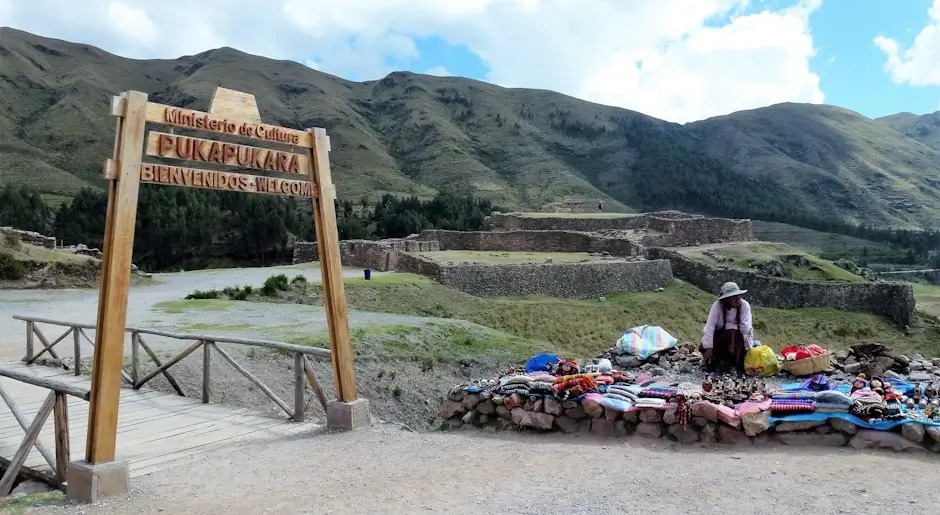
Puca Pucara Cusco
Unveiling the Military Purpose and Panoramic Beauty of Puca Pucara
Just a few kilometers from the ancient heart of Cusco, Puca Pucara rises modestly among the Andean hills, often overlooked by visitors on their way to more famous Inca ruins. Yet, this “Red Fortress” holds a story of strategic brilliance and natural elegance—a place where military necessity met the beauty of the highlands.
Guarding the Empire
Perched on a natural vantage point, Puca Pucara was strategically located to monitor and control movement along the road to the Sacred Valley and the Antisuyo region. The Inca Empire, known for its vast and sophisticated road system, needed outposts like this one to secure trade routes, manage access to the imperial capital, and ensure the safety of travelers—especially nobles and emissaries.
Its elevated position gave the fortress clear, uninterrupted views of the surrounding valleys and mountains, making it an ideal lookout point. Soldiers stationed here could detect any approaching group long before they arrived, giving the Inca time to prepare or respond.
A Military Post with a Multifunctional Role
Although its primary role was defensive, evidence suggests that Puca Pucara also served as a tambo, a kind of waystation for messengers (chasquis), travelers, and dignitaries. The ruins include rooms, water channels, terraces, and storage spaces, indicating that it was a self-sufficient complex, equipped to offer rest and provisions for those passing through.
Its proximity to Tambomachay, a ceremonial site linked to water worship and royal rituals, hints at an interconnected function—perhaps Puca Pucara also ensured the protection of sacred spaces.
Built with Purpose
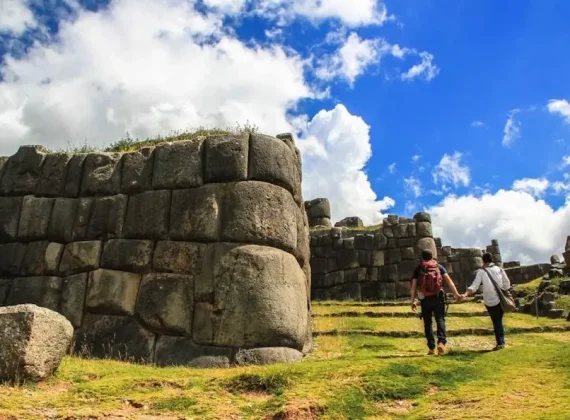
Unlike the polished stonework of religious temples, Puca Pucara’s architecture is more rugged and functional, built with irregular but tightly-fitted stones. This difference in craftsmanship reflects the site’s utilitarian character, designed more for performance than for ceremonial grandeur.
Still, the site is not without its beauty. The contrast between the reddish stones and the emerald landscape, especially during sunrise or sunset, makes for a striking visual experience.
A Window into the Inca Mind
Puca Pucara is more than just ruins—it’s a testament to the strategic and administrative genius of the Inca civilization. It demonstrates how the empire combined military foresight with logistical planning and reverence for nature. The careful choice of location, the multifunctional layout, and the integration into the Inca road system all reveal the complexity of imperial governance.
Today’s Experience: Tranquility and Perspective
For modern visitors, Puca Pucara offers quiet trails, stunning views, and a chance to reflect on the ancient world without the crowds found at larger sites. Standing on its high platforms, gazing out at the mountains, you feel the same sense of watchfulness the Inca guards once did—only now, it’s the landscape that takes your breath away.
A Stop on the Royal Road: Puca Pucara Cusco

Puca Pucara Cusco
Puca Pucara and Its Role in the Great Inca Network
The Inca Empire, one of the most expansive and advanced civilizations of pre-Columbian America, owed much of its power to a brilliant system of roads—the Qhapaq Ñan, or Royal Road. Stretching over 40,000 kilometers across rugged mountains, deep valleys, and arid deserts, this network connected the farthest corners of the empire. Along these paths stood strategic waystations known as tambos—and among them was the striking site of Puca Pucara, just outside of Cusco.
More Than Just a Fortress
Often referred to as the “Red Fortress” due to the hue its stones take on at sunset, Puca Pucara was not merely a military outpost. Its strategic location along the Royal Road made it an important checkpoint and resting place for Inca nobles, travelers, and messengers.
While its elevated position allowed for excellent surveillance of the surrounding landscape, the site’s layout suggests a multifunctional purpose—a place where the military, administration, and travelers’ needs met in harmony.
A Welcome Break for Royal Travelers
As a tambo, Puca Pucara likely offered lodging, food, and shelter to those on official journeys. The Inca elite, who traveled between sacred and political centers, would have used this site to rest before continuing to or from Tambomachay, the nearby ceremonial center associated with water worship and perhaps even royal bathing rituals.
Its wide open spaces, rooms, and platforms suggest that it was capable of accommodating multiple guests, while its storehouses would have held supplies to support these short stays.
Part of a Greater System
Puca Pucara wasn’t an isolated station. It was part of the Qhapaq Ñan, a masterfully engineered highway system that connected Cusco—the navel of the empire—to major cities and provinces as far as modern-day Colombia, Chile, and Argentina.
Each tambo along the road served a distinct purpose: some were large complexes for royal retinues; others, like Puca Pucara, combined military function with hospitality. The chasquis, Inca messengers who ran messages across the empire in relay fashion, also likely passed through this site, taking brief rests before continuing their journey.
Today’s Visitors: Following in Ancient Footsteps
For modern travelers, visiting Puca Pucara is like stepping into the rhythm of the Inca road. While the site may seem modest in size, its location, design, and historical importance speak volumes. Standing on its terraces and gazing out over the landscape, one can imagine a steady flow of travelers, warriors, and messengers moving purposefully through this Andean gateway.
Don’t Miss the Connection
When touring the archaeological corridor outside of Cusco, including sites like Sacsayhuamán and Tambomachay, make sure not to overlook Puca Pucara. It’s a quiet yet powerful reminder of how the Inca Empire functioned with efficiency, vision, and respect for the natural world.
- Journey to the Heart of the Andes: A 15-Day Adventure from Cusco to San Pedro de Atacama 15 Days
- Andean Expedition Exploring the Treasures of Peru and Bolivia. 20 Days
- South America tourist package visiting Peru and Bolivia 25 days
- South America tour through the Andes of Peru, Bolivia and Chile.15 Days
- Discover South América with the Perú Bolivia Tour 14 Days
- South America trip: the best tour of Peru and Bolivia 10 Days
Puca Pucara Cusco: Exploring the Enchantment
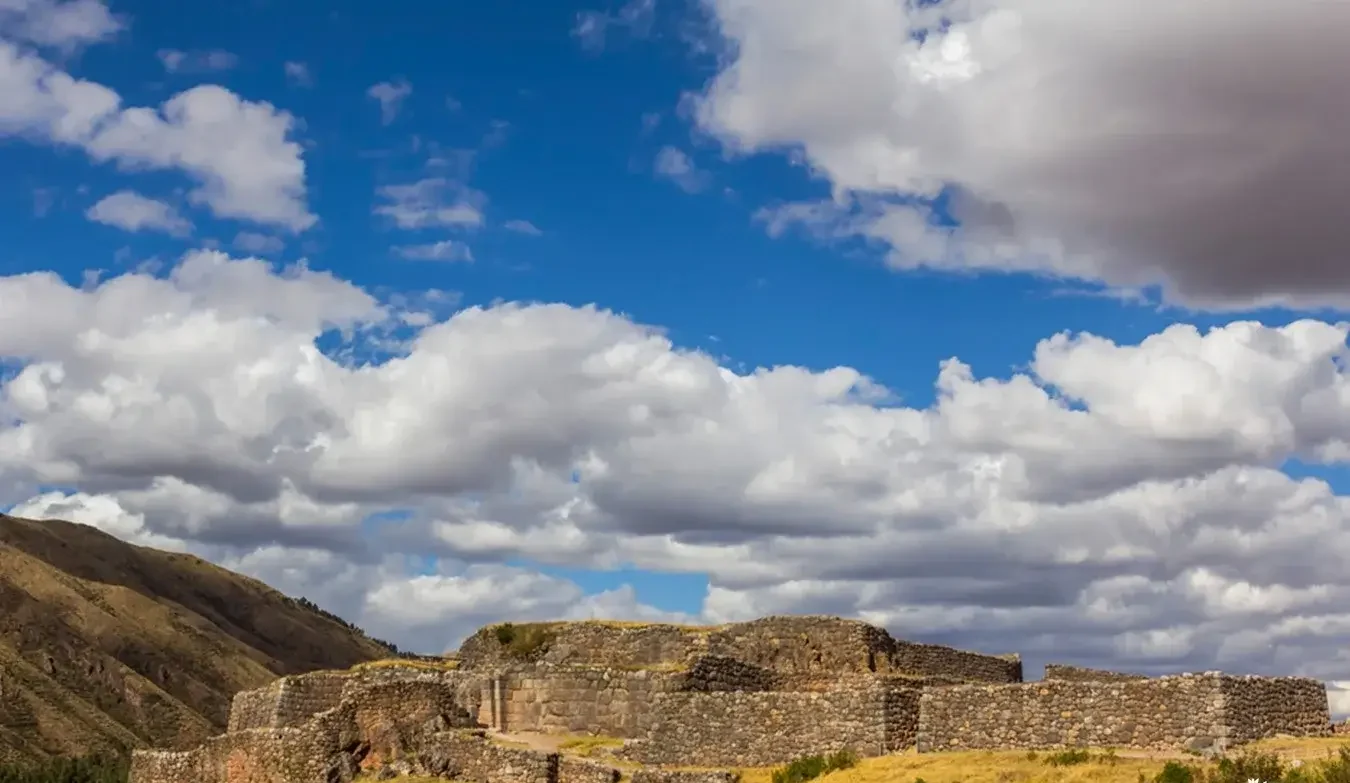
Puca Pucara Cusco
Discover the Magic and Mystery of Puca Pucara
High above the valley floor, where the air is crisp and the mountains echo with ancient whispers, lies one of Cusco’s most charming yet overlooked archaeological treasures: Puca Pucara. Known as the “Red Fortress” for the warm hue its stones reflect during sunset, this ancient Inca site invites visitors to go beyond the surface and step into a world where history, nature, and mysticism meet.
A Place of Quiet Wonder
Unlike the bustling crowds of Machu Picchu or the grandeur of Sacsayhuamán, Puca Pucara offers something different—a peaceful, almost meditative experience. Surrounded by natural beauty, the ruins exude a sense of stillness, giving travelers a chance to slow down, breathe the mountain air, and let the energy of the Andes sink in.
As you walk along its walls and platforms, you’re not just observing history—you’re walking in the footsteps of Inca soldiers, nobles, and messengers, each of whom once passed through this site as part of their sacred journey.
Sunset Magic and Mountain Views
One of the most enchanting moments at Puca Pucara is at sunset, when the reddish stones seem to glow with an inner light. This natural phenomenon, combined with panoramic views of the surrounding hills, creates an atmosphere that feels both timeless and sacred.
From its vantage points, visitors can admire the lush Andean landscape stretching toward the Sacred Valley, with glimpses of Tambomachay nearby. The view is not only breathtaking—it’s strategic, reflecting the Inca’s deep understanding of both terrain and beauty.
A Portal to the Past
Exploring Puca Pucara is like opening a portal to a different time. Every stone, every stairway, every wall tells a story—not only of military strength or administrative planning, but also of a civilization deeply connected to the land and the cosmos.
Was it a fortress? A resting place? A ceremonial checkpoint? Probably all of the above. But more than its purpose, what truly captivates visitors is the mystery that lingers—a silent enchantment that wraps around the ruins like morning mist.
Tips to Enhance the Experience
- Visit at golden hour (late afternoon) for the most magical lighting and photos.
- Take your time—Puca Pucara is best appreciated slowly, without rushing.
- Pair your visit with Tambomachay, just a short walk away, for a deeper cultural context.
- Bring a guide or read in advance, as the site is not heavily labeled and its subtle details are easy to miss without context.
The Enchantment Awaits
For those seeking not only adventure but a moment of connection and reflection, Puca Pucara offers a rare gift. It may not have the fame of Peru’s more iconic sites, but its charm lies in its tranquility, mystery, and quiet power.
Puca Pucara Cusco: Tips for Your Visit
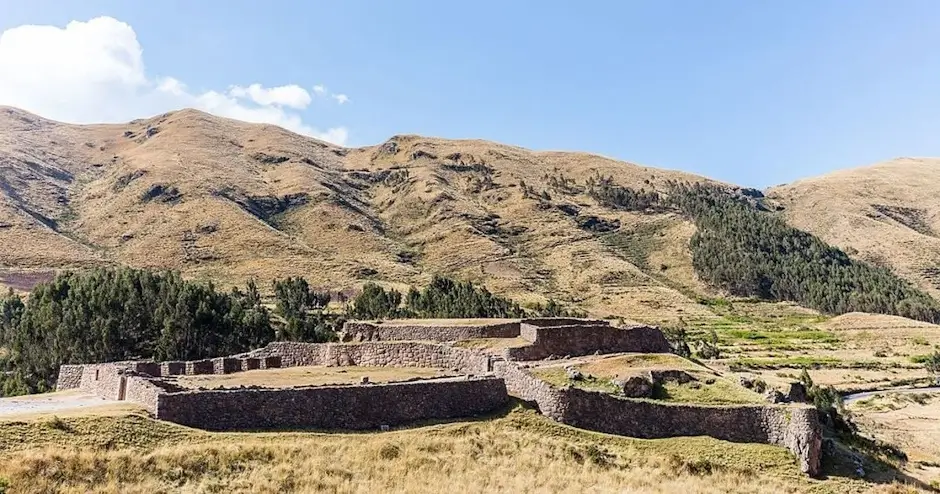
Puca Pucara Cusco
Make the Most of Your Journey to the Red Fortress
Just outside the city of Cusco, along the ancient paths of the Andes, lies Puca Pucara, the mysterious “Red Fortress” of the Incas. Though smaller and less visited than Machu Picchu or Sacsayhuamán, this archaeological gem offers a unique blend of history, scenic views, and peaceful atmosphere. To ensure you have the best possible experience, here are some essential tips for your visit to Puca Pucara.
Plan Your Visit in the Afternoon
While Puca Pucara is beautiful at any time of day, late afternoon offers a truly magical experience. As the sun begins to set, the stones of the fortress take on a reddish hue, giving the site its name. The soft golden light also enhances the surrounding landscape, making it ideal for photography.
Pair Your Visit with Nearby Sites
Puca Pucara is often visited in combination with Tambomachay, located just a short walk away. Many travelers also include Sacsayhuamán and Qenqo as part of a half-day tour from Cusco. Booking a combo tour or hiring a local guide for these four sites will help you get the most context and insight from each place.
Wear Comfortable Shoes
Though the site is relatively compact, its uneven terrain and stone steps require sturdy footwear. Choose comfortable walking shoes or hiking boots to navigate the ruins safely and enjoyably.
Bring Sun Protection
At over 3,700 meters (12,100 feet) above sea level, the sun in the Andes is intense—even on cloudy days. Don’t forget to bring sunscreen, sunglasses, and a hat to protect yourself while exploring the site.
Stay Hydrated and Acclimatize
Cusco’s high altitude can catch visitors off guard. Before heading to Puca Pucara, make sure you are well-hydrated and allow a day or two to acclimatize to the elevation. Carry a reusable water bottle with you during the visit.
Purchase the Tourist Ticket (Boleto Turístico)
Puca Pucara is part of the Cusco Tourist Ticket (Boleto Turístico del Cusco), which grants access to multiple archaeological sites and museums in the area. You can purchase the ticket at the site entrance or in advance in Cusco. The ticket is great value if you’re planning to visit several attractions in and around the city.
Hire a Guide or Read Before You Go
The site doesn’t have extensive signage, so without a guide, it’s easy to miss the significance of what you’re seeing. To fully appreciate the historical and cultural context, consider hiring a licensed guide or reading up on Puca Pucara before your visit.
Respect the Site
As with all archaeological sites, it’s important to be a responsible traveler. Stay on marked paths, don’t climb on the ruins, and help preserve this cultural treasure for future generations.
Puca Pucara Cusco: A Hidden Gem on Cusco’s Outskirts
Puca Pucara Cusco
Discover One of the Inca Empire’s Quiet Treasures
While Cusco dazzles visitors with its colonial charm and majestic Inca ruins, some of its most captivating secrets lie just beyond the city limits. One such secret is Puca Pucara, or the “Red Fortress”—an often-overlooked archaeological site that offers visitors a peaceful, scenic, and historically rich experience away from the crowds.
A Fortress with a View
Located just 7 kilometers (about 4.3 miles) from the city of Cusco, Puca Pucara was strategically positioned on a hill overlooking the surrounding valleys. The site’s elevated location wasn’t just for defense—it also offers spectacular panoramic views of the Andean landscape. Especially at sunset, the reddish tint of the stone walls glows in warm contrast against the green hills, creating an unforgettable visual experience.
More Than Military
Despite its name, Puca Pucara wasn’t just a fortress. Scholars believe it served multiple purposes: a military checkpoint, administrative post, and tambo (resting place) for travelers along the Inca road network. It likely played a supporting role to the nearby Tambomachay, a ceremonial site linked to water rituals and perhaps royal bathing.
Its construction, though less refined than the famous walls of Sacsayhuamán, showcases the Inca’s practical approach to function and form, with rooms, terraces, stairways, and observation platforms still intact.
A Peaceful Escape from the Crowds
One of Puca Pucara’s greatest appeals is its tranquility. Unlike Cusco’s main attractions, this site is rarely crowded, giving visitors space to reflect, admire the views, and connect with the spirit of the Andes. The quiet setting allows you to explore at your own pace, taking in the details and letting your imagination wander back to the days of Inca messengers and soldiers.
Easily Accessible Yet Often Skipped
Despite being part of the Boleto Turístico del Cusco and included in many half-day tours, Puca Pucara is often overlooked in favor of larger sites. However, its close proximity to the city and other ruins like Qenqo, Sacsayhuamán, and Tambomachay makes it an easy and worthwhile addition to any itinerary.
Whether you explore on your own or with a guide, Puca Pucara provides a meaningful stop that completes the puzzle of how the Inca organized their empire—not just through temples and palaces, but through a network of strategic and functional outposts.
Travel Tips
- Best Time to Visit: Late afternoon for dramatic lighting and fewer visitors.
- What to Bring: Water, sunscreen, comfortable shoes, and a camera.
- How to Get There: By taxi, tour, or even a scenic hike from Cusco if you’re up for the challenge.
- Don’t Miss: Pair your visit with Tambomachay for a deeper understanding of the area’s purpose.
Puca Pucara may not be Cusco’s most famous ruin, but its strategic importance, peaceful setting, and captivating views make it a true hidden gem. It’s the kind of place that rewards those who take the time to look beyond the obvious—and it just might become one of your favorite discoveries in the heart of the Andes.
- Eplore Peru: From Vibrant Lima to Mystical Machu Picchu and Majestic Lake Titicaca 8 Days
- Perú Travel with Tour Lima Cusco Machu Picchu Lake Titicaca 7 Days
- Explore the Wonders of Cusco with City Tour and Machu Picchu 3 Days
- Explore Peru with the Lima Cusco Machu Picchu Huayna Picchu Tour 6 Days
For more information and to book your trip, contact us on WhatsApp. Follow us on Instagram for the latest updates and travel inspiration.
CONTACT US:
We are a Travel Agency specialized in tourist packages, if you need any information, do not hesitate to write to us.
We offer tours in Peru and Bolivia.